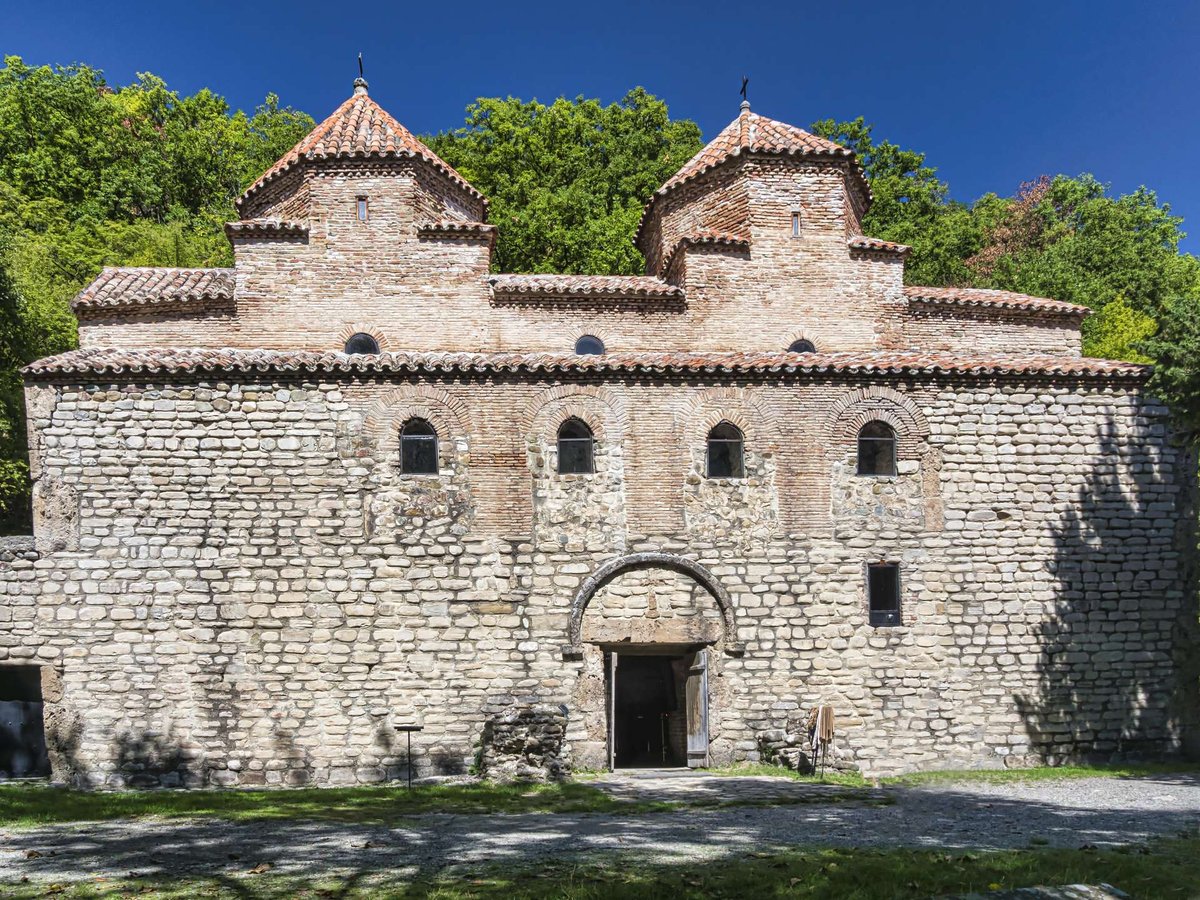



The Holy Virgin (Kvelatsminda) in Gurjaani is an 8th-century Georgian landmark, the only two-domed basilica of its kind built at that time.

According to legend, in the temple of Gurjaani, there is an icon of the Iberian Mother of God, which is miraculous. The icon was hidden in the temple during the invasion of the enemies and was found a couple of centuries later. The temple of Gurjaani is considered one of the attractions of Georgia.


Visit a Georgian landmark from the 8th century⬇️

content

Gurjaani Prechistaya (Kvelatsminda) Virgin is a unique monument of church architecture, only here is the only two-domed basilica in Georgia, built in the VIII-IX centuries.

The temple is located in Katechia, namely in the town of Gurjaani, the recognized center of winemaking in Georgia, where undoubtedly the most beautiful places of Georgia are located.

History

This architectural monument of the Orthodox Georgian church, located near the village of Vachnadziani, is about eight kilometers away.

In the VI - VII century the monastery had three naves as part of the basilica, unfortunately, one of its parts was damaged in a landslide, but some fragments of the structure can still be found today. At the end of the VIII century a domed church of All Saints was erected of stone and brick and is an example of transitional Georgian architecture of the Middle Ages.

The Legend of the Icon of Our Lady of Gurjaan

The sights of Georgia are notable for their rich history and unusual and sometimes surprising legends. The Gurjaani Precious (Kvelatsminda) Mother of God is no exception.

There is a legend about the miracle-working icon of the Mother of God Iveron, which is revered and kept in the temple to this day.

The building of the Church of the Blessed Virgin Mary

The central part of the icon is occupied by the image of the Mother of God with the child, painted in paint and framed in a gilded frame; this legend is connected to her. One day in the autumn of 1615, when Shah Abbas was raiding Katehi against the Kartli and Kakheti kingdoms.

The abbot of the monastery, father Ioan, gathered the entire monastic brotherhood and decided not to leave the monastery, but hid all the relics, temple shrines, icons and church objects in a secret room, located at the bottom of the church, to prevent the looting and ruin of the monastery.

That same night the image of the Blessed Virgin Mary came to Father John in a dream and told him to wall up the icon in a column in the martyr's monastery, which was located about 1-2 km from the Monastery of All Saints. In the morning, Father John told the monks about the will of the Mother of God and hid the icon in the column.

However, this did not save the villages and monasteries from the attack of Shah Abbas. After his invasion, many settlements were looted, monasteries were destroyed, including the Church of All Saints and Martyrs, and monks were killed - all services ceased. And only 200 years later, a small brotherhood of monks from the Kahta Uban monastery, together with hegumen Gabriel, began to restore the theological life in the desolate temple.

Later they found out about the lost icon of the Mother of God and began to search for it, but the search was unsuccessful. Suddenly, a miracle happened: the Almighty appeared to hegumen Gabriel in a dream and showed him the place where the icon was hidden.

The next day, hegumen Gabriel, along with Father Jostosti, the hegumen of Ascension Monastery Vezhin, the priest Gurjaani and many pilgrims went in search of the lost relic. After they uncovered the wall and column, they discovered the very same icon of Our Lady that was taken to the monasteries of Kahta Ubani.

Unfortunately in 1845 the monastery was again deserted, the monks left the Stepantsminda monastery and the icon was moved to St. George's Church in Gurjaan.

Interior decoration of the Church of the Blessed Virgin Mary

Architecture

The plan of the church is complex; it includes both one-story and two-story parts composed of different materials. The exterior walls, the apse (apsidal extension in the form of a semi-circle), the side walls, and the chambers are composed of cut cobblestones. On the inside, the walls, vaults and domes are made of bricks of various shapes, ranging from the usual square ones to the most bizarre. The domes are covered with tiles in the form of troughs.

The temple itself is located in the middle of a broad-leaved forest that surrounds it and brings an atmosphere of tranquility, peace and unity with nature.

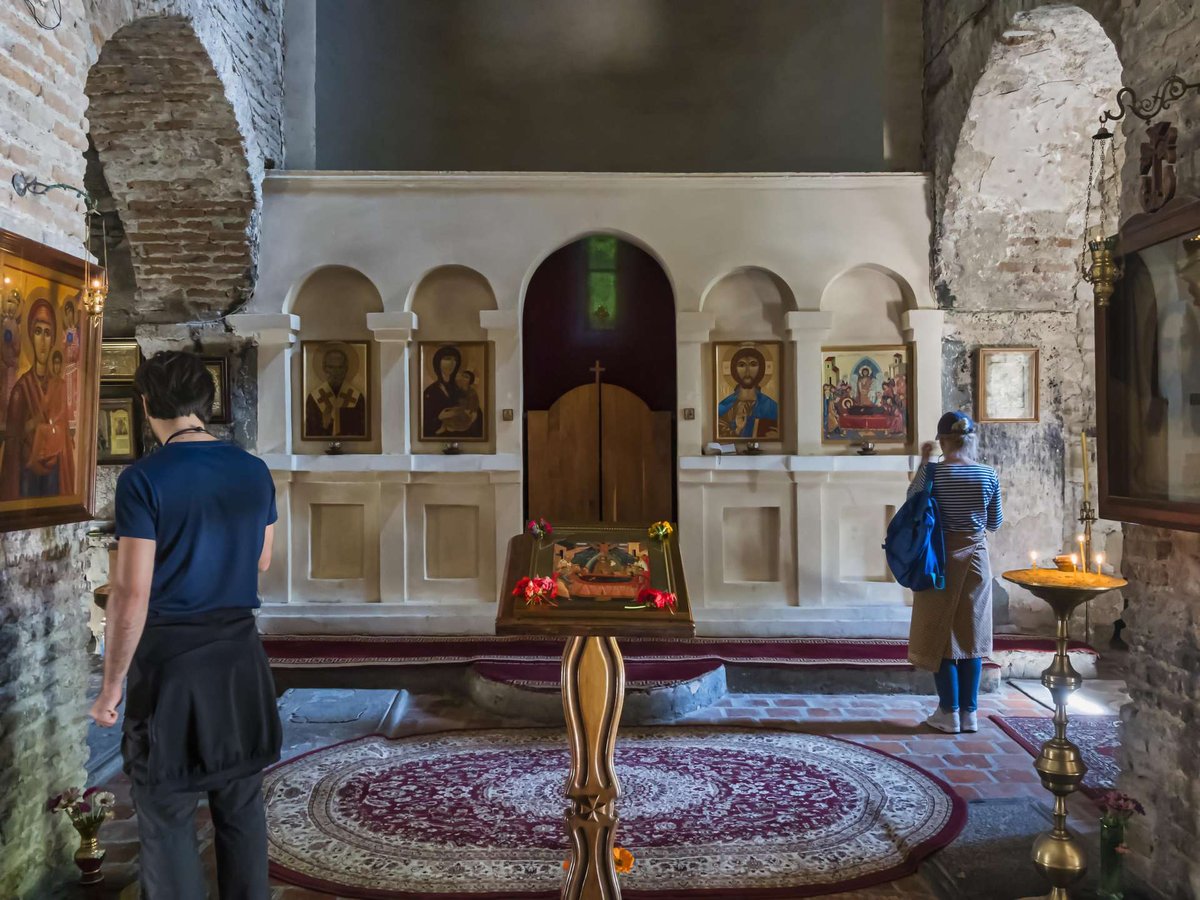
Inside the temple there is an iconostasis, which is illuminated by a soft light of burning candles. The building of the temple is divided into three parts, the middle - towering part can be divided into three quadrants, which have domes, supported by a trompe l'oeil (stabilizing structure in the form of a stepped niche).

The dome itself is covered with a gable roof of tile, which passes into the apse. The western dome is slightly higher and wider than the eastern dome.

The interior of the temple is an arched construction, which is formed due to the stepped tiers of arches. The altar apse occupies an elevated place, but does not stand out from the overall temple ensemble. To the south is the deacon and the entrance gate.

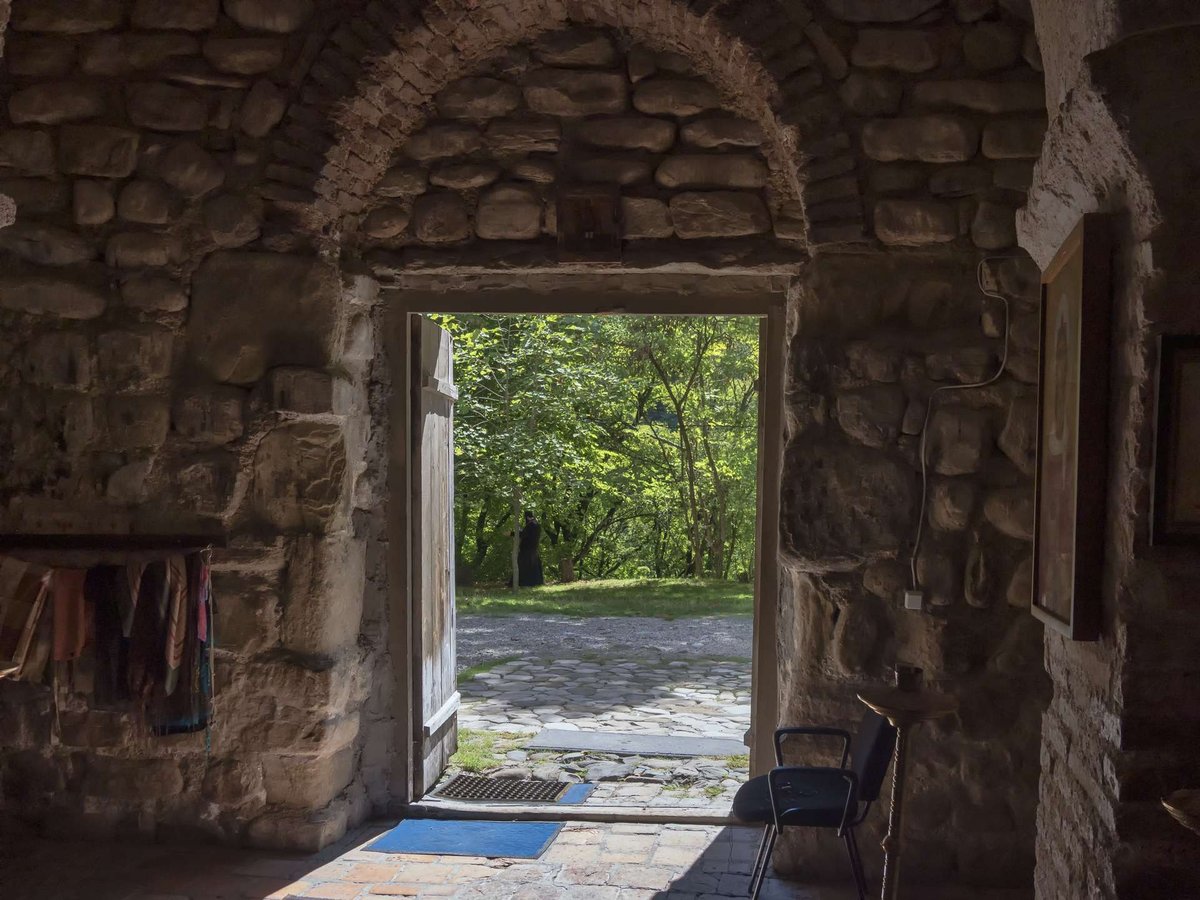
It is possible to enter the temple from the south and west sides; there is also a rectangular receptacle in the west - the narthex. It communicates with the main building of the temple through a narrow wooden door and is also accessible through it to the second floor where there is a view of the terrace.

The main façade is the east façade, which is decorated with arches and a cross and immediately attracts people passing by as if to greet them. Along the archway is a carved window that belongs to the deaconess.

The southern façade is lined with rounded cobblestones. The entrance to the first floor is a wide carved door, above which is a yellow cross cut with an arch.

The north facade is similar to the south facade, but there is no entrance to the temple, but you can watch the scenery from inside through the carved windows.

What to see in Georgia? If you are a connoisseur of medieval authentic temple architecture and beautiful scenery, the answer is unambiguous - you should definitely visit the Temple of Gurjaani (Kvelatsminda) of the Virgin Mary.

Exit to the patio from the Ancient Church

Do you want to increase the number of clients by 5 times?

Choose premium placement on Madloba and attract customers who are currently leaving for your competitors.

I want
Increase the number of clients
to rate this post.

23 comments

  • M
    MikhailV23d
    Как сохранялись иконы в таких условиях? Интересно, использовались ли какие-то специальные методы для защиты от влажности и вредителей?
  • L
    Levter
    ლინდა, მართლაც საინტერესოა, როგორ ახერხებდნენ შუა საუკუნეებში ამგვარი უნიკალური არქიტექტურის შექმნას. ამ სტილში ორი გუმბათი იშვიათია და საინტერესო იქნება იმის გაგება, თუ რატომ გადაწყვიტეს მასშტაბურობის განსხვავება აღმოსავლურ და დასავლურ გუმბათებს შორის. ასევე, რას ფიქრობთ, რამდენად არის შესაძლებელი, რომ 1615 წელს დამალული ხატი თანამედროვე ტექნოლოგიებით ისევ მყისიერად იქნას აღმოჩენილი?
  • W
    Wes
    How did the architectural style of the double-domed basilica in Georgia evolve over time, and how does it compare to other medieval structures in the region? Is there any opportunity to see the Iverian Virgin icon at its current location in the church of St. George in Gurjaani?
  • О
    Оля
    Какая интересная архитектурная деталь — двухкупольная структура. Такой уникальный элемент для Грузии! Оказывается, даже в постройках средневековья можно увидеть переходные стили. Интересно было узнать об истории иконы Иверской Богоматери и как её путь связан с монастырём. Спасибо за детализацию о материалах и архитектурных особенностях.
  • M
    Mariami
    გურჯაანის ორ-გუმბათიანი ბაზილიკა ისტორიის უნიკალური მაგალითია, სადაც აღმოსავლეთის და დასავლეთის არქიტექტურული სტილები შთამბეჭდავად ერთიანდებიან.
  • M
    Morgan
    Seeing the combination of medieval transitional architecture with its unique two-dome design and the intriguing history of the miraculous icon creates a fascinating glimpse into Georgia's spiritual and cultural past.
  • S
    Samantha
    It's fascinating to learn about the unique two-domed basilica from the 8th–9th centuries. I'm curious, how did they manage to preserve the building materials, especially the brick domes, for so many centuries? Are there any guided tours that explain the architectural details and the story of the miraculous icon?
  • M
    Maka_Sky
    როგორ მოხდა ყოველმხრივ უნიკალური ბერძნული ღვთისმშობლის ხატის გადამალვა და აღმოჩენა? და თუ შესაძლებელია, დღეს შეიძლება თუ არა ხატის ნახვა გურჯაანში?
  • С
    Соня
    Интересно, как именно были обнаружены и восстановлены иконы из колонны спустя столько лет? Есть ли информация о современном состоянии базилики после всех исторических событий и природных катаклизмов?
  • მარია
    როგორ შეძლეს ორი გუმბათის განსხვავებული ზომის არჩევა და როგორ აისახა ეს არქიტექტურის ესთეტიკაში? ასევე, ცნობილია თუ არა, თუ რატომ დაბრუნდა ივერიის ღვთისმშობლის ხატი მონასტერში ორი საუკუნის შემდეგ? ძალიან საინტერესო იქნებოდა ამ საკითხებზე მეტი ინფორმაციის მიღება.
  • H
    Harper
    I'm fascinated by the unique architectural style of the two-domed basilica, and I wonder if there's a way to see the miraculous icon of the Virgin Mary that was hidden in the column.
  • К
    Катя
    Любопытно, почему икону Иверской Богоматери спустя 200 лет решили вернуть в монастырь? Какой исторический контекст мог повлиять на это решение и было ли это связано с восстановлением или реконструкцией базилики?
  • G
    Gia
    What an intriguing piece of architecture! I’m curious about the specific techniques used to construct the two distinct domes, especially given the challenges of using both cobblestone and brick. Is there any detailed information available on how these materials were sourced and utilized in the 8th-9th centuries for such an enduring structure?
  • О
    Олеся
    Не совсем понятно, как именно икона смогла находиться в колонне все эти годы. Интересно было бы узнать больше деталей об этом. Может быть, существуют какие-то исторические документы или свидетельства, подтверждающие этот факт?
  • M
    Maksim
    Кто сейчас занимается сохранением и восстановлением этого уникального архитектурного памятника?
  • T
    Teona
    ვისურვებდით მეტი ინფორმაცია იმ პერიოდის არქიტექტურულ სტილზე, როცა ეს უნიკალური ორგუმბათიანი ბაზილიკა აშენდა? ვეძებ მასალას, რომელიც გამორჩეული არქიტექტურული ნაგებობების ისტორიულ კონტექსტში გამხვდება და დიდი მნიშვნელობა ექნება ჩემი სტატიისთვის.
  • T
    Teona
    ვისურვებდით მეტი ინფორმაცია იმ პერიოდის არქიტექტურულ სტილზე, როცა ეს უნიკალური ორგუმბათიანი ბაზილიკა აშენდა? ვეძებ მასალას, რომელიც გამორჩეული არქიტექტურული ნაგებობების ისტორიულ კონტექსტში გამხვდება და დიდი მნიშვნელობა ექნება ჩემი სტატიისთვის.
  • T
    Tamsin
    Is it accurate to say that the Gurjaani Virgin Mary icon was hidden by Igumen Ioan in 1615 and then returned to the monastery around 200 years later? How can we be sure about this timeline and the icon's journey to Saint George's church in Gurjaani in 1845? Just wondering if there's concrete historical evidence or if this is more of a legend passed down through stories.
  • Ф
    Федор
    Интересно, как удачно сочетаются в одном храме элементы разных веков и архитектурных стилей, при этом сохраняя уникальность и историческую ценность.
  • О
    Олег
    Побывал в этом удивительном месте и был впечатлен. Два купола действительно создают уникальную атмосферу, а кирпичные своды и декор поражают своим мастерством. Интересно, как гармонично сочетается в архитектуре базилики древность и переходный стиль средневековья. Особенно впечатлила история с иконой Иверской Богоматери, спрятанной игуменом Иоаном. Такие места заставляют задуматься о времени и наследии.
  • G
    G_elel
    Мне ещё не довелось побывать в храме Гурджаанской Пречистой Богородицы, но после прочтения этого поста я точно хочу посетить это уникальное место! Архитектура храма просто завораживает — двухкупольная базилика, которая сохранила свою уникальность с VIII века, выглядит потрясающе. А история с чудотворной иконой Божией Матери Иверской просто невероятная — столько событий и легенд вокруг этого святого места. Храм в окружении леса и с такими древними традициями обещает быть не только архитектурным, но и духовным открытием для каждого, кто туда приедет.
  • D
    dacascas
    Большой храм и довольно интересная архитектура. Если так смотреть, то он чем-то напоминает крепость, а не церковь. Осталось только ров вокруг вырыть, и заполнить его водой, да ещё мост перед входом добавить. И получится что-то вроде неприступного гарнизона. Но боюсь даже это не спасло бы от набегов и разграблений.
  • В
    Влада
    Не знала что столь почитаемая на Руси икона Иверской Божией Матери, её Грузинский список находится в таком удивительном и невероятно красивом храме. Конечно историю иконы все знают, списки с неё находятся во многих храмах. Стоит посетить это, и историческое, и туристическое, и паломническое место. Обязательно поищу видео паломников или туристов побывавших здесь. Очень всё завлекательно описано, и легенда об иконе, и история храма, и архитектура. Фотографии впечатляющие, просто читая словно поднимаешься вслед за автором на галерею на втором этаже или проходишь низкими сводами, дотрагиваешься до камней вбирающих тепло солнечной Грузии. (Есть несколько прекрасных и познавательных видео. Посмотрела. Чудо, настоящее чудо, уникальный храм)