




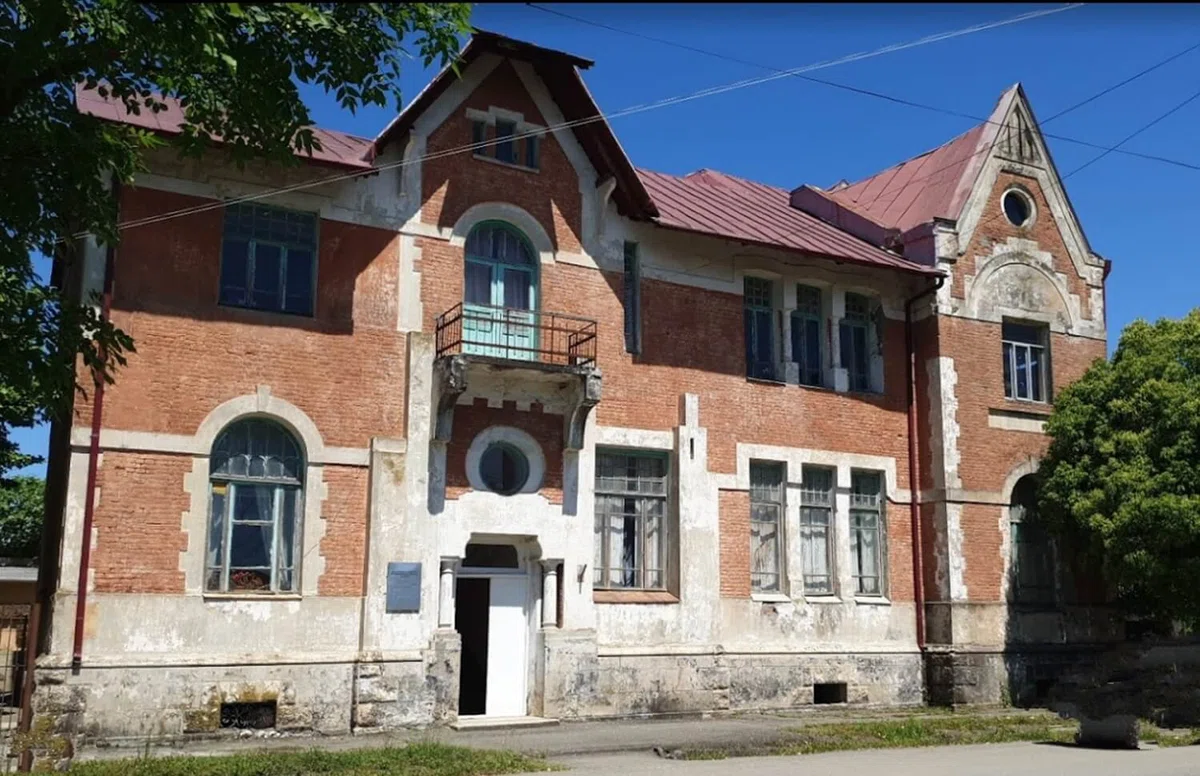
Museum of Colchian Culture in Poti. Learn more about Georgian culture.
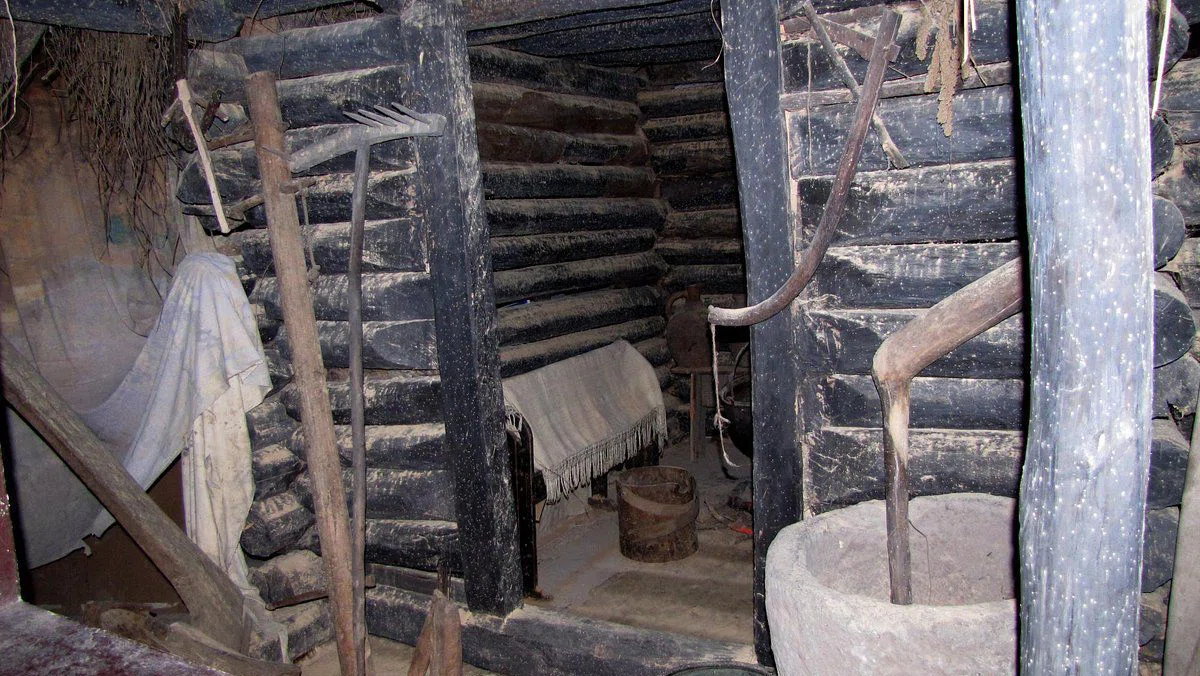
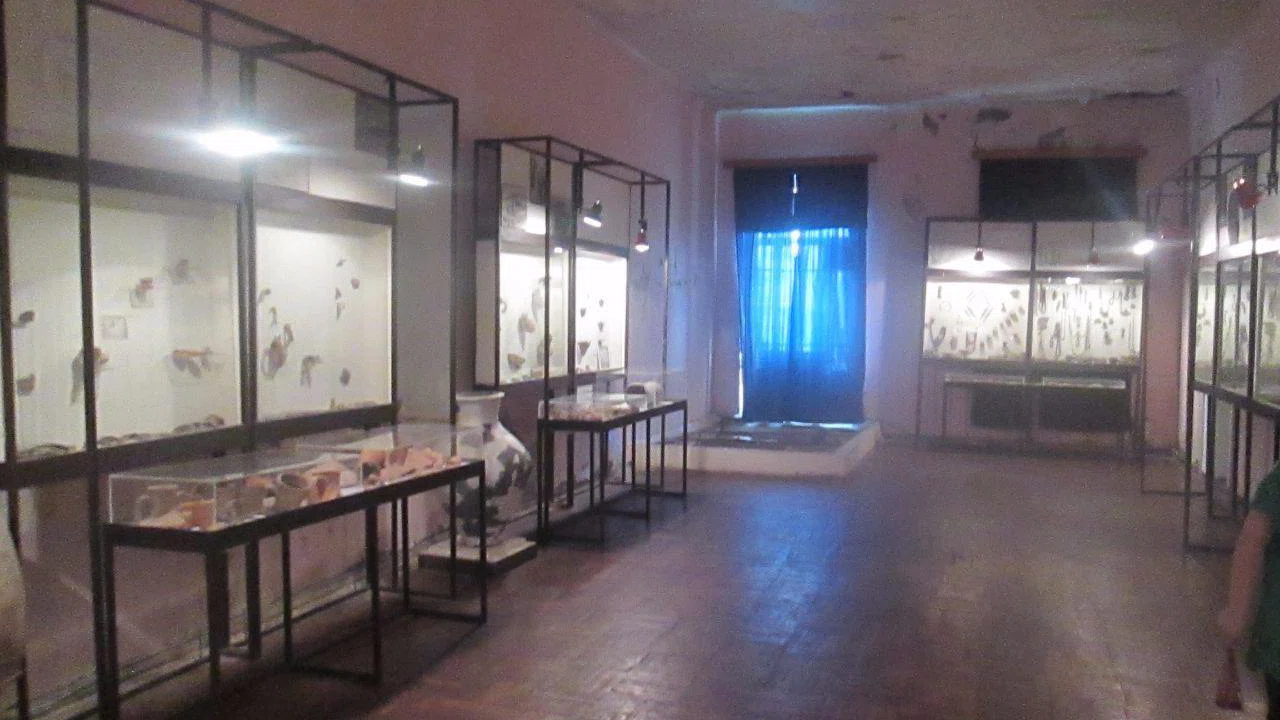
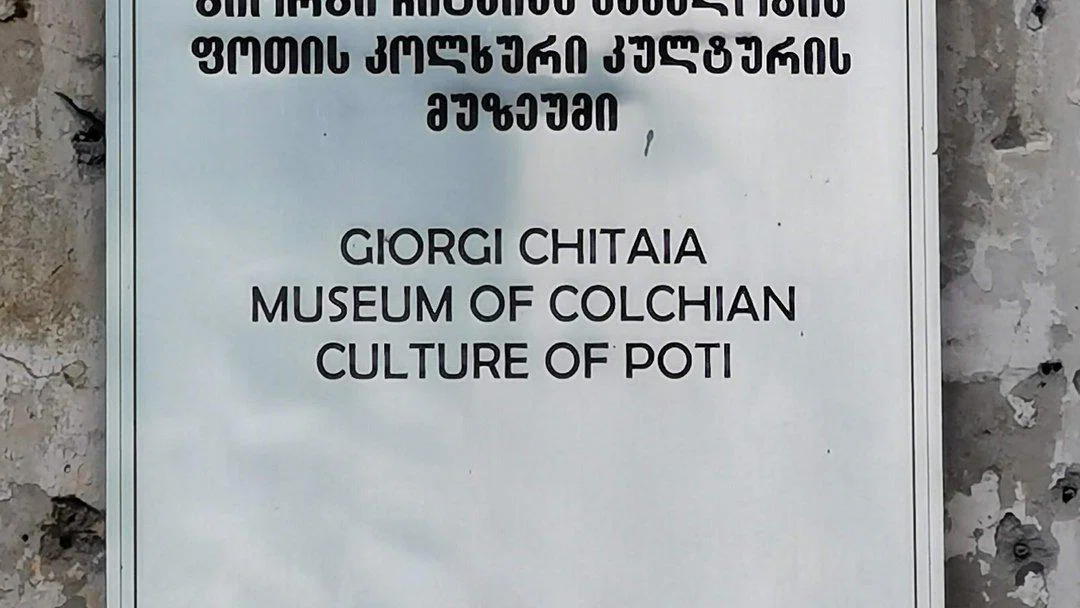
If you want to learn a little more about the Colchian culture, you must visit the Museum of Colchian Culture in Poti. Here you will find collections of archaeological and ethnographic materials, which tell stories. There are many church items and a huge collection of coins. A visit is definitely recommended.
Address: Poti, 26 May Street, No. 9
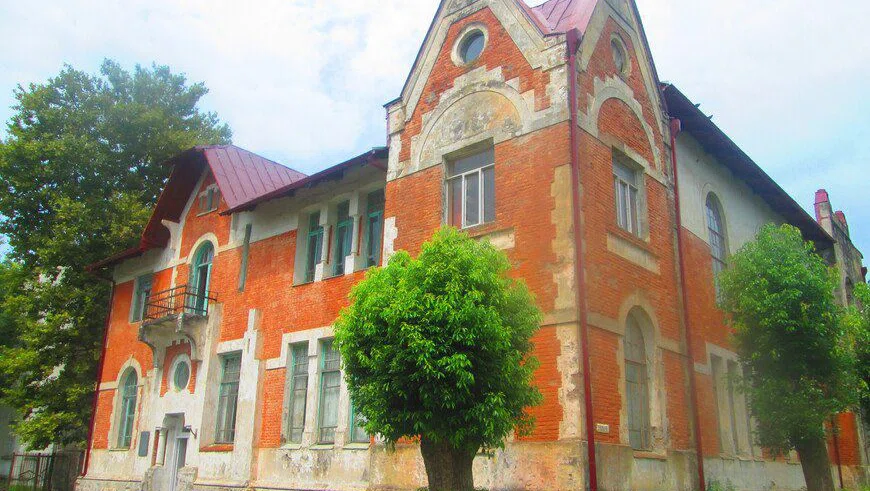
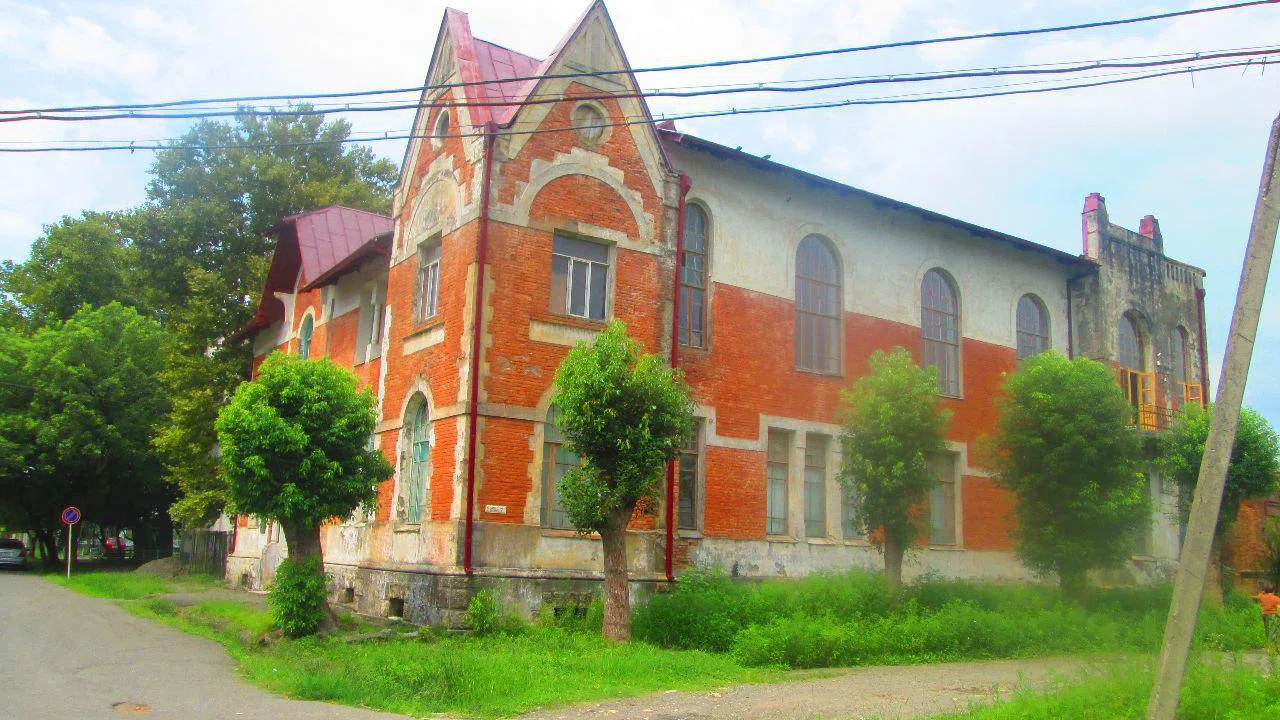
The museum was founded in 1933. It is housed in a building built in 1908.
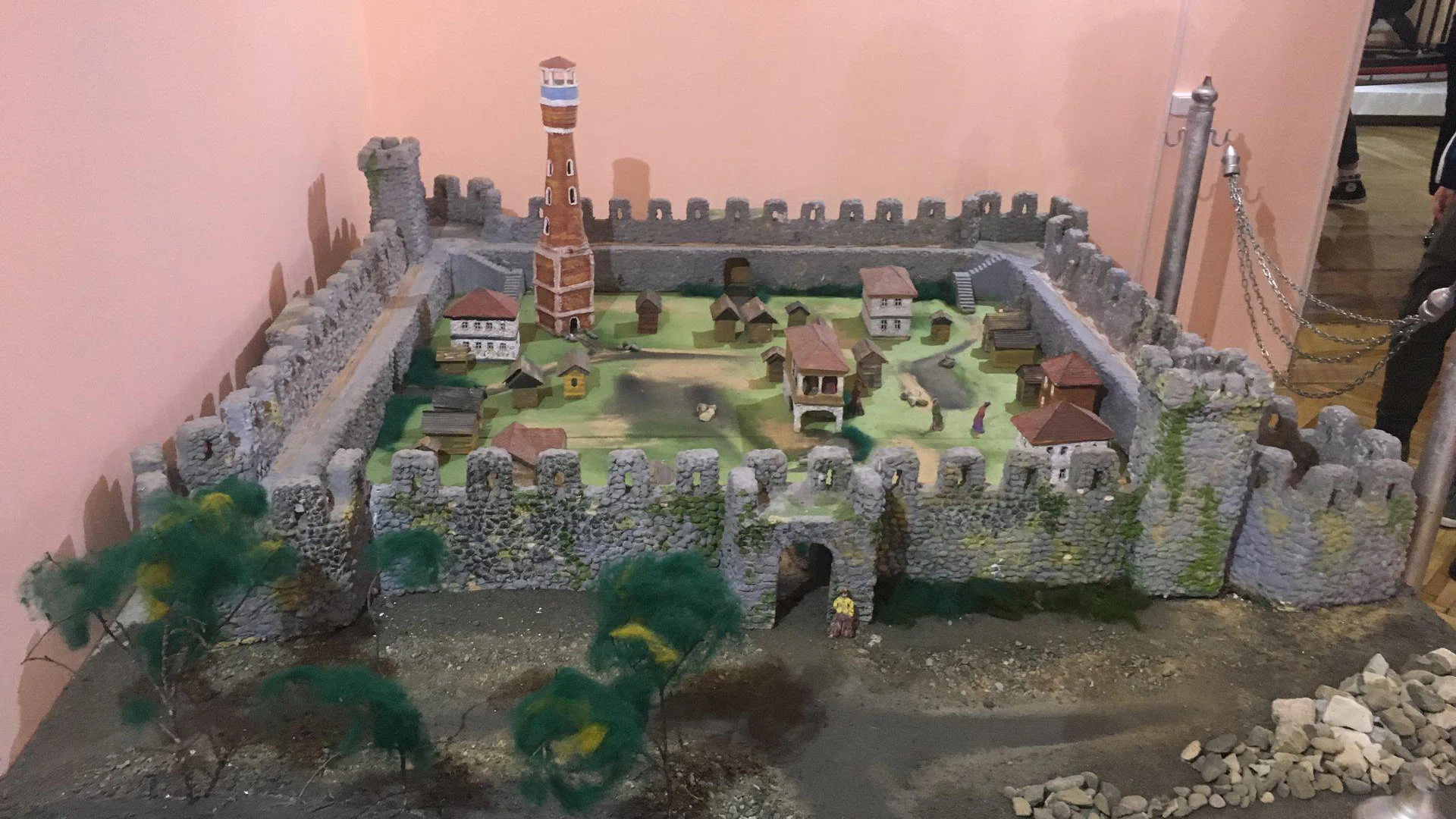
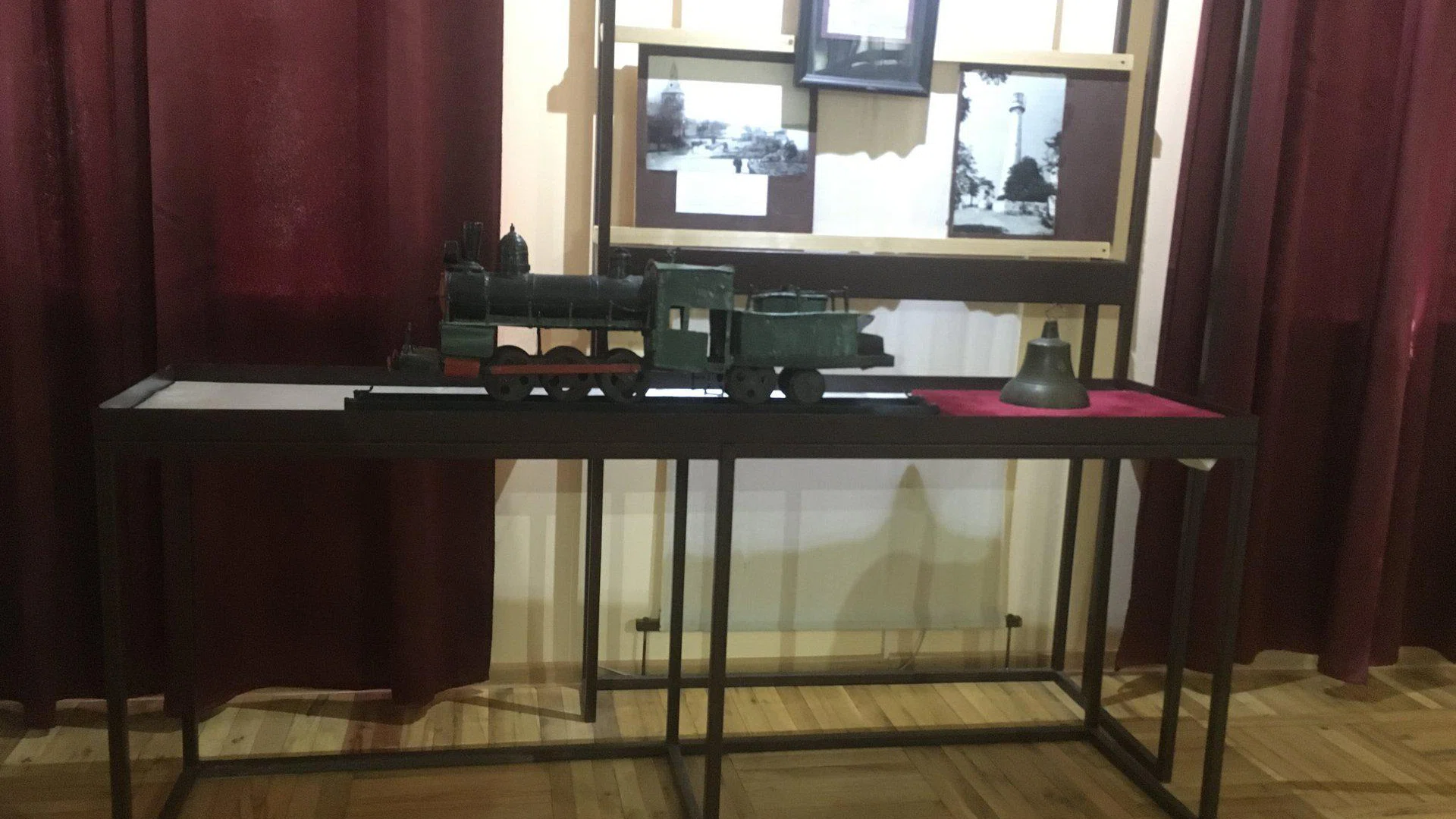
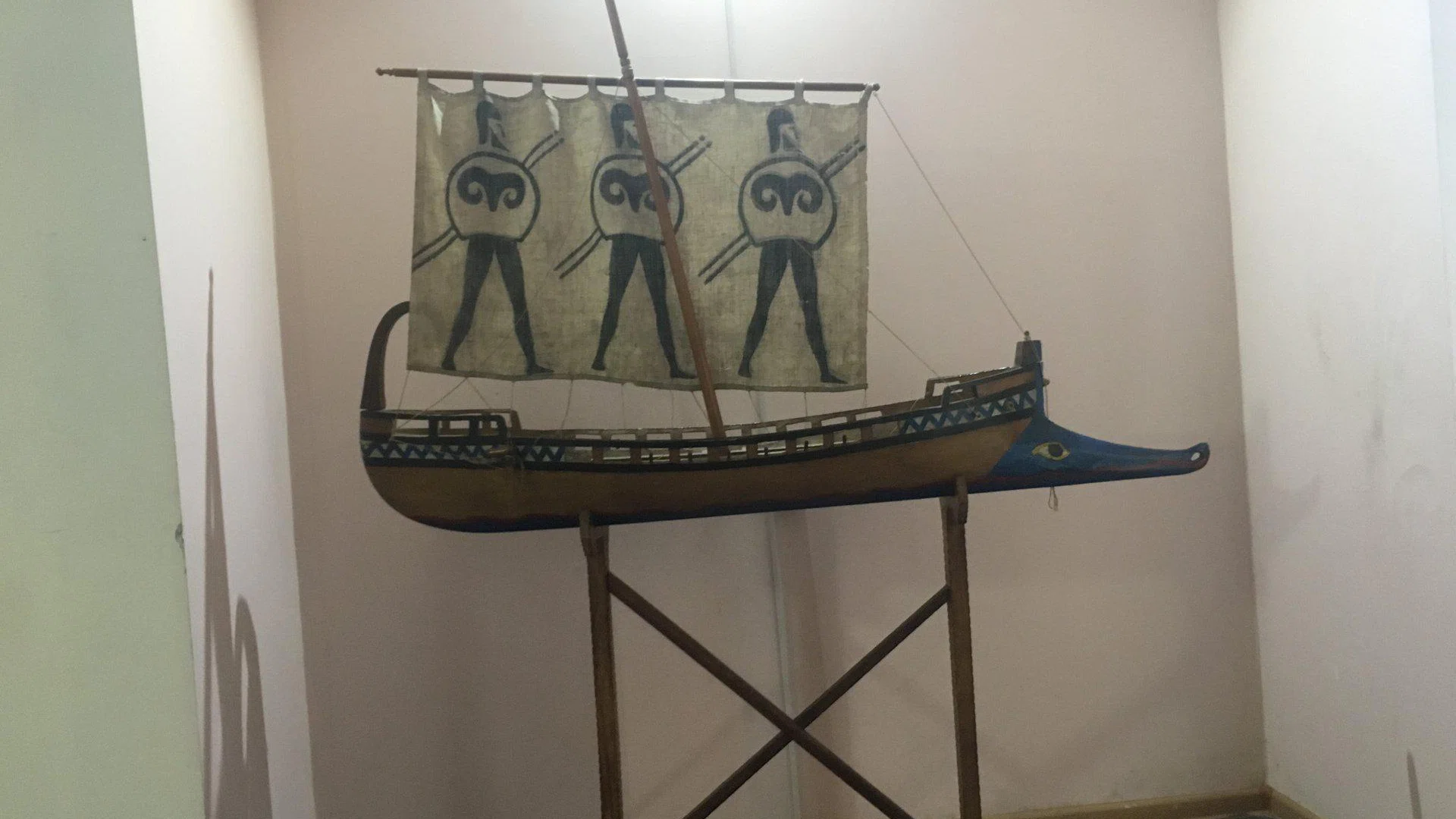
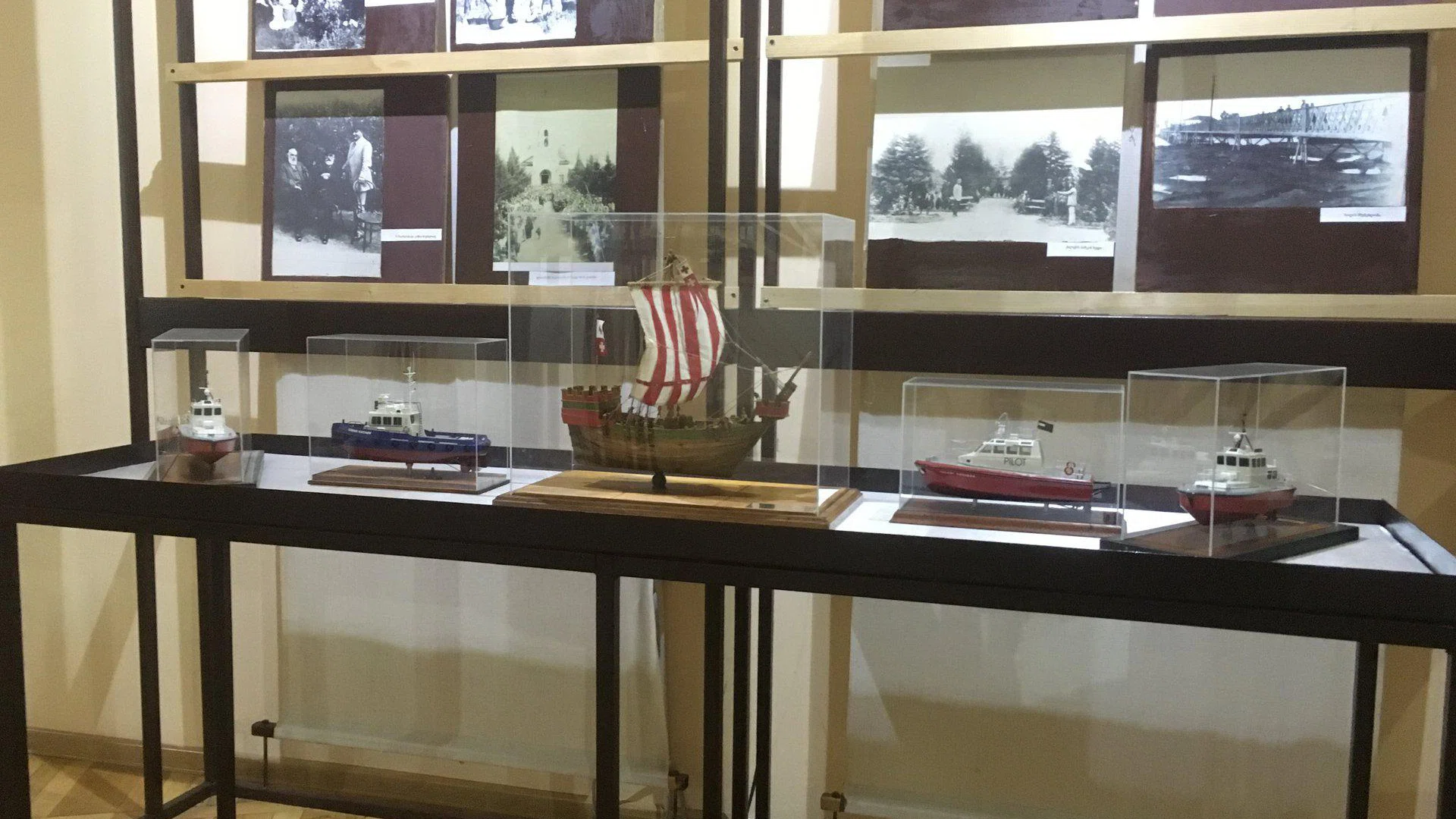
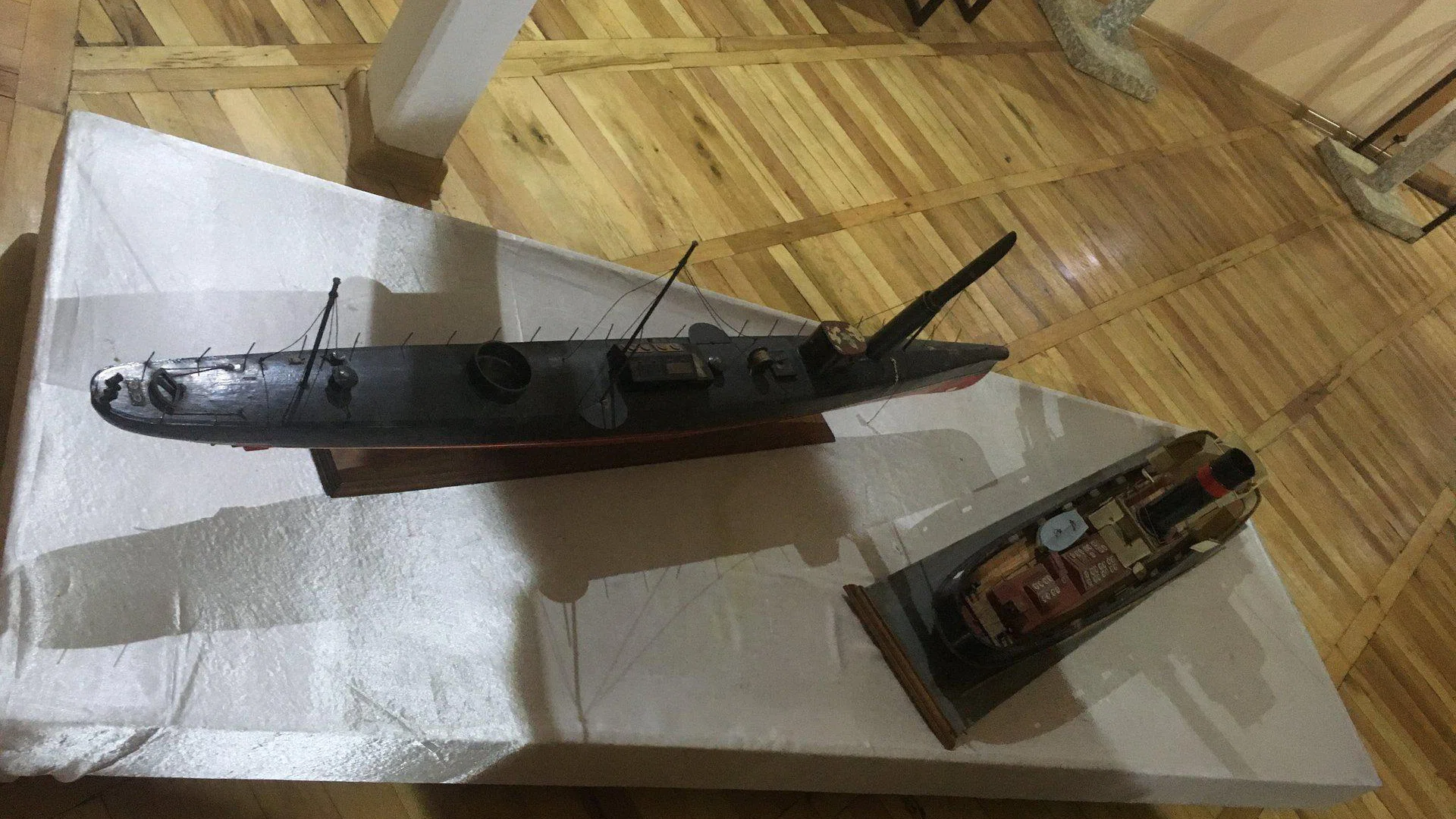
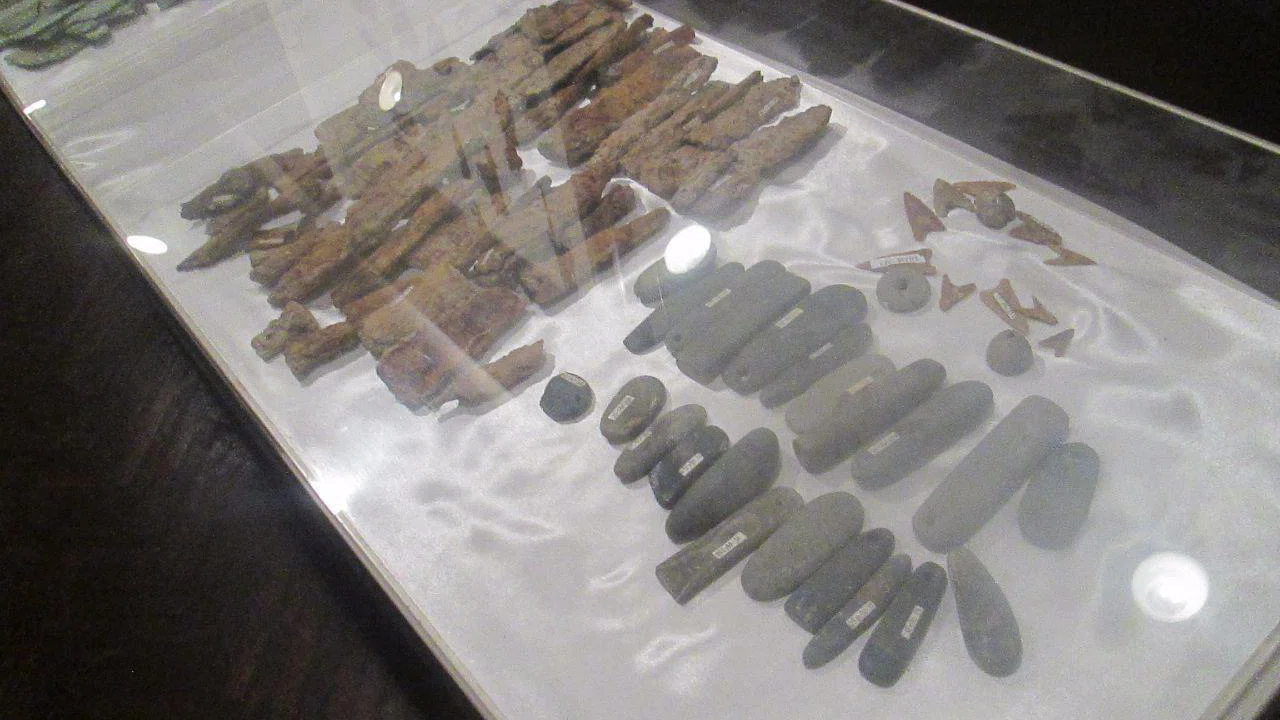
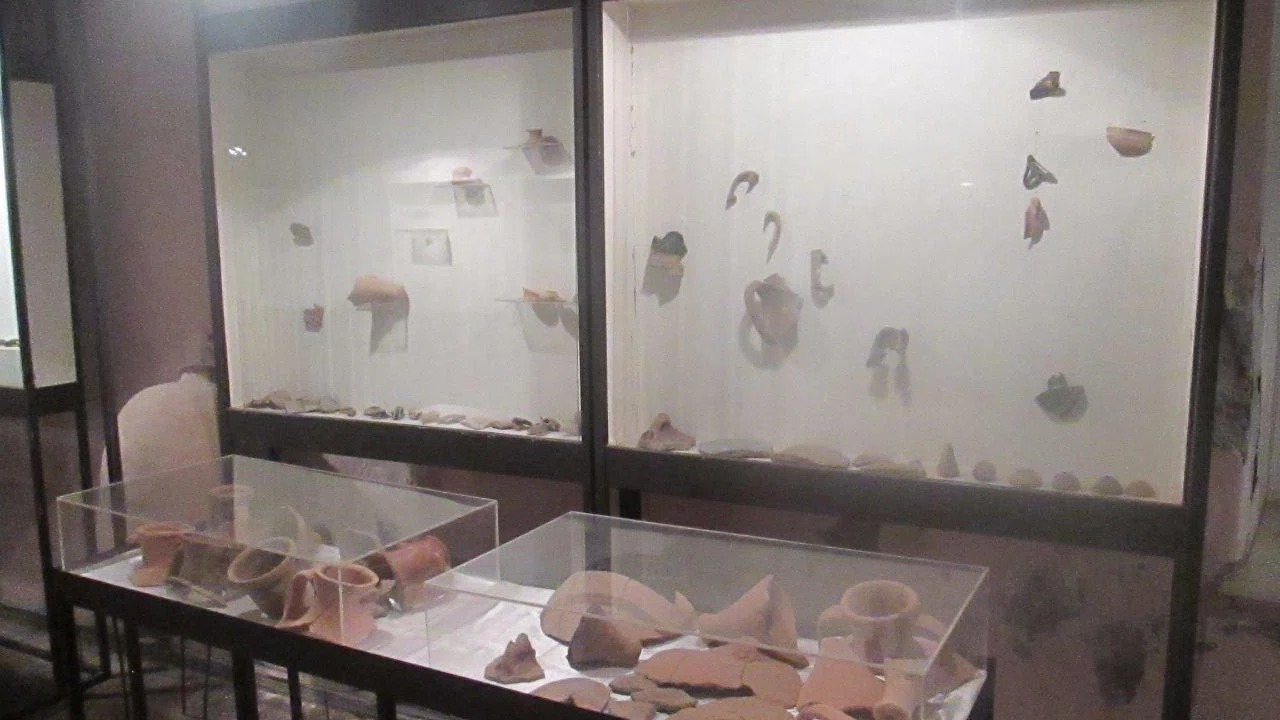
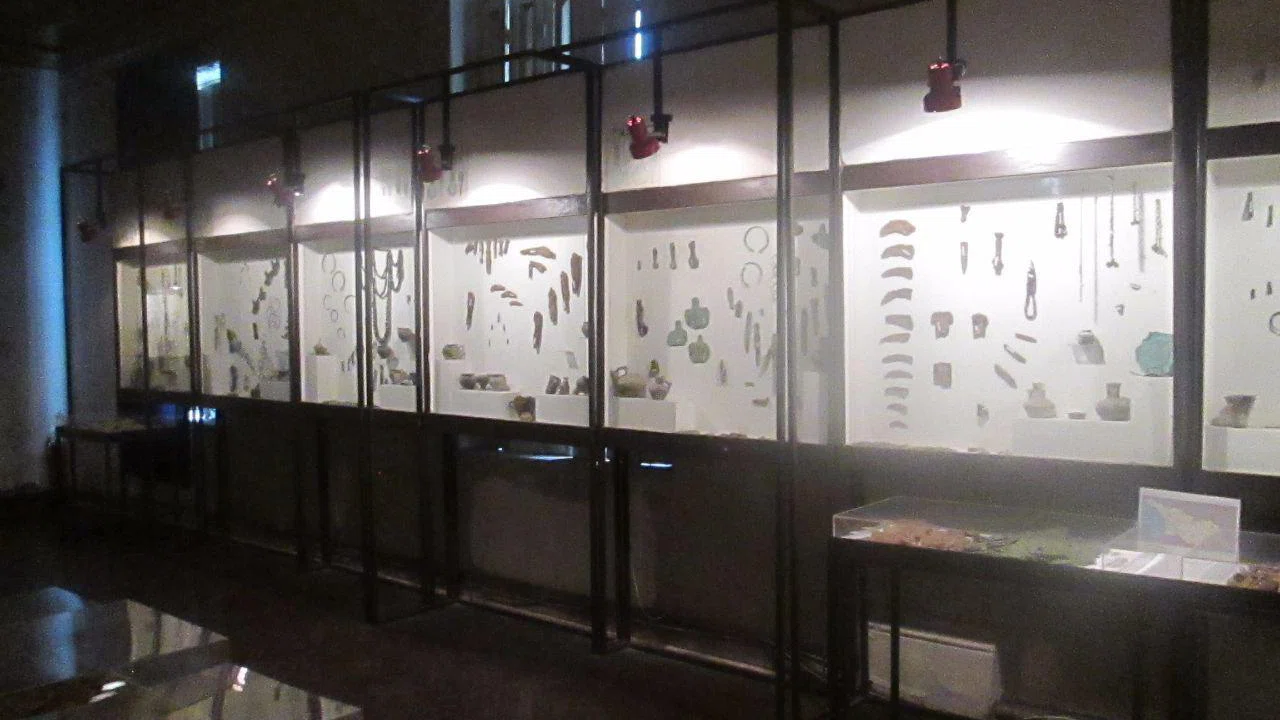
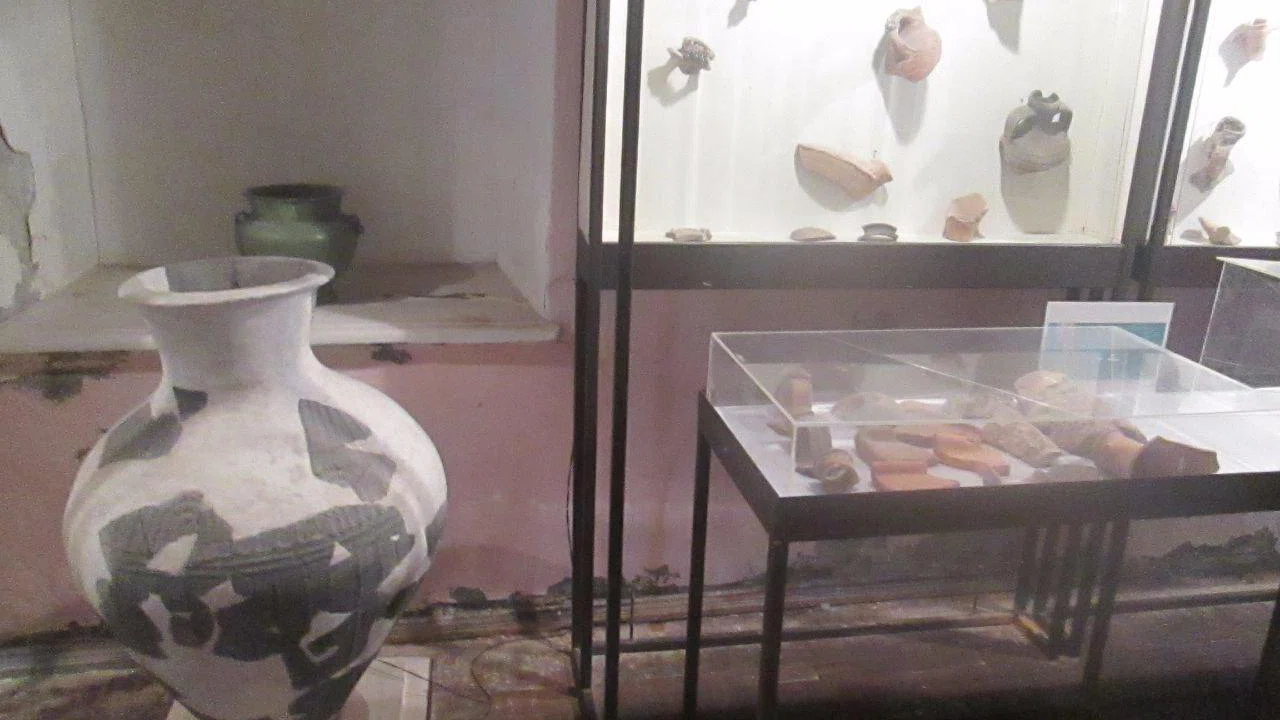
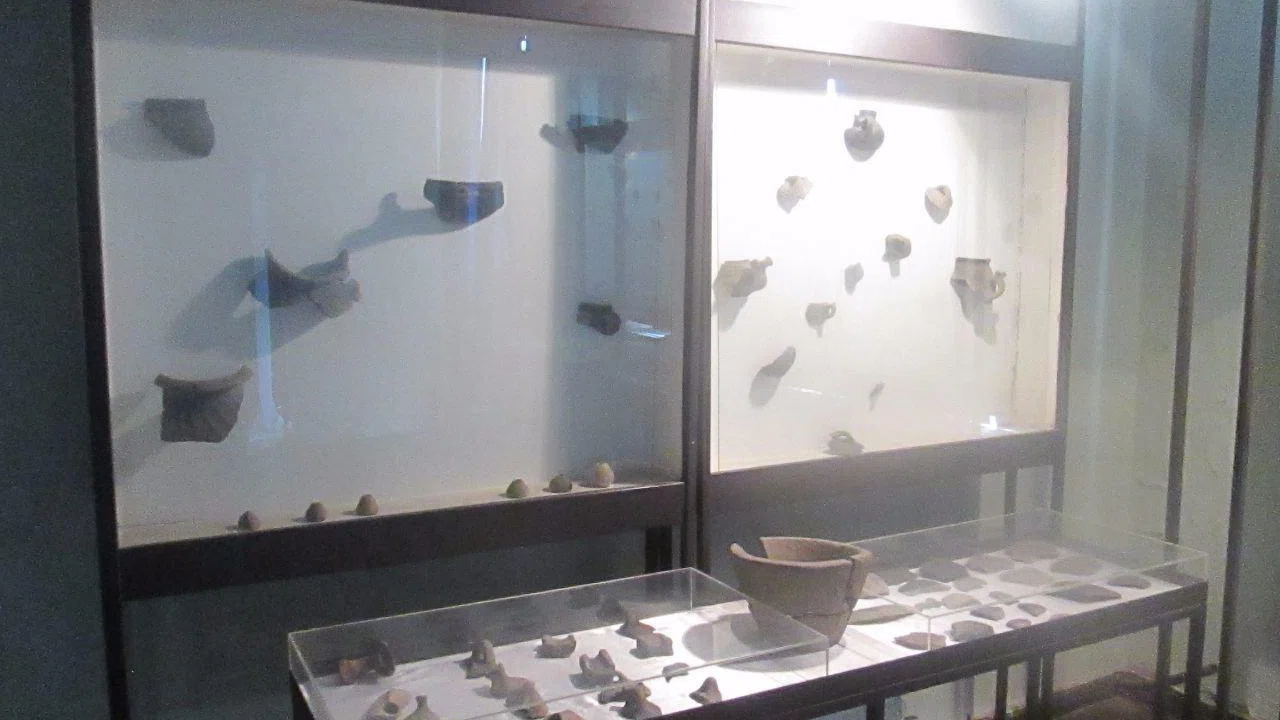
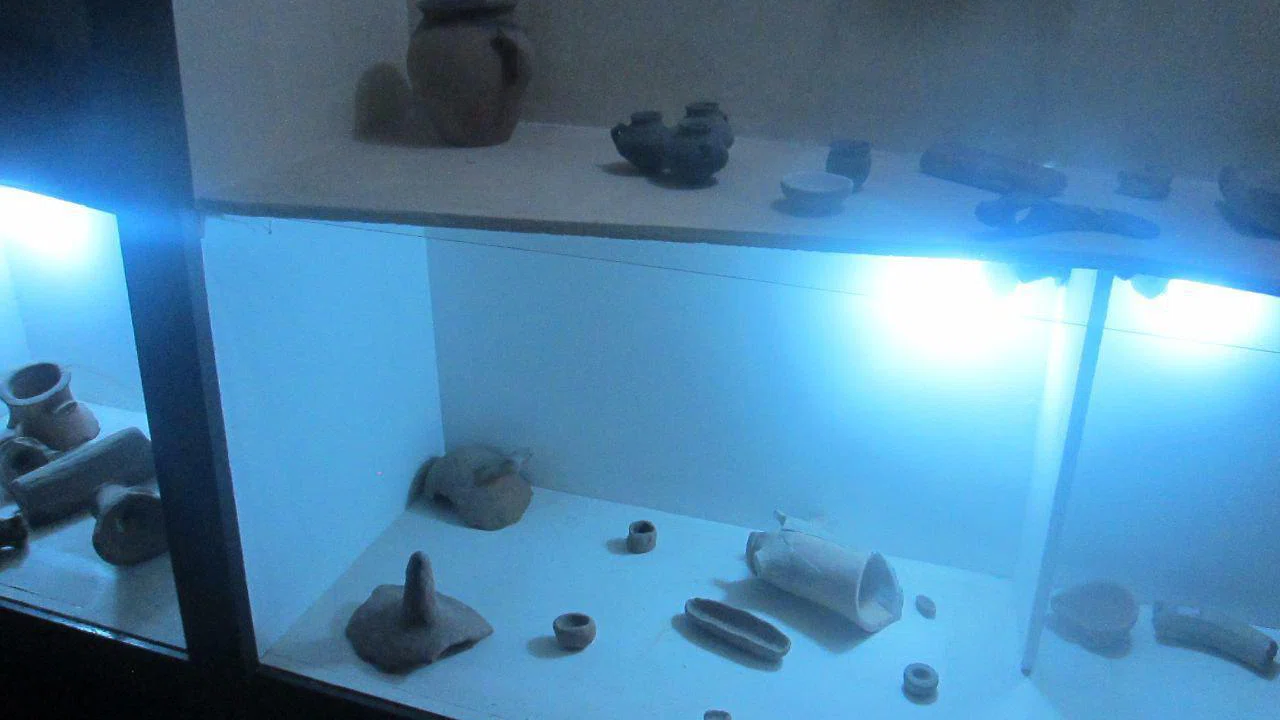
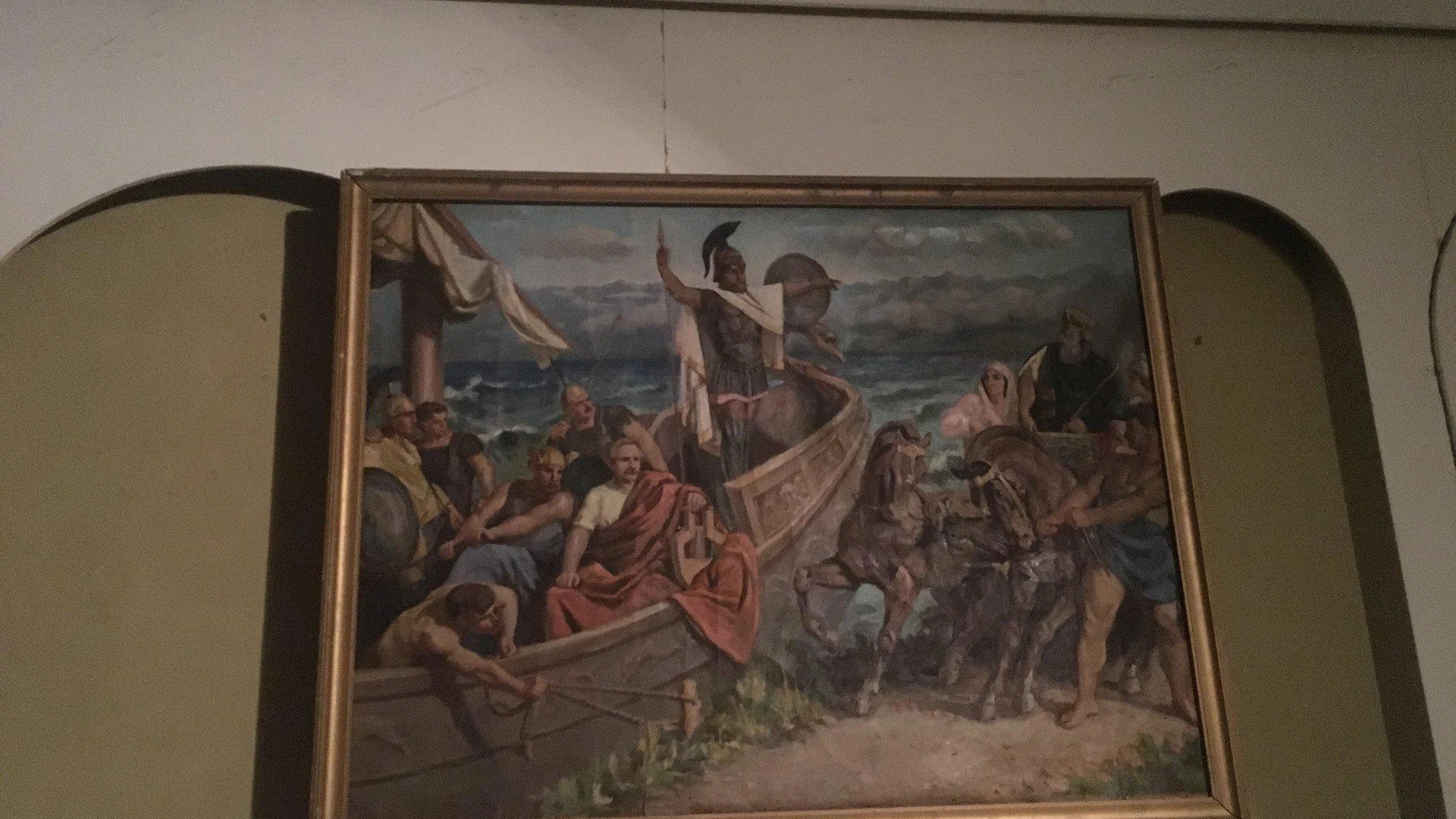
The museum contains exhibits reflecting the ancient Colchis history of archaeological and ethnographic collections and materials telling about the history of the city of Poti. The chronological framework of archaeological exhibits extends from the 3rd millennium BC to the 6th century AD.
Noteworthy are the examples of small-scale bronze sculpture, including the sculpture of the "Great Mother of the Gods" - the supreme deity of fertility, agriculture, reproduction of plants and animals.

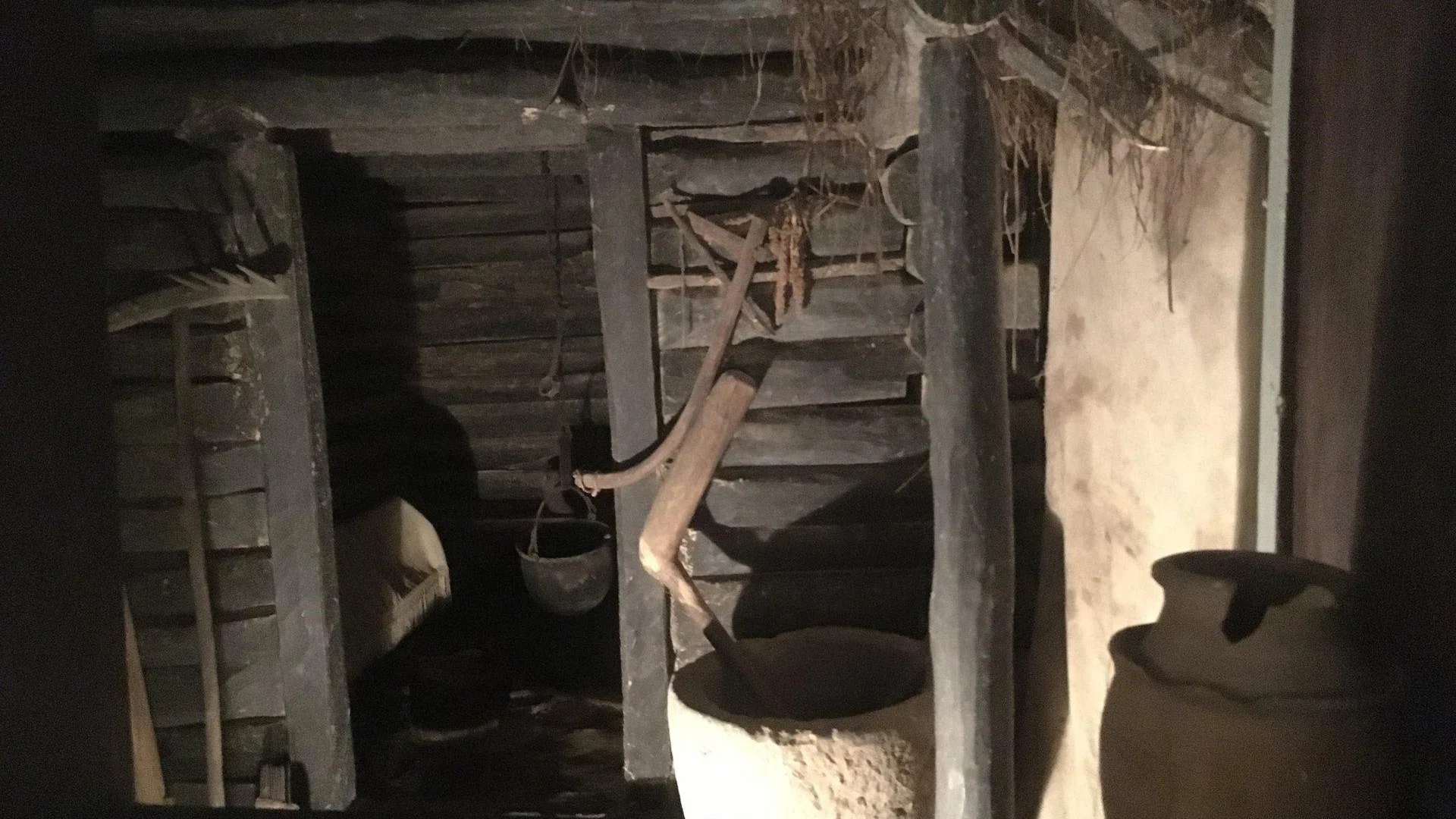
The tableware and kitchenware, bronze tools and military weapons, etc. discovered in the places of collective burial are impressive. The numismatic collection stands out, among other things, for the stater of Lysimachus, gold coins minted in the name of Alexander the Great, the Byzantine Emperor Justinian, the Russian Empress Elizabeth I; it is worth noting the church objects of the Christian era, icons, holy books, ethnographic material of the 19th century, materials telling about the development of the city of Poti.
The total number of exhibits reaches 26 thousand.

If you want to immerse yourself in the ancient history of Georgia and learn more about the culture of Colchis, then you should definitely visit Museum of Colchis Culture in the city of Poti. The museum was founded in 1933 and is located in a building built in 1908. Here you can see many archaeological and ethnographic exhibits reflecting the history of Colchis and the city of Poti.
The chronological framework of the archaeological exhibits in the museum extends from the 3rd millennium BC to the 6th century AD. Among the examples of small bronze sculpture, the sculpture of the "Great Mother of the Gods" stands out, the supreme deity of fertility, agriculture, reproduction of plants and animals. Also in the museum you can see tableware and kitchenware, bronze tools and military weapons found in places of collective burial.
One of the most interesting sections of the museum is the numismatic collection. The most notable exhibits include the Lysimachus stater, gold coins minted in the name of Alexander the Great, the Byzantine Emperor Justinian and the Russian Empress Elizabeth I. In addition, there are church objects from the Christian era, icons, holy books, ethnographic material from the 19th century and materials telling about the development of the city of Poti.
The total number of exhibits in the museum reaches 26 thousand, and each of them has its own history. The museum is one of the most popular tourist destinations in Poti. Although the Colchian culture has long been forgotten, the Colchian Culture Museum in Poti preserves its heritage and allows visitors to learn more about the traditions and customs of the ancient Colchians. An important aspect of the Colchian culture was their religious concept of holy places, which were considered places of power and religious ceremonies were held there. These places still exist in the region and are popular tourist attractions. One of these places is Mount Mtsikheta, which is located in northwestern Georgia and is one of the main shrines of Orthodoxy in the country. The Upper Church of Mount Mtsikheta was built in the 6th century and has become a symbol of Georgian culture and spirituality. There are also many other temples and chapels on the mountain, which were built at different times and have survived to this day.
Another interesting place associated with the Colchian culture is the city of Amazara in western Georgia. This city is famous for the fact that a tomb complex dating back to the 2nd-1st millennia BC was discovered on its territory. Numerous items made of gold, silver and bronze were found here, which testify to the high culture of those times.
In addition, Amazara is famous for its hot springs, which are located a few kilometers from the city. The water from the springs contains numerous useful minerals and is healing for health. This place is very popular among tourists who come here not only to learn about the Colchian culture but also to spend time in the amazing natural landscape.
Thus, the Museum of Colchian Culture in Poti is an important place to learn about the history of Georgia. It helps to preserve the heritage of the Colchian culture and educates visitors about its unique traditions and customs. In addition, the region offers many other interesting places related to the culture and history of Georgia that are also worth visiting.
Not far from the Museum of Colchian Culture is the ancient city of Poti, which was founded in the 6th century BC. This city is one of the oldest in Georgia and played an important role in the history of the region. Here you can visit local temples and monasteries, where you can learn more about the Christian history of Georgia.
Also near Poti is the city of Senaki, where you can find the Zvartitsa Museum, dedicated to the history and culture of Megrelia, another region of Georgia with a rich and interesting history. In this museum, you can learn about the traditional Megrelian culture, as well as the geological features of this region.
In addition, the Poti area has many natural attractions that are also worth visiting. For example, not far from the city is the Colchis National Park, which is known for its unique flora and fauna, as well as picturesque waterfalls and lakes.
Do not forget about the gastronomic experience that can be obtained in this region. Colchis cuisine is famous for its diversity and unique dishes, including local vegetables, fruits and seafood. In the city of Poti and its surroundings, you can find many restaurants and cafes offering national Georgian cuisine, including Colchis dishes.
Overall, visiting the Colchis Culture Museum in Poti is a great way to get acquainted with the unique culture of this region of Georgia and learn more about its history and traditions. But do not forget about other interesting places to visit in this region and their unique attractions.
One of such places is the ancient city of Batumi, located on the Black Sea coast. The city is famous for its beaches, parks, and unique architectural structures, including the Palace of Bells and an old quarter with pedestrian streets and cafes.
Another interesting place is the city of Kutaisi, the former capital of Georgia, located on the banks of the Rioni River. Kutaisi is known for its ancient temples and monasteries, including the Gelati Monastery, a UNESCO World Heritage Site, as well as remarkable examples of Georgian architecture, including red brick buildings.
An equally interesting place is the city of Mtskheta, the former capital of Georgia and one of the oldest cities in the country. Mtskheta is famous for its temples and monasteries, including the Svetitskhoveli Cathedral, also a UNESCO World Heritage Site, and is also a center of Georgian culture and crafts.
In addition, the region has many unique natural attractions, including the mountains of Svaneti, Kazbegi and Borjomi-Kharauga, as well as Lake Ritsa, known for its crystal clear waters and beautiful landscapes. All these places are an important part of Georgia's rich cultural heritage and will not leave any traveler indifferent. The region has many opportunities for hiking, mountaineering, skiing and cycling, making it an ideal place for outdoor enthusiasts and nature lovers.
--------------------------
We hope that our article about the Colchian Culture Museum in Poti was interesting and informative for you. Feel free to leave your comments and questions below the article, we will be happy to answer them and discuss this fascinating topic with you!


34 comments
Log in to leave a comment