
Where you can see ancient manuscripts in Georgia. Interesting Georgian museums. National Center of Manuscripts.

The National Manuscripts Center has a rich collection of manuscripts of different countries, not only Georgian, documents, personal archives, special and unusual books. This center contains more than ten thousand manuscript books and about forty thousand Georgian historical documents. This is truly a huge collection!


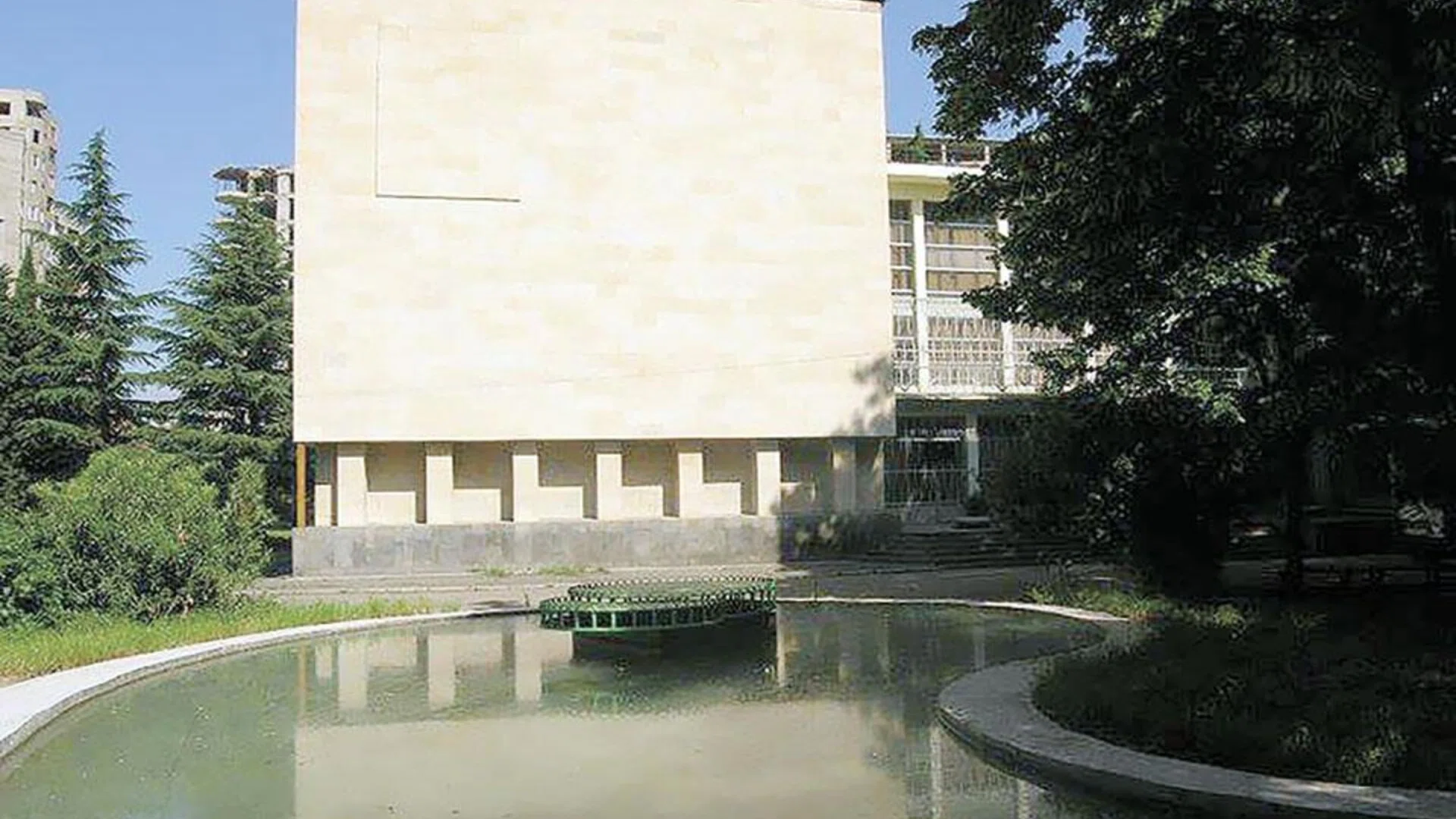
National Centre of Manuscripts was established in 1958 on the initiative of Professor Ilia Abuladze. Today, the Center is an important repository of Georgian and foreign manuscripts, historical documents, personal archives, public figures, unique printed books, photocopies and microfilms of the Georgian manuscript heritage stored abroad. The National Center of Manuscripts is also an international research organization for the sciences of Kartvelology.

Рукопись в Национальном центре рукописей

The Center contains more than 10,000 Georgian manuscripts and up to 40,000 units of Georgian historical documents. Foreign manuscripts are represented by documents in Arabic, Persian, Armenian, Greek, Hebrew, Syriac, Ethiopian, Mongolian, and Russian. The special fund “Series V” (Miscellaneous) unites important manuscripts written in Latin, Italian, French, Polish, German, English, and other European languages.

The chronological framework of the materials stored in the National Center of Manuscripts covers the period from the 2nd century BC to the 20th century. The Center has a rich scientific library, which also houses the memorial cabinets of K. Kekelidze, I. Abuladze, I. Javakhishvili, N. Berdzenishvili, Sh. Amiranashvili, E. Metreveli, Nino and Kalistrate Salia, Tamara and Akaki Papava. The Centre has a large exhibition hall, where important thematic exhibitions are regularly held.

The National Center of Manuscripts in Georgia is one of the largest and most significant repositories of cultural heritage in the Middle East and the Caucasus region. It was founded in 1958 on the initiative of Professor Ilia Abuladze and today is the most important center for the study and preservation of manuscripts, historical documents and personal archival funds of Georgia and many other countries.

The collection of the National Center of Manuscripts consists of more than 10,000 manuscripts and about 40,000 historical documents, as well as unique printed books, photocopies and microfilms stored abroad. The manuscripts include both Georgian and foreign documents in different languages, such as Arabic, Persian, Armenian, Greek, Hebrew, Syriac, Ethiopian, Mongolian and Russian. Particular attention is paid to the preservation and study of manuscripts written in various European languages, including Latin, Italian, French, Polish, German, English, etc. The center also houses memorial offices of famous Georgian scholars, art historians and writers, such as K. Kekelidze, I. Abuladze, I. Javakhishvili, N. Berdzenishvili, Sh. Amiranashvili, E. Metreveli, Nino and Kalistrate Salia, Tamara and Akaki Papava.

The chronological framework of the materials stored in the National Center of Manuscripts covers the period from the 2nd century BC to the 20th century, making it not only one of the largest, but also the most diverse repository of historical heritage.

The National Center of Manuscripts is also an international research organization on Kartvelology.

Kartvelology is a scientific discipline that studies the history, language and culture of the peoples of the Caucasus, including Georgians, Abkhazians, Adyghe, Lezgins, Svans and others. The Center includes the Research Institute of Culture and History of the Caucasus, where research is conducted in the fields of history, archeology, ethnography, linguistics, literary studies and other branches of science related to the Caucasus.

The Center has also created an international scientific and educational program "Caucasian Cultures and Languages", which is intended for students and scholars from around the world. Within the framework of this program, lectures, seminars and conferences are held on various topics related to the history, culture and languages ​​of the Caucasus.

The richness of the collection of the National Center of Manuscripts attracts researchers from all over the world. Many manuscripts and documents are of great historical and cultural significance, as they date back to the period when Georgia was the center of the cultural and political life of the region. One of the most valuable books kept in the National Center of Manuscripts is "The Martyrdom of Saint Shushannik" - a Georgian literary monument of the 10th century, which is one of the first works of Georgian literature written in the Georgian language.

In addition, the center stores manuscripts and documents related to famous personalities such as the poet and statesman Shota Rustaveli, historian and archaeologist Ekvtime Takaishvili, writer and public figure Ilia Chavchavadze, writer and diplomat Konstantin Gruzinsky and others.

institutions around the world. Within the framework of international cooperation, the center participates in various scientific projects, organizes exhibitions, conferences and seminars. An important area of ​​cooperation is the exchange of manuscripts and books with other libraries and manuscript centers around the world.

One of the most interesting projects in which the National Center of Manuscripts participates is the "Electronic Manuscripts of Georgia" project. This project creates electronic copies of Georgian manuscripts and publishes them on the Internet to make them available for research and study around the world. This greatly simplifies access to the collection of the National Center of Manuscripts, allowing researchers, scholars and students to access unique materials from anywhere in the world.

In addition, the center actively cooperates with other cultural institutions in organizing exhibitions. The exhibition hall of the center is one of the most visited museums in Georgia. The exhibition hall regularly hosts exhibitions on various topics such as Georgian manuscripts, history of Georgia, culture and art. Exhibition projects organized by the center attract a wide audience and contribute to the popularization of Georgian culture both within the country and abroad.

The National Center of Manuscripts is not only an important cultural institution of Georgia, but also a unique scientific center where unique manuscripts and documents related to the history and culture of Georgia and other countries are studied and preserved.

Thanks to active cooperation with other cultural institutions around the world, the National Centre of Manuscripts has the opportunity to participate in major international projects, such as the creation of electronic catalogues and databases, as well as the organization of joint exhibitions and conferences. The Centre is a member of the International Federation of Library Associations and participates in various book and information exchange programs.

One of the most important tasks of the National Centre of Manuscripts is the preservation and promotion of the cultural heritage of Georgia. The Centre holds many events aimed at popularizing Georgian culture and art, such as exhibitions, concerts, lectures and master classes. For example, in 2019, the Centre organized the exhibition "Christianity in the Caucasus", which presented manuscripts, artifacts and paintings related to the history of Christianity in the Caucasus.

In addition, the National Centre of Manuscripts is actively involved in projects to digitalize and access its resources via the Internet. Currently, the Centre provides access to its collections through its website and digital libraries such as "European Library" and "Diadoc". This greatly facilitates access to manuscripts and historical documents for scholars, researchers and ordinary people interested in the history and culture of Georgia.

The National Center of Manuscripts continues to actively expand its collections, acquiring manuscripts and historical documents both at auctions and from private collectors. One of the latest significant acquisitions was the purchase of the manuscript of "Dede Cornelia" - one of the most famous Georgian epics.

--------------------------

We invite you to leave comments and ask questions under our articles! Your opinions and questions can become an incentive for new interesting topics and help us improve the quality of the content.

Грузинский национальный центр рукописей
Национальный центр рукописей

Do you want to increase the number of clients by 5 times?

Choose premium placement on Madloba and attract customers who are currently leaving for your competitors.

I want
Increase the number of clients
to rate this post.

38 comments

  • Y
    Yann1sMiller
    I find it hard to believe that the collection at this center spans documents from as early as the 2nd century BC to the 20th century. How are they able to preserve such ancient manuscripts in good condition?
  • T
    Tornike
    საინტერესო ინფორმაციაა ეროვნული ცენტრის შესახებ. თუმცა, მაინტერესებს, მართლა არსებობს თუ არა ქართული ხელნაწერები ძველი და შუა საუკუნეების პერიოდიდან ასეთ მრავალ ენაზე, როგორც სტატიაშია აღნიშნული? იქნებ ვინმემ გადმომიგზავნოს დეტალები, თუ იცით?
  • Г
    Глеб
    Интересно, а на чем основывается информация о количестве рукописей с II века до н. э.? Ведь такие древние документы, по идее, могли не сохраниться в таком количестве. Кто-то знает, насколько надежные источники информации использовались для подтверждения этих данных?
  • N
    Natia_Moon
    არის Ღიმილის ხმა კითხვებზე, მათ შორის იმაზე, მართლა არის თუ არა რომელიმე კონკრეტული დოკუმენტი დაკარგული ან გაყალბებული. საინტერესოა, იმართება თუ არა ისეთი გამოფენები, რომლებიც ეხება ამ კითხვებს.
  • P
    Paloma
    The article mentions that the National Center of Manuscripts in Georgia houses documents in numerous languages, including Arabic, Persian, Armenian, Greek, Hebrew, and others. I'm curious about how they manage conservation and restoration across such a diverse range of languages. Are there specialists for each language, or is it more about preserving the physical integrity of the manuscripts regardless of language?
  • M
    Maya
    Какая удивительная коллекция рукописей со всего мира! Интересно, есть ли в экспозиции какие-то документы, связанные с астрономией? Хотелось бы узнать больше об этих тематических выставках.
  • L
    Leila
    Несколько лет назад мне посчастливилось побывать в Грузии и посетить этот центр. Удивительно, какое количество рукописей собрано в одном месте. Было здорово увидеть документы на стольких языках, включая даже редкие. Особенно впечатлили рукописи на древнегрузинском и кириллице. Каждая экспозиция позволяла погрузиться в атмосферу разных эпох.
  • K
    Kete_Love
    ეს არის გამორჩეული ცენტრი, რომელიც ქვეყნის კულტურულ მემკვიდრეობას იცავს და ისტორიის მრავალფეროვნებაზე გვაწვდოს ცნობას.
  • P
    Pip
    It’s fascinating to learn that the Georgian National Center of Manuscripts houses such a diverse collection, including works in so many different languages and from various historical periods.
  • G
    graciet
    The collection sounds impressive with manuscripts from so many languages and centuries. I'm curious, are there any online resources or virtual tours available for those who can't visit in person?
  • Г
    Галя
    Впечатляет, насколько богата и разнообразна коллекция Национального центра рукописей Грузии. Хочется узнать больше о тематических выставках, которые они проводят. Интересно, насколько часто они меняются и как можно попасть на такую выставку?
  • ზუანი
    ასეთი მდიდარი კოლექცია სიმდიდრეა ჩვენი ქვეყნისთვის და აუცილებელია მის სწორი კონსერვაცია მომავალი თაობებისთვის.
  • L
    Lulu
    The article mentions that the manuscripts cover the period from the 2nd century BC to the 20th century. I wonder if there is really any historical document from before the Common Era that has been preserved well enough to be part of their collection. How reliable are these datings?
  • A
    Asa
    The diverse collection of over 10,000 Georgian manuscripts and numerous historical documents spanning different languages and centuries sounds like a treasure trove for anyone interested in history and literature.
  • Р
    Раиса
    Интересно узнать, что Национальный центр рукописей в Грузии хранит такое богатство культурного наследия. Количество и разнообразие языков поражает — это настоящая сокровищница истории. Приятно, что подобные места не только сохраняют прошлое, но и делают его доступным для всех через выставки.
  • S
    Sophio
    Цікаво, ці існують унікальні рукописи чи документи, зв'язані з історією мистецтва? Було б цікаво дізнатися більше про це.
  • М
    М.
    Как часто проходят тематические выставки в Национальном центре рукописей? Есть ли информация о ближайших событиях?
  • A
    Ali
    The impressive collection of manuscripts in so many languages at the Georgian National Center for Manuscripts makes me curious about how they manage to preserve such diverse historical treasures.
  • ნიკა
    ძალიან საინტერესოა, როგორ ხდება ამხელა კოლექციის შენახვა და მოვლა სხვადასხვა ენებზე? ასევე, რამდენად ხელმისაწვდომია ეს მასალები კვლევებისთვის?
  • ნიკა
    ძალიან საინტერესოა, როგორ ხდება ამხელა კოლექციის შენახვა და მოვლა სხვადასხვა ენებზე? ასევე, რამდენად ხელმისაწვდომია ეს მასალები კვლევებისთვის?
  • Л
    Лена
    Невероятно впечатляет, сколько разных культур и эпох можно найти в одном месте благодаря коллекции рукописей этого центра.
  • E
    Elvina
    Прочитав статью, я не могла не вспомнить, как я когда-то мечтала увидеть эти древнейшие рукописи своими глазами. Звучит так увлекательно — погружение в историю и культуру, сохранившиеся в таких уникальных артефактах! Я всегда была очарована грузинской историей, а теперь, после прочтения, чувствую, что хочется поехать туда и ощутить атмосферу этого места.
  • О
    Ольга
    Национальный центр рукописей - это уникальное хранилище древних и ценных рукописей, расположенное в Тбилиси. В его коллекции собраны тысячи документов, книг, писем и других материалов, относящихся к истории и культуре Грузии. Там млжно встретить рукописи, самых знаменитых людей, таких как Шота Руставели. Центр играет важную роль в сохранении и изучении национального наследия страны, а также в популяризации культуры и искусства.
  • S
    sipacheva.72
    В детстве на уроках истории ,когда нас знакомили с историей письменности представляла себе эти книги, теперь с удовольствием разглядываю музейные экспонаты.Здорово, что есть возможность окунуться в историю и отчасти стать её свидетелем.Хронологические рамки хранимых в Национальном центре рукописей материалов охватывают период со II века до н.э. до XX века. Центр имеет богатую научную библиотеку, которая располагает также мемориальными кабинетами К. Кекелидзе, И. Абуладзе, И. Джавахишвили, Н. Бердзенишвили, Ш. Амиранашвили, Э. Метревели, Нино и Калистратэ Салия, Тамары и Акакия Папава. В Центре функционирует обширный выставочный зал, в котором систематически проводятся важные тематические выставки.
  • К
    Кирилл
    Статья о Национальном центре рукописей в Грузии на madloba.info оказалась очень интересной и познавательной. Я узнал, что Центр является одним из крупнейших хранилищ культурного наследия на Ближнем Востоке и в регионе Кавказа. В нем хранится огромное количество грузинских и иностранных рукописей, документов и книг разных языков и эпох. Также в Центре функционирует научно-исследовательский институт, проводятся выставки и организуются международные программы. Это место обязательно стоит посетить для тех, кто интересуется историей и культурой Грузии.
  • B
    Bibitaki
    Письменность на грузинском языке - это целое искусство. Я умею немного читать и писать на грузинском языке, должна заметить, что это довольно сложное дело. Пока я не справляюсь с чтением текстов, которые написаны каким-либо необычным шрифтом. Думаю, что рукопись я бы тоже не смогла прочитать. Ведь написание букв в таких текстах выглядит совсем не так, как напечатанные буквы. Хотя и в печатном виде тексты на грузинском языке похожи на произведения искусства.
    1
  • G
    galina.gurikova
    Отличная идея собрать такое количество рукописей в одном месте, целый архив. Правда такой музей будет интересен больше в качестве исследовательской лаборатории. Огромный интерес правда вызывают старинные книги.
    1
  • F
    filimonovanatalia73
    Здесь хранятся рукописи не только из Грузии, но из разных стран.Личные архивы, особенные и необычные книги, старинные рукописные до-
    кументы.Национальный центр рукописи создан в 1958 году.Интересно было бы посмотреть на старинные рукописные книги их здесь огром-
    ное количество.Этот центр рукописи является ещё и научно-исследовательской организацией наук по картвелологти.
  • O
    olya.loginova.05
    Очень люблю посещать такие музеи. Рассматривать исторические документы, рукописи различных стран. Узнала, что в музее содержится более 10 000 грузинских рукописных книг, а также есть документы на иностранных языках, а также то, что в центре представлены рукописи охватывающие период со II века до н.э. до XX века.
  • B
    bikteeva94
    Тема старинных рукописей мне очень по душе! В Национальном центре рукописей собрана коллекция рукописей разных стран! Здесь содержится более десяти тысяч книг рукописных и около сорока тысяч грузинских исторических документов. Очень интересная статья, познавательная и легко запоминающаяся! Хочется посетить это место!
  • V
    vponomareva383
    Хочу сказать, что этот центр - просто находка!! Даже подумать не могла, что там могут храниться целые книги, целые шрифты в рукописях, которые по истине являются уникальными. А то, что рукописи в грузинском центре есть не только на грузинском языке, а и на русском и даже на английском - вот этот факт меня вообще поразил!!
  • С
    Влада
    До чего же красиво. Какие шрифты, учитывая что писались от руки, настоящая каллиграфия. Просто восхищение. Спасибо за такую интересную статью!
  • B
    belosl-irina
    Не знала про такой центр. Получается, что это уникальное хранилище грузинских и иностранных рукописных книг, исторических документов, личных архивных фондов, общественных деятелей, уникальных печатных книг, фотокопий и микрофильмов хранимого за рубежом наследия грузинских рукописей.
  • natali_khannanova
    Огромная благодарность Ильи Абуладзе. Благодаря его инициативе можно увидеть уникальные рукописи. И только представьте со 2 века до н.э. Рукописи не только на грузинском языке, но и на других иностранных , и даже на русском. Большая коллекция книг и исторических документов. Это дороже любого земного сокровища. Необходимо посетить центр с детьми. Идеальная возможность прикоснуться к истории. Спасибо автору за информативную статью.
    • И
      Ира
      Натали, я узнала, что этот рукописный центр имеет шикарную библиотеку. Я уверена, что там не сидит много молодёжи, больше старшего поколения, но надеюсь, что молодёжь будет интересоваться литературой и рукописью. Вы не бывали в кабинете Джавахишвили? Я была, он такой необычный! Такое ощущение, что вот пару дней назад сам деятель работал в нём!
    • И
      Ира
      Натали, центр имеет богатую научную библиотеку, которая располагает также мемориальными кабинетами К. Кекелидзе, И. Абуладзе, И. Джавахишвили, Н. Бердзенишвили, Ш. Амиранашвили, Э. Метревели, Нино и Калистратэ Салия, Тамары и Акакия Папава. В Центре функционирует обширный выставочный зал, в котором систематически проводятся важные тематические выставки.
      • B
        bikteeva94
        И вот данный музей, а вернее его направление мне интересно и любопытно! Я бы посетила его с удовольствием, и всем еще порекомендовала! В Национальном центре рукописей хранится богатейшая коллекция рукописей разных стран, не только грузинских, документов, личных архивов, особенных и необычных книг.
  • И
    Ира
    Узнала, что в центре содержится более 10 000 грузинских рукописных книг и до 40 000 единиц грузинских исторических документов. Иностранные рукописи представлены документами на арабском, персидском, армянском, греческом, еврейском, сирийском, эфиопском, монгольском, русском языках. Также интересно было узнать что специальный фонд “Серия V” (Разное) важные рукописи выполнены на латинском, итальянском, французском, польском, немецком, английском и других) )