

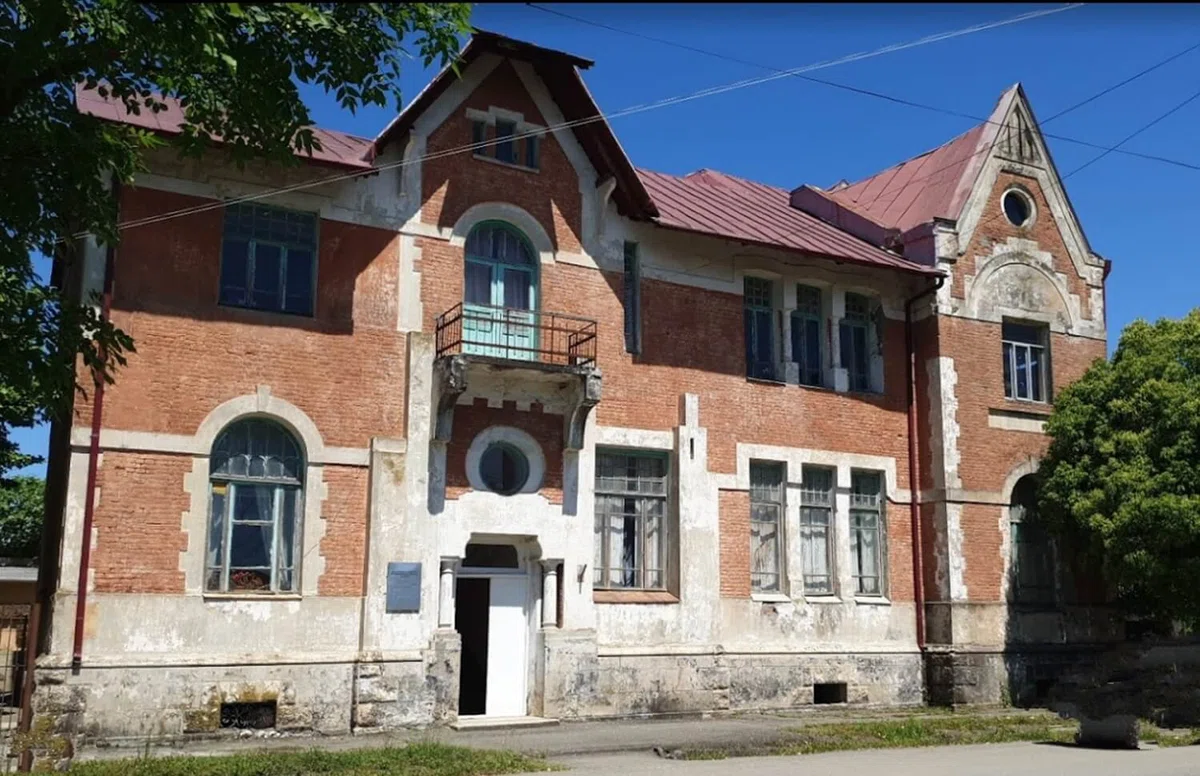
Museum of Colchian Culture in Poti. Learn more about Georgian culture.

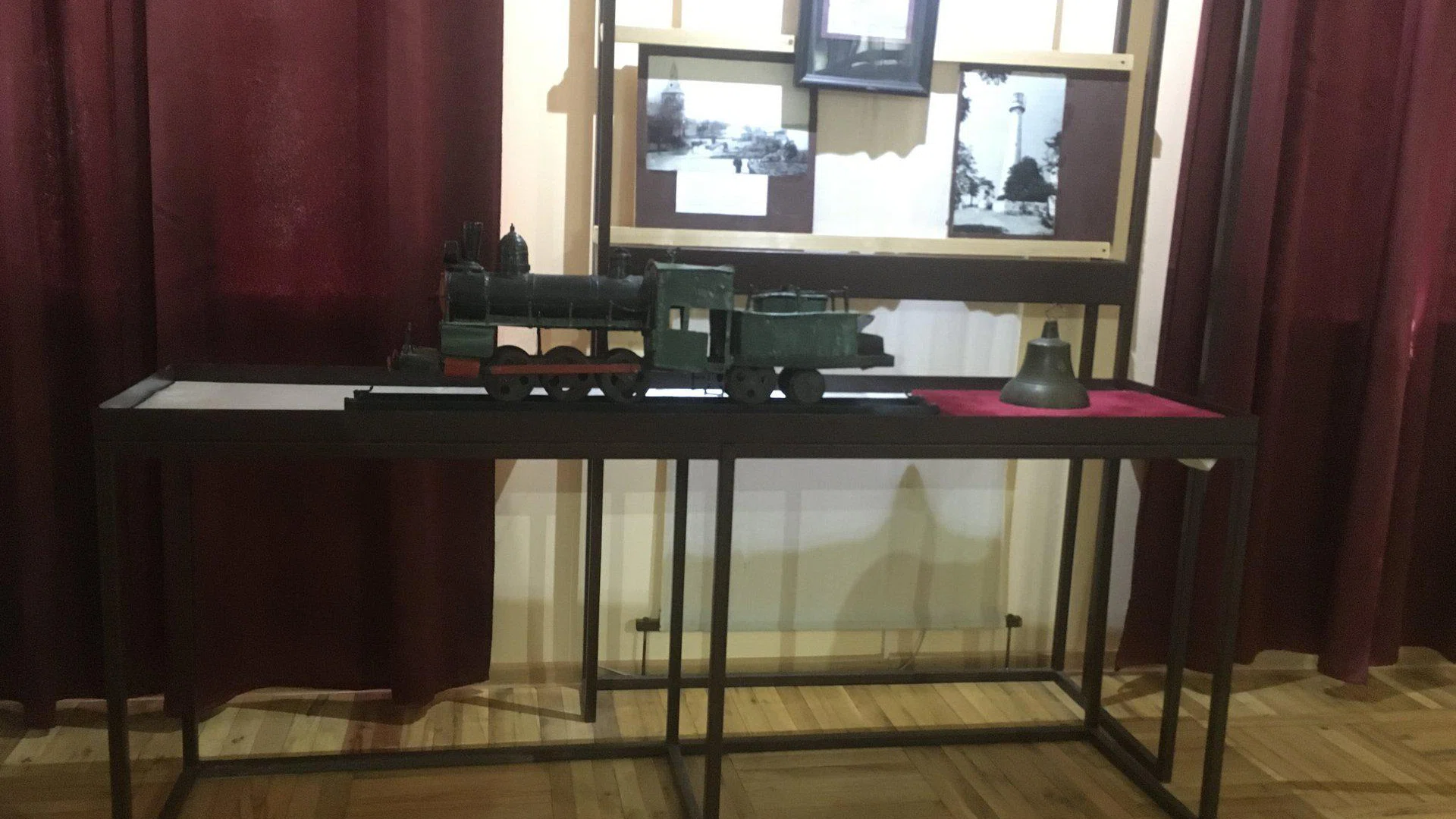
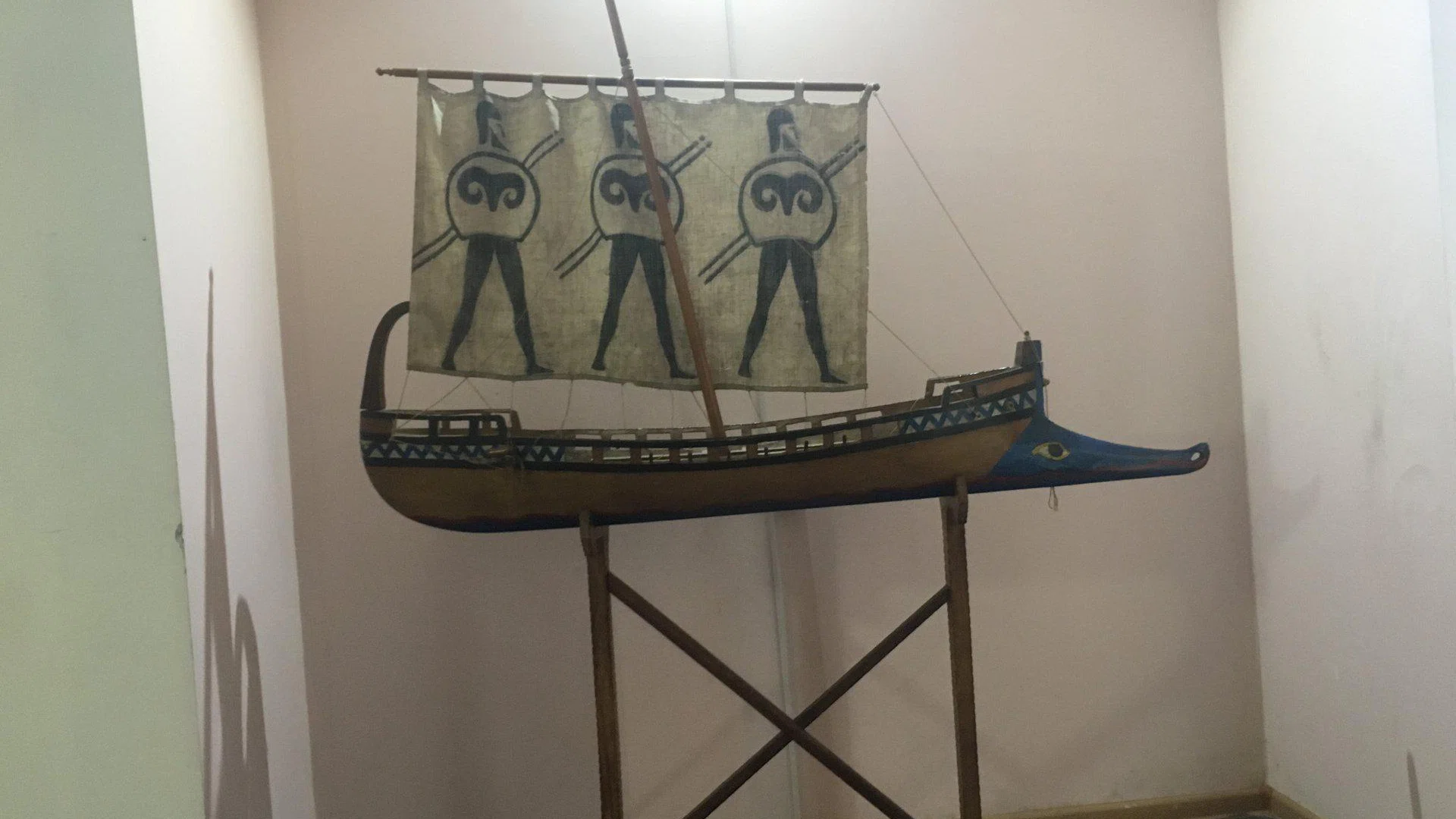
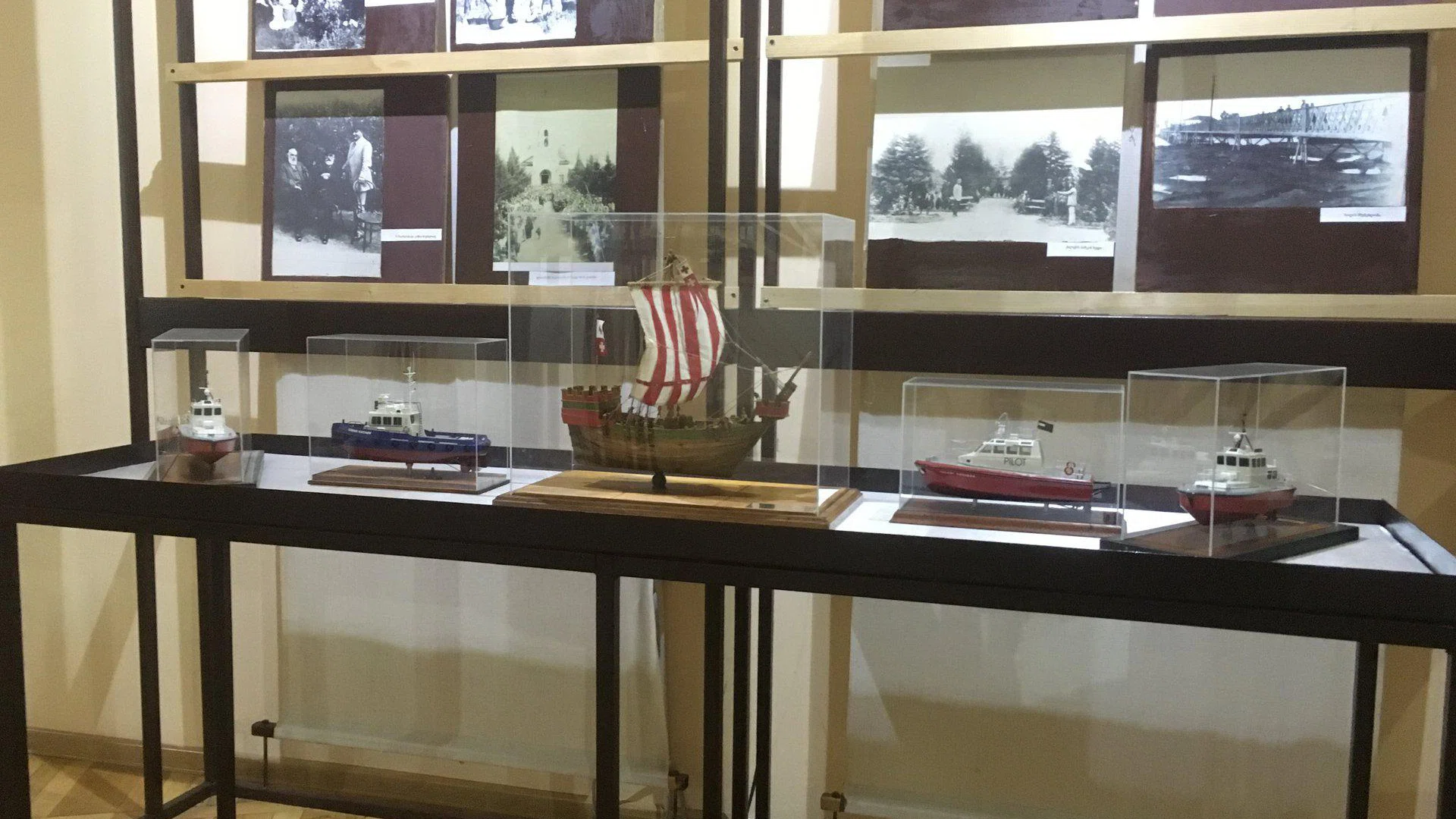
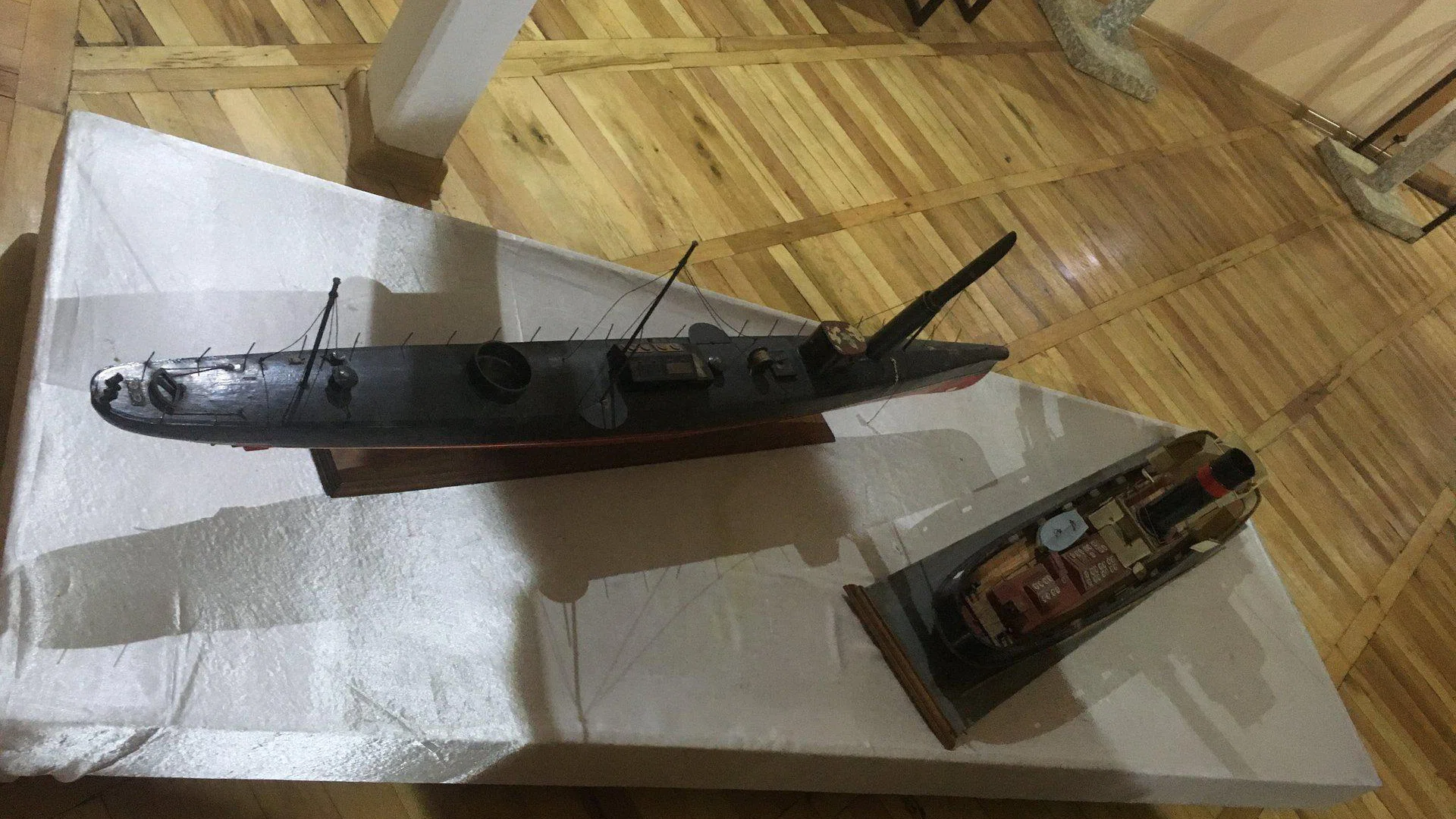
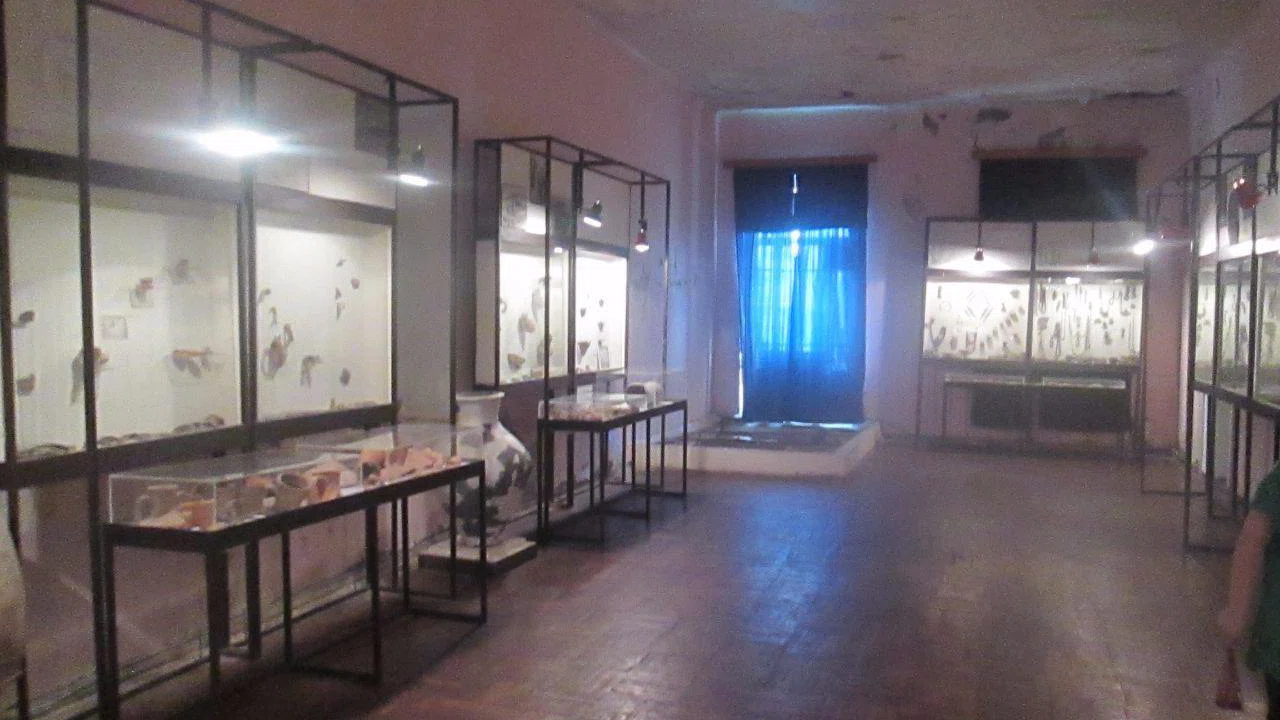
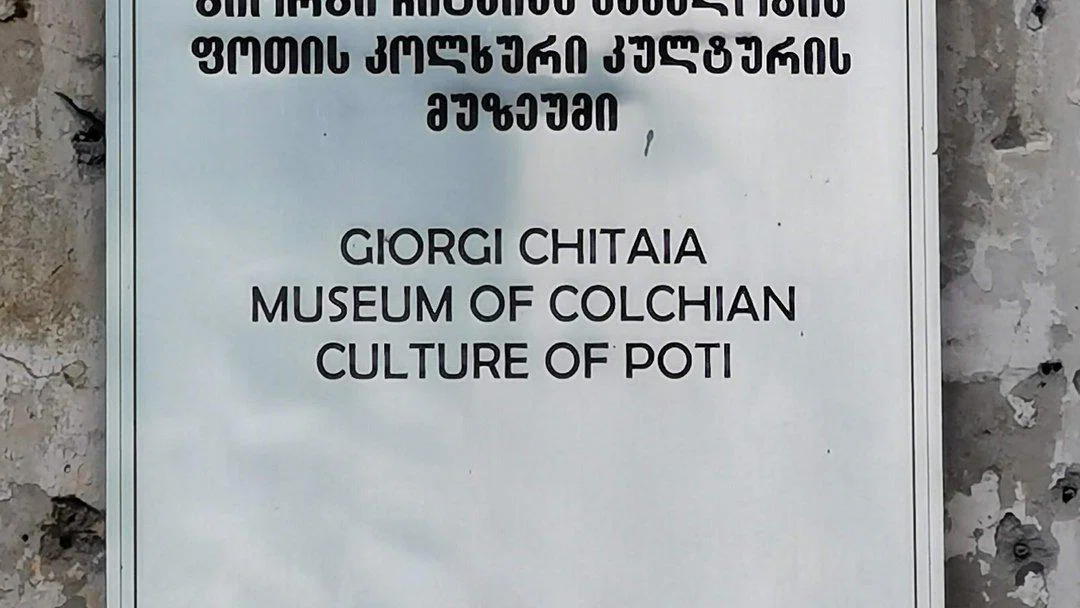
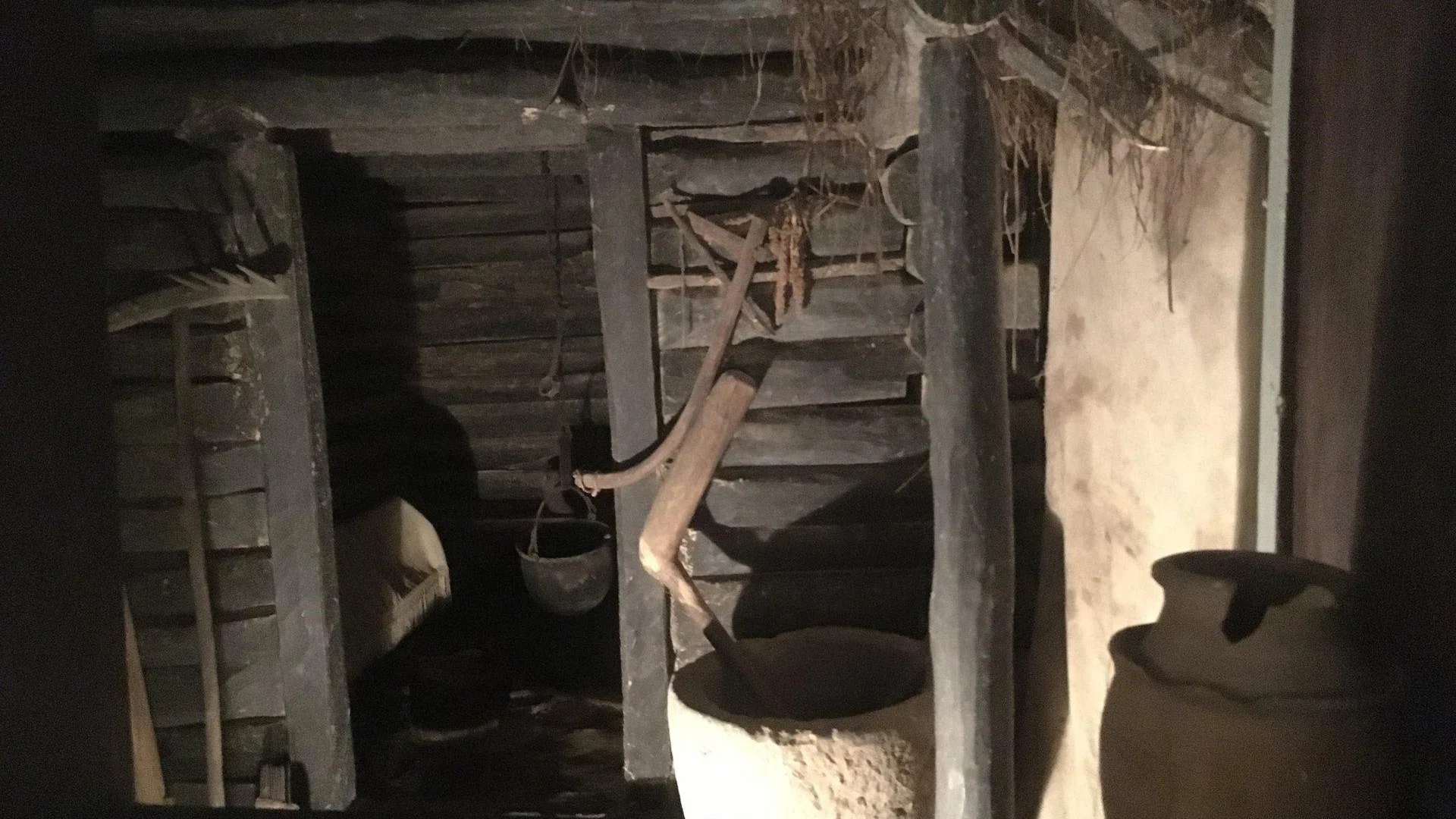
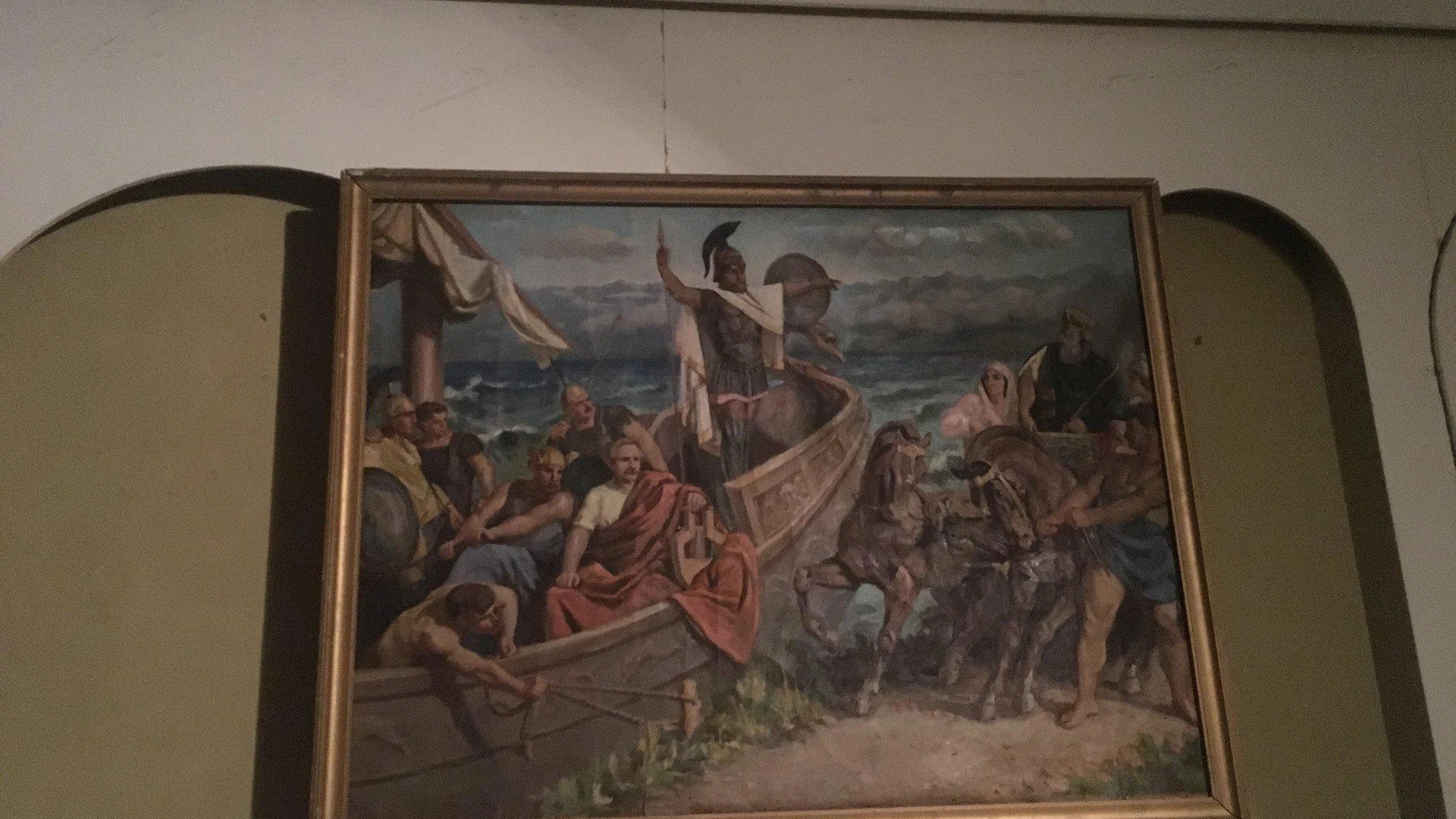
If you want to learn a little more about the Colchian culture, you must visit the Museum of Colchian Culture in Poti. Here you will find collections of archaeological and ethnographic materials, which tell stories. There are many church items and a huge collection of coins. A visit is definitely recommended.


Address: Poti, 26 May Street, No. 9

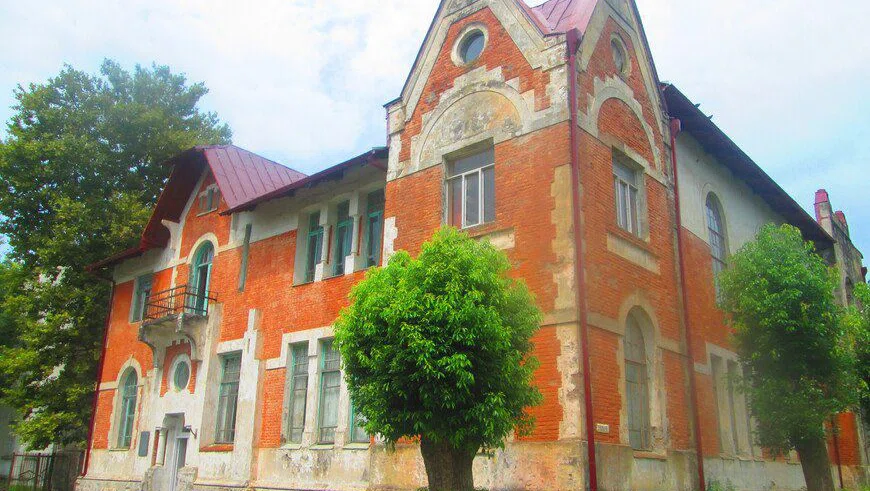
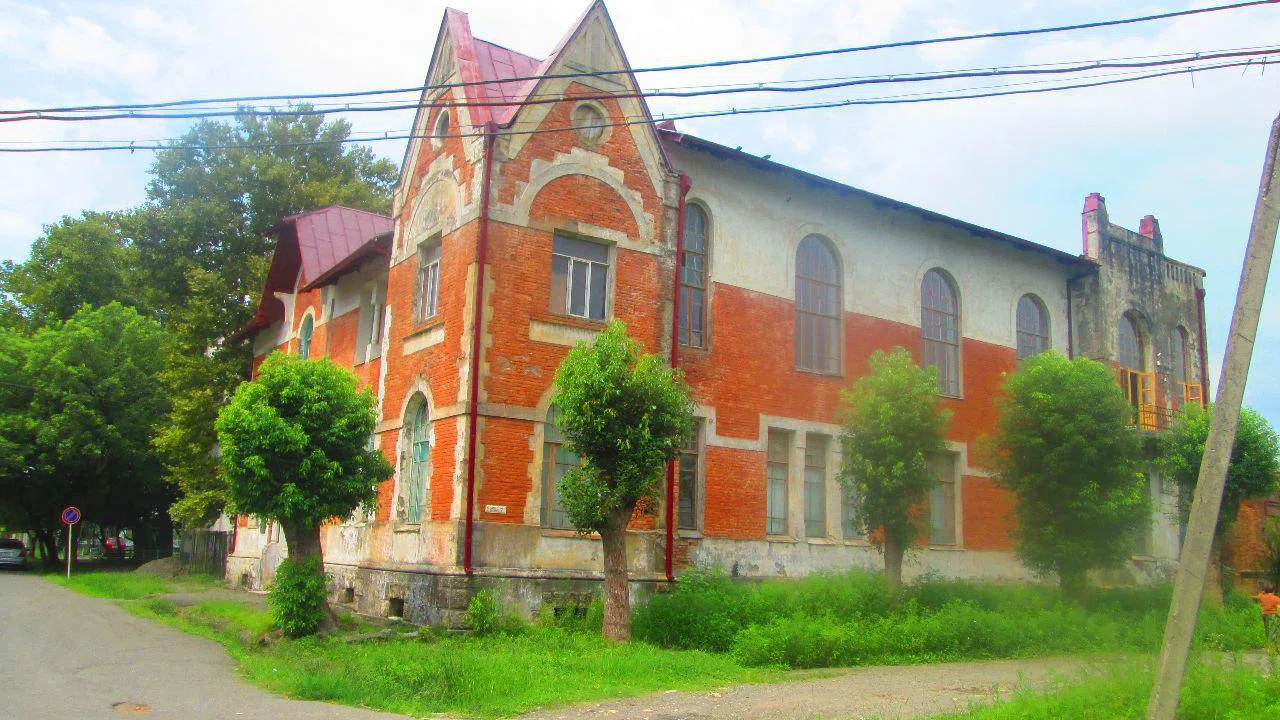
The museum was founded in 1933. It is housed in a building built in 1908.

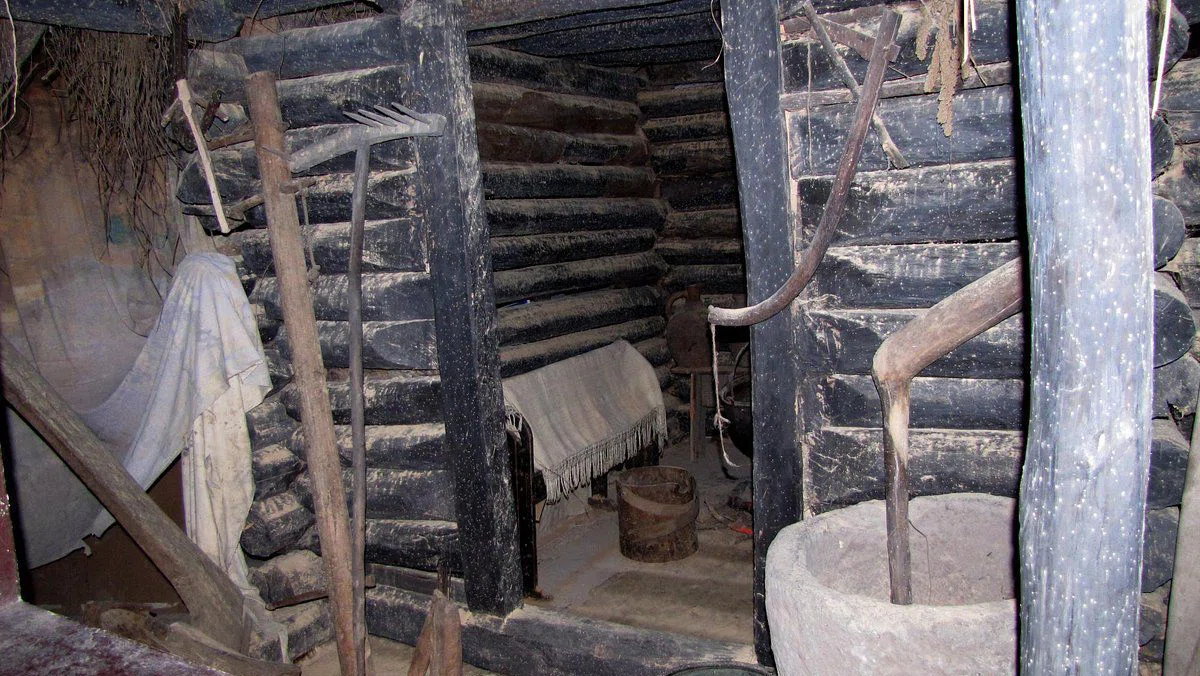
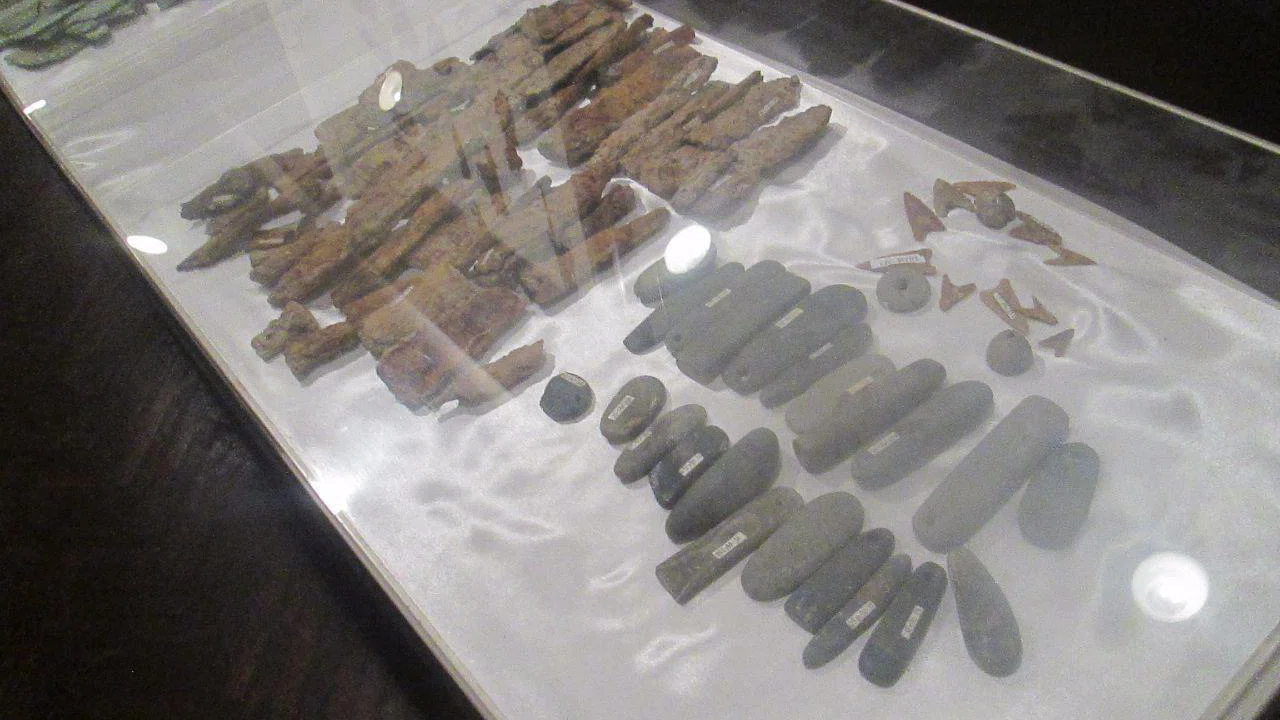
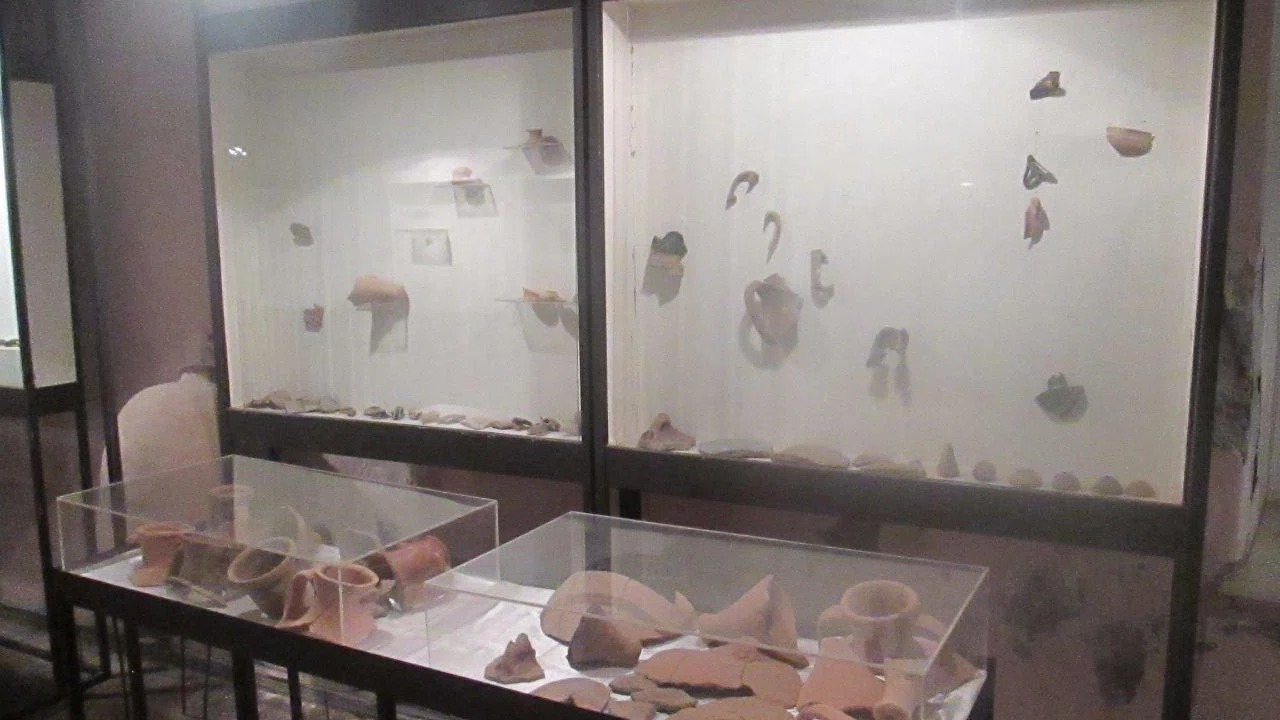
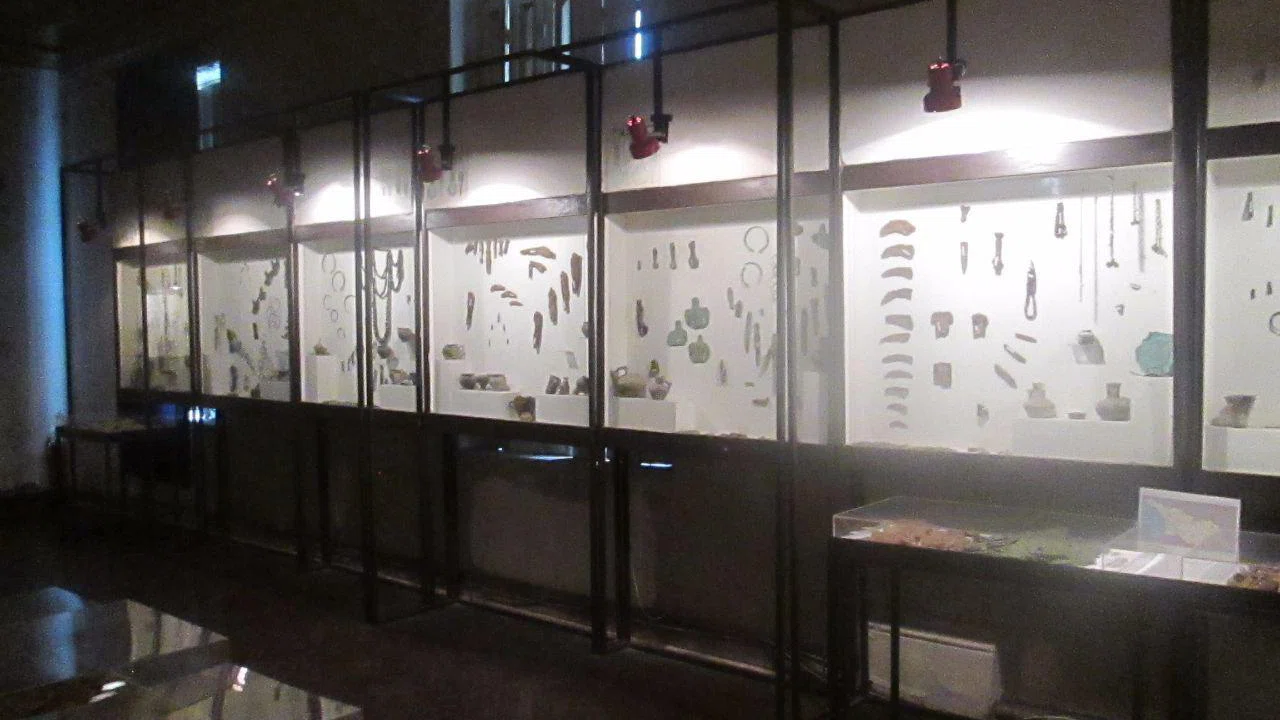
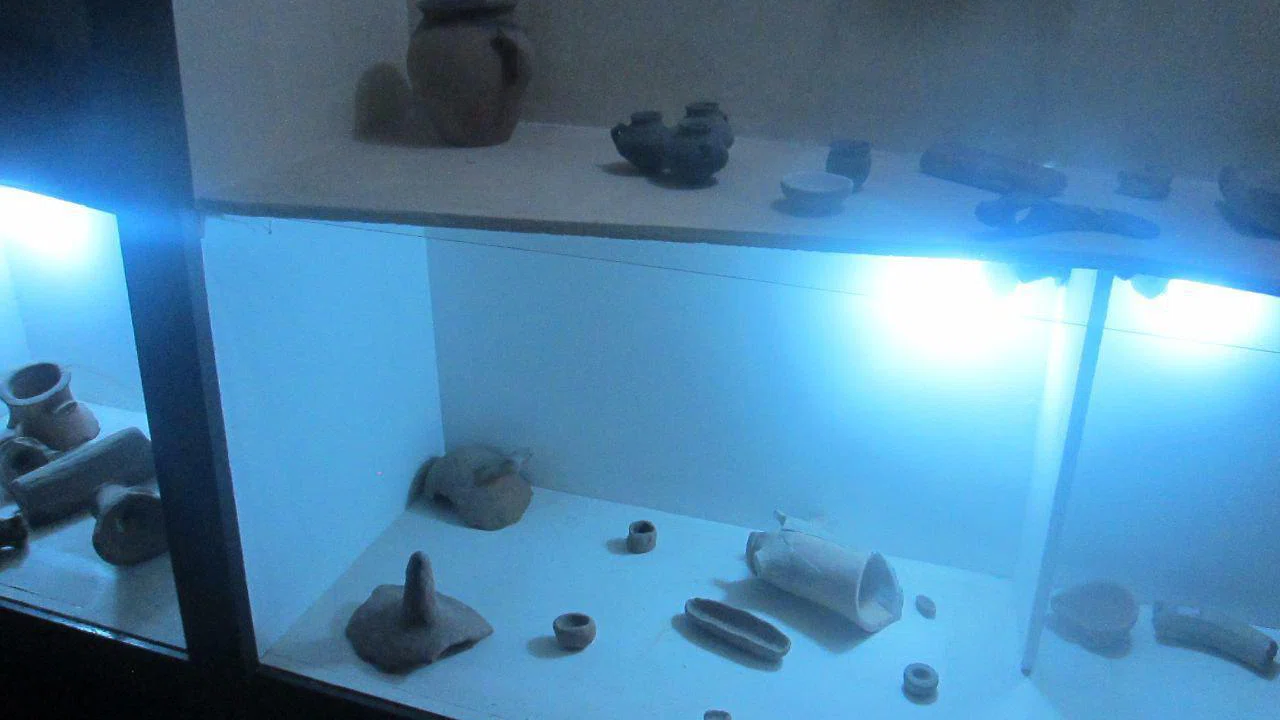
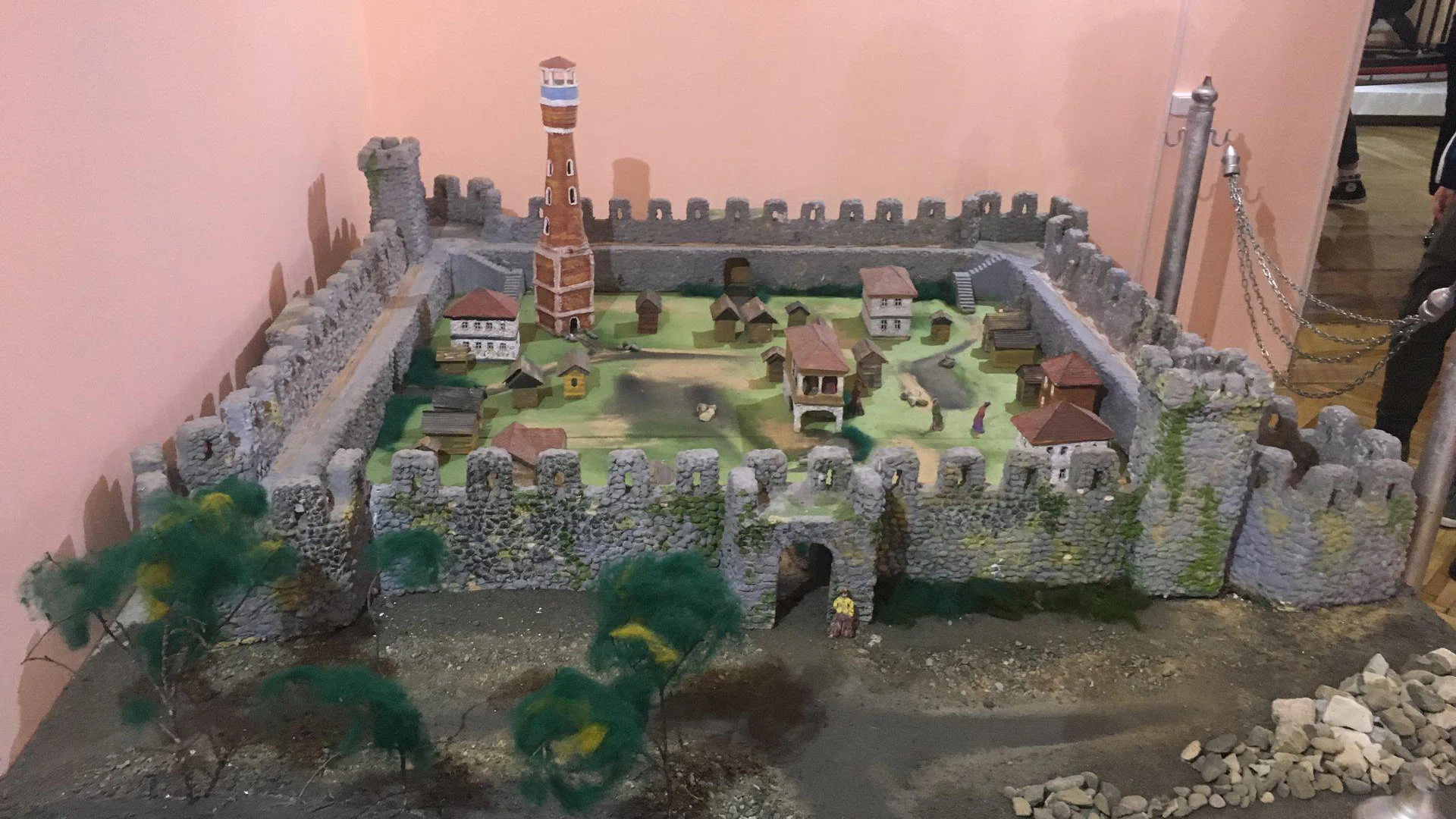
The museum contains exhibits reflecting the ancient Colchis history of archaeological and ethnographic collections and materials telling about the history of the city of Poti. The chronological framework of archaeological exhibits extends from the 3rd millennium BC to the 6th century AD.

Noteworthy are the examples of small-scale bronze sculpture, including the sculpture of the "Great Mother of the Gods" - the supreme deity of fertility, agriculture, reproduction of plants and animals.

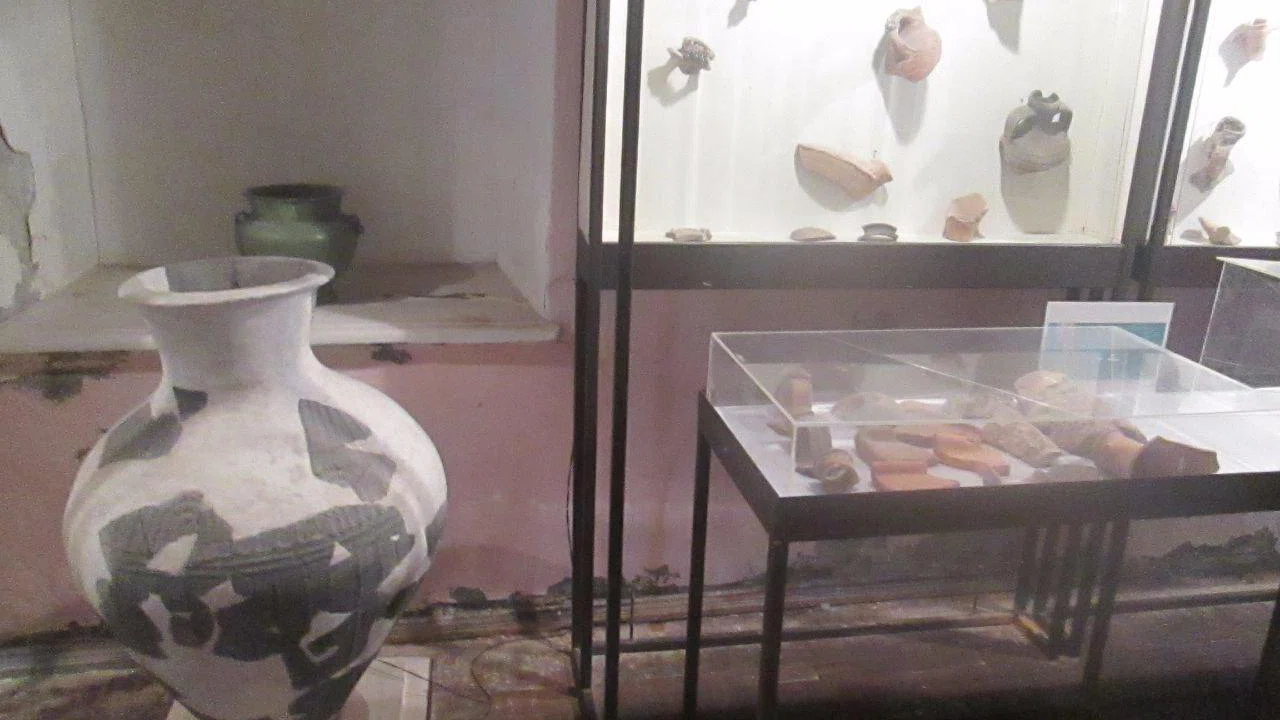
Столовая и кухонная посуда в музей колхидской культуры

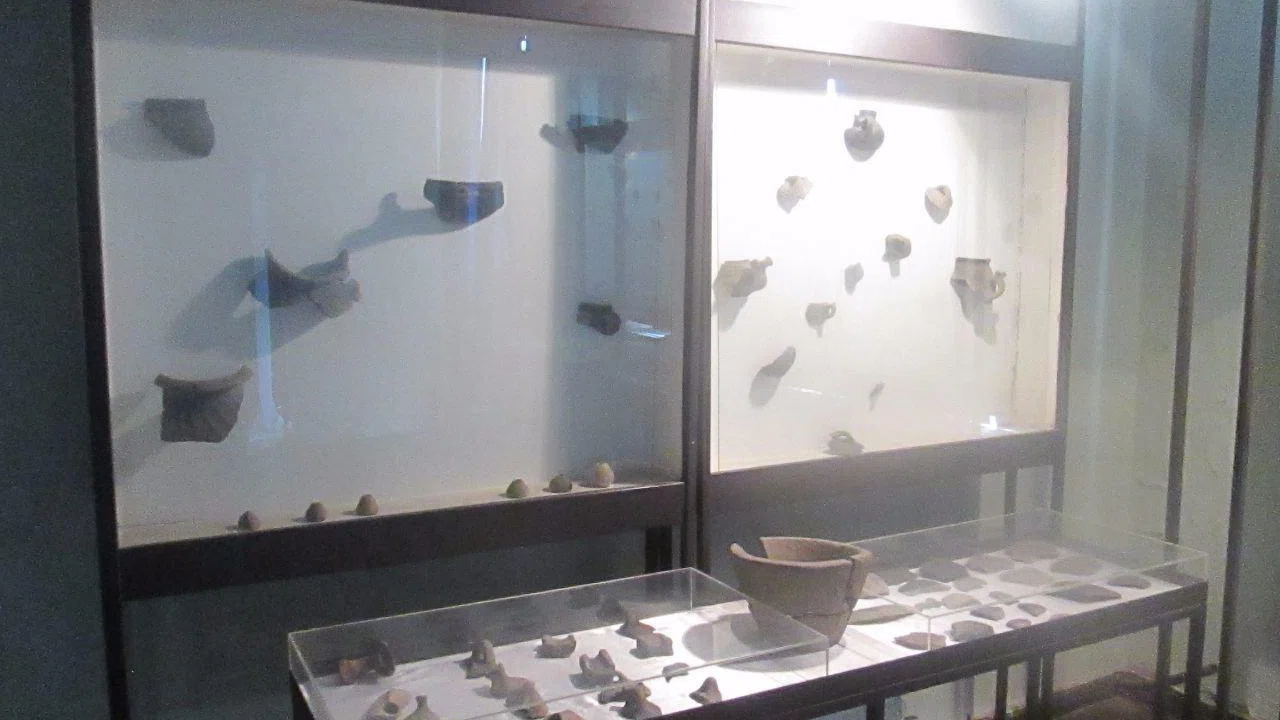
The tableware and kitchenware, bronze tools and military weapons, etc. discovered in the places of collective burial are impressive. The numismatic collection stands out, among other things, for the stater of Lysimachus, gold coins minted in the name of Alexander the Great, the Byzantine Emperor Justinian, the Russian Empress Elizabeth I; it is worth noting the church objects of the Christian era, icons, holy books, ethnographic material of the 19th century, materials telling about the development of the city of Poti.

The total number of exhibits reaches 26 thousand.

Музей колхидской культуры в Поти

If you want to immerse yourself in the ancient history of Georgia and learn more about the culture of Colchis, then you should definitely visit Museum of Colchis Culture in the city of Poti. The museum was founded in 1933 and is located in a building built in 1908. Here you can see many archaeological and ethnographic exhibits reflecting the history of Colchis and the city of Poti.

The chronological framework of the archaeological exhibits in the museum extends from the 3rd millennium BC to the 6th century AD. Among the examples of small bronze sculpture, the sculpture of the "Great Mother of the Gods" stands out, the supreme deity of fertility, agriculture, reproduction of plants and animals. Also in the museum you can see tableware and kitchenware, bronze tools and military weapons found in places of collective burial.

One of the most interesting sections of the museum is the numismatic collection. The most notable exhibits include the Lysimachus stater, gold coins minted in the name of Alexander the Great, the Byzantine Emperor Justinian and the Russian Empress Elizabeth I. In addition, there are church objects from the Christian era, icons, holy books, ethnographic material from the 19th century and materials telling about the development of the city of Poti.

The total number of exhibits in the museum reaches 26 thousand, and each of them has its own history. The museum is one of the most popular tourist destinations in Poti. Although the Colchian culture has long been forgotten, the Colchian Culture Museum in Poti preserves its heritage and allows visitors to learn more about the traditions and customs of the ancient Colchians. An important aspect of the Colchian culture was their religious concept of holy places, which were considered places of power and religious ceremonies were held there. These places still exist in the region and are popular tourist attractions. One of these places is Mount Mtsikheta, which is located in northwestern Georgia and is one of the main shrines of Orthodoxy in the country. The Upper Church of Mount Mtsikheta was built in the 6th century and has become a symbol of Georgian culture and spirituality. There are also many other temples and chapels on the mountain, which were built at different times and have survived to this day.

Another interesting place associated with the Colchian culture is the city of Amazara in western Georgia. This city is famous for the fact that a tomb complex dating back to the 2nd-1st millennia BC was discovered on its territory. Numerous items made of gold, silver and bronze were found here, which testify to the high culture of those times.

In addition, Amazara is famous for its hot springs, which are located a few kilometers from the city. The water from the springs contains numerous useful minerals and is healing for health. This place is very popular among tourists who come here not only to learn about the Colchian culture but also to spend time in the amazing natural landscape.

Thus, the Museum of Colchian Culture in Poti is an important place to learn about the history of Georgia. It helps to preserve the heritage of the Colchian culture and educates visitors about its unique traditions and customs. In addition, the region offers many other interesting places related to the culture and history of Georgia that are also worth visiting.

Not far from the Museum of Colchian Culture is the ancient city of Poti, which was founded in the 6th century BC. This city is one of the oldest in Georgia and played an important role in the history of the region. Here you can visit local temples and monasteries, where you can learn more about the Christian history of Georgia.

Also near Poti is the city of Senaki, where you can find the Zvartitsa Museum, dedicated to the history and culture of Megrelia, another region of Georgia with a rich and interesting history. In this museum, you can learn about the traditional Megrelian culture, as well as the geological features of this region.

In addition, the Poti area has many natural attractions that are also worth visiting. For example, not far from the city is the Colchis National Park, which is known for its unique flora and fauna, as well as picturesque waterfalls and lakes.

Do not forget about the gastronomic experience that can be obtained in this region. Colchis cuisine is famous for its diversity and unique dishes, including local vegetables, fruits and seafood. In the city of Poti and its surroundings, you can find many restaurants and cafes offering national Georgian cuisine, including Colchis dishes.

Overall, visiting the Colchis Culture Museum in Poti is a great way to get acquainted with the unique culture of this region of Georgia and learn more about its history and traditions. But do not forget about other interesting places to visit in this region and their unique attractions.

One of such places is the ancient city of Batumi, located on the Black Sea coast. The city is famous for its beaches, parks, and unique architectural structures, including the Palace of Bells and an old quarter with pedestrian streets and cafes.

Another interesting place is the city of Kutaisi, the former capital of Georgia, located on the banks of the Rioni River. Kutaisi is known for its ancient temples and monasteries, including the Gelati Monastery, a UNESCO World Heritage Site, as well as remarkable examples of Georgian architecture, including red brick buildings.

An equally interesting place is the city of Mtskheta, the former capital of Georgia and one of the oldest cities in the country. Mtskheta is famous for its temples and monasteries, including the Svetitskhoveli Cathedral, also a UNESCO World Heritage Site, and is also a center of Georgian culture and crafts.

In addition, the region has many unique natural attractions, including the mountains of Svaneti, Kazbegi and Borjomi-Kharauga, as well as Lake Ritsa, known for its crystal clear waters and beautiful landscapes. All these places are an important part of Georgia's rich cultural heritage and will not leave any traveler indifferent. The region has many opportunities for hiking, mountaineering, skiing and cycling, making it an ideal place for outdoor enthusiasts and nature lovers.

--------------------------

We hope that our article about the Colchian Culture Museum in Poti was interesting and informative for you. Feel free to leave your comments and questions below the article, we will be happy to answer them and discuss this fascinating topic with you!
Do you want to increase the number of clients by 5 times?

Choose premium placement on Madloba and attract customers who are currently leaving for your competitors.

I want
Increase the number of clients
to rate this post.

34 comments

  • ელგუჯა
    მუზეუმის უნიკალური ექსპონატები კიდევ ერთხელ ადასტურებს კოლხეთის მდიდარ კულტურულ მემკვიდრეობას.
  • I
    ilyaDanilov
    Не совсем понятно, почему золото Александра Македонского оказалось в Колхиде. Есть ли какие-то находки или доказательства, что македонцы действительно посещали этот регион? Было бы интересно узнать об этом подробнее.
  • C
    Carsten
    The Colchian Culture Museum in Poti is a fascinating place that preserves the rich heritage of ancient Colchis, showcasing unique archaeological and ethnographic collections including coins, bronze sculptures, and historical artifacts from various periods.
  • Y
    Yasmina
    It's wonderful to know that the museum in Poti preserves such a rich history of the Kolkhida region. I'm particularly fascinated by the bronze sculpture "Great Mother of the Gods" and the collection of coins, including ones from Alexander the Great. The blend of archaeological artifacts and ethnographic items provides a deep insight into the culture and traditions of ancient Colchis. Additionally, learning about the natural beauty of the Kolkheti National Park and the unique Kolkhetian cuisine makes Poti even more intriguing. Thank you for highlighting these gems!
  • М
    Мария
    Было бы интересно узнать больше о влиянии колхидской культуры на современные традиции в регионе.
  • L
    Lali_World
    მუზეუმი კოლხიდური კულტურის ნამდვილად განსაკუთრებულია. თითოეული ძეგლი, დაწყებული არქეოლოგიური ნიმუშებიდან და ეკლესიური ნივთებიდან, გვაძლევს საშუალებას უკეთ გავიგოთ ჩვენი ისტორია და კულტურა. პოტის რეგიონი ამ ისტორიულ მუზეუმთან ერთად ბუნებრივი და გასტრო საოცრებებითაც გამოირჩევა. სპირალური პარკი "კოლხიდა" და ადგილობრივი სამზარეულო - ეს მხოლოდ დასაწყისია სანახავთა სიის. ნამდვილად საამაყოა, რომ შეგვიძლია ასეთი მემკვიდრეობის შენარჩუნება და პატივი.
  • К
    Карина
    Коллекция предметов быта и нумизматическая экспозиция музея в Поти просто поражают своим историческим размахом и разнообразием.
  • I
    I.
    Are there any guided tours available in English at the museum? It would be great to have an expert explain the fascinating history and significance of the artifacts, especially since I don't speak Georgian.
  • E
    Eka
    მუზეუმის ნუმизматიკური კოლექცია ნამდვილად შთამბეჭდავია. მაინტერესებს, მონეტების შესახებ დამატებით ინფორმაციას visiteurs რას სთავაზობს? იქნებ რაიმე საინტერესო დეტალით შეავსოთ სტატია.
  • T
    tmrdmtr
    У меня возник вопрос о бронзовой скульптуре "Большой матери богов". Только ли в этом музее хранится подобная скульптура, или ей есть аналоги в других музеях мира? Интересно было бы узнать больше о том, насколько уникальным является этот экспонат.
  • ცოტაური
    მუზეუმის წარდგენა გვაძლევს გასაოცარ საშუალებას, გავიცნოთ ჩვენი რეგიონის ისტორია და ვიხილოთ უნიკალური ოქროს მონეტები და არქეოლოგიური კოლექციები.
  • W
    WendyL0ng
    Is the museum's collection accessible to English speakers, or are there any guided tours available in English? I'm particularly interested in the numismatic collection and would appreciate any additional insights about it.
  • I
    ikewinner
    The Museum of Colchian Culture in Poti sounds like a fascinating place. It's impressive to see such a diverse collection spanning from ancient times, especially the bronze sculpture "Great Mother of Gods" and coins from Alexander the Great. I'm curious if there are any guided tours available, especially ones that delve into the ethnographic aspects, considering the region's unique traditions. It's also great to hear that Poti offers natural attractions like the Kolkheti National Park and unique local cuisine. Such a combination of history, culture, and nature makes it a compelling destination.
  • ანა
    მუზეუმი კოლხიდური კულტურის გამცემელი საგანძურით და საოცარი ისტორიებით აღფრთოვანებას მამსიმოვნებს!
  • С
    Света
    Очень интересно узнать, какие блюда предлагает уникальная колхидская кухня в Поти, и есть ли возможность попробовать их прямо в музее.
  • О
    Олег
    Интересно, есть ли в музее интерактивные экспозиции или программы для посетителей? Особенно интересно, если они связаны с колхидской кухней или ремеслами.
  • T
    Tzivia
    Are there any guided tours available at the museum that provide more context about the artifacts, especially for those of us who don't speak Russian or Georgian? It would be fascinating to learn more about items like the bronze sculpture and the coins from that period.
  • S
    Skylar
    Are there any interactive exhibits or activities for visitors of different ages at the Museum of Colchian Culture in Poti?
  • Д
    Дарья
    А в какие дни музей открыт для посещения, и есть ли бесплатные дни или экскурсии, которые стоит заранее забронировать?
  • E
    Elvina
    Очень интересная статья! Мне, как женщине, обожающей путешествия, горы и реки, особенно близка идея окунуться в историю Колхиды через музей в Поти. Я всегда ищу новые возможности для семейных открытий, и эта статья вдохновляет на знакомство с древней культурой Грузии. Спасибо за подробное описание – теперь музей колхидской культуры стал одним из тех мест, которые обязательно нужно посетить!
  • О
    Ольга
    Мне очень понравился музей колхидской культуры в Поти! Экспозиция интересная и познавательная, охватывает разные аспекты колхидской культуры. Особенно впечатлили древние артефакты и украшения. Было увлекательно узнать больше о истории этого региона. Рекомендую к посещению!
  • A
    alinakus1095
    Не сильно люблю историю, но о Колхидской культуре с радостью прочла статью. Большое уважение вызывает как в Грузии очень бережно и трепено относятся к истории, максимально стараются сохранить культурное наследие. В следующую поездку, обязательно запланирую посещение музея.
  • А
    Аделина
    Как волнующе и захватывающе читать о музее Колхидской культуры в Поти! Это место, где каждая деталь оживает, рассказывая нам о богатой истории наших предков. От изысканных украшений до древних артефактов, каждый экспонат кажется пронизанной душой нашего народа. Я бы с удовольствием отправилась в это удивительное путешествие в прошлое, чтобы погрузиться в таинственный мир Колхиды и ощутить дыхание времени. Благодарю за такую интересную статью, она действительно вдохновляет на глубокие размышления о нашем культурном наследии и его ценности для нашего современного мира.
  • A
    aleksandraretusherova
    Музей колхидской культуры в Поти действительно заинтересовал меня. Узнать о древней Колхиде через её артефакты и истории кажется увлекательным. Этот музей открывает взгляд на наследие и традиции одной из старейших культур Грузии. Обязательно хочу посетить и лично увидеть все экспонаты.
  • A
    altumer.tr
    Изучала эту информацию уже ранее. Знаю что данная культура относится к позд­не­ брон­зо­во­му – ран­не­му же­лез­но­му ве­ку. В качестве предметов поэтому былы найдены различные железные предметы и бронзовый инвентарь. В основном жители этой культуры занимались земледелием и скотоводством, а позднее уже металургией.
  • E
    emilpetrosyan000
    только что прочитала увлекательную статью о Музее колхидской культуры в Поти и я просто не могу держать свое волнение! Я была поражена обширными знаниями о грузинской культуре, которые я получила из самого большого справочника-каталога о Грузии, Мадлоба madloba.info. Узнав об этом удивительном месте, я сразу почувствовала, что мне нужно туда попасть. Музей колхидской культуры предлагает уникальную возможность погрузиться в богатую историю и наследие Грузии. Я узнала, что колхидская культура играла важную роль в формировании этой удивительной страны, и я не могу ждать, чтобы узнать еще больше об этом .Планируя свое посещение Музея колхидской культуры в Поти, я уже представляю себе, как буду исследовать экспозиции, изучать артефакты и погружаться в атмосферу древней колхидской цивилизации. Я уверена, что это будет незабываемый опыт, который позволит мне более глубоко понять и оценить культуру и наследие Грузии. Я хотела бы выразить свою благодарность Мадлоба madloba.info за предоставление такой информации о Музее колхидской культуры в Поти.
  • К
    Кирилл
    Я только что прочитал об этом месте в самом большом справочнике-каталоге о Грузии Мадлоба madloba.info. Музей колхидской культуры в городе Поти звучит действительно удивительно! Я всегда интересовался историей Грузии, и посещение этого музея явно стоит в моих планах. Зная, что здесь можно увидеть археологические и этнографические экспонаты, связанные с Колхидой и историей города Поти, я уверен, что это будет незабываемый опыт. Кроме того, нумизматическая коллекция и предметы христианской эпохи только добавляют интереса. 26 тысяч экспонатов звучит потрясающе! Не могу дождаться, чтобы посетить музей и погрузиться в древнюю историю Грузии.
  • B
    birzhan-07
    Очень интересная статься! Сразу захотелось посетить данный музей и собственными глазами посмотреть на те экспонаты прошлого. Все то, что я когда-либо раньше слышал о Колхиде связано было лишь я Ясоном, Аргонавтами и Золотым руном, но я даже не думал, что это территория современной Грузии! Интересно, есть ли там экспонаты, связанные или отсылающие к той истории?!
  • Т
    Таня
    Если бы мне хотелось побольше узнать о колхидской культуре, то наверное я бы задумалась о посещении музея колхидской культуры в Поти. Тут, как и в любом другом музее есть на что посмотреть: коллекции археологических и этнографических материалов, которые и рассказывают истории, множество церковных предметов, огромная коллекция монет.
  • B
    bikteeva94
    Очень интересный и насыщенный различными экспонатами музей, здесь представлены коллекции археологических и этнографических материалов, которые обязательно нужно увидеть вживую каждому человеку, поэтому если кто-то будет в Поти, то обязательно посетите этот музей! Вам несомненно понравится!
  • O
    olya.loginova.05
    Обязательно нужно будет посетить этот музей. Узнала интересный факт из этой статьи: общее количество экспонатов достигает 26 тысяч. Хочется увидеть коллекцию церковных предметов, а также огромную коллекцию монет. Так же было удивлением, что экспонаты, собранные в этом музее, находятся в хронологическом промежутке от III тысячелетия до н.э. до VI века н.э.
  • O
    olya.loginova.05
    Обязательно нужно будет посетить этот музей. Узнала интересный факт из этой статьи: общее количество экспонатов достигает 26 тысяч. Хочется увидеть коллекцию церковных предметов, а также огромную коллекцию монет. Так же было удивлением, что экспонаты, собранные в этом музее, находятся в хронологическом промежутке от III тысячелетия до н.э. до VI века н.э.
  • М
    Марина
    Только самому зданию уже сто четырнадцать лет! Представляете как там пахнет историей? Если честно, меня больше привлекает само здание. Но если уж ехать до Поти, то и в музей колхидской культуры зайти необходимо. Хотя я сама была в Поти проездом и до музея не добралась, хотя я раньше о нем особо и не знала.
  • И
    Ира
    В музее хранятся отражающие древнюю Колхидскую историю археологические и этнографические коллекции и материалы, рассказывающие об истории города Поти. Хронологические рамки археологических экспонатов простираются от III тысячелетия. Ну оочень хочу поступить, прям очень!! Также есть материалы рассказывающие о развитии города Поти. Общее