




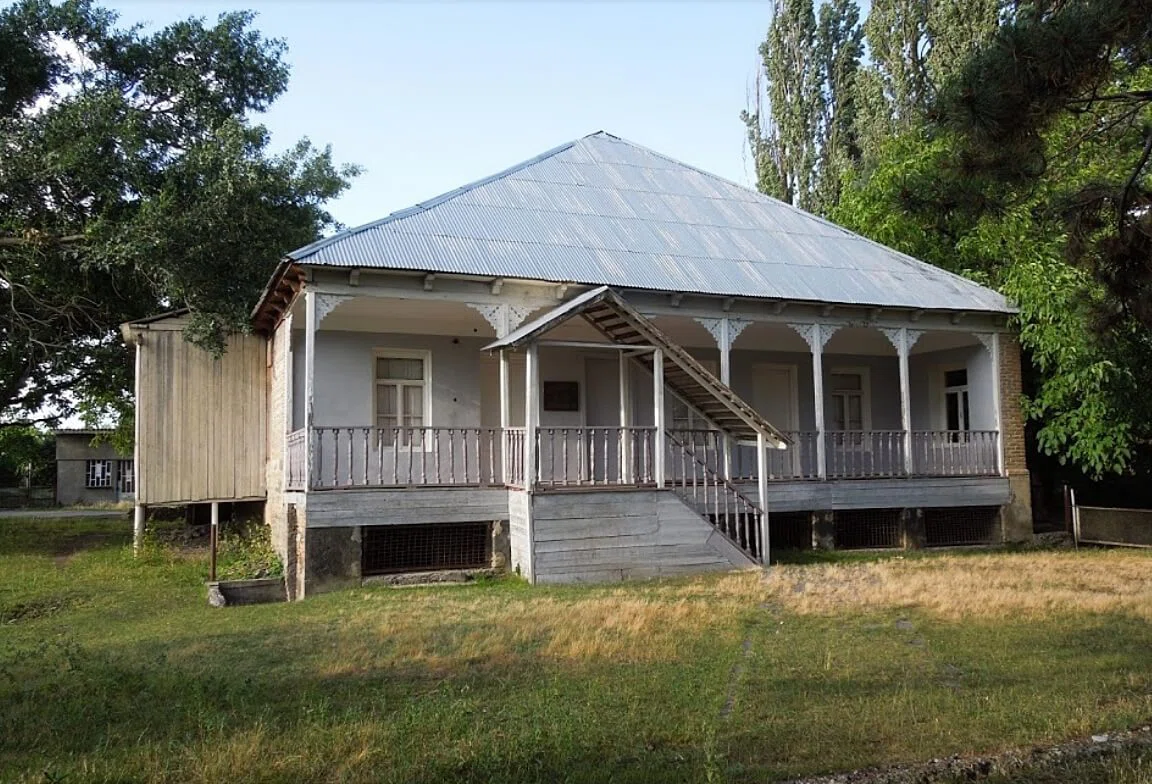
Houses-museums of famous figures of Georgia. Ivane Javakhishvili House Museum.
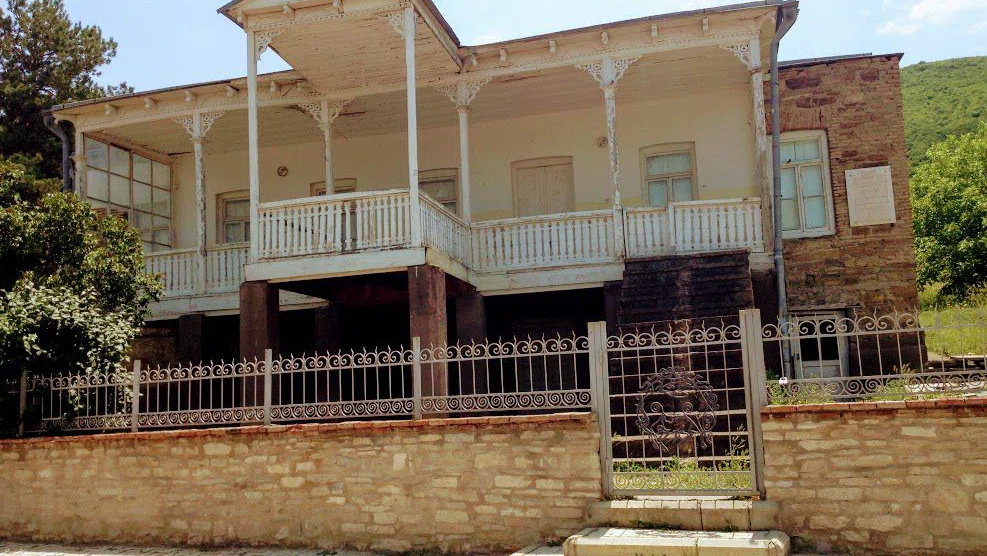
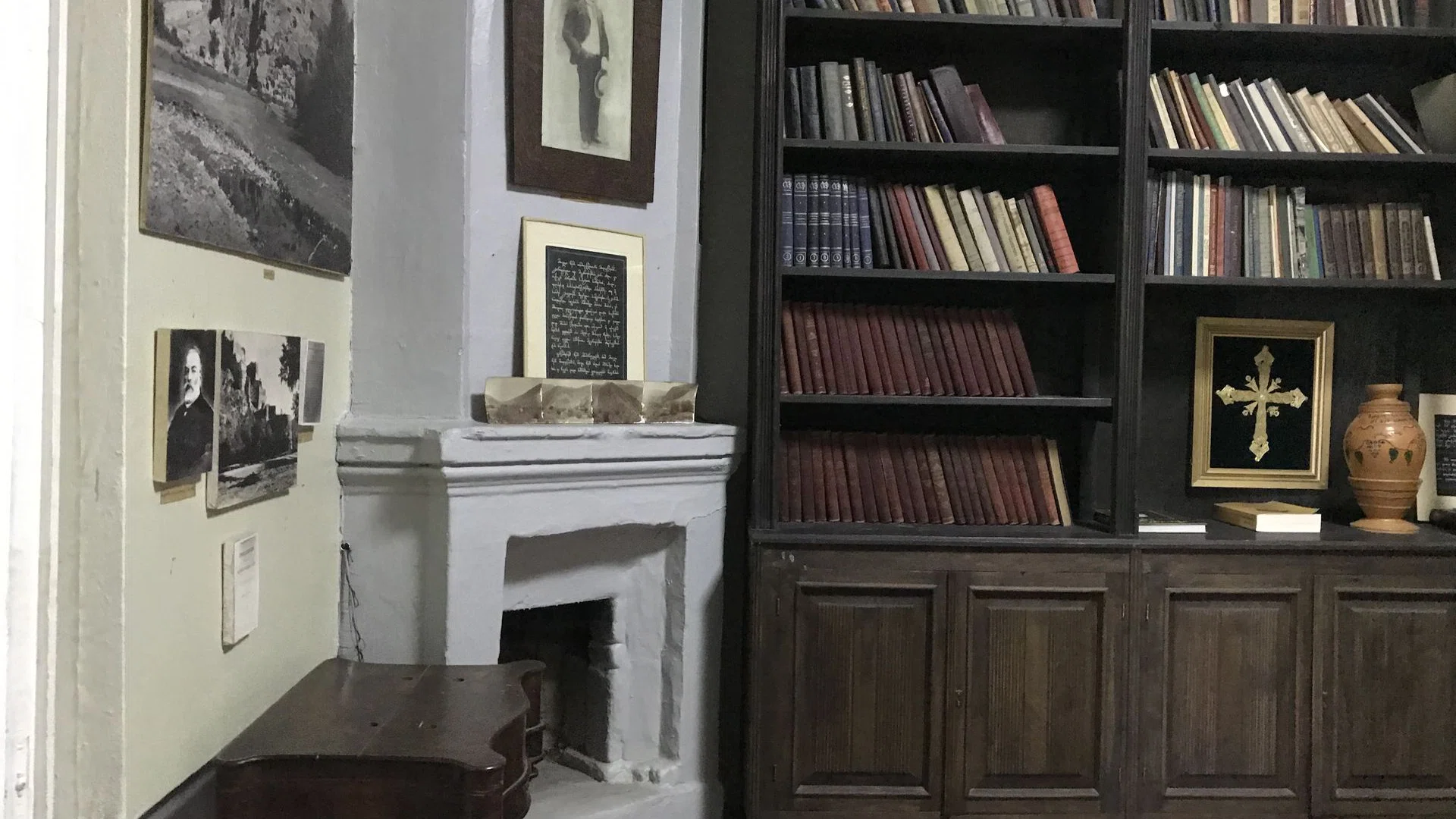
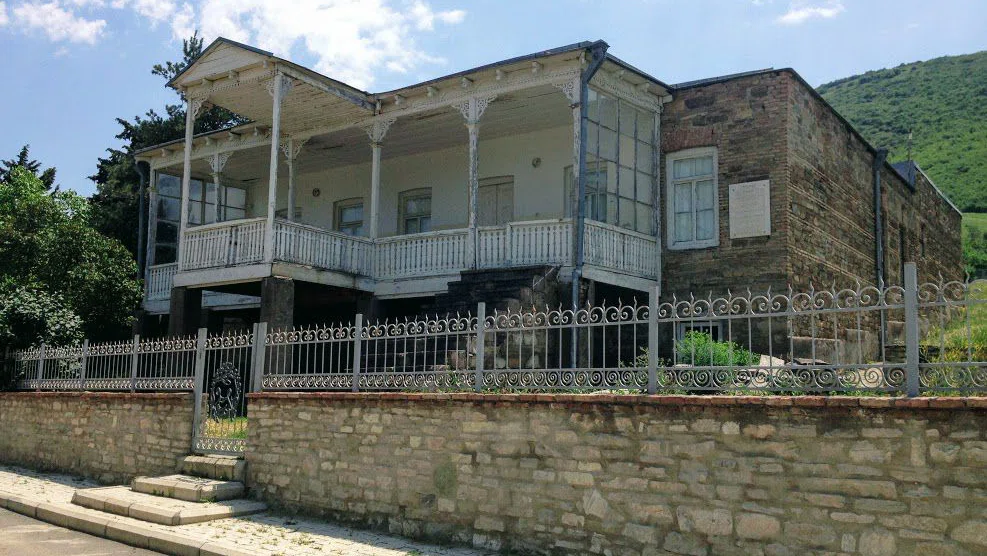
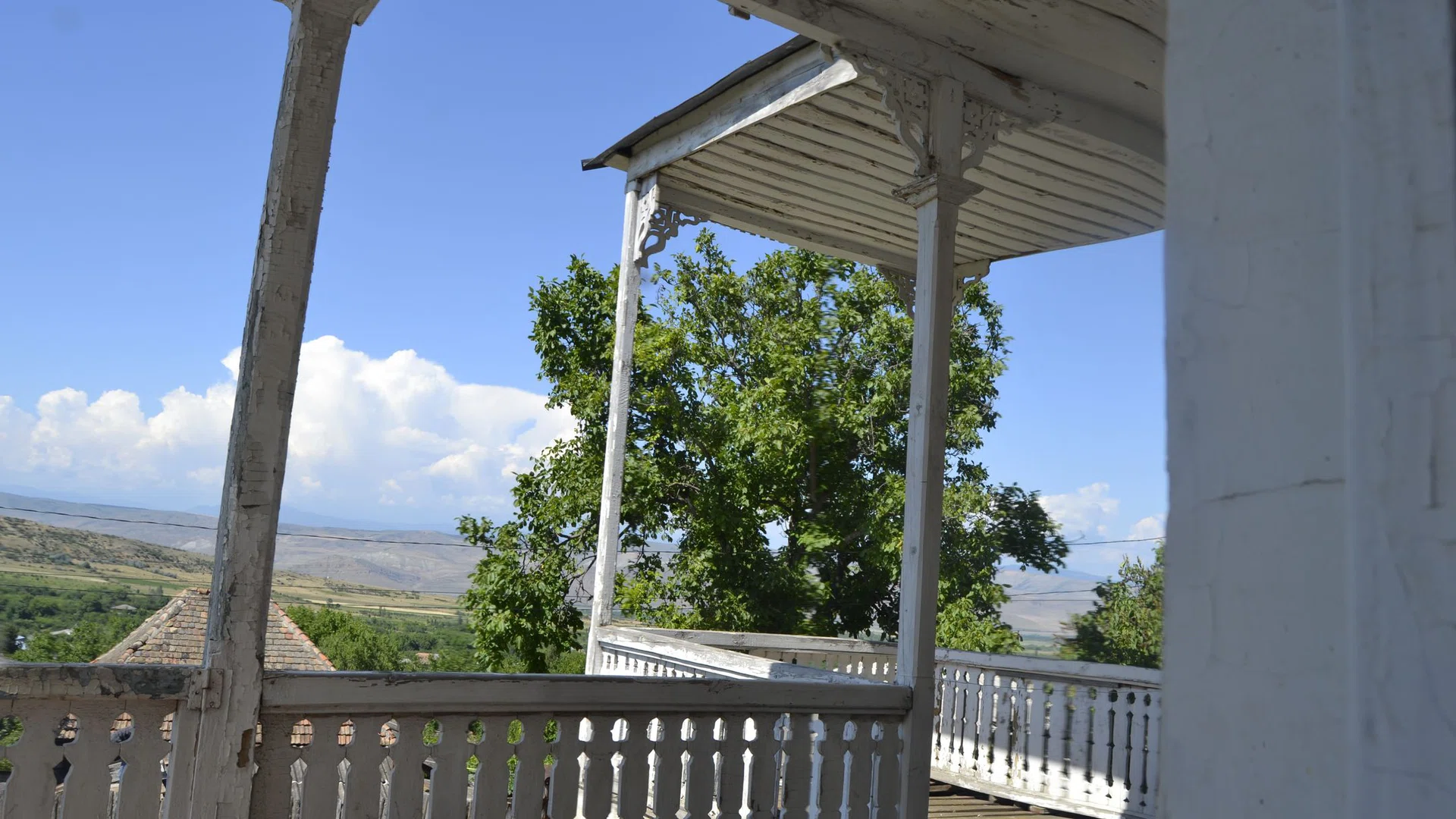
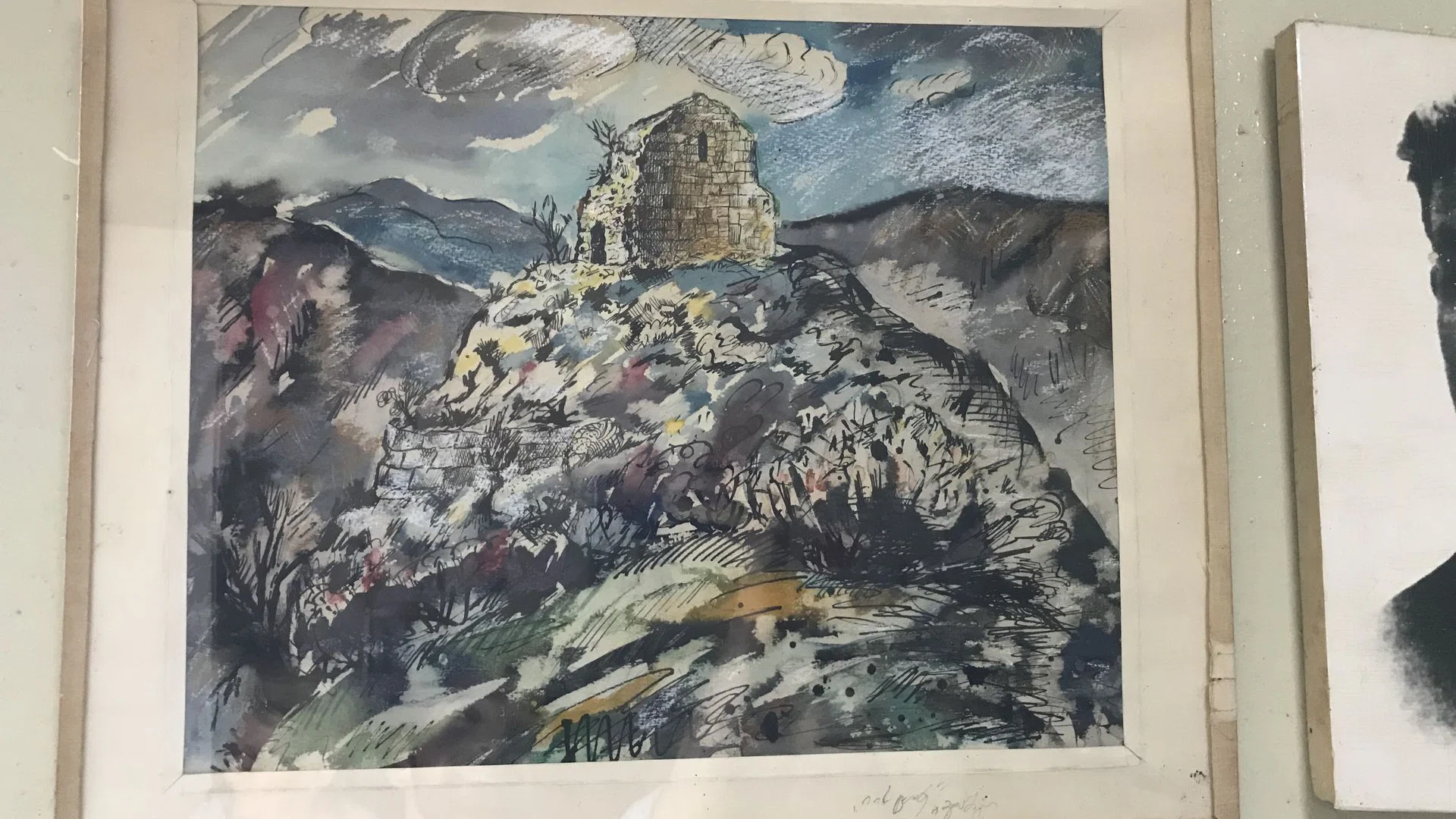
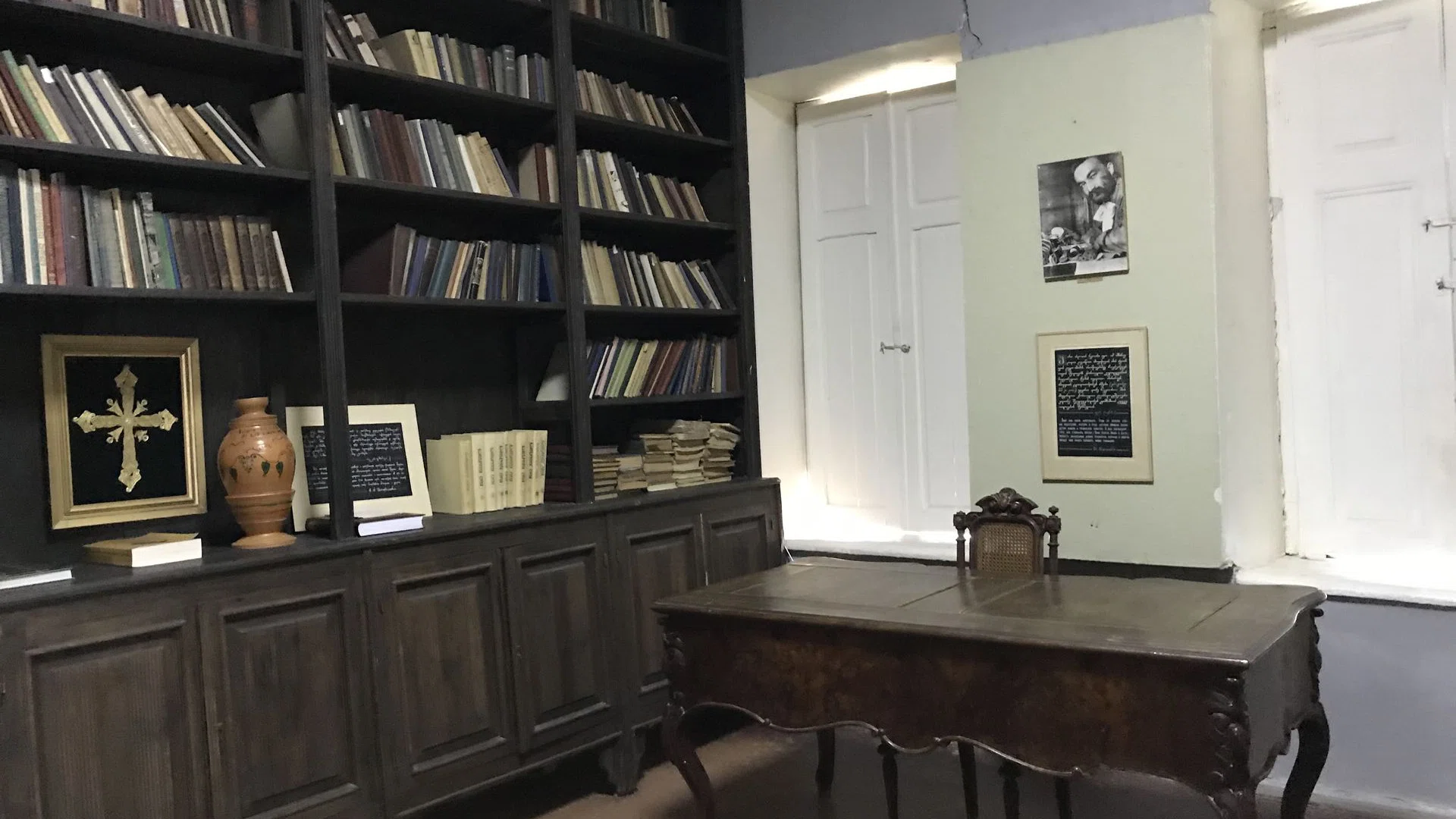
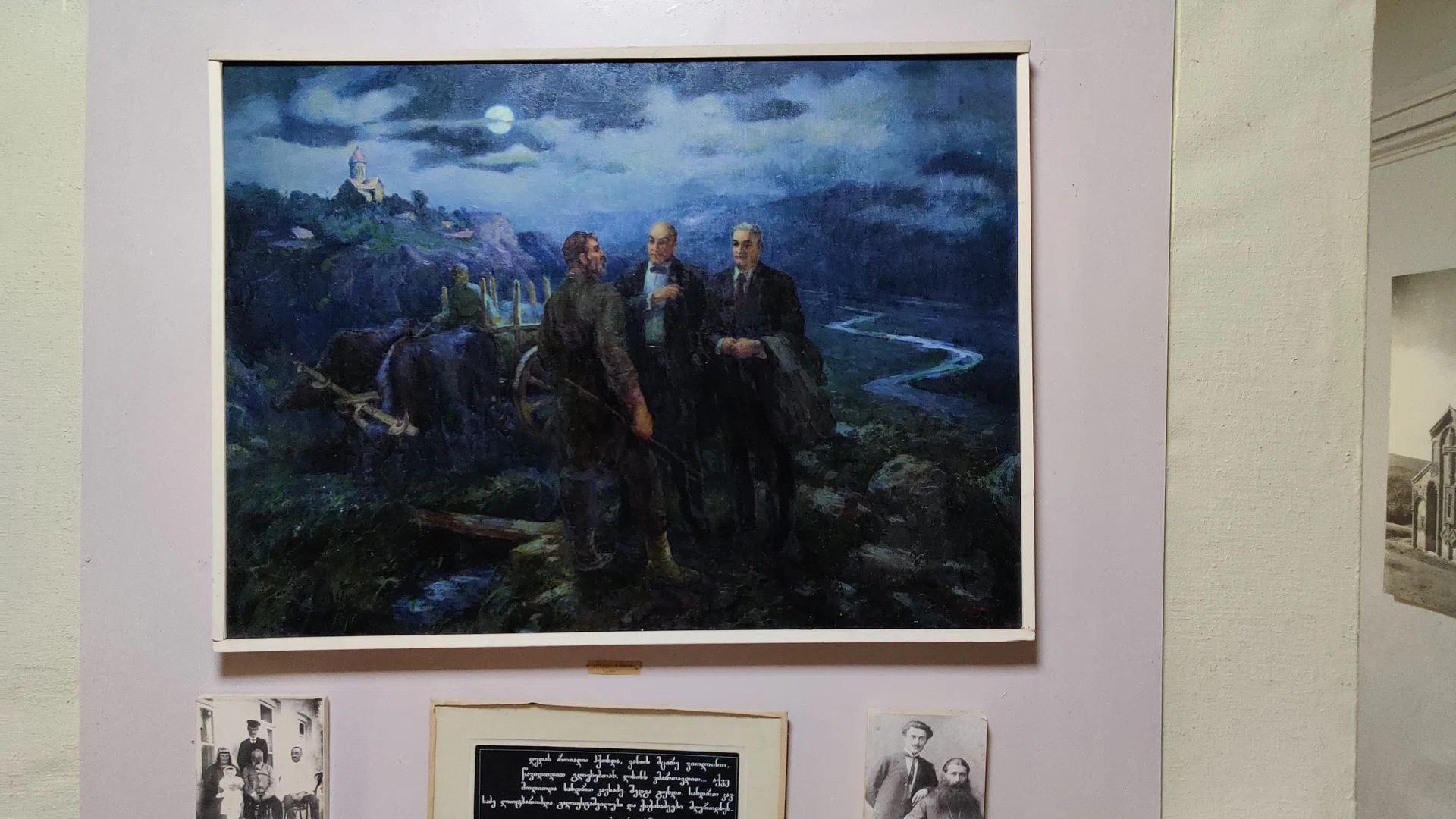
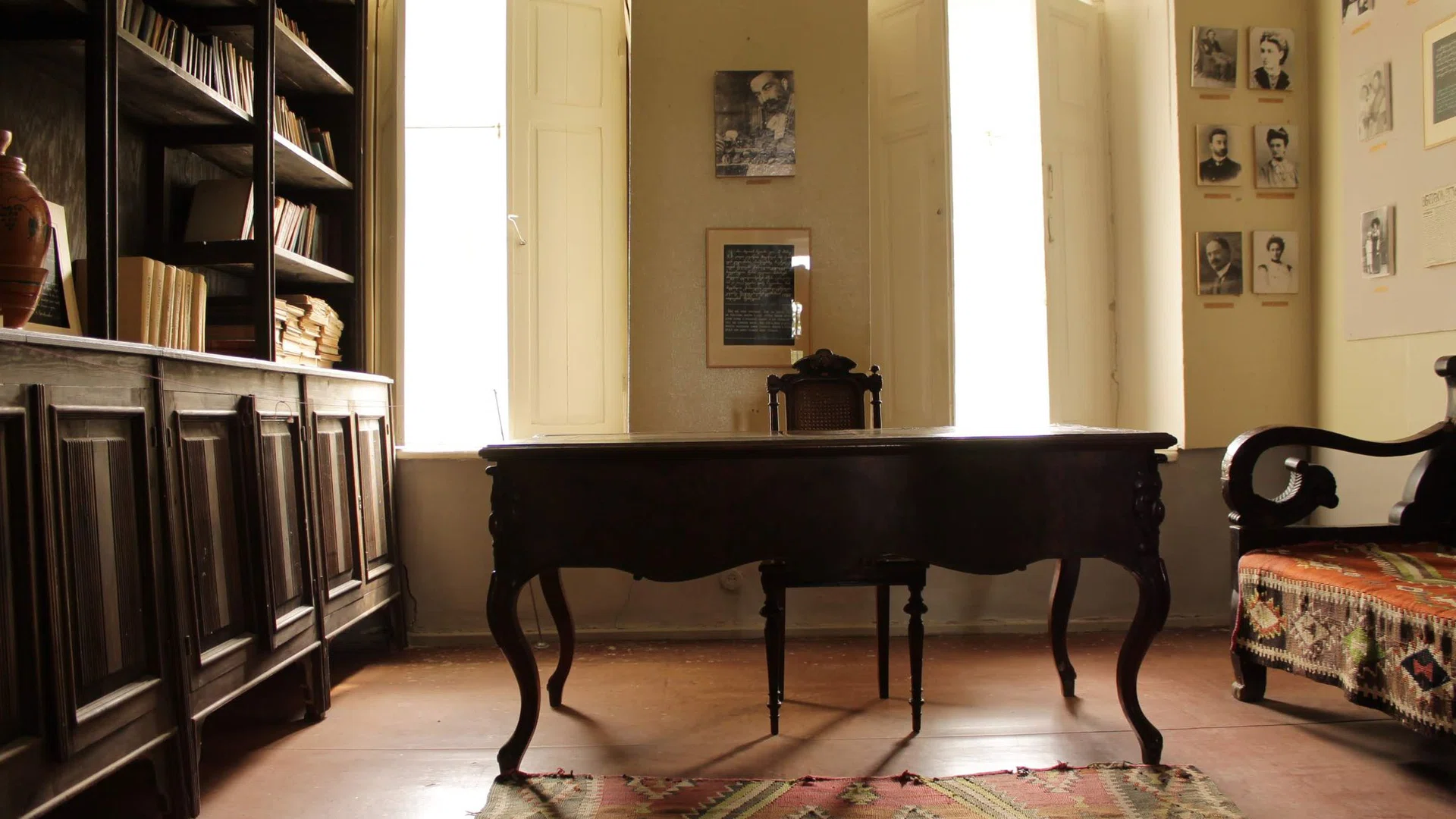
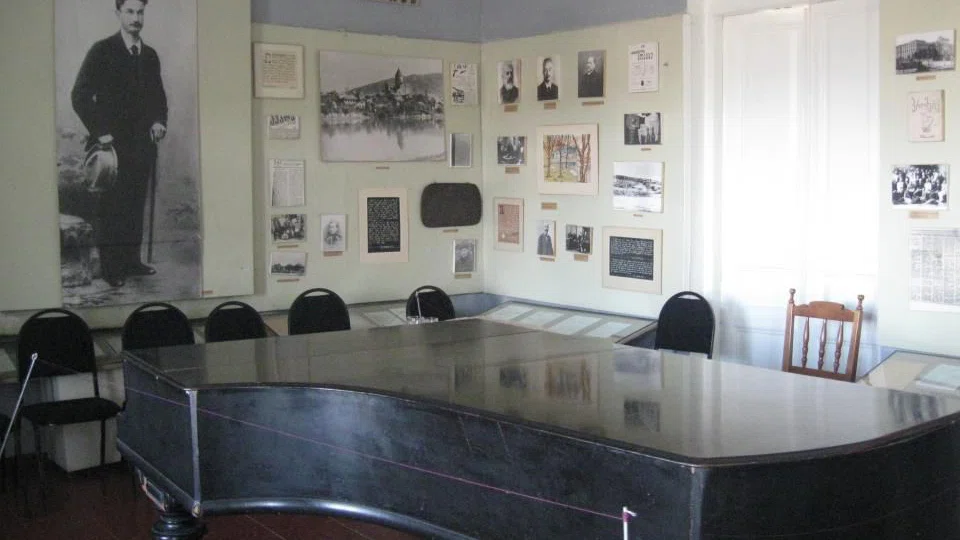
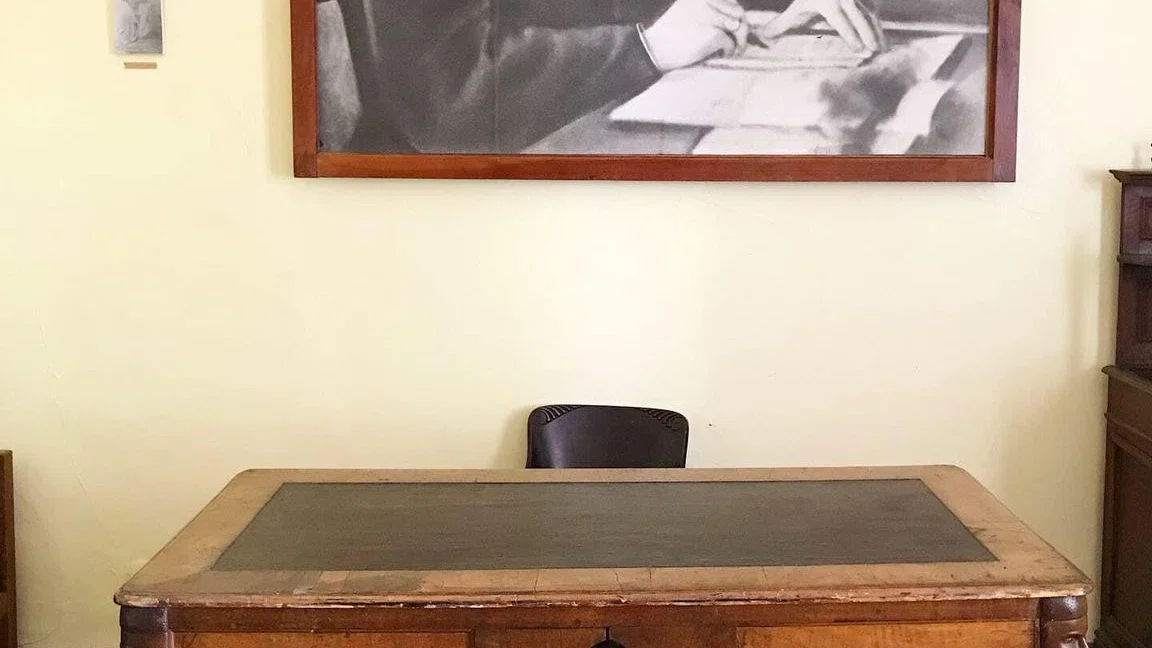
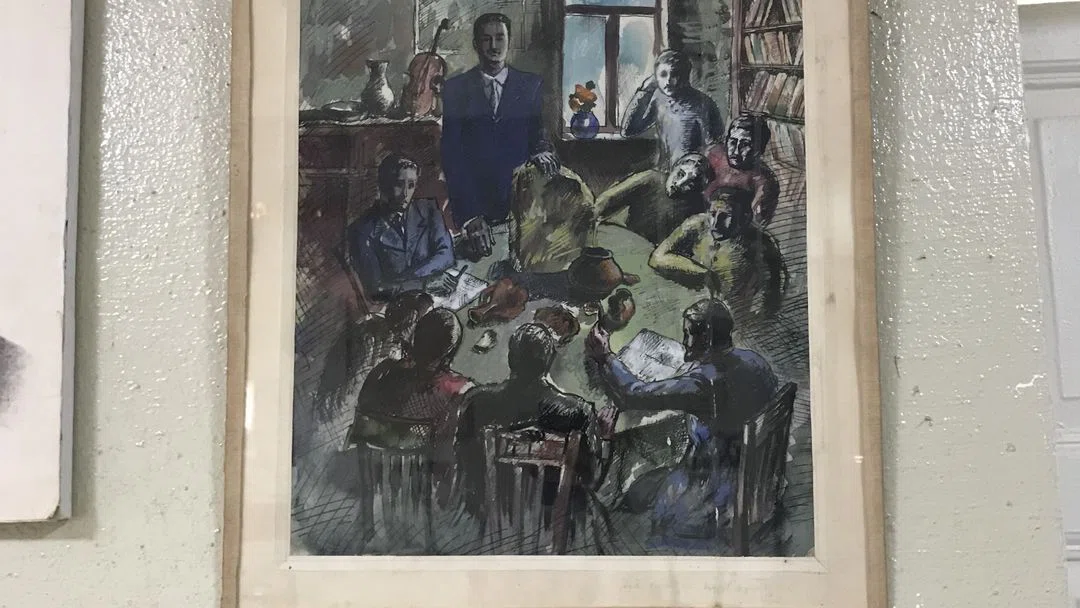
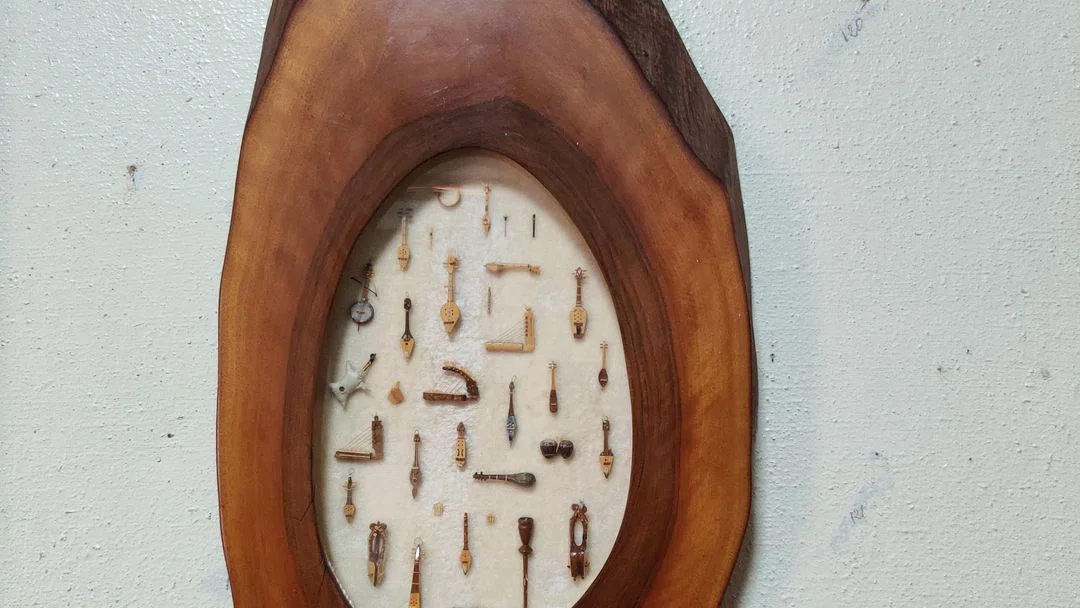
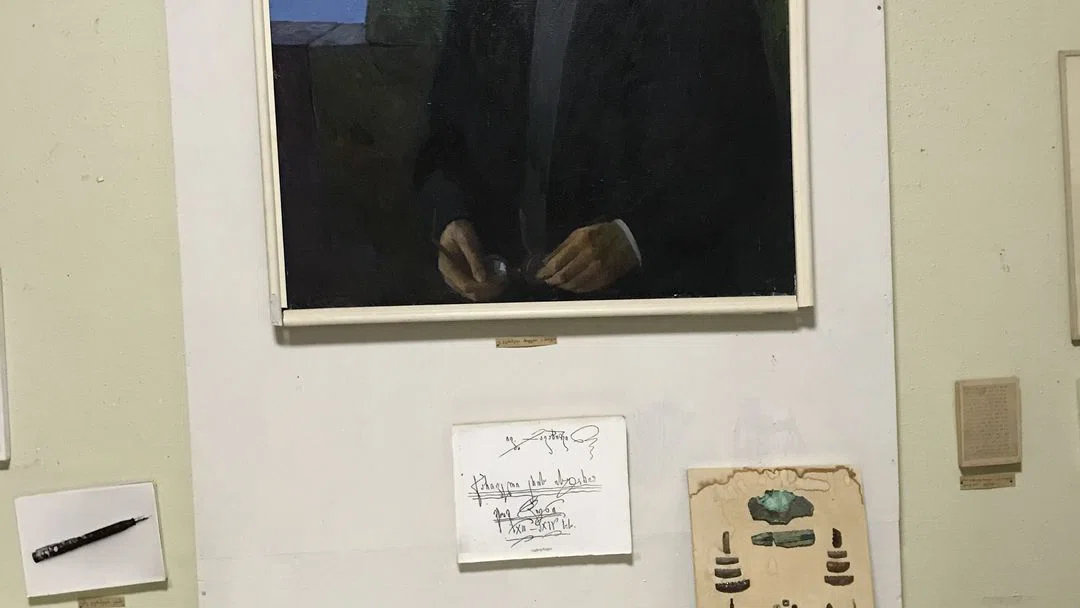
The Ivane Javakhishvili House-Museum has a rich collection concerning the Georgian scientist. Here you will find a rich library, samples of fine art, photographs, documents, manuscripts and other things that convey the story of Ivane's life. We definitely recommend visiting this museum.
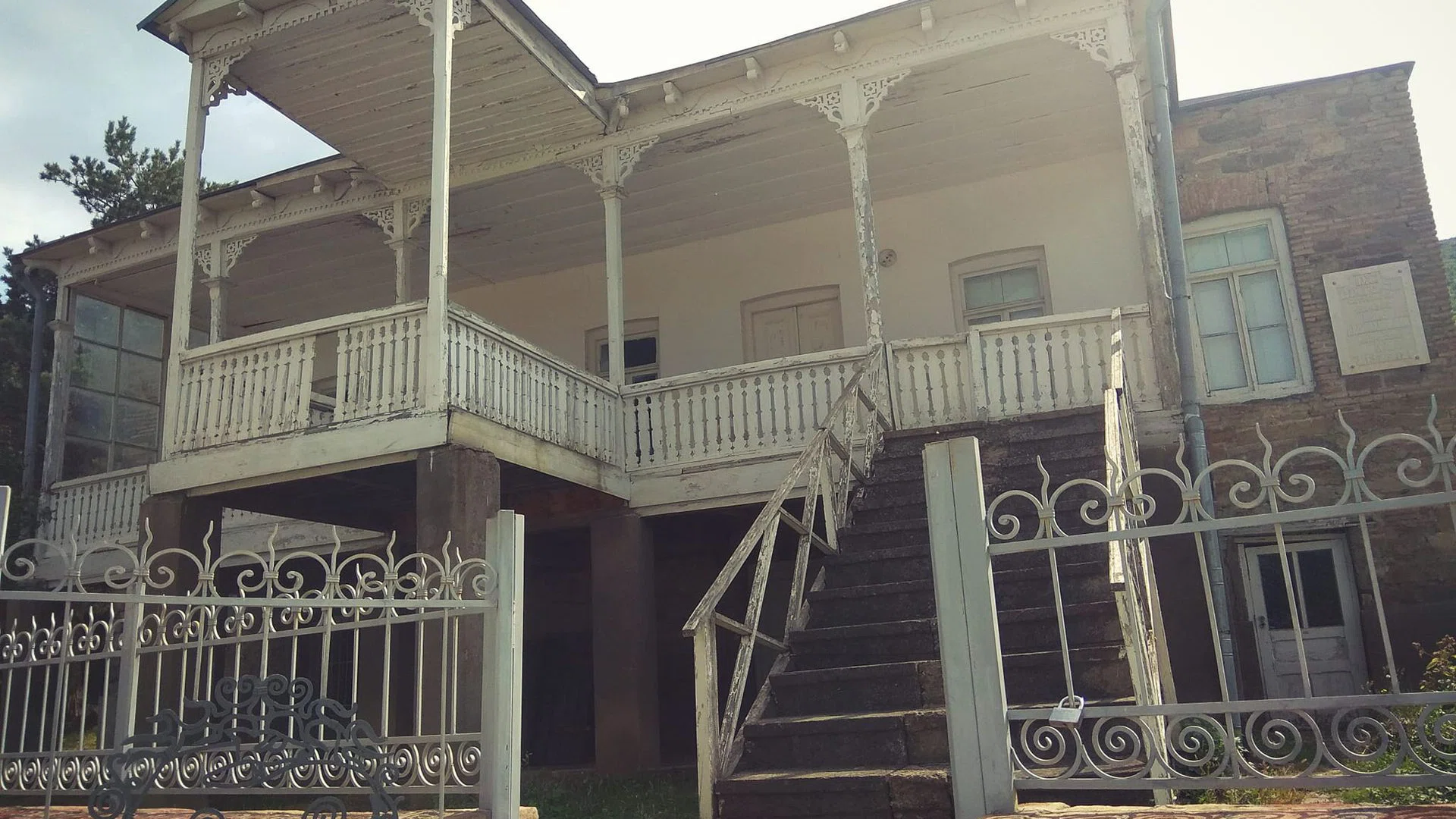
Address: Kaspi district, village Hovle
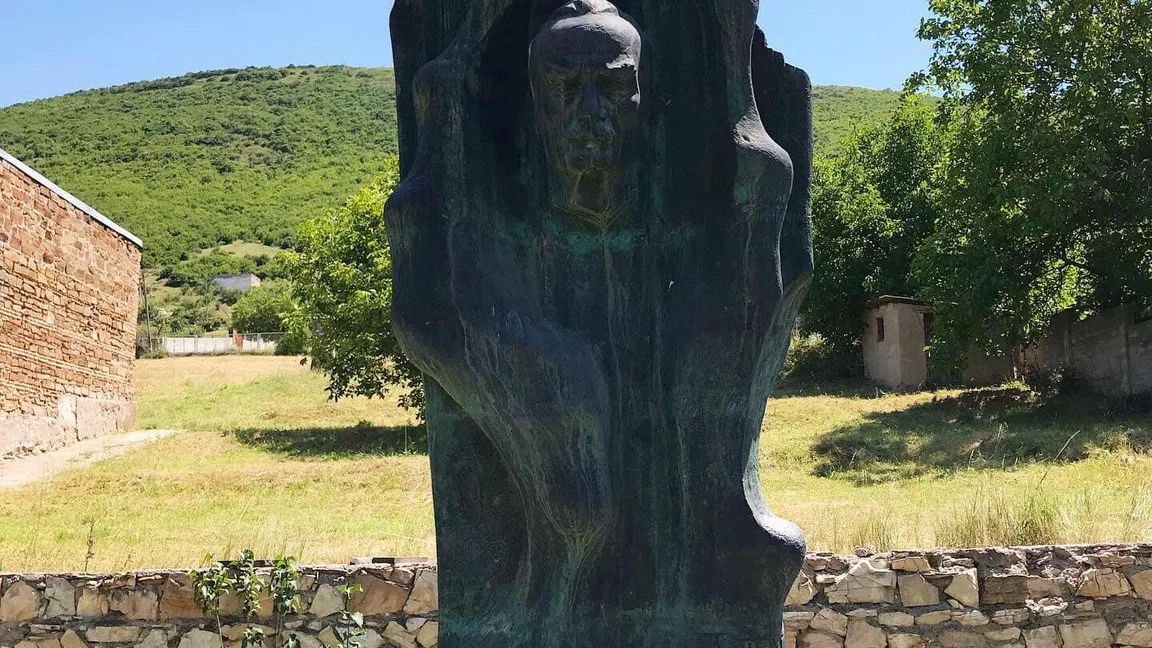
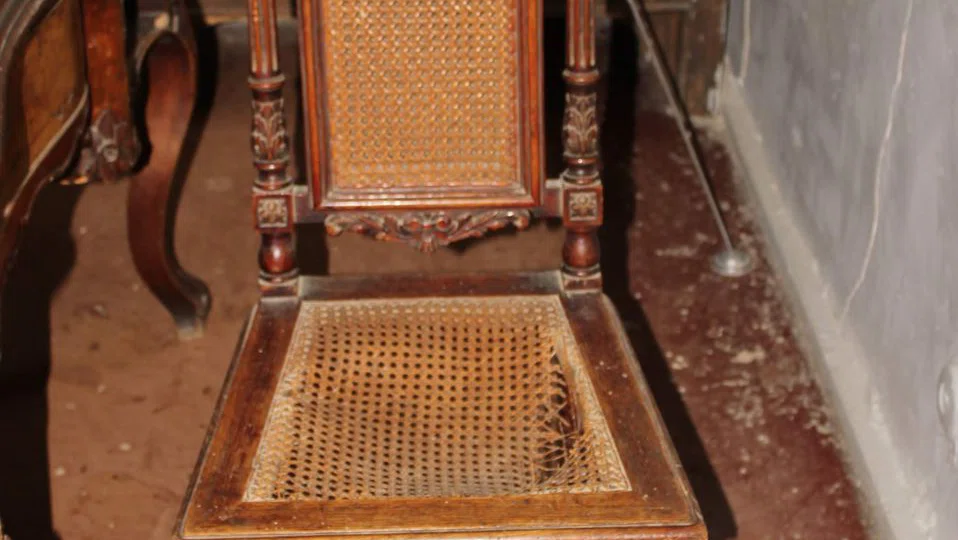
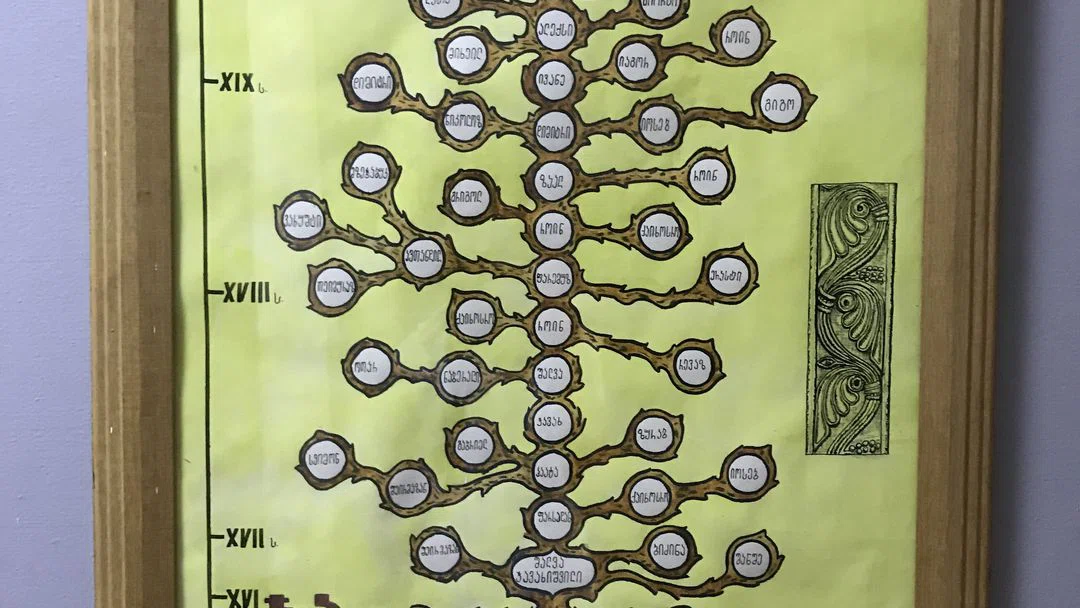
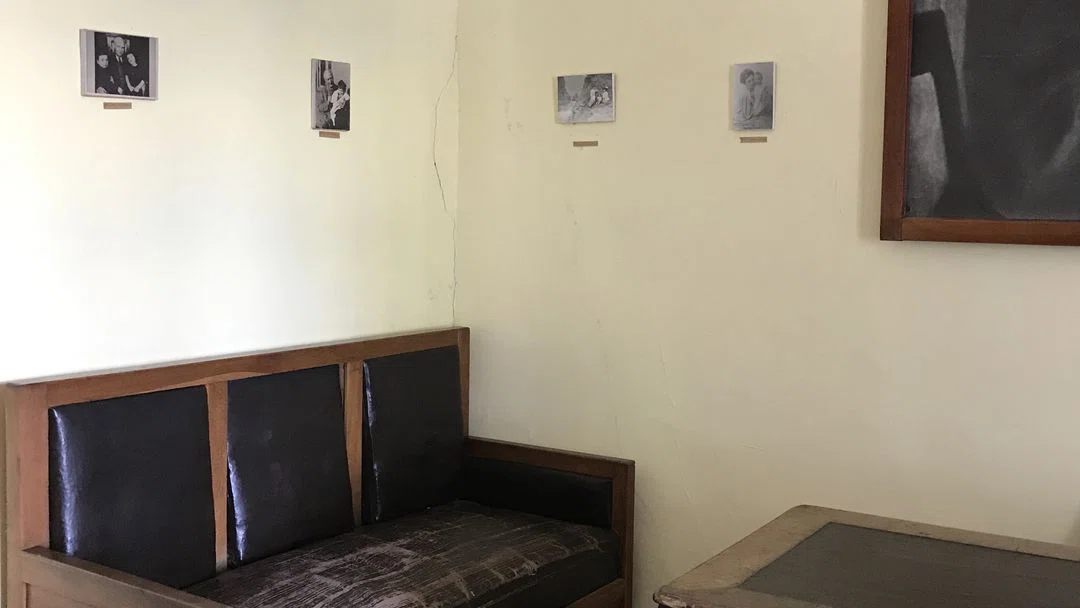
The museum contains memorial items belonging to the Georgian scientist, historian and public figure Ivane Javakhishvili (1876-1940), a rich library collection, archaeological and ethnographic material from Khovle-Gora, examples of fine art, photographic and documentary material.
In 1895, Javakhishvili graduated from the First Tbilisi Classical Gymnasium, and in 1899, from the University of St. Petersburg. In 1899-1901, he was a postgraduate student at the same university. In 1901-1902, he was invited to the University of Berlin.
In 1918, on the initiative of Javakhishvili and a group of Georgian scholars, Tbilisi State University was founded. In 1918-1919, he was the dean of the faculty of humanities, and in 1919-1926, he was the rector of the same university.
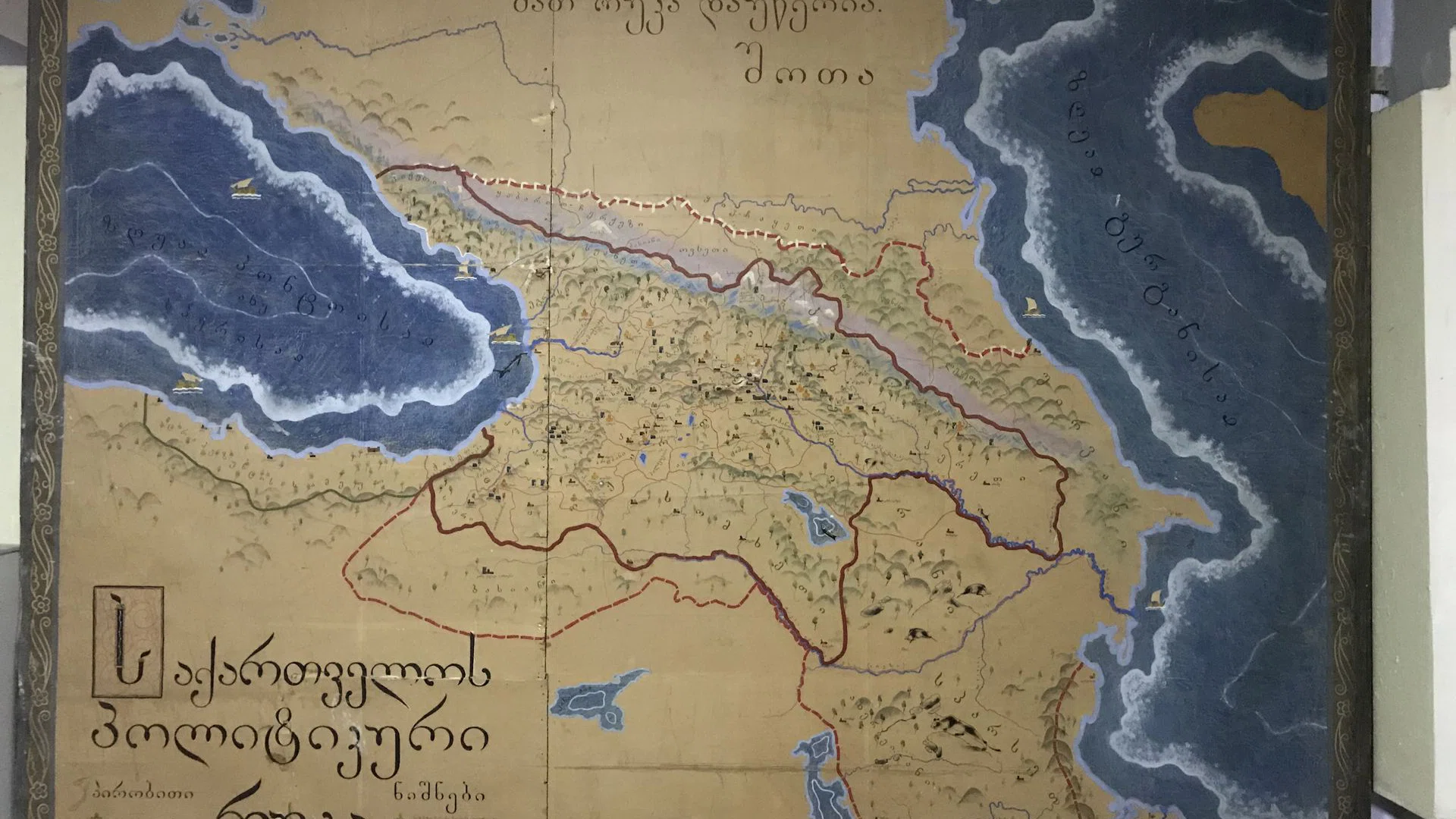
The main areas of Ivane Javakhishvili's scientific activity were the history and historiography of Georgia and the Caucasus, the history of Georgian economics and law, the ethnology of the Caucasus, the ethnography of Georgia, the Caucasian languages, the historical geography of Georgia, and the history of Georgian musical art. He is the founder of the scientific school of historical source studies in Georgia, the author of more than 170 scientific works, including more than 20 monographs.
Javakhishvili is the author of the major work "History of the Georgian People" (in 5 books). Ivane Javakhishvili paid serious attention to archaeological research. The beginning of large-scale archaeological excavations in Mtskheta and Armazi in the mid-1930s is associated with his name. He studied the history of the Georgian economy in particular. And today, for scientists in this field, his fundamental monograph "Economic History of Georgia" in 2 volumes is a truly essential book.
Javakhishvili also made a major contribution to the study of the history of Georgian law. He created the fundamental work "History of Georgian Law".

Ivane Javakhishvili House Museum is located in the village of Khovle in the Caspian region and contains a rich collection dedicated to the life and scientific work of the Georgian scientist. The museum contains memorial items, as well as a rich library fund, examples of fine art, photographic and documentary material, manuscripts and other things that convey the history of Ivane's life. Ivane Javakhishvili (1876-1940) was a scientist, historian and public figure, the founder of the scientific school of historical source studies in Georgia. He graduated from the First Tbilisi Classical Gymnasium in 1895 and received an education at the University of St. Petersburg in 1899. He was also a master's student at the same university in 1899-1901 and taught at the University of Berlin in 1901-1902. Javakhishvili was the founder of Tbilisi State University in 1918 and the Dean of the Faculty of Humanities in 1918-1919, and then the Rector of the same university in 1919-1926. His scientific interests were related to the history and historiography of Georgia and the Caucasus, the history of Georgian economy and law, the ethnology of the Caucasus, the ethnography of Georgia, the Caucasian languages, the historical geography of Georgia and the history of Georgian musical art. He wrote over 170 scientific works, including over 20 monographs, among which the major work "History of the Georgian People" (in 5 books), "History of Georgian Law" and "Economic History of Georgia" in 2 volumes. He also paid serious attention to archaeological research, especially in Mtskheta and Armazi, where he began large-scale excavations in the mid-1930s. In these studies, he was able to study the history of the economy of Georgia and make a great contribution to the development of this field of knowledge. His fundamental monograph "Economic History of Georgia" in 2 volumes is still one of the most important sources in this field.
Ivane Javakhishvili also made a huge contribution to the study of the history of Georgian law. His major work "History of Georgian Law" became one of the key sources for the study of Georgian law, as well as for comparative legal studies with other regions and cultures.
One of Javakhishvili's most significant achievements was the founding of Tbilisi State University in 1918. Thanks to his initiative and a group of Georgian scholars, the first state university in Georgia was created, which is still one of the leading educational institutions in the country.
In 1918-1919, Javakhishvili was the dean of the Faculty of Humanities, and in 1919-1926 - the rector of Tbilisi University. Under his leadership, the university became a leading scientific and educational center in Georgia and attracted many talented scientists and students from different regions.
One of the main areas of Ivane Javakhishvili's scientific activity was the history and historiography of Georgia and the Caucasus. His works in this field are classics and are still used by scholars to study the history of the region. He also conducted research in the fields of the history of Georgian economy and law, the ethnography of the Caucasus and Georgia, Caucasian languages, the historical geography of Georgia, the history of Christianity in the Caucasus and other topics related to the history and culture of Georgia.
As part of his research, Berdzenishvili wrote a number of books, articles and scientific works, which to this day are significant sources of information about Georgia and the Caucasus region. Some of Berdzenishvili's most famous works include "A Brief History of the Georgian Language", "The History of Georgian Literature", "Georgia and the Georgians during the Roman Empire" and "The History of Georgia in the Period of Feudalism".
Berdzenishvili was also active in public life. He was one of the founders and first chairman of the Georgian Society for the Study of Georgian History and Culture, and one of the organizers of the establishment of the Georgian Scientific Institute.
Berdzenishvili died in 1957 in Tbilisi, leaving behind a legacy that continues to influence research in the field of Georgian and Caucasian history and culture. His works and achievements in science and public life continue to inspire scholars and researchers around the world.
--------------------------
We encourage our readers to leave comments and ask questions under the articles. Your opinions and ideas are important to us, and we will be happy to discuss topics that interest you with you.


32 comments
Log in to leave a comment