


Nowruz in Georgia: History and Traditions of the Spring Festival
Nowruz is celebrated every year on March 20–21, the day of the spring equinox.
In different countries it is known by various names, such as Novruz or Nauryz, but UNESCO has included it in the list of the Intangible Cultural Heritage of Humanity as the International Day of Nowruz.
The origins of the Nowruz tradition
The earliest mentions of Nowruz appear in Persian sources more than 2,000 years ago. The origin of the holiday is associated with the death of the hero Siyavush. This event is described in Iranian mythology, and it is traditionally believed that his descendants have commemorated him on this day every year since then.
At that time, religion was closely connected with Zoroastrianism, which explains the link to the day of the spring equinox and the symbol of fire. In Iran, fire has long been revered, and its importance in the formation of national culture cannot be underestimated.
The conquest of neighboring lands by the Persians (modern Iranians) and the forced spread of their culture, mythology, and traditions to new territories also contributed to the custom of holding national celebrations. As a result, Novruz is still celebrated today in the territories of modern Azerbaijan, Georgia, Afghanistan, Iran, Tajikistan, and several neighboring countries.
Nowruz is not considered a national Muslim holiday. It is celebrated by peoples who lived on these lands before the arrival of the Arabs. Each country independently decides whether to observe Nowruz. For example, in Syria the celebration of this holiday is currently prohibited, while in Turkey it was only revived in 1991.
How Nowruz is celebrated in Georgia
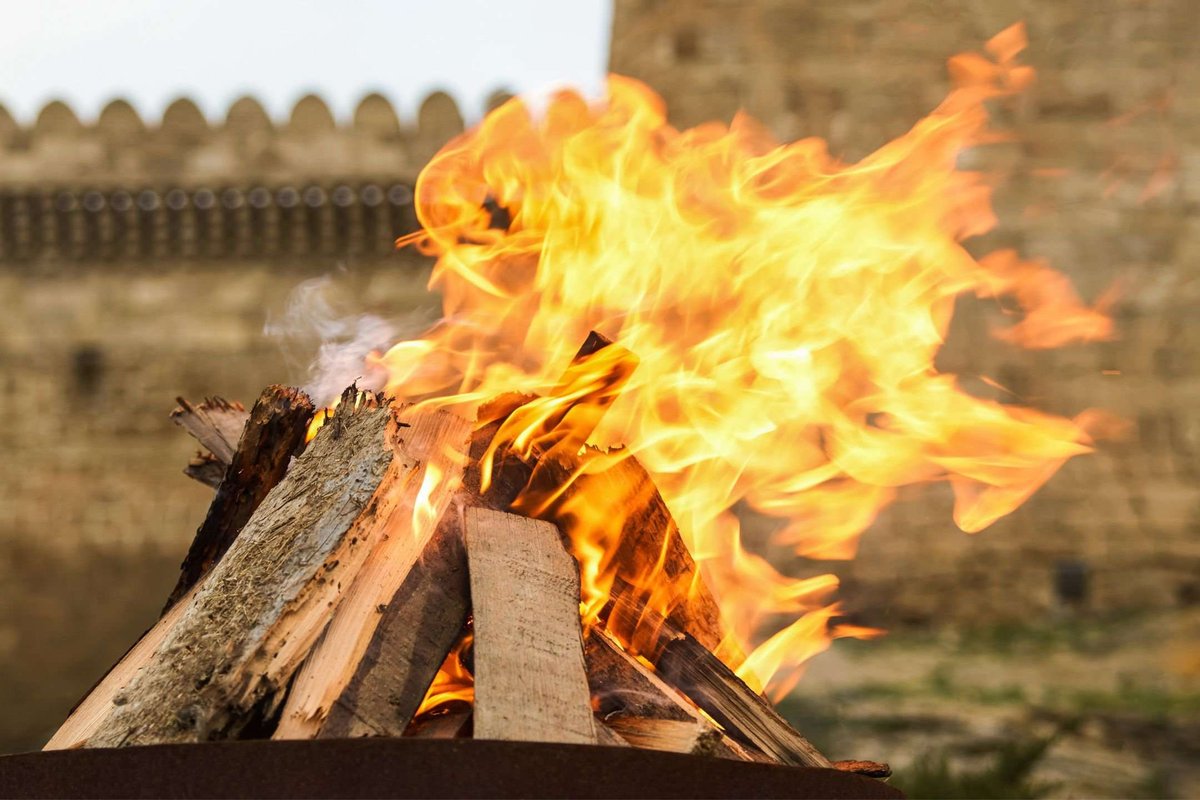
Not all regions of the country actively celebrate this day, but in Kartli and Kakheti you will certainly encounter people lighting bonfires on March 21 and lighting candles.
Traditional customs and amusements on Nowruz include:
- jumping over a bonfire — either seven jumps over one fire or one jump over seven different fires;
- fortune-telling with a shoe — girls throw a shoe over their shoulder and, based on the direction of the toe, predict whether they will get married that year;
- listening in on neighbors’ conversations — what is overheard is believed to indicate how the coming year will unfold;
- lighting candles on the festive table according to the number of people present, with each candle required to burn down completely on its own.
What Must Be on a Georgian Table on the Day of the Spring Equinox
As with any celebration, a Georgian festive table is filled with abundant food and traditional national dishes. Nowruz is no exception. On this day, you will certainly taste homemade bread, nut-based sweets, cheese, dyed eggs, and other traditional foods.
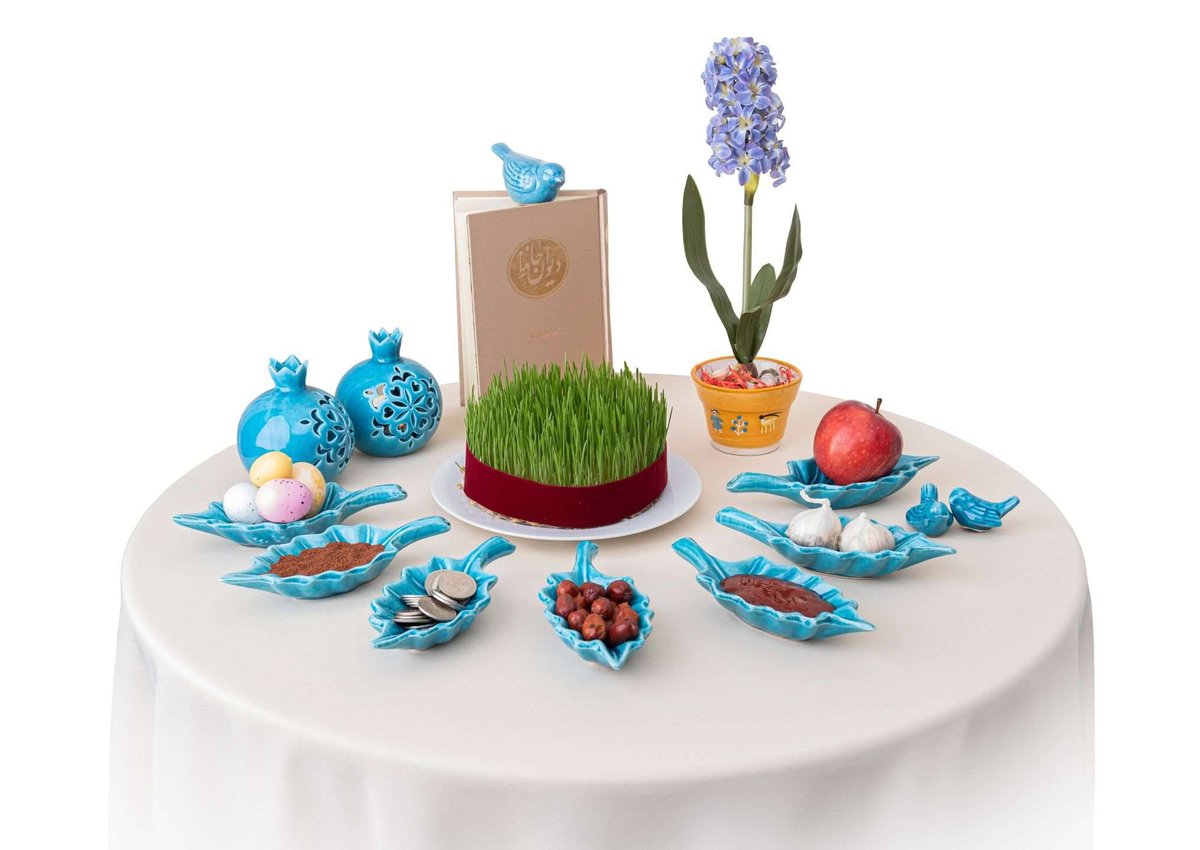
However, March 21 also features special symbolic treats. These are seven dishes that begin with the letter “S”:
- Samani — sprouted grains;
- Sonjit — olives;
- Seb — apple;
- Sumac — barberry;
- Sir — garlic;
- Sirko — vinegar;
- Sipad — spinach.
Sprouted grains hold special meaning. They symbolize unity with nature and the rebirth of life with the arrival of spring.
You can read about how public holidays are celebrated in Georgia on the pages of the Madloba catalog. And if you have personally experienced the celebration of Nowruz, feel free to share your impressions in the comments!

40 comments
Log in to leave a comment
Früher kannten wir den Festtag nur als eine Art Fest des Frühlings und Freude, aber jetzt, wo ich mehr darüber lese, sind mir die tiefgängigeren Bedeutungen aufgefallen.
Wie feiert man das in Georgien wirklich? Gibt es spezielle Gerichte, die man unbedingt probieren sollte?
Автор очень живо передаёт атмосферу праздника: как весеннее тепло пробуждает природу, а вокруг всё наполняется ожиданием нового начала. В тексте особенно вдохновляет, что Навруз здесь отмечают не только как древний праздник, но как семейный и общественный — с музыкой, танцами и угощениями.
Я уже мечтаю побывать в Батуми на Навруз, где, говорят, на набережной устраивают ярмарки и концерты, а местные угощают гостей сладостями и лепёшками. Ещё в рейтинге упоминаются семейные обычаи — например, готовить «хафт син» и украшать дом живыми цветами, что так по‑весеннему тепло и символично!
Особенно ценны советы от жителей: когда лучше приходить, куда направиться за лучшими угощениями и какие фестивальные зоны самые атмосферные. Отзывы других читателей помогли мне представить, как всё выглядит вживую — яркие краски, улыбки, музыка и свежий воздух.
А вы уже встречали Навруз в Грузии? Где вам больше всего понравилось праздновать — у моря, в парке или на семейном столе? 🌿🎶💫
Статья оказалась увлекательной и близкой по культурному наполнению. Особенно понравилась часть про кухню, грузинская кухня уже звучит привлекательно и вкусно, но праздничные традиции это что-то, что хотелось бы увидеть и попробовать на личном опыте!
Игры в праздник Навруз позабавили и увлекли, хотелось бы посетить Грузию именно в Навруз и иметь возможность разделить традиции праздника с его народом.
Прочитала статью «Празднование Навруз в Грузии: традиции и особенности праздника весны» на сайте madloba.info. Что можно сказать о статье.
✅ Положительный момент статьи: Имеется полное описание данного праздника (четко, структурно). Лично для меня все стало понятно. Автор на сайте madloba.info описал процедуру праздника лучше любого гида.
✅Отрицательный момент статьи: Не могу назвать подмеченный мной факт, как недостаток, но хотелось бы дополнить статью информацией о том, где жители Грузии обычно собираются для празднования Невруза.
Несмотря на положительные и отрицательные моменты статьи, я благодарю автора на каталоге Мадлоба за экономию моего времени и предоставленную информацию. Было очень познавательно!