




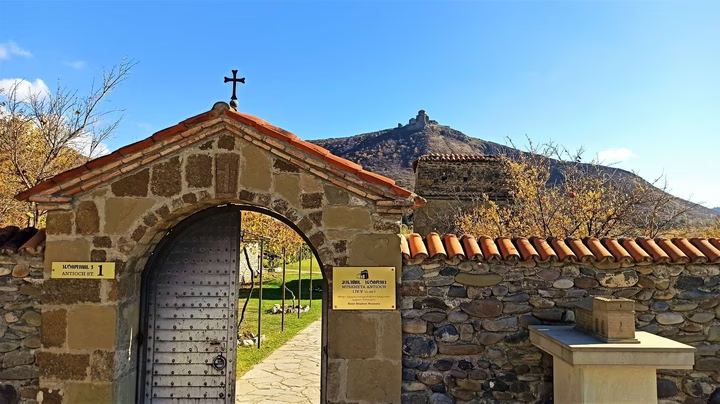
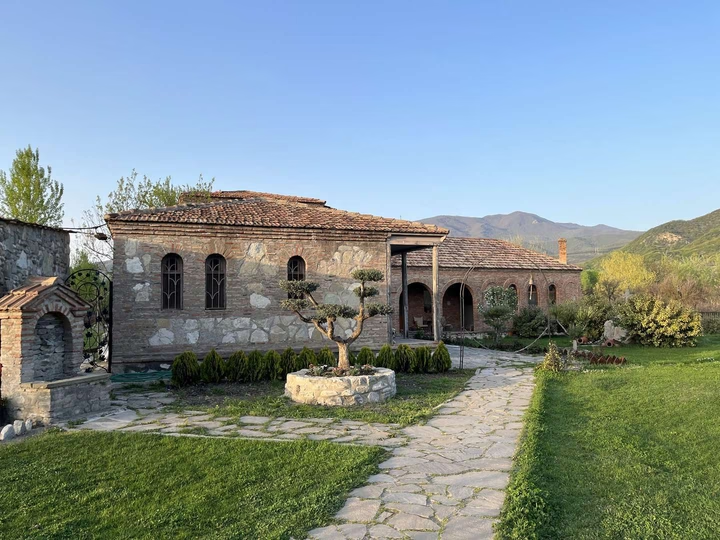
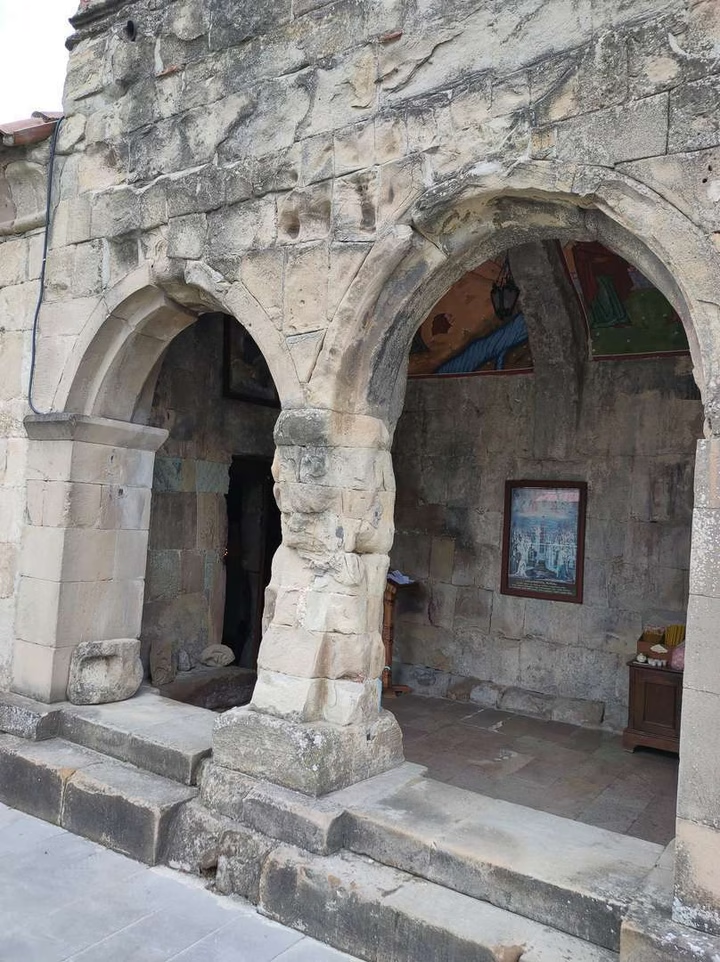
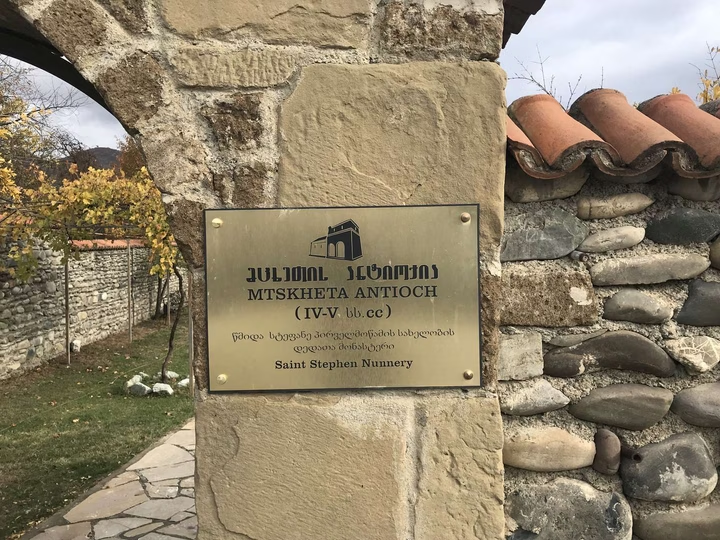
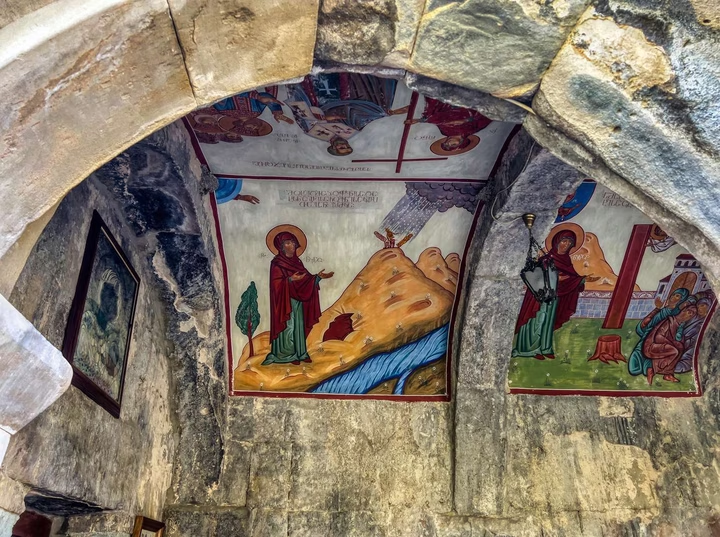
In the ancient Georgian city of Mtskheta, located in the Mtskheta-Mtianeti region, hides a majestic testimony of history and faith - Antioch, or the Church of St. Stephen the First Martyr. Its history goes back to the 4th-5th centuries, when King Archil, as a sign of gratitude to God for expelling the Persians, built this temple over the Aragvi River. According to “Kartlis Tskhovreba” (“Life of Kartli”), this beautiful temple was a gift from the magnanimous King Archil.
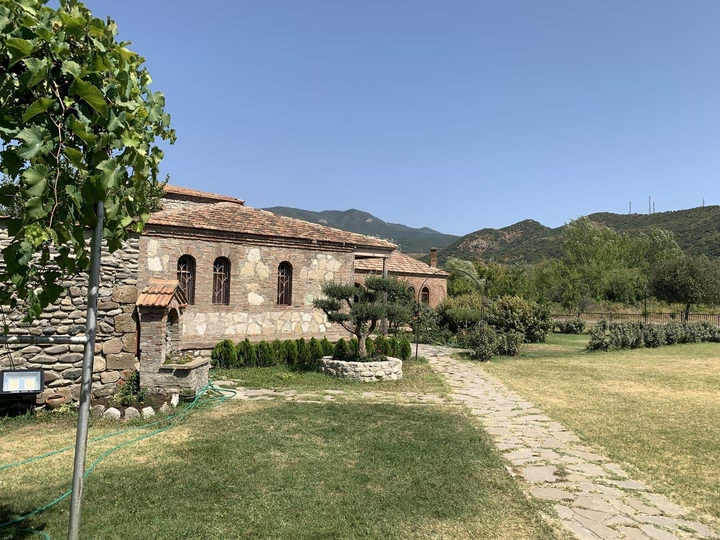
The hall church, converted from an old three-nave basilica, inspires with its grandeur. The current appearance of the temple, with its horseshoe-shaped apse surrounded by a rectangular outline to the east, delights visitors with its architectural beauty. The entrance, the only one, is located in the west, inviting the traveler inside, where two exquisite windows let in light, enlivening the interior spaces.
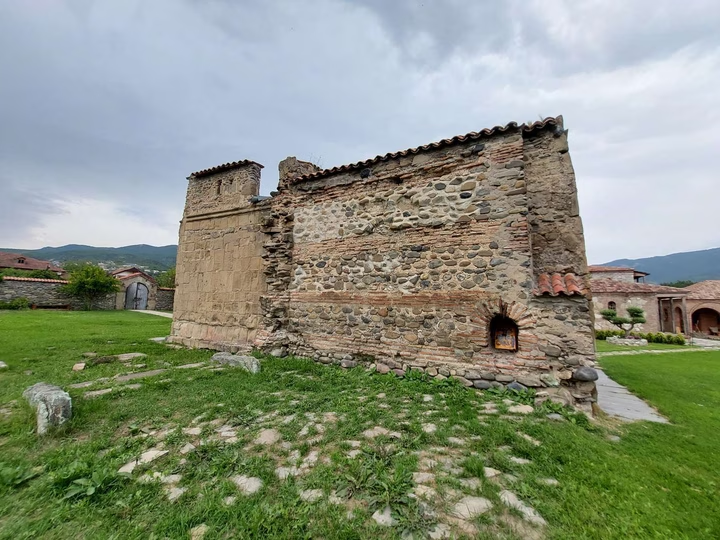
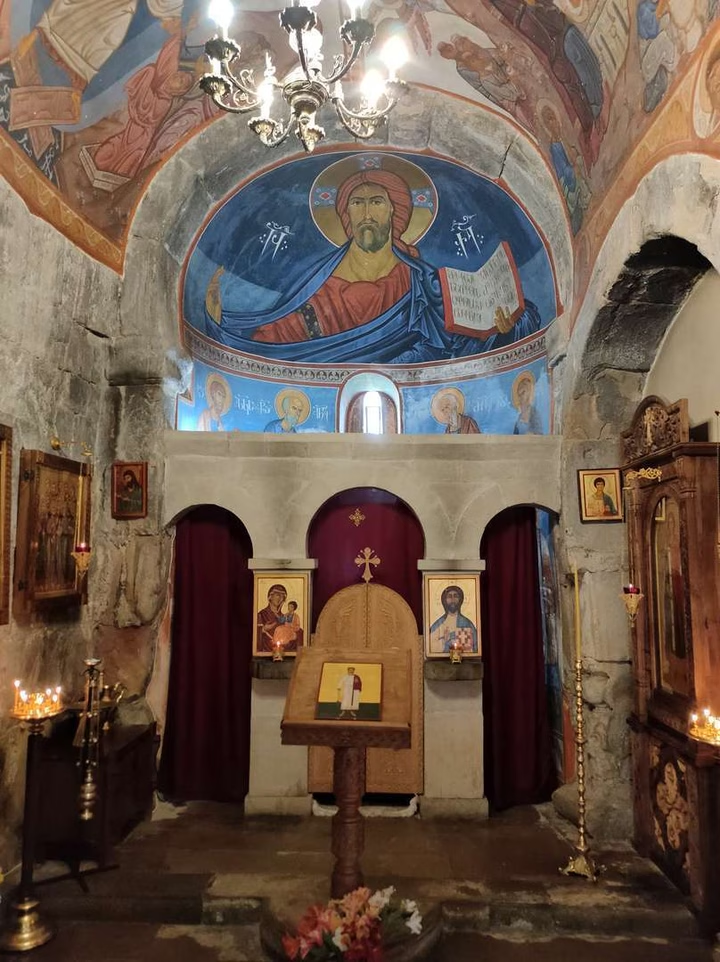
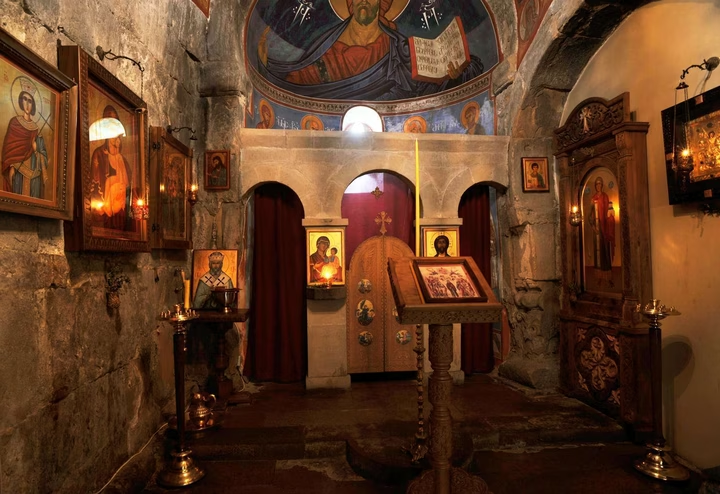
Looking inside, a semicircular vault appears to the eye, which rises above the hall, resting on the southern console and an arch moved to the northern pilaster. The triumphal arch, decorated with a profiled capital, evokes admiration for its sophistication. The outer walls of the temple, made of smooth squares of sandstone, amaze with their strength and exquisite detail.
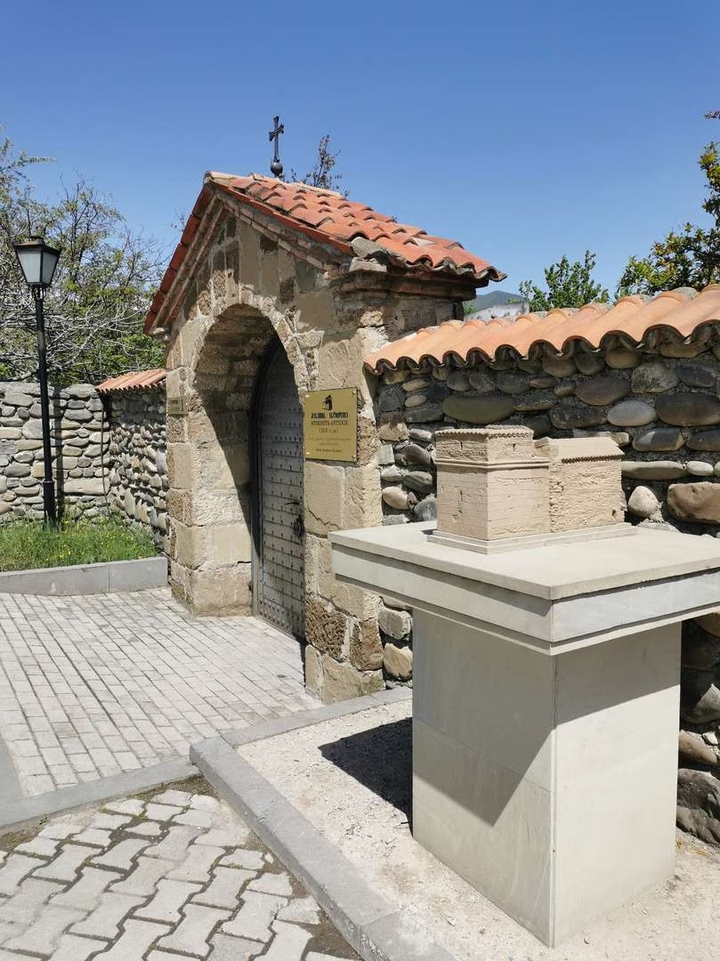
An integral part of the Antioch complex is the impressive gate and defensive tower, rising next to the church. Constructed of cut stone on the ground floor and torn stone, river stone and brick on the second floor, this square tower is a masterful combination of beauty and functionality. The second floor, although only in residual form, retains its spectacular defensive function.
Today, the interior of this historic sanctuary has been transformed into a convent that continues to live and breathe the site's rich spiritual and cultural history.

