




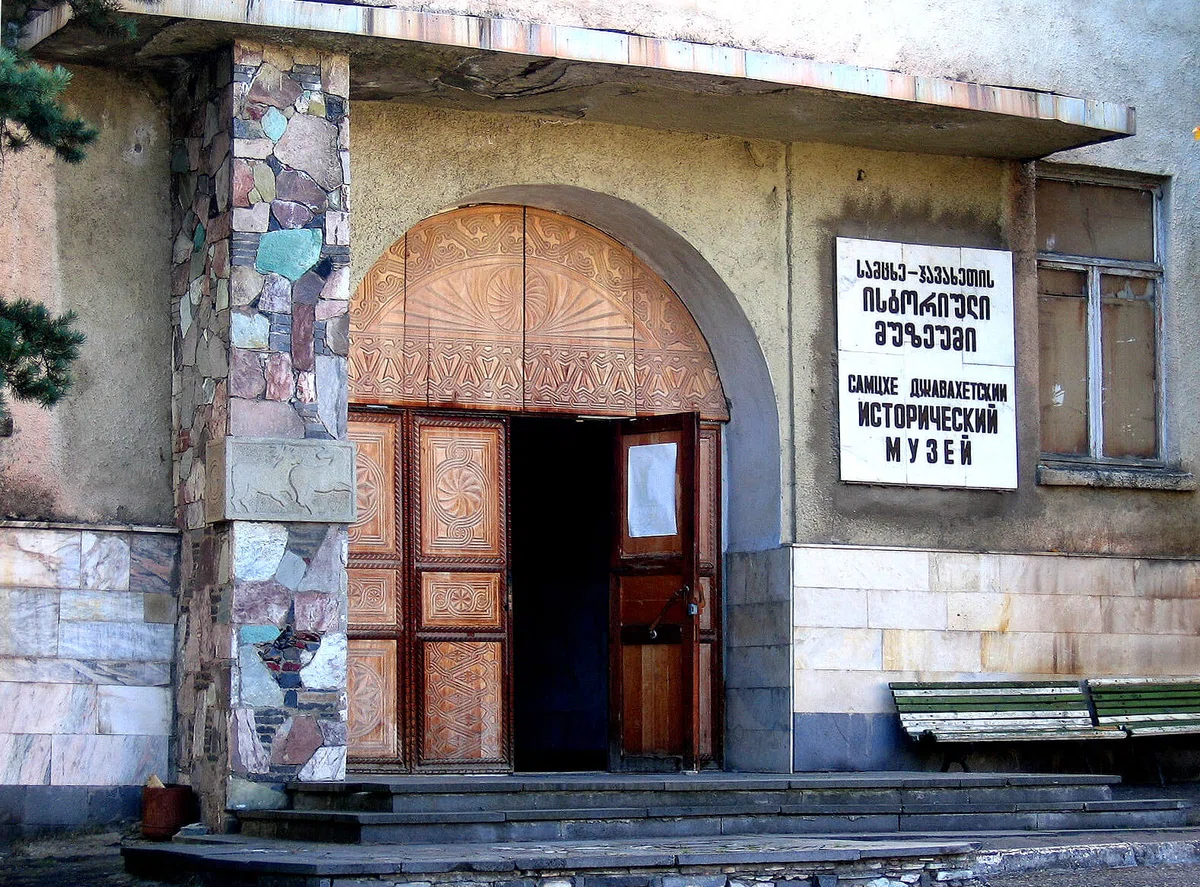
Memorial Museums in Georgia. Mikhail Javakhishvili Museum.
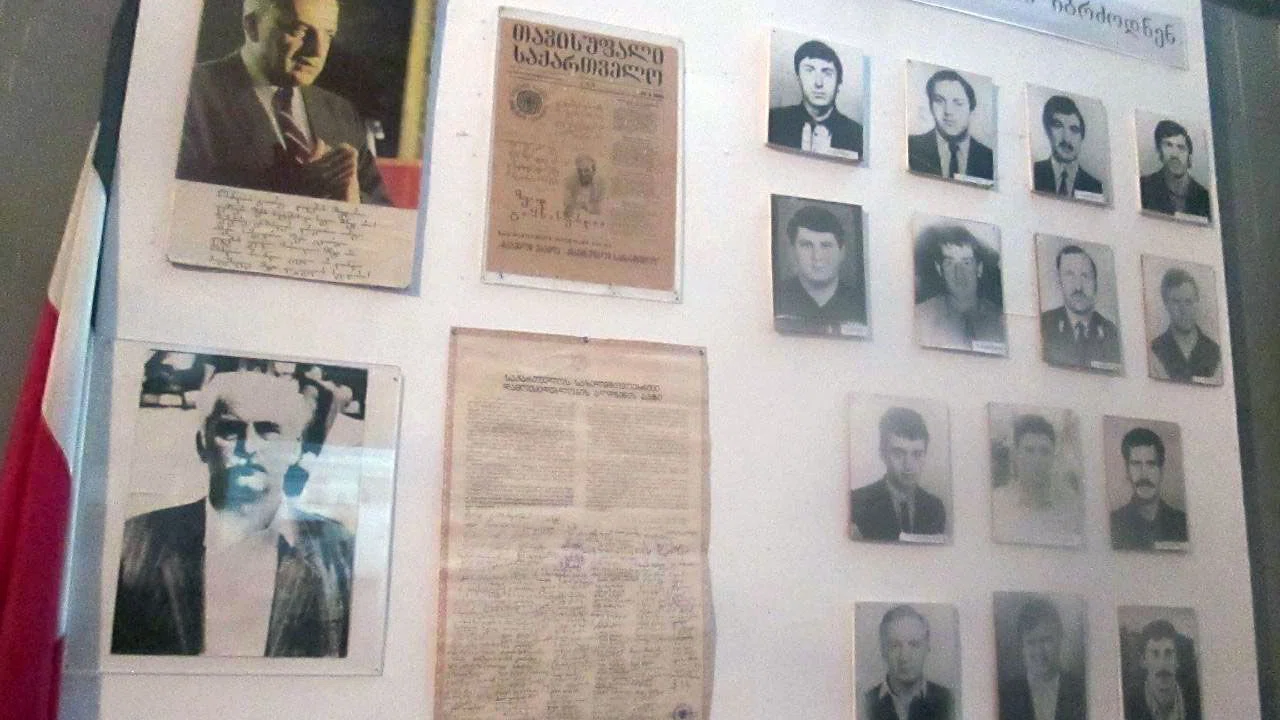
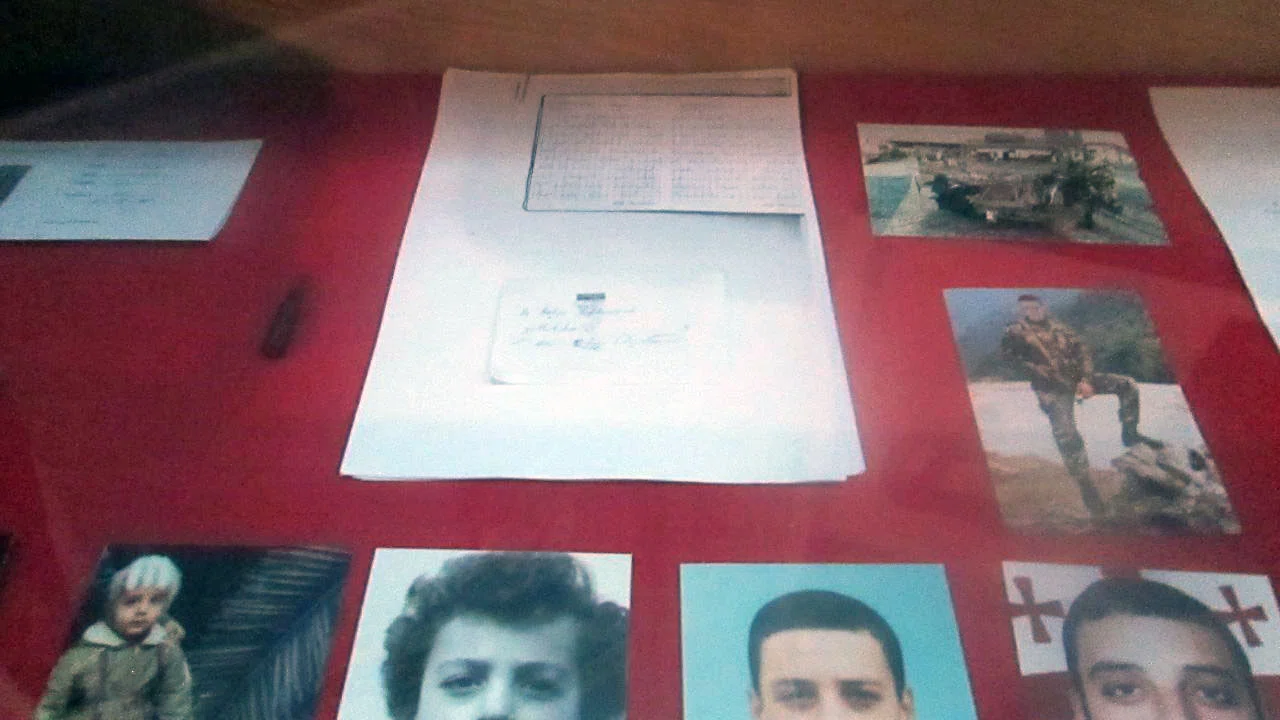
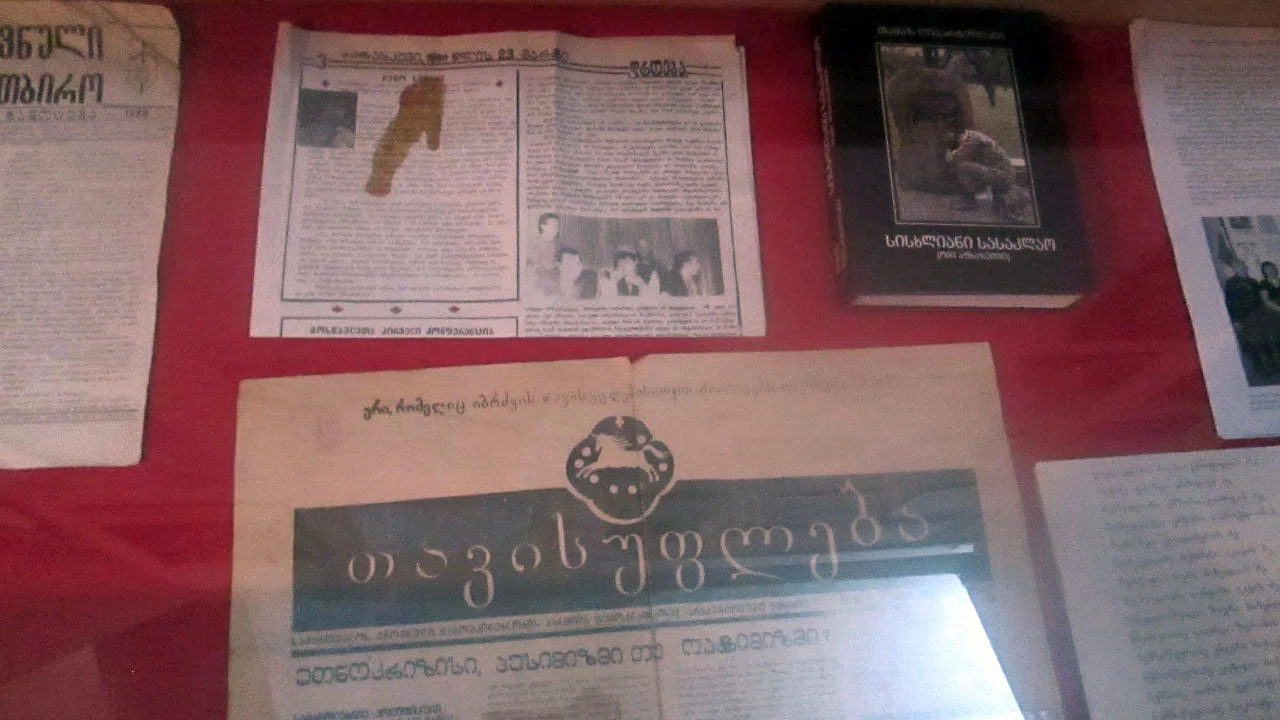
The Mikhail Javakhishvili Museum contains a variety of items. Which can tell the story of the life and work of the Georgian writer and journalist. Here you will see his manuscripts, photos, documents, personal belongings, some articles and books. Even if you are not interested in Mikhail's work, you should visit this place.
Address: Akhaltsikhe, Kharischirashvili Street, No. 1
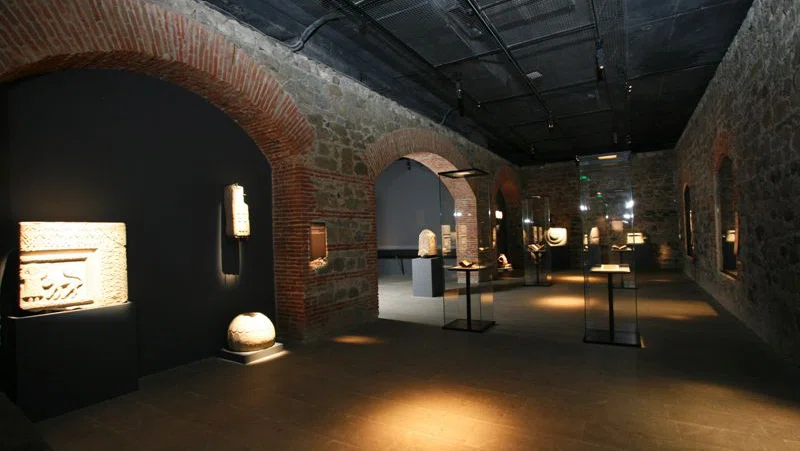
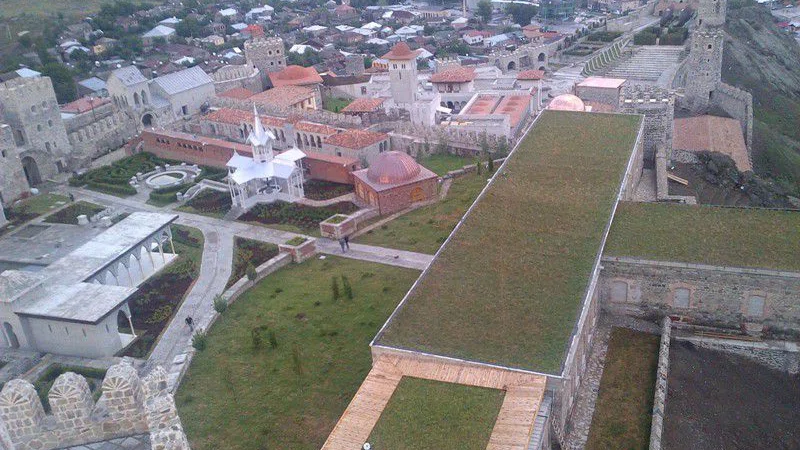
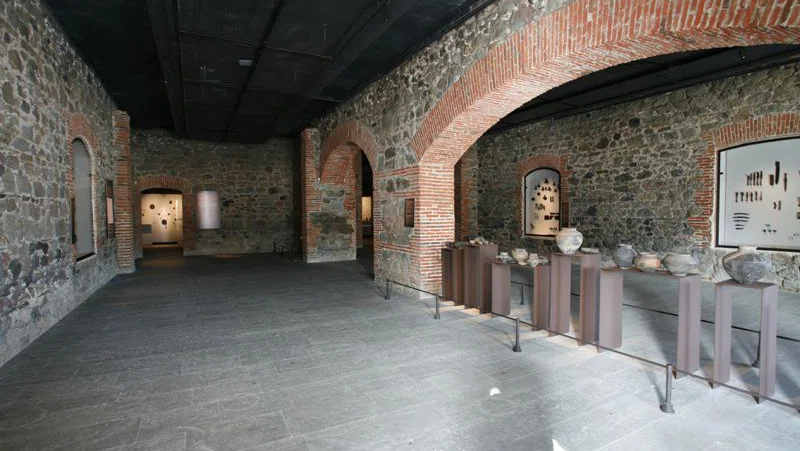
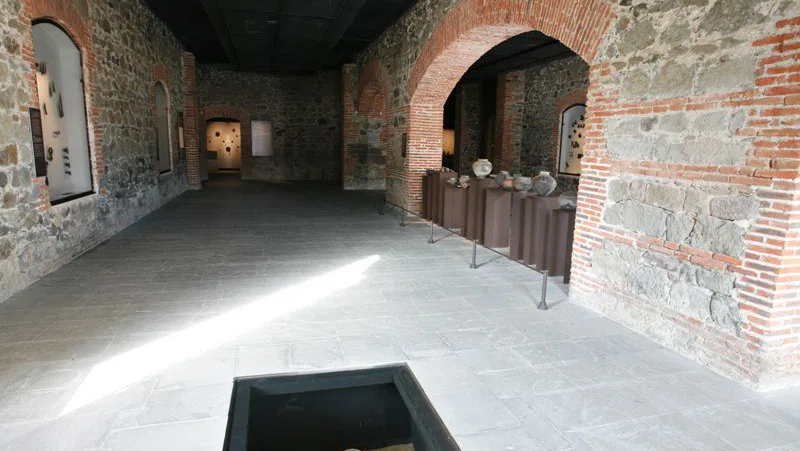
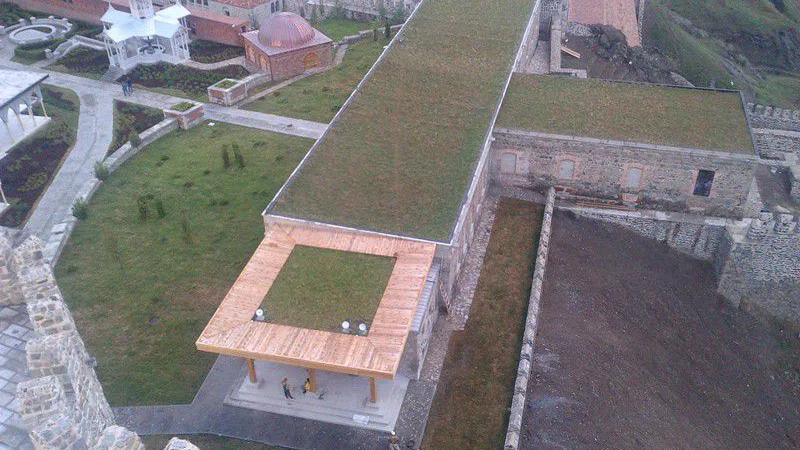
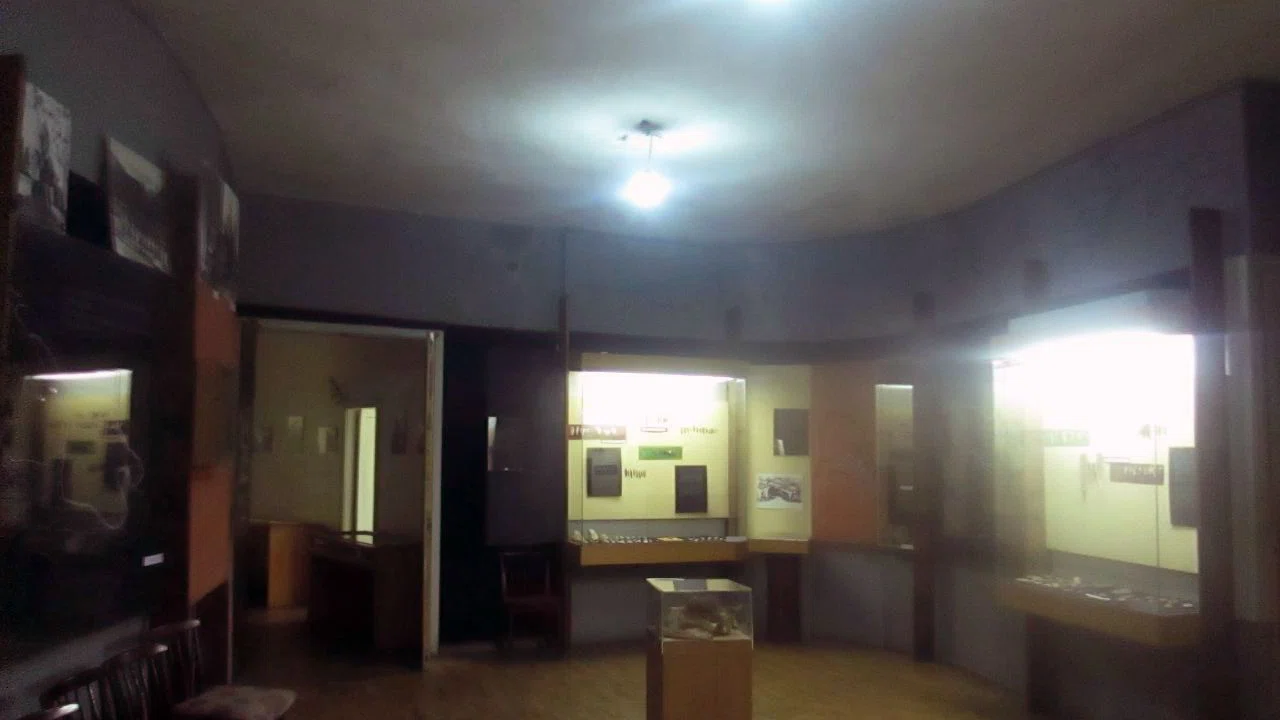
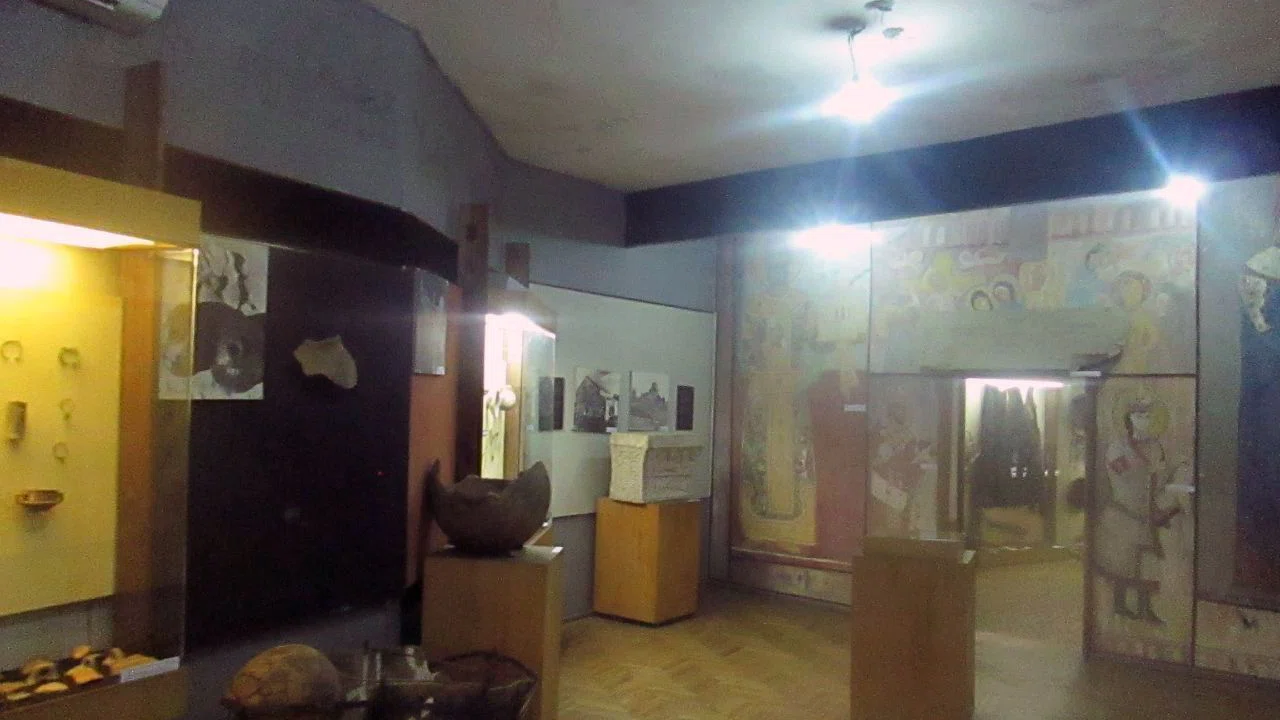
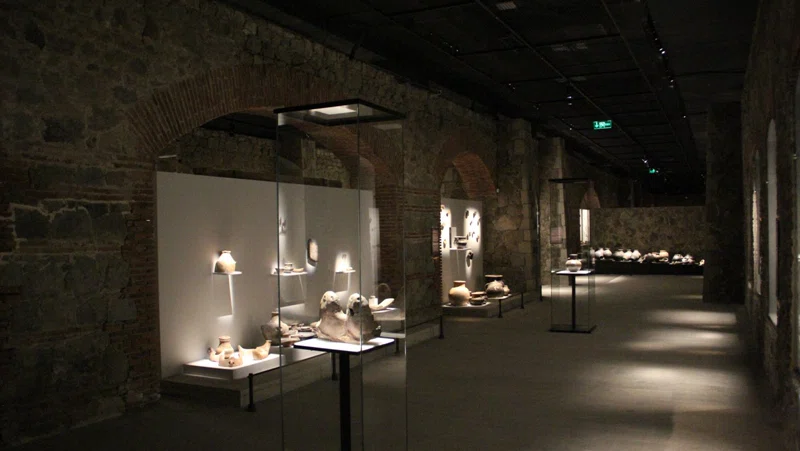
The museum is located on the territory Rabat complex. It contains the oldest manuscripts, epigraphic, archaeological, numismatic, ethnographic material, photo documents, a fund of manuscripts and early printed books. A special place is given to the exhibition of stone carvings, as well as carpets and curtains.

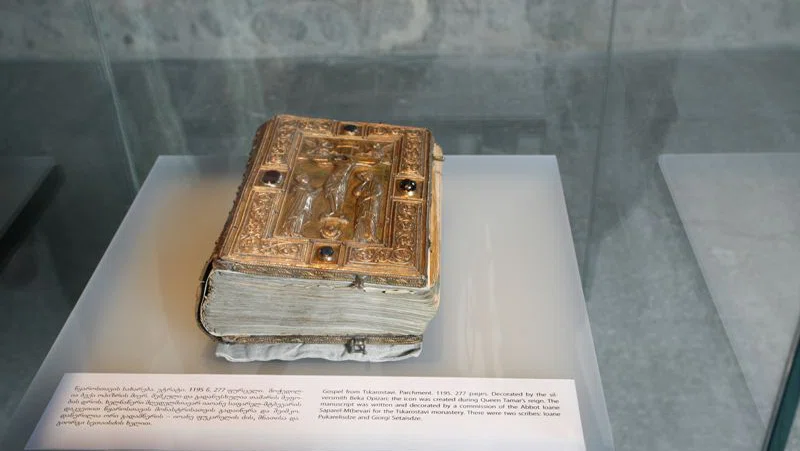
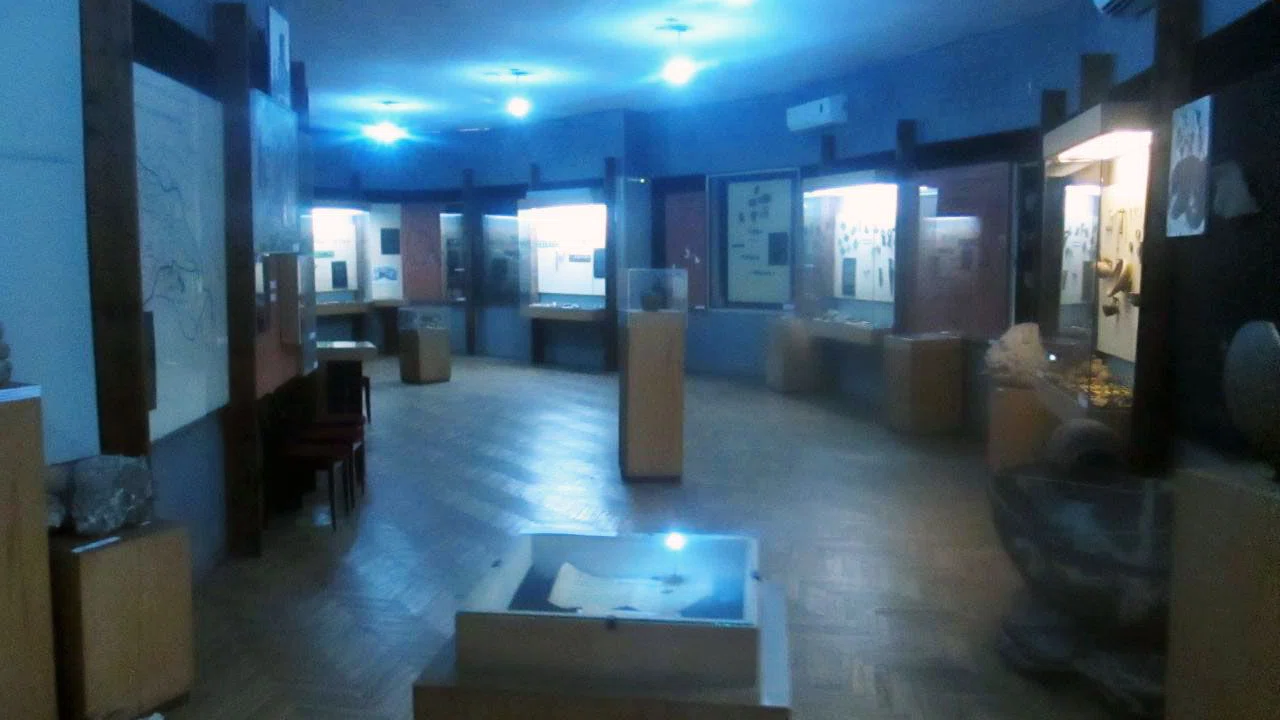
The Akhaltsikhe Museum, which houses more than 25 thousand exhibits, is one of the oldest in Georgia. It contains unique manuscripts and early printed books, papyri from the 11th-13th-15th centuries, fragments of the manuscript from the 16th century "Knight in the Panther's Skin", the edition of "Christian Doctrine" printed in 1477 in Italy, a Georgian-Italian dictionary published in 1626, psalms printed in the printing house of King Vakhtang VI in 1709, etc.
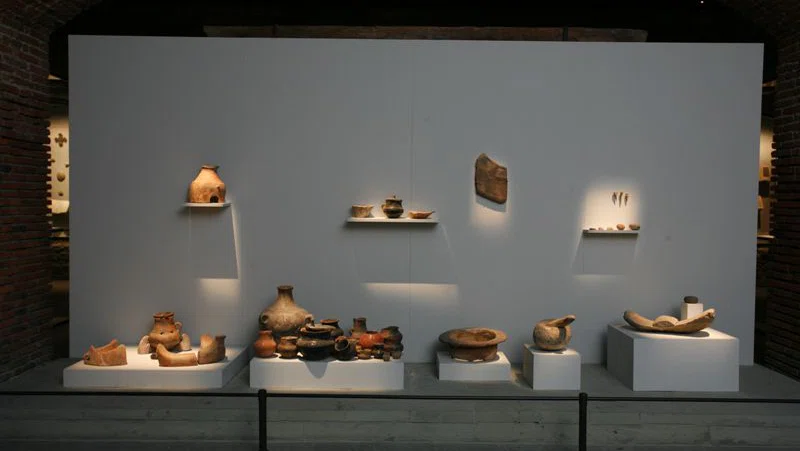
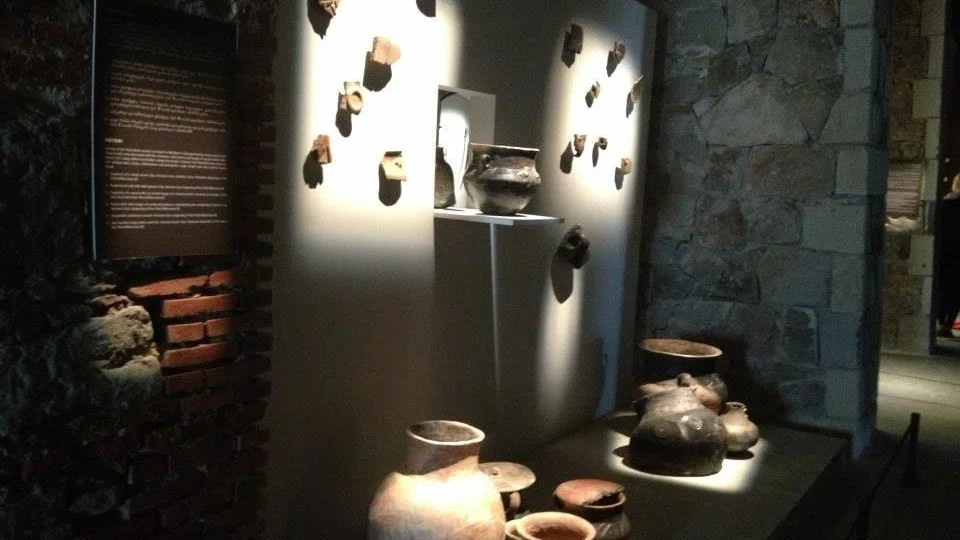
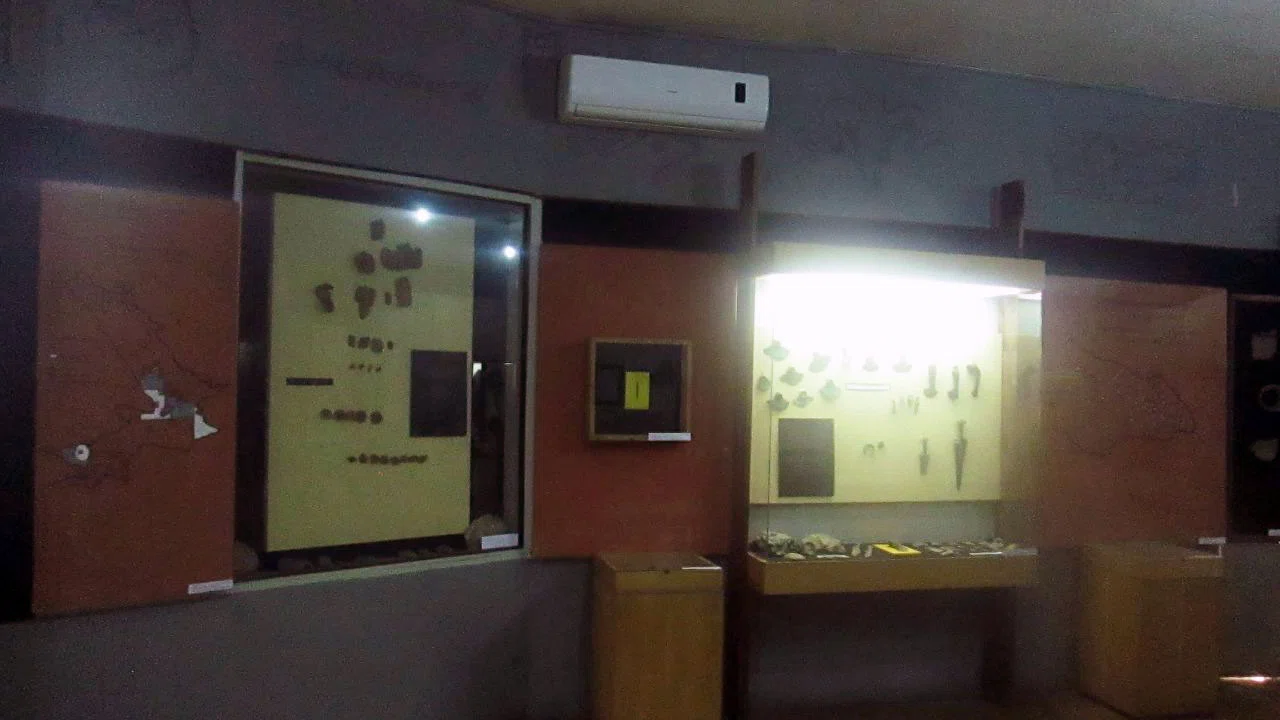
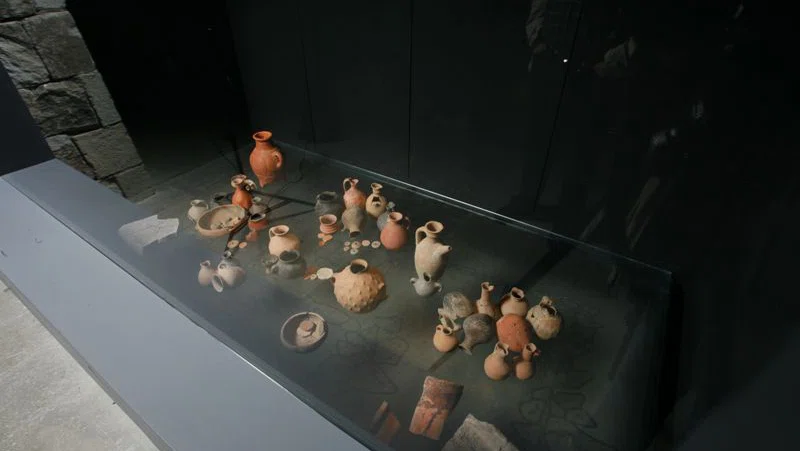
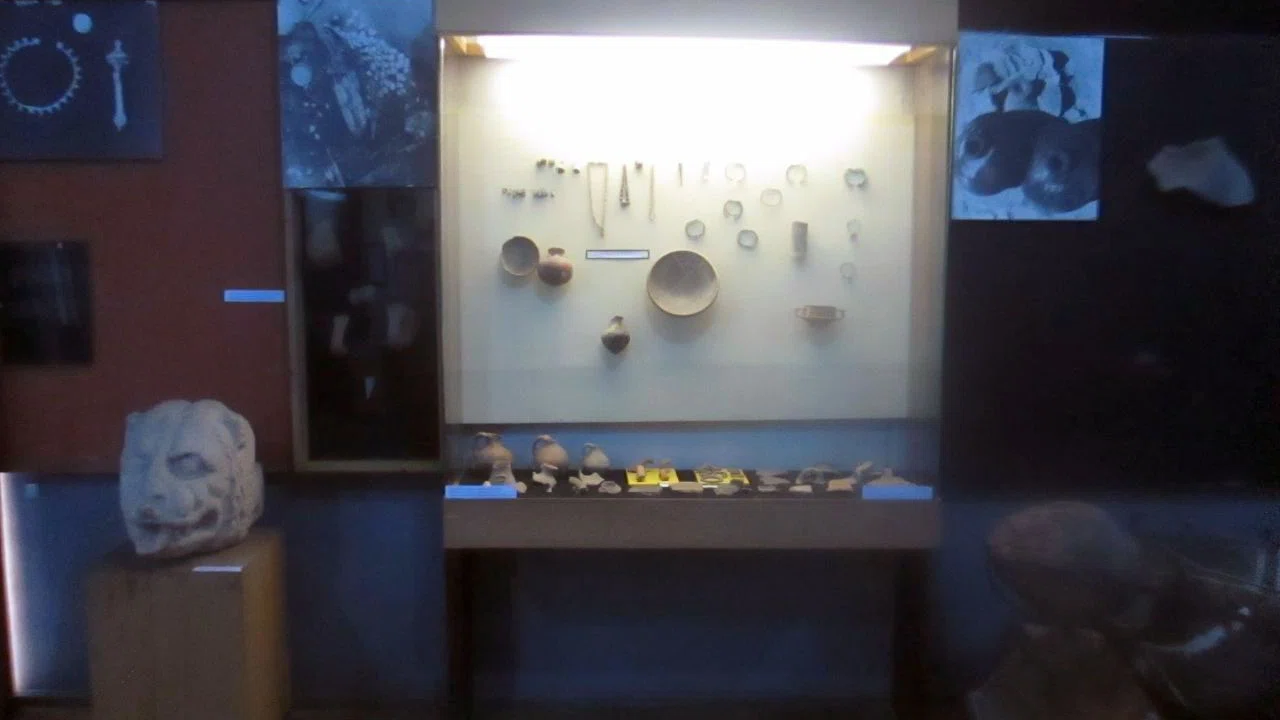
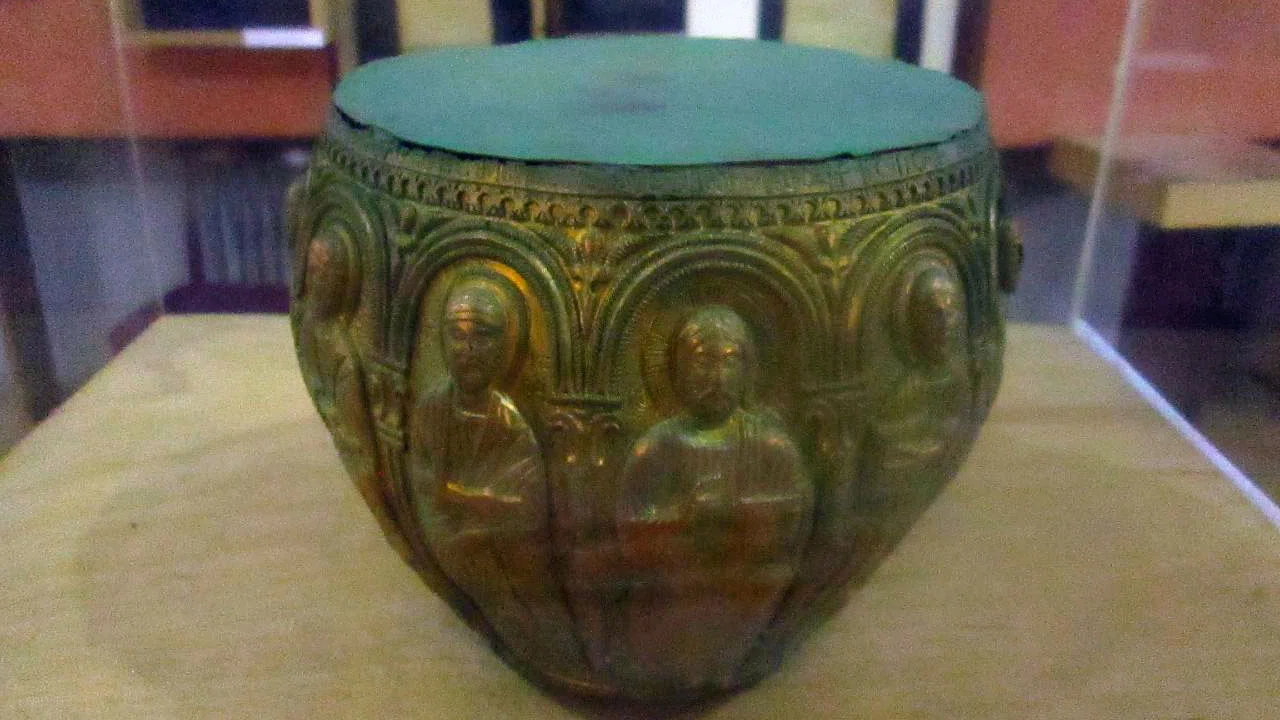
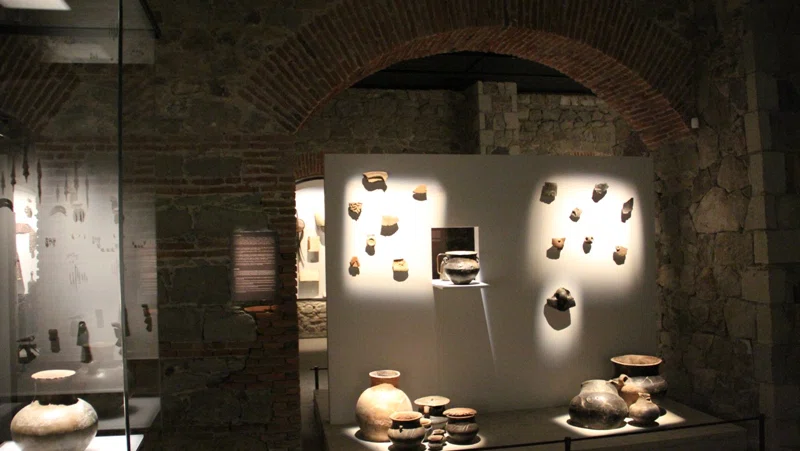
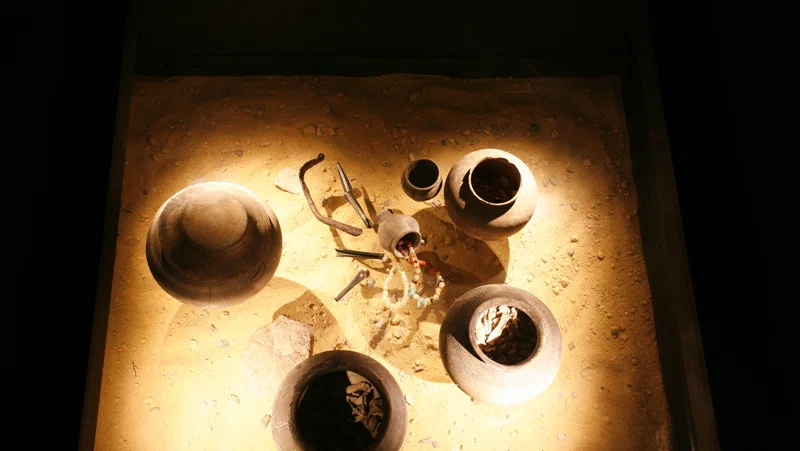
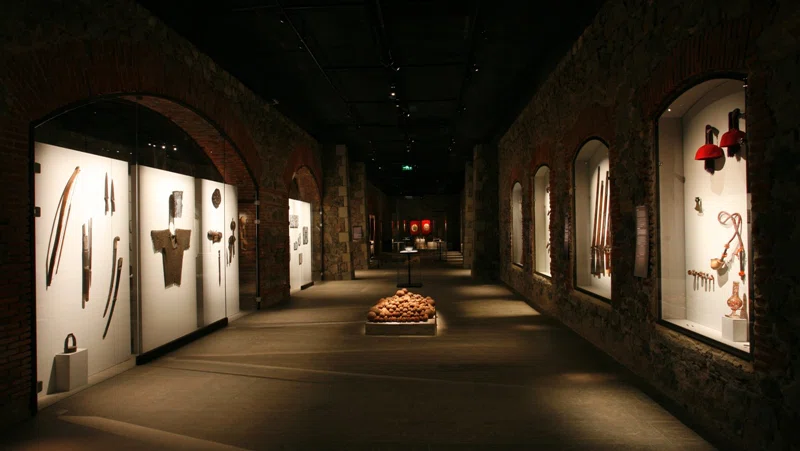
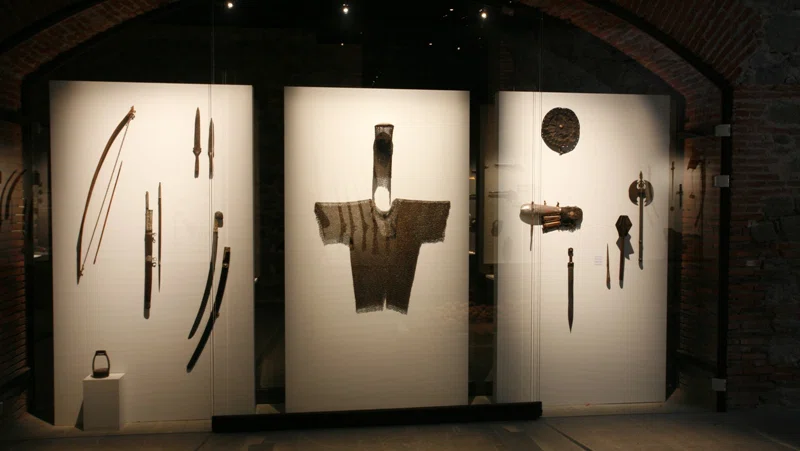
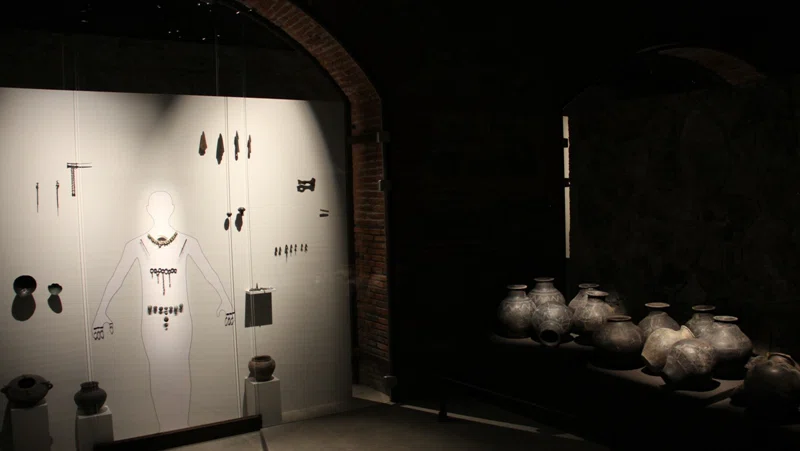
Among the museum's collections, one of the most significant is the numismatic fund, which includes: a dinar with the image of Caesar Augustus, Roman copper and silver coins of the 1st-4th centuries. Byzantine gold and silver coins of the 11th century, Seljuk, Mongolian, Khuladoy coins of the 13th century, coins minted by the Khan of Kazan and Kvarkvare I Jakeli of the 13th-14th centuries. The archaeological fund contains materials found on the territory of Samtskhe-Javakheti: weapons of the Paleolithic and Neolithic eras, important monuments of the Eneolithic, Early, Middle and Late Bronze Ages, as well as the ancient period, agricultural tools, military weapons, national clothing, family items, wooden decorative samples, copper, silver items and tools, flags of artisans' associations, carpets, curtains, embroideries and items of craft and trade. It is worth noting the photo documents and family archive stored in the museum, as well as exhibits telling about the activities of Georgians in Istanbul.

In 2009 Museum of History of Samtskhe-Javakheti was replenished with 800 exhibits discovered during archaeological expeditions carried out within the framework of the Bak-Tbilisi-Ceyhan pipeline project.
In 2012, a complete restoration was carried out in the Akhaltsikhe fortress and on the territory of Rabat, respectively, the museum exposition was updated and replenished with unique materials.
Mikheil Javakhishvili is a famous Soviet and Georgian writer, playwright and public figure. His work and life in general reflect the rich culture and history of Georgia, as well as the difficult period in the history of the USSR.
Mikheil Javakhishvili was born on June 10, 1931 in Tbilisi, in the family of an engineer. He studied at Tbilisi State University, where he studied history and philosophy. During those years, he also began to engage in literary work and in 1955 published his first story "Train to Tbilisi".
Javakhishvili was known for his works in which he described the life and culture of the Georgian people. He wrote several plays, including The Georgian Wedding and Mimino, which were filmed and became hits in the Soviet Union. He also wrote several novels, including The Mansion by the Avenue and The Book of Wrath. Although Javakhishvili was primarily known as a writer, he was also an active public figure. In 1988, he became the first chairman of the Sakhartalo National Movement, which became the driving force behind Georgia's independence from the USSR. Javakhishvili took part in rallies and demonstrations, advocating for freedom of speech and the press. He was also elected to the Supreme Soviet of the Georgian SSR. However, in 1991, after the collapse of the Soviet Union and Georgia's declaration of independence, Javakhishvili sharply criticized the country's government and began advocating for the overthrow of Georgian leader Zviad Gamsakhurdia. As a result, his house in Tbilisi was robbed and set on fire, and Javakhishvili himself was forced to leave Georgia and hide abroad.
However, Mikheil Javakhishvili did not give up and continued to fight for his ideals. He created the organization "Pravda Veka", which studied the history of Georgia and exposed the crimes committed by the authorities. In addition, he actively participated in the political life of Georgia, fighting for democratic reforms and the protection of the people's rights.
In 2004, Mikheil Javakhishvili decided to return to Georgia and join the political struggle. He created the "Democratic Georgia" party, which advocated for justice and democracy in the country. However, just a few months after its creation, Mikheil Javakhishvili was arrested on charges of attempting a coup d'etat.
Many politicians and human rights activists drew attention to this case and called for the release of Javakhishvili. For several years, he was in custody, but he was supported by many Georgian citizens and human rights defenders. In 2007, Mikheil Javakhishvili was released under an amnesty, but he continued to fight for democracy and justice in Georgia. In 2018, he was elected to the Georgian Parliament from the Georgian Freedom Party. He continued to speak out against corruption and human rights violations, and was also involved in the development of culture and art in Georgia.
Mikheil Javakhishvili became a symbol of the struggle for democracy and freedom in Georgia. His name became famous not only in his native country, but also abroad. Many people revere him as a hero and an icon of freedom.
The Mikheil Javakhishvili Museum is a place where you can learn about the life and work of the Georgian writer and journalist. But this is not the only museum on the territory of the Rabati complex in the city of Akhaltsikhe, Georgia. The museum, which has more than 25 thousand exhibits, contains ancient manuscripts, archaeological finds, numismatic collections, ethnographic material, photo documents, and much more. The Akhaltsikhe Rabat Museum is one of the oldest in Georgia and one of the most interesting places for history lovers.
One of the most interesting collections of the museum is the numismatic collection. It includes coins from different eras and cultures: Roman, Byzantine, Mongolian, Khuladoy, as well as coins dating back to the period of Kazan and Kvarkvare I Jakeli of the 13th-14th centuries. Some coins were used as a means of exchange, others as souvenirs and collectibles.
The archaeological collection of the museum is also very interesting. It contains finds from different eras, from the Paleolithic and Neolithic to antiquity and the Bronze Age. Among the exhibits you can see weapons, agricultural tools, military weapons, national clothing, family items, wooden decorative samples, copper, silver items and tools.
But that's not all. The museum also stores photo documents and a family archive, as well as exhibits related to the activities of Georgians in Istanbul. This reflects the rich history of Georgia, which was associated with eastern cultures and had strong ties with Turkey.
In addition, the museum features an exhibition of stone carvings, carpets and curtains created by local craftsmen. These art exhibits show the uniqueness and beauty of the local culture.
The museum also hosts temporary exhibitions on various topics. Thus, last year, an exhibition was organized on the history of the local population. Rare photographs, documents and artifacts related to the life and culture of local residents were displayed.
Another interesting event that the museum hosts is the "Night at the Museum". On this night, the museum remains open to visitors until late, and excursions and various events are held for visitors of all ages.
Many visitors to the museum look forward to this night with impatience to see the exhibits in a special atmospheric light and enjoy the unique atmosphere. On the Night of Museums, you can see art in a different light, as various lighting effects and lighting add visual possibilities to the exhibits and exhibitions.
As part of the Night of Museums, excursions, lectures, master classes and other events are held that allow visitors to better understand the themes of art and history touched upon by the exhibits and exhibitions. Many museums invite artists and other experts to take part in events and conduct lectures and master classes, which makes the Night of Museums even more interesting and entertaining.
The Night of Museums is a great opportunity for everyone who is interested in art and history to learn something new, enjoy the beauty of exhibitions and exhibits, and soak up the unique atmosphere of the museum at night.
In addition, the Night of Museums is also a great opportunity for family time. Many museums offer special programs for children, in which they can participate in interactive games and master classes, learn about the world of art and history through exciting and educational activities.
The Night of Museums is held annually in many cities around the world and becomes a real holiday for everyone who loves art and culture. Visitors have a unique opportunity to see museums and exhibitions in unusual settings, as well as get acquainted with their history and significant people. The Night of Museums is becoming more and more popular and expanding its geographical coverage, including more museums and galleries in different cities of the world. This event attracts tourists from all over the world who want to visit it and see real treasures of world culture.
--------------------------
Feel free to leave your comments and questions under this article! We are always glad to hear your opinion and answer any questions you may have.


29 comments
Log in to leave a comment