


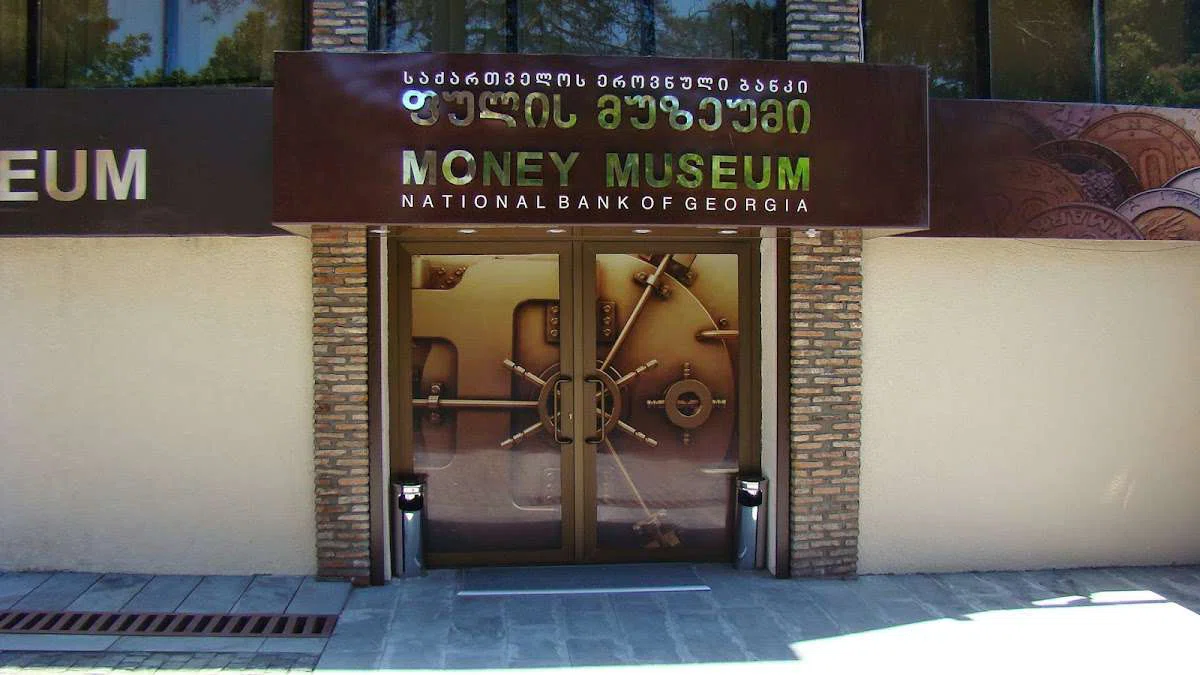
Museum of Money of the National Bank of Georgia

Georgian National Bank Money Museum: dive into the history of Georgian currency and economy through unique exhibits.


The museum was founded in 2002. The museum houses rich numismatic collections, the chronological framework of which covers the period from the 6th century BC to the 20th century inclusive. Of particular note are the Colchian tetri, the stater of Alexander the Great, Roman, Byzantine, Sassanid, Arab, Mongolian. Venetian, Turkish and other coins; coins minted in the name of the Georgian kings George IV Lash, Queen Rusudan; money in circulation in the modern world, as well as literature published on the topic of money; various materials related to the history of minting, printing and circulation of paper and metal money, etc.

Museum of Numismatics was founded in 2002 and is located in Tbilisi. This is a place where you can get acquainted with rich numismatic collections, which present coins from different eras and countries. The chronological framework of the exhibition covers the period from the 6th century BC to the 20th century inclusive. The most notable exhibits are the Colchian tetri, the stater of Alexander the Great, as well as coins of Roman, Byzantine, Sassanid, Arab, Mongol, Venetian, Turkish and other cultures. The exhibition presents coins minted on behalf of Georgian kings, such as George IV Lasha and Queen Rusudan. In addition, the museum presents a variety of materials related to the history of minting, printing and circulation of paper and metal money. This includes not only coins, but also banknotes that are in circulation in the modern world. The exhibition also presents various publications devoted to the history of money and numismatics. One of the interesting exhibits of the museum is a silver ten-kopeck coin from the time of King Tamerlane. This coin was minted in the city of Tiflis (modern Tbilisi) in 1387 and became a testimony to historical events. This coin is also an example of the artistic skill of coin minting at that time.

In addition, the museum displays coins minted in honor of famous personalities. For example, the exhibition includes coins dedicated to outstanding Georgian poets and writers such as Shota Rustaveli, Akaki Tsereteli and Ilia Chavchavadze.

The Numismatics Museum is also a place where various educational programs are held. For example, the museum holds lessons on the history and culture of Georgia for schoolchildren, as well as excursions on various topics for visitors of all ages.

The museum also hosts temporary exhibitions dedicated to various topics and periods of history. For example, in 2019, an exhibition was held dedicated to the money of the Georgian SSR, and in 2021, the museum organized an exhibition dedicated to the coins of the Georgian Kingdom.

One of the most valuable exhibits of the museum is the collection of Colchian tetras. Colchian tetras were the first coins to be minted in Georgia in the 6th century BC. These coins were square in shape and minted from silver. They are applied to tetras - small sheets of paper that were used as money. Colchian tetras are considered to be among the rarest and most precious coins in the world.

Another valuable part of the collection are coins dating back to the reign of Alexander the Great. Among them, the stater of Alexander the Great stands out, which was minted between 336 and 323 BC in the territory that was under the control of Alexander the Great. This stater was minted in gold and depicts Hercules, whom Alexander the Great considered his ancestor.

In addition, the museum houses an extensive collection of coins from the Roman, Byzantine, Sassanid, Arab, Mongol, Ottoman and other historical periods. These coins reflect the history of Georgia and its connections with other states and cultures.

In addition to the numismatic collections, the museum also houses an extensive collection of various materials related to the history of money. This includes paper and metal money, minting and printing, and various materials related to money circulation, such as bank books and checks.

One of the most interesting exhibits in the museum is the collection of Colchian tetras, coins that were used in ancient Colchis (now the territory of western Georgia) in the 6th century BC to the beginning of our era. The Colchian tetras were made of silver and were widely used as a medium of exchange in the region. They were known for their high artistic quality and rich history. Another interesting part of the collection are the coins related to the history of Georgia. This includes coins minted in the name of Georgian kings such as Giorgi IV Lasha and Queen Rusudan, as well as coins related to different periods of Georgian history, such as the period of the Georgian Kingdom in the 11th-13th centuries and the period of the Georgian Empire in the 19th century.

In addition, the museum has a rich collection of coins made by other ancient civilizations, such as Roman, Byzantine, Sassanid, Arab and Mongolian coins, as well as coins issued by Venice, Turkey and other countries.

The museum gives visitors the opportunity to observe the evolution of money and means of exchange, as well as to study their history and role in the development of human society. It also provides interesting opportunities to explore the cultural and historical connections between different nations and civilizations.

If you are interested in the history of money and numismatics, then visiting the State Numismatics Museum of Georgia will be an unforgettable experience for you.

The museum is open to visitors every day except Monday, from 10 am to 6 pm. For the convenience of its guests, the museum provides audio guides in different languages, and also organizes excursions and master classes on numismatics.

In addition, the museum also hosts temporary exhibitions dedicated to various aspects of the monetary system and the history of money in different countries and eras. Such exhibitions are a unique opportunity for visitors not only to see rare exhibits, but also to learn a lot about the history of money and its role in society.

Moreover, the museum actively participates in international scientific exchange and cooperates with other museums and institutions engaged in the study of numismatics and the history of money. This allows not only to enrich the museum's collections, but also to attract outstanding specialists and scientists from different countries to cooperation.

A numismatic museum is not only a place for coin lovers, but also a unique source of knowledge about the past and present, about the culture and art associated with the monetary system. A visit to such a museum can be an interesting and educational experience for people of various interests and professions.

--------------------------

We hope that the information about the museum and its collections was interesting and useful for you. If you have any questions or comments, please do not hesitate to leave them under the article. We will be happy to answer your questions and learn your opinion.


Do you want to increase the number of clients by 5 times?

Choose premium placement on Madloba and attract customers who are currently leaving for your competitors.

I want
Increase the number of clients
to rate this post.

32 comments

  • B
    Bruce
    I'm a bit confused about the connection between music and coins in this museum. Can you explain how the history of music and the coin collections relate to each other?
  • კობა
    უძველესი ქართული ფოლკლორული ჩანაწერები და მონეტები ძალიან საინტერესოა. მაინტერესებს, რამდენად ხშირად ეწყობა ლექციები ან კონცერტები მუზეუმში და აუცილებელია თუ არა წინასწარ რეგისტრაცია მათთვის დასასწრებად?
  • К
    Константин
    Какие образовательные программы и мероприятия проводятся в музее? Хотелось бы узнать больше о том, как включаются посетители в исследование и сохранение народной музыки Грузии.
  • K
    Kellan
    The museum's collection of over 4100 musical instruments and historical coins, including rare silver artifacts from King Timur's era and Persian, Turkish, Armenian instruments, offers a unique educational experience in Georgian cultural heritage.
  • Е
    Евгений
    Интересно, почему музей, основанный в 2002 году, хранит такие редкие монеты, как гривенник времен Тамерлана и статеры Александра Македонского? Возникает вопрос, как такие ценные экспонаты попали в коллекцию относительно молодого музея. Было бы любопытно узнать больше о процессе формирования их коллекций.
  • ჯუმბერი
    ბევრი რამ გამოვიგე ჩვენი ძველი ინსტრუმენტებისა და მონეტების შესახებ, რომელიც ასე საინტერესოა და ამავე დროს განათლებისთვის უძვირფასესი რესურსია.
  • ელგუჯა
    მუზეუმში ძალიან საინტერესო ექსპონატებია წარმოდგენილი, რაც ფольклორისა და მუსიკის ისტორიას ეხება. განსაკუთრებით მიმზიდველი იყო იმ მონეტების ხილვა, რომლებიც თავის დროზე ჩვენი ქვეყნის მმართველების მიერ იყო მოჭდილი. შთამბეჭდავია, როგორ აერთიანებს მუზეუმი ჩვენი კულტურის მრავალფეროვნებას და მისი შენარჩუნებისთვის რამდენად მნიშვნელოვანია. იყო ძალიან საინტერესო და ბავშვებთან ერთად კიდევ ერთხელ მოვინახულებდი.
  • А
    Александр
    Какая связь между музеем грузинской народной песни и инструментов и Музеем Денег Национального Банка? Кажется, в статье перепутали информацию о двух разных музеях.
  • B
    Blake
    I found the museum fascinating, especially for someone who loves history and culture. The collection of folk instruments was impressive, offering a unique glimpse into Georgia's musical heritage. It was unexpected to find coins, particularly the rare ones from King Tamerlane's era and Alexander the Great. The educational programs seem like a great way to engage both locals and tourists. Can anyone share how often the concerts and workshops are held?
  • И
    Ирина
    Казалось бы, музей посвящен деньгам, но удивительно, как он включает в себя такой богатый мир народной музыки и инструментов.
  • K
    Katherine
    The museum’s collection of over 4100 items is truly impressive, especially for anyone passionate about music and history. Seeing ancient folk recordings and diverse musical instruments like the chonkhuri and salamuri was fascinating. The rare coins, including the silver grivnas and staters of Alexander the Great, were unexpected treasures. The educational programs and international collaborations show the museum's dedication to preserving Georgian musical heritage. It's a must-visit for those interested in cultural exploration!
  • K
    Kakha
    სტატია მოგვაწვდინა მრავალი საინტერესო ინფომაციას ჩვენს ქვეყნის კულტურულ საგანძურზე. მაინტერესებს, შეგიძლიათ მოგვაწვდინოთ უფრო მეტი ინფორმაცია იმ მონდომებულებსა და სტუდენტებზე, რომლებიც მონაწილეობენ მუზეუმის სააღმზრდელო პროგრამებში ან სამეცნიერო პროექტებში? მათი წვლილი რამდენად დიდ როლს თამაშობს საქართველოს მუსიკის შემდგომი დაფასებისა და გაცნობიერების საქმეში?
  • E
    Elodia
    Are there any interactive exhibits or hands-on activities available for visitors, especially related to the musical instruments from different countries?
  • N
    Nathan
    Are the concerts and lectures at this museum available in English, or are they only offered in Georgian? It seems like a fascinating place, especially with such unique exhibits like the rare coins and traditional instruments, but I'm concerned about language accessibility for international visitors.
  • Т
    Тимур
    Не совсем ясно, как музей, основанный для сохранения народной музыки и инструментов, связан с деньгами. В статье упоминаются монеты в коллекции, но название все же сбивает с толку и может ввести в заблуждение. Может быть, стоило назвать музей иначе, чтобы избежать путаницы?
  • მალხაზი
    ეს მართლაც საინტერესოა! მაინტერესებს, შესაძლებელია თუ არა გავიგოთ მეტი იმაზე, როგორ მიმდინარეობს საგანმანათლებლო პროგრამები მუზეუმში? მაგალითად, რამდენად ხშირად ტარდება ლექციები ან კონცერტები და არის თუ არა გამორჩეული ღონისძიებები, რომელთაც განსაკუთრებით უნდა მივაქციოთ ყურადღება?
  • E
    Edith
    Are there any guides available who can provide information in English? I'm particularly interested in learning about the rare coins and unique musical instruments in the collection.
  • M
    Mariami
    მაინტერესებს, როგორ ხდება უცხო ქვეყნების ინსტრუმენტების მოხვედრა მუზეუმში? რა პროცესია ეს და არის თუ არა შესაძლებელი სხვა ენების ფოლკლორული მუსიკის დამატებაც?
  • Д
    Дмитрий
    Интересно, а музей сотрудничает с другими музыкальными институтами за пределами Грузии, чтобы обмениваться экспонатами или организовывать совместные мероприятия?
  • E
    Elvina
    Этот музей нумизматики в Тбилиси — настоящая находка для тех, кто интересуется историей и культурой. Я всегда увлекалась путешествиями, а такие места, как этот музей, дарят невероятные эмоции. Обожаю открывать для себя новое, особенно когда оно связано с историей, и здесь можно погрузиться в удивительный мир монет, которые прошли через века. Я была бы очень рада показать этот музей своим детям, чтобы они тоже могли узнать больше о прошлом и развить интерес к истории. Грузия — это просто потрясающая страна с богатым наследием, и этот музей тому отличное подтверждение!
  • G
    G_elel
    Музей Денег в Тбилиси – это действительно уникальное место, которое дает возможность не только ознакомиться с историей грузинской валюты, но и погрузиться в богатую культурную и экономическую историю региона. Особенно впечатляют коллекции, охватывающие такие древние монеты, как Колхидские тетры и статер Александра Македонского. Это отличный шанс узнать больше о взаимосвязях разных цивилизаций через денежные системы. Также приятно, что музей активно проводит образовательные программы и временные выставки – это помогает лучше понять, как развивалась экономика и культура Грузии и мира в целом. Обязательно планирую посетить!
  • B
    bikteeva94
    Музей Денег предоставляет уникальную возможность ознакомиться с историей валюты и финансовой системы страны. В экспозиции представлены редкие монеты, банкноты и другие артефакты, отражающие экономическое развитие Грузии. Отправляясь сюда, посетители могут узнать о важнейших этапах финансовой истории, а также о влиянии экономики на культуру и общество. Музей ориентирован на все возрастные категории, делая образовательный процесс увлекательным.
  • A
    alinakus1095
    Музей Денег очень заинтересовал. Музей предоставляет возможность посмотреть на эволюцию денег, изучить их историю и роль в развитии человеческого общества. Для иностранцев в музее представлены аудиогиды на разных языках. Есть даже мастер-классы по нумизматике.
  • B
    bmv-007
    Когда я прочитала название статьи, я подумала: «Что же такого интересного может быть в музее денег?» Однако, судя по описанию, в музее нумизматики есть на что посмотреть. Конечно, такая экспозиция больше зайдет любителям данной тематики и коллекционерах. Хотя и обычные туристы с удовольствием могут посмотреть представленную в музее коллекцию денег. Некоторые экспонаты датированы 6 веком до нашей эры - сложно представить насколько они древние!
    Кроме древних монет, здесь есть современные купюры и литература на данную тему. Думаю разок можно сходить на такую выставку.
  • A
    aleksandraretusherova
    Музей денег Национального банка Грузии в Тбилиси представляет собой интересное путешествие в историю грузинской валюты и финансов. Это место предлагает обширную экспозицию, которая иллюстрирует развитие банковской системы и денег в Грузии, начиная от древности до современности. Здесь можно увидеть редкие монеты, банкноты и другие финансовые документы, а также узнать о важных моментах в экономической истории страны. Этот музей является уникальным ресурсом для понимания культурного и экономического развития Грузии.
  • S
    sipacheva.72
    Статья говорит нам о том, где можно ознакомиться с богатыми нумизматическими коллекциями, в которых представлены монеты разных эпох и стран. Человечеству всегда интересна история монет. Наверное, поэтому в этом музее проводятся уроки истории для школьников, а также организовывают экскурсии и мастер-классы по нумизматике. Музей является уникальным источником знаний о прошлом и настоящем, о культуре и искусстве, связанных с денежной системой.Тем кто интересуется историей денег и нумизматикой, то посещение Государственного музея нумизматики Грузии будет интересно. Спасибо за познавательную статью.
  • A
    annushka.kvasova
    Какой всё-таки необычный и уникальный музей, даже если закрыть глаза на удивительные экспонаты... Во время его посещения можно же не только насмотреться на разные, всенародные средства обмена, но также ознакомиться с историей Грузии, ее творческими деятелями и правителями, всемирными деньгами. Основать такой музей было очень оригинальной идеей, ведь его тематика поистине интересная и очень познавательная.
  • J
    joydog2018
    Мне было бы очень интересно посмотреть на монеты древних цивилизаций... На них наверняка есть особые отличительные черты, по ним даже немного историю можно выучить. Нумизматический музей - уникальное место: сколько же народов он включает, сколько видов монет там... Можно проследить эволюцию денег, номинала. Ведь раньше люди и вовсе обменивались продуктами, вещами и услугами. Денег никаких не было. Точнее, вместо них могли использоваться всякие перья, ракушки...
  • А
    Анастасия
    Музей нумизматики при всей его кажущейся простоте, на самом деле интереснейшая вещь. По разным монетам, как оказалось, можно проследить всю историю Грузии с древнейших времен до наших дней. Порою люди сомневаются а было ли что-то на самом деле и как это доказать. Вот монеты, наверное лучший способ доказать существование империй, их реальное величие, завоевание и падение. Кто теперь оспорит великие походы Александра Македонского, если на определенном этапе, в Грузии (вернее на территории, на которой сейчас располагается это государство), были в обращении монеты Македонского? По моему это самое верное доказательство того, что территория пала перед ним, потеряв свою независимость в первую очередь экономическую, а значит и политическую, влилась к экономию общей империи. Чудесно и удивительно в маленьком кусочке металла видеть такие большие вещи истории целых народов. А многообразие момент во всех эпохах показывает нам насколько Грузия была открытым регионом и важным, с точки зрения экономики, куда стремились и через чью территорию проходили торговые пути.
  • R
    Ronald_Bratik
    Прочитал статью о Государственном музее нумизматики Грузии на madloba.info. Был в этом месте несколько лет назад и впечатления остались незабываемыми. Коллекции музея действительно впечатляющие, особенно монеты разных эпох и стран. Я помню, что увидел Колхидские тетри, статер Александра Македонского и множество других интересных монет. Музей также предлагает образовательные программы и временные выставки, что делает его еще более привлекательным. Рекомендую посетить этот музей всем, кто интересуется нумизматикой и историей денег.
  • K
    Kira
    Никогда не была в музее денег,это очень интересная локация хочется посетить ,теми более музее хранятся богатые нумизматические коллекции, хронологические рамки которых охватывают период с VI в. до н.э. по ХХ век включительно.
  • Д
    Данил
    Для меня всегда интересно было побывать в музее денег. В январе прошлого года побывал в этом музее здесь хранится богатая нумизматическая коллекция, охватывающая широкий хронологический диапазон с 6 века до нашей эры по 20 век, тут собрана замечательная коллекция монет разных цивилизаций, включая римскихе, византийские, сасанидские, арабские, турецкие и грузинские монеты. Коллекция также включает в себя современную валюту, находящуюся в обращении, литературу про деньги, различные материалы, связанные с историей чеканки монет. Очень интересный музей для посещения, рекомендую зайти.
    1