




Dzalisa - Museum-Reserve Near Tbilisi | Mosaics, Ancient Ruins, Best Finds of the Caucasus 🏺
Discover the Dzalisa Museum Reserve near Tbilisi! A unique archaeological complex: ancient mosaics, Roman baths, palace ruins, halls and pools - all this is available for independent and group excursions. We will tell you how to get there, opening hours, ticket prices and what to see. Practical advice for tourists, photos, contacts, reviews, interesting facts and the latest finds - everything you need for an unforgettable trip in the footsteps of the Roman Empire in Georgia.
🗺️ After reading the article to the end, you will learn:
- 🏛️ Where is the Dzalisa Museum-Reserve and what makes it unique
- 🧩 What ancient mosaics and structures can you see
- 🚶♂️ How to get there, how much time is needed for a visit
- 📸 Why is it worth coming here and what to take with you
- ℹ️ Practical tips for travelers
41.959734, 44.618140
🏛️ Dzalisa Museum-Reserve: A Walk Through the Ages
Dzalisa is an ancient city of ancient Iberia, today transformed into the largest archaeological complex of Eastern Georgia. In the open air you will see real ruins - monumental palaces, streets, baths, temples, pools and most importantly: polychrome mosaics that are more than 1700 years old!
🏺 History and meaning
The city of Zalisa arose in the 2nd century BC and existed until the 8th century. In ancient times it was known as Zalissa - even Ptolemy wrote about it. Trade routes led here, city life was in full swing here, palaces and sanctuaries were built.
Excavations have been going on here since the 1970s. During this time, archaeologists have found:
- 🏰 Monumental palaces — for holidays, receptions and celebrations.
- ⛪ Temples and apsidal buildings — unique architectural monuments.
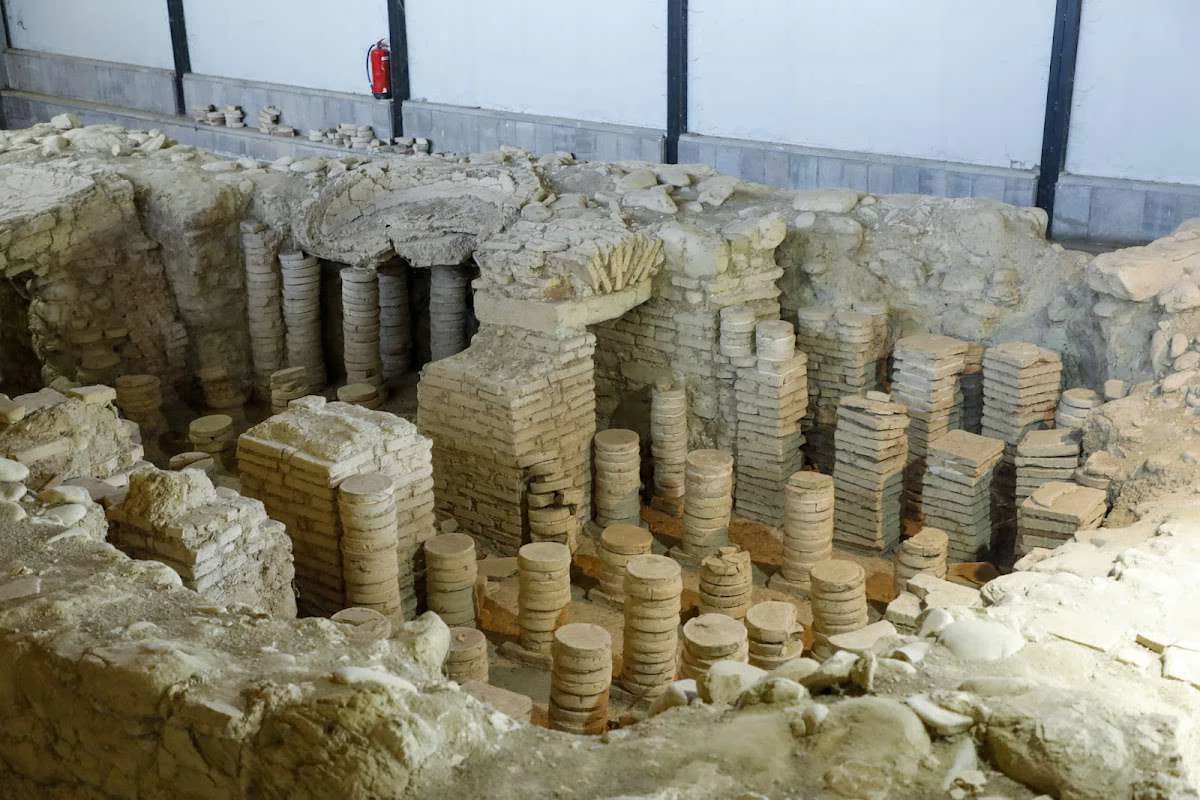
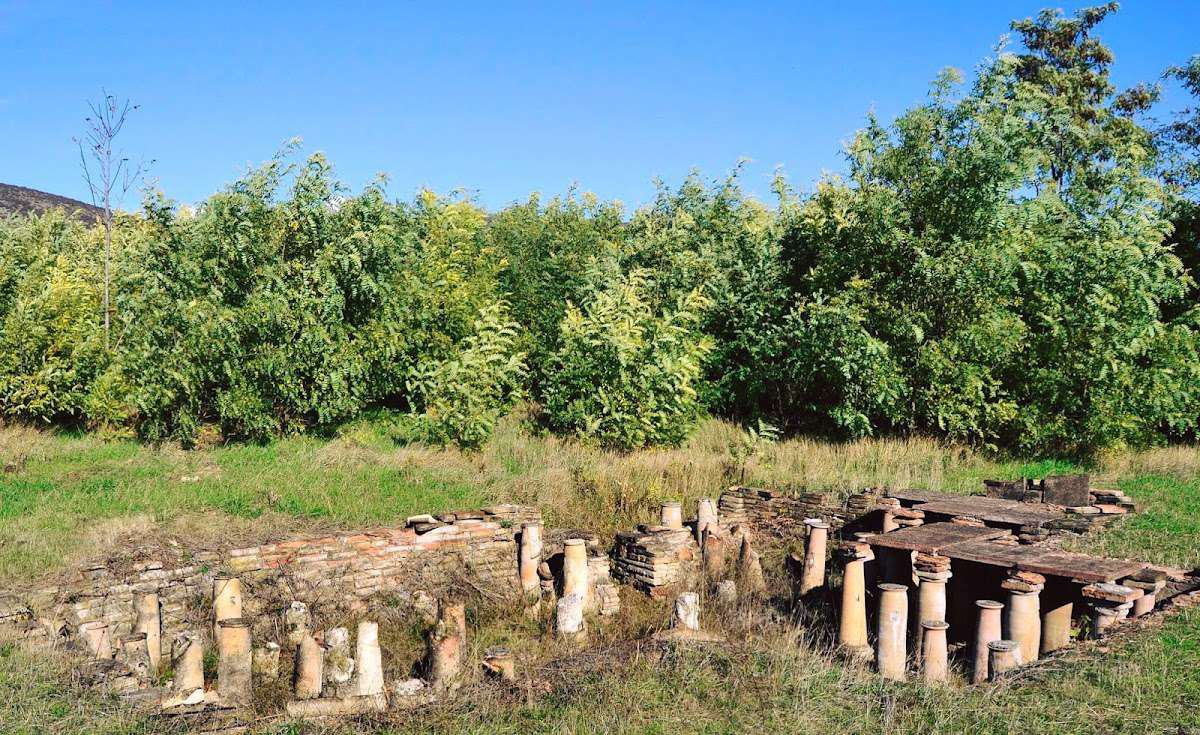
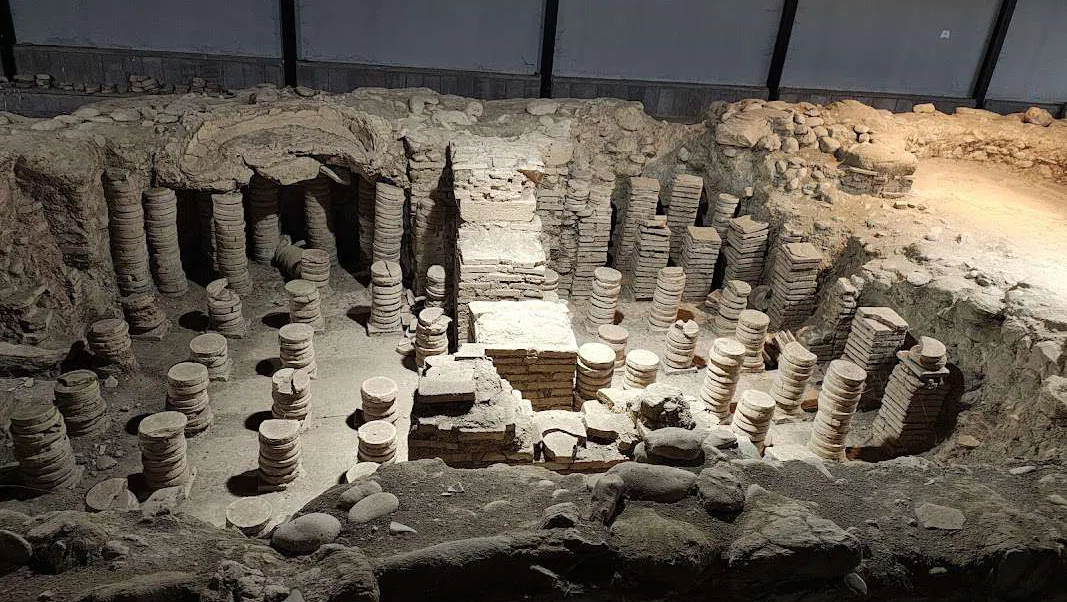
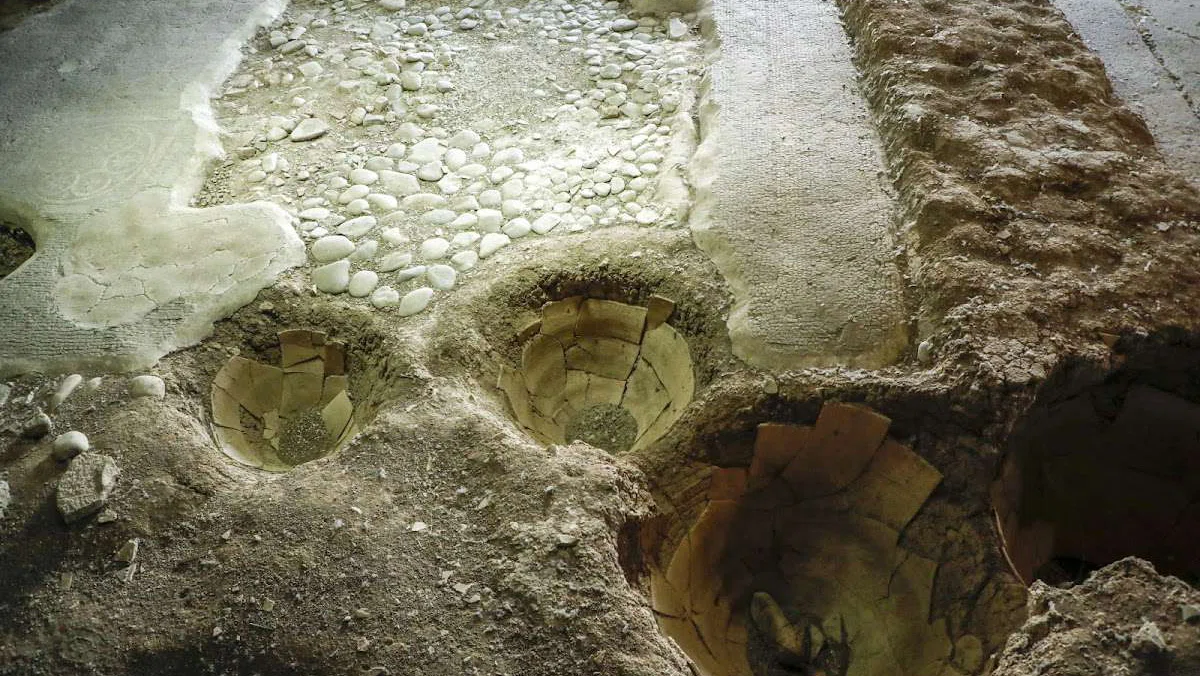
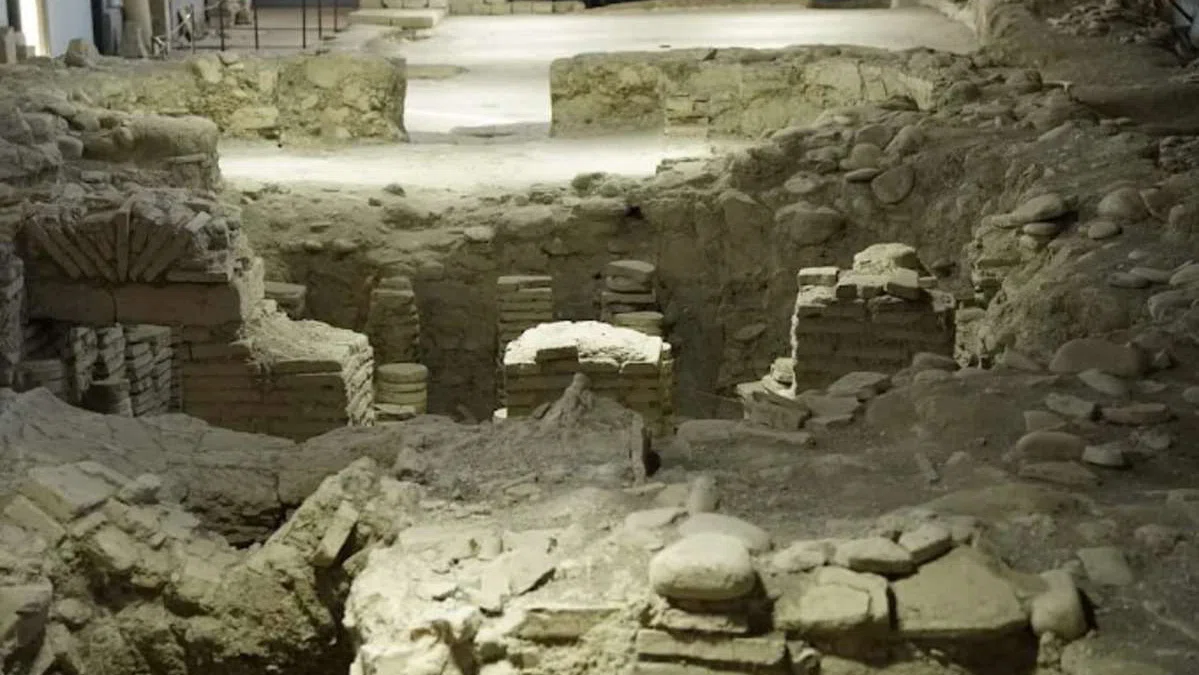
- 🛁 Baths, pools and ancient baths — with real Roman water heating systems!
- 🏠 City streets and houses — remains of paved roads and fragments of residential buildings.
All these findings prove that Zalisa was a capital where art and engineering went hand in hand with a rich urban life.
🖼 The main pearl: Roman mosaics
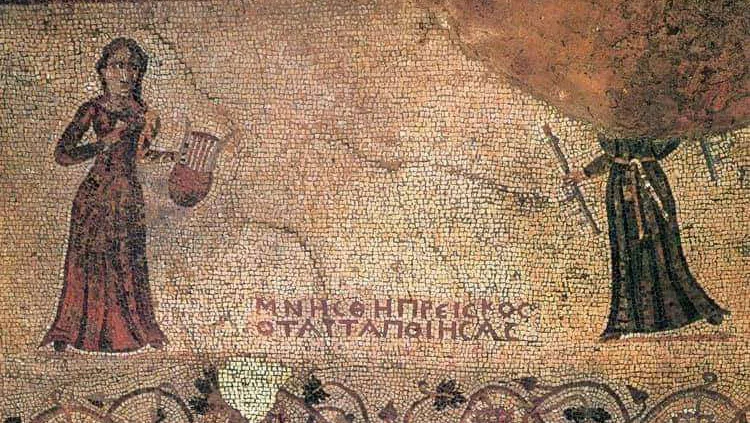
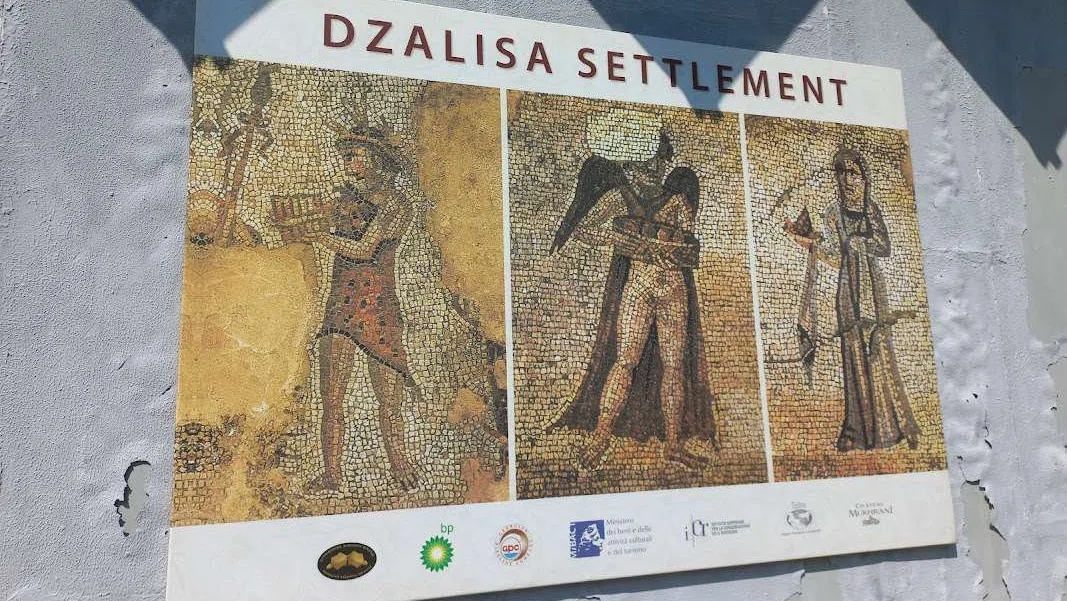
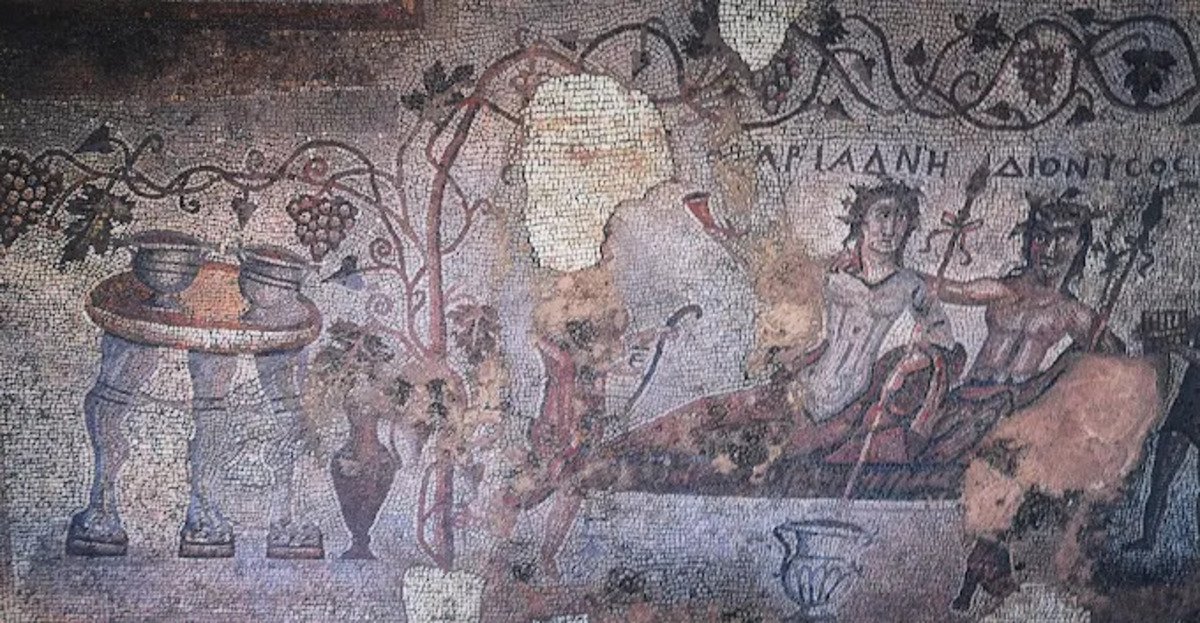
The Dzalisi mosaics are one of the main archaeological sensations of the entire Caucasus!
- 🌞 The most famous mosaic depicts the sun god Helios and mythological scenes.
- 🎨 12 shades of stone, complex geometric patterns, birds, dolphins and unusual ornaments are used.
- 🏺 These masterpieces have been preserved right on the floor of the ancient palace - you see them as the city's residents saw them 17 centuries ago.
Here you can spend hours looking at the mosaics, taking photos, comparing them with monuments in Italy and Turkey. For Georgia, this is a unique treasure!
🏛️ Palaces, baths and pools
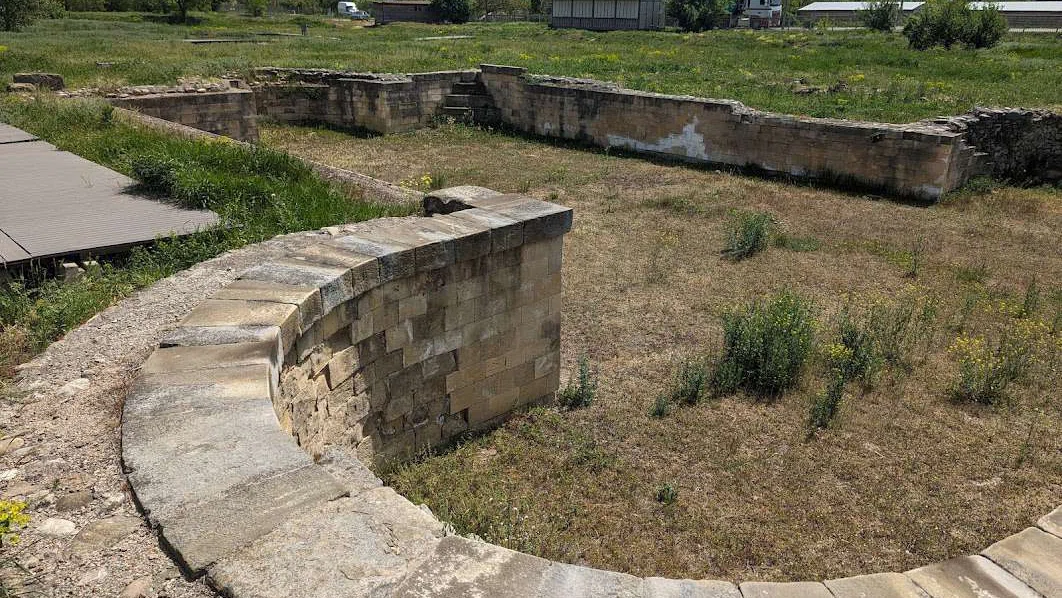
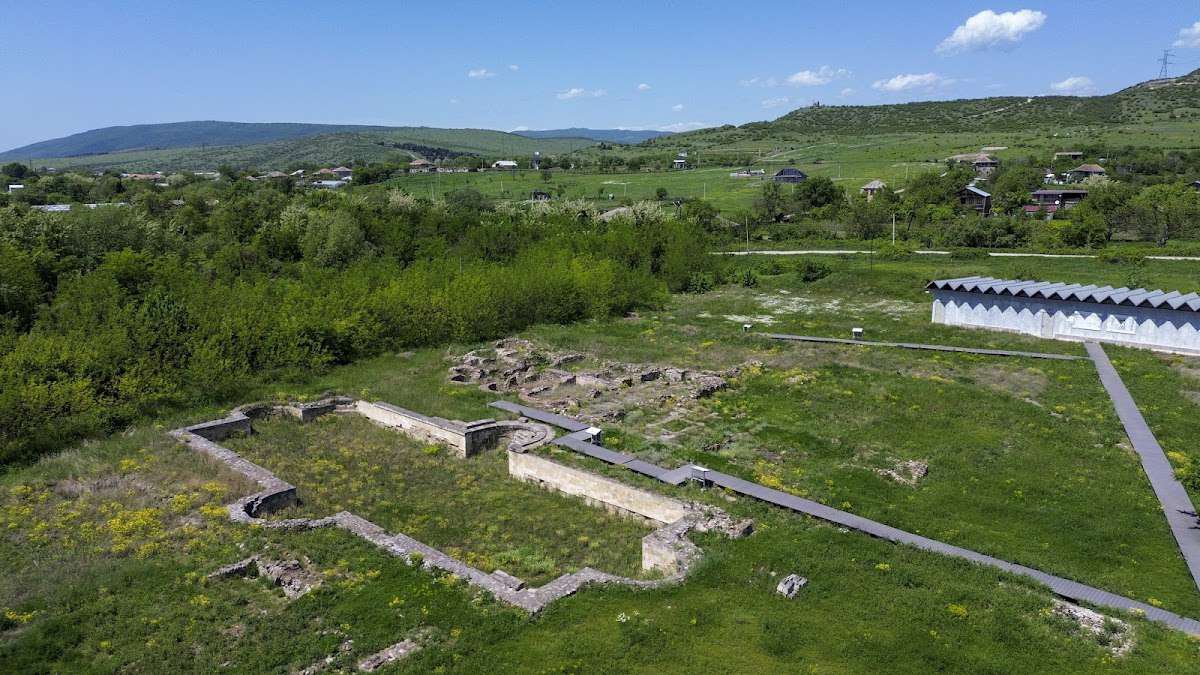
- 🏰 The palace complex occupies an area of about 2,500 m² — it is the largest palace of the antique type in Georgia.
- 💦 The courtyard was decorated with a Roman atrium with a fountain, the remains of which can still be seen.
- 🚿 The baths and pools show the level of antique engineering: hot and cold baths with heating, marble floors, a well-thought-out system of channels.
- 🚶 It is a special pleasure to walk along the preserved cobbled streets, to imagine the noise of the ancient city.
📚 What to see on the territory
- 🏛️ Ruins of the ancient city (about 70 hectares) and a citadel on an artificial hill (6 hectares)
- 🏰 The main palace (2500 m²) with a Roman atrium and fountain
- 🎨 Mosaics of the 2nd–3rd centuries (one of the largest collections in the region!)
- ⛪ Apsidal buildings and temples
- 🚿 Pool and ancient baths with remains of Roman engineering
- 🏺 Artifacts: ceramics, coins, tools, jewelry — everything that was found during excavations
📝 Reviews from visitors and tourists
🌿 Atmosphere, amenities and modern details
Large territory
Lots of space, always calm - no crowds, great air.
Information boards
All main objects are signed, there are signs in Georgian and English.
Atmospheric photos
Perfect shots against the backdrop of mosaics and ancient columns!
Picnics and Relaxation
A great place for a picnic, history lesson or family walk.
🌞 When is the best time to go and for how long?
- ☀️ Best time: spring and autumn — no heat, green hills and comfortable temperature. But it can be humid — take waterproof shoes.
- ⏰ Time for sightseeing: 1.5–2 hours for a walk, taking photos, a small snack in nature.
- 🏛 What awaits you: An ancient city, huge palaces, ancient baths and a pool, temples and apsidal buildings.
Advice: in summer, be sure to take water, a hat and sunscreen - there is little shade, the sun is strong. In winter, snow is possible - you need a warm jacket and comfortable boots.
👨👩👦 Who is this place for?
For historians and archaeologists
For everyone who loves antiquities and a real antique atmosphere.
For families with teenagers
You can feel like an explorer, studying the ruins and mosaics.
For photographers and bloggers
Lots of space, few people - easy to find unique angles.
For road travelers
A great stop off the beaten track to discover Georgia in a new way.
🗺️ How to get there
🚗 By car:
Take the Tbilisi-Mtskheta highway, follow the signs to the village of Dzalisa. The road takes about 45 minutes (~40 km), the asphalt is good, but the last kilometers are a rural road, sometimes with potholes after rain. Parking is near the entrance, usually free.
⚠️ Fill up in advance, the Internet sometimes catches intermittently - download the offline map 📲.
🚌 By public transport:
From Tbilisi (Didube or Ortachala bus stations) minibuses and buses depart to Mtskheta (every 30–40 minutes). From Mtskheta to the village of Dzalisa - by local minibus or taxi. Check the schedule in advance.
🚶♂️ On foot and by bike:
For lovers of active recreation, hiking and cycling routes are available. They are especially pleasant in spring and autumn, when the area is green and not hot.
🍴 Where to eat and spend the night
🥪 Have a snack:
There are no cafes or shops on the territory. The best option is to take sandwiches, fruit, water and snacks for children.
There are benches and many shady trees on the territory - a great place for a picnic.
🏡 Spend the night:
If you plan to stay for a few days, look for guest houses or apart-hotels in Mtskheta (15 km) or in neighboring villages.
On the way to the complex, you can stop for lunch at a cafe near the highway or in the city of Mtskheta itself.
🧳 For a long vacation:
- Take a supply of water and food for the whole company.
- For family trips, think about the route and places of stops in advance.
🌟 Zalisa is a rare opportunity to walk around a real ancient city, see unique Roman mosaics and touch the history of Iberia. If you love the atmosphere of antiquity, beautiful views and new discoveries - be sure to visit here and feel like a real explorer of the past!
What to visit nearby?

Chateau Mukhran
The Chateau Mukhran winery in Mukhrani has been pleasing connoisseurs of fine wines with …

Mukhrani fortress
The Mukhrani fortress, lost in the picturesque Mtskheta-Mtianeti region, in the village o…

Cathedral of the Blessed Virgin Mary in Tsilkani
The Tsilkan Cathedral, dedicated to the Blessed Virgin Mary, is the pearl of the Mtskheta…
🗨️ The floor is yours!
Any questions left? Or have you already been to Dzalisa? Leave a comment or share your impressions, leave a review or advice to other travelers! Your experience will help others discover this unique place.
❓ FAQ — Frequently Asked Questions
- 🕒 What are the opening hours of the museum-reserve?
The museum is open daily, except Mondays and public holidays, from 10:00 to 18:00. - 💸 Is there an entrance fee?
Entrance is paid (about 2USD), free for children under 6, museum employees, ICOM members and people with disabilities. - 🚗 Is there parking?
Yes, parking at the entrance is always free and open. - 🥪 Is it possible to have a picnic on the territory?
Yes, there are many benches and shady places. The main thing is to clean up after yourself. - 🏠 Is there a place to eat and stay overnight?
The nearest cafes and guest houses are in Mtskheta or along the road. On the territory of the museum itself, there are only picnic areas. - 📸 Is photography allowed?
Yes, you can take photos everywhere, mosaics and ruins look great in pictures. - 🧢 What clothes do you need?
Comfortable shoes, a hat in the summer, a warm jacket in the winter. Waterproof shoes will come in handy after the rain. - 🗺️ How not to get lost in the village and museum?
Follow the signs on the road, download an offline map to your phone - sometimes mobile Internet is unstable.
If you have any questions or want to share your experience, write comments, and don’t forget to read our other articles about amazing corners of Georgia!


16 comments
Log in to leave a comment