





Leo Kiacheli House Museum: Discover the Unique Heritage of the Georgian Writer | How to Get There and Useful Tips
Planning to visit Leo Kiacheli House Museum in Georgia? Find out how to get there, where to eat and where to stay. Free admission, tips for a comfortable visit, up-to-date information and routes. All information for the convenience of tourists.
📚 Have you ever wondered what ancient manuscripts and personal belongings of Georgian writers hide behind them? The Leo Kiacheli House Museum in the village of Obudji is not just a museum, but a place where Georgian literature comes to life, revealing to you the depth of the work of one of the most famous writers of the 20th century. Read how the museum tells the story not only of the writer, but also of the life of an entire region!
🧐 What will you learn from this article?
- 📍 Where is the Leo Kiacheli House Museum and how to get there.
- 🧳 What experience and emotions can you expect from a visit to the museum.
- 📚 What unique exhibits are stored there.
- 🖋 The history of Leo Kiacheli and his contribution to Georgian literature.
- 🍽 Where to eat and where to stay nearby.
📌 Quick reminder
- 📍 Address: Obudji village, Tsalenjikha municipality, Samegrelo-Zemo Svaneti, Georgia
- 🗓 Date of foundation: 1984
- 🏛 Type: Memorial museum, administered by the House of Culture of the AAIP of Tsalenjikha municipality
- 📚 Collection: The museum houses 176 exhibits, including household items and ethnography of Leo Kiacheli's family, his manuscripts, photographs and periodicals
- 🕰️ Opening hours: Daily, except Monday, from 10:00 to 17:00
- 🎟️ Admission: Free
- 📞 Contacts: (+995 591) 41 56 39
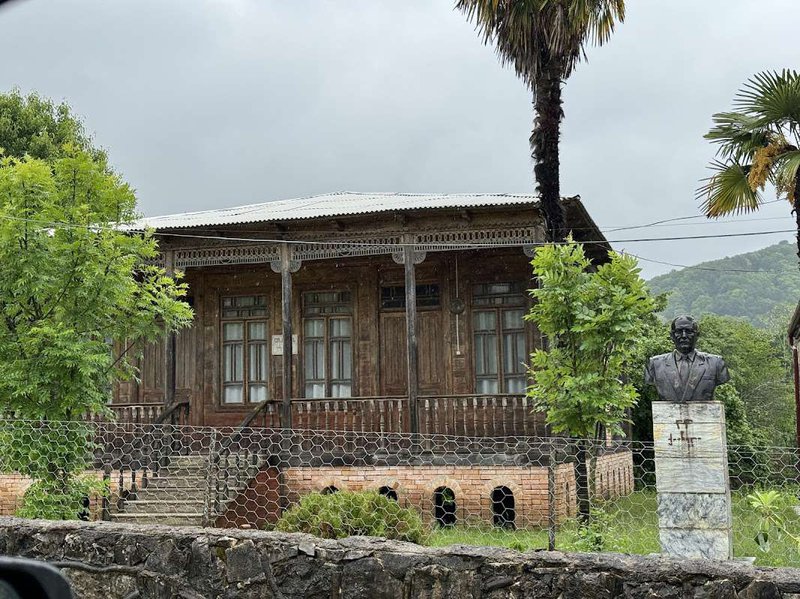
🏛 History of creation
The Leo Kiacheli House Museum was opened in 1984 in the village of Obuji, the writer's birthplace, with the aim of preserving his legacy and cultural contribution to Georgian literature. This cultural institution is a valuable source of information about the life and work of Kiacheli and his family. It contains household items, personal belongings of the writer, his manuscripts and photographs, which allow us to better understand the atmosphere of that time.
The collection contains 176 exhibits, which include not only the writer's works, but also items related to the daily life of the Kiacheli family. This memorial complex is a kind of window into the past, where the culture and traditions of Georgia come to life through personal belongings and documents.
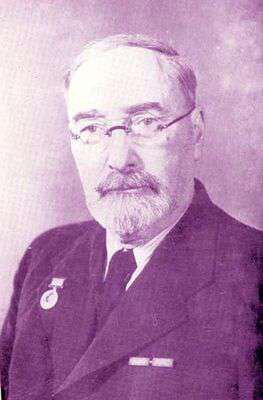
🖋 Leo Kiacheli - a writer who left a mark on Georgian culture
📚 Leo Kiacheli (1884-1963) is an outstanding Georgian writer, playwright and public figure. He was born and raised in Samegrelo, in the village of Obudji, and devoted most of his life to creating works that reflect the life and culture of Georgia. His work covers such genres as drama, prose and poetry, and has a deep ethnographic character, which helped preserve folk traditions in literary form.
Kiacheli is known for his works, which reflect not only the Georgian way of life and mentality, but also important philosophical issues, such as the role of the individual in history and its relationship to society. His works were in demand not only in Georgia, but also abroad, and remain relevant to the study of Georgia's cultural heritage.
🏠 Life of a writer in Obuji
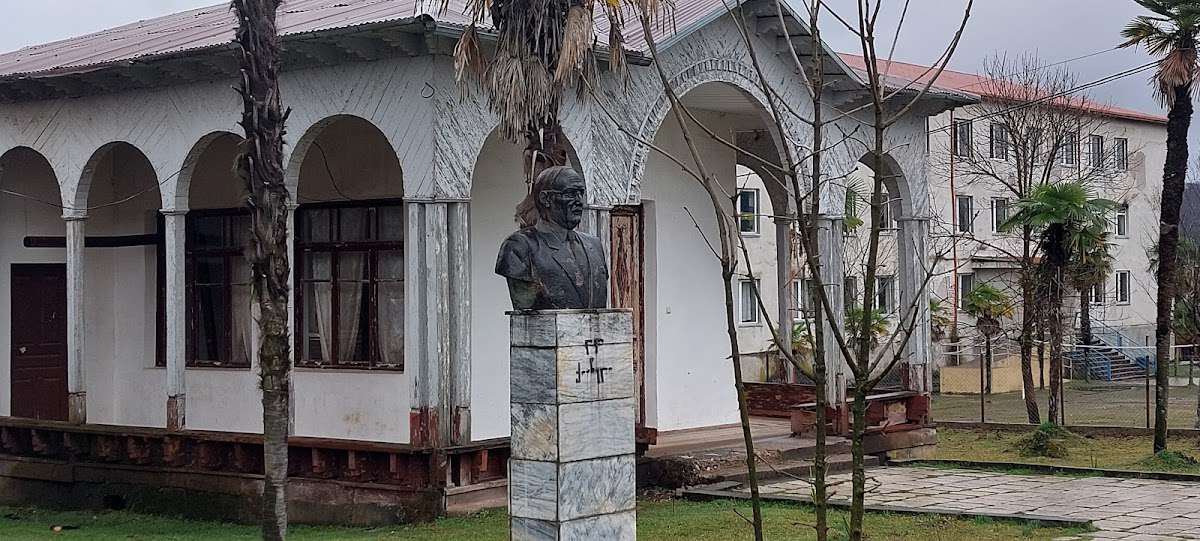
The house where Leo Kiacheli was born and raised has preserved the atmosphere of that time. The memorial exhibition features the writer’s personal items, his manuscripts and books, which illustrate his ties with his native land and people. This place is filled with the spirit of Georgian culture and serves as a link between the past and the present.
🏛 Cultural Center Exhibits: Immersion in History
The cultural institution preserves unique artifacts that tell about the life of Leo Kiacheli and his time:
- 📜 Manuscripts and personal documents: The writer's manuscripts, letters, and documents related to his life and work are presented here.
- 🏺 Household and ethnographic items: The museum also preserves various items that belonged to the Kiacheli family - from dishes to traditional furniture, which allows you to see how people lived in Georgia in the late 19th - early 20th centuries.
- 🖼️ Photographs and paintings: In the center, you can see old photographs, as well as paintings that reflect the life, culture, and historical events of that time.
💬 What do visitors say about the Leo Chiacheli House Museum?
💬 Irina, Tbilisi: "I really liked the museum! The exhibits reflecting the life of the region make you think about the deep history of Imereti. It's nice that the entrance is free!"
💬 Mikhail, Moscow: "A very interesting collection of archaeological finds, I was especially impressed by the ancient coins. The museum is a real treasure trove of knowledge!"
💬 Anna, Kyiv: "We visited with children, and we all found it interesting. The exhibits are very well selected, and are easy to understand for people of all ages!"
💬 Oleg, St. Petersburg: "The museum revealed many new facts about the culture of the region for us. We were especially struck by the collection of photographs of old houses and villages."
💬 Ekaterina, Minsk: "The exhibits are touching, especially those related to everyday life of local residents. Reviews from locals add a lively atmosphere to the museum."
💬 Sergey, Kyiv: "I really liked the atmosphere of the museum. I was interested in looking at historical coins, especially those used in Imereti."
💬 Natalia, Tbilisi: "The museum has become a great place for family recreation. Very interesting exhibits, and everything in a very accessible form."
🚗 How to get there?
- By Car: The museum is located in Obudji village, Tsalenjikha Municipality. It takes about 30 minutes by car from Tsalenjikha. Use GPS to find the exact route. 🗺️
- Public Transport: Get to Tsalenjikha, then take a taxi or bus to Obudji village. Important city routes are available, but it is better to check the schedule in advance. 🚍
- Taxi and Private Transfers: For convenience, you can order a taxi or a private transfer. This is a convenient way to get there at any time, especially for groups or families. 🚖
- Bike: For those who enjoy active recreation, Obudji village and its surroundings are great for cycling. You can combine a visit to the museum with the beautiful nature of the region. 🚴
- On foot: There are beautiful nature trails around the village. If you like hiking, this is an ideal way to enjoy the local landscapes. 👣
🌍 GPS coordinates:
42.55626373018221, 42.046785603695696 — Click to go to the map
🌦 Weather conditions and recommendations
- Best time to visit: The museum is best visited in spring or autumn when the weather is mild and pleasant for walking. 🌸🍂
- Summer: Summer months can be hot, so bring water and sun protection. ☀️
- Winter: Winter can be snowy and rainy, so be sure to bring warm clothes and an umbrella. ❄️☔
What to bring:
✅ Comfortable shoes for walking around the museum. 👟
✅ A raincoat or umbrella if you plan to visit in rainy weather. 🌂
✅ A camera or smartphone for shooting exhibits. 📸
🔗 Useful tips for tourists
- Wi-Fi: There is no free Wi-Fi in the museum, so it is worth downloading maps and navigation in advance for ease of travel.
- Payment: Entrance to the museum is free, but it is better to have cash to pay for transport and souvenirs, as it is not always possible to use a map in the surrounding area.
🍴 Meals and accommodation: Everything you need to make your visit comfortable
🥘 Where to eat deliciously:
For a quick bite: There are several small cafes in and around Obudji village that serve classic Georgian dishes such as khachapuri, shashlik, and khinkali. The average cost of a meal is about 15-20 lari (5-7 USD).
Recommendation: If you want to try something special, such as Adjarian khachapuri or chkmeruli (chicken in garlic sauce), head to a more cozy place in Tsalenjikha, where you can enjoy these dishes with fragrant Georgian wine. The average bill is 30-50 lari (10-15 USD) per person.
🛌 Where to stay:
- Guest houses and mini-hotels in the village of Obudji: This is an economical option for those who are looking for privacy and an atmosphere of local traditions. The cost of an overnight stay is from 40 to 70 lari (12-23 USD) per night.
- Hotels and mini-hotels in Tsalenjikha: For a comfortable stay, you can choose hotels in Tsalenjikha with additional amenities, such as free Wi-Fi and breakfast. The cost of accommodation is from 100 to 200 lari (35-70 USD) per night.
What to see nearby?

Transfiguration Cathedral of Tsalenjikha
The Transfiguration Cathedral in Tsalenjikha is an outstanding architectural monument loc…

Church of the Archangels in Obuja
In the breathtaking hills of Samegrelo, as if in an elegant diamond, the snow-white walls…

Terenti Graneli House Museum
The Terenti Graneli House-Museum is located at: st. T. Graneli, 15, Tsalenjikha municipal…
🗣️ Now the floor is yours!
Have you been to the Leo Kiacheli House Museum? Share your impressions, tell us what you liked most! We will be glad to read your comments and advice.
⚠️ This is important
ℹ️ All information provided in the article — schedule, prices, contacts, routes and visiting conditions — is current at the time of publication. However, since the Leo Kiacheli House Museum is located in a small village, the schedule of events or opening hours may change without prior notice.
We try to update information regularly, but before visiting, we recommend that you clarify the details:
- 📞 By phone at the museum: (+995 591) 41 56 39
- 💬 In the comments under this article, where travelers share their experiences.
💡 If you have already been to the museum, write to us if something has changed! We will update the article and thank you personally 🙌
❓ Frequently asked questions
🕰️ What time is the museum open?
The museum is open daily, except Mondays, from 10:00 to 17:00.
📞 How can I contact the museum?
You can call by phone: (+995 591) 41 56 39.
💰 How much does it cost to enter the museum?
Entrance to the museum is free.
👶 Can I visit the museum with children?
Yes, the museum welcomes families with children. The exhibits are interesting for both adults and children.
🚗 How to get to the museum?
By car: The museum is located in the village of Obudji, about 30 minutes from the city of Tsalenjikha.
Public transport: Get to Tsalenjikha, then take a taxi or bus.
🎥 Can I take photos in the museum?
Yes, photos are allowed for personal use.
📝Are there any excursions?
Yes, excursions are available by appointment. We recommend booking a guide in advance.
🌦What to bring with you?
Be sure to take comfortable walking shoes, a camera and water. In case of rain - a raincoat or umbrella.


19 comments
Log in to leave a comment