




How is Epiphany celebrated in Georgia? Rituals and customs.
On the pages of the Madloba catalog you will find comprehensive information about the celebration of the Epiphany in Georgia, including details about traditions and rituals dating back to ancient times. In addition, we clarify that January 19th is an official day off in the country, celebrated in honor of this significant event
Religious Georgians honor all holy holidays holidays and adhere to strict rules on such days. The Baptism of Christ is celebrated by all Orthodox Christians on January 19, and this day is officially declared a day off in Georgia so that every resident can spend time alone with God and the church.

History of the Baptism of Georgia
Georgia adopted Christianity in 337 AD, becoming the second country in the world to declare it a state religion. This was an important stage in the country's history, defining its cultural and spiritual heritage. Since then, Georgians have been considered one of the most ancient peoples who actively spread Orthodoxy along the Black Sea coast and in neighboring regions.
Historians note that the adoption of Christianity helped Georgia not only strengthen its national identity, but also establish ties with Byzantium and other Christian countries. In addition, the establishment of Christianity influenced architecture, art, and even government.
The Role of Saint Nino
According to legend, the first preacher of Christianity in Georgia was Saint Nino. According to legend, it was to her that the Virgin Mary appeared and endowed her with the gift of healing and the ability to perform miracles. Armed with a cross made of grapevine, she went to preach the Word of God, inspiring thousands of people to accept the new faith.
The saint played a key role in the conversion of King Mirian and his wife Nana to Christianity. Thanks to her work and influence, the king proclaimed Georgia an Orthodox country, which became an important milestone in the country's history. Today, the cross of Saint Nino is one of the main symbols of Georgian Orthodoxy and is revered by believers.

How the Epiphany holiday is celebrated in Sakartvelo
In Georgia, this day is called differently, Theophany, which means Epiphany. On this day, the Holy Trinity appeared to the world when Jesus was baptized in the Jordan River. This holiday symbolizes the purification and renewal of the soul, which makes it especially important for every Orthodox believer.
The festive events begin on Christmas Eve. On the eve of January 19, services begin in churches, water is blessed and prayers are offered. The holy water that believers take home is considered healing and is used to bless homes and treat ailments.
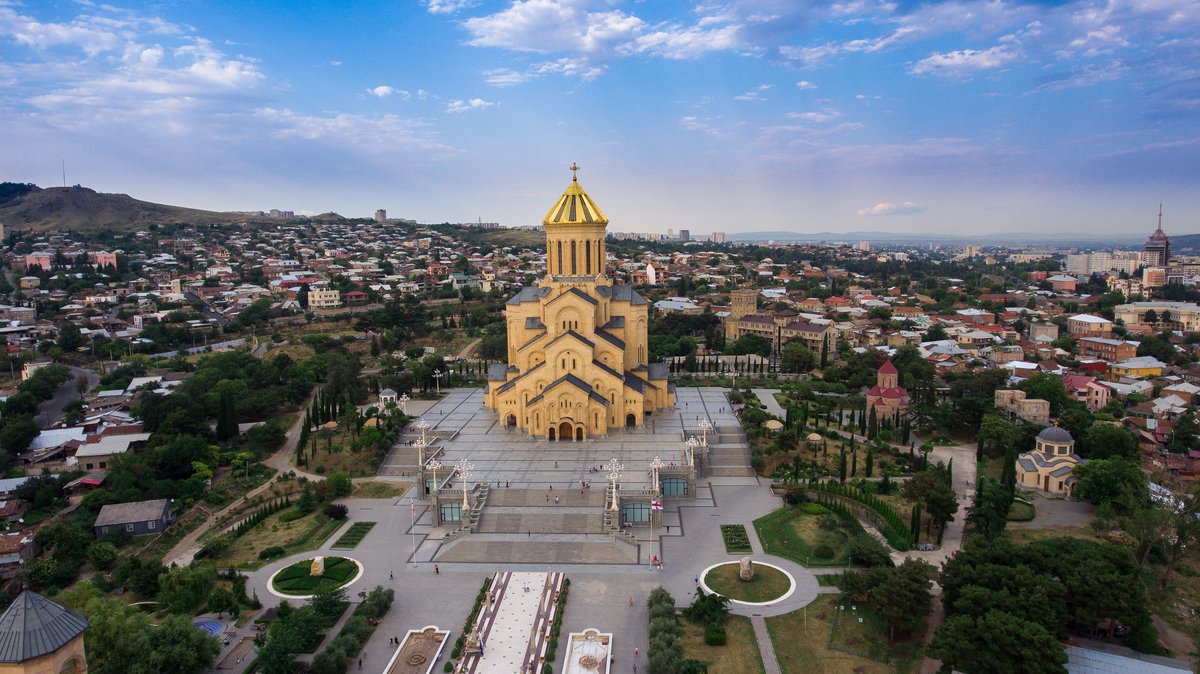
In Tbilisi, the Patriarch always holds a liturgy in the Holy Trinity Cathedral (Sameba). All who wish come to the temple to thank God, pray and receive a blessing.
The celebration of the Epiphany has its own unique features in the regions of the country. In Svaneti, for example, locals organize mass processions with lighted candles, which symbolize the light brought to the world. At the end of the procession, the candles are solemnly left in churches as a sign of gratitude for God's blessing.
In Kakheti, open-air services are often held near rivers or springs, where the water is blessed. People stock up on holy water with special trepidation, which is believed to protect homes and families from troubles and misfortunes.
In Imereti, after the liturgy, parishioners go to family festive feasts, where they discuss the past year with their loved ones, pray for the future, and thank God for health and well-being.
Each region adds its own elements to the holiday, emphasizing the diversity and richness of the traditions that unite the Georgian people on this great day.

Historical Significance of Baptism and its Impact on Culture
The Epiphany of the Lord occupies an important place in the Georgian Orthodox tradition due to the deep historical roots of Christianity in the country. This holiday commemorates the adoption of Christianity in Georgia in the 4th century, which became not only the spiritual but also the cultural foundation of the nation. Georgians believe that Epiphany unites generations, binding them with a common faith and traditions.
This holiday and Christianity in general are deeply rooted in Georgian culture. Epiphany not only unites people spiritually, but also reminds us of the country's rich history and traditions. The connection with ancient rites, the veneration of St. Nino and the importance of water in religious rituals underscore the importance of this event for Georgians.
Traditions and customs of the Epiphany holiday in Georgia
Georgia is distinguished from other countries by its special respect for the holiday of the Epiphany of the Lord and its large-scale celebration. This day is declared a day off so that every resident can fully devote it to spiritual practices and traditions. One of the key features of the holiday is the desire of all believers to visit the church, participate in worship services and stock up on holy water, which will serve as a blessing for the whole year.
Among the most significant traditions of the holiday are:
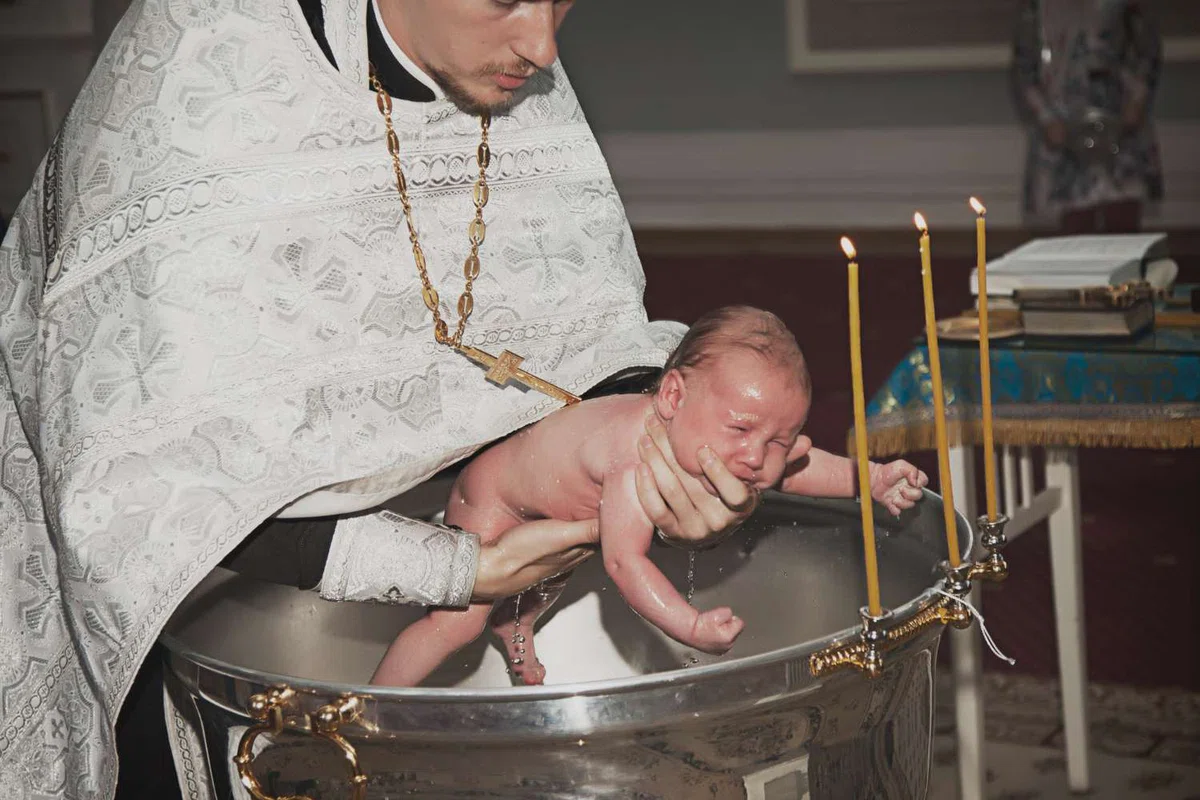
- Mass baptism of infants by the Patriarch;
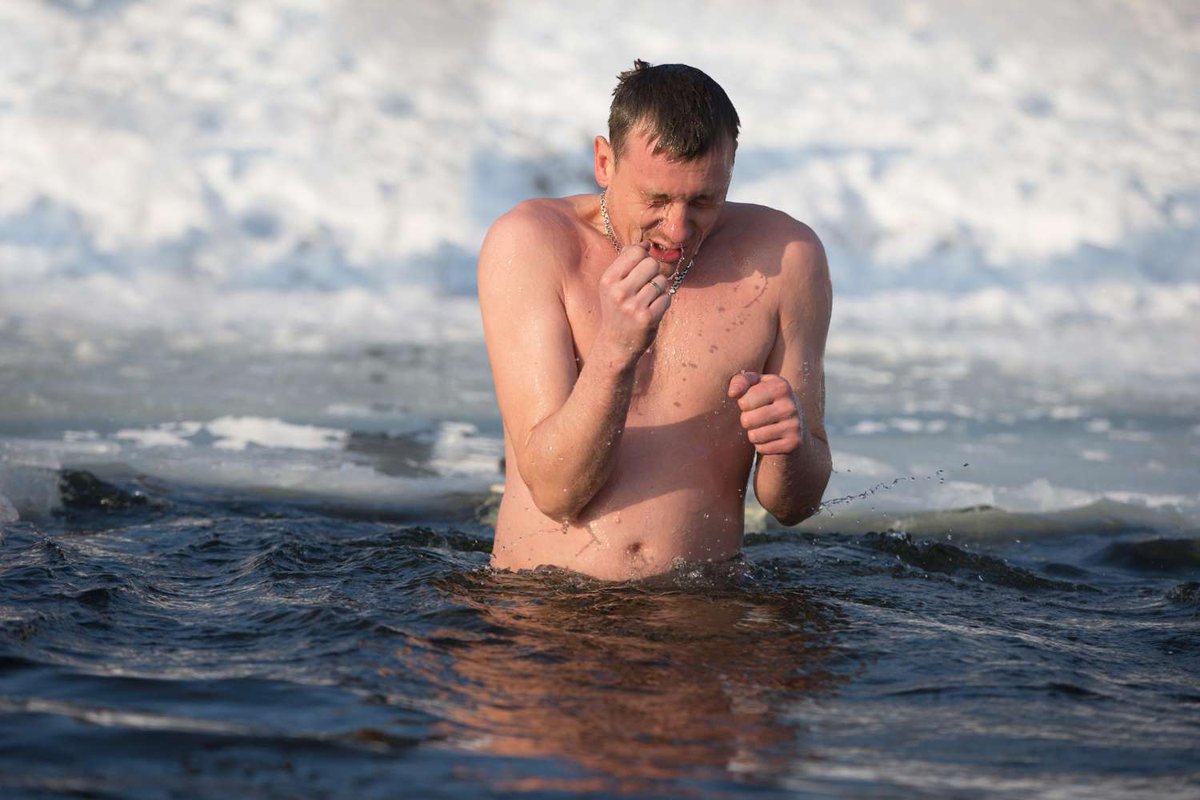
- Night swimming in the sea and rivers;
- Congratulations from godchildren to their godparents;
- Wedding of newlyweds.
It is worth noting that, unlike Christmas, noisy feasts are not held in Georgia on Epiphany, preferring family comfort and quiet evenings at the festive table, decorated with traditional dishes.
Mass baptism by the Patriarch of All Georgia
The tradition of mass baptism of children on the feast of the Epiphany was initiated by the Patriarch of All Georgia Ilia II in 2008. The main goal of this rite was to increase the birth rate in the country and strengthen family values. According to the regulation, on Epiphany, children of those parents who were previously married in the church are baptized. This not only symbolizes the importance of the spiritual connection of the family, but also serves as an inspiration for younger generations.
Each baptized child receives a special entry in the church book, which records the name of the newly converted, and the Patriarch himself becomes the godfather of all these children, which makes the rite especially significant. Parents, in turn, consider it a great honor for their children to participate in this holy sacrament.
The tradition quickly took root in the country and bore tangible fruit. In recent years, the birth rate in Georgia has begun to grow, and the holiday of Epiphany has acquired new meaning for many families. January 19 becomes the day when churches across the country are filled with people who seek spiritual renewal and blessing of their children.
Today, the Patriarch has more than 45 thousand godchildren, and their number continues to increase every year. This unique rite emphasizes the role of the church in the life of the Georgian people and its contribution to the preservation of traditions and strengthening of family values.
Bathing in the sea
Batumi has its own tradition that marks the end of the holiday – night swimming in the waters of the Black Sea. After the liturgy, representatives of the local clergy, guests from the government and officials present, as well as all parishioners, head to the sea to perform ablutions. Bonfires are lit on the coast, which create a special atmosphere of warmth and comfort, and also help the participants to warm up.
The history of this tradition is shrouded in mystery: there is still no reliable information about its founder. It is known that when Georgia joined the Soviet Union, any religious holidays and related rituals were banned. Night swimming in Adjara was revived only in the 90s of the 20th century, with the restoration of the country's independence and freedom of religion.
Today, this event attracts not only locals, but also tourists who come specifically to witness this beautiful ritual. The night sea, the flickering lights and prayers create a unique atmosphere, leaving an unforgettable impression.
Congratulations to the godparents
In Sakartvelo, godchildren congratulating their godparents is a touching and revered tradition of Baptism, symbolizing respect, gratitude and spiritual connection between them.
On January 19, godchildren prepare small gifts for their godparents, thus expressing gratitude for their guidance and care. Most often, these can be symbolic gifts, such as sweets, khachapuri, a bottle of homemade wine, or even small souvenirs. Sometimes, a rooster decorated with a red ribbon is brought as a special gift, symbolizing well-being and prosperity.
The godparents, in turn, accept the gifts with great joy and in return bless their godchildren for a successful and happy year. Often such visits end with a family feast, where toasts are made to the health and well-being of all present.

Wedding of the newlyweds
In Georgia, Epiphany is considered a particularly appropriate day for the sacrament of marriage. This ancient rite, which symbolizes the spiritual unity of spouses before God, acquires special significance on this day.
A wedding on Epiphany is traditionally held after the liturgy in churches throughout the country. It is believed that a union concluded on this holy day will be filled with blessings and support from above.
The newlyweds wear traditional national costumes: the groom in a chokha, and the bride in a snow-white dress with a red belt. Such an outfit emphasizes the solemnity of the moment and the connection with Georgian traditions.
After the ceremony, the couple and their loved ones gather for a modest family celebration, where toasts are made to the happy life of the newlyweds and to their spiritual unity.

Culinary traditions
The Epiphany of the Lord in Sakartvelo is accompanied not only by spiritual rites, but also by special culinary traditions that make this holiday even more memorable.
Each family sets a festive table, where the main dishes are khachapuri and kvertsi - a traditional holiday delicacy. Khachapuri is prepared in a special version, adding ingredients that symbolize abundance. Kvertsi, with a crispy crust and soft filling, is not only a treat, but also a tribute to the ancestors who passed this recipe down through generations.
In Adjara, godparents traditionally bring their godchildren festive bread or homemade sweets. In some regions of Georgia, for example, in Imereti, they prepare special bread with nuts and honey, which symbolizes wealth and health.
The festive table serves as a place for family unification, where toasts are made for health and well-being. Traditions are passed down from generation to generation, preserving the unique Georgian culinary flavor.

Modern customs
Epiphany in modern Georgia has become a holiday that skillfully combines ancient traditions and new forms of celebration. This day is honored both in large cities and in small villages, where a unique atmosphere of unity and spirituality is preserved.
- Charity and good deeds
Today, the holiday is associated not only with traditional rituals, but also with the manifestation of mercy. In large cities such as Tbilisi, Kutaisi and Batumi, on this day, actions are organized to help those in need. Georgians bring gifts and food to orphanages, hospitals and nursing homes, supporting those who need care. Charity on Epiphany Day has become one of the modern forms of expressing spiritual values.

- Family Traditions
Families gather around the festive table to celebrate this holy day together. The main dish of the meal can be quertsi or khachapuri, symbolizing the warmth and comfort of home. Stories about ancestors and prayers of thanksgiving are often heard at the table, emphasizing the connection between generations. Such gatherings help strengthen family ties, which remains one of the main values of Georgian society.
- Youth processions and festivals
Young people actively participate in organizing processions, which are accompanied by chants and torchlight processions. In some regions, musical concerts with performances by folk groups are organized. Such events enliven the holiday, giving it a modern touch and involving the younger generation in the traditions.

- Interaction with nature
In addition to church services, in many parts of Georgia the celebration of Epiphany takes place against the backdrop of natural beauty. Small blessing ceremonies are organized on the banks of rivers and at water sources, attracting locals and tourists. This creates a special atmosphere, where religious rituals are combined with a love of nature.
Useful tips for tourists
👉 Attend a service at the Holy Trinity Cathedral (Sameba). This is one of the most solemn events of the holiday, which allows you to deeply understand the spiritual meaning of Epiphany.
👉 Join the Alilo procession. This is a unique opportunity to become part of a traditional Georgian holiday, see a procession with songs and gifts.
👉 Ablution in the Black Sea. If you find yourself on the coast in Adjara, be sure to watch or take part in the night ablutions. This is an unforgettable experience filled with symbolism and tradition.
👉 Try festive dishes. Unique treats are traditionally prepared for Epiphany that you won’t find on ordinary days. Try khachapuri, kvertsi, and festive bread.
👉 Dress for the weather. January is a cold month in Georgia, so bring warm clothes, especially if you plan to visit mountainous regions.
 Questions and Answers
- Why is water considered sacred at Epiphany?
Water symbolizes spiritual purification and blessing. Blessed water is used to protect the home, heal, and help in difficult moments of life. - Which region of Georgia celebrates Epiphany in the most unique way?
Each region has its own characteristics, but the Black Sea coast of Adjara and mountainous regions such as Kazbegi stand out for their unique traditions. - Can tourists take part in festive processions?
Yes, participation in processions such as Alilo is open to everyone, including tourists. It is a great opportunity to immerse yourself in the festive atmosphere. - What should you bring with you from the church after the service?
It is recommended to take blessed water, which can be used throughout the year to bless the house. - What dishes should you definitely try on this day?
On festive tables you will find querci, khachapuri and festive bread, which are considered symbols of abundance and health. - Is it possible to visit temples at night?
Yes, many churches remain open on the night of Epiphany so that believers can participate in services and water blessing ceremonies. - What to bring with you to celebrate the holiday like the locals?
Bring a vessel for holy water, as well as warm clothes if you plan to participate in the night activities.
The Madloba catalog team is happy to introduce you to the Georgian people, their national holidays and special rituals. If you know other interesting nuances of celebrating Epiphany Day in Georgia, be sure to share them with us in the comments!
about other holidays
-
🎈 Where to celebrate Children's Day in Georgia: the best events for the whole family!
Traditions and holidays of GeorgiaPlan an unforgettable family holiday on June 1, 2025 in Georgia! The article contains a f…
-

🌼Кутаисоба - День, когда Кутаиси цветёт, поёт и угощает!
Traditions and holidays of GeorgiaХотите узнать, что делает Кутаисоба (Гвирилоба) одним из самых душевных праздников в Груз…
-

🎉Батумоба — главный праздник Батуми. Как проходит день города у моря🌊
Traditions and holidays of GeorgiaЧто такое Батумоба? Это день рождения Батуми, который превращает город в сцену под открыт…
-
Berikaoba - Maslenitsa in Georgia: Traditions, History and Modern Customs
Traditions and holidays of GeorgiaDiscover the unique traditions of Maslenitsa in Georgia - Berikaoba. Learn about the hist…




31 comments
Log in to leave a comment
Кроме того, в Грузии это выходной день. Люди ходят на службу и, конечно, по традиции купаются ночью в море. В Грузии с купанием попроще, хотя море не слишком тёплое в январе.
Интересная традиция для этого праздника относительно недавно появилась в Грузии - крещение детей повенчанных родителей. Уточните, пожалуйста, а можно ли в этот день выбрать своего крёстного для ребёнка? Все-таки крестный - это второй родитель, а у Патриарха не хватит времени на всех своих крестников.
For a person who is not used to such extreme conditions, this seems to be a really harsh test. I wonder how people prepare for such a ritual?
Are there any special training or training methods to minimize the health risk?
It would be great to learn more about this part of the celebration, as it raises so many questions and surprises.
ной и этот день всегда не рабочий.Называется праздник Крещения Господня -Теофания.Из статьи я узнала как в Грузии отмечают этот день.
Тот факт, что Патриарх в этот день крестит младенцев и становится их крёстным отцом. Я конечно не знала этого.Сегодн у Патриарха Илии 2
уже 45000 крестников по всей стране.Сейчас везде стали почитать религию и это похвально.Надо больше об этом знать и автору написав-
шему эту интересную статью большое спасибо.