




🥤 What do they drink in Georgia besides wine? Review of Georgian favorite drinks
🍷 Georgia Isn’t Just About Wine
When you think of Georgia, wine is the first thing that comes to mind. But let’s not jump to conclusions. This country delights not only with Saperavi and Qvevri, but also with a kaleidoscope of drinks: dairy-based, fruit‑infused, mineral, and strong spirits.
Here, matsoni is served instead of water, lemonade is sipped alongside khinkali, and water from Bakhmaro is brought home as a souvenir. Georgia is a taste not just in a glass, but in every single sip.
We’ve gathered the most interesting and beloved beverages of the country so you can taste Georgia beyond its wine traditions.
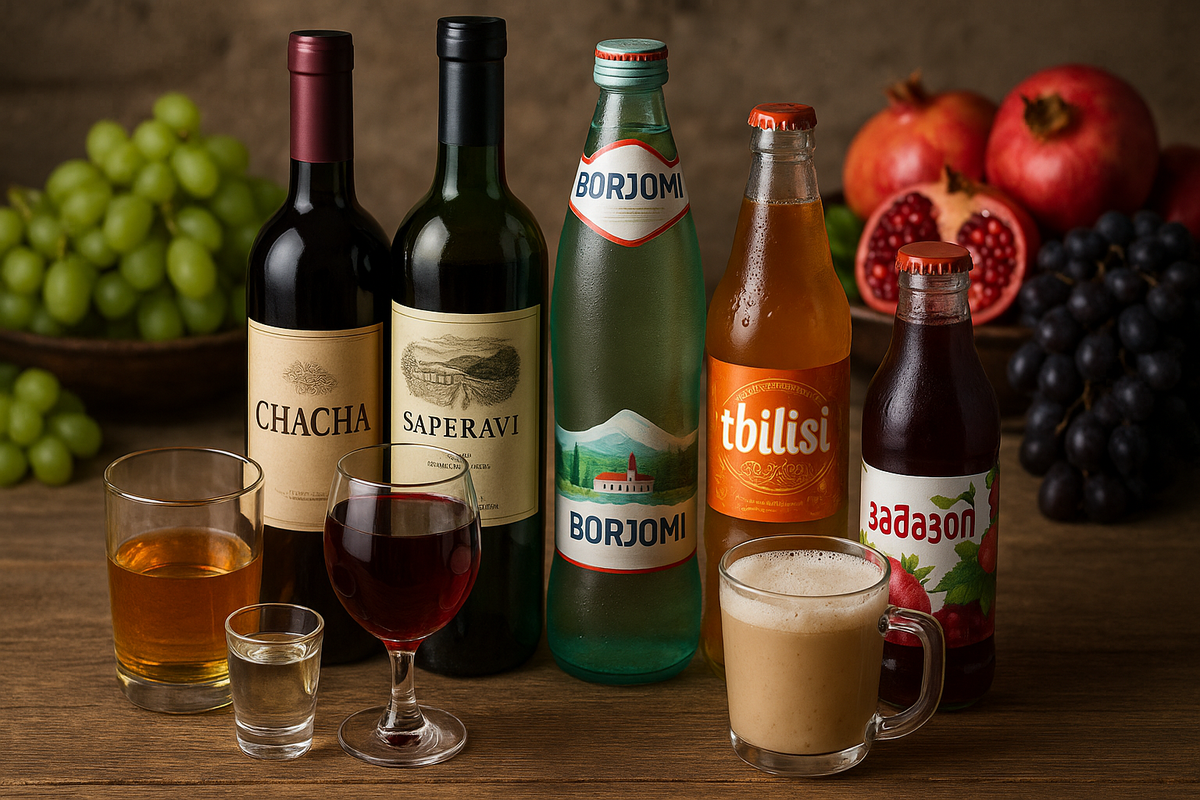
🥤 Non-Alcoholic Beverages of Georgia
In Georgia, non-alcoholic drinks aren’t just a substitute for wine—they’re a standalone culinary culture. Lemonades, matsoni, tea, and compotes are served across regions, each with its own character and drinking ritual.
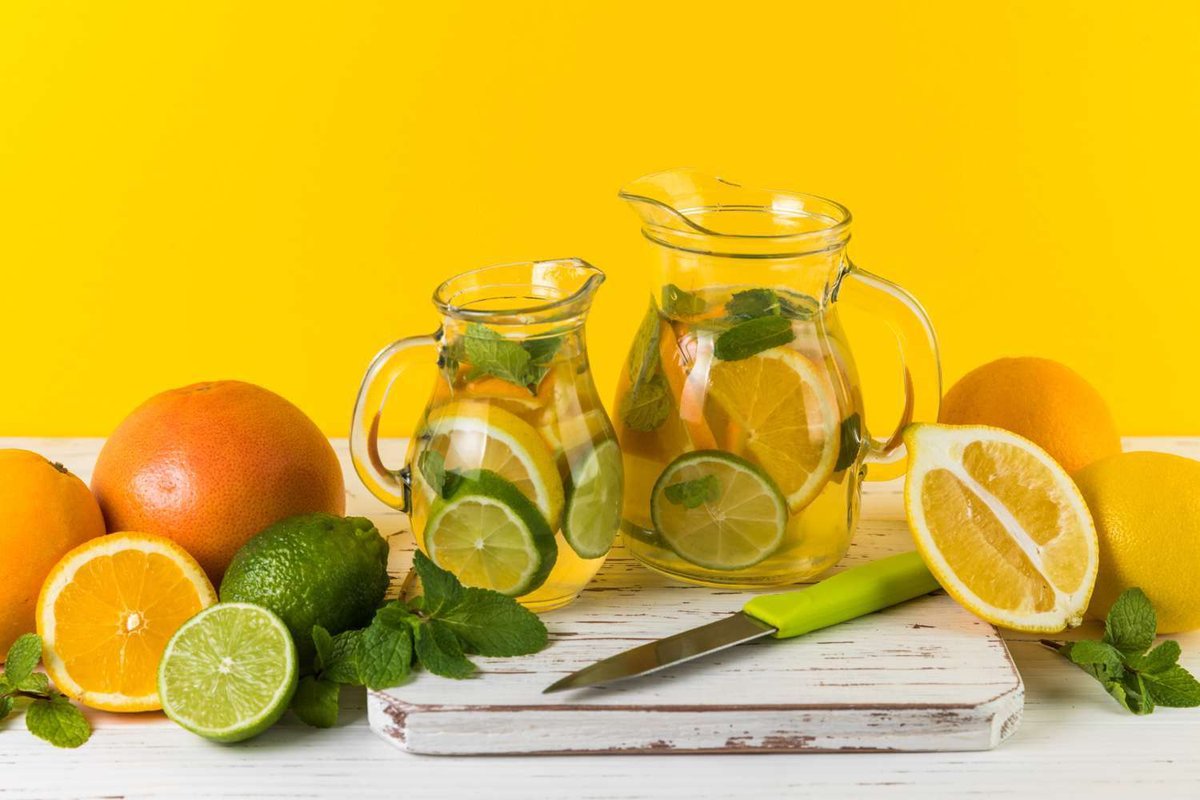
🥤 Georgian Lemonades — A Taste of Childhood and Nature
Georgia is one of the few countries where lemonade isn’t just a sweet drink, but a whole culture. It’s enjoyed with khinkali, alongside barbecue, on the streets, and in cafés; beloved flavors are passed down through generations.
The famous brand “Natakhtari” offers dozens of varieties: pear, feijoa, grape, cream soda, tarragon, Saperavi. All are crafted from pure mineral water with natural flavorings and real fruit juices.
Beyond “Natakhtari,” popular labels include “Zandi”, “Kazbegi”, and “Lagidze” — each presenting unique recipes, from classic to exotic.
💡 Tip: in summer, grab a bottle of lemonade on the go — it quenches thirst perfectly and doubles as a dessert.
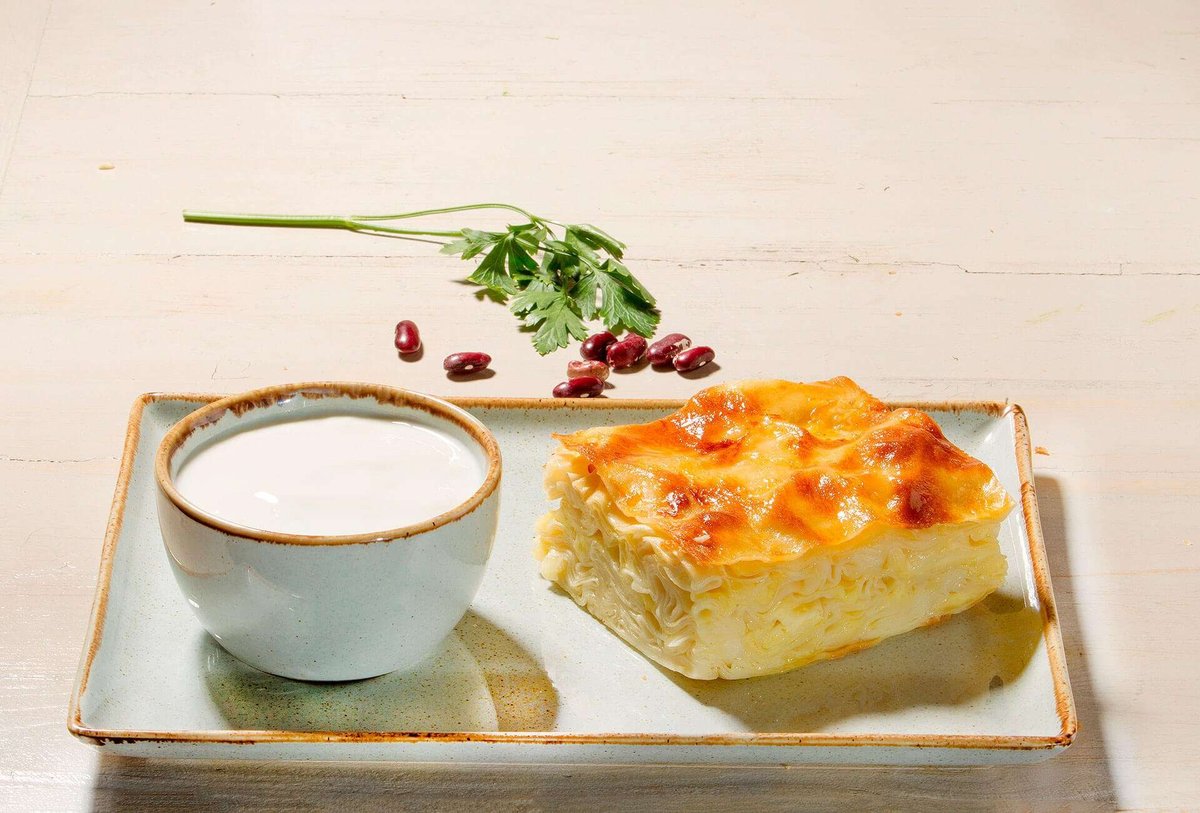
🥣 Matsoni — Georgia’s Fermented Dairy Pride
Matsoni isn’t just a fermented dairy drink; it’s woven into the daily culture of Georgia. It’s served with any meal: lobio, bread, roasted corn, or khachapuri. You’ll find matsoni in every home and at every market.
Made from natural cow’s or sheep’s milk through fermentation. In regions like Svaneti and Racha, matsoni recipes are passed down through generations and cherished as family heirlooms.
It refreshes, satiates, and supports healthy digestion. Most importantly, it replaces water in the heat—especially in villages and mountain areas, where hard work and high temperatures go hand in hand.
💡 Tip: try matsoni with honey or nuts—a healthy dessert that tastes surprisingly delicious.
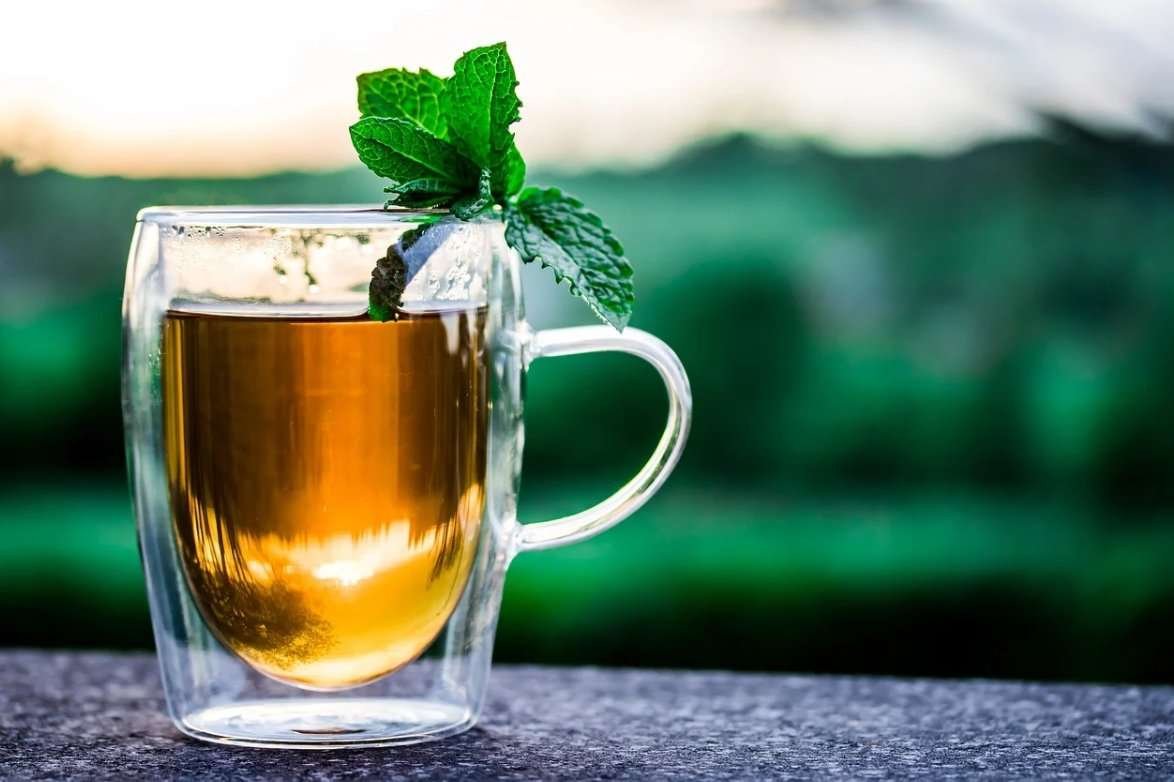
🌿 Georgian Tea — A Rediscovered Treasure from Guria and Samegrelo
Tea in Georgia isn’t just a beverage; it’s part of the country’s history. It began flourishing in Guria and Samegrelo at the end of the 19th century, and by the mid-20th century, Georgia was one of the Soviet Union’s largest tea republics. Every home had a teapot on the stove, served with homemade jams, pastries, and sulguni cheese.
Today the tradition is a bit forgotten, but Georgian black and green teas are still produced in western regions. They’re full-bodied, with a gentle astringency and earthy notes—perfect for chilly weather. Tea is often served with lemon and honey, and accompanied by churchkhela or mchadi.
In stores, you can find both factory-produced brands (like “Guria” or “Georgian Tea”) and farm-grown teas that are hand-picked (only the top leaves), sun-dried, and often scented with mint, wild thyme, or marigold petals.
Tea in Georgia is comfort, conversation, and a moment to pause. It’s enjoyed morning and night, alone or with friends. If you want to bring back something genuine and fragrant, a packet of tea from Guria is an excellent choice.
💡 Tip: try brewing tea with a spoonful of Georgian honey from Samtskhe-Javakheti or Racha—the result is smooth, rich, and warming. Ideal for autumn and winter.
☕ Turkish‑Style Coffee — A Fragrant Georgian Ritual
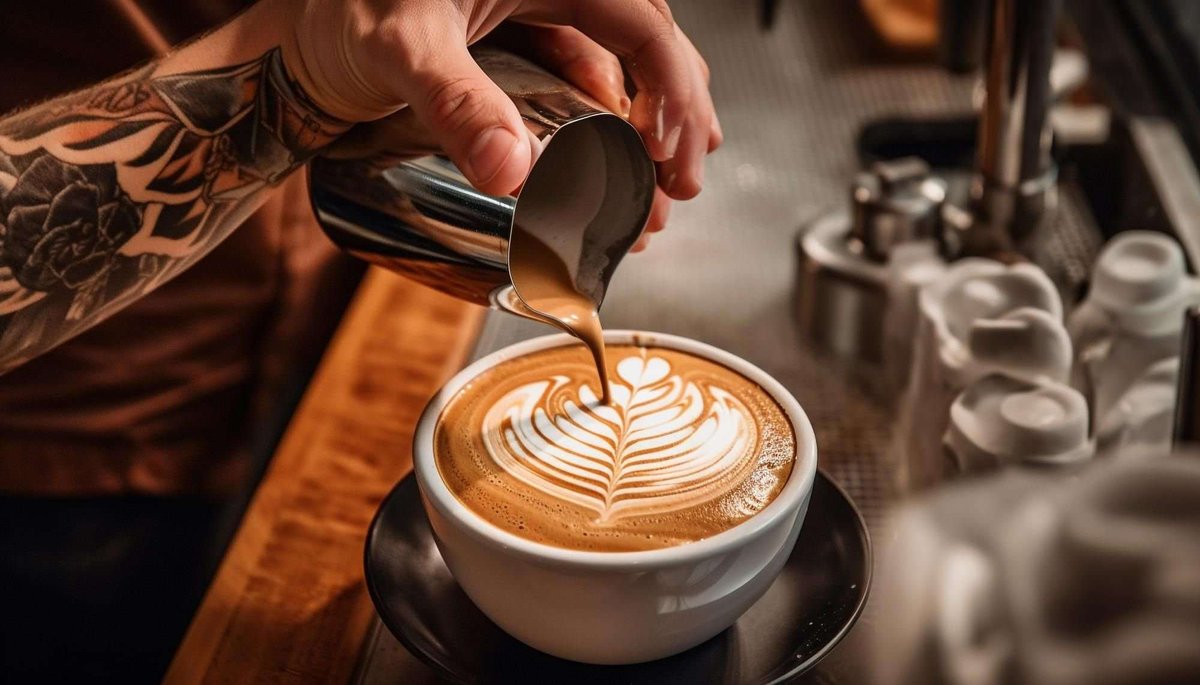
Coffee in Georgia isn’t just a drink; it’s a full morning ceremony. It’s brewed in a cezve until a thick crema forms and served unsweetened—with churchkhela or a piece of halva.
The strong, slightly bitter flavor is most popular—perfect for waking up, especially on chilly mornings. In Tbilisi and Batumi, you’ll find it at street coffee stalls; in villages, in every home.
Coffee is often spiced with cardamom, cinnamon, or cloves, giving it an exotic twist. This drink warms both soul and body.
💡 Tip: be sure to try Turkish‑style coffee in the Old Town—especially in shops with copper cookware. The taste is unforgettable.
🍒 Compotes — The Fruity Soul of a Georgian Home
Compote in Georgia is the taste of childhood and a cozy lunch. It’s made from apples, plums, prunes, cherries, grapes, raisins, and even figs. Every season brings its own recipe.
At markets you can find homemade compote in bottles, brewed according to grandma’s recipes. It’s served chilled in summer or warm in winter—especially alongside pkhali and lobio.
Compotes are an essential part of any Georgian feast. Not only are they delicious, but they also aid digestion, especially after hearty dishes.
💡 Tip: be sure to try homemade compote at a tavern or market. The prune and cherry version is especially delightful—slightly tart and incredibly aromatic.
🍷 Alcoholic Beverages of Georgia
The non‑alcoholic spectrum of Georgia is impressive, but it was the stronger drinks that brought the country true fame. Here, alcohol isn’t merely a product but a cultural phenomenon. From ancient wine to modern chacha, from young machari to craft beer—every sip carries history, tradition, and character.
Georgian alcoholic beverages are a ritual of camaraderie, the warmth of feasts, the philosophy of toasts. Now let’s move on to the section where each drink tells its own legend.

🍺 Beer in Georgia — More Than Just an Alternative to Wine
Georgian beer is a drink with character and history. In the highland regions where grapes won’t grow, beer became the traditional alcoholic beverage. It was brewed from wheat and barley, often following old family recipes.
Today you can find both major brands—Zedazeni, Kazi Begi, Natelauri—and craft varieties from small breweries. Flavors range from classic lagers to robust dark ales with caramel notes. It’s served with meat, cheese boards, and cornbread.
In some villages, beer is even allowed for teenagers as a symbol of trust and coming of age. It’s not just a drink; it’s part of local culture.
🍻 Tip: try a craft beer with matsoni or smoked sulguni—a surprising but delicious duo!

🔥 Chacha — The Strong Spirit of Georgia
Chacha isn’t just moonshine; it’s a national symbol. It’s distilled from grape pomace—the skins, seeds, and pulp left after winemaking. Traditional chacha can reach 60% ABV, though store‑bought varieties are usually around 40–45%.
Across Georgia, chacha is sometimes made from quince, figs, apples, or even persimmons. Each type has its own aroma, flavor, and proof. Homemade chacha is especially prized for its smoothness and purity, earning it the nickname “Georgian grappa.”
It’s served before or after a meal—as an aperitif or digestif. Often accompanied by appetizers, true connoisseurs say: chacha is both food and medicine.
💡 Tip: if you’re offered homemade chacha, drink with respect and caution. It can be stronger than it seems!
🍇 Machari — Young Wine on the Verge of Fermentation
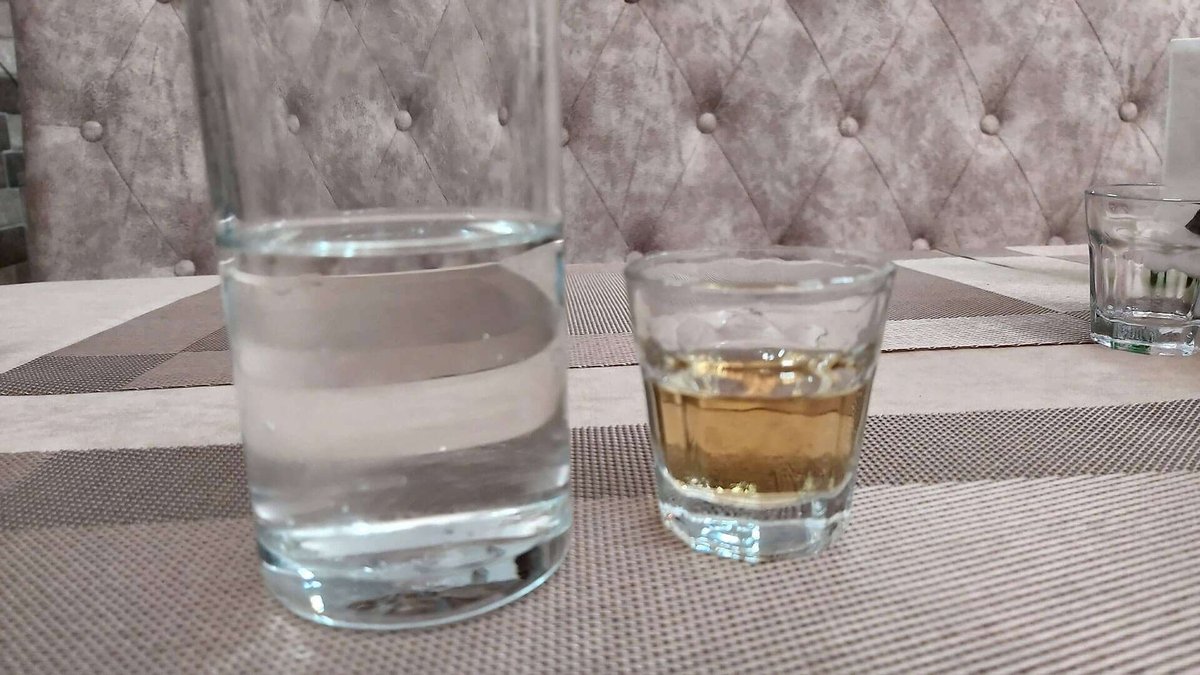
Machari is the transitional state of grape juice. It’s enjoyed during a short season when grapes have been harvested but the wine hasn’t fully matured. The drink contains natural carbonation and a mild alcohol content, offering a sweet‑fruit flavor with a gentle tartness.
Machari is typically sampled during the Rtveli and Tbilisoba festivals, when homemade wine production is in full swing in the villages. It’s beloved by locals and tourists alike for its authenticity, seasonality, and light buzz.
It’s not just a beverage but a living symbol of autumn in Georgia. Note: store machari in a cool place, or the fermentation process will accelerate and quickly turn it into fully fermented wine.
💡 Tip: try machari at a winery or with local villagers—it’s the best time and place to experience the true taste of Georgian autumn.
🥃 Arkhali — Georgian Homemade Moonshine
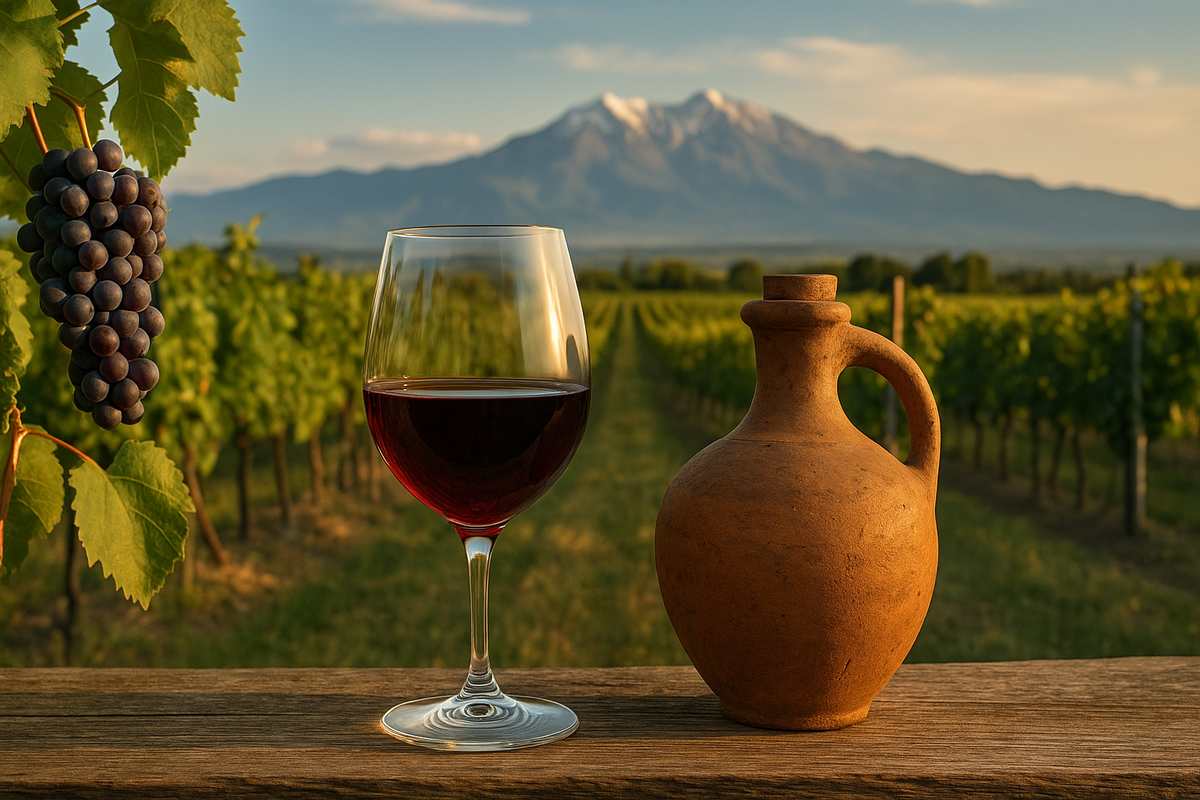
Arkhali isn’t just chacha; it’s its free‑form cousin. This term refers to homemade strong spirits crafted according to family recipes—from corn, bread, figs, or even honey. Each region has its own tradition.
Arkhali is often distilled in the mountains using homemade stills. It can be cloudy, with notes of bread or herbs—everything depends on the recipe. Strength? It can reach up to 70% ABV, especially if double‑distilled.
This drink is reserved for special occasions, shared among close ones. You won’t find arkhali in a store—it’s passed “from father to son,” bottled in repurposed mineral water containers, and kept in the shade.
💡 Tip: if you’re invited to a toast with arkhali, don’t refuse—but pace yourself, as this spirit is no joke.
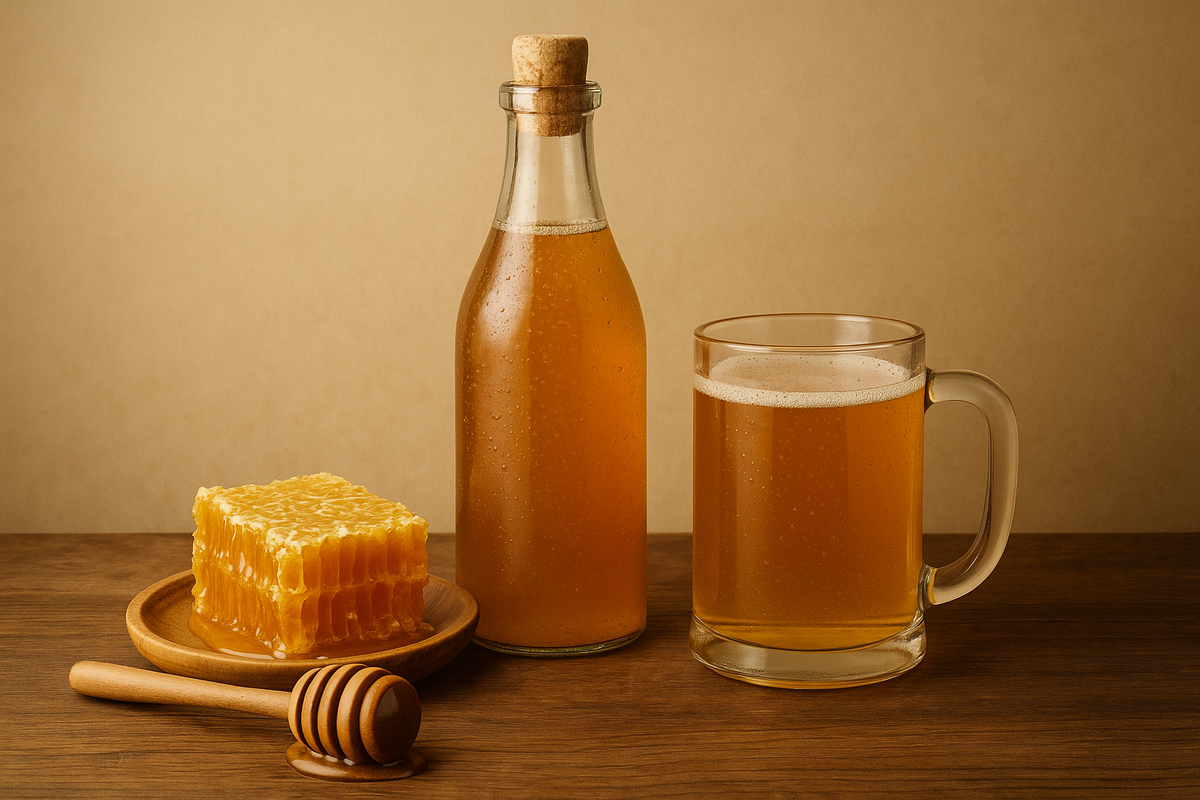
🍯 Medovukha — The Ancient Drink of Kakhetian Feasts
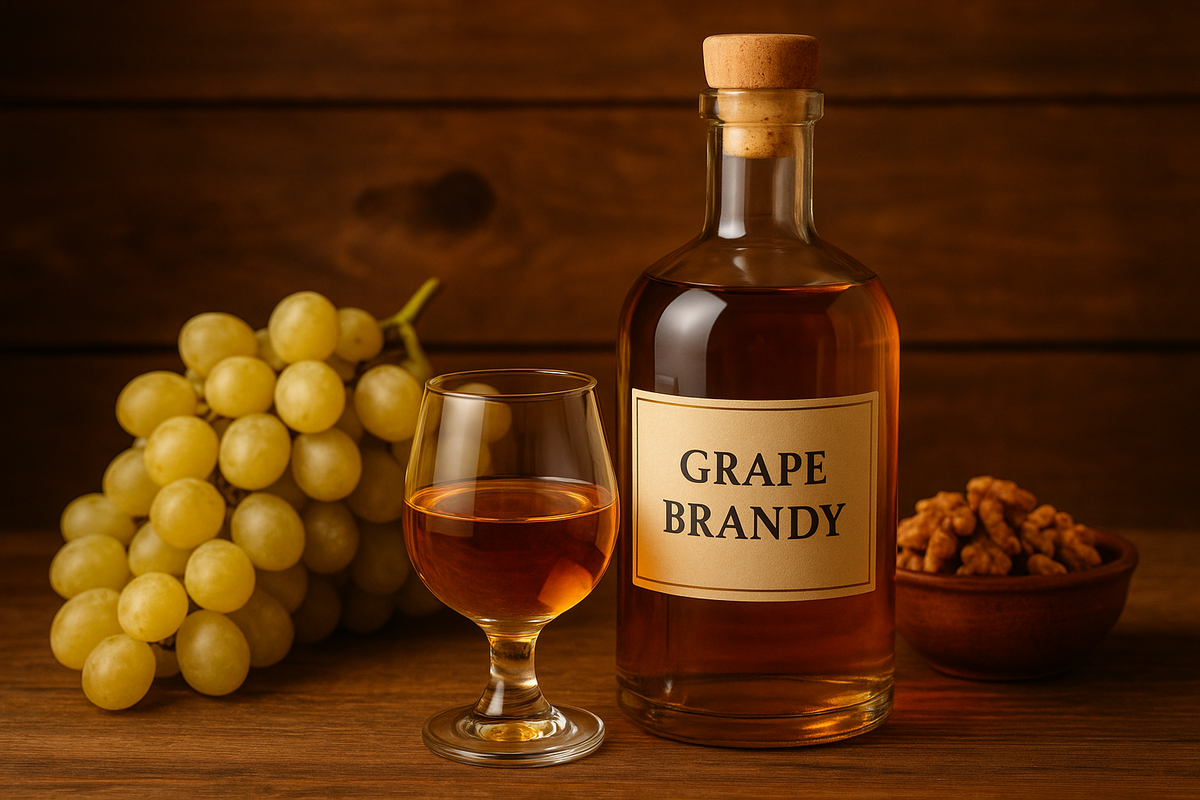
Medovukha is Georgia’s take on the honey brews of Slavic lands. Here it goes by many names: “honey chacha,” “honey wine,” or simply “honey drink.” It’s made in Kakheti, Tusheti, and other regions where beekeeping traditions run deep.
Classic medovukha is brewed from honey, water, and natural yeast. Its flavor is smooth and sweet, with a gentle spiced finish. ABV ranges from 5% to 15%. It’s served chilled alongside meat, cheese platters, or simply sipped on a hot day.
Sometimes hops, herbs, or cinnamon are added for aroma and strength. This drink not only quenches thirst but lifts the spirit.
💡 Tip: seek out homemade medovukha at farmers’ markets or from beekeepers in villages—the bottled stuff can’t compare to the real deal.
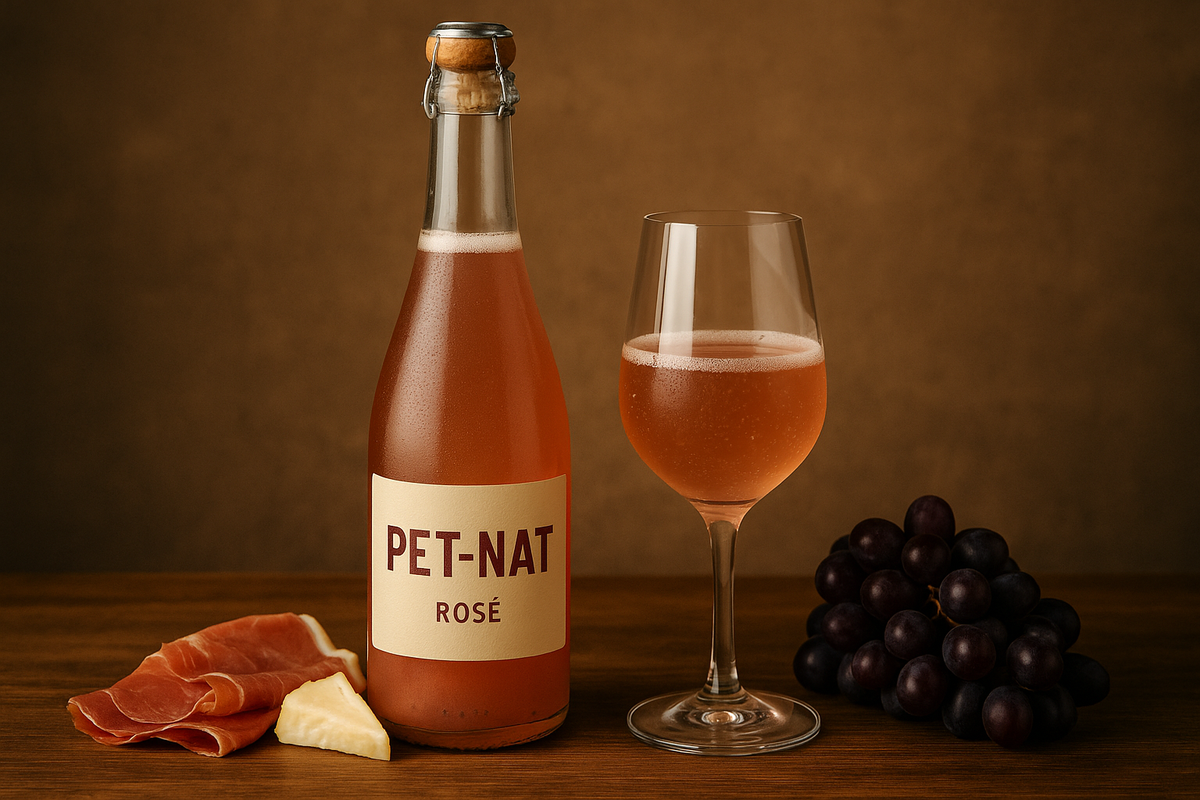
🍾 PetNat — Sparkling Natural Wine
PetNat (Pétillant Naturel) is a natural sparkling wine made using the ancient ancestral method. Unlike Champagne, the secondary fermentation happens right in the bottle without added sugar or yeast.
In Georgia, PetNat has been produced actively over the past 10 years, and it’s become a cult favorite in wine bars in Tbilisi and Batumi. The flavor is fruity, slightly wild, with a yeasty finish and natural effervescence. It’s perfect for summer evenings or as an aperitif.
Serve chilled, often alongside light appetizers. It can be cloudy—that’s normal and part of its natural charm.
💡 Tip: open your PetNat bottle carefully—it can be highly pressurized. Chill well before serving.
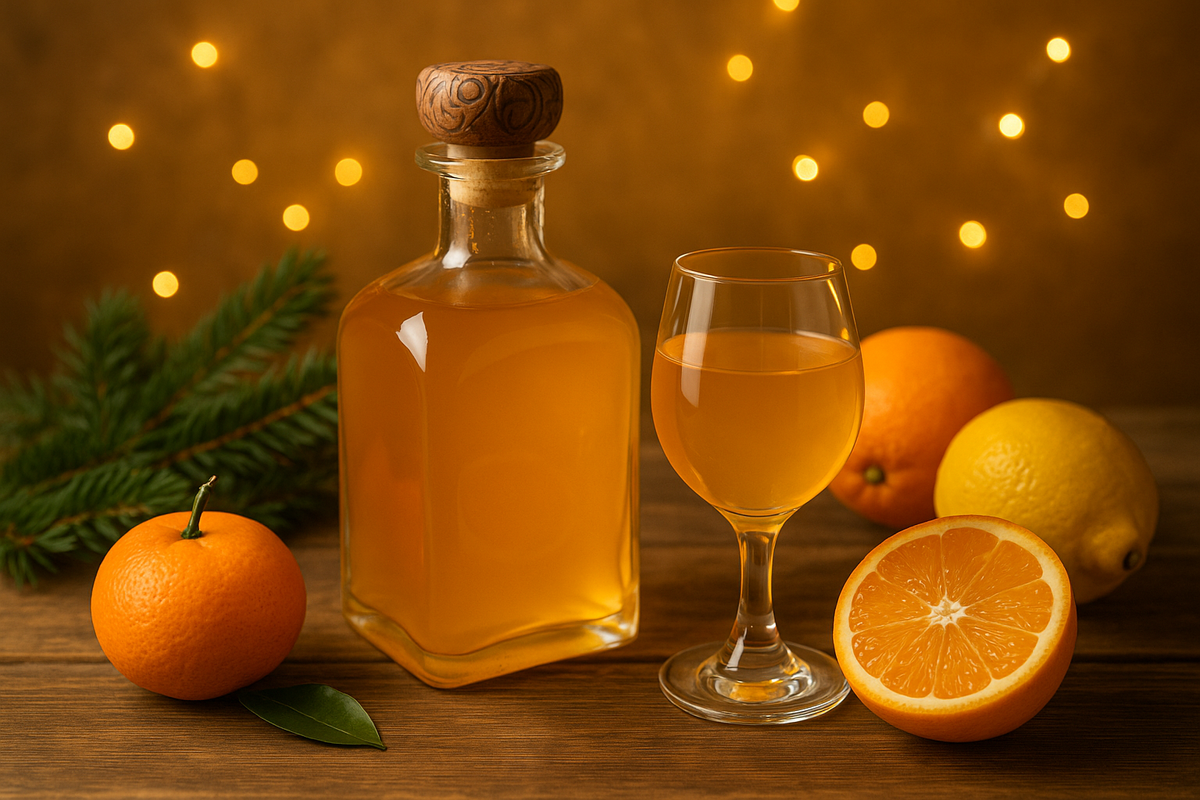
🍊 Citrus Liqueurs — Fragrant, Sweet Tastes of Winter
Homemade liqueurs made from tangerines, oranges, and lemons — are among the most popular winter drinks in Georgia. They’re crafted according to age‑old recipes: peeled citrus fruits are steeped in vodka or chacha, left to infuse in a dark place, and served with desserts.
The color of the drink varies by fruit—from bright orange to amber. The aroma is rich and spicy, with notes of peel and zest. The flavor is full‑bodied and sweet, with a gentle citrus finish. These liqueurs are often served at winter feasts, especially during New Year and Christmas.
💡 Tip: serve your citrus liqueur lightly chilled — it’s the perfect companion to fruit tarts, cheese, or a cozy evening in.
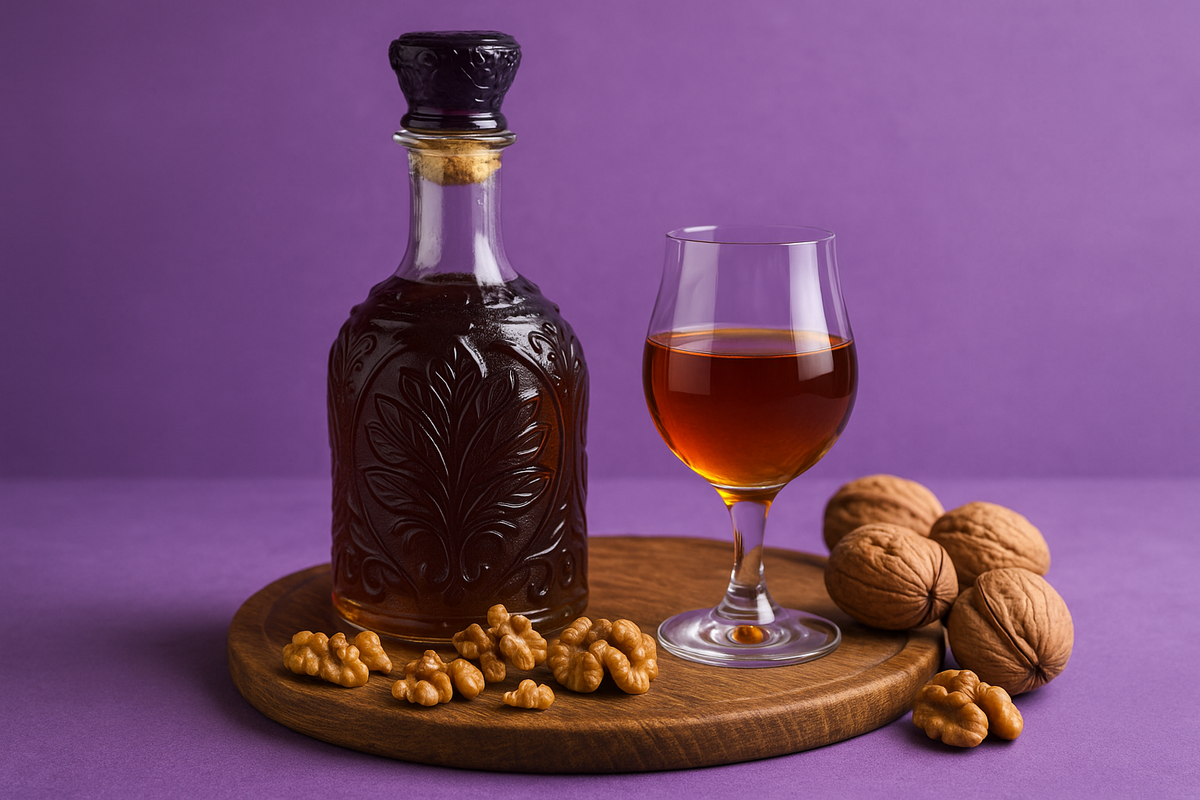
🌰 Gudatskvani — A Walnut Infusion with Character
Gudatskvani is one of Georgia’s most authentic infusions, crafted from green walnuts. Its flavor is astringent and rich, with notes of caramel, spices, and oak. In folk tradition, it’s considered both medicinal and warming.
The infusion is made by steeping green walnuts in chacha or vodka, with added sugar, cinnamon, and sometimes cloves. The process takes at least a month, and the longer it ages, the deeper the flavor becomes.
Gudatskvani is served in small glasses at room temperature. It’s revered in Mingrelia, Guria, and other western regions. This drink isn’t for rushing—it’s for leisurely conversations around the table.
💡 Tip: pair gudatskvani with sulguni cheese or nut‑based desserts for a perfect match.
💧 Mineral Water in Georgia — Wellness from the Depths of the Mountains
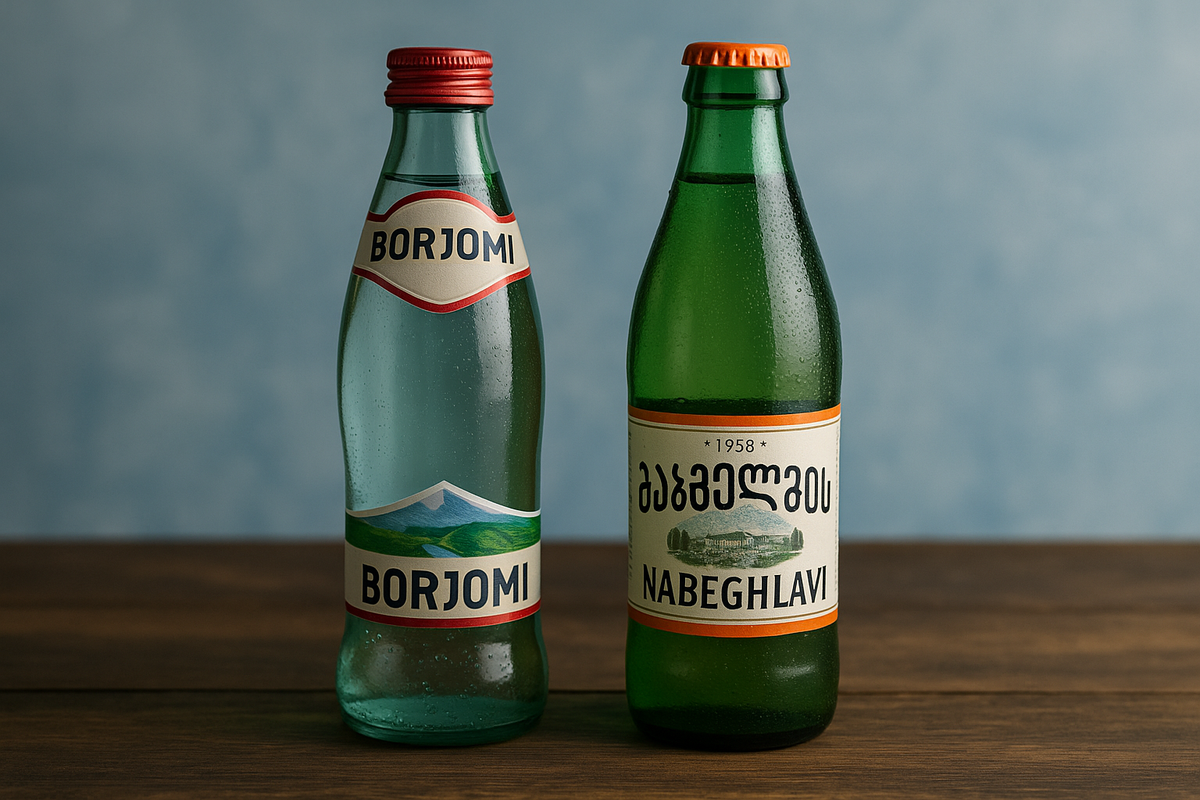
Georgia is famed for its mineral waters, known far beyond its borders. From Borjomi and Nabeglavi to rare healing springs, each has its own unique composition, taste, and health benefits.
Some waters, like Borjomi, emerge warm thanks to geothermal origins. Others refresh with cool clarity and aid digestion. In total, the country boasts over 700 mineral springs.
They’re sipped at feasts, used in medicine, bottled for home, and even draw visitors to specialized sanatoriums for therapeutic courses. Mineral water isn’t just a drink—it’s part of Georgia’s culture of self‑care.
💎 Borjomi
Alkaline mineral water of volcanic origin. Aids with digestive issues, gut health, and hangovers. Features a pronounced slightly salty taste.
🌿 Nabeglavi
Gently carbonated and mild in taste. Excellent for quenching thirst and daily drinking. Sourced from western Georgia.
🌼 Likani
A light mineral water for general wellness and prevention. Contains less mineralization than Borjomi. Ideal for morning consumption.
🏔 Sno
Low-mineral water from Kazbegi. Perfect for people with hypertension and for daily use without putting strain on the kidneys.
🌸 Zeda
Soft, lightly mineralized water from Racha. Often used in baby food and served in restaurants as a soda alternative.
💧 Bakhmaro
Clear water with a very light mineral aftertaste. Sourced at 2050 meters above sea level. Commonly used in Guria as table water.
Fun Fact: during Soviet times, under the “Bakhmaro” brand, a tonic tea drink was produced from lower‑grade tea leaves. It featured a velvety sweet‑and‑sour flavor with a hint of astringency, reminiscent of “Baikal” or “Pepsi,” but with a Georgian twist. Today, “Bakhmaro” is mineral water that retains the name and spirit of its past. It takes its name from the high‑mountain resort of Bakhmaro in the Guria region — one of Georgia’s most picturesque and mist‑shrouded spots, where mountain and sea air combine to create a unique microclimate. Visitors come here for relaxation, hiking routes, and healing serenity.
🌄 Beverages by Region of Georgia
Georgia is a land of contrasts, reflected not only in its landscapes but in its drinks. Each region has its own flavors, traditions, and recipes. Chacha in Racha differs from chacha in Svaneti, matsoni in Imereti isn’t the same as in Guria, and the mineral water of Borjomi is nothing like that of Bakhmaro.
To truly understand Georgian gastronomy, take a look at the map—nature, climate, and cultural heritage have shaped this rich variety of beverages.
🍇 Kakheti
Qvevri wine, aged chacha, PetNat, and citrus-infused liqueurs. The heart of Georgian winemaking.
🥣 Guria
Matsoni, Bakhmaro mineral water, fruit compotes, and citrus lemonades.
🍷 Racha
Rare Usakhelauri dessert wine, walnut infusion Gudatskvani, and smooth chacha.
🍊 Adjara
Citrus liqueurs, homemade lemonades, and Tsikhisdziri mineral water.
🍯 Svaneti
Mountain chacha, medovukha, and herbal infusions made in highland homes.
🫐 Imereti
Homemade matsoni, light wines, and Zedazeni and Kazbegi lemonades.
🍽️ Drinks & Gastronomy: Perfect Pairings
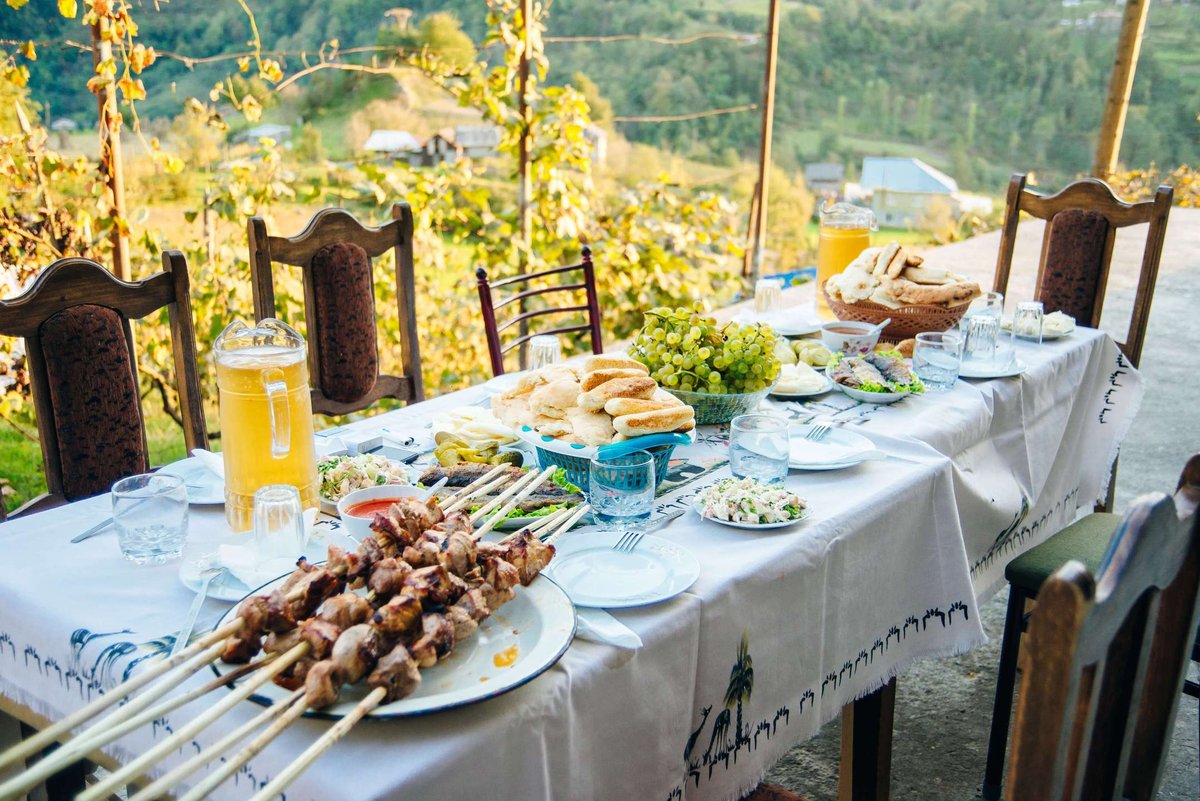
Georgian drinks are inseparable from its cuisine. Here you don’t just eat and drink—you create flawless flavor duos. From chacha with pkhali to matsoni with kharcho, each pairing is a slice of tradition and pure gastronomic bliss.
Dry red wine—like Saperavi—perfectly complements the broth and meat in khinkali. Chacha harmonizes with cheeses—especially aged or sharp—and fruit‑infused chachas sing alongside pkhali. Matsoni tames heat in spicy dishes and aids digestion. Classic tarragon lemonade often accompanies barbecue, contrasting sweet herbal fizz with smoky meat. Light, sparkling PetNat goes wonderfully with sulguni cheese, and mineral water like Borjomi helps wash down lobio and other hearty fare.
Tip: don’t be afraid to experiment! Sometimes the most unexpected pairing becomes the highlight of your Georgian culinary journey.
| 🍷 Drink | 🥘 Pair With | 💬 Notes |
|---|---|---|
| Saperavi (wine) | Khinkali, grilled meats | Enhances the juicy filling of khinkali |
| PetNat | Sulguni cheese, appetizers | A light sparkle—ideal for aperitifs and cheese |
| Citrus liqueurs | Fruits, sweets | Perfect digestif after meals |
| Chacha | Cheese, nuts, pkhali | Bold punch—great with hearty snacks |
| Gudatskvani (walnut infusion) | Pastries, nut brittle | Nutty sweetness complements desserts |
| Arkhali | Vegetable appetizers, spicy dishes | Highlights spice and refreshes |
| Machari | Kharcho, meats, khachapuri | Herbal tartness balances rich foods |
| Mineral water | Lobio, khinkali | Aids digestion and refreshes |
| Matsoni | Spicy food, meats | Soothes heat and cools palate |
| Tarragon lemonade | Shashlik, lobiani | Herbal sweetness with grilled flavors |
| Tea | Khachapuri, jam | Traditional breakfast or tea time |
| Compote | Pilaf, sweet pies | Homestyle flavor for family meals |
📚 Traditions & Culture of Beverage Consumption in Georgia
To drink in Georgia is to respect, to bond, and to live! Here, beverages aren’t just flavors—they’re the language of the people. They accompany every occasion: birth, weddings, the harvest, and long toasts by the fire.
At a supra (traditional feast), there’s no room for random drinks—every choice is made with soul. The tamada plays the lead role, guiding the evening, delivering toasts that bind generation to generation. And every sip confirms what was spoken.
Homemade wines and chacha are passed down like heirlooms. Even non‑alcoholic drinks—matsoni, lemonades, mineral waters—are served with ritual respect. Children are poured into small glasses so they learn to appreciate taste and moment from an early age.
Today, new formats join tradition: wine bars, farmers’ markets, tastings, and gastro‑evenings. But the essence remains: beverages are a way to say “we’re together.”
🎯 Georgia is a country where drinks are sipped not to forget, but to remember. Every drop is a toast to the past, to friends, and to what lies ahead.
Save this article 💾, share with friends 📤, and drop a comment about which drinks you’ve tried and what stuck with you most! 📝
Your stories and impressions are part of this big toast to life

❓ Frequently Asked Questions
Qvevri wine is aged in clay vessels buried underground. It has a deeper, more tannic profile and natural sediment.
Machari is a lightly alcoholic honey drink with natural sweetness. It’s served chilled as an aperitif or alongside desserts.
Today it’s a mineral water from the Bakhmaro resort. In the USSR, “Bakhmaro” was a tonic tea drink made from lower‑grade Georgian tea.
They’re made from natural extracts of herbs and fruits. Varieties like Tarragon, Saperavi, Baikal, and Cream Soda have become part of the country’s cultural code.
These are infusions of seasonal fruits—quince, peach, pomegranate. Served in small glasses and often made at home following family recipes.
A unique infusion made from green walnuts, with a rich, slightly astringent flavor and spicy finish. It’s rare even within Georgia.
PetNat is a natural sparkling wine fermented in the bottle. It’s livelier, often a bit cloudy, with natural carbonation.
Wine—Kakheti; Borjomi water—Samtskhe‑Javakheti; chacha—Imereti & Guria; lemonades—Tbilisi & Kutaisi; beer—Racha‑Lechkhumi region.
Wine with khinkali, chacha with cheese, matsoni with spicy dishes, lemonade with barbecue. All pairings are listed in the table above in our guide!
Yes: matsoni (fermented milk), tarragon soda, spring water, tea, herbal beverages and syrups, and Saperavi lemonade.
Yes, with restrictions: up to 1 L of alcohol in carry‑on, the rest in checked luggage. Use protective packaging or buy duty‑free to be safe.
Keep at room temperature away from direct light. Once opened, it’s best consumed within a few months.
PetNat, chacha, vintage‑bottled lemonades, handcrafted infusions, and mineral waters—perfect gifts with a Georgian spirit.
Check our blog, share your impressions in the comments, and save the article—we regularly update info on Georgian drinks.
Click “Save” in your browser or bookmark it. Don’t forget to share with friends—let them taste the flavors of Georgia!

0 comments
Log in to leave a comment