




Zestafoni, a city guarded by higher powers
By Georgian standards, Zestaponi is a young town. The first mentions of it date back to the 16th century. The town's name translates from Georgian as "ford of higher powers"—it was used by both locals and travelers who found themselves in the area. Zestaponi is located on the Kvirila River.
A Cossack outpost, established here in the early 19th century, also received the same name. The small settlement's development into an industrial center began after the discovery of Chiatura manganese.
In the 1920s, a metallurgical plant was built in Zestafoni, which, according to its designers, used Tkibuli coal and the same manganese from Chiatura. Although some tourists and travelers consider Zestafoni a boring town, the attractions located in the surrounding area deserve mention.
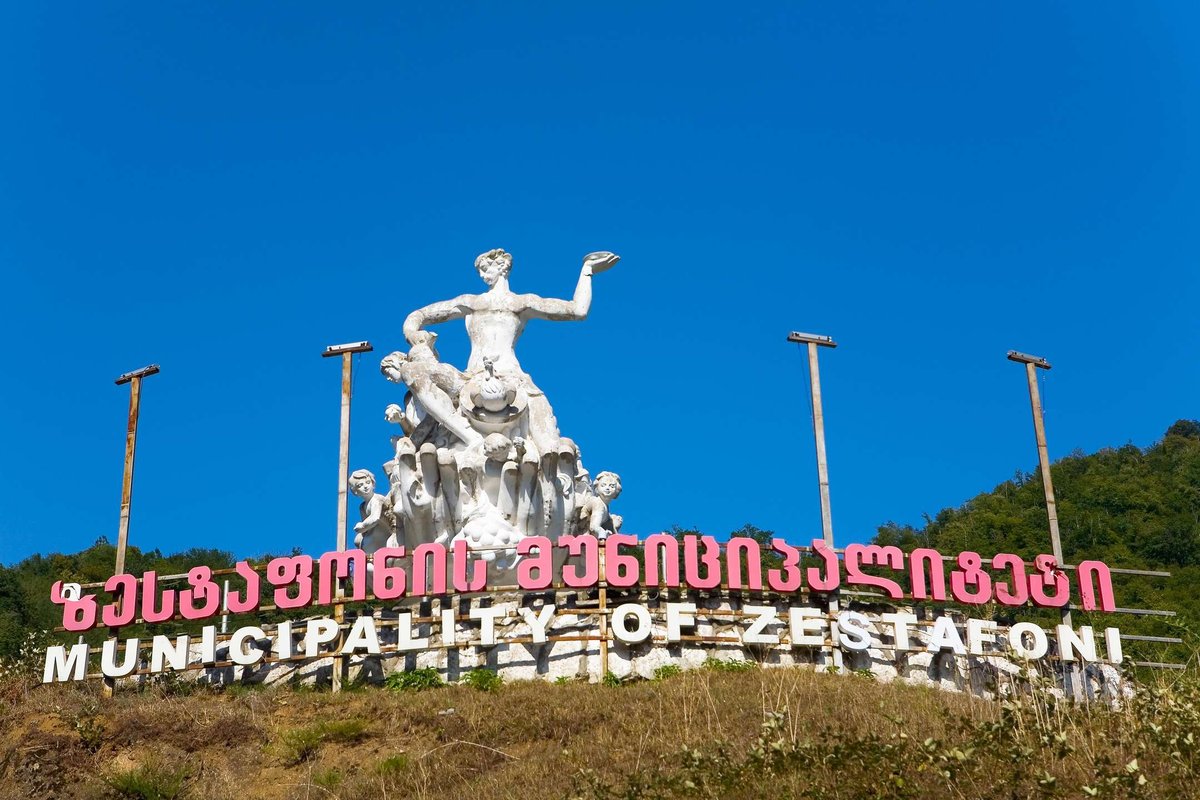
Georgia is famous for its religious monuments. In the Zestafoni district, these certainly include the Zeda-Sakar and Tsev churches, as well as the Tabakin Monastery. For those who truly appreciate "ancient times," a unique discovery will be of interest: in 1942, a crypt of Georgian military leaders dating back to the 2nd century BC was discovered in the Zestafoni district.
Georgian wine connoisseurs can indulge in drinks made from local grape varieties: Tsitska, Tsolikauri, and Otskhanuri. Zestafoni is considered one of the centers of winemaking in Georgia.
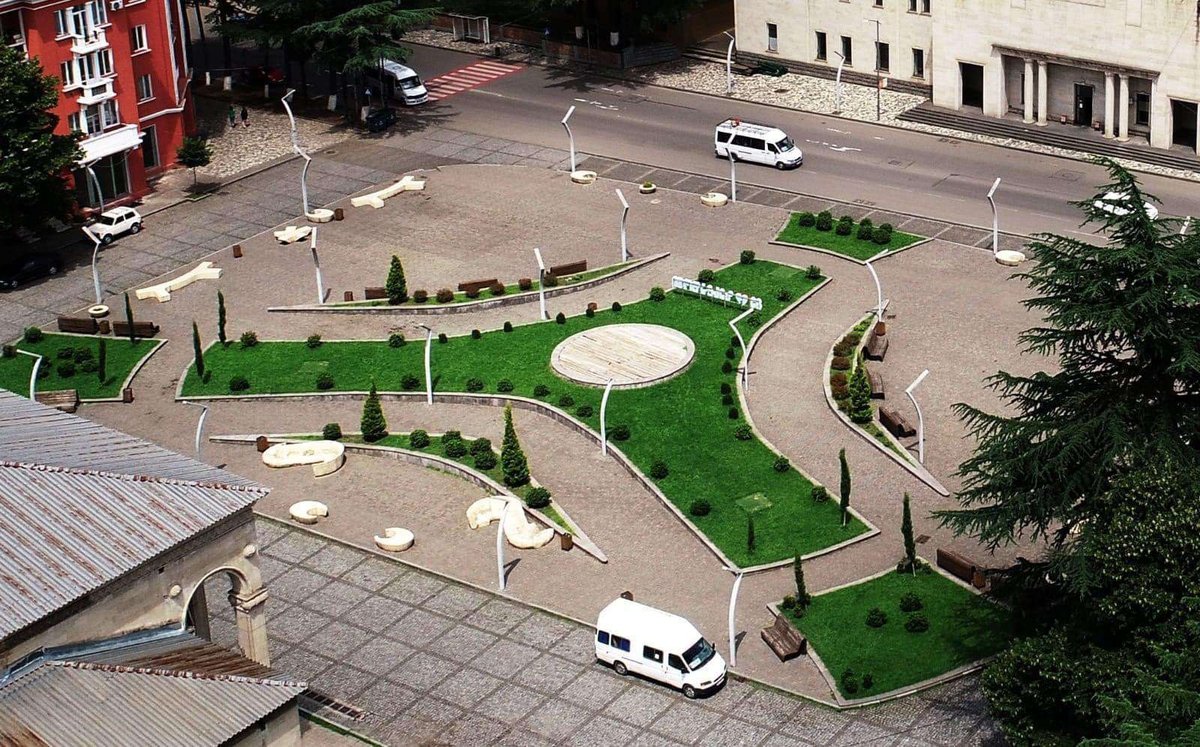
Many historical monuments in Georgia aren't included in tourist guides. However, they may still be of interest to tourists. One such example is the Shorapani Fortress.
Zestaponi is located 180 km from Tbilisi and 30 km from Kutaisi. The city can be reached by both rail and road.

0 comments
Log in to leave a comment