





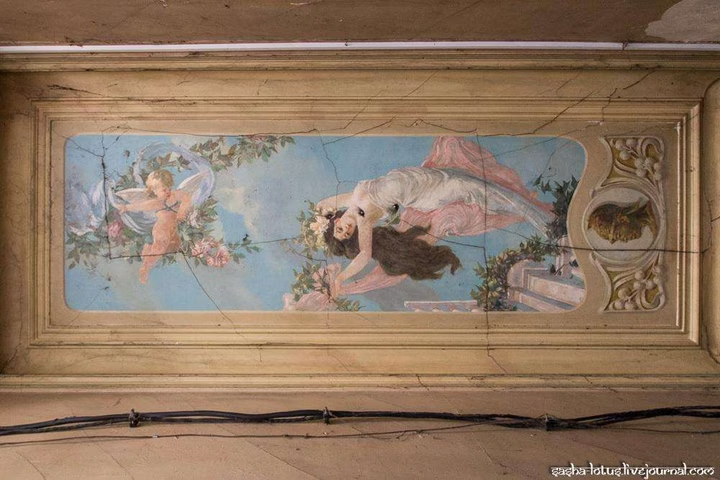
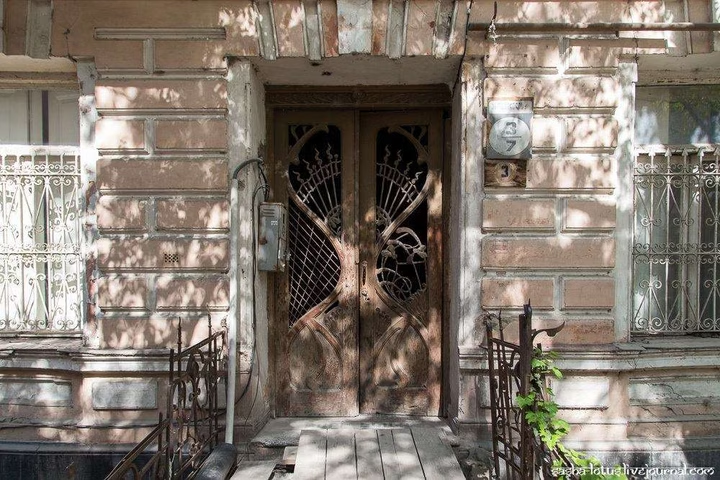
To discover the front door, famous for its ceiling painting, I had to work hard despite the presence of an exact address. The total construction in the district or the demolition of emergency buildings, the abundance of fences and piles of construction debris did not inspire any hope, but other connoisseurs of architectural antiquity helped, and the cherished carved wooden doors to the house of merchant Ashak Khachatryan built in 1902 still appeared to the eye after wandering through the courtyards and alleys near the old Armenian church. At the entrance, an inscription in Armenian is almost worn out and covered with boards: "Enter with good."
The merchant himself lived here for a relatively short time and in 1915, on the eve of the Revolution, he sold the house to the priest Aram Teimurazyants, who served in the church next door. The whole house turned out to be too big for the priest and his family, so he moved into the third floor, and rented the apartments on the other two to tanners and shoemakers. The Bolsheviks reached Tiflis only in 1921, and the apartment buildings suffered the same sad fate as in St. Petersburg. However, Aram himself did not live a few months before this event, and the family snatched away from the Soviet government in full. A boxing school was organized in the church, a widow with four children was practically kicked out of her own house, giving them a tiny room even without windows, and the rest of the space was divided into communal apartments for the same shoemakers and tanners.
One of the priest's daughters later became a famous ballerina and moved to Kharkiv, founding a ballet school there. The second, together with her husband, delved into medical practice and organized the first ambulance in Tbilisi. Nothing is known about the fate of the other two children.
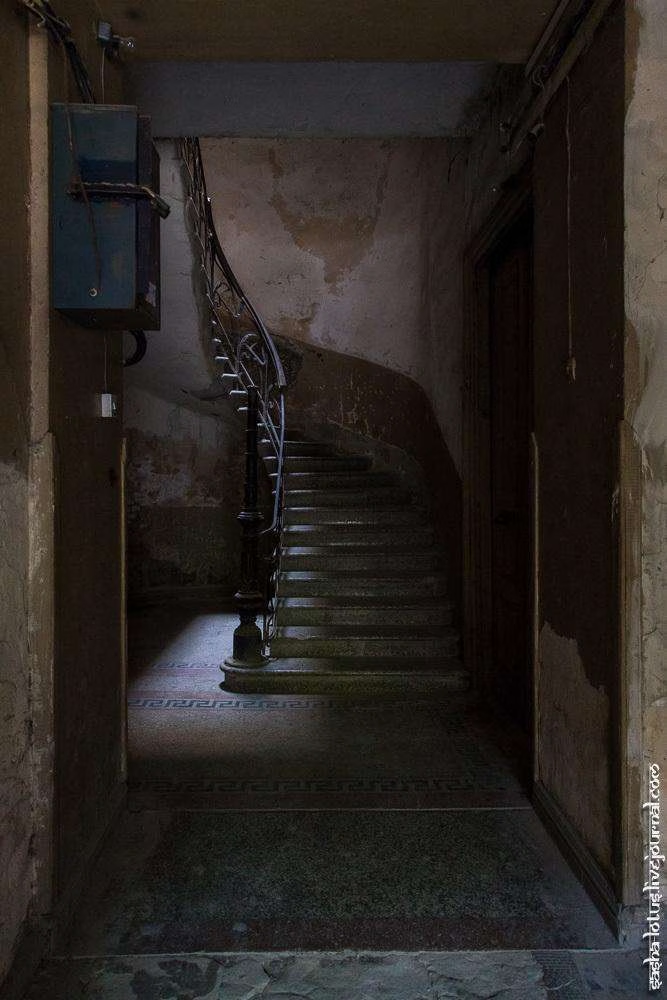
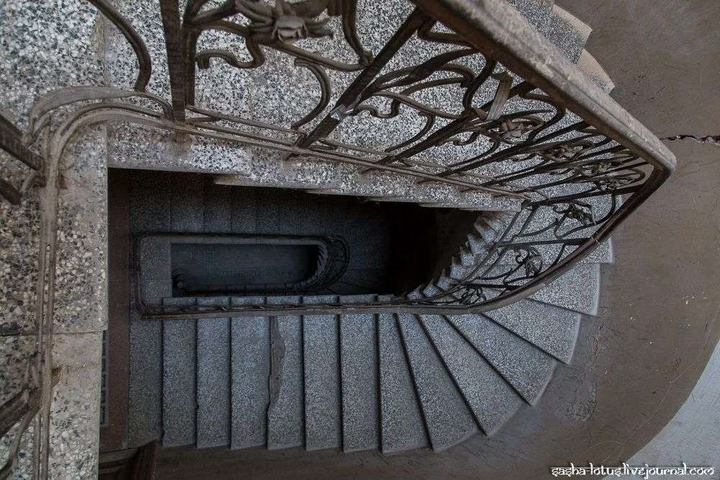
The lantern at the base of the wrought-iron railing of the stairs, as in many other front rooms, has not been preserved and does not function, only the rack remains. Photographers and instagrammers like to catch the light here, standing at the staircase curl and looking up with interest, where if any decoration and interior details existed at the beginning of the last century, they have not been preserved to this day either.

