




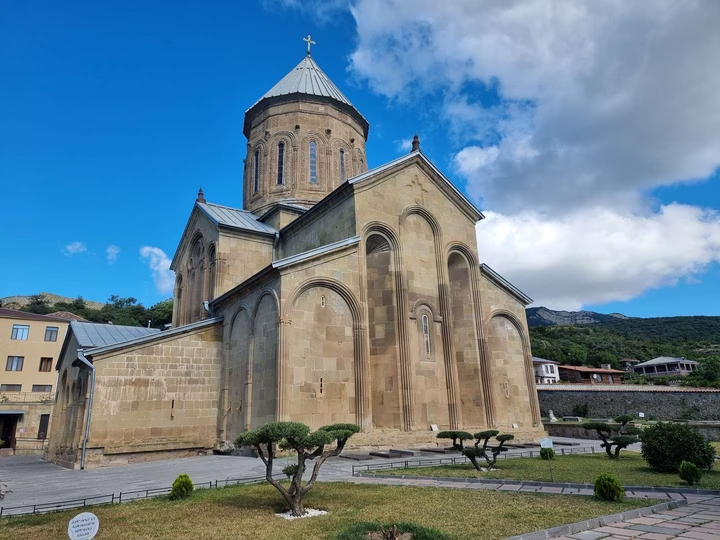
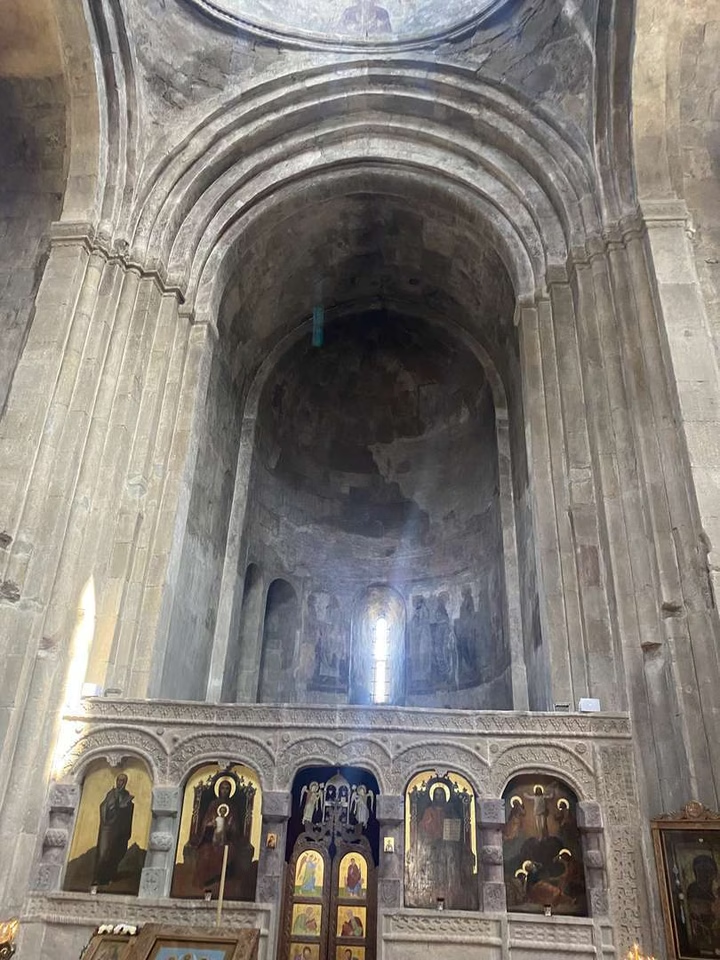
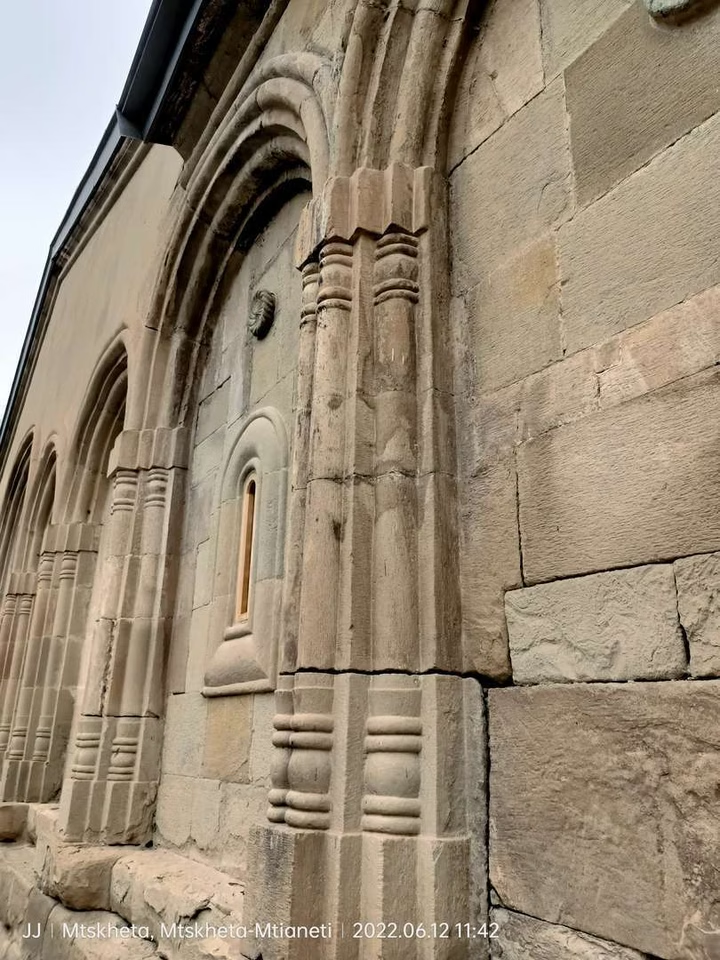
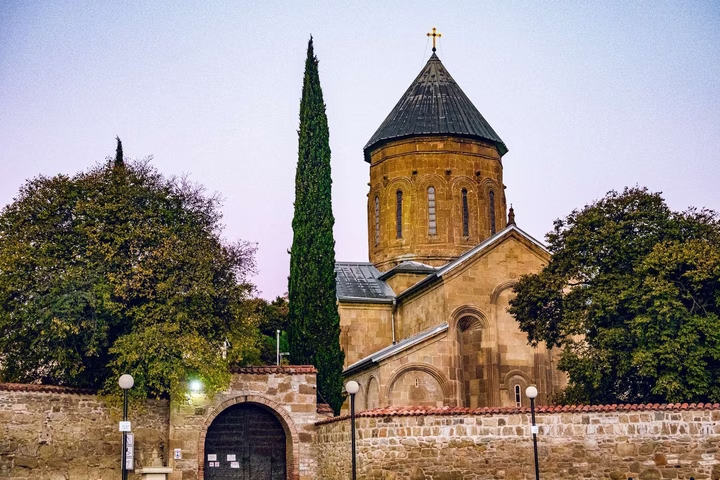
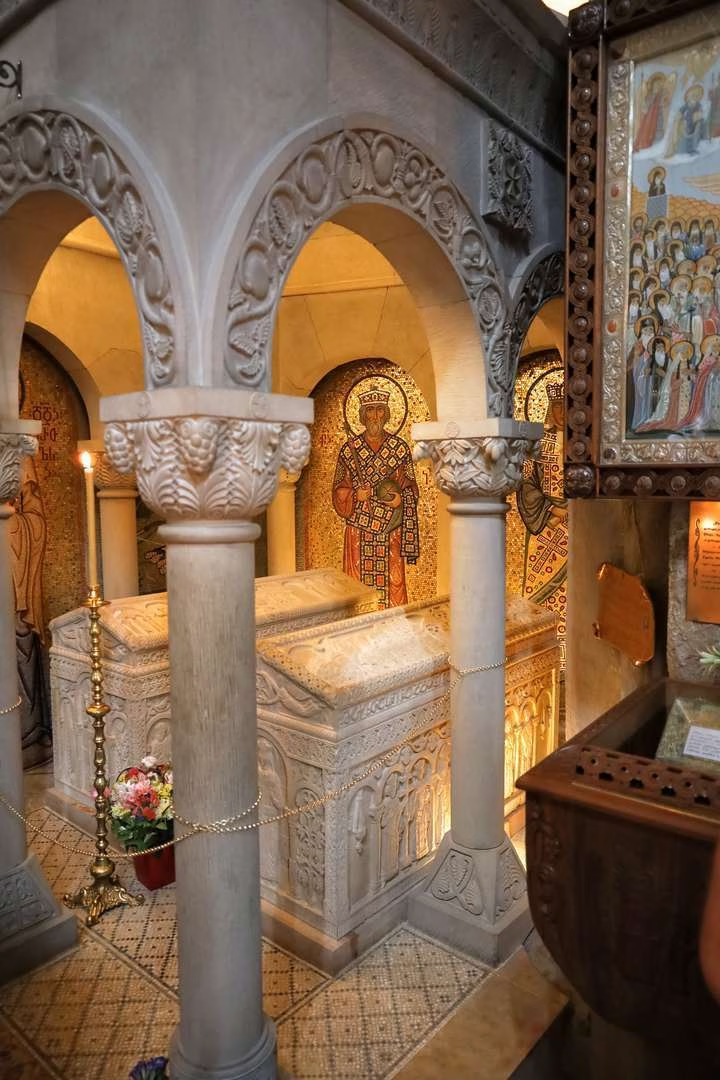
In the heart of the historical city of Mtskheta, surrounded by the quiet beauty of the mountains, is the Samtavro Monastery, which has a rich and important cultural history. This place is imbued with the spirit of holiness and memory, because Saint Nino, King Mirian and Queen Nana lived and were buried here. One of the notable aspects of the architectural heritage of the monastery complex is its main temple, a majestic cross-domed structure topped with smoothly polished walls and a characteristic eastern apse. Despite centuries and earthquakes, this temple has retained its harmony and grandeur.
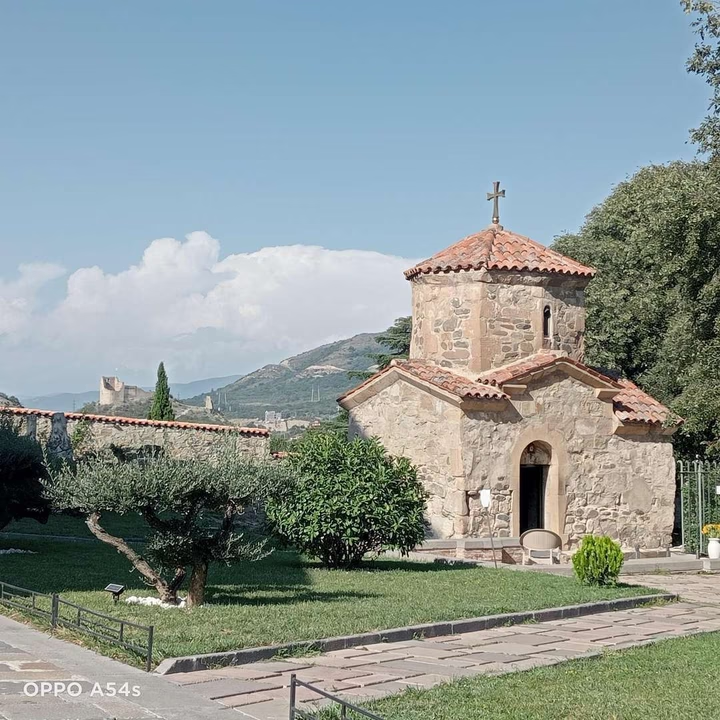
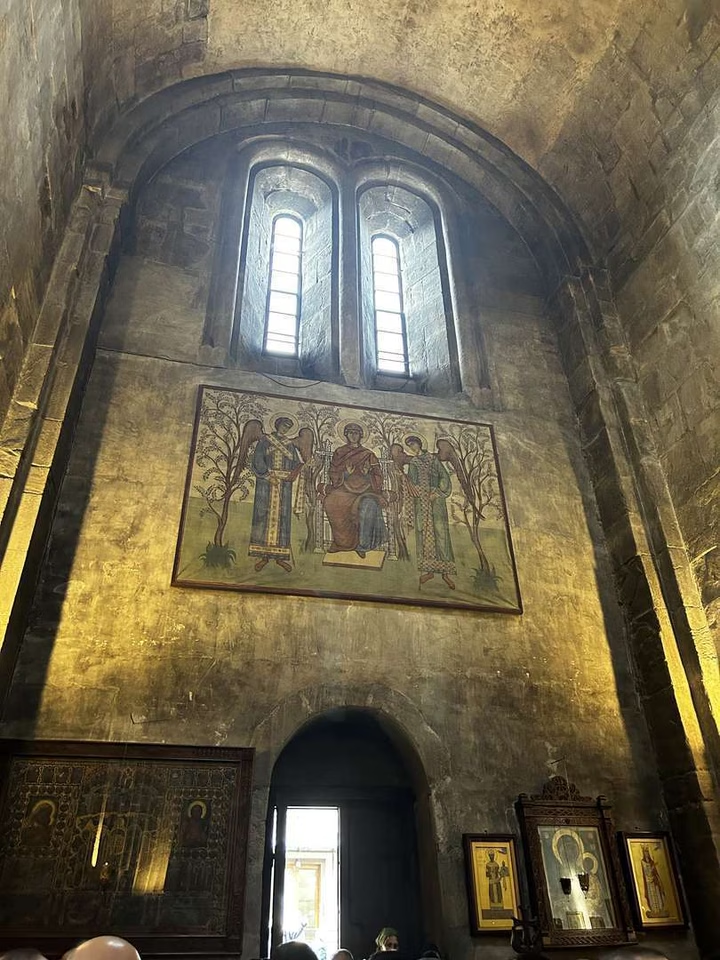
The Church of St. Nino, rising next to the main temple, delights with its simplicity and at the same time grace. Built in the 11th century from cobblestones, it surprises with its arched windows and many ancient details preserved to this day. Inside the church, scenes from the life of St. Nino and other historical moments are recreated, immersing visitors in the atmosphere of an ancient religious tradition.
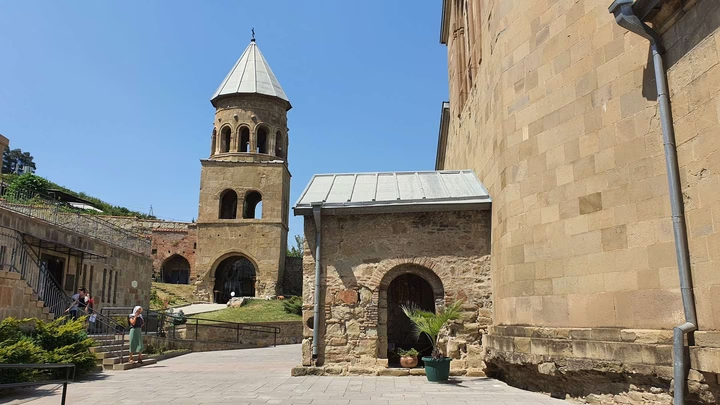
The bell tower of the monastery, with its three-story architecture, is another important element of the complex. Built in the 15th-16th centuries, it towers over the surrounding area, inviting believers to bathe in its sounds.
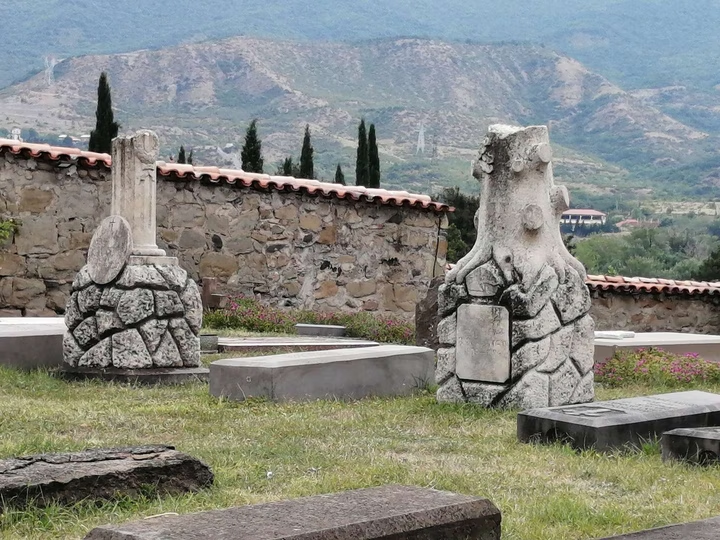
The fence that surrounds the monastery is an integral part of its history. Dating from the 18th century, it reflects not only the protective functions, but also the architectural excellence of its time.
The Samtavro Monastery is not only a historical monument, but also a center of vibrant cultural activity. Workshops and publishing houses operate within its walls, continuing traditions and preserving the heritage of Georgia.
For those who seek to penetrate the spiritual heritage of historical Georgia, a visit to the Samtavro Monastery will not only be a fascinating journey into the past, but also an inspiring experience of contact with the cultural riches of this amazing country.

