




Important aspects of transporting pets: safe and comfortable travel
Understanding the rules and restrictions for transporting pets. Safe travel for your friend
Content
- Guide to transporting animals from one region to another
- Safely transporting animals: from train to plane
- Safely transporting pets: tips, restrictions and the best airlines
- Frequently asked questions
- 🐾 What documents are required to transport a pet across the border?
- 🐾What breeds of dogs and cats can only be transported in luggage?
- 🐾 How to ensure the comfort and safety of an animal during transportation without its owner?
Pet transportation is an important and relevant issue for all pet owners. Whether it is a move to a new place of residence, a vacation trip or the need to take your pet to the vet, the correct organization of animal transportation is an integral part of caring for their well-being. However, this process can become a source of stress and danger for our faithful four-legged friends if certain rules and recommendations are not followed.
In this article, we will look at the key aspects of transporting your pets to help you make a more informed decision. First, we will discuss important preparations before your trip, including a visit to the vet, the need for special documents, and recommendations for preparing your pet for travel. Second, we will look at the various options for transporting your pet, from road trips and air travel to rail travel and sea travel.
We will also look at the specifics of transporting different types of animals - dogs, cats, birds, rodents and others - and give advice on how to make the trip as comfortable and safe as possible for each of them. We will consider the issues of choosing the right carrier, ensuring comfortable conditions during the trip, as well as possible strategies for reducing stress in the pet.
Particular attention will be paid to the legal aspects of transporting animals, including international rules and restrictions to help avoid unpleasant situations when crossing borders. We will also take a detailed look at health and safety issues related to transporting animals and provide advice on how to effectively respond to possible problems during the trip.
Guide to transporting animals from one region to another country
Transporting pets from one region to another country is a process that requires careful preparation and compliance with many rules and requirements. Let's consider the example of transporting a dog from Saratov to Rome, Italy. Before you begin preparing, you must make sure that you have all the necessary documents and comply with the veterinary requirements of the destination country.
An important step is to familiarize yourself with the rules for importing animals to Italy or any other country you are going to. In the case of the European Union, you may need to raise a puppy up to 4 months and make sure that all mandatory vaccinations are available. Contact a specialist in transporting animals, who will provide a list of the necessary documents and help you obtain all permits and certificates.
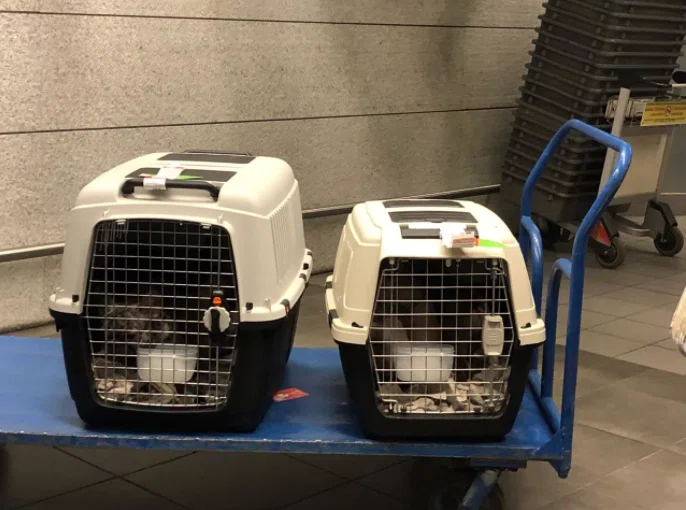
Before the flight, choose a suitable container or cage for the animal that meets the standards of the International Air Transport Association (IATA). It is important to ensure sufficient space and strength of the container for comfortable and safe transportation.
Next, place an order for transportation with an airline with a cargo option or with an escort, depending on the size and nature of the animal. Small animals can be transported in the cabin in a special container, but larger or aggressive dogs should be sent in the luggage compartment.
Before departure, make sure your dog is comfortable and give instructions to the train attendant if you are using rail transport to travel to the airport. The transport specialist you meet will monitor the animal and keep it in good condition until departure.
Upon arrival at the airport, the specialist will check the container and make sure that the animal is in good condition after the journey. He will conduct the necessary checks at the veterinary control and change Russian documents to those that meet foreign standards. If necessary, the specialist will also help to issue official requests to the airline regarding possible flight delays or cancellations.
It is important to take care of the animal's health and get all the necessary vaccinations on time. For example, for a flight to Europe, the dog must have certified vaccinations against rabies and other infections. It is recommended to undergo an examination and obtain a certificate from a veterinarian a few days before departure.
Before crossing the border, the dog must also be chipped to ensure its identification in case of loss. It is important to make sure that the chip is registered in an international database to facilitate the control and verification process at the destination.
Upon arrival at the airport in Rome or another city where the trip is supposed to end, the animal will be met by a representative of the receiving party. It is important to take care of organizing a safe and comfortable meeting, especially if this is a new owner of the animal.
We must not forget that transporting animals is a responsible and delicate process that requires attention to detail. Advance preparation, compliance with all rules and attention to the needs of the pet will make the flight safe and enjoyable for your dog.
Safe transportation of animals: from train to plane
Traveling with pets is a responsible task that requires careful preparation. To ensure the safety and comfort of your four-legged friend during the trip from Saratov to Moscow, it is necessary to follow a number of rules and recommendations for both train and air transportation.
The first step is to choose a suitable container or cage for transporting an animal on a train. The ideal option is an iron cage with a double bottom, allowing the conductor to easily remove the tray after the pet goes to the toilet. The Triol company offers convenient container options, although you can also pay attention to alternative manufacturers.
Dimension restrictions should also be taken into account. For a regular carriage, it is important that the box does not exceed 180 centimeters in the sum of three dimensions. Visual inspection is usually not strict, but it is better not to take risks and choose the optimal container size.
It should also be remembered that no more than 2 animals are allowed to be transported in one cage, and one passenger can send no more than 3 cages on one train. Therefore, if you have several pets, it is worth taking care of the people accompanying you in advance.
When you send your pet on a trip under the supervision of a handler, it is important to provide them with detailed instructions on how to care for the pet. Handlers often need additional training in the field of animal care, so clear and understandable instructions are the key to a safe trip.
Portions of food should be placed in separate bags to prevent the animal from overeating or undereating during the trip. In the case of some pets, the food must be soaked before serving to avoid possible health problems.
If your trip includes air travel, you must take into account additional requirements and restrictions. As a rule, airlines strictly follow the International Air Transport Association (IATA) standards for the carriage of animals.
It is important to ensure that the animal container provides the necessary space for the pet to stand and turn 180 degrees. This is especially important for long flights to prevent discomfort or possible injuries.
Before leaving for your trip, make sure you have all the necessary documents for transporting your pet. Airlines carefully check all documents, and even small errors can result in denied boarding.
An important aspect is the vaccination date. Please note that some airlines require the vaccination date to be 21 days before departure, and exclude the day of the vaccination itself from this period.
To prevent odor and infection during travel, it is worth carefully monitoring the hygiene of your pet. Some airports and train stations provide special toilets for animals, where you can flush or wash the trays of cages.
Based on the above, we can conclude that safe transportation of animals requires careful preparation and compliance with the rules and requirements of transport companies. Take care of your pets and create the most comfortable conditions for them on the road!
Safe Pet Travel: Tips, Restrictions, and the Best Airlines
Dogs and cats often become an integral part of our families, and when it’s time to travel, we want to take our faithful friends along with us. However, transporting animals requires special care and planning. In this revised guide, we’ll cover the important aspects of safe pet travel, and provide interesting new information about rules and restrictions in different countries. We’ll also tell you about the best airlines that provide the most reliable conditions for transporting our beloved pets.
- Follow the rules of ownership. When transporting an animal across borders, make sure it is registered to you and that you are listed on all veterinary paperwork. Otherwise, you will have to pay customs fees. This will not only ensure your pet has a safe journey, but will also avoid unnecessary problems when entering another country.
- Protect the value of the animal. If you are transporting your pet by train or other public transport, try not to display its value. Indicating that the animal is going to a show or is expensive may tempt thieves to steal it. The safety of your pet should always be your top priority.
- Learn about breeds that can only be transported in luggage. Some fighting dogs and cats with wild personalities can be potentially nervous or aggressive in a new environment, so the rules for transporting may vary. Make sure you know the transport requirements for your breed.
- Help your pet cope with the absence of its owner. If the transportation involves separation from the owner, put an object in the box or carrier that is saturated with the smell of home. Usually, this can be a piece of fabric or a soft toy, which will successfully calm the animal during the trip.
Below are the new rules and restrictions in different countries:
- USA: Extensive quarantine. Make sure you understand all rules and requirements before traveling with a pet to the United States.
- China: Strict rules for import. In addition to mandatory vaccinations, authorities may require antibody titers testing one month after vaccination and an additional 180 days of waiting.
- Norway: Pets may only be imported if accompanied by their owner. Options to ship via Finland may be available to simplify procedures.
- Australia: Mandatory 6-month quarantine for animals before shipment. Advance preparation and planning are essential.
- Iceland: All dogs undergo quarantine at the airport. Advance information on rules and requirements is important for safe transportation.
- South Africa: Strict pre-import testing, two-week quarantine, and the possibility of euthanasia if antibodies to certain diseases are detected.
- United Kingdom, Israel, New Zealand: There are certain restrictions on the import of certain breeds and species of animals. Check the latest information before traveling.
Below you can read the recommendations for safe transportation:
- Pack the boxes securely. Use ties and do not skimp on strength. This will ensure the safety of your pet during transportation.
- Research the airline's reputation. Give preference to airlines that demonstrate concern for animals and provide high safety standards during transportation.
- Trust the forwarder. Transfer responsibility for transportation to a specialist who will ensure the safety and comfort of your pet throughout the journey.
Remember that your pet's safety and comfort should be your top priority during transportation. By following these tips and guidelines, you can ensure a safe and enjoyable journey for your faithful friend.
Frequently Asked Questions
🐾 What documents are required to transport a pet across borders?
📝 Veterinary documents are required to transport a pet, including a passport with vaccination and health records, as well as a document confirming ownership of the animal (including the owner's contact details).
🐾 What breeds of dogs and cats can only be transported in luggage?
📝 Generally, fighting breeds of dogs and cats with a wild nature, which can be potentially nervous or aggressive, should only be transported in luggage.
🐾 How can I ensure the comfort and safety of my pet during transportation without my owner?
📝 It is recommended to put something soaked in the box or carrier with the smell of home (such as fabric or a soft toy) to calm the animal during the journey.


30 comments
Log in to leave a comment
В статье достаточно подробно расписаны советы и правила провоза домашних питомцев. Кому актуально - советую прочесть.