




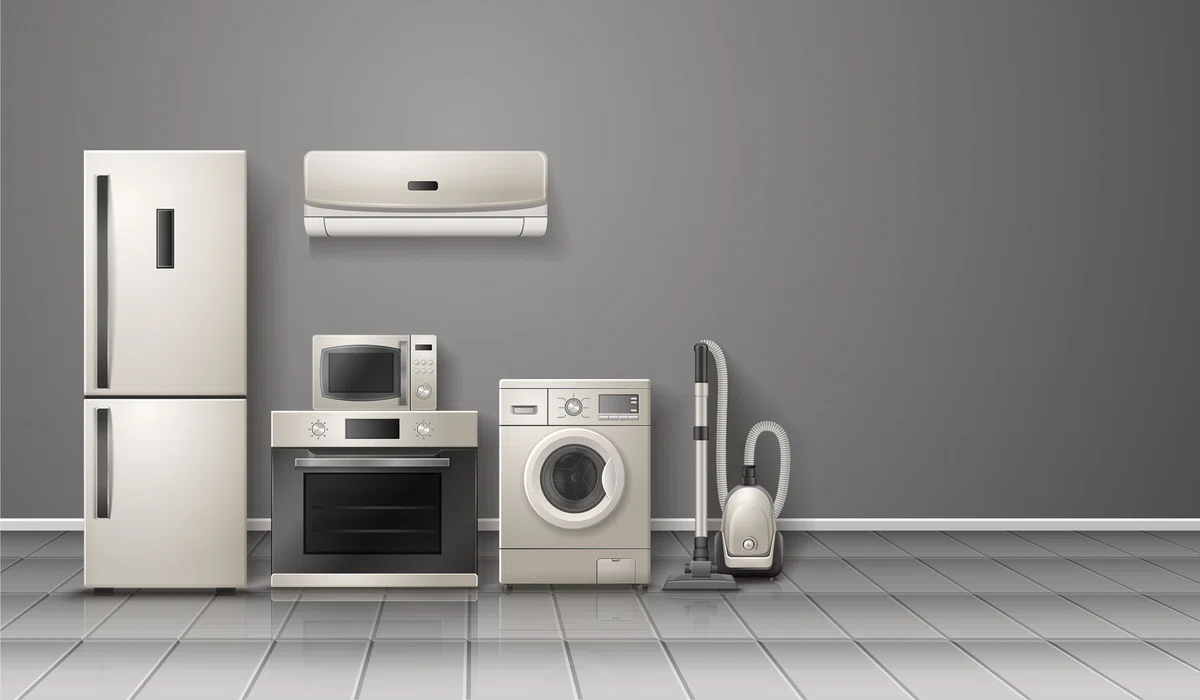
Transportation of household appliances: tips and recommendations for safe transportation
Let's figure out how to safely transport household appliances. Tips and recommendations on packaging and transportation rules. Useful information for the safety of devices.
Content
- Rules for the transportation of various types of household appliances
- Problems with improper transportation of household appliances and ways to prevent them
- Key Aspects of Safely Loading Household Appliances into a Truck
- Innovations in packaging and transportation of household appliances
- Principles of safe transportation of household appliances
- Recommendations for handling household appliances after transportation
- Professionals are the key to safe transportation of household appliances
- Professional storage services in Georgia - a guarantee of safety and comfort
- Frequently asked questions
- 🤔 What material is best to use for packing household appliances?
- 🤔 How to properly load and secure household appliances in a truck?
- 🤔 How to properly unload and install household appliances at a new location?
Moving home appliances like refrigerators, washing machines, and televisions can be a daunting task. Whether you’re moving to a new home or sending your appliances in for repairs, proper transportation is essential to keeping them safe and in working order. This introduction is a guide for those who want to learn the best methods for transporting home appliances without risking damage.
The first step is to prepare your appliances for transport. Whether you’re transporting them yourself or using professional movers, you need to ensure that each appliance is in a safe condition. It’s important to turn off the power and disconnect all connections. Then, thoroughly clean and degrease the surfaces of the appliances to prevent damage and maintain their appearance.
When it comes to packing, choosing the right materials and methods is crucial. First, choose the appropriate size box or container for each appliance. It’s recommended to use the original packaging if you still have it. If not, consider purchasing specialized packaging materials like bubble wrap, foam blocks, and soft fabrics. Use them to protect your device from shock and vibration during transportation.
Rules for the transportation of various types of household appliances
Transporting household appliances requires special care and proper preparation. In this article, we will not only cover the basic rules for transporting various types of household appliances, but also provide you with useful tips and additional information to ensure the safety of your devices during the move.
Large household appliances:
- Refrigerators and freezers:
- 1-2 days before the move, unplug the unit and defrost the freezer, if any. Remove any remaining ice and moisture. If you have a No-Frost refrigerator, wipe it with a damp cloth before packing.
- Remove all interior elements such as shelves, drawers and bottle holders. If you have glass shelves, wrap them in bubble wrap and mark them as fragile.
- Check that the compressor is securely fixed. If necessary, use a rag or cloth for additional protection. The screws of the supports should be screwed in all the way. Then wrap the refrigerator or freezer in cardboard and film. Make sure that the angle of inclination during loading does not exceed 20-30 degrees.
- Dishwashers and washing machines:
- Disconnect all hoses and make sure there is no water left inside the machine.
- Close all detergent drawers tightly and secure them with tape for added security.
- If your washing machine has a glass porthole, protect it with an additional layer of corrugated cardboard or bubble wrap to prevent possible scratches and damage.
- Secure the adjustable clamps to the back of the machine to prevent damage to the drum during transportation.
Small household appliances:
- Digital technology and electronics:
- Before packing, twist and tape cables and wires to prevent tangling and loss.
- For computer equipment, in addition to the system unit and monitor, you also need to transport related devices such as printers, scanners, and gaming peripherals. Pack them separately and mark them as fragile.
- For transporting TVs and plasma screens, use special boxes or pack them in soft material such as bubble wrap or a blanket.
- Vacuum cleaners and microwave ovens:
- Before packing your vacuum cleaner, clean it of any dust or dirt. Make sure all removable parts, such as attachments and brushes, are securely fastened.
- For microwave ovens, it is recommended to use the original packaging. If you do not have this, wrap the oven in bubble wrap and place it in a box, filling the space with soft materials, such as towels or blankets, for additional cushioning.
- Kitchen trifles:
- Before packing kitchen appliances such as bread makers, food processors, coffee machines and air fryers, clean them of any food residue and grease.
- If you have removable parts or accessories, pack them separately and label them to avoid loss.
- Check the packing instructions for each specific appliance beforehand to ensure proper preparation.
In addition to these recommendations, it is recommended to use quality packaging materials such as bubble wrap, corrugated cardboard, soft towels and blankets for additional protection. Also, it is worth remembering that transporting appliances in an upright position may be safer for some devices, so check the manufacturer's recommendations before packing and loading.
Now that you have useful tips for transporting different types of appliances, you can be sure of their safety during the move. Remember that proper preparation and care are key factors in the safety of your valuable devices.
Problems with improper transportation of household appliances and ways to prevent them
Transportation of household appliances can be accompanied by a number of troubles if the rules of careful handling and fixation are not followed. Inexperienced movers or careless actions can lead to damage to the case, dents and scratches on the devices. Large appliances, such as refrigerators or washing machines, require special attention during transportation, as improper handling can lead to their breakage.
To prevent such problems, it is necessary to ensure reliable packaging and fixation of the equipment during transportation. The ideal option is to use the original factory packaging, consisting of a cardboard box and foam inserts. However, if such packaging is not available, you can use alternative materials such as stretch film, bubble wrap, tape, foam balls, soft blankets or corrugated cardboard.
For example, to protect a TV from damage, you should wrap it in several layers of bubble wrap. It is recommended to transport kitchen appliances in the original packaging or use bubble wrap, tape and corrugated cardboard if none is available. Washing machines and dishwashers need to have their doors and openings sealed to prevent damage during transportation. The refrigerator should also be wrapped in film to prevent scratches on the body. When transporting a computer, it is important to twist the wires and secure them with tape to the unit box, and protect the monitor with bubble wrap.
Thus, proper packaging and fixation of equipment play an important role in preventing troubles during transportation. These measures will help protect devices from damage and maintain their functionality.
Key Aspects of Safely Loading Household Appliances into a Truck
Correct loading of household appliances into a truck is an important stage of transportation and requires special attention. Incorrect loading can damage the devices and create a hazard on the road. To ensure safety, several basic principles should be followed.
First, each device must be securely fastened in the cargo compartment of the truck. It is recommended to use special straps for fixing. If this is not possible, you can use pallets or cardboard bases under each device. This will help prevent damage to the bottom of the equipment and protect it from impacts and falls.
Secondly, it is recommended to place large devices closer to the driver's cabin. Refrigerators, freezers, washing machines, dryers, and dishwashers should be placed near the cabin to ensure a more even weight distribution and stability of the truck.
It is also necessary to avoid placing one device on top of another to avoid the risk of damage during uneven movement of the truck.
When working with equipment, it is recommended to use rubberized gloves to ensure a secure grip and avoid falling or damaging the devices.
Following these recommendations, you can reduce the risk of damage and ensure safe loading and transportation of household appliances.
Innovations in packaging and transportation of household appliances
In the modern world, new innovative solutions are constantly being developed in the field of packaging and transportation of household appliances. One of these achievements is specialized packaging materials created to provide maximum protection for devices.
For example, innovative materials with shock-absorbing properties have appeared that absorb shocks and vibrations during transportation. These materials, usually presented in the form of special cushions or inserts, can be used together with traditional packaging materials, such as foam and bubble wrap, to provide additional protection for devices.
In addition, some companies have developed innovative approaches to the transportation of equipment. For example, the use of special automatic systems for loading and unloading devices, which help to avoid incorrect movements of movers and reduce the risk of damage during loading and unloading.
It is also worth mentioning the developments in the field of "smart" packaging, which is equipped with sensors and monitoring systems. These packaging solutions allow you to track the position and condition of devices in real time, which helps prevent damage and ensure the safety of equipment during transportation. Innovations in packaging and shipping home appliances continue to evolve, making it possible to transport devices more safely and efficiently. These new technologies and materials help reduce the risk of damage and improve the safety of your appliances during the move.
Principles of safe transportation of household appliances
- Compliance with the speed limit. To ensure safe transportation of household appliances, it is necessary to adhere to the optimal speed, which should not exceed 70 km/h. Moderate speed will help to avoid possible damage and keep the equipment in good condition.
- Selecting a suitable route. When planning a route, you should pay attention to choosing roads without potholes and bumps. Unevenness and vibrations on the road can negatively affect household appliances and cause malfunctions. If possible, it is recommended to choose high-quality and smooth road surfaces.
- Checking the condition of the cargo. It is important to periodically check the condition of the cargo during long-term transportation. This is especially important when equipment is moving long distances. Inspection of the cargo will allow you to promptly detect possible damage or malfunctions and take measures to eliminate them or ensure the safety of the equipment during the continuation of the journey.
- Ensuring control during transportation with movers. When hiring movers to transport household appliances, it is necessary to ensure careful control over the process. Make sure that the movers handle the devices carefully and pack them correctly, preventing possible damage. If necessary, give them clear instructions regarding the method of transportation and the location of the equipment in the cargo compartment.
Recommendations for handling household appliances after transportation
- Correct placement of equipment. After unloading household appliances, it is important to correctly place them in the room. This is especially important for refrigerators, which contain oil and refrigerant. Before connecting wires and hoses, it is recommended to place other objects and furniture to accurately determine the installation location of the devices.
- Adaptation to room temperature. In winter, it is necessary to give the equipment time to get used to the room temperature before connecting. This is especially important for refrigerators, which require 8 to 12 hours for the oil to defrost and evenly distribute through the pipes. Such a rule will help to avoid possible problems and malfunctions in the operation of the equipment.
- Avoiding connecting "from the cold". Never connect household appliances, especially after transportation to cold conditions, immediately after defrosting or being in the cold. Such sudden temperature changes can negatively affect the operation of the devices and lead to damage and malfunctions.
- Correct placement on surfaces. It is important to avoid installing household appliances on uneven or wet surfaces, especially washing machines and dishwashers. Such conditions may cause incorrect weight distribution, deformation or instability, which may adversely affect the operation and safety of the equipment.
- Correct installation position. It is necessary to install household appliances according to the manufacturer's instructions and avoid installing them on their sides or other incorrect positions. Incorrect positioning may lead to malfunction of the devices and damage to their internal components.
Professionals are the key to safe transportation of household appliances
When transporting home appliances, there are many nuances that need to be taken care of. It is necessary to properly pack the goods, ensure their safe loading and securing inside the truck, and carefully unload and install them in a new place. All these tasks require certain knowledge and experience. Fortunately, professional storage services and warehouses are available in Georgia that can ensure the safe transportation of your home appliances.
Storage services in Georgia offer a wide range of services related to the transportation and storage of home appliances. They have the necessary knowledge and experience to ensure the safety of your equipment throughout the entire transportation and storage process.
When choosing a storage service in Georgia, you can be sure that your equipment will be properly packed. Service specialists have various types of packaging materials that allow you to reliably protect valuable items. Whether it is a modern refrigerator with many complex functions and microcircuits, or a washing machine and dryer, professionals will cope with the task of proper packaging without any problems.
The teams working in storage services have the experience and skills necessary for the safe loading and unloading of equipment. They use special loading carts and equipment to ensure careful and efficient work. Thanks to this, your equipment will be securely fastened inside the truck and will maintain its integrity during transportation.
In addition to transportation, professionals will also help you with unloading and installing equipment at a new location. They know how to carefully unload items and correctly place them in your home. This ensures safety and convenience when installing equipment.
You can use the services of storage services in Georgia, including storage warehouses in Tbilisi and other cities, by contacting the relevant services. They provide all the necessary services for the transportation and storage of your household appliances, guaranteeing your safety and comfort.
Professional storage services in Georgia - a guarantee of safety and comfort
When it comes to transporting and storing home appliances, professionalism plays an important role. There are many tasks, from proper packaging to careful installation at the new location. However, in Georgia, there are specialized storage services and warehouses that can ensure the safe transportation of your home appliances.
Storage services in Georgia offer a wide range of services related to the transportation and storage of home appliances. They have the necessary knowledge and experience to ensure the safety of your appliances at every stage of the process.
One of the key tasks is the proper packaging of the appliances. Professionals working in storage services in Georgia have a variety of packaging materials specially designed to protect valuable appliances. They can handle the packaging of modern refrigerators with advanced features and microcircuits, as well as washing machines and dryers without any problems.
Professionals working in storage warehouses in Tbilisi and other cities of Georgia have the experience and skills to safely load and unload appliances. They use special loading carts and equipment to ensure careful work. Your equipment will be securely fastened inside the truck and will maintain its integrity during transportation.
In addition, professionals will help you with unloading and installing equipment at a new location. They know how to carefully unload items and correctly place them in your home. Thus, safety and convenience during installation of equipment are guaranteed.
Storage services in Georgia, including storage warehouses in Tbilisi and other cities, provide all the necessary services for the transportation and storage of your household appliances. This guarantees you safety and comfort, and also frees you from unnecessary hassle.
Frequently asked questions
🤔 What material is best to use for packing household appliances?
🔍 It is recommended to use specialized packaging materials, such as bubble wrap, foam, stretch film and cardboard boxes. They will provide reliable protection for the equipment from impacts and damage during transportation.
🤔 How to properly load and secure household appliances in a truck?
🔍 When loading equipment into a truck, it is recommended to use special loading carts and straps for securing. The equipment should be placed in such a way that it is stable and does not come into contact with other objects to avoid damage during transportation.
🤔 How to properly unload and install household appliances in a new place?
🔍 When unloading equipment, you should be careful and attentive. Move items gradually and carefully, avoiding sudden movements. When installing equipment in a new place, follow the manufacturer's instructions and make sure that it is stably installed and connected to the appropriate power sources.


23 comments
Log in to leave a comment
Но самый главный совет из статьи, который существенно облегчит вашу жизнь - обратитесь к профессионалам.