




Georgian fruits: richness of flavors, history and modern traditions
Georgia is not just a country of wine and hospitality, but also a real fruit paradise 🍏🌿. Here, at the crossroads of Europe and Asia, in the conditions of a mild climate and fertile soil, juicy, aromatic fruits ripen, which for centuries have nourished local residents, inspired poets and become symbols of well-being.
Local fruits are more than just food. They play a key role in the country's culture, traditions, and cuisine. Grapes 🍇, pomegranate 🍎, persimmon, and citrus fruits 🌿 – all these fruits not only delight with their taste, but are also used in the preparation of unique dishes, drinks, sweets, and even medicines. There is no family in Sakartvelo that does not have their own secrets for preparing vitamin-rich fruits for the winter – be it homemade jam, wine, or dried fruits.
Fruit markets here are a whole philosophy 🍉. Each region has its own seasonal fruits, and the choice of fresh fruits depends on the time of year and local traditions. Farmers are proud of their gardens and lovingly grow natural, chemical-free, juicy crops that you can buy straight from the tree.
But what makesGeorgian fruits so special?
Why do locals know from childhood that they should eat peaches in the summer, pomegranates in the fall, and persimmons in the winter?
And how did fruits become such an important part of national cuisine, from desserts to alcoholic drinks?
Let's figure out what fruits grow here, which of them are considered traditional, and which are imported from other countries. Let's talk about the secrets of their storage, preparation and use in cooking.
👉 And we'll start with what fruits are grown in this amazing country and why they are so appreciated by locals! 🍏🍇
Climate and conditions for growing fruits in Georgia
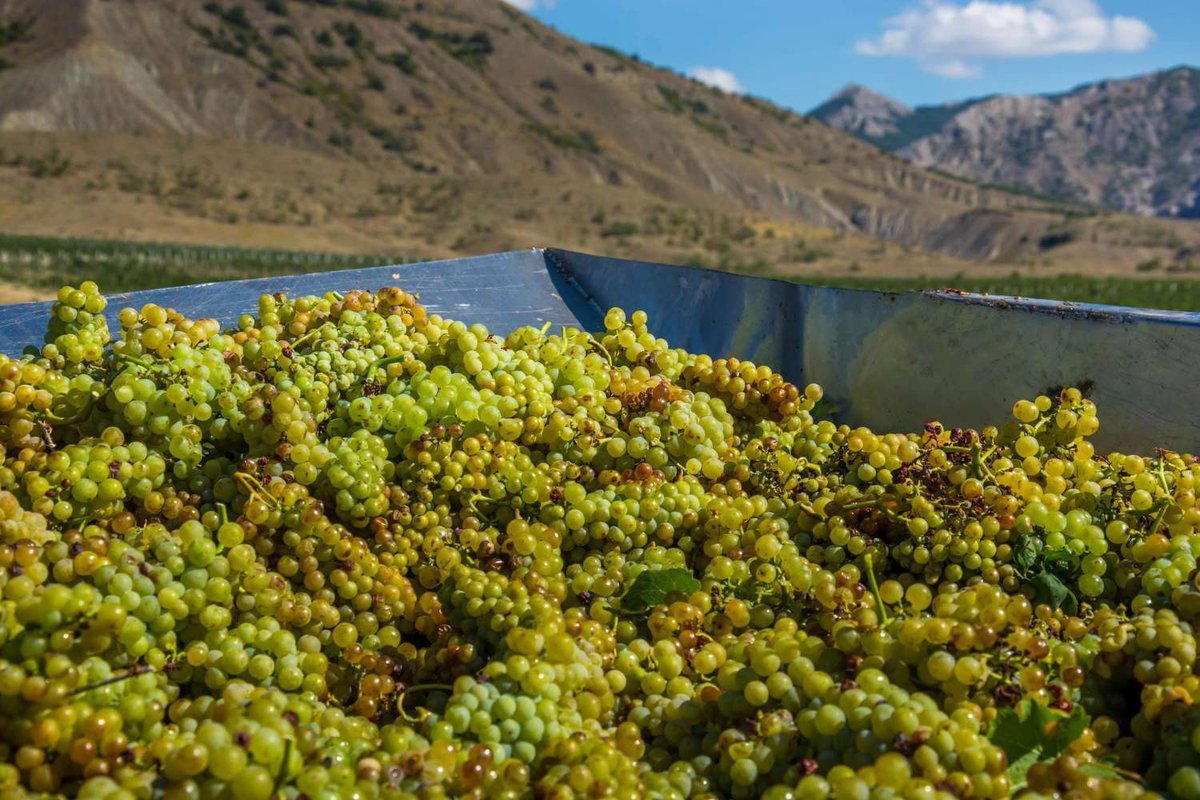
Georgia 🌄 is not only a country of grapes and wine, but also the birthplace of a huge variety of fruits that delight the eye and soul. The local climate, rich soils and abundance of sunny days create ideal conditions for the growth of a wide variety of fruits. From citrus and tropical fruits to familiar apples and pears - Sakartvelo has a wide selection of juicy treats for every taste! 🍎🍐
Climate features and regions
Georgia is divided into several climate zones, each of which is favorable for certain types of fruit. From the hot southern territories to the cooler mountainous regions, you can find fruits characteristic of different climates.

- Kakheti 🍇, known for its vineyards, is one of the most famous wine regions of Sakartvelo. Not only grapes grow here, but also peaches, apricots and pomegranates. Kakheti is considered one of the warmest zones in the country, which is ideal for tropical fruits such as mango and passion fruit.
- Imereti and Racha-Lechkhumi 🍏 are regions where apples, pears, plums and quince grow. Even the most delicate varieties of fruit, which love coolness and moisture, grow well in a moderate climate here.
- Adjara and Guria 🍊, located on the Black Sea coast, boast not only citrus fruits (oranges, tangerines and lemons), but also exotic fruit trees such as kiwi and figs. The warm coastline promotes good growth of tropical crops.
- Samegrelo and Abkhazia 🌴, even wetter regions, are known for growing feijoa, persimmon, and medlar. These exotic fruits grow best in subtropical conditions, where temperatures do not drop below 15 degrees in winter.

The influence of sunny days on the taste of fruits
Georgian fruits are famous for their unique taste. This is not just a coincidence - due to the large number of sunny days per year, the fruits gain maximum sugar and aroma. In comparison, fruits from colder regions cannot boast such a bright and rich taste.
In addition, local soils (especially in areas such as Kakheti and Imereti) are rich in minerals and organic matter, which contribute to the rich composition of fruits. This means that in addition to excellent taste, fruits in the Caucasus are a source of health and energy. 🍇💪
Secrets of successful fruit growing in Sakartvelo
In Sakartvelo, fruits are grown not only on large farm plots, but also in private gardens, where the tradition of organic farming is maintained. Farmers, often with generations behind them, know the secrets of growing natural fruits without chemicals. This environmental friendliness is becoming an integral part of the philosophy of local residents and is highly appreciated by tourists visiting the country. 🌱🍃
Interesting fact: some grape varieties, such as Saperavi and Rkatsiteli, were grown and adapted to the local climate in ancient times, which gives them unique taste qualities. The vineyards where these varieties grow have become an integral part of the local culture and winemaking tradition.
History of fruit traditions: from ancient times to the present day
Having talked about the climate and features, let's move on to the history of fruit traditions. What fruits were the main ones for ancient Georgians? How did preferences change over time? Find out right now! 🌳📜
Fruits in Transcaucasia are not just part of the diet, but a vital component of the historical and cultural heritage. They have accompanied local traditions for centuries, becoming an integral part of both everyday food and festive feasts. Many fruits that are considered traditional today were originally brought from other countries, but over time they have become firmly rooted in the local culture.
Fruits in Antiquity: The First Gardens and Vineyards
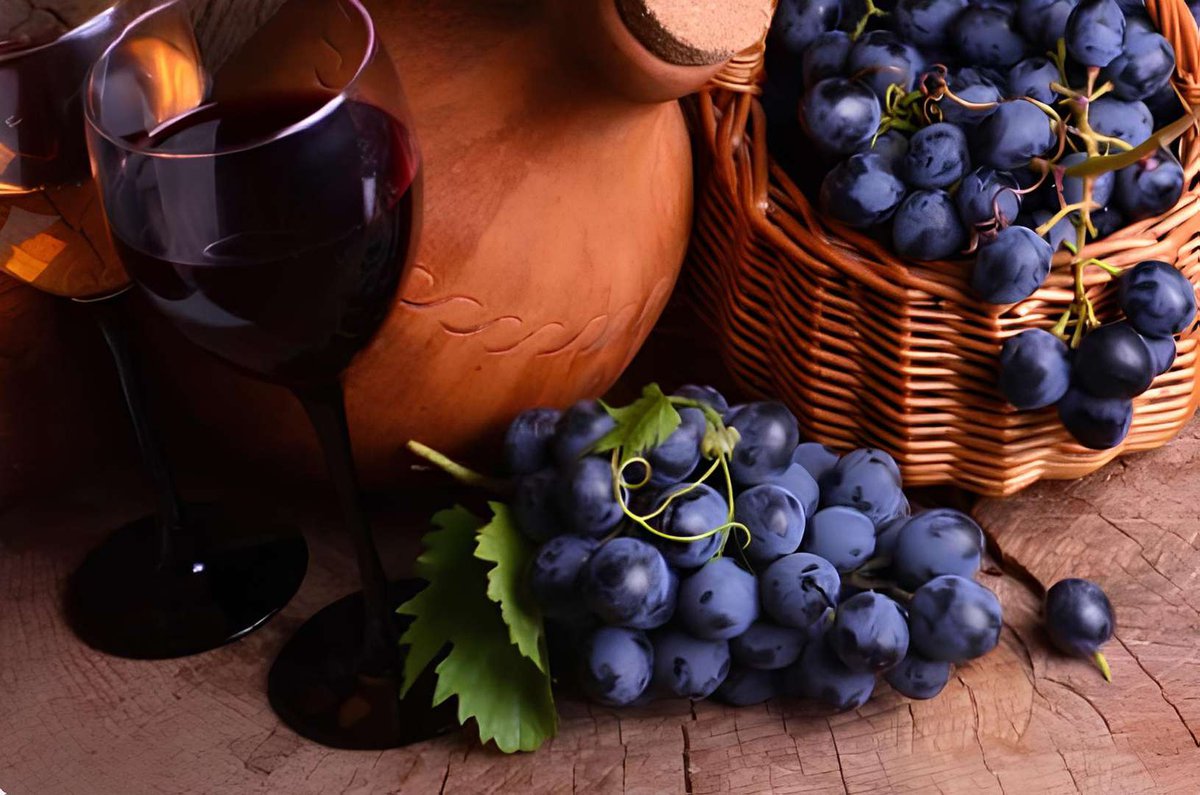
The history of fruit crops in these lands goes back thousands of years. As early as the 4th century BC, grapes, apples, nuts and pomegranates were actively grown here. The grapevine was one of the first cultivated plants, and soon it became the most important element of local agriculture. This is also associated with the development of ancient winemaking traditions, which are preserved to this day.
Since time immemorial, grapes have been considered not just a food product, but a symbol of longevity and prosperity. They were grown with special care, passing on the secrets of cultivation from generation to generation. Over time, hundreds of unique varieties appeared, each with its own unique characteristics. Local wines made from such autochthonous varieties as Saperavi and Rkatsiteli made this region famous far beyond its borders.
The Middle Ages: The Rise of Gardening and Trade
In the Middle Ages, gardening and viticulture reached a new level. In addition to domestic consumption, fruits became an important part of trade:
✔ Grapes, pomegranates and peaches were actively exported to neighboring countries.
✔ Wine and dried fruits were highly valued at the courts of rulers.
✔ Fruits were mentioned as a remedy in medical treatises of that time.
One of the popular medicines of that time was wine, which was used not only as a drink, but also as a means of strengthening health. Ancient healers noted the benefits of fruits for strengthening the immune system and well-being.
Modernity: Back to the roots
Today, the cultivation of seasonal fruits remains an important branch of agriculture. Farmers and winemakers maintain ancient traditions, paying special attention to autochthonous varieties and improving technologies.
Natural fruits can be found in markets all year round, and many of them are still used to make traditional Georgian sweets, such as churchkhela or quince and fig jam. Winemakers continue to follow ancient recipes, creating drinks that preserve the spirit of centuries-old history.
Symbolism of fruits in myths and traditions
Some fruits have become important symbols in local culture and folklore.
Peaches 🍑 have long been considered a gift of nature, symbolizing joy and pleasure. Their delicate taste has been prized for centuries, and they have been used not only in cooking, but also in well-being rituals.
Pomegranates 🍎 were associated with love, passion and fertility. In ancient times, they were considered magical fruits that could grant strength and longevity.
Quince 🍏 symbolized tenderness and family warmth. This fruit was an important attribute of wedding ceremonies, and in folk tales it was associated with first love and pure feelings.
👉 What other fruits have inspired poets and become part of cultural heritage?Find out here! 📖🍎
Popular local and imported fruits: what grows in Georgia?
Now let's figure out which fruits are considered the most popular and why they are so valued in local cuisine.
This region is famous not only for its wine, but also for the variety of fruits that grow here thanks to the different climate zones and fertile soils. In the gardens you can find both local varieties and exotic ones that have taken root in this sunny region.
Traditional Fruits: Past and Present
Fruits grown in the native land occupy a special place in culture. Different parts of the country developed their own fruit traditions, and to this day many regions are famous for certain types of harvest.
- Grapes 🍇 – occupy a central place in history and economy. Dozens of unique varieties are grown here, such as Saperavi, Rkatsiteli and Mtsvane. It is used not only to create the famous wine, but also in sweets and desserts.
- Peaches 🍑 – one of the most beloved summer fruits. These juicy fruits grow not only in the southern regions, but also in the fertile valleys of the east. They are used to make jam, compotes and even pastila.
- Pomegranates 🍎 – have long been considered a symbol of love and prosperity. This fruit is found in legends, its seeds are added to dishes, and sauces and refreshing drinks are made from the juice.
- Apricots 🍑 – tender and sweet fruits that are grown both for fresh consumption and for drying. They are popular in desserts, jams and compotes.
- Quince 🍏 – has a tart taste and is ideal for pies, jams and traditional sweet dishes. In culture, it is associated with fertility and home comfort.
Imported Fruits: Exotics in Local Gardens
In addition to traditional fruits, you can find fruits on sale brought from other countries, which have gradually become part of the diet.
- Bananas 🍌 – they are successfully grown in the southern regions, but the main part is still imported from Turkey and Egypt.
- Kiwi 🥝 – this exotic fruit has taken root in the subtropical climate, especially in coastal areas, where it reaches high sweetness.
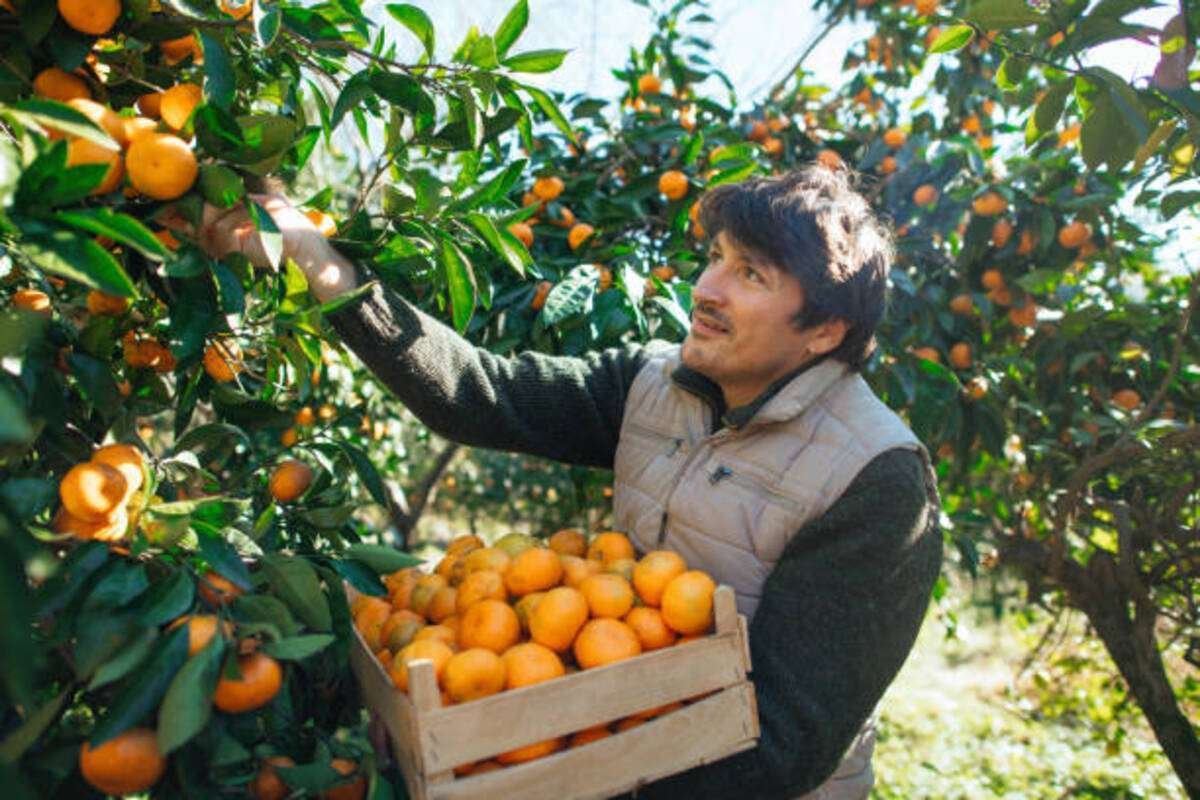
- Citrus fruits 🍊 – lemons, tangerines and oranges are widespread due to mild winters and a long sunny period.
- Mango 🥭 – still a rarity, but they are trying to cultivate it in warm zones. Mango is also used in desserts and cocktails.
- Avocado 🥑 – has gained popularity in recent years, is actively used in salads and snacks.
Fruits in traditional cuisine
Now that we've figured out which local and exotic fruits are popular in this region, let's see how they are used in cooking and what traditional drinks and sweets are made from them! 🍑🌿
How Fruits Are Used in Georgia: From Culinary Delights to National Drinks
Fruits are not only a source of nutrition, but also the basis for many unique dishes and drinks that reflect the country's centuries-old culinary traditions. Each fruit has its place in the national cuisine, and many are used in the preparation of both everyday and festive treats. From sweet desserts to refreshing drinks, fruits give Georgian cuisine its special taste and aroma.
Traditional desserts and sweets 🍯
Culinary art is famous for its variety of sweet treats, in which fruits play a key role.
✔ Churchkhela 🍇 is one of the most famous sweets, which is made from walnuts or hazelnuts strung on a thread and covered with thickened grape juice. This is not only a tasty, but also a historically significant delicacy that was used for long journeys.
✔ Tklapi 🍏 is a traditional fruit pastila made from plums or apricots, dried to the state of thin plates. It has a bright taste and rich aroma, remaining one of the most popular sweets.
✔ Honey pies with quince and peaches 🍯 - among the many types of pastries, pies with fruit filling stand out especially. Most often, quince, peaches or apples are used, which makes them incredibly juicy and aromatic. Baked with honey, they acquire a rich taste and rich aroma.
✔ Fruit pudding and jelly 🍑 – light desserts based on pomegranate, grapes or peaches. They are often served with natural yogurt or cream, creating an unusual combination of sweetness and slight sourness.
Drinks and sauces 🍷
In addition to wine, which occupies an important place in the culture, the region produces and actively consumes natural juices and fruit drinks.
✔ Tkemali and fruit sauces 🍅 – sweet and sour plum sauce can be served not only with meat, but also used as a refreshing drink in some regions.
✔ Wine 🍷 – the main drink, which is made not only from grapes, but also from apples, cherries and plums. There is a tradition of adding fruit juices to wine to give it a softer and richer taste.
✔ Compotes and fruit drinks 🍑 – drinks from fresh and dried fruits, prepared with the addition of honey and spices. The most common are peach compotes and cherry fruit drinks, which are especially popular in the summer.
✔ Fruit kvass 🍓 – a traditional soft drink, often prepared with the addition of berries and fruits, which makes it rich in vitamins and unusual in taste.
✔ Chacha is a strong alcoholic drink that can be made not only from grapes, but also from peaches, plums or cherries, giving it a richer aroma and a fruity note.
Secrets of the Georgian Fruit Market 🍏
Markets are a real paradise for lovers of fresh and aromatic gifts of nature. Here you can find not only traditional varieties, but also rare ones grown in different parts of the country. What makes them unique? In this section, we will reveal several secrets that will help you make successful purchases.
1. Where to find the freshest produce?
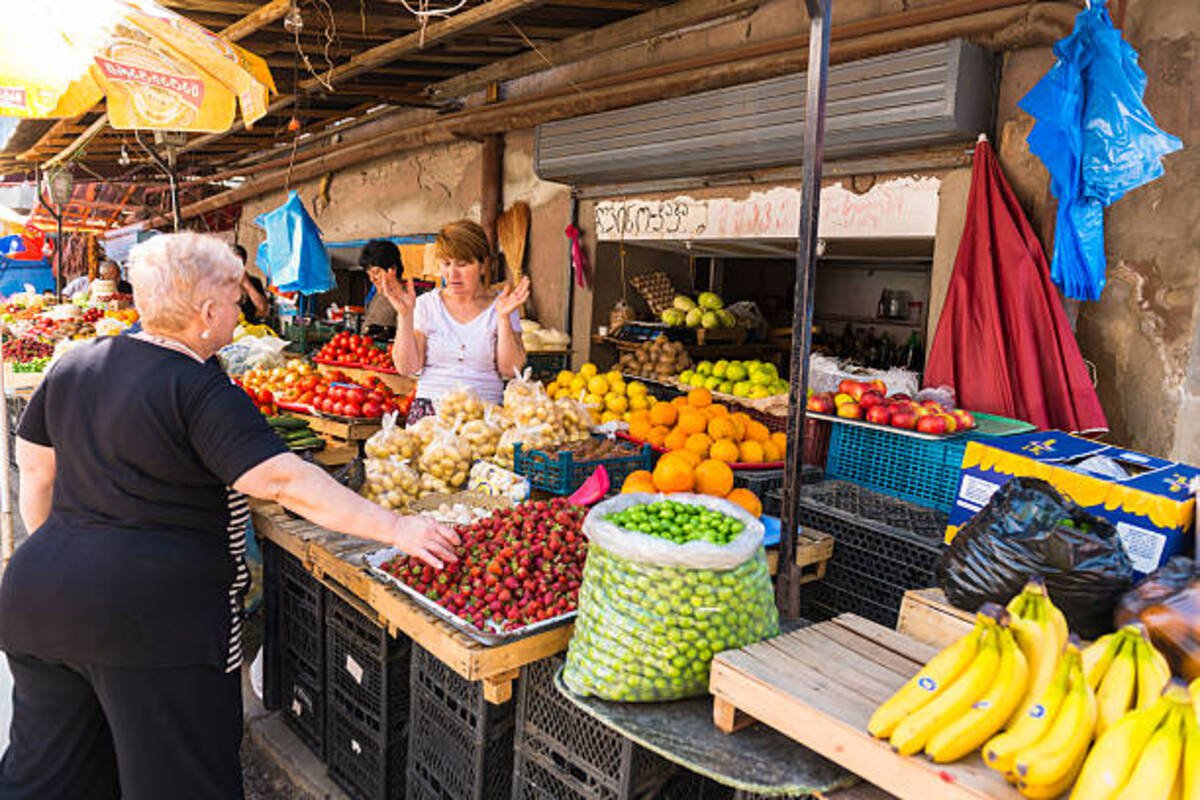
Local markets are not just retail outlets, but real cultural centers where you can feel the special flavor and atmosphere of life. The most popular of them are:
✔ Batumi market – one of the largest, famous for its abundance of citrus fruits and kiwis, which grow well in the coastal areas.
✔ Central market in Tbilisi – in the heart of the capital offers a wide selection of seasonal gifts of nature – from grapes to quince and pomegranates.
✔ Kakheti markets – famous for their vineyards and a rich selection of autochthonous grape varieties, as well as peaches and quince.
2. Why is it profitable to buy at the market?
✔ Freshness – products often come directly from farmers, which guarantees naturalness and quality.
✔ Environmental friendliness – local farmers, especially in Racha, Imereti and Kakheti, often use organic growing methods.
✔ Affordable price – the cost of goods is lower than in supermarkets, since there are no intermediaries. However, in order not to overpay, it is important to take into account seasonal price fluctuations.
3. How to choose the best fruits?
There is a huge variety on the markets, and to make the right choice, it is worth considering several important nuances:
✔ Buy in season - the harvest collected at the right time has a richer taste and is fresher. For example, it is better to buy grapes in late summer and autumn, and apples - in September-October.
✔ Pay attention to ripeness - the fruits should not have damage or signs of rot. Peaches and apricots spoil faster, so it is better to buy them at the height of the season.
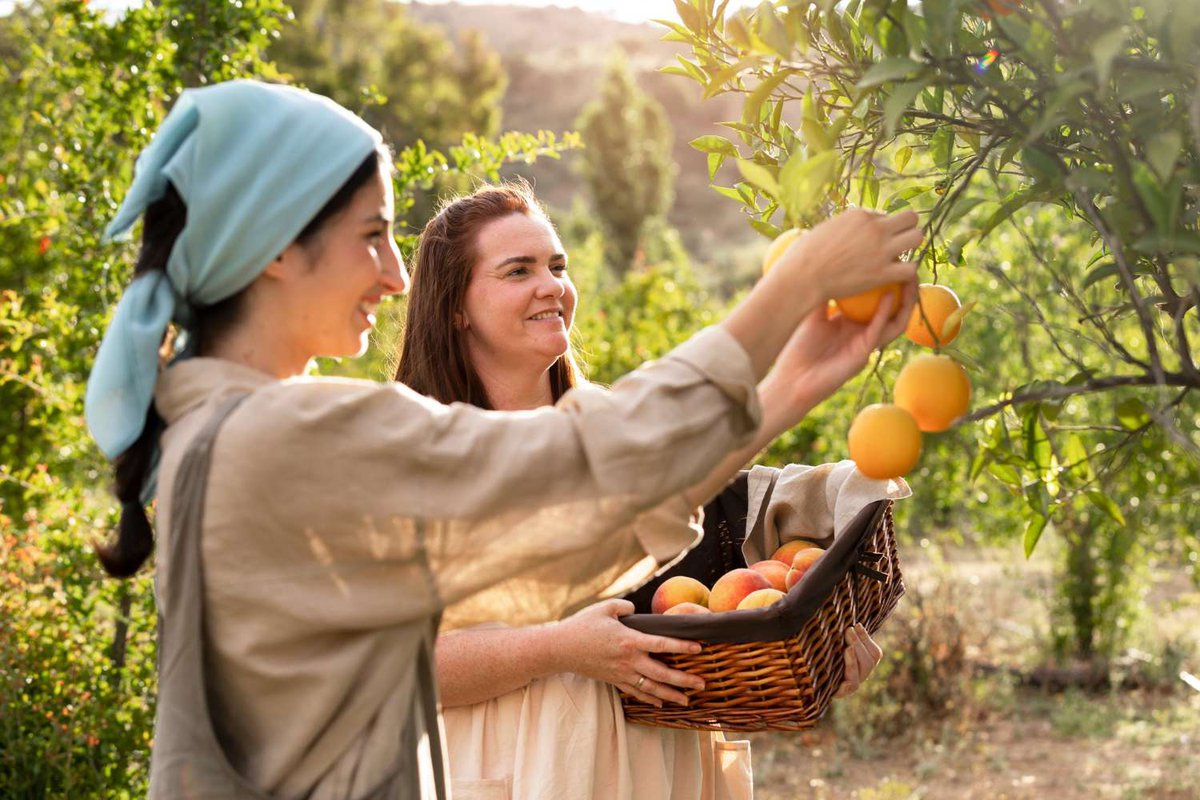
✔ Choose with the skin - this is the best way to ensure naturalness. This is especially true for pomegranates, apples and quince.
4. How to navigate prices?
Prices can vary significantly depending on the time of year and region. Average prices (estimated for 2025):
✔ Grapes – 5-12 GEL/kg (August-October)
✔ Peaches – 6-10 GEL/kg (June-August)
✔ Pomegranate – 4-8 GEL/kg (September-December)
✔ Feijoa – 8-15 GEL/kg (October-November)
✔ Citrus fruits (mandarin, orange) – 3-7 GEL/kg (winter)
The closer to the high season, the more affordable the prices. By choosing products at the markets, you can not only save money, but also try the real tastes of nature.
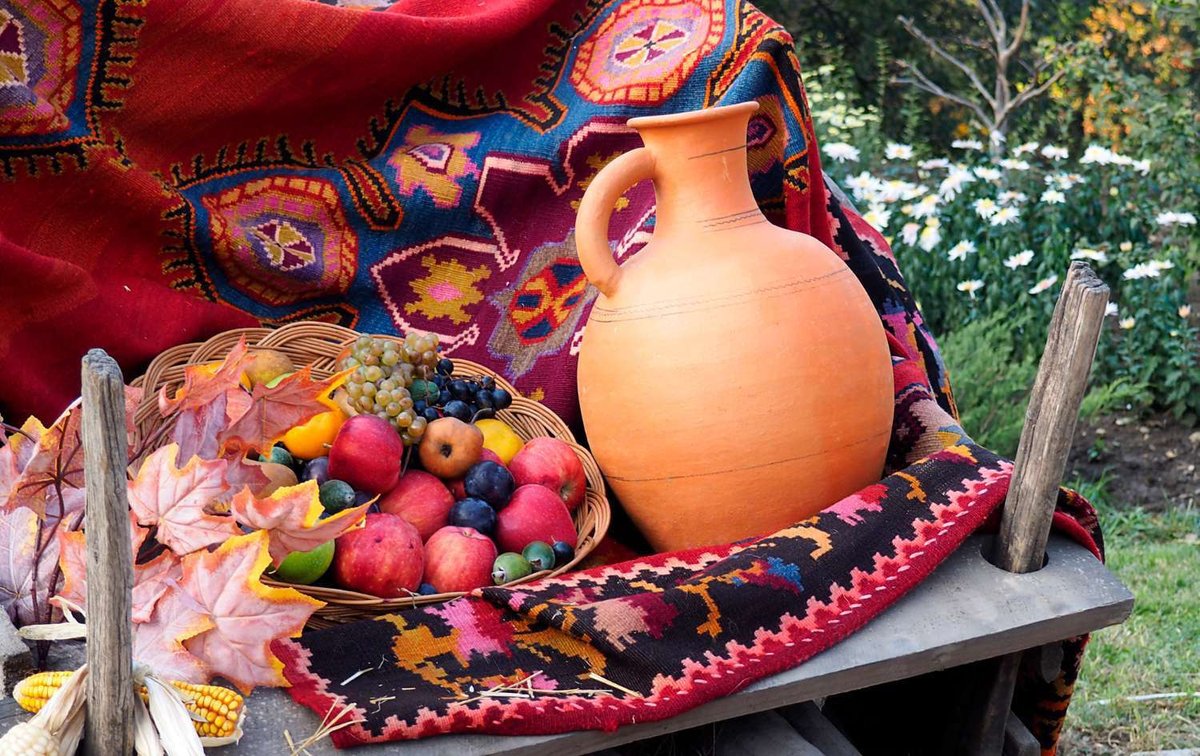
Seasonality: when and what fruits are best to buy?🍉
Now that we've covered the intricacies of the market, it's time to talk about seasonality and prices. What fruits should you buy in different months to avoid overpaying and where to look for the best harvest? Find out right now! 🚀
Fresh fruits can be found all year round, but their cost and quality depend on the time of harvest, region and place of sale. Buying in the right season can not only save money, but also give you the richest taste.
When is the best time to buy? (Seasonal features) 🌿
📌 Summer (June – August) is the time for juicy and sweet gifts of nature.
✔ Peaches, apricots, nectarines – the most fragrant from June to August.
✔ Watermelons and melons – reach their peak in July-August, especially tasty in the south of the country.
✔ Sweet cherries and sour cherries – appear at the beginning of summer, best to look for in Kakheti and Racha.
📌 Winter (December – February) is citrus season!
✔ Tangerines, oranges, lemons – most available at this time.
✔ Apples and pears – are stored well and sold all year round.
✔ Imported fruits (bananas, pineapples, mangoes) – are more expensive in winter.
📌 Autumn (September – November) is the season of grapes, pomegranates and feijoa.
✔ Grapes – the best harvest is in September-October.
✔ Pomegranates – ripen by mid-autumn, considered a symbol of health.
✔ Feijoa and persimmon – appear closer to November, especially popular in the western regions.
📌 Spring (March – May) – preparation for the new harvest.
✔ The first berries (strawberries, blueberries) appear in April-May, but are initially more expensive.
✔ Kiwi and medlar are late spring fruits, more common in the western regions.
Where to buy? Let's look at the options 🛒
Fruit shopping can be a fun process if you know where to look for the best value for money.
📌 Markets are the perfect place to buy fresh, seasonal gifts of nature. You can meet farmers selling their harvest, and often get a nice bonus in the form of a few extra fruits over the paid weight.
📌 Farms are the best option if you are looking for organic products without pesticides. In the eastern and western regions, there are many small farms where you can buy the harvest straight from the trees.
📌 Supermarkets are a convenient choice for quick purchases, but the prices are higher, and the quality does not always match the markets. This is especially noticeable in winter, when the share of imported goods increases.
📌 Private vendors along the roads - during the season, you can meet locals selling their harvest right from the side of the road. Often, the most aromatic and sweet varieties are sold here.
📌 Wholesale markets are for those who want to buy in large quantities. A popular place in Tbilisi is the "Deserter Market", where you can find large quantities of goods at reduced prices.
How to save on purchases?
(Helpful tips) 🍏
💰 Choose seasonal products - they are 2-3 times cheaper.
🎯 Markets are cheaper than supermarkets - prices in stores are 20-30% higher.
🛒 Buy in large quantities – sellers often give discounts for bulk orders.
🚗 Buy directly from farmers – the products are fresher and more natural.
🍋 Check the quality – it is better to choose ripe fruits, but not overripe.
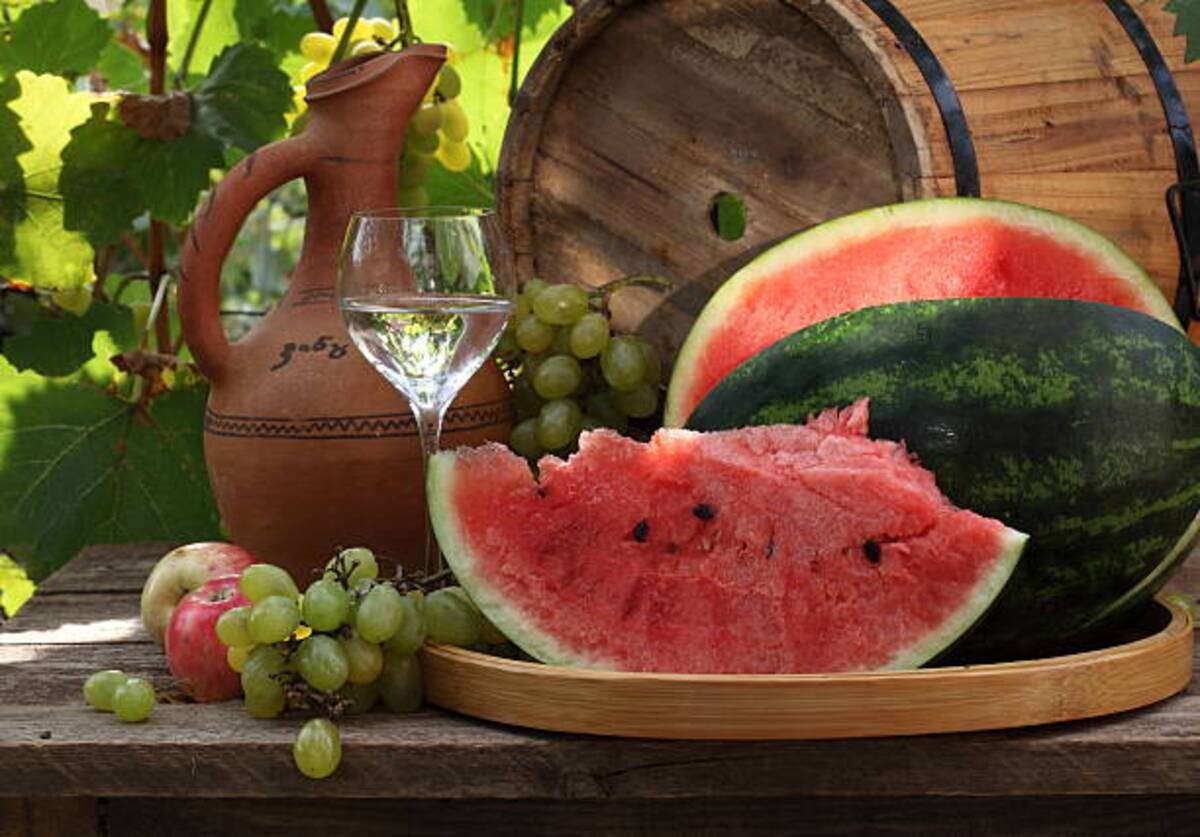
Fruit Prices in 2026: What to Expect? 🍏💰
The cost of the harvest depends on the time of year, region and place of purchase. In large cities such as Tbilisi and Batumi, prices are higher, especially out of season, while in rural areas you can find organic products at a more affordable price.
Seasonal goods are much cheaper during the harvest period, but imported and rare varieties are always more expensive. For example, peaches in the summer can be bought for 6-10 lari per kilogram, but in winter their price can reach 15-20 lari.
Which fruits are more profitable to buy and when? Let's figure it out! 🚀🍎
📊 Average prices for fruits in 2026 by regions of Georgia
| 🍏 Продукт | 📅 The best season | 💰 Average price (GEL/kg) | 🏙️ Tbilisi (GEL/kg) | 🌊 Batumi (GEL/kg) | ⛰️ Kutaisi (GEL/kg) |
|---|---|---|---|---|---|
| 🍇 Grape | August – October | 5 – 12 | 6 – 12 | 5 – 10 | 4 – 9 |
| 🍑 Peaches | June – August | 6 – 10 | 7 – 10 | 6 – 9 | 5 – 8 |
| 🥝 Feijoa | November – January | 8 – 15 | 9 – 15 | 8 – 14 | 7 – 13 |
| 🍌 Bananas (import) | All year round | 9 – 12 | 10 – 12 | 9 – 11 | 9 – 11 |
| 🍊 Oranges | December – February | 4 – 7 | 5 – 7 | 4 – 6 | 4 – 6 |
| 🍎 Grenades | September – December | 5 – 10 | 6 – 10 | 5 – 9 | 5 – 9 |
| 🍏 Apples | September – April | 3 – 6 | 4 – 6 | 3 – 5 | 3 – 5 |
| 🍊 Tangerines | November – February | 3 – 6 | 4 – 6 | 3 – 5 | 3 – 5 |
| 🎃 Persimmon | October – December | 6 – 10 | 7 – 10 | 6 – 9 | 5 – 9 |
| 🍒 Cherries | May – July | 10 – 18 | 12 – 18 | 10 – 16 | 9 – 15 |
| 🥝 Kiwi | November – January | 6 – 10 | 7 – 10 | 6 – 9 | 6 – 9 |
| 🍉 Watermelons | July – September | 2 – 5 | 3 – 5 | 2 – 4 | 2 – 4 |
| 🍏 Quince | October – January | 4 – 8 | 5 – 8 | 4 – 7 | 4 – 7 |
| 🍇 Fig | August – October | 8 – 15 | 9 – 15 | 8 – 14 | 7 – 13 |
| 🍑 Apricots | June – August | 5 – 10 | 6 – 10 | 5 – 9 | 5 – 9 |
| 🍋 Lemons | December – February | 5 – 7 | 6 – 7 | 5 – 6 | 5 – 6 |
| 🍐 Pears | September – April | 4 – 6 | 5 – 6 | 4 – 5 | 4 – 5 |
| 🍓 Strawberries | April – June | 12 – 20 | 14 – 20 | 12 – 18 | 11 – 17 |
| 🍑 Medlar | March – May | 7 – 12 | 8 – 12 | 7 – 11 | 6 – 10 |
| 🍇 Plums | July – September | 4 – 8 | 5 – 8 | 4 – 7 | 4 – 7 |
What will happen to prices in the future? 📈
Experts predict that the cost of the harvest may increase slightly in 2025 due to several factors:
✔ Climate change – droughts and temperature fluctuations can affect crop yields, especially in the eastern regions.
✔ Increased tourist flow – increased demand among visitors to the country makes products more expensive in tourist areas such as Tbilisi and Batumi.
✔ Development of organic farming – environmentally friendly products are gaining popularity, but are more expensive than conventional ones due to high cultivation costs.
💡 Tip: Want to save money? Shop in season and at farmers markets, where prices are lower and quality is higher! 🚀
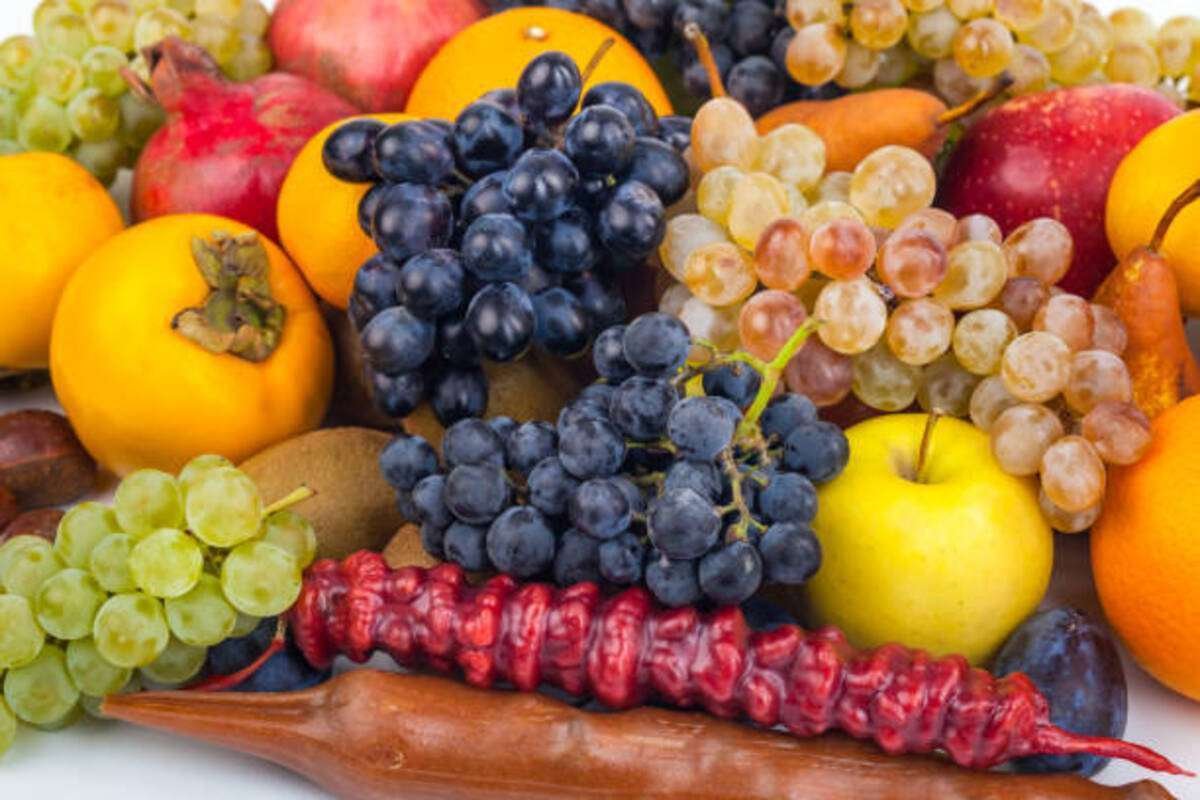
Fruits and health: benefits and possible harm 🍍💪
Fruits are a natural source of vitamins, minerals and antioxidants that support immunity, improve digestion and strengthen blood vessels. However, with excessive consumption or certain diseases, some fruits may not be so harmless.
In this section, we will consider the most useful Georgian fruits, their effect on the body and possible contraindications.
Useful properties 🍏
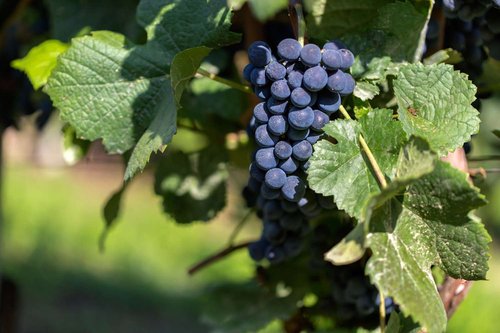
🍇 Grapes are the king of antioxidants
✔ Resveratrol slows down cell aging and protects the heart.
✔ Reduces the risk of thrombosis due to flavonoids, improves the condition of blood vessels and prevents their blockage.
✔ Increases hemoglobin levels, promotes tissue oxygenation, which is especially useful during physical activity.
✔ Contains useful organic acids that maintain healthy skin and strengthen the immune system.
🔹 Caloric content:~67 kcal / 100 g
⚠ But! Contains high levels of natural sugars, so it is not recommended for diabetics and people with insulin resistance. It can also cause intestinal fermentation if eaten in large quantities.
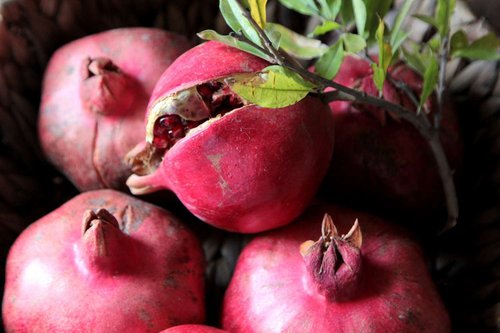
🍎 Garnet is a source of youth and energy
✔ Strengthens blood vessels and improves blood circulation, reducing the risk of cardiovascular diseases.
✔ Contains antioxidants that prevent premature aging and protect cells from damage.
✔ Useful for low blood pressure and anemia, as it is rich in iron and vitamin C, which promote better absorption of iron.
✔ Supports the digestive system, improves metabolism and helps cleanse the body of toxins.
🔹 Caloric content:~83 kcal / 100 g
⚠ But! Acids in pomegranate can irritate the stomach with gastritis, and also destroy tooth enamel with frequent use. To avoid this, it is recommended to dilute pomegranate juice with water.
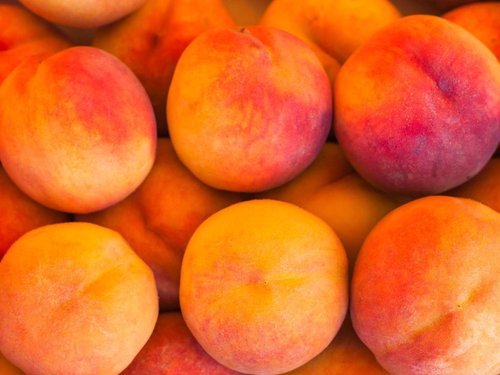
🍑 Peaches – vitamins for the skin and nervous system
✔ Vitamin C improves skin condition by stimulating collagen production.
✔ Promotes gentle digestion, normalizing bowel function due to high fiber content.
✔ Magnesium helps fight stress, improves mood and reduces anxiety.
✔ Contains calcium and phosphorus, which strengthen bones and tooth enamel, which is especially useful for children.
🔹 Caloric content: ~39 kcal / 100 g
⚠ But! May cause an allergic reaction in children and people with sensitive skin. Also contains organic acids that can irritate the stomach with gastritis.
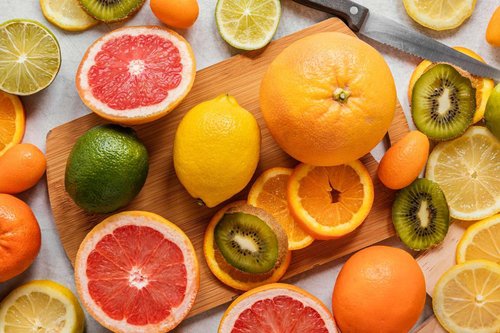
🍊 Citrus fruits – a shield for immunity
✔ High vitamin C content protects against colds, accelerates recovery from illnesses.
✔ Helps remove toxins and improves digestion by stimulating the production of gastric juice.
✔ Supports liver function, promoting the body's natural detoxification process.
✔ Improves iron absorption, preventing the development of anemia.
🔹 Caloric content:~45 kcal / 100 g
⚠ But! Acids can destroy tooth enamel if consumed frequently, so it is better to eat citrus fruits with your main meal or rinse your mouth after eating them.
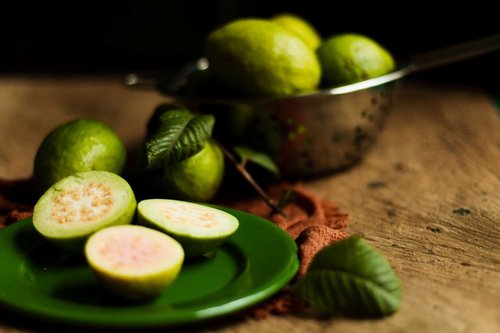
🥝 Feijoa is a record holder for iodine
✔ Supports thyroid function, helping to normalize hormonal balance.
✔ Improves digestion, stimulates intestinal peristalsis, preventing constipation.
✔ Removes toxins and protects the liver, helping to fight inflammatory processes.
✔ Rich in polyphenols, which protect the body from free radicals, preventing the development of cancer.
🔹 Caloric content:~50 kcal / 100 g
⚠ But! Overeating can cause discomfort in the stomach, especially with a sensitive gastrointestinal tract. It is better not to exceed 200-300 g per day.
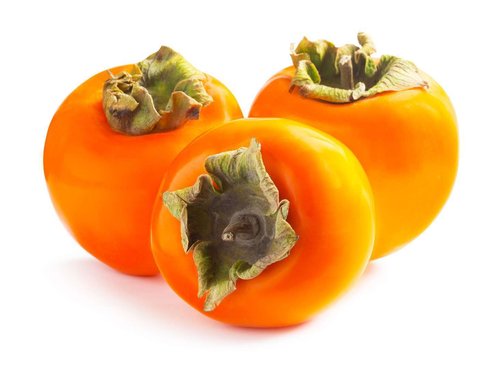
🎃 Persimmon – a superfruit for the heart
✔ Regulates blood pressure, reducing the load on the cardiovascular system.
✔ Helps with anemia and vitamin deficiency, saturating the body with iron, magnesium and potassium.
✔ Improves bowel function, preventing irritation of the mucous membrane and promoting natural cleansing of the body.
✔ Helps reduce cholesterol levels, helping to fight atherosclerosis.
🔹 Caloric content:~70 kcal / 100 g
⚠ But! Astringent properties can cause constipation, especially if you eat persimmons in an unripe form. It is better to choose soft, ripe fruits.
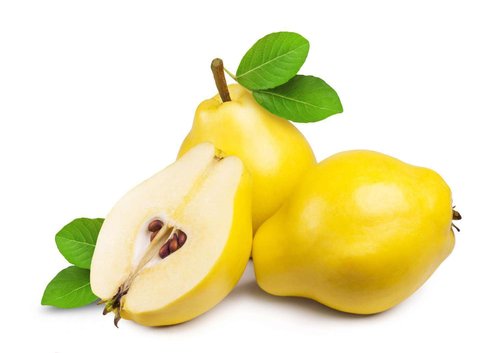
🍏 Quince - a medicine for the gastrointestinal tract
✔ Has an anti-inflammatory effect, helps with irritation of the gastric mucosa.
✔ Useful for heartburn and indigestion, as it reduces acidity.
✔ B vitamins strengthen the nervous system, helping to cope with stress.
✔ Improves intestinal motility, reduces bloating and gas formation.
🔹 Caloric content:~57 kcal / 100 g
⚠ But! In its raw form it is very tough and astringent. It is better to eat baked or in the form of jam.
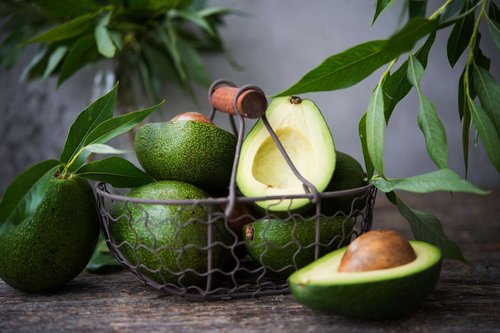
🥭 Avocado – a superfood for the heart and brain
✔ Rich in healthy fats that support the health of the heart and blood vessels.
✔ Contains omega-3 and omega-6 acids that improve brain function and concentration.
✔ High potassium content helps regulate blood pressure and reduces the risk of hypertension.
✔ Maintains skin health, improves collagen production thanks to vitamins A and E.
✔ Promotes a feeling of satiety, helping to control weight.
🔹 Caloric content:~160 kcal / 100 g
⚠ But! High calorie content makes avocado undesirable for people watching their weight, if consumed in excess. It can also cause allergies in sensitive people.
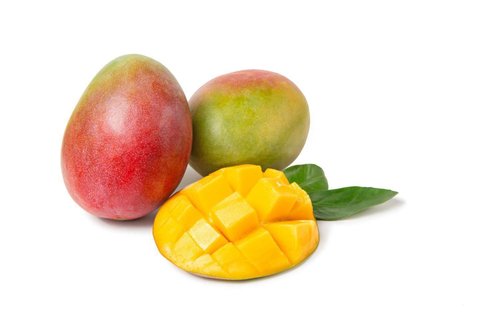
🥭 Mango - an exotic vitamin boost
✔ Rich in beta-carotene and vitamin A, which improve vision and skin health.
✔ Contains enzymes that facilitate digestion, prevent bloating and heaviness in the stomach.
✔ High vitamin C content helps strengthen the immune system and protect against colds.
✔ Maintains heart health, reduces cholesterol levels thanks to fiber and antioxidants.
✔ Stimulates brain function, improves memory and concentration.
🔹 Caloric content:~60 kcal / 100 g
⚠ But! The high content of natural sugars makes mango not the best choice for diabetics. In some people, it can cause allergic reactions.
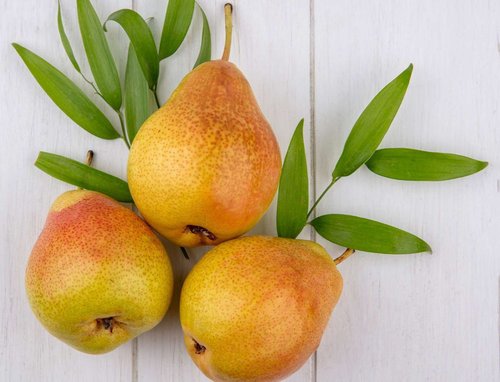
🍐 Pears – support for the intestines and heart
✔ High fiber content improves intestinal motility and helps get rid of toxins.
✔ Supports heart health by reducing "bad" cholesterol.
✔ Rich in antioxidants that protect cells from premature aging.
✔ Regulates blood sugar levels, as they contain natural sugars with a low glycemic index.
🔹 Caloric content:~42 kcal / 100 g
⚠ But! Fresh pears can irritate the stomach, especially if eaten on an empty stomach.
What fruits can be harmful? ❌
Despite the enormous benefits, some of them require careful use:
❌ Grapes and bananas – contain a lot of sugar, not recommended for diabetics.
❌ Citrus fruits and pomegranates – can irritate the gastric mucosa with gastritis.
❌ Persimmon and quince – can cause constipation if overeaten.
❌ Kiwi and pineapple – contain acids, provoke heartburn and allergies.
💡 Tip: Eat a variety of fruits in moderation to get all the necessary vitamins without harming your body.
📖 Fruits in Georgian Literature and Folklore
Fruits are an integral part of the culture and traditions of Sakartvelo. They are found in legends, tales and poems, symbolizing abundance, love and spiritual strength. Many fruits represent purity, longevity and family happiness, inspiring Georgian poets and writers.
Let's look at the key images of fruits in literature and folklore.
🍇 Grapes are a symbol of life and traditions
Grapes in Georgia are not just a fruit, but a heritage. They are mentioned in the works of Shota Rustaveli and Ilia Chavchavadze, being a symbol of joy, abundance and hospitality.
✔ In poems and songs, grapes represent the fertility of the earth, freedom and passion.
✔ Toasts often begin with a blessing of grapes as a source of wine and joy.
✔ In folk poems, this fruit is compared to love and happiness.
📜 Lines from poetry:
"Like a bunch of grapes, you are in my heart,
Sweet but tart, fire behind glass…"
🍎 Pomegranate is the fruit of passion and strength
Pomegranate is considered a symbol of love, passion and fertility. In folk tales, it often serves as a source of health and energy.
✔ In poetry, pomegranate is associated with eternal life and strength of spirit.
✔ This fruit is often found in wedding ceremonies as a sign of well-being.
✔ In literature, it is compared to blood and endless life energy.
📜 In the poetry of Bella Akhmadulina, the pomegranate is described as follows:
"I eat these fruits obediently,
They are salty and strong,
And you can hear the sharp claws of their seeds scraping on your throat."
🍏 Quince is a symbol of tenderness and motherhood
Quince is the fruit of femininity and love, often used in wedding ceremonies. In ancient times, it was believed that this fruit brings harmony and luck.
✔ In folk tales, quince represents first love and purity.
✔ It is believed that this fruit protects from the evil eye.
✔ In ancient texts, it is mentioned as a gift from the gods, bringing happiness.
📜 From Georgian folklore:
"As fragrant as quince in the hands of the bride,
As the first dawn that shines with tenderness…"
🥝 Feijoa – a symbol of freshness and renewal
Although feijoa appeared in Georgia relatively recently, it has already strengthened its position in culture.
✔ In modern literature, the fruit represents new horizons and changes.
✔ Symbolizes refreshment and harmony with nature.
✔ In poetry, feijoa is sometimes used as a metaphor for the search for the meaning of life.
🍊 Persimmon is the fruit of warmth and family comfort
In Georgian songs and poems, persimmon is a symbol of warmth and harmony.
✔ This fruit is associated with autumn – a time of family celebrations and comfort.
✔ In folk tales, persimmon is called the "golden fruit" that brings health.
✔ In folklore, it is associated with wisdom and tranquility.
📜 From folklore:
"The persimmon blushes on its branches,
Like autumn, which brings warmth to homes."
🥭 Mango – exotic with a philosophical meaning
Mango, although not a traditional Georgian fruit, has won the love of the residents of Sakartvelo.
✔ In literature, it is often associated with the search for new sensations and the discovery of the unknown.
✔ In some works, mango is compared to the sweet moments of life.
✔ Symbolizes joy, warmth and fullness of taste.
Thus, in many works of Georgian literature, fruits become not just a part of the landscape, but important symbols of life, love and traditions. They convey the spirit of the people, their philosophy and connection with nature.
📊 Table of seasonality and prices of fruits in Georgia (2026)
When to buy fruits to save money and enjoy their taste to the maximum?
This table will help you easily navigate the best months for buying and the average cost of fruits in 2026.
| 🍏 Fruit | 📅 Seasonality | 💰 Average price (GEL/kg) | ⭐ Popularity |
|---|---|---|---|
| 🍇 Grape | August - October | 5-12 | ⭐⭐⭐⭐⭐ |
| 🍑 Peaches | June - August | 6-10 | ⭐⭐⭐⭐ |
| 🥝 Feijoa | November - January | 8-15 | ⭐⭐⭐ |
| 🍌 Bananas (import) | All year round | 9-12 | ⭐⭐⭐⭐⭐ |
| 🍊 Oranges | December - February | 4-7 | ⭐⭐⭐⭐ |
| 🍎 Grenades | September - December | 5-10 | ⭐⭐⭐⭐⭐ |
| 🍏 Apples | September - April | 3-6 | ⭐⭐⭐⭐ |
| 🍊 Tangerines | November - February | 3-6 | ⭐⭐⭐⭐ |
| 🎃 Persimmon | October - December | 6-10 | ⭐⭐⭐ |
| 🍒 Cherries | May - July | 10-18 | ⭐⭐⭐ |
| 🥝 Kiwi | November - January | 6-10 | ⭐⭐⭐ |
| 🍉 Watermelons | July - September | 2-5 | ⭐⭐⭐⭐⭐ |
New Jose Seasonal Fruits?
💡 In summer, choose watermelons, melons, peaches, cherries - during this period they are juicy, sweet and the cheapest.
🍇 In autumn, it is best to buy grapes, pomegranates, persimmons, feijoa - they are fully ripe and most useful.
🍊 In winter, apples, tangerines and oranges are most accessible and contain many vitamins to strengthen the immune system.
🌿 In spring, berries and kiwi appear, but their cost is higher - it is better to wait a little until the prices go down.
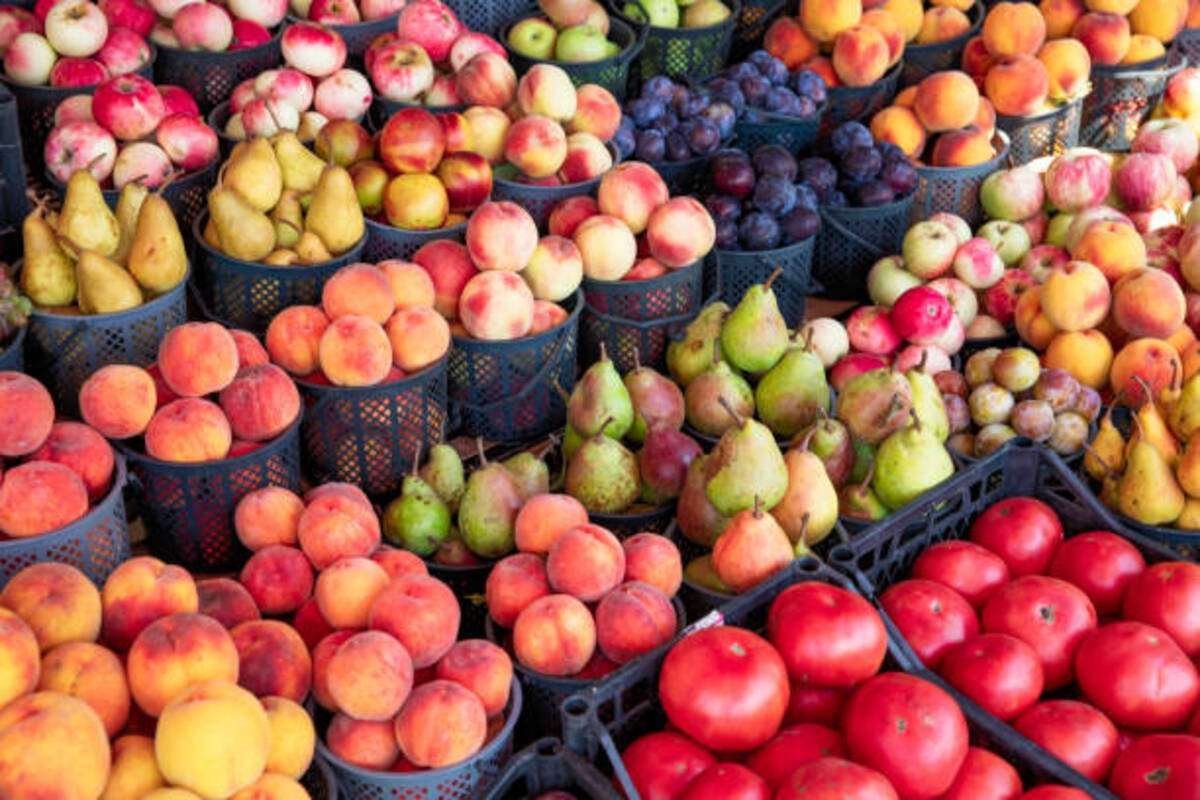
🍇🍏 Why are Georgian fruits a real treasure?
Georgia is a true paradise, where each season brings new tastes and aromas. Here you can taste natural, aromatic and juicy fruits that have been grown for centuries on the fertile lands of Sakartvelo.
Fruits here are not just part of the diet, but an important element of culture and heritage. They are used in national dishes, drinks, sweets and rituals, and are also celebrated in poetry and folklore.
Why is it worth trying local gifts of nature?
✔️ Rich taste and aroma – thanks to the unique climate and soil.
✔️ A variety of varieties – from grapes and pomegranates to exotic feijoa.
✔️ Environmentally friendly – many crops are grown naturally, without chemicals.
✔️ Favorable prices – buying in season and at markets, you can save a lot.
How to choose?
🍑 Buy in season – they are sweeter, healthier and cheaper.
🍏 Choose markets and farms – they have the freshest and most natural products.
🍊 Evaluate the aroma – the brighter the smell, the richer the taste.
🍇 Experiment – try different varieties that are not available in other countries.
What should you try first?
🍇 Grapes are the basis of local winemaking, especially in the eastern regions.
🍎 Pomegranate is a symbol of health, strength and fertility.
🍑 Peaches and apricots are juicy and aromatic, ideal for summer.
🍊 Tangerines and oranges are especially tasty in winter.
🥝 Feijoa is an unusual fruit rich in iodine.
🎃 Persimmon is sweet, rich, popular in autumn.
If you ever find yourself in Sakartvelo, be sure to visit the local markets, try the aromatic seasonal fruits, enjoy their natural taste. And if you are offered homemade sweets, jam or freshly squeezed pomegranate juice - do not refuse, because it is in these products that the soul of Georgia is hidden.
Thanks for reading! 🙌🍏 If you have any questions or something to add, leave a comment! 🚀
Frequently asked questions
First of all – grapes, pomegranates, peaches, apricots, quince, persimmon and citrus fruits (tangerines, lemons, oranges). Depending on the region, feijoa, kiwi, medlar and cherries are also popular.
It is better to buy at the market, as the fruits there are fresher, cheaper and more natural. In supermarkets, the fruits are often imported, processed for long-term storage.
Apples, pears, bananas (imported), pomegranates (available from autumn to spring), citrus fruits (especially in winter), kiwi and grape raisin varieties can be found almost all year round.
The most delicious and sweet grapes are in August, September and October, when the harvest peaks. At this time there is the most of it, and the prices are lower.
Some unique grape varieties (for example, Saperavi, Rkatsiteli, Kisi) are grown only in Georgia. Also, Georgian quince and persimmon have a rich taste.
✔ Pomegranate – strengthens the heart, rich in antioxidants.
✔ Feijoa – a source of iodine, good for the thyroid gland.
✔ Quince – improves digestion.
✔ Grapes – rich in vitamins and slows down aging.
✔ Persimmon – reduces cholesterol levels and supports immunity.
Yes, but with restrictions. It is better to check the rules before leaving. Usually you can take out grapes, pomegranates, quince, persimmons, but you should not take peaches and apricots - they spoil quickly.
✔ Churchkhela – grape syrup with nuts.
✔ Tklapi – dried fruit pastila.
✔ Quince, walnut, fig jam.
✔ Fruit compotes and liqueurs.
The best time is late summer and autumn (August – October). Almost all seasonal fruits are available during this period, from peaches to pomegranates.
Thanks to rich soils, mild climate and plenty of sunny days, fruits in Georgia are sweeter, more aromatic and rich. Many fruits are grown without chemicals and fertilizers, which makes them even healthier.
Any questions left? Write in the comments! 🍏🍇 Share your experience, what Georgian fruits you tried and which ones you liked the most! 🙌

0 comments
Log in to leave a comment