


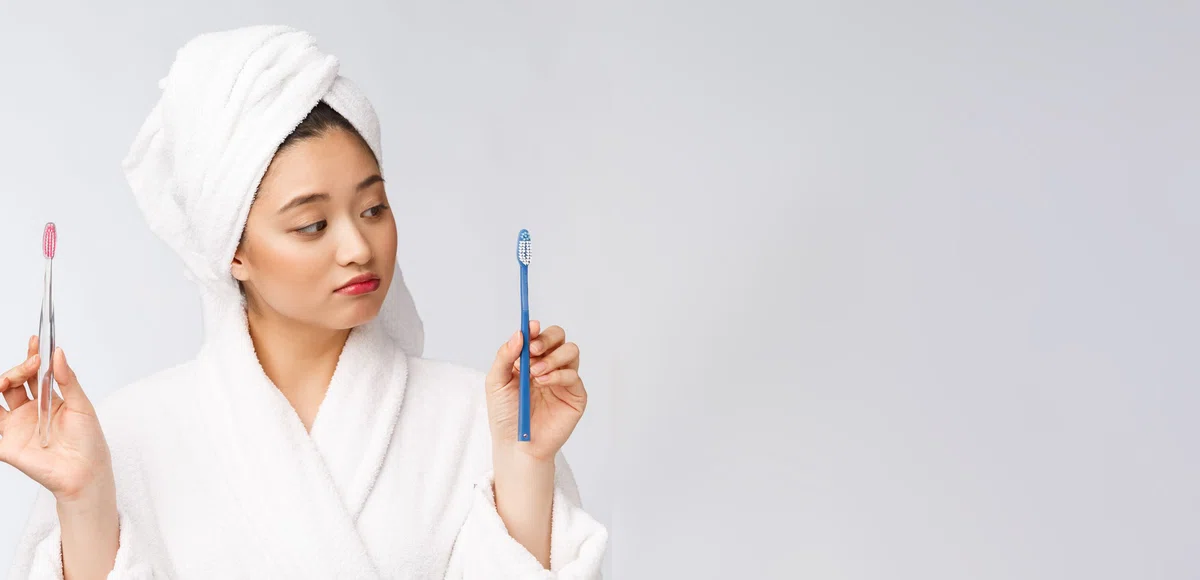
The importance of regularly changing hygiene products: toothbrush, comb and more

Find out why it's important to change your toothbrush, comb and other hygiene products regularly. Maintain optimal cleanliness and health!


Contents

  1. Frequency of replacement
    1. Replacing your toothbrush: why it's important and how often you should replace it
    2. Comb
    3. Washcloth
    4. Dishwashing sponges
    5. Cosmetic sponges
    6. Bedding
    7. Blankets and pillows
    8. Mattress
    9. Bath towels
  2. Frequently Asked Questions
    1. 🔹 How often should I replace my toothbrush?
    2. 🔹 Why is it important to renew my toothbrush regularly?
    3. 🔹 How often is it recommended to change my hairbrush?

Proper oral hygiene and appearance play an important role in maintaining our overall health. However, in addition to proper brushing techniques for teeth and hair, it is also important to pay attention to the most basic tools used in our daily hygiene - toothbrushes and combs. But how often should these hygiene tools be changed to maintain optimal levels of cleanliness and effectiveness? In this article, we'll look at expert advice on when to replace toothbrushes, combs and other important hygiene tools, and why it's important for our overall wellbeing.

Frequency of replacement

Toothbrush replacement: why it's important and how often you should replace your toothbrush

A toothbrush is an important tool for maintaining oral health. Dentists recommend renewing it once every 3 months, at least. Why is this frequent brush replacement so important? First, over time, the bristles begin to lose their effectiveness due to natural wear and softening. This means that it won't be able to effectively remove plaque and clean your teeth. Second, bacteria and microorganisms from the oral cavity accumulate on the surface of the toothbrush. This can lead to an increased risk of infection or the development of gum disease. Third, over time, the shape and structure of the lint on the brush can change, which can lead to gum trauma or damage to tooth enamel.

It is interesting to note that if you prefer toothbrushes with a natural wooden handle, you will have to replace them more often - about every month. This is due to the fact that wooden materials are more susceptible to wear and tear and are prone to bacteria buildup.The replacement intervals for other hygiene items are listed below.

Comb

It is recommended that you replace your comb once a year, especially if it is made of wood with natural bristles or has false teeth. However, plastic combs such as the Tangle Teezer have an almost unlimited lifespan. It's important to remember that regardless of the type of comb, washing it regularly with soapy water once a week is essential to maintain hygiene.

Washcloth

It is recommended to change your loofah every six months, whether it is made of synthetic or natural material. This is because loofahs can accumulate bacteria over time, and changing them regularly will help maintain optimal hygiene conditions.

Dishwashing sponges

The more often you change your sponges, the better. Due to the porous structure of sponges, millions of bacteria can accumulate on their surface. It is recommended to change your dishwashing sponges every 2-4 weeks or when they show signs of wear and contamination.

Cosmetic sponges

It is recommended to change your cosmetic sponges once a week. Sponges are used to apply makeup to the skin and their surface can be an ideal breeding ground for bacteria. To maintain hygiene, it is also advisable to dry the sponges after each use and to disinfect them periodically, e.g. by rinsing them with hot soapy water or using special products for cleaning cosmetic instruments.

Bedding

Regular change of bed linen is important to maintain cleanliness and hygiene. It is recommended to change bed linens, including pillowcases, once a week during the warm season and twice a month during the cold season. Bedding can accumulate dead skin cells, sweat and other bodily fluids, providing a favorable breeding ground for bacteria and dust mites. Washing bedding at a temperature of at least 50 degrees also helps to effectively kill bacteria and mites.

Blankets and pillows

It is optimal to replace blankets every 10 years and pillows every 4 years. The service life depends on the composition and filling. Blankets made of natural materials such as down or wool may attract more harmful bacteria and dust mites, which can cause allergic reactions. Synthetic materials may be less fastidious in this regard. In any case, it is recommended that blankets and pillows be cleaned and ventilated periodically, and that mattress pads and covers be used to keep them clean and protected.

Mattress

It is recommended to replace your mattress about every 6-7 years. However, if you use mattress covers that protect the mattress from dust, stains and bacteria from the very beginning of its use, the life of the mattress can be extended. Regular airing and cleaning of the mattress are also important measures to keep it hygienic.

Bath towels

The frequency of changing towels depends on their purpose. It is recommended to change face towels every other day, for intimate hygiene - after each use, for feet - every 2-3 days depending on the intensity of use and season (more often in summer, less often in winter), for hands - every 2-3 days, and for body - also every 2-3 days. Regular towel changes help prevent bacteria buildup and keep your towels clean after a bath or shower.

Apart from the items listed above, it is also important to pay attention to the hygiene of other everyday items. For example, cell phones, keyboards, remote controls and other electronic devices can be sources of bacteria. It is recommended to periodically wipe them with wipes soaked in an antiseptic solution or use special antimicrobial covers or films that protect against bacteria and dirt. It is also important to remember to regularly clean and disinfect personal hygiene items such as razors, nail files and other tools to prevent bacterial growth and possible infections.

All of these measures will help keep everyday items clean and hygienic, preventing bacteria buildup and reducing the risk of various infections and illnesses. It is important to remember that recommendations for frequency of replacement may vary slightly depending on individual needs, conditions of use and manufacturer's recommendations.

Frequently Asked Questions

🔹 How often should I change my toothbrush?

Dentists recommend changing your toothbrush every 3 months to keep your teeth cleaning effectively and prevent bacteria buildup. 🪥

🔹 Why is it so important to update your toothbrush regularly?

Replacing your toothbrush regularly is important for several reasons. First, over time, the bristles of the brush become softened and unable to effectively clean your teeth. Second, bacteria builds up on the surface of the brush, which can lead to the risk of infections. Third, wear and tear on the brush lint can cause damage to gums and tooth enamel. 🦷

🔹 How often is it recommended to change my hairbrush?

A comb made of wood, with natural bristles or false teeth is recommended to be changed once a year. Plastic combs such as the Tangle Teezer have an almost infinite lifespan, but regular weekly cleaning with soapy water is essential to keep them hygienic. 💆‍♀️


Do you want to increase the number of clients by 5 times?

Choose premium placement on Madloba and attract customers who are currently leaving for your competitors.

I want
Increase the number of clients
to rate this post.

30 comments

  • შოთა
    ინტერესით წავიკითხე სტატია ჰიგიენის საშუალებების შეცვლის სიხშირეზე. განსაკუთრებით დამაინტერესა ინფორმაცია კბილის ჯაგრისების და მუჭების შესახებ. ყოველთვის მაინტერესებდა, რამდენად ხშირად უნდა შევცვალო ისინი. ვიქნები მადლობელი, თუ სტატიაში გაიცემა მეტი ინფორმაცია კვების ტუჩ-საპონზე, რადგან მათი მოვლა მნიშვნელოვანად მიმაჩნია.
  • P
    Peter
    The part about replacing mattresses is interesting. Given that factors like quality and condition are mentioned, could you provide more details on how to assess a mattress's condition to determine when it's time for a replacement?
  • А
    Алексей
    Интересно было узнать об оптимальных сроках замены предметов личной гигиены. Особенно удивило, что деревянные зубные щетки требуют замены каждый месяц. Всегда думал, что моей расчески хватает на несколько лет, а оказывается, её лучше обновлять ежегодно. Теперь понял, насколько важно вовремя менять спонжи и губки, чтобы избежать бактерий. Спасибо за полезные советы по гигиене!
  • გოგი
    როგორ შეიძლება დავიცვათ ტანსაცმლის გვირგვინი, რომ უფრო დიდხანს გაგრძელდეს მათი სიცოცხლის ხანგრძლივობა? მაგალითად, საინტერესო იქნება მოგესმოთ რჩევები, რა იქნებოდ თუ უნდა ვიცოდეთ, როდის უფრო მეტად ცხოვრობენ და როდის უფრო ადრე ცვივიან. ამასთანავე, რა თქმა უნდა, როგორ უნდა ვუფრთხილდეთ და როდის არის აუცილებელი განახლება.
  • Т
    Тима
    Смущает рекомендация менять матрас каждые 7-10 лет. Матрасы могут служить дольше, особенно если используешь хорошие матрасы с ортопедической поддержкой. Учитывая цены, не каждый захочет их менять так часто. Может, есть какие-то признаки, помимо износа, которые укажут, что пора менять матрас?
  • W
    Wolcott
    Do I really need to replace the loofah every 6 months no matter what it's made of? Seems like a short lifespan. Does the same apply to natural sponges too?
  • J
    Jonathan
    I'm curious about the recommendation to replace wooden toothbrushes with natural handles every month. Is there evidence that they wear out or become less hygienic faster than regular toothbrushes? It seems a bit excessive compared to the general 3-month guideline for other toothbrushes.
  • ნოდარი
    რატომ უნდა შეიცვალოს ხის კბილის ჯაგრისი ყოველთვიურად? არ მეგონა, რომ მასალას ასეთი გავლენა ჰქონდა. ხის ნივთები ხომ უფრო ეკოლოგიურია და მტკიცე. ხშირად ვიყენებ ხის ნაწარმს და მაინტერესებს, ასე ხშირად დართული ნივთების ხშირი შეცვლის საჭიროება რამდენად რეალურია. არ სჯობს, რომ მათი მოვლა და გასუფთავება ვასწავლოთ მომხმარებლებს? იქნებ ეს იყოს გადაწყვეტა, როგორც ვფიქრობ.
  • M
    MaximK6j1
    Почему деревянные зубные щетки с натуральной ручкой требуют такой частой замены по сравнению с обычными? Неужели материал ручки настолько влияет на срок службы?
  • B
    Ben
    I found the guidelines for replacing everyday hygiene items very useful. I didn't realize that wooden toothbrushes need monthly changes or that Tangle Teezer combs have a longer lifespan. It's also good to know the importance of regularly updating cosmetic sponges and kitchen sponges to prevent bacteria buildup. Keeping track of when to replace these items will surely contribute to better hygiene for my family.
  • ნინა
    როგორ იცვლება დახლიჩარის მოხმარების სიხშირე სხვადასხვა მასალებისგან დამზადებიდან გამომდინარე? მაგალითად, ვიცი, რომ პლასტმასის დახლიჩარები ხანგრძლივად შემიძლია გამოვიყენო, მაგრამ არსებობს თუ არა განსხვავებული რჩევები ხის ან სხვა მასალების დახლიჩარებისთვის? მასალებისა და ტიპების თვალსაზრისით, არის რამე, რაც კიდევ უნდა გავითვალისწინოთ?
  • Y
    Yana
    Всегда знала, что важно регулярно обновлять зубные щетки и спонжи для макияжа, но не думала, что и одеяла с подушками так часто требуется менять.
  • B
    Bianca
    Should makeup sponges be replaced more often than toothbrushes to ensure hygiene?
  • ანა
    ძალიან საინტერესოდ გართულებული გაქვთ ნივთების შეცვლის სიხშირე. მაინტერესებს, რატომ უნდა შეიცვალოს ხის ჯაგრისები უფრო ხშირად, ვიდრე პლასტმასისები? რა განსხვავებაა მათ შორის ბაქტერიების დაგროვების თვალსაზრისით? იქნებ ვიღაცამ იცოდეს, როგორ უნდა მოვუარო ხის ჯაგრისს ისე, რომ მისი გამოყენების დრო გაიზარდოს?
  • Р
    Рома
    Интересно, что пластиковые расчески, например, Tangle Teezer, служат дольше. Но будет ли это зависеть от частоты и условий использования, например, влага в ванной комнате? Хотелось бы также узнать, часто ли стоит стирать одеяла, чтобы они не только оставались чистыми, но и не теряли свойства.
  • Р
    Рома
    Интересно, что пластиковые расчески, например, Tangle Teezer, служат дольше. Но будет ли это зависеть от частоты и условий использования, например, влага в ванной комнате? Хотелось бы также узнать, часто ли стоит стирать одеяла, чтобы они не только оставались чистыми, но и не теряли свойства.
  • K
    kiraenergy
    Интересно, действительно ли деревянные зубные щетки требуют замены каждый месяц. Не слишком ли это частая замена? Дерево обычно довольно прочное, и мне всегда казалось, что такие щетки могут прослужить дольше.
  • K
    kiraenergy
    Интересно, действительно ли деревянные зубные щетки требуют замены каждый месяц. Не слишком ли это частая замена? Дерево обычно довольно прочное, и мне всегда казалось, что такие щетки могут прослужить дольше.
  • M
    MeganClark
    Is there a specific recommendation for how often to replace hairbrushes if they have natural bristles? I know that natural materials can be more susceptible to wear, but I'm curious if there's an ideal timeframe.
  • И
    Игорь
    Интересует вопрос про пластиковые расчески, такие как Tangle Teezer, которые в статье упоминаются как долговечные. Неужели они настолько прочные, что могут служить гораздо дольше года? У меня складывалось впечатление, что долговечность подобных вещей может зависеть от интенсивности использования и условий хранения.
  • A
    amanzholova.a.s18
    Очень актуальная статья! Я всегда задумывалась, насколько важно регулярно менять средства гигиены, но не всегда знала, когда именно. Особенно удивил факт о том, что зубную щетку нужно менять каждые 3 месяца, а расческу — еще чаще, чтобы избежать накопления бактерий. Теперь буду следить за состоянием своих средств более внимательно. Действительно, здоровая гигиена — это не только правильно подобранные средства, но и их своевременная замена. Рекомендую всем не забывать об этом, чтобы поддерживать здоровье на высшем уровне!
  • A
    Alice
    Не знала, к сожалению, раньше, что расчёску и мочалку нужно менять так быстро. Думала, что достаточно просто помыть и постирать их, и я уверена, что не одна такая. Расчёской многие вообще одной и той же пользуются десятками лет, по-моему.. Обязательно воспользуюсь вашими рекомендациями. Было полезно!
  • S
    svetlanamagicg
    Ой, какая же интересная тема статьи, актуально на все времена и для всех. С заменой зубной щетки конечно, момент интересный, я например, каждый месяц меняю, мне так комфортно. Так же про губку для мытья посуды, у меня ее срок эксплуатации примерно неделя. Многие вещи индивидуальны, а в общем, советы очень хорошие, заставляют задуматься и вспомнить, когда в прошлый раз что-то меняла.
  • А
    Аделина
    Как замечательно, что статья поднимает этот важный вопрос о замене гигиенических принадлежностей! Поддерживать регулярное обновление зубных щеток, расчесок и других гигиенических принадлежностей - это ключевой аспект заботы о нашем здоровье. Помните, что эти предметы могут быть источником бактерий и микробов, поэтому частая замена помогает поддерживать оптимальную гигиеническую практику. Благодарю за напоминание о важности этого процесса!
  • B
    bmv-007
    Какая полезная информация. Некоторые моменты для меня новые, хотя стараюсь поддерживать гигиену. Часто меняю губки и тряпки на кухне. Щетки и мочалки меняю тоже достаточно часто. Не знала про расчески, если честно! Знаю, что их нужно мыть, а вот замену раз в год не делала.
    Интересная информация про матрасы, подушки и одеяла. Раньше это передавали из поколения в поколение.) Я вот очень сильно ошиблась при покупке матраса - сэкономила на чехле (думала, что это баловство для детских кроватей). Сейчас смотрю на матрас и понимаю, что сэкономить не получилось. Матрасу третий год, а он уже требует замены!
  • J
    joydog2018
    О да, про постельное бельё - это отдельная тема. Читала ранее на каком-то сайте, что люди подолгу не меняют постельное бельё, а потом жалуются на обилие прыщей, извините за подробности. Особенно это относится к наволочкам, их вообще стоит менять в два раза чаще. А что касается мочалок, то замены раз в полгода бывает недостаточно. В ванной же повышенная влажность, высокая вероятность развития бактерий. Нужно иногда обдавать мочалку кипятком, чтоб наверняка.
  • А
    Анастасия
    Всегда меняю зубную щетку раз в месяц, не важно из чего она сделана, уже много раз доказано, что это рассадник бактерий, равно как и губка для мыться посуды, которую чем чаще меняешь, тем лучше. Впервые узнала про расчески фирмы Tangle Teezer, если их реально использовать без ограничения, то это очень здорово, особенно если у Вас, как у меня длинные волосы. Хорошая расческа - друг любой девушки. спонжиками для макияжа не пользуюсь давно, мне кажется после каждого применения за сутки там уже накопится куча бактерий и это не добавит ни красоты, ни здоровья. Одеяла и подушки я рекомендую не только проветривать, но и сушить на солнце, в жару вытаскивая на окно или балкон за пару дней солнце спалит все основные виды бактерий, которые не переносят сухую жаркую погоду, особенно если ваши подушки сделаны из натуральных материалов.
  • А
    Анаит
    Очень полезная статья. Блин, расчёска мою часто, но срок службы не знала. Зубные щетки каждые 3 месяца обязательно! На матрасник есть. И очень часто, я выношу подушки на солнышко. Обожаю потом чувствовать "запах солнышка". Блин, а вот про мочалки я тоже не знала. Пойду менять свою губку. Ведь и это немало важно. Ещё нужно зубные нити регулярно менять. Вы все эти рекомендации соблюядаете?
    Регулярная смена этих предметов помогает поддерживать хорошую гигиеничность, предотвращает распространение бактерий и поддерживает здоровье.
  • A
    alinakus1095
    Спасибо за ценную и полезную информацию. Зубные щетки стараемся менять каждые два месяца. Расчески обязательно раз в две недели мою со специальным средством, продается в любом косметическом магазине.
  • R
    roma
    Статья очень информативная и актуальная. Она напоминает нам о важности регулярной замены зубной щетки, расчески и других средств гигиены. Частая смена этих предметов не только помогает поддерживать оптимальную чистоту и здоровье, но и предотвращает развитие бактерий и инфекций в полости рта и на коже головы. Это особенно важно для тех, кто имеет проблемы с деснами или волосами. Регулярная замена средств гигиены также способствует лучшему качеству чистки и улучшению общего состояния зубов и волос. Поэтому рекомендую всем следовать этому совету и не забывать о регулярной замене средств гигиены.