


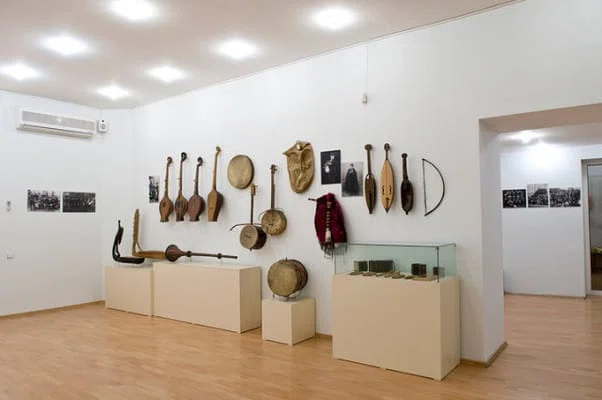
Georgian folk song at the State Museum of Georgian Folk Song and Instruments.

The State Museum of Georgian Folk Song and Instruments is relatively young, but it already has a collection of 4,100 exhibits. Here you can see ancient and unique folklore recordings, as well as audio and video material, folk instruments not only of the Georgian population, but also Eastern and European ones.


Museum of Georgian Folk Songs and Instruments was founded in 1975 on the basis of the collection of mechanical instruments of Tbilisi collector Arkady Revazishvili (Revazov), and in 1984 it was finally formed as an independent museum.

It contains old unique folklore recordings, photos, audio and video materials, Georgian folk instruments, Eastern and European (classical and mechanical), total - 4100 exhibits.
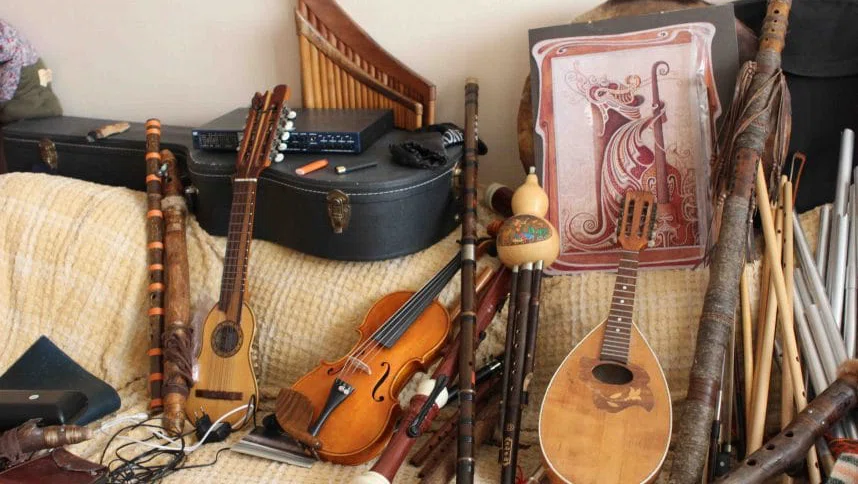
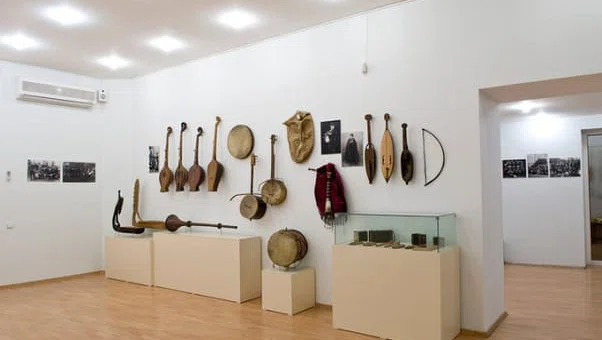
Музей грузинской народной песни и музыкальных инструментов
Музей грузинской народной песни в Тбилиси

The State Museum of Georgian Folk Songs and Instruments is a unique cultural heritage of Georgia, which collects, preserves and exhibits items of folk culture of the country. The museum was founded in 1975 on the basis of the collection of mechanical instruments of Tbilisi collector Arkadi Revazishvili (Revazov). Since then, it has not only expanded and grown, but also turned into one of the most interesting museums in Georgia.

Despite the fact that the museum is relatively young, during this time it has collected more than 4,100 exhibits in its collections, reflecting the richness and diversity of Georgian folk culture. Here you can see and listen to ancient and unique folklore recordings, as well as audio and video materials that introduce visitors to the history and culture of Georgia. In addition, the museum presents folk instruments not only of the Georgian population, but also Eastern and European, classical and mechanical.

The museum's collections demonstrate the richness of the cultural heritage of Georgia, which is passed down from generation to generation. They consist of items related to folk art, music, songs and dances, folk rituals and traditions. Each exhibit has its own history and is associated with a certain period in the life of the Georgian people.

In the museum, you can see ancient Georgian instruments such as chonkhuri, chokhila, salamuri, chubur, as well as many others that were used in folk songs and dances. In addition, the museum exposition presents instruments that came to Georgia from other cultural regions, such as Iran, Turkey, Azerbaijan, Armenia and Europe.

One of the most valuable exhibits of the museum is a rare and expensive mechanical organ violin, created in the late 19th century. This unique instrument was made by master A.V. Kato in the city of Harbin in what is now China. The violin is a combination of a mechanical organ and a violin with three strings. It is capable of reproducing not only the sounds of a violin, but also imitating the sound of an organ. Today, this is one of the few surviving examples of such an instrument in the world. The museum not only preserves and exhibits unique folk instruments, but also studies and preserves Georgian folk music. In addition, concerts and events related to folk music and instruments are held here.

A visit to the State Museum of Georgian Folk Songs and Instruments is a unique opportunity to immerse yourself in the world of folk music and see rare and unique instruments that no longer exist elsewhere. The museum is open to everyone interested in culture and music, and is always happy to welcome guests from all over the world.

If you visit Tbilisi, do not miss the opportunity to visit this wonderful museum and learn more about Georgian folk music and instruments. You will be able to enjoy beautiful music and see amazing exhibits that will tell you the history of this unique culture.

It is important to note that the museum is not only a popular tourist destination, but also actively engaged in scientific activities. It conducts research in the field of Georgian folk music, and collects information about various folk instruments that are used in Georgia and other countries.

Thanks to such activities, the museum becomes a real center of folk music culture, and also attracts many researchers and folk music lovers from different countries. In addition, the museum hosts many events related to folk music, such as concerts, master classes, lectures and exhibitions, which allow visitors to dive deeper into the world of Georgian folk music and understand its history and cultural significance.

Along with this, the museum cooperates with other cultural institutions, both inside and outside Georgia, to disseminate and promote Georgian folk music on a global scale. The museum also actively cooperates with folk museums of other countries and organizations for the preservation and promotion of folk music in the world.

The museum has not only exhibits, but also a library with a rich collection of books, magazines, articles and other materials on folk music. The library also has unique rare editions and manuscripts that cannot be found anywhere else. For those who want to immerse themselves in the world of folk music of Georgia, the museum library is a real treasure trove of knowledge.

In addition, the museum is a place where scientific research on folk music is carried out. The museum has its own scientific center, which studies the history, traditions and cultural significance of folk music of Georgia. This scientific center also holds master classes and lectures for researchers and scientists, as well as for the general public.

Visitors to the museum can see not only exhibits and the library, but also attend concerts that are held in a specially equipped hall. The hall hosts both performances of famous artists and concerts that are held in the evening for young people. In addition, here you can get acquainted with traditional dances and songs of Georgia, as well as participate in master classes on playing Georgian instruments.

The museum also carries out scientific research activities and participates in international projects related to the preservation and study of folk musical culture. In particular, the museum is a member of the international association of museums of musical culture CIMCIM and annually takes part in its conferences and events.

The museum is open to visitors from 10:00 to 17:00, except Mondays and holidays. The entrance ticket costs about 10 lari, which is about 3 US dollars. There is also a souvenir shop in the museum where you can buy CDs with recordings of Georgian folk music, as well as books and other souvenirs.

In general, the State Museum of Georgian Folk Songs and Instruments is one of the most interesting museums in Georgia, which we recommend visiting to all lovers of music and culture. Here you can immerse yourself in the atmosphere of folk traditions, learn a lot about the history and culture of Georgia, and also enjoy a live performance of folk songs and dances. --------------------------

We encourage our readers to leave comments and ask questions under the articles. Your opinions and ideas are important to us, and we will be happy to discuss with you the topics that interest you.


Do you want to increase the number of clients by 5 times?

Choose premium placement on Madloba and attract customers who are currently leaving for your competitors.

I want
Increase the number of clients
to rate this post.

35 comments

  • А
    Артём
    Сколько времени занимает экскурсия по музею и можно ли участвовать в музыкальных мероприятиях без предварительной записи? Интересно было бы увидеть редкие инструменты вживую.
  • D
    David
    Are you sure the museum was founded in 1975? That seems quite recent for such a comprehensive collection.
  • ვალერიან
    სტატიის მიხედვით, ჩანს, რომ მუზეუმს დიდი მნიშვნელობა აქვს ქართული მუსიკალური მემკვიდრეობის შესანახად. თუმცა მაინტერესებს, ნამდვილად არსებობენ ამ მუზეუმში აღმოცენილი ზოგიერთი ინსტრუმენტის საერთაშორისო შესაბამისობები? მაგალითად, საინტერესო იქნებოდა მეტი ინფორმაცია იმაზე, როგორ შედარებულია ქართული ინსტრუმენტები ევროპულ და აზიურ ინსტრუმენტებთან.
  • ნათია
    მუზეუმი აქტიურად ატარებს ღონისძიებებს და მათ შორის კონცერტებს, მაგრამ საინტერესოა, როგორი ფორმით ხდება ფოლკლორული მუსიკის სწავლება და შემოქმედებითი პროცესების წახალისება, განსაკუთრებით ახალგაზრდა თაობისთვის? მგონია, რომ ეს ძალიან მნიშვნელოვანი იქნება ისეთი უნიკალური კულტურული მემკვიდრეობის შენარჩუნებისთვის, როგორიცაა ჩვენი მუსიკალური ტრადიციები.
  • И
    Ирина
    Интересно, а как музей удается поддерживать и восстанавливать такие редкие инструменты, как органная скрипка 19 века? С учетом возраста и редкости, должно быть непросто найти специалистов по их ремонту и реставрации.
  • S
    Samantha
    How does the museum choose which international cultural institutions to collaborate with on preserving traditional music?
  • C
    cameronnow
    Visiting the museum was an incredible experience. The vast collection of over 4100 items, including rare folk recordings and unique instruments, offers a deep dive into Georgian musical traditions. Seeing instruments like the chonkhuri and the 19th-century organ violin was fascinating. The museum's dedication to preserving Georgian folk music by hosting concerts and cultural events is commendable. It's impressive how they collaborate with cultural institutions globally to promote folk music. Highly recommend for anyone interested in music and history.
  • K
    Kakha
    ამ მუზეუმში ვიზიტი ნამდვილი აღმოჩენაა. განსაკუთრებით საინტერესო იყო მხატვრული და კოლექციური ინსტრუმენტები, რომლებიც ტრადიციული ქართველი ხალხის მუსიკის ისტორიას და კულტურას ასახავენ. ინსტრუმენტების მრავალფეროვნებამ და მათი უნიკალური ჟღერადობამ ნამდვილად შთამაგონა. გარდა ამისა, მუზეუმი აქტიურად თანამშრომლობს საერთაშორისო ორგანიზაციებთან, რაც მნიშვნელოვანია ჩვენი კულტურის დაცვისთვის. აუცილებლად ვურჩევდი ყველას, ვისაც აინტერესებს ტრადიციული მუსიკა და ისტორია.
  • Д
    Дмитрий
    Есть ли у музея программы или мероприятия, которые позволяют посетителям самостоятельно попробовать поиграть на некоторых инструментах из коллекции? Было бы интересно увидеть, как старинные инструменты оживают в руках людей.
  • თამარი
    მინდა ვიკითხო, უფრო დეტალურად თუ შეგიძლიათ თქვათ, არის თუ არა რაიმე ღონისძიებები, რომლებიც ბავშვებისთვის არის განკუთვნილი? ჩემთვის, როგორც დედისთვის, ძალიან მნიშვნელოვანია გავუზიარო ჩემი შვილებს ჩვენი კულტურული მემკვიდრეობა, და ასე იქნებოდა მშვენიერი შესაძლებლობა მათთვის.
  • A
    Aviva
    Visiting this museum was an unforgettable experience. The collection of over 4,100 items offers a deep dive into Georgian folk music and instruments. It was fascinating to see ancient instruments like the chonkhuri and the rare 19th-century bowed organ. The museum's dedication to preserving Georgian music is evident through their concerts and events. Hearing traditional songs played on such unique instruments made the visit truly special. Plus, the museum's collaboration with international cultural institutions highlights its commitment to sharing and preserving folk music globally.
  • И
    Иннокентий
    Очень интересно узнать, что музей занимается не только сохранением инструментов, но и активно участвует в международных проектах. Это вдохновляет на новое восприятие культуры. Прекрасно, что такие места поддерживают живую связь между поколениями через музыку.
  • А
    Арина
    Интересно, а насколько часто музей обновляет свою коллекцию? Ведь народная музыка и культура постоянно развиваются. Какие новые экспонаты появляются в музее, чтобы отразить эти изменения?
  • U
    Uriel
    I recently visited this fascinating museum and was truly impressed by the vast collection of over 4100 items. The unique blend of Georgian, European, and Eastern instruments, including rare mechanical pieces like the 19th-century organ violin, offered a deep dive into music history. It was a delight to see how they preserve traditional Georgian music and share it through concerts and events. The collaboration with international cultural institutions shows their dedication to music preservation on a global scale.
  • В
    Валентин
    Меня всегда завораживала грузинская народная музыка, и музей показался настоящим сокровищем. Особенно впечатлили старинные инструменты, такие как чонхури и чубур. Узнал много нового о фольклорных записях и был удивлён масштабом коллекции. Моя жена осталась в восторге от атмосферы музея и тех событий, которые они организуют. Надеюсь, это место будет продолжать развиваться и привлекать ещё больше людей, интересующихся культурой.
  • L
    Lewis
    How often does the museum host concerts and events related to traditional music, and is there a calendar available online? Curious to know if any upcoming international projects might include collaborations with artists or museums from other countries.
  • თენო
    საინტერესოა, რატომ არ არის გამოკვეთილი, ჩაერთო თუ არა ჰარბინი და რა გარემოებებში მოხდა იქ მოძველებული მექანიკური ინსტრუმენტის, როგორც "ორგანური ვიოლინოს", წარმოება. მსგავსი ფაქტები შეიძლება საინტერესო იყოს და უფრო დიდი სიღრმე მისცეს სტატიას.
  • N
    nelsontaylor
    I find it hard to believe that a 19th-century mechanical violin was made in Harbin, as the city is in China and not known for producing European instruments during that time. Could this be a mistake in the description of the exhibit?
  • И
    Игорь
    Это уникальное место, где можно узнать о богатой музыкальной культуре Грузии. Музей собрал более 4100 экспонатов, включая старинные фольклорные записи, редкие музыкальные инструменты и коллекции из разных уголков мира. Здесь можно не только увидеть инструменты, такие как чонхури и чохила, но и послушать народную музыку через аудио и видео материалы. Музей активно проводит исследования и устраивает концерты, мастер-классы и лекции, что делает его важным центром для любителей народной музыки и культуры. Это место стоит посетить всем, кто интересуется грузинской культурой и музыкой.
  • H
    hov4nsky
    Странно, что такая значимая коллекция, как у музея, стала независимой только спустя почти десять лет после основания. Непонятно, почему понадобилось столько времени, чтобы его отделили от других учреждений.
  • E
    Elvina
    Как же интересно узнать, что в Тбилиси есть такой замечательный музей, посвященный народной музыке! Грузинское многоголосие – это настоящее культурное достояние, а увидеть старинные инструменты и редкие фольклорные записи – бесценный опыт. Очень захотелось побывать на одном из концертов или даже мастер-классе! Спасибо за такую подробную и вдохновляющую статью! 🎶😊
  • О
    Ольга
    Чонхури - традиционный грузинский музыкальный инструмент, который можно увидеть в музее. Этот струнный инструмент напоминает скрипку и играет важную роль в духовной и культурной жизни Грузии. Посетители музея могут ознакомиться с историей и традициями грузинской музыки, а также услышать живые выступления на чонхури. Её звук уникальный и ни с чем не сравнымый.
  • A
    alinakus1095
    Количество музеев в Грузии поражает, тут и месяца не хватит чтобы успеть посетить каждый, поэтому приходиться чем-то жертвовать. Но этот однозначно номер один в моем списке, обязательно первым делом отправлюсь именно туда!
  • A
    aleksandraretusherova
    Я так восхищена Государственным музеем грузинской народной песни и инструментов! Это не просто музей, это волшебное место, где каждый экспонат рассказывает свою уникальную историю. Более 4100 предметов, включая старинные грузинские инструменты, ждут вас здесь. Посещение этого музея - это как путешествие в историю и культуру Грузии. Я уже не могу дождаться, чтобы посетить его и насладиться этой удивительной атмосферой!
  • J
    joydog2018
    Более четырëх тысяч ста экспонатов в одном месте, которые хранят историю народного фольклора, народного творчества! Похвально, что музей регулярно проводит различные мероприятия, это поддерживает нынешнее творчество и позволяет не забывать прошедшее. Вообще, я обожаю подобные места, связанные с ремëслами и национальными танцами, с музыкальными инструментами. В них есть какая-то жизнь, что ли, которой нет в обычном мире.
  • А
    Анастасия
    Впервые сталкиваюсь с таким музеем, спасибо, madloba, что просвещаете. Удивительно сколько разнообразных музыкальных инструментов существуют в гармонии на одной территории. Мало где найдешь такое разнообразие. Отдельный плюс музею, что он стоит на месте, а развивается, занимается научной, образовательной и музыкальной деятельностью, проводит концерты и другие мероприятия. Наверное таким и должен быть современный музей: открытым, динамичным и развивающимся в ногу со временем. Здорово, что можно посетив музей и историю узнать и музыку хорошую послушать.
  • К
    Кирилл
    Я только что прочитал статью о Государственном музее грузинской народной песни и инструментов, и я просто в восторге! Я уже был в Тбилиси, но узнать больше о этом уникальном месте в самом большом справочнике-каталоге о Грузии, Madloba.info, было просто замечательно. Я очень впечатлен тем, что музей также занимается научной деятельностью и проводит исследования в области грузинской народной музыки. Большое спасибо Madloba.info за информацию о таком потрясающем культурном месте. Я определенно рекомендую всем любителям музыки и культуры посетить этот музей и погрузиться в богатую историю и культуру Грузии.
  • B
    Bibitaki
    Когда я приехала в Грузию, мои родные и друзья сразу стали спрашивать, действительно ли это такая музыкальная страна, действительно ли люди поют тут песни, когда собираются гости. Интересно, что это и правда так. Такое ощущение, что музыкальные навыки тут у всех с рождения, все умеют петь и все играют на каком-нибудь музыкальном инструменте. А во всех грузинских домах, где я побывала, обязательно был музыкальный инструмент, в основном, конечно, пианино, но встречала даже шарманку.
    1
    • J
      joydog2018
      Ого! Очень интересно! Надеюсь, что и мне когда-нибудь посчастливится побывать в этой солнечной стране. Да и в этом музее интересно было бы побывать. Народ действительно "музыкальный", и многие увлекаются народными ремёслами. Может всё дело в том, что люди хотят продолжить свою историю, свои традиции? Это у них в крови, оттого они по праву и считаются таким ярким народом, это часть их культуры. А можете, пожалуйста, ещё рассказать о быте грузин?
  • G
    gjfroksit228
    Очень хороший музей, всегда интересно почитать и посмотреть на исторические вещи. Тем более если это связано с музыкой, все мы любим и жить не можем без музыки, однако здесь собрано более 4000 экспонатов
    1
  • B
    bikteeva94
    Музей грузинской народной песни и инструментов был основан в 1975 году, включает в себя коллекцию из 4100 экспонатов! Здесь можно увидеть старинные и уникальные фольклорные записи, а также аудио и видео материалы, народные инструменты (грузинские, восточные и европейские), и многое другое!
  • М
    Марина
    Люблю музыку. И очень люблю народную музыку разных национальностей. Пусть музей и молодой, зато очень продуктивный: уже больше четырех тысяч экспонатов. И это по настоящему удивительно, как грузины не только сохраняют, но и создают новое наследие. Этот музей станет добрым вложением в сохранение музыкальной грузинской песни.
  • natali_khannanova
    Грузинский народ поет так красиво, многоголосно как никто в мире. Словно легкие наполнены горным воздухом и создают необыкновенный тембр голоса. Я с радостью послушаю уникальные фольклорные записи. Всем советую посетить музей и поближе узнать грузинские народные песни. Спасибо автору за увлекательную статью.
    • B
      bikteeva94
      Все-таки настолько уникальный и разнообразны музеи Грузии! Они настолько разносторонни и интересны по своему! Каждый может найти для себя близкую тему по интересам и по спросу! Вот например Государственный музей грузинской народной песни и инструментов, он относится к молодым музеям, но уже собрал у себя коллекцию из 4100 экспонатов.
  • И
    Ира
    Признаюсь, что очень интересовалась музыкой в детстве, даже мечтала стать певицей , но не сложилась. Сейчас работаю директором в школе и не пожалела, все-таки судьба у каждого своя)) Поэтому у меня глаза загорелись, когда увидела инструменты, играла в детстве просто на всех! Музей был основан в 1975 году на базе коллекции механических инструментов тбилисского коллекционера Аркадия Ревазишвили