



Beautiful house-museums of Georgia. Visit the house-museum of Nodar Dumbadze.
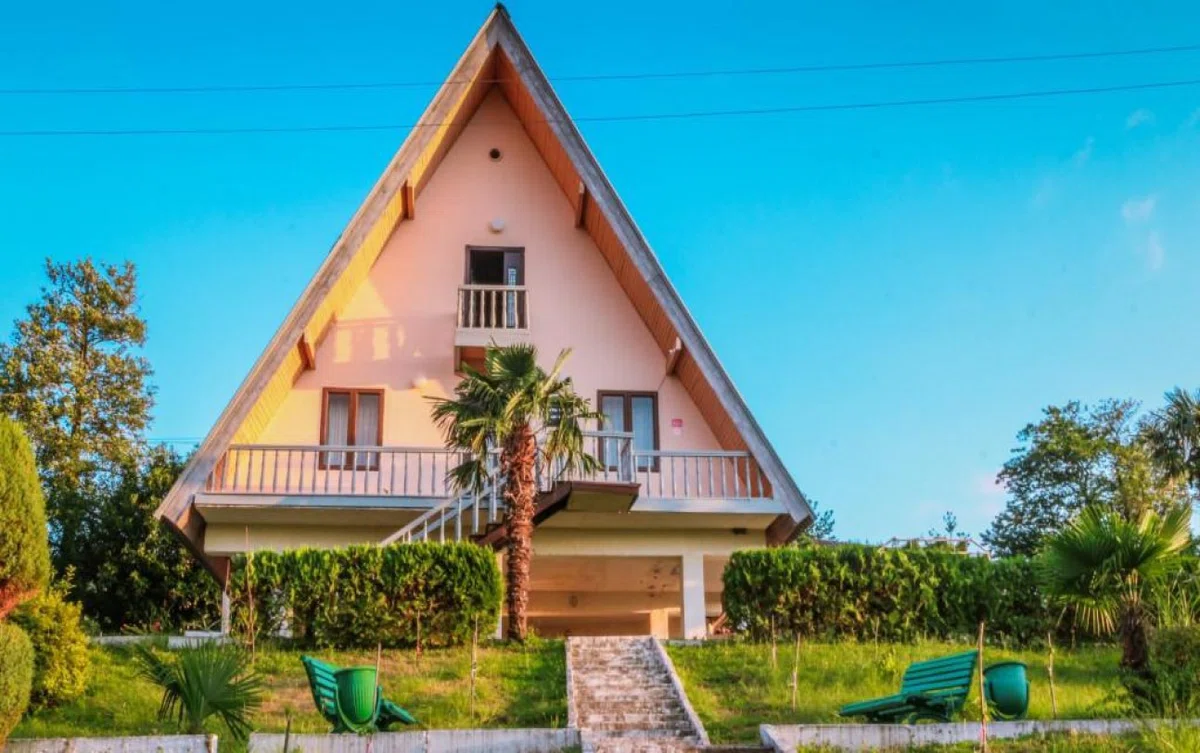
Nodar Dumbadze was a famous Georgian writer. His house, where the museum is now located, contains a huge number of samples conveying the story of his ordinary life and creative work. Here you will find photos, handwritten texts, documents, personal belongings and much more. In total, you can see here more than four hundred exhibits.
The museum contains materials reflecting the life and work of the Georgian writer and public figure Nodar Dumbadze: a photo archive, manuscripts, documents, books, the writer's personal belongings and others, a total of 412 exhibits. The museum was founded in 1988.
In 1950, Nodar Dumbadze (1928-1984) graduated from the Faculty of Economics Tbilisi State University. He was the editor of the magazine "Niangi" (Crocodile), secretary of the board, chairman of the Union of Writers of Georgia, member of the board of the Union of Writers of the USSR, member of the editorial board of the magazine "Young Guard", founder of the youth town "Mziuri". Nodar Dumbadze wrote humorous stories and poems. His novels "Me, Grandmother, Iliko and Illarion", "I See the Sun", "Sunny Night", "White Flags", "Don't Be Afraid, Mom", "The Law of Eternity" brought him particular, universal popularity. Plays and feature films have been staged based on the works of N. Dumbadze. The writer's works have been translated into various languages. Nodar Dumbadze was awarded the Order of the Badge of Honor and medals. He was a laureate of the Shota Rustaveli and Lenin state prizes.

Nodar Dumbadze is an outstanding Georgian writer and public figure, whose works have received recognition both in Georgia and abroad. His house, which has now been turned into a museum, houses a rich collection of exhibits that reveal the history of Nodar Dumbadze's life and creative work. Here you can find photographs, manuscripts, documents, books, the writer's personal belongings and much more. The total number of exhibits exceeds 400. The museum was founded in 1988 and has since attracted many admirers of Dumbadze's work from all over the world. Nodar Dumbadze was born on September 14, 1928, in the village of Chkhorotku in southwestern Georgia. He received his higher education at the Faculty of Economics of Tbilisi State University in 1950. However, his passion for literature was stronger, and he began working for the magazine "Niangi" (Crocodile) as an editor. Later he became the secretary of the board and then the chairman of the Writers' Union of Georgia. He was also a member of the board of the Writers' Union of the USSR and a member of the editorial board of the magazine "Young Guard". Thanks to his talent and leadership qualities, Nodar Dumbadze was a respected and authoritative person in Georgian literature and cultural life.
The work of Nodar Dumbadze is widely known not only in Georgia, but also abroad. His works have been translated into many languages of the world and are popular among both adults and children. He became famous for his humorous stories and poems, as well as novels, the most popular of which are "Me, Grandma, Iliko and Illarion", "I See the Sun", "Sunny Night", "White Flags", "Don't Be Afraid, Mom", "The Law of Eternity". In his works, Dumbadze depicted the world with humor and irony, but at the same time conveyed important social and moral problems. One of the most famous works of the writer is the novel "Me, Grandma, Iliko and Illarion", which was published in 1963 and became one of the most beloved works in Georgia. The novel tells the story of three brothers who, after the death of their father, go to live with their grandmother in the village. In the book, Dumbadze conveys his love for his native land and the beauty of Georgian nature, as well as important values that were passed down from generation to generation.
In addition, Nodar Dumbadze was an active public figure. In the 1950s, he became the editor of the magazine "Niangi" (Crocodile), which was one of the most popular humorous magazines in the USSR. At the same time, he was a member of the board of the Writers' Union of Georgia and the Writers' Union of the USSR. Due to his literary achievements and active social activities, Nodar Dumbadze was awarded many high awards, including the Order of the Badge of Honor and medals. He was also a laureate of the Shota Rustaveli and Lenin state prizes. Nodar Dumbadze died in 1984 at the age of 56, leaving behind a legacy that is still extremely popular in Georgia and beyond. Several literary awards and festivals have been established in his honor, and streets and squares in various cities in Georgia have been named after him.
In 1988, a museum was opened in Nodar Dumbadze's house, which has become a popular place among tourists. The museum not only introduces the life and work of Nodar Dumbadze, but also the history of Georgia as a whole.
Nodar Dumbadze was not only a famous writer, but also a public figure. In 1967, he was elected a member of the Writers' Union of the USSR, and in 1976 he became the chairman of the Writers' Union of Georgia. He was also a member of the editorial board of the magazine "Young Guard" and the founder of the youth town "Mziuri".
In 1984, Nodar Dumbadze died in Moscow at the age of 55. His funeral became a large-scale public event, attended by many people, including the writer's colleagues, cultural representatives and ordinary citizens.
Today, Nodar Dumbadze's works continue to be popular not only in Georgia, but also abroad. His works have been translated into many languages and staged in theaters and on movie screens. The novel "Me, Grandma, Iliko and Illarion" has become a true classic of Georgian literature and is often included in the school curriculum.
Nodar Dumbadze was awarded several state prizes, including the Shota Rustaveli and Lenin Prizes. In 1982, he was awarded the Order of the Badge of Honor of the USSR, and in 1984 he was posthumously awarded the Medal "For Labor Valor".
It is worth noting that Nodar Dumbadze's works not only entertain and allow you to spend time with pleasure, but also have a deep philosophical meaning. In his works, the author skillfully combined humor and a deep understanding of human nature, showing that laughter is not only a tool for raising the mood, but also a means of expressing important ideas. In his stories and novels, Dumbadze often addressed the theme of human cruelty and ignorance, but always did so with a subtle sense of humor and irony. His works became famous not only in Georgia, but also abroad, and were translated into many languages of the world.
Nodar Dumbadze was also known for his social activities. For many years, he held various positions in the Writers' Union of Georgia and the Writers' Union of the USSR, fought for freedom of speech and defended the rights of the creative intelligentsia. He was one of the founders of the youth camp "Mziuri" in Kazbegi, which became a popular vacation spot for young people not only from Georgia, but also from other republics of the USSR.
In 1984, Nodar Dumbadze died of a myocardial infarction at the age of 56. He left behind a rich legacy in the literature and culture of Georgia, and his name became a symbol of spiritual freedom and creative independence. In 1988, the Nodar Dumbadze Museum was opened in his house on Mechnikov Street in Tbilisi, which has become a popular place among tourists and literature lovers. The museum displays many exhibits related to the life and work of the writer: manuscripts, books, photographs, personal belongings and other items that help to understand his creative path and personality.
One of Nodar Dumbadze's most iconic works is the novel "Me, Grandmother, Iliko and Illarion", published in 1966. This work, written in the genre of magical realism, tells the story of a family living on the border between Georgia and Armenia in the period between the First and Second World Wars. The main characters - grandmother Afro, her grandson Iliko and son Illarion - have special abilities that allow them to be on the edge of reality and dreams, as well as understand and communicate with animals. The novel "Me, Grandma, Iliko and Illarion" became a cult novel for several generations of Georgian readers, and was also translated into many languages of the world and received recognition outside of Georgia. Its film adaptation received high marks from critics and viewers, becoming one of the most popular films in the history of Georgian cinema.
It is also worth noting that Nodar Dumbadze was known as a public figure and a person who had a significant influence on the cultural life of Georgia in the second half of the 20th century. He was the chairman of the Union of Writers of Georgia and a member of the board of the Union of Writers of the USSR, and also founded the youth town "Mziuri" in the mountains of Svaneti, where young people could engage in creativity and relax in nature.
Nodar Dumbadze was awarded many high titles and awards, including the Order of the Badge of Honor and two state prizes - named after Shota Rustaveli and Lenin. His name is immortalized in the names of streets, parks and other objects not only in Georgia, but also abroad. Today, the museum created in the house of Nodar Dumbadze is one of the most popular tourist attractions in Tbilisi, attracting people from all over the world interested in the life and work of the outstanding Georgian writer and public figure.
--------------------------
We will be glad to hear your opinion about our article! Leave comments and ask questions, we will be happy to answer them. Your opinion is important to us!


36 comments
Log in to leave a comment
К примеру роман "Я, бабушка, Илико и Илларион" так часто упоминался в тексте статьи, даже стало интересно почитать и узнать о чем данный роман.
Вновь задумался над тем, что нужно все-таки следовать своему внутреннему голосу. Только представьте себе, что было бы если Нодар Думбадзе решил оставить писательство и работать экономистом...
Музей расположен в его доме, где сейчас, хранится множество вещей и деталей, передающих историю о его жизни и творчестве. Всего там находится более четырехсот экспонатов, есть на что посмотреть))