




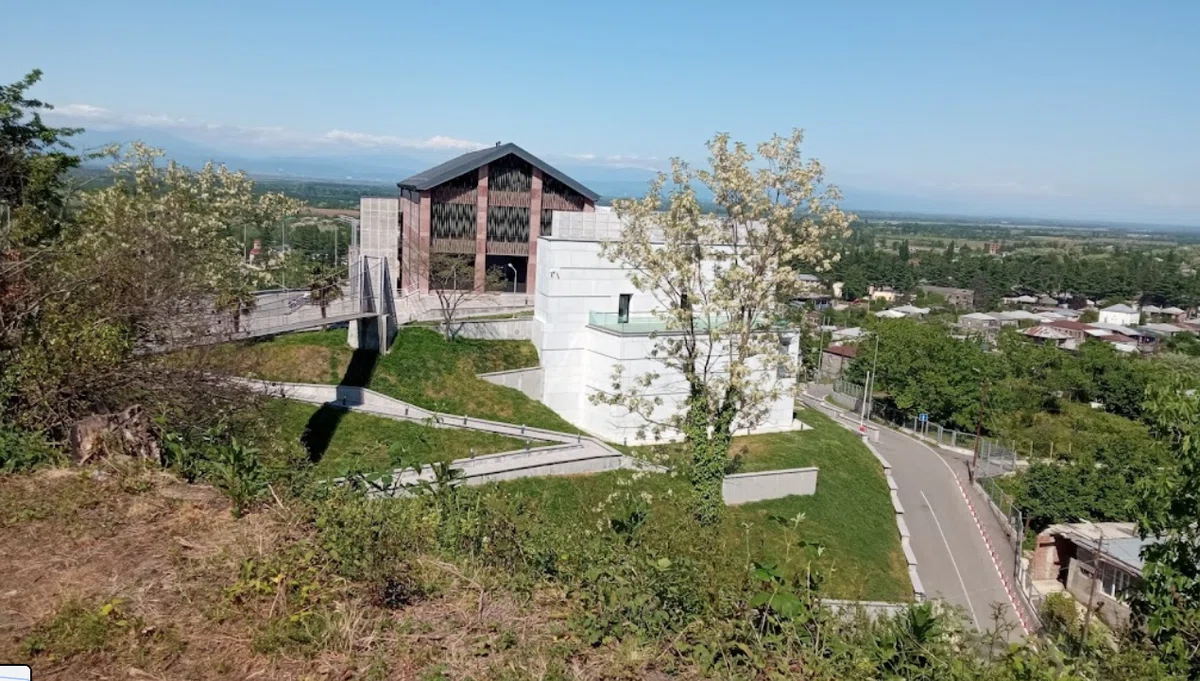
Exhibition of archaeological artifacts in Georgia. The Otar Lordkipanidze Archaeological Museum-Reserve in Vani.
The Archaeological Museum-Reserve consists not only of the museum itself, but also of the territory of the old town in Vani. Here you can see unique exhibits: various ornaments made of gold, sculptures made of bronze, ceramic products and much more.
The museum-reserve includes the territory of the old settlement in Vani (Surium, Levkothea) discovered as a result of archaeological excavations and the Archaeological Museum. The first archaeological excavations in Vani were carried out by Ekvtime Takaishvili in 1896. In 1947, under the leadership of Nino Khoshtaria, the Van Archaeological Expedition was created. From 1966 until his death in 2002, Otar Lodkipanidze headed the expedition. On his initiative and support, the Vani Museum-Reserve was founded in 1981, and later, in 1985, the Archaeological Museum.
The museum's collections preserve and present the rich cultural heritage of Vani and its environs (VIII-I centuries BC): unique examples of gold jewelry, bronze sculptures, their individual fragments, gold, silver and bronze items, a numismatic collection, ceramics, etc. The museum has a rich scientific library and a conference hall, where international scientific symposiums are regularly held.
Vani Archaeological Museum-Reserve - This is an amazing place where you can immerse yourself in the history and culture of Georgia. The museum is located on the territory of the old settlement of Vani, which was revealed as a result of archaeological excavations. This place is one of the most important archaeological finds in Georgia, where many unique exhibits were found, such as various gold jewelry, bronze sculptures, ceramics and much more. Archaeological excavations in Vani began in 1896, when Ekvtime Takaishvili conducted his first research. In 1947, the Van Archaeological Expedition was created under the leadership of Nino Khoshtaria. From 1966 until his death in 2002, Otar Lodkipanidze headed the expedition and made a great contribution to its development. On the initiative and support of Otar Lodkipanidze, the Vani Museum-Reserve was founded in 1981, and later, in 1985, the Archaeological Museum. Today, the museum's collections contain many unique exhibits representing the rich cultural heritage of Vani and its environs of the 8th-1st centuries BC. One of the most interesting exhibits of the museum is a gold decoration in the form of a chime, found in the necropolis of Vani. This item was made in the 8th century BC and is one of the rarest and most unique works of ancient Georgian culture. In addition, in the museum you can see a bronze statue of Prince Vani, found during archaeological excavations, as well as a collection of coins and items related to ancient Georgian culture. The museum also has a library and a conference hall where international scientific symposia are held. The library of the museum-reserve has a rich collection of scientific literature on the history and archeology of Georgia, as well as rare publications and manuscripts. The conference hall can accommodate up to 100 people and is equipped with modern equipment for conferences and presentations. But the Van Museum-Reserve not only stores valuable artifacts, but is also actively engaged in research. Museum staff conduct regular archaeological excavations to expand their knowledge of the history of Vani and the region as a whole.
One of the most interesting archaeological sites located on the museum's territory is the Levkotea Ring Structure. This is a granite circle with a diameter of more than 50 meters, surrounded by a rampart of earth and stones up to 4 meters high. Scientists still cannot accurately determine the age of this structure, but assume that it was created between the 9th and 7th centuries BC. The Levkotea Ring Structure probably had religious or ritual significance for the ancient population of the region.
In addition, the museum-reserve offers visitors a unique opportunity to get acquainted with traditional Georgian crafts. Within the framework of the "Folk Crafts Workshop" project, master classes are held here on pottery, weaving, making national costumes and other crafts that are passed down from generation to generation in Georgia.
But the most important event held by the museum-reserve is the archaeological excavations in Vani and its environs. These studies allow us to expand our knowledge of the history of Georgia and its cultural heritage. Among the most interesting exhibits in the museum, one can highlight the gold jewelry found in Vani and its environs. These are excellent examples of an ancient Georgian jewelry workshop and confirm the high level of culture of the ancient Georgians.
In addition, the museum contains a collection of bronze sculptures and their fragments created in the 8th-1st centuries BC. The sculptures demonstrate the high skill of Georgian artists of that time and are valuable sources of information about the life and customs of ancient Georgians.
The museum-reserve also has a numismatic collection representing coins of various eras reflecting the economic and cultural history of Georgia. The collection includes coins from the ancient Roman era, the Eastern Roman Empire, medieval Georgian kingdoms, the Ottoman Empire and other states whose territories were located on the territory of Georgia at different times. One of the most interesting exhibits of the museum is the painting found on the walls of one of the houses in ancient Vani. The painting dates back to the 3rd century BC and represents signs and symbols used in ancient Georgian writing.
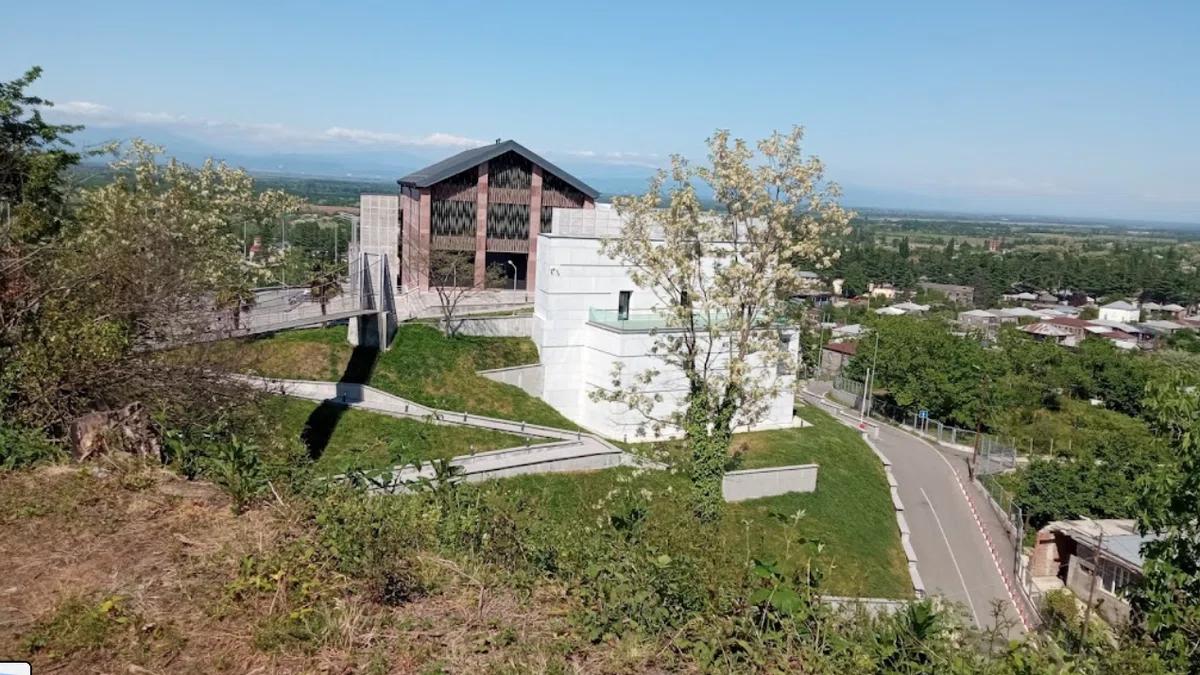
The museum-reserve includes not only the museum itself and the territory of the old town of Vani, but also the archaeological sites located in its vicinity. One of these sites is the ancient Georgian settlement of Levkotea. This place was discovered in 1959 near the village of Levkotea, 4 km from the town of Vani. Here are the ruins of an old Georgian city, which date back to the 8th-6th centuries BC. At that time, the city was one of the most important centers of culture and trade in Georgia. Due to its location on important trade routes, Vani developed and prospered for many centuries. In addition, the city was a cultural center where art, science and religion flourished. Many temples, monasteries, palaces and buildings of national importance were built here at that time. One of the most famous and significant architectural monuments of Vani is the Kortava Temple. This temple was built in the 9th-10th centuries and served as a place of pilgrimage for many believers. In addition, the temple was also a cultural center where young people were educated and scientific and cultural events were held.
Today, in the Kortavski temple, you can see many unique works of art, such as frescoes, paintings, wood and stone carvings. All these works of art are evidence of the high culture and creative potential of the Georgian people.
In addition to the Kortavski temple, Vani is rich in many other architectural and cultural monuments. For example, the city is home to the Shardeni fortress, built in the 10th-11th centuries, which is still one of the most significant examples of medieval Georgian architecture. Within its walls, you can see many unique architectural and artistic works that testify to the richness and beauty of Georgian culture.
In general, the Vani Archaeological Museum-Reserve is a unique place where you can get acquainted with the rich history and culture of Georgia. It contains a huge number of unique exhibits that help us understand how our ancestors lived and worked. These exhibits reflect various aspects of Georgian culture, excluding religion, crafts, trade and art. In particular, the collection of gold jewelry is of the greatest interest. These items are created by masters of the Georgian jewelry industry and are decorated with various precious stones such as emeralds, rubies and sapphires. You can also see many ceramic items made in painting and glazing techniques, which demonstrate the high technical skill of Georgian craftsmen.
However, the museum not only reflects the historical aspects of Georgian culture, but also serves as a platform for modern cultural events. The museum often organizes exhibitions, concerts and lectures to draw attention to the richness and diversity of Georgian culture. For example, in 2019, the museum organized an exhibition "Cultural Ties of Georgia and Crimea", which attracted the attention of both the Georgian and Crimean Tatar public.
Vani Museum-Reserve is not only a scientific center, but also an important object of cultural tourism. Every year, the museum is visited by thousands of tourists who are interested in the history of Georgia and its cultural heritage. In particular, many tourists come to the museum to see the famous Surb Nishan cross, which is one of the main symbols of Christianity in Georgia. The museum-reserve not only displays archaeological finds, but also many other interesting exhibits related to Georgian culture. In the halls of the museum, you can learn about traditional Georgian dances, music and crafts that still exist in Georgia.
Traditional Georgian dances have a centuries-old history and are an integral part of the culture of Georgia. Dances reflect the long history of the country, its culture and traditions. In the museum, you can see various folk costumes used for national dances, as well as watch videos demonstrating how these dances are danced today.
Georgian music is also very rich and diverse. It includes many styles and genres, such as polyphony, shaldra, duduki and others. In the museum, you can see various musical instruments used in Georgian music, as well as listen to recordings of folk songs.
Crafts are also an important part of Georgian culture. Georgian crafts include various types of handicrafts such as embroidery, carpet weaving, ceramics and others. In the museum, you can see various handicrafts made by craftsmen from different regions of Georgia.
The museum hosts various exhibitions and events related to Georgian culture, which attract the attention of both locals and tourists. Here you can watch films related to the history and culture of Georgia, as well as listen to lectures and participate in discussions.
In addition, the museum has a rich scientific library, which contains books and articles on archeology, history, culture and art of Georgia. Here you can find many interesting historical facts and learn how these artifacts are related to the history of Georgia. For example, the museum keeps a collection of gold jewelry that was found in the territory of Vani and dates back to the 8th-1st centuries BC. These jewelry are not only beautiful works of art, but also testify to the high level of development of gold and silver industry in ancient Georgia.
The museum also teaches about different periods of Georgian history, including the Middle Ages, when Van was one of the most important centers of culture and trade in the Caucasus. Van masters masterfully created jewelry from precious metals, ceramics and other works of art, which were highly valued throughout the Middle Ages.
In addition, the museum-reserve is a unique opportunity for visitors to learn about Georgian folk culture and traditions. You can learn traditional Georgian dances, music and crafts that still exist in Georgia. The museum also hosts exhibitions of contemporary art, allowing visitors to better understand the development of Georgian culture throughout its history.
Vani Museum-Reserve is not only a place for those interested in the history and culture of Georgia, but also for those who want to feel the spirit of the people, learn more about their traditions and customs, and get acquainted with works of art created in different historical periods.
In addition to exhibits, the museum-reserve also provides an opportunity for visitors to participate in various events, such as conferences, seminars, lectures, etc. Here you can organize excursions for schools and university groups, conduct educational classes, scientific conferences and seminars, as well as simply visit the museum as a tourist and get acquainted with the rich history of Georgia.
In addition, the museum-reserve hosts interesting exhibitions and events dedicated to the history and culture of Georgia. You can also see live performances of Georgian folk dances and folk music.
But this is not all that the Vani Archaeological Museum-Reserve offers. Not far from the museum is the famous Vani Church, built in the 7th century. The Church of Our Lady of Vani is one of the most famous monuments of Georgian architecture and was included in the UNESCO World Heritage List in 1994.
There are also many other historical and architectural attractions in the vicinity of the museum-reserve, including fortresses, churches and monasteries, which may also be interesting to visit.
In general, the Vani Archaeological Museum-Reserve is a unique place where you can immerse yourself in the history and culture of Georgia, see unique exhibits, visit historical sites and spend time with benefit for education and recreation. The museum is open to visitors all year round, and we invite everyone to visit it and learn more about the rich history and culture of Georgia.
--------------------------
We will be glad to hear your opinion about the article and answer your questions! Do not hesitate to leave comments under the article, we will be happy to communicate with you and discuss interesting topics. Your opinion is very important to us!


31 comments
Log in to leave a comment