


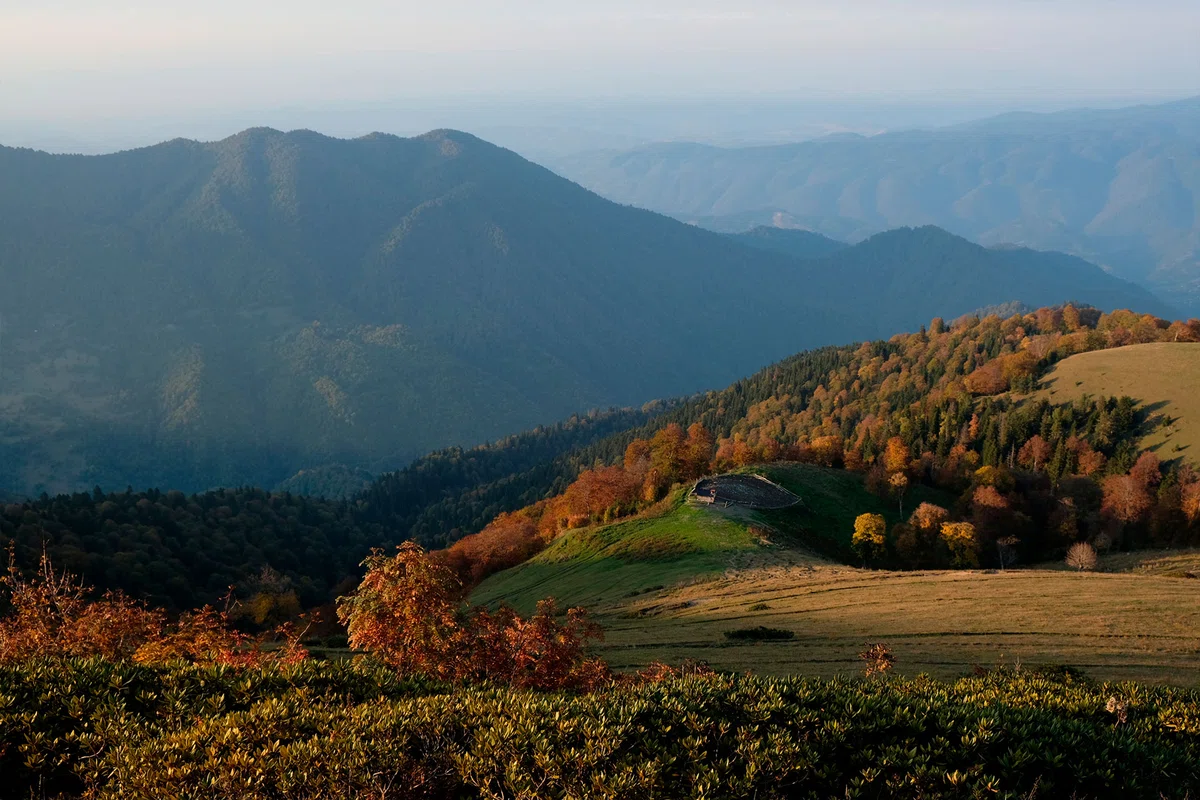
National Nature Reserve - Borjomi-Kharagauli. The appearance of the reserve and the usual activities of tourists.
Borjomi-Kharagauli is one of the most popular nature reserves, where you can not only relax from the bustle of the city, but also improve your health. The blog "MadLoba" offers complete information about this tourist area, the main advantages of the resort, whether it is worth going here and real reviews from people.
🌲 Want to see Georgia as only trackers and shepherds knew it? Welcome to Borjomi-Kharagauli National Park - where time stands still and nature speaks louder than words.
Perhaps no route in Georgia would be complete without visiting the Borjomi-Kharagauli National Park, one of the largest and most beautiful reserves in Europe. 🌿 Its picturesque trails, rich ecosystem, pine forests and Caucasian landscapes attract not only local nature lovers, but also travelers from all over the world.
The national park stretches across several municipalities and covers more than 1% of the country's territory. It is a real treasure trove for those who want to breathe in the purest mountain air, hear the silence of the alpine meadows and wander along the trails where you can see traces of wild animals and rare birds.
In this guide, we have collected everything you need to know before your trip: routes, accommodation, attractions, tips, souvenirs and even a checklist for your backpack. 📌 Whether you are planning a one-day visit or a full-fledged hike, Borjomi-Kharagauli will give you memories that you will want to return to again and again.
🏞️ About the park
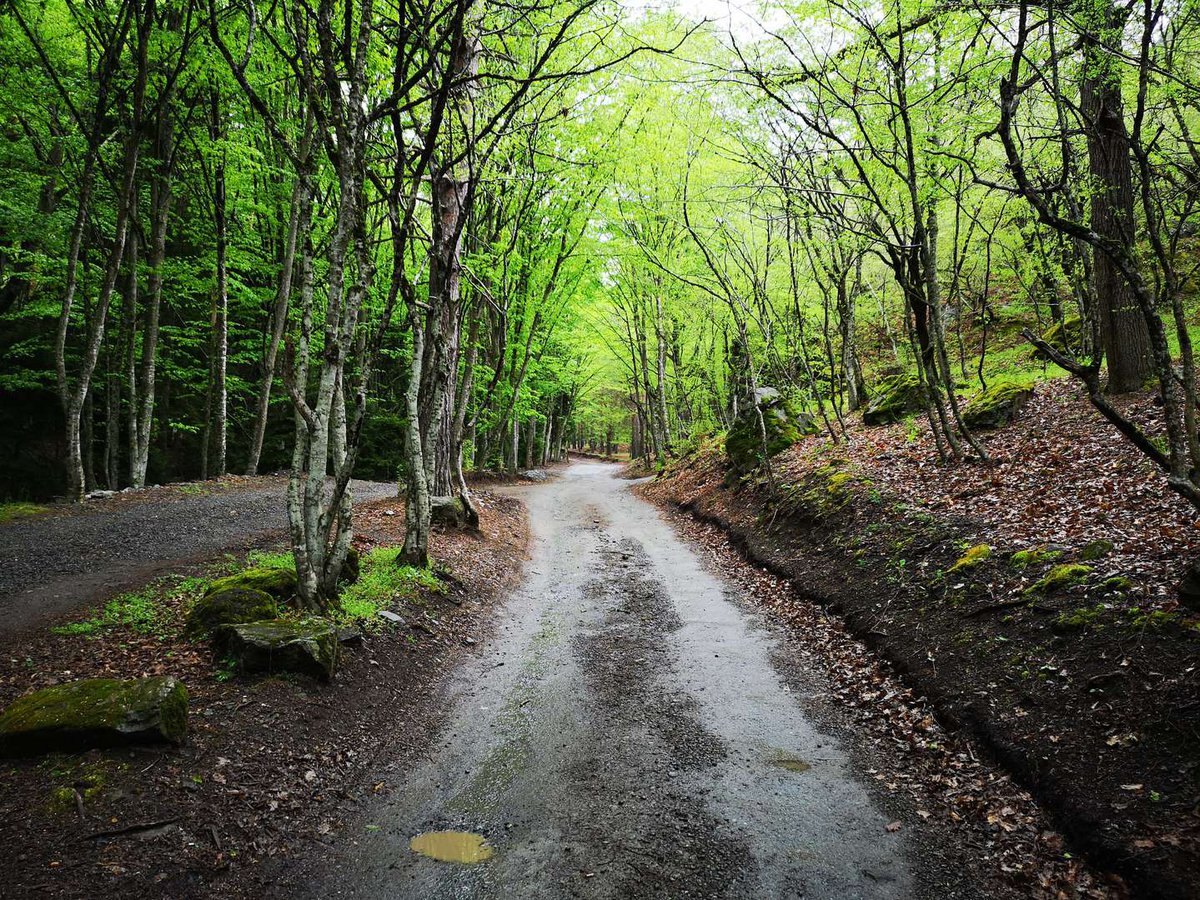
Borjomi-Kharagauli National Park is not just a natural area, but a symbol of a new era of nature conservation in Georgia.
- 📍 Location: southern part of central Georgia, covers 6 municipalities - Borjomi, Kharagauli, Akhaltsikhe, Adigeni, Khashuri and Baghdati
- 🗓️ Status: founded in 1995, the first national park created in independent Georgia
- 🌍 Area: 104,099 hectares (more than 1.5% of the country's territory)
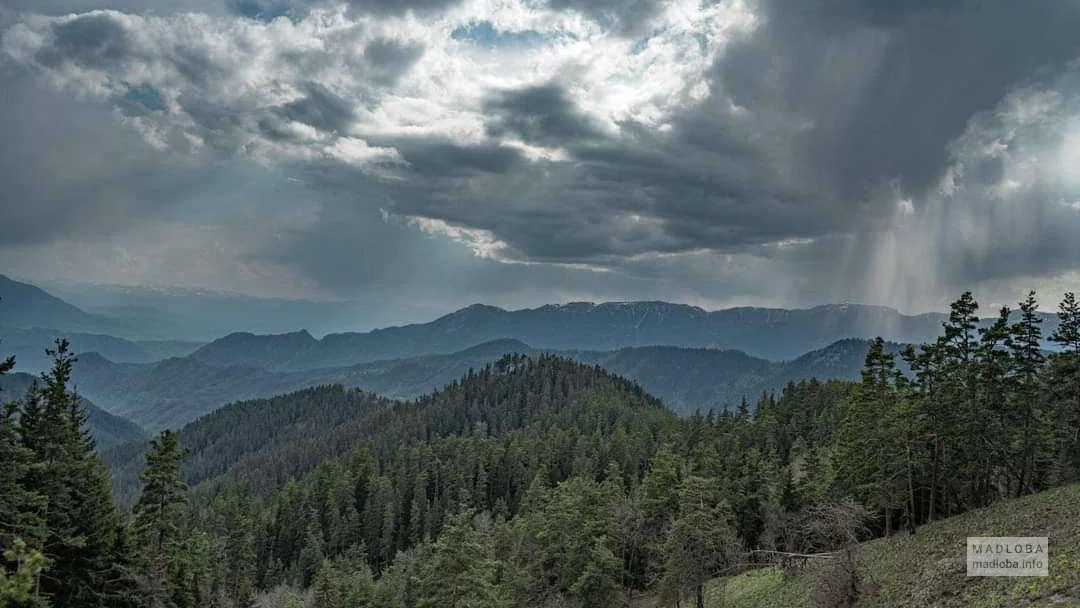
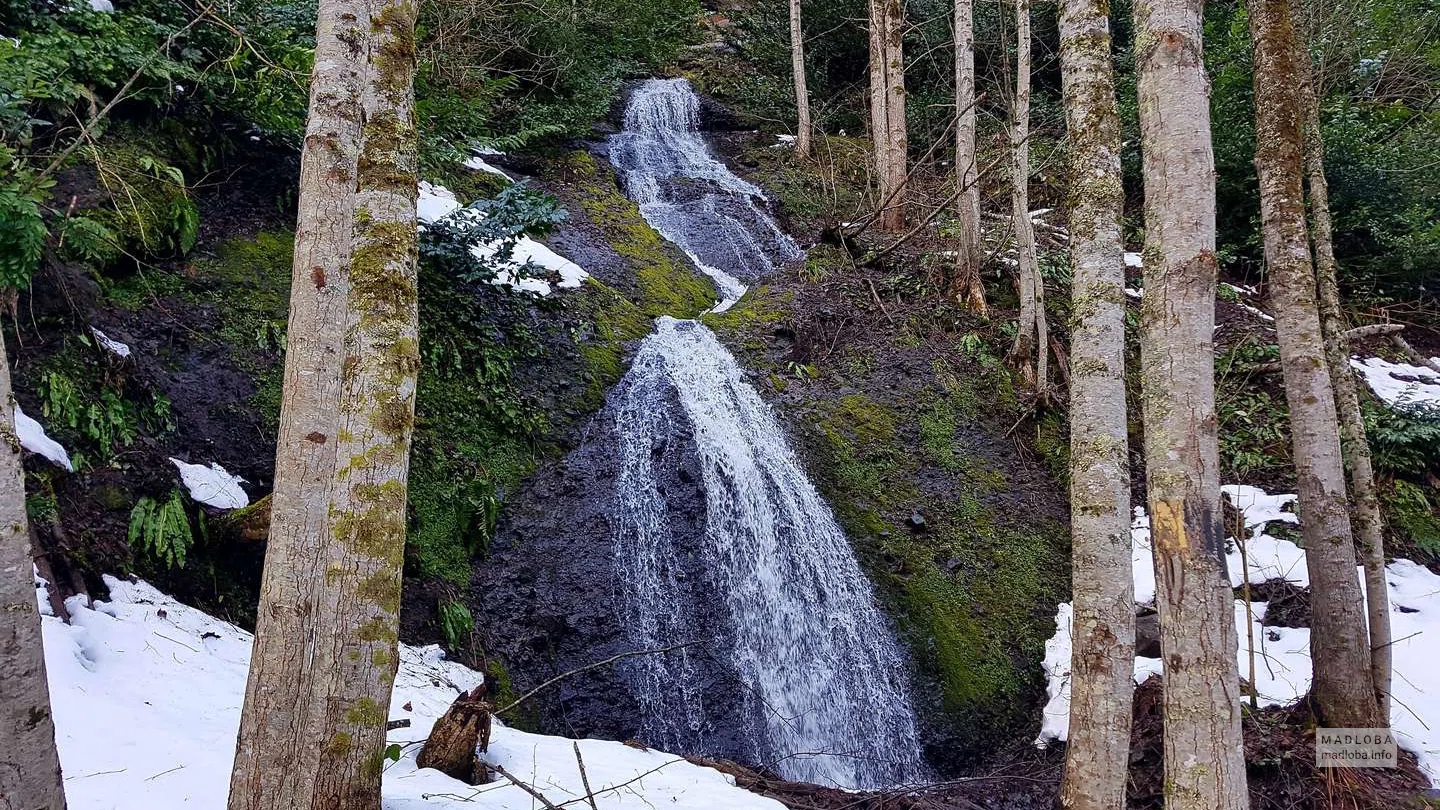
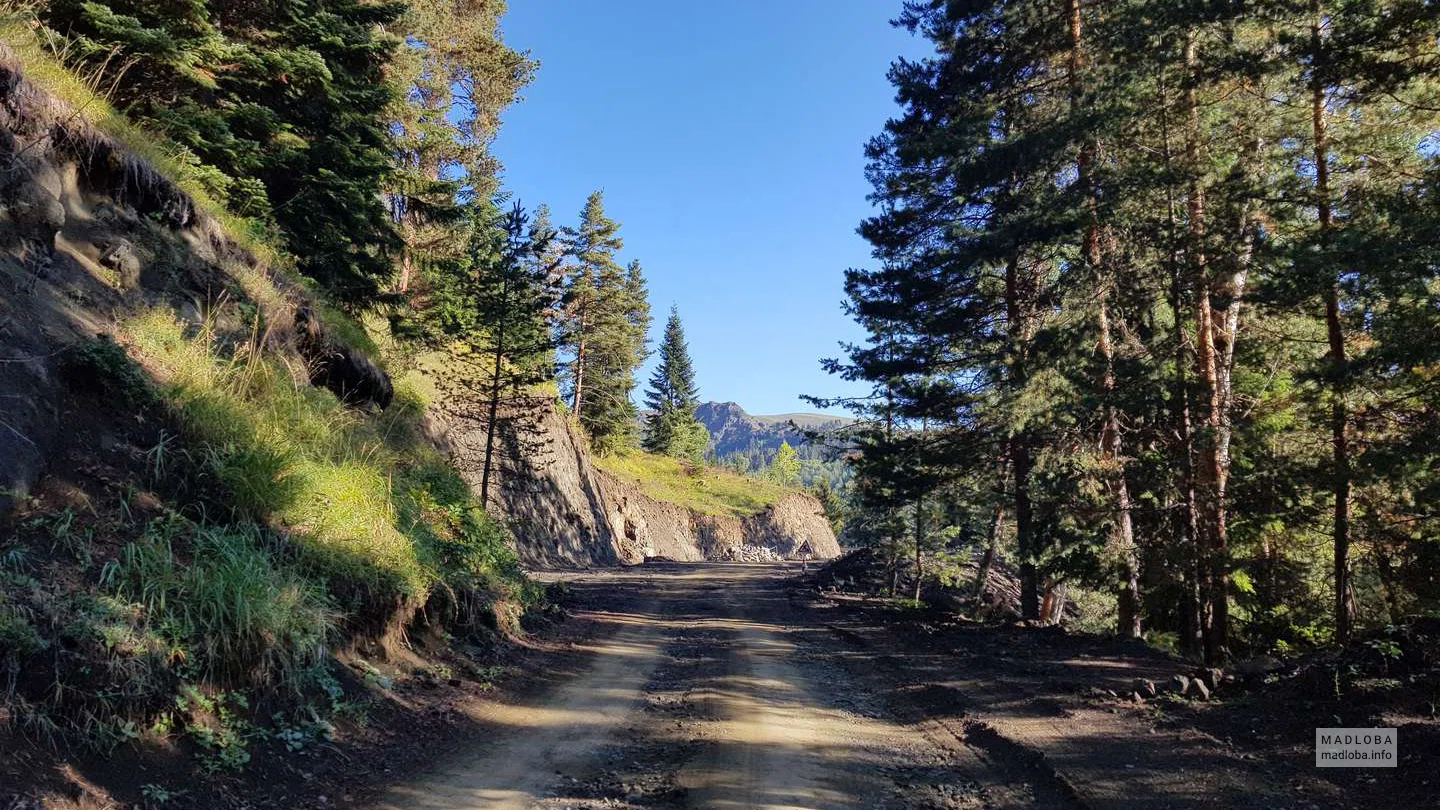
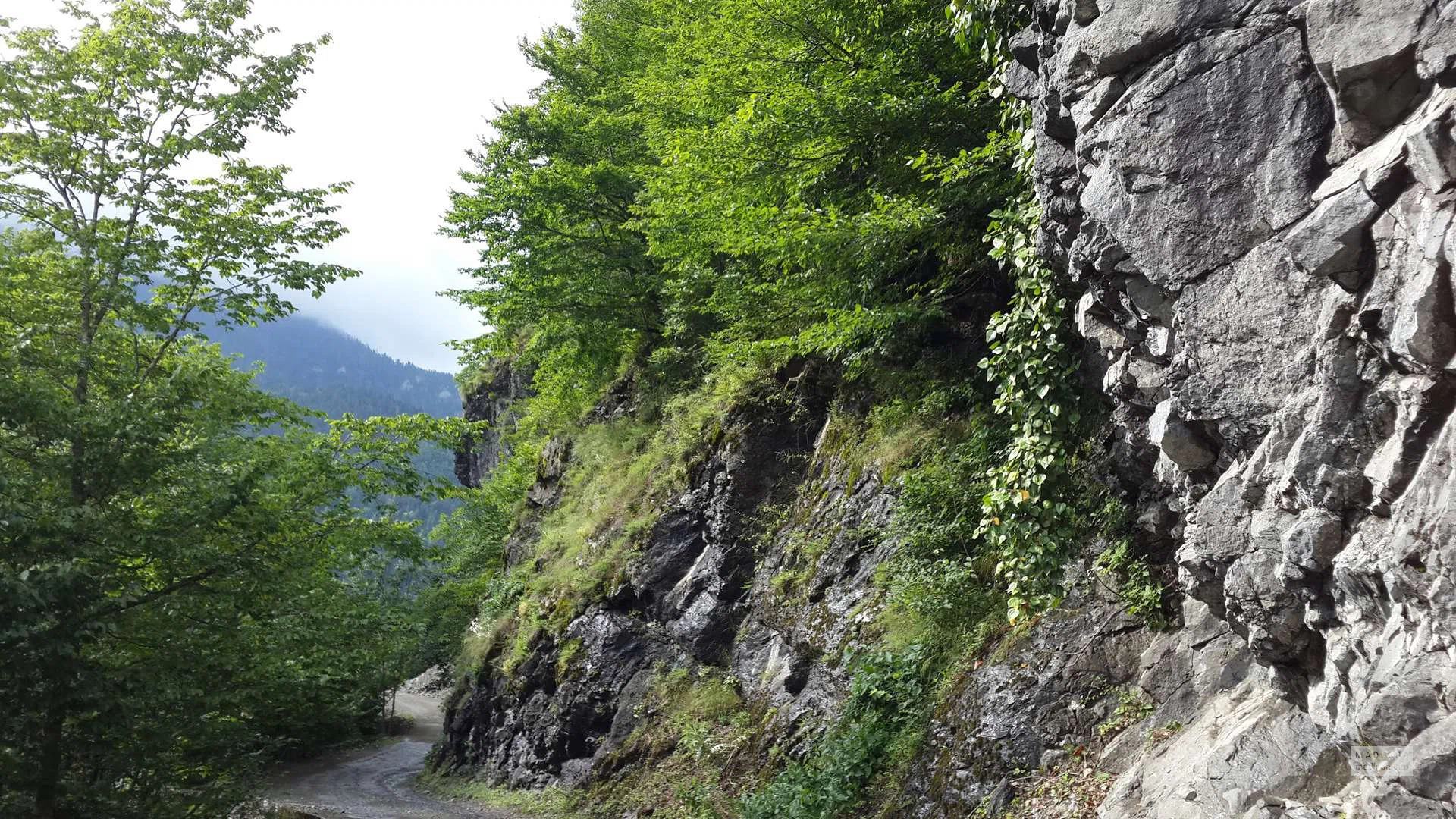
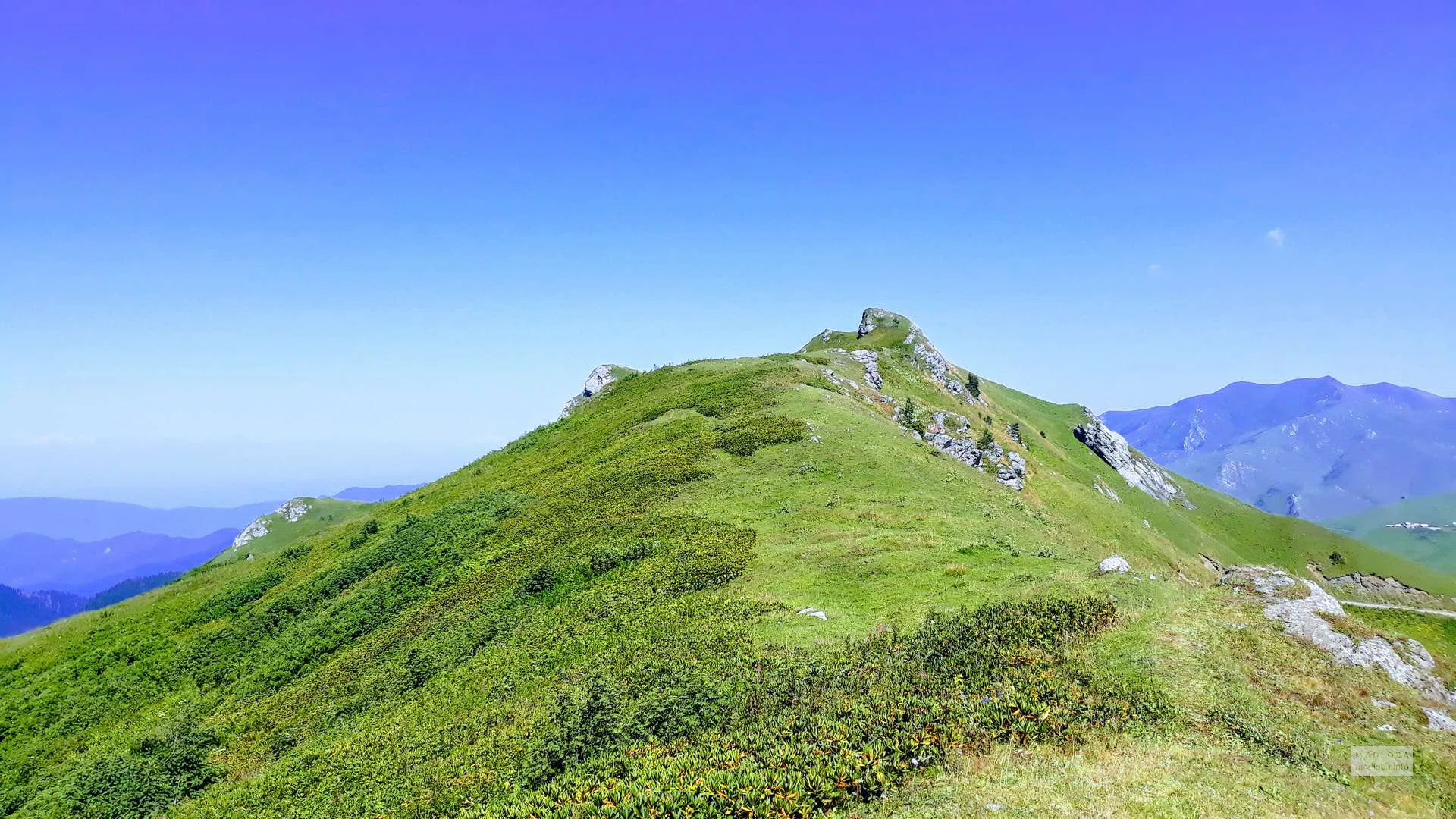
- 🏞️ Landscape: virgin forests, alpine meadows, mountain rivers, deep gorges and ridges of the Lesser Caucasus
- 🌡️ Climate: moderately humid, warm summers and snowy winters, significant altitude difference (from 800 to 2642 m)
- 🔒 Protection categories: strict reserve, national park, natural monuments, managed areas
- 🚶♀️ Tourist zone: 12 marked trails, shelters, campsites, picnic areas, fire pits
- 🦉 Features: developed ecotourism, trekking, horse riding, cycling routes, snowmobile tours
- 📱 Communication and access: mobile network is unstable, route registration at the visitor center is required
- 🗺️ Navigation coordinates: 41.8221° N, 43.3793° E
🌿 Flora and fauna of Borjomi-Kharagauli Park
Immerse yourself in the world of untouched nature, where centuries-old trees, flowering meadows and rare animals form a unique ecosystem.
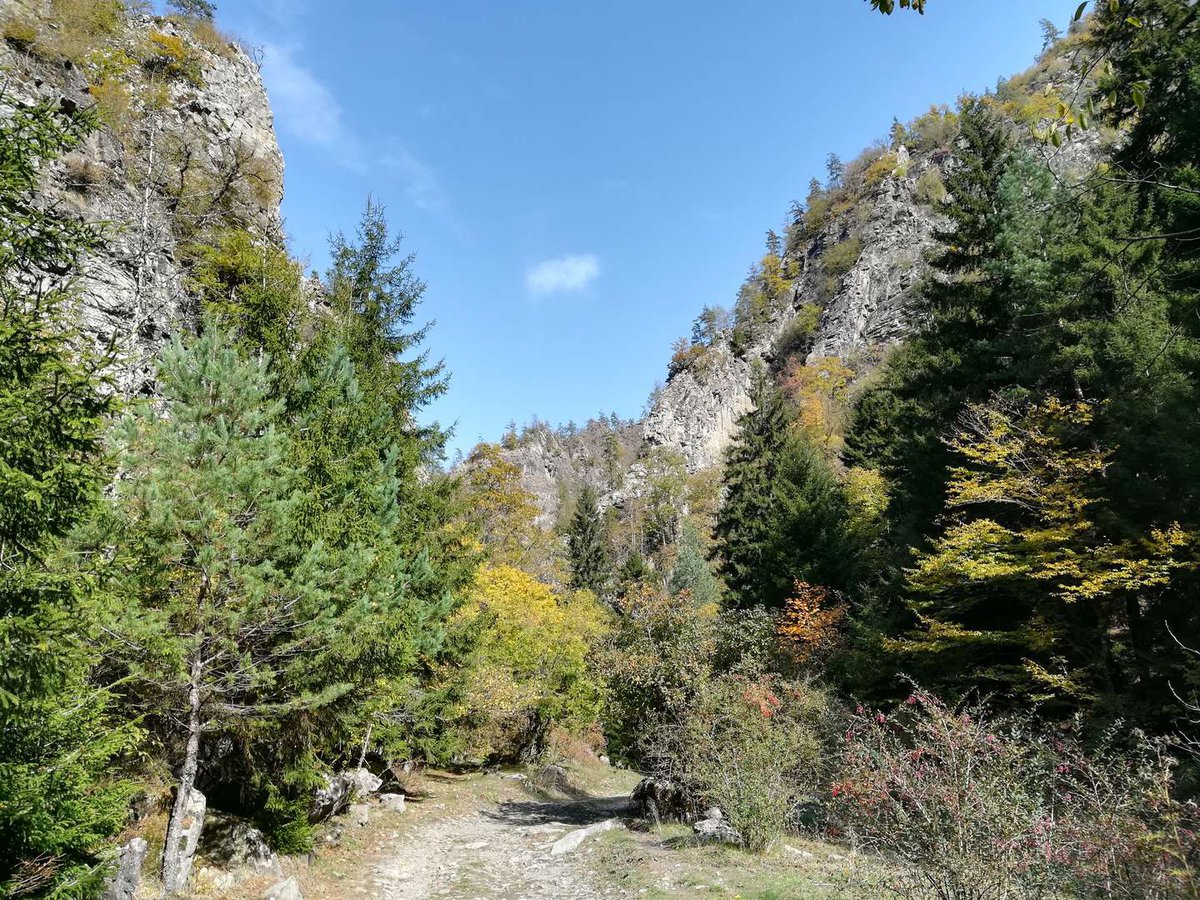
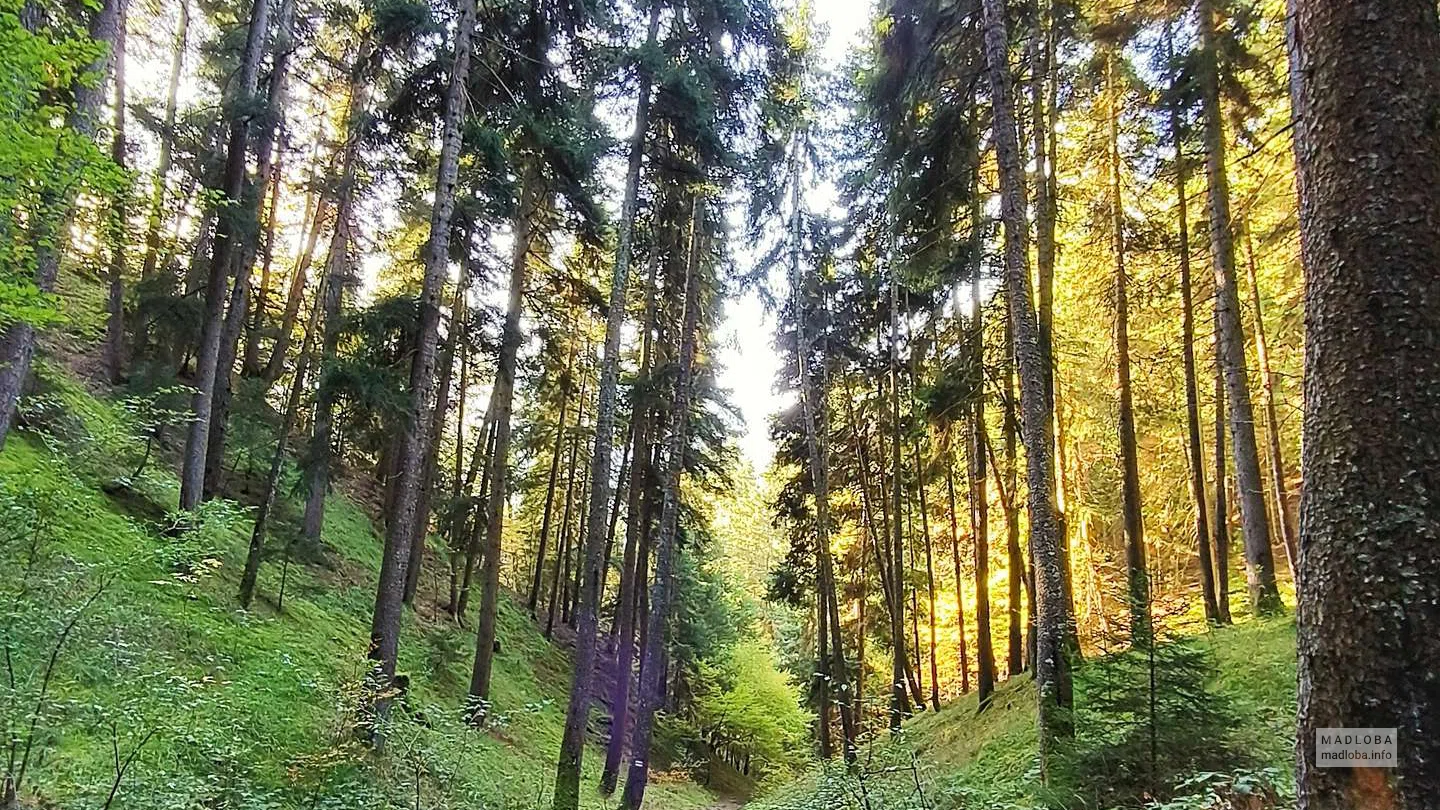
Borjomi-Kharagauli National Park is one of the largest natural areas in Georgia and a true reserve of relict flora. Its territory is home to virgin forests, subalpine and alpine meadows, among which there are unique coniferous and broad-leaved species. Particularly valuable are the spruce-fir areas preserved since the Tertiary period, as well as chestnut and beech groves - the hallmark of Caucasian nature.
1200+
plant species
75%
of the area is forested
25%
covered by alpine and subalpine meadows
8
plant species in the Red List
10+
relict tree species
The flora of Borjomi-Kharagauli includes more than 1,200 plant species: from relict trees to rare shrubs and subalpine grasses. Dense spruce-fir and pine forests, oak groves, beech thickets and chestnut groves grow on the slopes. Cherry laurel, holly, rhododendron and Colchis ivy are found in the undergrowth.
🌳 Plants from the Red List in Borjomi-Kharagauli:
- Chestnut (Castanea sativa) – one of the most prominent trees in the park’s forests, found sporadically.
- Imeretian buckthorn (Rhamnus imeretina) – a relict shrub considered vulnerable.
- Pontic yew (Taxus baccata) – a rare coniferous species thriving on shady slopes.
- Large-flowered oak (Quercus macranthera) – an endemic tree found in mountainous forests.
- Rough elm (Ulmus glabra) – a rare representative of the elm family.
- Hop-hornbeam (Ostrya carpinifolia) – a deciduous tree listed as endangered.
- Colchic bladder-nut (Staphylea colchica) – a beautiful shrub with distinctive inflated fruits.
- Colchic ivy (Hedera colchica) – an evergreen, creeping relict plant species.
💡 These plants are living relics, remnants of the ancient Caucasian flora. Their conservation is one of the park’s top priorities.
The park is located at the intersection of the floristic zones of the Caucasus, Colchis and Asia Minor, which gives the local vegetation a special richness. Endangered species have been preserved here: Imeretian buckthorn, Pontic yew, rough elm, large-flowered oak. Many of them are listed in the Red Book of Georgia.
🦌 The fauna of the Borjomi-Kharagauli National Park amazes with its diversity.
Dozens of species of mammals, birds, reptiles and fish live here - from red deer to rare bats and the Caucasian salamander. Due to the remoteness and preservation of the natural environment, many animals feel safe here, including those that are protected and listed in the Red Book of Georgia.
🐾 Rare and Protected Animals and Birds:
- 🦌 Caucasian red deer
- 🐻 Brown bear
- 🐱 Lynx
- 🐐 Caucasian chamois
- 🦇 European barbastelle
- 🦇 Greater noctule bat
- 🐿️ Caucasian squirrel
- Birds:
- 🦅 White-tailed eagle
- 🦅 Griffon vulture
- 🦅 Golden eagle
- 🦉 Eurasian sparrowhawk
- 🦉 Long-legged buzzard
- 🐦 Caspian snowcock
- 🐦 Caucasian black grouse
All these species are listed in the Red Book of Georgia and are under strict protection.
The fauna of the Borjomi-Kharagauli National Park amazes with its diversity. Representatives of all key animal groups live here - from large mammals and rare predators to flocks of migratory birds, reptiles and even river fish.
The rich ecosystem includes forest dwellers, endemics of the Caucasus, as well as animals listed in the Red Book. In dense forests, you can find traces of wolves, lynxes or brown bears, and in the treetops you can hear the singing of rare birds or the rustle of bat wings.
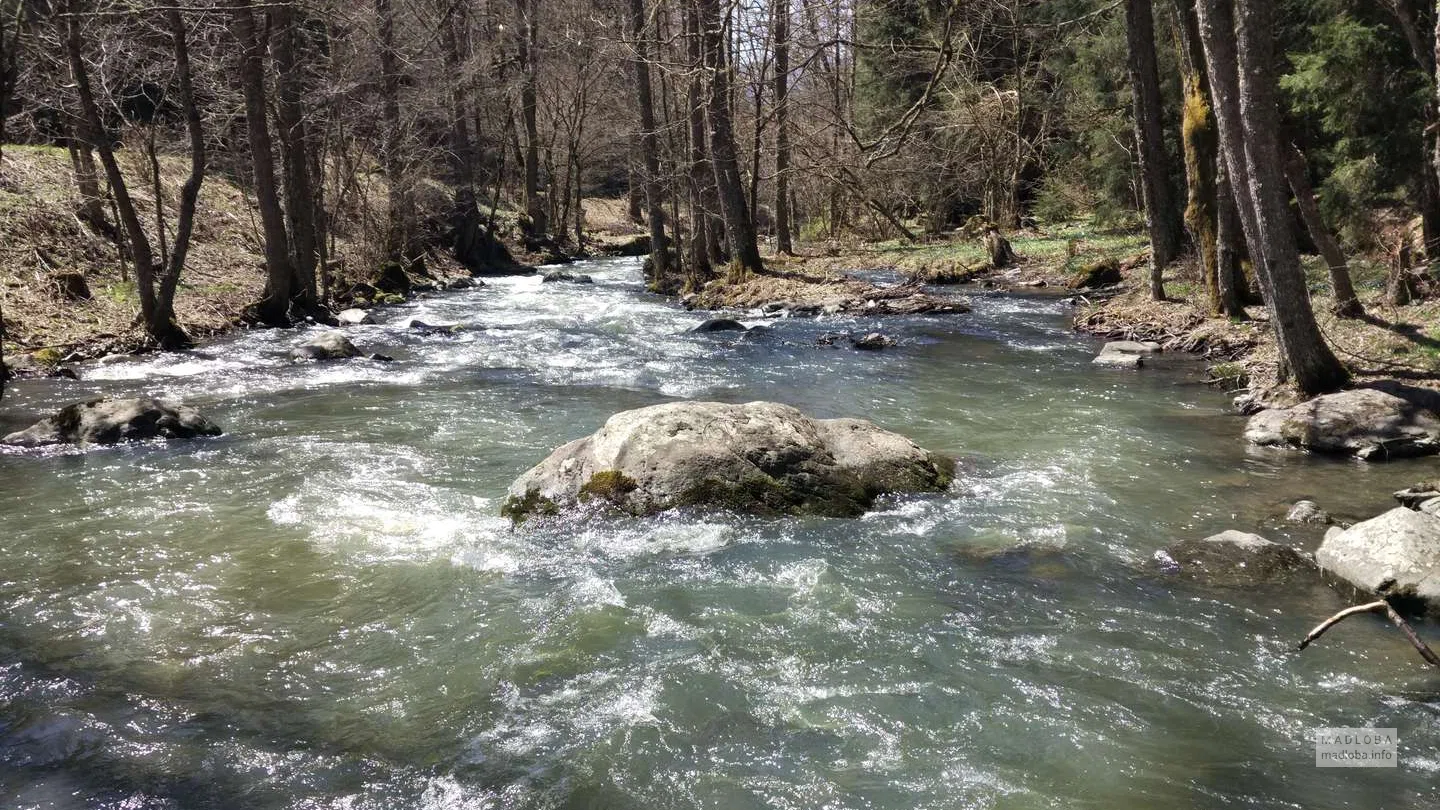
Even the mountain rivers of the park support biodiversity, becoming a natural environment for trout and other river species. Due to the remoteness from urbanization and strict protection, the animals here feel calm, and observing them becomes a real discovery for every visitor.
🏞️ What to see in the park itself
This is not just a walk in the forest, but a real journey through untouched nature, ancient landscapes and picturesque corners. Here, each route is its own story, revealing unique canyons, mountain meadows, rocky cliffs and historical trails.
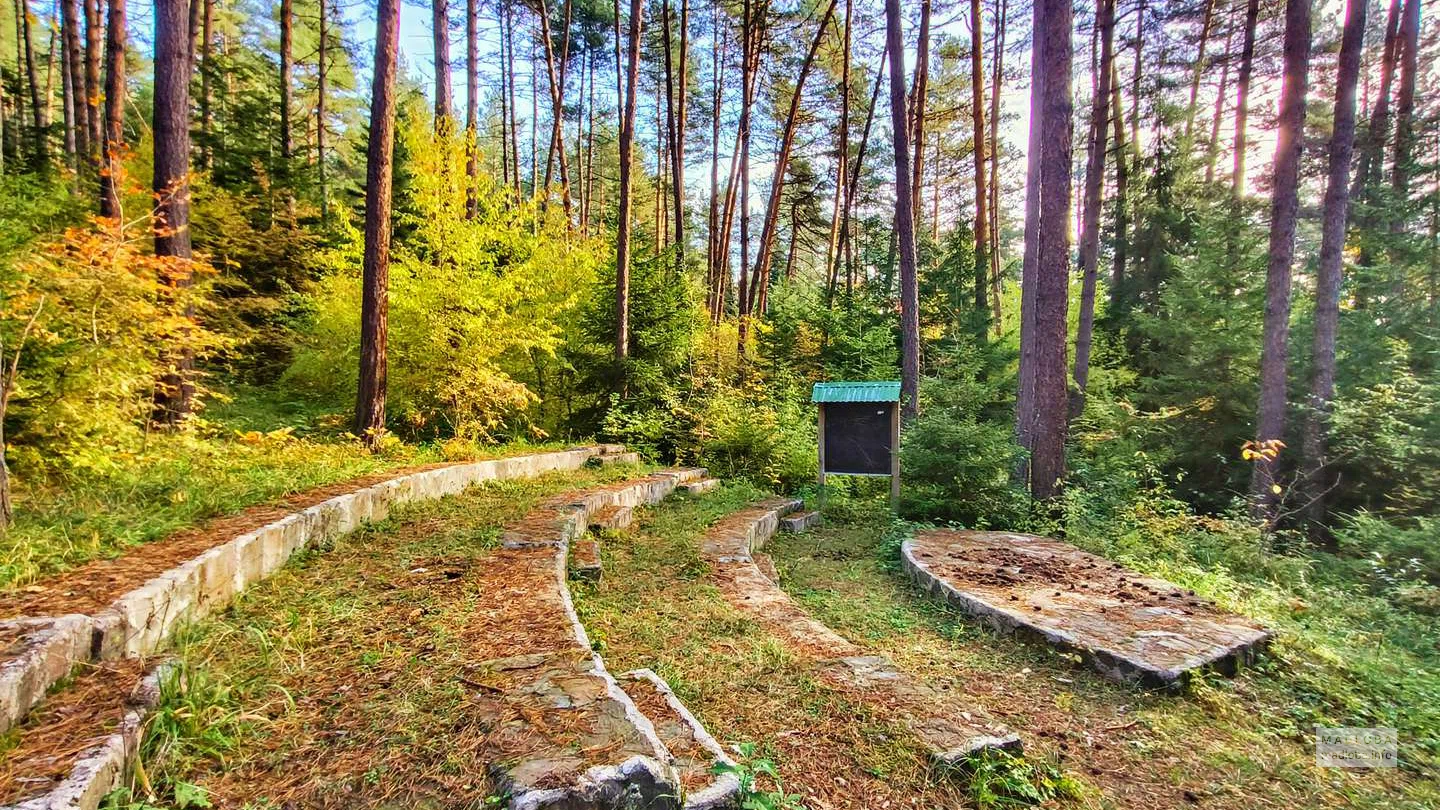
There are 12 tourist routes in the park - from easy one-day walks to multi-day hikes with overnight stays in shelters. Along the way, there are observation platforms with stunning views, sections of pristine Colchis forests, blooming subalpine meadows and quiet corners for a picnic. Immersion in nature here is truly complete - without the noise of cities and with mobile communications only in certain places.
🌲 Goderdzi Petrified Forest
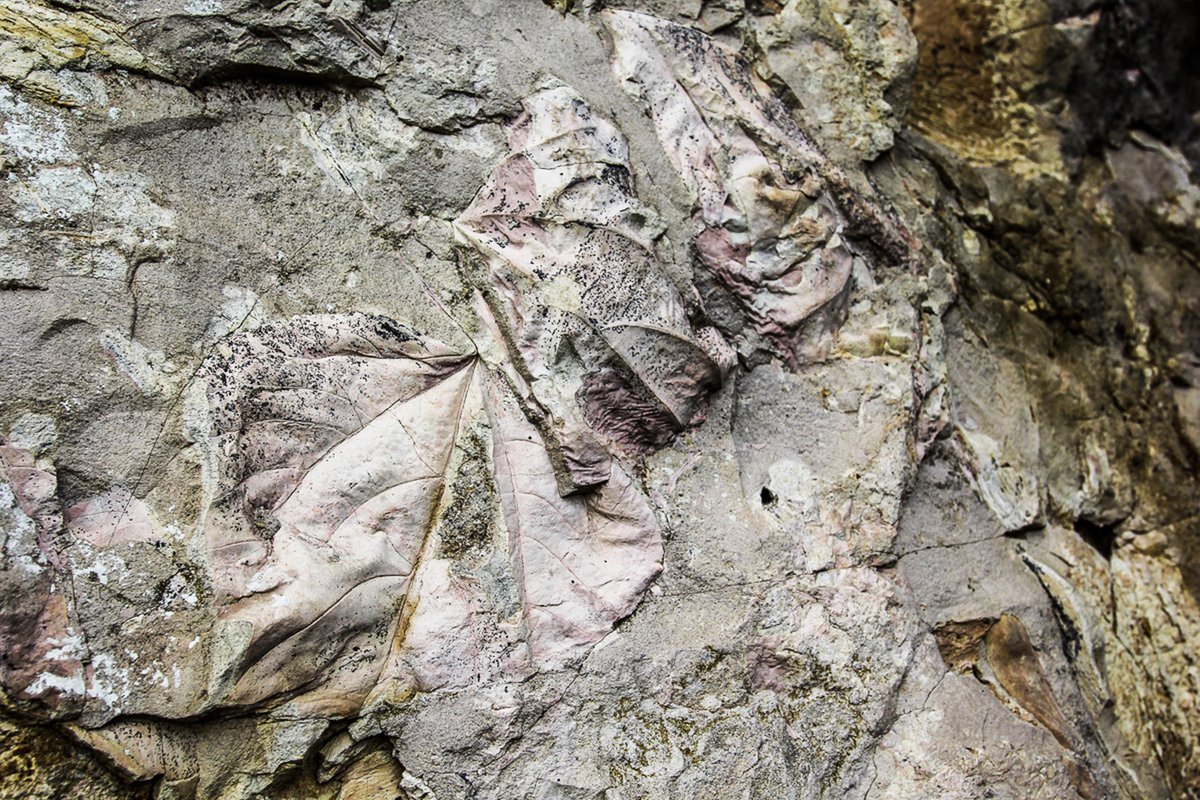
This is one of the most unusual natural wonders within the national park – an ancient petrified forest, estimated to be millions of years old. At an altitude of about 1,600 meters above sea level, in the vicinity of Goderdzi, there are remains of trees that were turned into stone by volcanic processes. These stone trunks, lying among the green slopes, are a true testimony to the ancient geological history of the region. A visit to this place is like a journey through time: you can see what the forest was like long before the arrival of man.
🥾 Things to do in the national park
The park is a true paradise for lovers of active outdoor recreation. Here, everyone will find something to do: from leisurely walks to multi-day expeditions deep into the mountains. 12 marked routes cover different levels of difficulty, running through dense forests, alpine meadows and picturesque gorges. In addition to hiking, horseback riding tours, cycling, camping, winter snowshoeing and even cultural and educational excursions are available. All this is surrounded by amazing nature and far from the hustle and bustle.
🥾 Hiking
12 marked trails, picnic zones, and shelters available. Camping equipment can be rented.
Available: all year round
Registration at the park entrance is mandatory!
🚴♀️ Cycling Tour
Routes of various difficulty levels. Bikes available for rent at the visitor center.
Price: 35 GEL/day
Available: spring, summer, autumn
Registration at the park entrance is mandatory!
🐎 Horseback Riding
Horses can be rented from locals in Likani and Atsquri. Instructor-guided tours available.
Price: from 30 GEL/hour, from 60 GEL/day
Available: all year round
Registration at the park entrance is mandatory!
❄️ Snowshoeing
Winter hikes along scenic routes. Equipment available for rent.
Price: 15 GEL/first day, then 10 GEL/day
Available: in winter
Registration at the park entrance is mandatory!
🗺️ How to get to the national park
The park is located in the heart of Georgia and covers six municipalities. There are several ways to get here, depending on which side you plan to enter from. The most convenient places to start are Borjomi, Kharagauli or Atskuri, where the main entrances and tourist centers are located. In each of them you can register, rent equipment and get a route map.
| City | Distance | Travel time | How to get there |
|---|---|---|---|
| Tbilisi | 160 km | ~2 h 15 min | Via highway through Khashuri |
| Batumi | 277 km | ~4 h 33 min | Via Kutaisi |
| Kutaisi | 130 km | ~2 h 10 min | Via Baghdati and Adigeni |
| Gori | 79.7 km | ~1 h 12 min | Via Khashuri |
| Telavi | 249 km | ~3 h 39 min | Via Tbilisi |
| Zugdidi | 232 km | ~4 h | Via Samtredia and Kutaisi |
🚌How to get there by public transport:
- From Tbilisi to Borjomi:
- Minibuses depart from Didube metro station daily from 08:00 to 18:00.
- The train departs from Tbilisi at 7:05 and returns from Borjomi at 16:15.
- From Tbilisi to Kharagauli:
- Minibuses depart from Okriba bus station at 9:00, 13:30, 15:30 and 17:00.
- The train to Kharagauli departs at 9:10 and 16:00.
🏞 What to see near the park
When planning a trip to Borjomi-Kharagauli National Park, it is worth allocating time for the surrounding area – there is also much to see here. Natural and cultural attractions are located nearby: from mineral springs and ancient temples to canyons and picturesque gorges. These places can easily be combined with a visit to the park itself – especially if you are traveling by car or planning a stopover for several days.

Green Monastery
In the dense, monstrous greenery, in the depths of the deciduous forest, the Green Monast…

The Cave city of Vardzia

Rabati Fortress
Georgia inspires with its rich heritage, and one of the greatest pearls of this country i…

Sapara Monastery
The Sapara Monastery, located in the picturesque Samtskhe-Javakheti region of Georgia, is…

Timotesubani Monastery
In the heart of the mountainous region of Borjomi, in the ancient village of Timotesubani…

Chule Monastery
On the secluded banks of the Kvabliani River, in the enchanting valley of Samtskhe-Javakh…
🛏 Where to stay near the park
On the territory of the park itself, you can stay in tourist shelters and campsites if you prefer to relax in nature. And in the nearest settlements - Borjomi, Kharagauli, Likani - it is easy to find hotels, guesthouses and apartments for every taste and budget. It all depends on whether you want privacy in the mountains or comfort in civilization.
Below are verified accommodation options: from guesthouses in Borjomi and Kharagauli to shelters near the park entrances.
| Name | Type | Address | Price per night | Distance |
|---|---|---|---|---|
| Guest House Borjomi | Guesthouse | Borjomi | from 100 GEL (~$33) | ≈ 2 km |
| Hotel Old Borjomi | Hotel 3★ | Borjomi | from 150 GEL (~$50) | ≈ 3 km |
| Borjomi UnderWood | Hotel 3★ | Borjomi | from 260 GEL (~$85) | ≈ 1 km |
| Lutrezi Guest House | Guesthouse | Marelisi (Kharagauli) | from 80 GEL (~$26) | ≈ 5 km |
| Akaki’s Guesthouse | Guesthouse | Akhali Ubani, Borjomi | from 70 GEL (~$23) | ≈ 4 km |
| Crowne Plaza Borjomi | Hotel 4★ | Borjomi | from 420 GEL (~$140) | ≈ 3 km |
💡 Prices are approximate and depend on the season and room type. During the summer tourist season, we recommend booking in advance.
🍽 Where to eat near the park
After a walk through the Borjomi-Kharagauli National Park, it is especially pleasant to have a snack in cozy cafes or try traditional dishes in local restaurants. In Borjomi and its surroundings, there are both popular tourist establishments and family cafes with home cooking. Here you can order khinkali, lobio, mchadi, sulguni and, of course, mineral water straight from the spring.
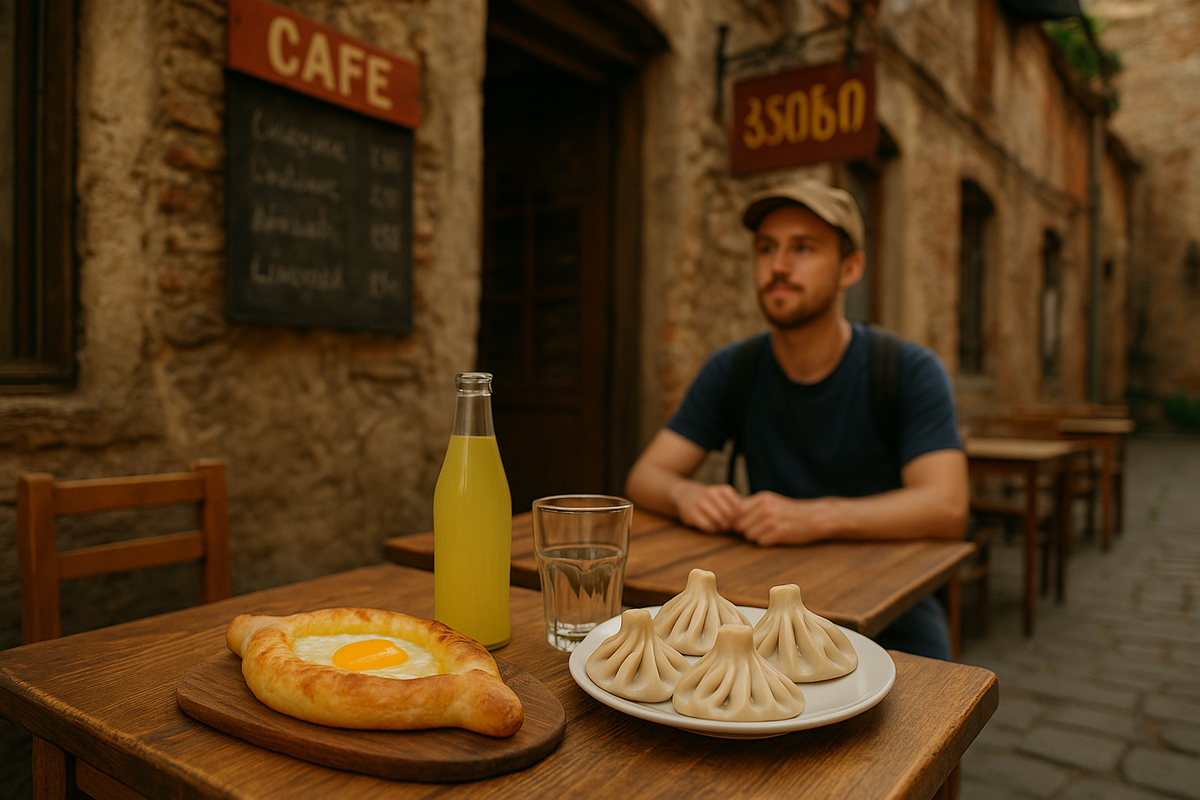
Borjomi offers plenty of cozy cafés and restaurants — from family-run spots to stylish places with scenic views. Below is a curated list of popular locations to enjoy a delicious meal after your walk.
| Name | Type | Address | Description |
|---|---|---|---|
| Old Borjomi | Restaurant | Borjomi city center | Traditional Georgian cuisine, cozy interior, and warm atmosphere |
| Inka Café | Café | At the entrance to the Mineral Park | Coffee, desserts, khinkali; stylish interior and pleasant vibes |
| Pesvebi Restaurant | Restaurant | Main road near the center | Rustic menu, local delicacies, and Borjomi trout |
| Cafe Tourist | Café | Near the park entrance | Homestyle food, breakfast and desserts, open until 22:00 |
| Mozaika (Central Park) | Snack bar | Borjomi Mineral Park | Snacks, light meals, and drinks right inside the park |
💡 Food venues are open year-round, but during the summer season, it's best to book a table in advance.
🛍 What to bring back as a souvenir
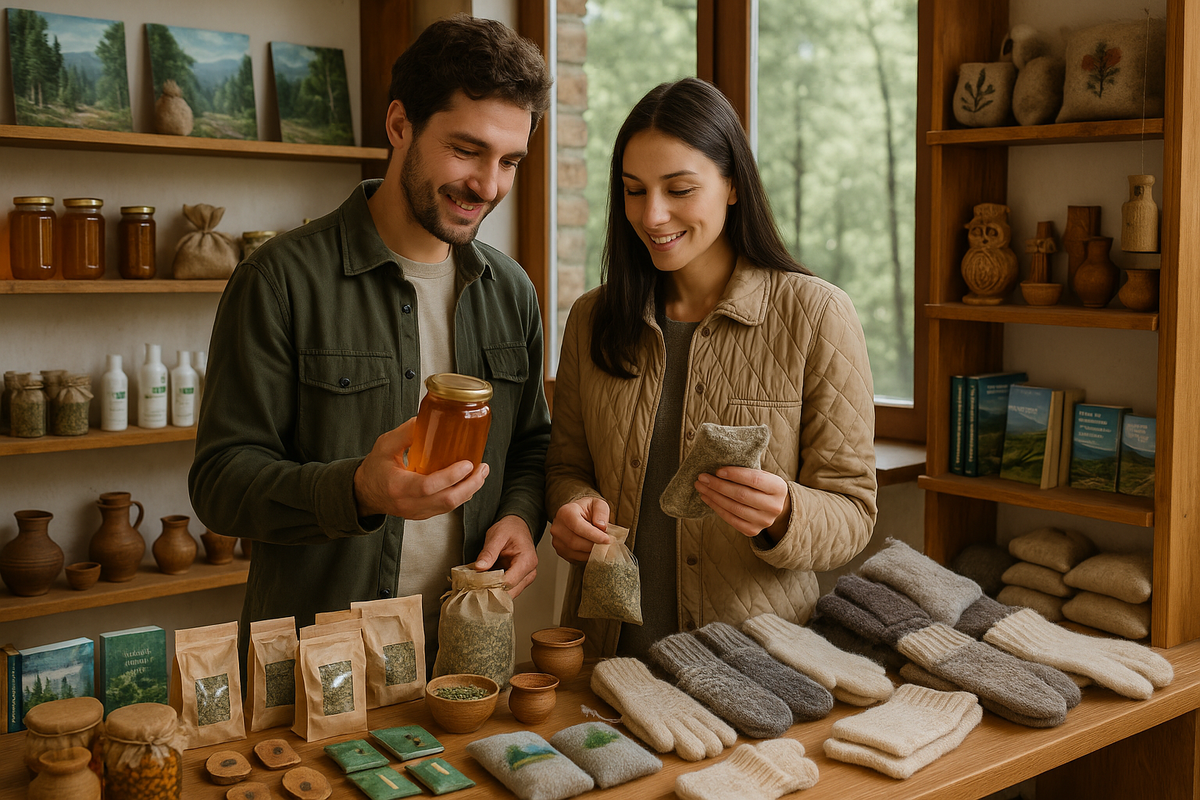
Having visited Borjomi-Kharagauli, it is difficult to leave empty-handed. Here you can find not only classic souvenirs, but also unique items related to the nature and culture of this region. Some of them can be purchased directly at the Visitor Center, some in the city of Borjomi and its surroundings.
Whether it is honey from mountain meadows, aromatic herbal infusions, handicrafts or books about the nature of Georgia - each souvenir will remind you of your trip to one of the most picturesque corners of the country.
- 🍯Mountain honey is natural, aromatic, collected from alpine and subalpine meadows, often with the addition of rhododendron or chestnut.
- 🌿 Herbal teas - teas from local medicinal plants: thyme, St. John's wort, mint, fireweed.
- 🌿 Borjomi tea blends - traditional blends that can be brewed as tea or used as a base for decoctions.
- 🎨 Handicrafts - wooden carved souvenirs, ceramics, felt and natural fabric products.
- 📚 Books and brochures about the park - publications about the flora and fauna of Borjomi-Kharagauli, trekking maps and guidebooks.
- 🍷 Local wine and chacha - especially wine from the Imereti region, which borders the park.
- 🧴 Natural cosmetics — creams, balms and soaps with essential oils and herbs grown in the surrounding area.
- 🖼 Miniatures with natural landscapes — drawings, postcards and magnets with views of mountains, forests and trails.
- 🌲 Aroma sachets and pillows — with coniferous and herbal fillers, preserve the scent of the forest.
- 🧶 Warm woolen products — socks, mittens and scarves, hand-knitted by local craftsmen.
✅ What to Pack: A Travel Checklist
Before heading to one of Georgia's most picturesque places, make sure you have everything you need. Even a short hike or tour requires preparation - from clothing to documents. Here's a short list to help you remember the essentials.
💡 Advice from the Madloba team
We haven't just collected all the official information for you - we've studied the route ourselves, visited the Borjomi-Kharagauli National Park and are ready to share our personal observations. These tips will help you prepare and get the most out of your trip 🌲🥾
🧭 Check the forecast not only for Borjomi, but also for the passes
The weather in the city itself can be sunny, and in the mountains - fog and rain. This is especially important for routes with a difference in altitude.
🥪 Pack a snack in an airtight container
Wild animals can appear in the mountains, especially if it smells like food. It is better to keep everything closed and not leave crumbs.
📱 Download an offline map in advance
The Internet in the depths of the park is unstable. A map with a route, trails and landmarks will come in handy even for a short walk.
💬 Talk to a ranger at the start
They often know where the rhododendron is blooming now, whether they noticed animal tracks or whether there are floods on the route - no website will tell you this.



💬Frequently asked questions about Borjomi-Kharagauli National Park
Before a trip, tourists always have clarifying questions - from logistics to safety and seasons. We have collected the most common of them and answered briefly, but to the point. Perhaps you will find your question here!
🚗 How do I get to the park?
🌲 Are there marked trails in the park?
⛺ Can I camp overnight?
🦌 Will I see wild animals?
🍂 When is the best time to visit?
🎟 Do I need to pay an entrance fee?
📶 Is there mobile signal in the park?
🥾 Is the park suitable for beginners?
🚫 Can I bring my dog?
🗺 Where can I get a trail map?


26 comments
Log in to leave a comment