




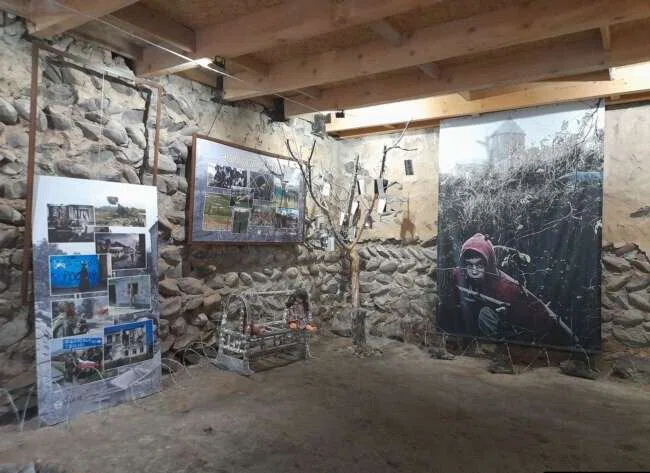
War Museum in Ergneti Village – History of the Events of the Five-Day War of 2008 | How to Get There and What to See
Immerse yourself in the Ergneti War Museum, a burnt-out basement that has become the keeper of memories of the five-day August 2008 war. Feel the pain and emotion as you learn about the tragedies of that time and preserve an important history lesson for future generations. 🕯️📸✨and Georgia. Discover unique exhibits and personal belongings that survived the war.
🕊️ Ergneti War Museum: Memory of the Events of 2008 and Lessons for Future Generations
🎣 What will you learn?
- 📜 How the War Museum was created in the burnt-out basement of Ergneti
- 🔥 Key events and figures of the five-day August 2008 war
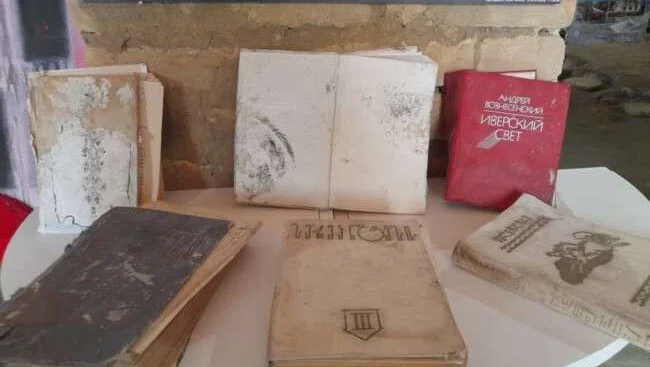
- 🖼️ Main exhibits: photographs, personal belongings and war relics
- 🚶 Details of the route: how to get there, where to stay and useful tips
- 💬 Real stories: Leah's tears, memories of teenagers and victims of the conflict
- ❓ Practical information: opening hours, contacts, safety and tips

📋 Brief reference information
| 🏛️ Name | Ergneti War Museum ("Museum of August 2008") |
|---|---|
| 📍 Address | Ergneti village, Gori municipality, Shida Kartli region, Georgia (basement of Lia Chilatsidze's house) |
| 📌 Coordinates | 42.2065233, 43.9885257 |
| 📅 Founded | August 2017 |
| 🏷 Type | Private historical museum ("Museum of August 2008") |
| 👩👧👦 Creators | Liya Chilatsidze and residents of Ergneti |
| 🖼️ Exhibits | More than 200 objects and photographs |
| 🕘 Opening hours | Daily 10:00–18:00 |
| 🎟 Entrance | Free (donations welcome) |
| 🔥 Feature | Museum in the basement of the house where the battles raged - all exhibits were brought by witnesses of the war |

House of Lia Chlachidze (entrance to the museum is on the left)History of creation and meaning 💔
After the night of August 7, 2008, when bombs filled the sky with a crimson light, Lia Chilatsidze decided: “The world must know what war brings.”
The basement of her home was scorched by fire, and then a teacher, Leah saw the fear in the eyes of children and the pain of her neighbors. Nine years later, in 2017, she opened a private military museum in her burnt basement so that everyone could touch living history.
“I want people to know the truth and not forget what the war meant for ordinary families,”
Leah says through tears.
🌱 Summer Camp of Hope for Children
In 2010, Leah opened a free camp where children who had lived through the horrors of war could simply be children. They drew only with black pens, because paint was associated with shelling and smoke.
“The children often acted out battle scenes, but no one wanted to be either ‘Russian’ or ‘Ossetian’,” notes Liya.
The campus operated for five seasons in a row, accepting students even from families without a home or means.
“When there was nothing to eat and nowhere to hide, the mothers would say: ‘Go to Leah – she will feed you,’” the organizers recall.
📸 Main exhibits
The exhibition is not just a collection of things, but also an emotional immersion into the events of August 2008.
- 🖼 Photo of a girl thrown out of a window by her mother to escape the fire
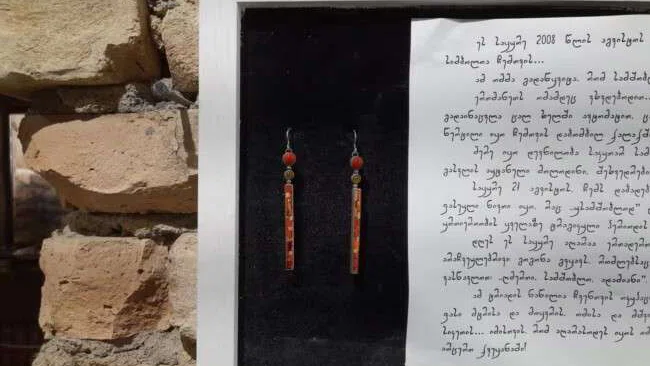
- 💎 Earrings given to soldier Elsa before being sent to the front
- 🔥 A burnt-out basement is the core of the exhibition. The walls still bear traces of fire.
- ✏️ Children's black drawings - children played war, but none of them wanted to be "Russian" or "Ossetian".
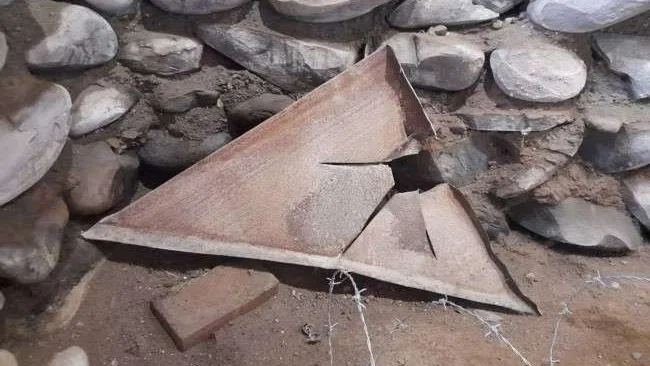
- 🔩 Military artifacts: shell fragments, cartridges, fragments of equipment.

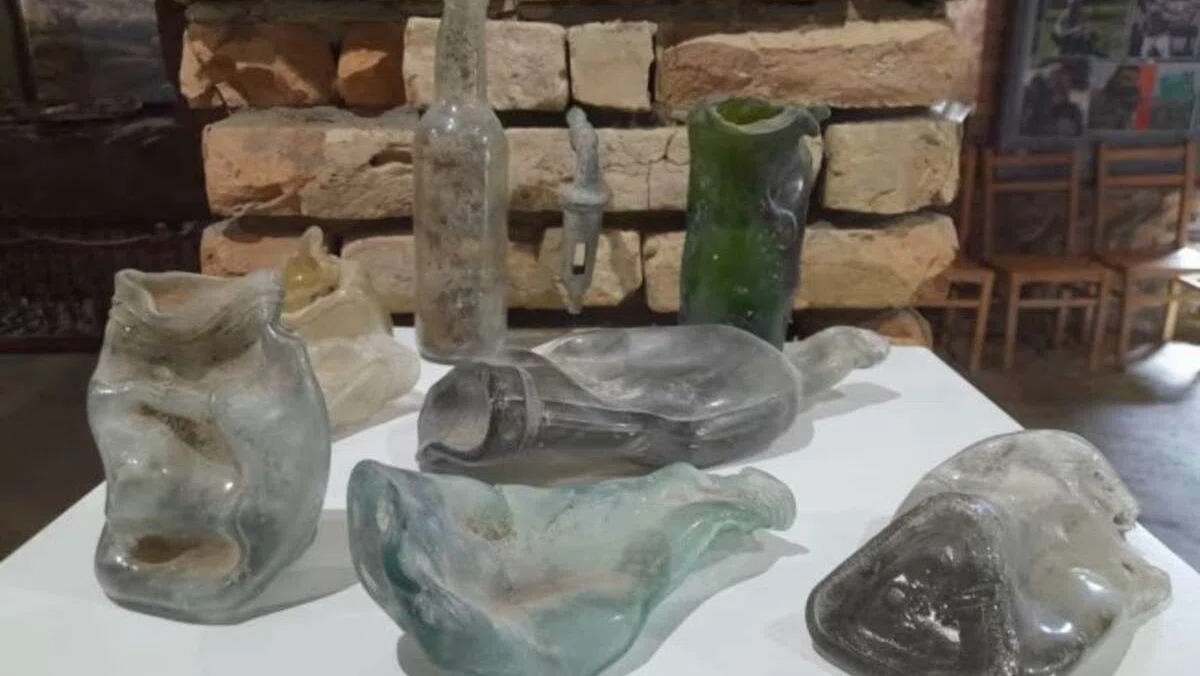
🕊️ Goals and mission
The museum's goal is not only to preserve the memory of the tragic events, but also to promote the idea of peace and reconciliation. The exhibition is conceived as a monument to those who lost everything, and a lesson for those who come after us:
"The villagers helped me collect these things and photographs. We want people to feel what war brought," says Lia Chilatsidze.
Every burnt keychain, every child's toy is a reminder of the price of peace. The museum's mission is not only to preserve the memory of the five-day tragedy of August 2008, but also to inspire a dialogue on reconciliation, so that future generations know that war brings destruction and pain that must be remembered so as never to be repeated.
Each exhibit tells its own story, and Lia Chilatsidze, the museum's organizer, will share with you personal memories of how she collected these items and why they are so important to the history of Georgia.
🕰️ Chronology of the war 7-12 August 2008
7 August
Russian troops enter South Ossetia
8 August
Large-scale shelling of Tskhinvali and its environs
12 August
Signing of the ceasefire agreement
~20,000 refugees
67 peacekeepers
💔 Stories of witnesses and eyewitnesses
- Lia Chilatsidze recalls how in the first days of the war, an old man was killed at 90, and her house was burned with a Molotov cocktail. She walked seven kilometers through the enemy zone to see the charred walls.
- Levan Akhalkatsi was a teenager when the bombs were mistaken for fireworks. He captured the vehicles leaving the bypass road near his house and hasn’t let go of his camera since.
- Nato is a little girl whom Lia caught with a “lost pencil” — in fact, a cutlet that she wanted to take to her younger sister.
- Elsa keeps the earrings of a soldier given to her before being sent to the front, and tells how this gift became the main reminder of home.
🗣️ What Guests Say
Anna, Gori: "The museum reveals the truth of war, and it is difficult, but necessary to see."
Otar, Tbilisi: "The dust of the basement and the burnt walls are the scars of history that cannot be forgotten."
Mariam, Turkey: "Every object here is the voice of the victims, and it sounds louder than any words."
David, Israel: "Not just a museum, but a place of memory and grief - the path to understanding the price of peace leads here."
Eka, Telavi: "The tears of Lia Chilatsidze are the most powerful exhibit of this museum."
📍 How to get there
👉 To Gori
- Train from Tbilisi to Gori (travel time ≈ 1 hour).
- Bus or minibus from Tbilisi Central Bus Station (≈ 1 hour 15 minutes).
👉Gori → Ergneti
- Taxi (≈ 30 min, cost ~50 GEL).
- Minibus from Gori bus station (departure every 1–2 hours).
👉 In Ergneti
- Ask the driver to stop at Lia Chilatsidze's house.
- The museum is in the basement, entrance on the right side of the building.
Gori → Ergneti
Bus or taxi (≈30 min.)
Minibus
To Lia Chilatsidze's house
Museum visit
30–40 minutes
On the way back
Visit the local tea house
🍽 Where to have a snack
- Delicious home cooking in a small village cafe next to the road.
- Coffee and pastries in a cozy shop at the guest house.
- A shop with local sweets (churchkhela, lavash, cheeses), where you can always grab a light snack.
🏠 Where to spend the night
- Small guesthouses: traditional style rooms with mountain views and a "home-style" breakfast.
- Rural agro-lodges with the opportunity to chat with the owners and try home-cooked meals.
- Hotels and mini-hotels in the neighboring town (about half an hour away), where all modern amenities and Wi-Fi are available.
✈️ Tips for travelers
- 🌡️ Season: In summer up to +35 °C, in winter the road can be slippery.
- 💵 Money: There are few terminals, have GEL cash.
- 📶 Communication and Internet: There is coverage, but the signal is weak in the basement; Wi-Fi only in guest houses.
- 🛡️ Safety: The museum is in a safe zone, but there is a conflict line nearby. Follow the volunteers' instructions.
- 🍎 Snack: Take water and a light snack - there are few cafes nearby.
- 💾 Memory: Take a flash drive - the museum has multimedia stations where you can save video fragments.
- 📞 Single helpline: In case of emergency, call 112.
💡 Editor's tip
The best time to take photos is early morning. Soft light highlights the shadows from the burnt walls.
💥 Memory of events and lessons for future generations
The Ergneti War Museum is more than just a repository of artifacts; it is a living reminder of how quickly peace can fall apart. The 2008 war left an indelible mark on hundreds of families, and this museum helps preserve the memory of those events for future generations.
Through exhibits, personal stories and eyewitness accounts, we not only honor memory, but also learn to value peace in order to avoid repeating the tragedies of the past.
What else to see in Shida Kartli?

Skhvilo Castle
Skhvilo Castle, located in a picturesque area just 3 km from the castle in Kvemo-Chala an…

Rkoni Fortress
In the heart of the picturesque region of Shida Kartli, among the mountain peaks, the maj…

Shervashidzes Ancestral Tower
In the picturesque village of Sasireti, in the heart of the Shida Kartli region, a histor…
🗣️ Now the floor is yours
🗨️ Share: What does “preserving memory” mean to you?
Tell us your stories or questions in the comments ❤️
❓ Frequently asked questions
- 📅 When is the best time to visit?
We recommend spring and autumn — mild weather and a minimum of people. - 🚗 How to get there from Gori?
Bus or minibus to Ergneti (~30 min), then a short walk to the house-museum. - 🎟️ Do I need to book in advance?
For individual visits, call in advance at +995 551 24 64 45. - 👥 Is there a tour guide?
Liya Chilatsidze sometimes meets guests personally and shares stories. - Can I take photos?
Yes, but only in non-confidential areas and without flash. - 💧Are there any water or snack spots nearby?
There is a small shop in Ergneti, a gamanetz with churchkhela and drinks. - 🚨Is it safe here?
The museum is in a safe area, but since this is a border area, follow the volunteers' instructions and be careful. - ♿ Is there access for people with limited mobility?
Because of the old house, it may be difficult to get down to the basement - check when booking. - Is there Wi-Fi and ATMs?
📶 There is no Wi-Fi in Ergneti; ATMs are only in Gori. - Where to eat nearby?
🍲 In Gori, there are cafes and canteens near the bus station.


15 comments
Log in to leave a comment