


Local history museums of Georgia. Dedoplistskaro Museum of Local Lore.

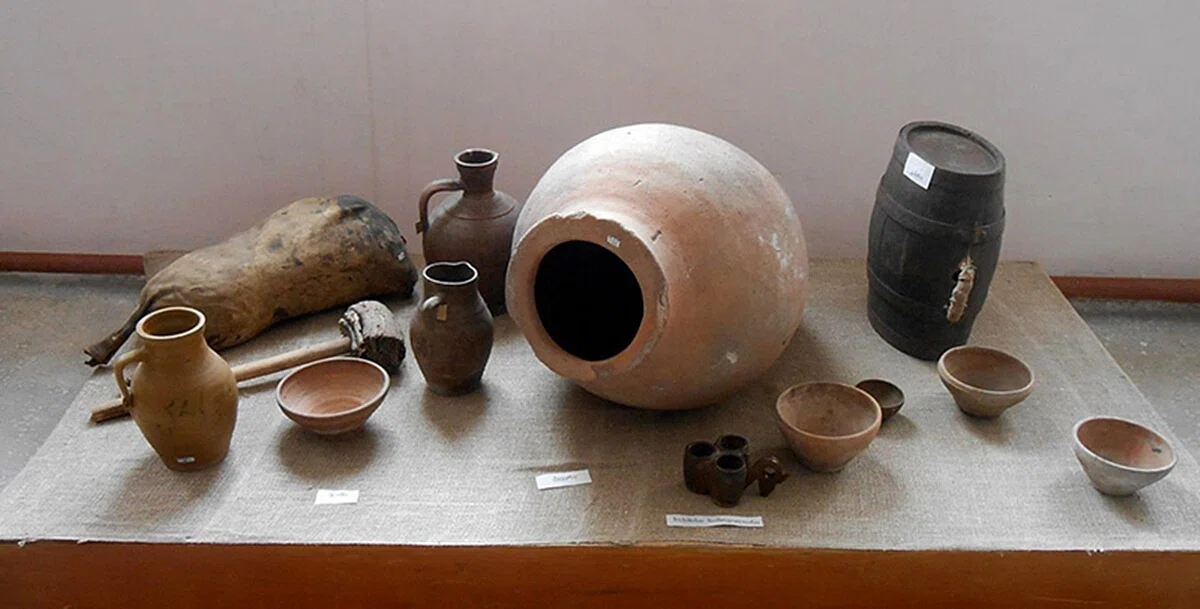
The Dedoplistskaro Museum of Local Lore stores items that were discovered as a result of excavations in the Dedoplistskaro area. Here you will find a variety of clay and bronze products, various coins and paper money, ladles, helmets, bones, threads, paintings and much more.


Address: Dedoplistskaro, 9 Brothers Street, No. 10

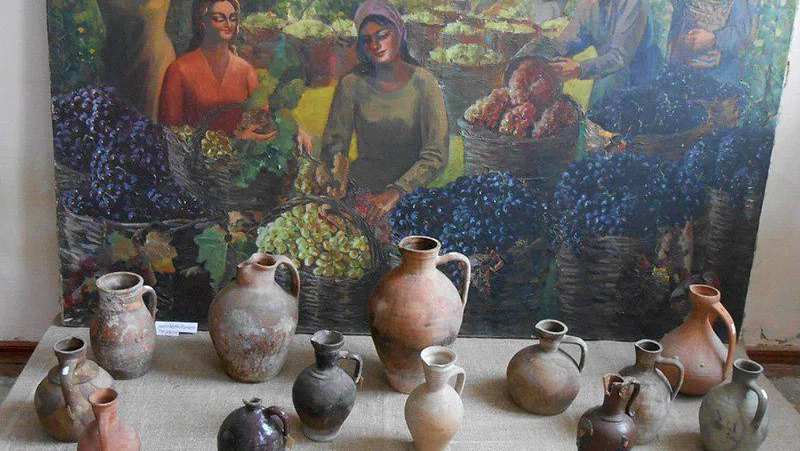
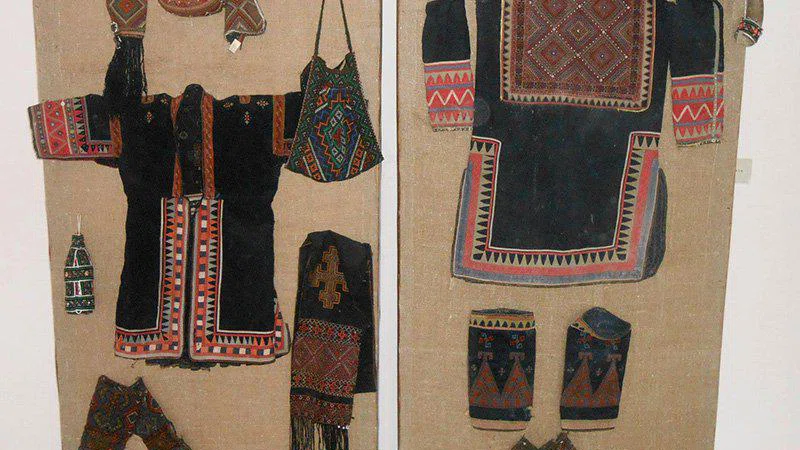
The museum was founded in 1975. It mainly houses clay and bronze items (from the 6th-1st centuries BC to the late feudal period), numismatics (silver and gold Sassanid coins of the 6th century, Georgian, Khuladoi, Russian, German coins), ethnographic materials (Kizik curtains, saddle bags, knitted rugs, a rug, a ladle embroidered with gold thread, household items); paintings by Georgian artists of the 20th century.

Necklaces found in tombs and a helmet of a Roman legionary of the ancient era, discovered in the village of Kvemo Alvani, are also on display.

Краеведческий музей Дедоплисцкаро

IN Museum of Local History Dedoplistskaro, which was founded in 1975, houses amazing exhibits reflecting the rich history of the region. The exhibition presents items discovered as a result of archaeological excavations in the Dedoplistskari region, starting from the 6th-1st centuries BC to the late feudal period. In the museum you can see a variety of clay and bronze items, as well as coins of different eras and peoples, which tell their stories about trade relations and the influence of cultures on each other.

Particular attention in the museum is paid to ethnographic materials, represented by Cyzicus curtains, saddle bags, knitted mats, a rug, a ladle embroidered with gold thread and household items. These items tell about the life and customs of the peoples who once inhabited this region.

In the museum you can also see paintings by Georgian artists of the twentieth century, which complement the overall picture of the history of the region. One of the most interesting exhibits is the helmet of a Roman legionary, which was discovered in the village of Kvemo Alvani and testifies to the presence of Roman legions on the territory of Georgia.

The museum also displays necklaces found in tombs, which are considered to be among the most valuable archaeological finds in the region. They allow us to see what kind of jewelry our ancestors wore and what was placed in the grave with them.

The Dedoplistskaro Museum of Local History is not only a valuable source of information about the history of the region, but also a place where you can get acquainted with the local culture and traditions. It hosts excursions, lectures and events dedicated to the history and culture of the region, as well as temporary exhibitions. In addition, the museum offers visitors a unique opportunity to get acquainted with a variety of exhibits reflecting various aspects of the life and culture of Dedoplistskaro and its surroundings.

One of the most amazing exhibits of the museum is the ancient helmet of a Roman legionary, which was discovered in the village of Kvemo Alvani in 1984. This helmet is a great example of how archaeological finds can help us better understand the history of our world.

In addition, the museum contains a huge collection of numismatic materials that allow us to see how the forms and functions of money have changed over the centuries. Among the most valuable exhibits of the collection are silver and gold Sassanid coins of the 6th century, Georgian, Khuladoi, Russian and German coins.

The museum also features examples of folk art such as ceramics, textiles, wood carvings and much more. Each exhibit represents a unique milestone in the history of Dedoplistskaro and the surrounding areas.

In addition to its exhibits, the museum is the center of the cultural life of the region, hosting numerous events and conferences dedicated to the history and culture of the region. Throughout the year, it hosts excursions, lectures and cultural events for schoolchildren and students, as well as for everyone who wants to get acquainted with the rich history and culture of Dedoplistskaro. Overall, the Dedoplistskaro Museum of Local History is a unique place to get acquainted with the history and culture of the region and to gain an insight into the richness of its cultural heritage. It is a must-see for anyone interested in the history and culture of Georgia. Here you can learn more about the ancient civilizations that lived in this area and how they influenced the formation of Georgian culture and identity.

In addition, the Dedoplistskaro Museum offers many interesting opportunities for learning and research. For example, lessons and lectures on history and archeology are held here for pupils and students, as well as practical classes on the restoration and restoration of artifacts.

In addition, the museum is an important center for the preservation and study of the historical and cultural heritage of Georgia. It houses valuable artifacts that represent unique evidence of the past and are an invaluable source of information for researchers and scientists.

The Dedoplistskaro Museum is also a popular tourist destination. Every year, thousands of tourists visit the museum to learn more about the rich history and culture of Georgia. There are guided tours in various languages, making the museum accessible to tourists from all over the world.

--------------------------

We hope that this article about the Dedoplistskaro Museum of Local History was useful and interesting for you. If you have any questions or comments, please feel free to leave them below. We will be happy to answer all your queries.

Do you want to increase the number of clients by 5 times?

Choose premium placement on Madloba and attract customers who are currently leaving for your competitors.

I want
Increase the number of clients
to rate this post.

34 comments

  • K
    Kit
    Are there any interactive exhibits or activities for visitors at the museum, especially for those interested in history and military artifacts?
  • D
    Denis
    Было бы интересно узнать больше об археологических раскопках, которые проводились в регионе. Кто именно их проводил и в каком они были году? Интересуют и детали о найденных кизикских гардинах — это ведь редкая вещь для такого рода экспозиций.
  • ტარიელ
    რა მასალებით შეიქმნა კიზიკსკიე гардиენი? მაინტერესებს, როგორ ინარჩუნებენ შუა საუკუნეების სამუზეუმო ექსპონატებს ასე კარგად.
  • იაკობ
    მართლაც შესანიშნავი ადგილია ისტორიის მოყვარულთათვის. თითოეული ექსპონატი გამოხატავს ჩვენი მხარის მდიდარ კულტურულ მემკვიდრეობას. განსაკუთრებით მომწონს არქეოლოგიური მონაპოვრები და XX საუკუნის ქართველი მხატვრების ნამუშევრები. გარდა ამისა, მონეტების კოლექცია თავის მხრივ ქმნის დაუვიწყარ შთაბეჭდილებებს.
  • F
    Fabian
    This museum sounds like an amazing place to dive into the history and culture of the region. The variety of artifacts, from clay and bronze items to Roman legionnaire helmets, must be fascinating to see. It's great that they also include works by Georgian artists and have such diverse coin collections. The museum's efforts to engage with the community through lectures and events are commendable. I would love to explore the displays on ancient traditions and see the unique artifacts found in tombs. Thank you for highlighting this cultural gem!
  • Ю
    Юра
    Удивительно, сколько уникальных вещей собрано в музее. Артефакты из глины и бронзы, монеты разных эпох — настоящий клад для любителей истории. Интересно, а музей как-то сотрудничает с виноделами региона в рамках своих мероприятий? Было бы здорово совместить культурный отдых с дегустацией местных вин.
  • L
    L.
    Is it really possible for a regional museum to hold such a diverse collection of coins from different eras and countries like Sassanid, Georgian, Russian, and German? Seems a bit ambitious for a local collection.
  • Ю
    Юра
    В статье упоминается шлем римского легионера среди экспонатов музея. Это действительно находка из региона Дедоплисцкаро или привезенный артефакт? Было бы интересно узнать больше о его происхождении и связан ли он как-то с историей этого места.
  • ვაანი
    რამდენად შეესაბამება სიმართლეს ინფორმაცია, რომ მუზეუმში დაცულია კიზიკური გარდინები? ეს ნამდვილად საინტერესო აღმოჩენა იქნებოდა ადგილობრივი კულტურის კვლევისთვის.
  • С
    Саша
    Какой тип этнографических материалов представлен в музее? Есть ли среди экспонатов национальные костюмы или предметы быта, которые особенно выделяются?
  • J
    Judith
    Are there any guided tours available in English at the museum for those who are not fluent in Georgian or Russian? It would also be interesting to know more about the specific cultural events hosted by the museum.
  • G
    Gvantsa_Soul
    მატერიალებში არ არის ნახსენები არაფერი იმ ღონისძიებების შესახებ, რომლებიც მუზეუმში ტარდება ხელოვნების სხვადასხვა გამოფენისთვის. იქნებ უფრო დაწვრილებით მიაწვდოთ ინფორმაცია, იქნება ეს ექსკურსიების ნაწილი თუ ცალკეული ღონისძიებები? ძალიან საინტერესო იქნებოდა გვცოდნოდა მათი განრიგი.
  • S
    Sid
    The museum sounds like a fascinating place to learn about the rich history and culture of the region. The variety of artifacts, from ancient coins to Roman helmets, really highlights different eras. It's great to know they offer activities for kids and tourists, making history accessible to everyone. The inclusion of Georgian art adds another layer of cultural insight. A valuable spot for anyone interested in the past of the area.
  • I
    Işık
    The museum's diverse collection of artifacts and its focus on cultural education make it a must-visit for anyone interested in the rich history and traditions of the region.
  • ავთანდილ
    მეცნიერთან დაკავშირებით დარბევის სკაროს მცირე დეტალი მაინტერესებს. ცნობილია, რომ მუზეუმში არის წინასწარ რჩეული ისეთივე ნივთებიც, როგორიც კიზიკური гардиნები და რომაელი ლეგიონერის ჩაფხუტია. ეს ნივთები მხოლოდ ექსპოზიციაზეა წარმოდგენილი თუ მათი აღდგენის ისტორიაც არსებობს? ასევე, მაინტერესებს, რამდენად ხშირად იცვლება მუზეუმში გამოფენები?
  • N
    Nutsa
    ძალიან საინტერესოა, როგორ ინახავს ეს მუზეუმი რეგიონის კულტურულ ისტორიას. არქეოლოგიური არტეფაქტები და XX საუკუნის ქართველი ხელოვანების ნამუშევრები შესანიშნავ სურათს ქმნის სამშობლოს წარსულზე. განსაკუთრებით მომხიბლავია, რომ მათ აქვთ ასე მდიდარი მონეტების კოლექცია. სასიამოვნოა, რომ მუზეუმი ორგანიზებას უწევს ლექციებს და ექსკურსიებს - ეს მართლაც დიდი საშუალებაა ტურისტებისთვის და მომავალი თაობებისთვის, რათა უკეთ გაიგონ ჩვენი ტერიტორიის ისტორია და ტრადიციები.
  • N
    Nutsa
    ძალიან საინტერესოა, როგორ ინახავს ეს მუზეუმი რეგიონის კულტურულ ისტორიას. არქეოლოგიური არტეფაქტები და XX საუკუნის ქართველი ხელოვანების ნამუშევრები შესანიშნავ სურათს ქმნის სამშობლოს წარსულზე. განსაკუთრებით მომხიბლავია, რომ მათ აქვთ ასე მდიდარი მონეტების კოლექცია. სასიამოვნოა, რომ მუზეუმი ორგანიზებას უწევს ლექციებს და ექსკურსიებს - ეს მართლაც დიდი საშუალებაა ტურისტებისთვის და მომავალი თაობებისთვის, რათა უკეთ გაიგონ ჩვენი ტერიტორიის ისტორია და ტრადიციები.
  • A
    alexkiller
    Я впечатлён, сколько исторических и культурных сокровищ собрал этот музей, особенно артефакты, такие как римский шлем и кизикские гардины.
  • Y
    yuriy_yakovlev1985
    Интересно, есть ли в музее аудиогиды на разных языках? Это было бы удобно для туристов, не говорящих по-грузински.
  • S
    Scott
    Visiting the museum was a fascinating experience. I was particularly impressed by the diverse range of artifacts, from ancient clay and bronze items to Georgian art from the 20th century. The collection of coins from different eras was intriguing, and seeing pieces like the Roman legionary helmet and local traditional items gave a real sense of the area's history and culture. It's a great place for anyone interested in learning more about the region's heritage. The museum's efforts in organizing lectures and tours make it a lively spot that attracts people of all ages.
  • И
    Иван
    В статье не упоминается, какие конкретно культурные мероприятия проводятся в музее и как часто они проходят. Было бы интересно узнать больше об этом аспекте, поскольку это может сделать посещение музея более привлекательным для туристов и местных жителей.
  • E
    Elvina
    Очень интересно! Краеведческий музей Дедоплисцкаро звучит как замечательное место для тех, кто хочет глубже понять историю и культуру этого региона. Удивительно, сколько разнообразных экспонатов можно найти в этом музее – от древних изделий из глины и бронзы до произведений живописи XX века. Особенно мне понравился рассказ о шлеме римского легионера, ведь такие артефакты помогают лучше понять, как переплетались истории разных цивилизаций. Также, интересно, что музей активно участвует в культурной жизни региона, проводя лекции и экскурсии. Однозначно стоит посетить это место, чтобы увидеть, как археология и культура тесно переплетаются в истории Дедоплисцкаро и Грузии в целом.
  • A
    alinakus1095
    Музей будет интересен тем, кто увлекается нумизматикой. Большая коллекция золотых сассанидских монет, грузинские, русские, немецкие монеты не оставят вас равнодушными. Музей является особенным местом, где можно погрузиться в историю и культуру.
  • А
    Аделина
    Какое захватывающее путешествие по краеведческому музею в Дедоплискаро! Эта статья просто вдохновляет нас на новые приключения и исследования. Я очарована описанием экспонатов, которые рассказывают историю Грузии со всех ее сторон. Невероятно интересно узнать о богатом культурном наследии этой земли через предметы, которые сохранились на протяжении многих веков. После прочтения этой статьи просто невозможно не почувствовать гордость за наше наследие и желание узнать еще больше о нем. С нетерпением жду возможности посетить этот удивительный музей и погрузиться в историю нашей удивительной страны еще глубже. Большое спасибо за такой захватывающий рассказ!
  • A
    annushka.kvasova
    Как повезло школьникам, у которых прошел урок в Дедоплисцкаро, (такое сложное название)) Моя мама обожает краеведческие музеи, если вместе полетим в Грузию, мне будет, куда ее сводить, авторы "Мадлобы" поделились адресом и краткой информацией о нём. Это так здорово, идти и рассматривать археологические раскопки, знакомиться с искусством прошлого, да и вообще с прошлой жизнью, что люди делали, из чего ели, что изучали. Очень интересные экспонаты в таких музейях)
  • J
    joydog2018
    Меня привлекли фотографии экспонатов музея. Особый интерес вызвали именно керамические изделия. Мне всегда было интересно, а как же люди в древности изготавливали такие ровные горшки и кувшины, если у них не было даже ножного гончарного круга? Не говорю уже об электрическом. Да и для обжига нужны огромные температуры. Вообще, древние экземпляры народного искусства - это всегда очень интересно, это помогает проследить развитие народов.
  • Т
    Таня
    Краеведческий музей на то и краеведческий музей, что бы тзракамливаться там с артефактами, найденными к раскопках или еще как-нибудь .В краеведческом музее Дедоплисцкаро хранятся предметы, которые обнаружили в результате раскопок в районе Дедоплисцкаро. Не думаю, что там есть что-то удивительное и абсолютно уникальное, что будет выделять данный музей от других, расположенных в Грузии. Полагаю что это довольно скучное место.
  • B
    bikteeva94
    Краеведческий музей Дедоплисцкаро может удивить и порадовать многими интересными и увлекательными предметами, а именно раскопками. Поэтому приходите сюда и взрослым и дети, лет с десяти, наверное. Я очень рада что прочитала эту статью, узнала для себя очень многое! Спасибо автору за статью!
  • V
    vponomareva383
    До этого прочитала на вашем сайте про ещё один краеведческий музей, а теперь знаю ещё о существовании Дедоплисцкаро. Очень интересно было узнать, что раскопки здесь начинаются с шестого века. Здесь различные ожерелье гробницы - это очень и очень хорошее впечатление об традициях Грузии.
  • L
    loli.lol.01
    Круто, что в краеведческом музее Дедоплисцкаро мы можем посмотреть на разнообразные изделия из глины и бронзы, различные монеты и бумажные деньги, черпаки, шлемы, кости, нитки, произведения живописи и многое другое. Все они выполнены так аккуратно и очень красиво. Статья мне очень понравилась. Видно, что автор постарался подобрать достойную информацию. Спасибо!
  • A
    agapa6aeva_ya
    Музей может похвастаться и этнографической коллекцией из Тушетии - одного из горных районов Восточной Грузии, - в которую входят различные изделия из войлока, образцы одежды, предметы быта.
    • И
      Ира
      Здравствуйте!, Я и не думала, что этот весь музей он будет относится к шестому веку. Кстати, я ещё раньше, заметил она фотографию, что этот музей даёт нам возможность увидеть этнографическую коллекцию из тушите и это 1. в горных районах Восточной Грузии также есть наука нумизматика, которая также принимают активное участие в в экспонатах музея
    • И
      Ира
      В нём в основном хранятся обнаруженные на территории Дедоплисцкаройского района в результате археологических раскопок изделия из глины и бронзы (начиная с VI-I веков до н.э. до позднефеодального периода), нумизматика (серебряные и золотые сассанидские монеты VI века, грузинские, хуладойские, русские, немецкие монеты), этнографические материалы (кизикские гардины, перемётные сумы, вязаные настилки, дорожка, вышитый золотой ниткой черпак, предметы домашней утвари); произведения живописи грузинских художников ХХ века.
  • И
    Ира
    Когда ездила в этот музей, то там были выставлены ожерелья, обнаруженные в гробницах, и шлем римского легионера античной эпохи, обнаруженный в селе Квемо Алвани . А вот музей был основан в 1975 году. В нём в основном хранятся обнаруженные на территории Дедоплисцкаройского района в результате археологических раскопок изделия из глины и бронзы (начиная с VI-I веков до н.э. до позднефеодального периода)