


The best museums in Georgia. Ilya Chavchavadze State Museum in Kvareli.
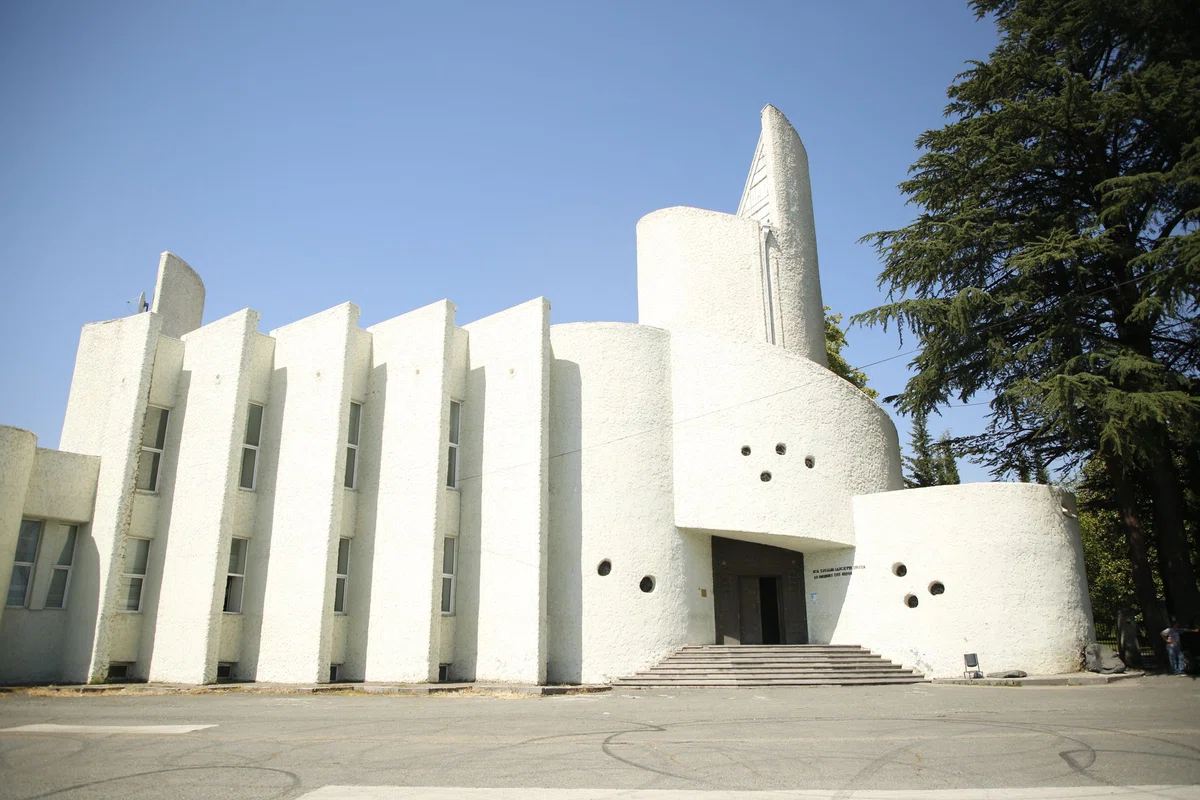
The Ilya Chavchavadze State Museum in Kvareli is a fairly large museum. There is a low tower, the house itself and an exhibition hall named after Ilya Chavchavadze. Here you can see memorabilia of Ilya and his family, handwritten texts of not only Ilya, but also other figures, household items, weapons and much more.
The museum complex includes the family tower, residential building and exhibition hall of the Georgian writer and public figure, the “uncrowned king of Georgia” Ilya Chavchavadze (1837-1907).
The museum contains memorial items of Ilya and his family members, manuscripts, sets of magazines and newspapers founded by him, household items, weapons from the 18th-19th centuries, furniture, manuscripts of Georgian and foreign public figures, paintings created on the themes of Ilya’s works, rich photographic material and archival documents, and publications of Ilya’s works in various languages.
Ilia Chavchavadze was born into the family of a retired officer, Prince Grigol Chavchavadze. His mother died when he was 10 years old, and his father when he was 15. The poet’s very first poem, “The Mountains of Kvareli,” which reflects the poet’s transitional age, was in a certain sense a “transitional ritual,” a sign of his personal maturity. In 1848, Ilia Chavchavadze studied at one of the best private boarding schools of Raevsky. In 1851, to continue his studies, Ilia transferred to the fourth grade of the Tbilisi Gymnasium. Since 1857, Ilia has been a student at the Faculty of Law of the University of St. Petersburg. From the very beginning, he intensively studied the history of Georgia and Georgian literature. During his student years, he wrote works that had a wide public resonance and became a new stage in the Georgian literature of the 19th century and the history of artistic thinking. His letter "A Few Words" served as the basis for the struggle between the "fathers" and the "sons". In 1861, he returned to Georgia and led the national liberation movement. In 1863, Ilia Chavchavadze founded the magazine "Sakartvelos moambe" (Bulletin of Georgia). At various times, he worked as a peace mediator and judge. In 1875, he was elected chairman of the Tbilisi Land Bank. From 1818 he was the chairman of the Dramatic Society, which he founded, and in 1879-1885 - deputy, then from 1885 - chairman of the Society for the Spread of Literacy Among Georgians. In 1877, Ilia Chavchavadze founded the newspaper "Iveria". Ilia devoted all his energy to the cause of consolidating the Georgian people, revitalizing and raising the national and social consciousness of the people. Later he wrote: "They say about me that he judges the shortcomings of Georgians, does not hide our shortcomings, but this is real hatred! Fools say this. A good heart itself sees how much love is in this hatred!" It is precisely this pathos that permeates the entire museum exposition.
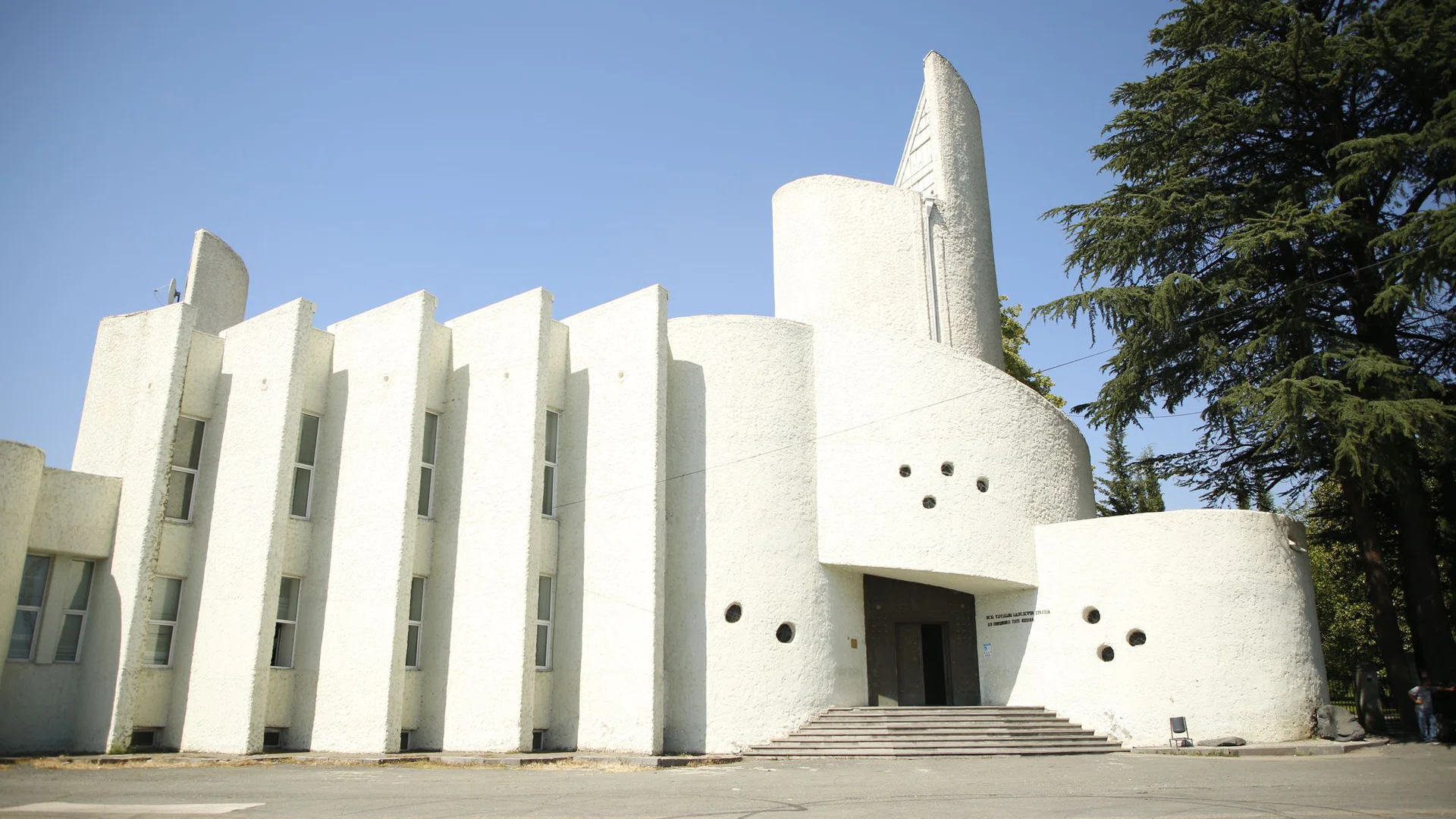
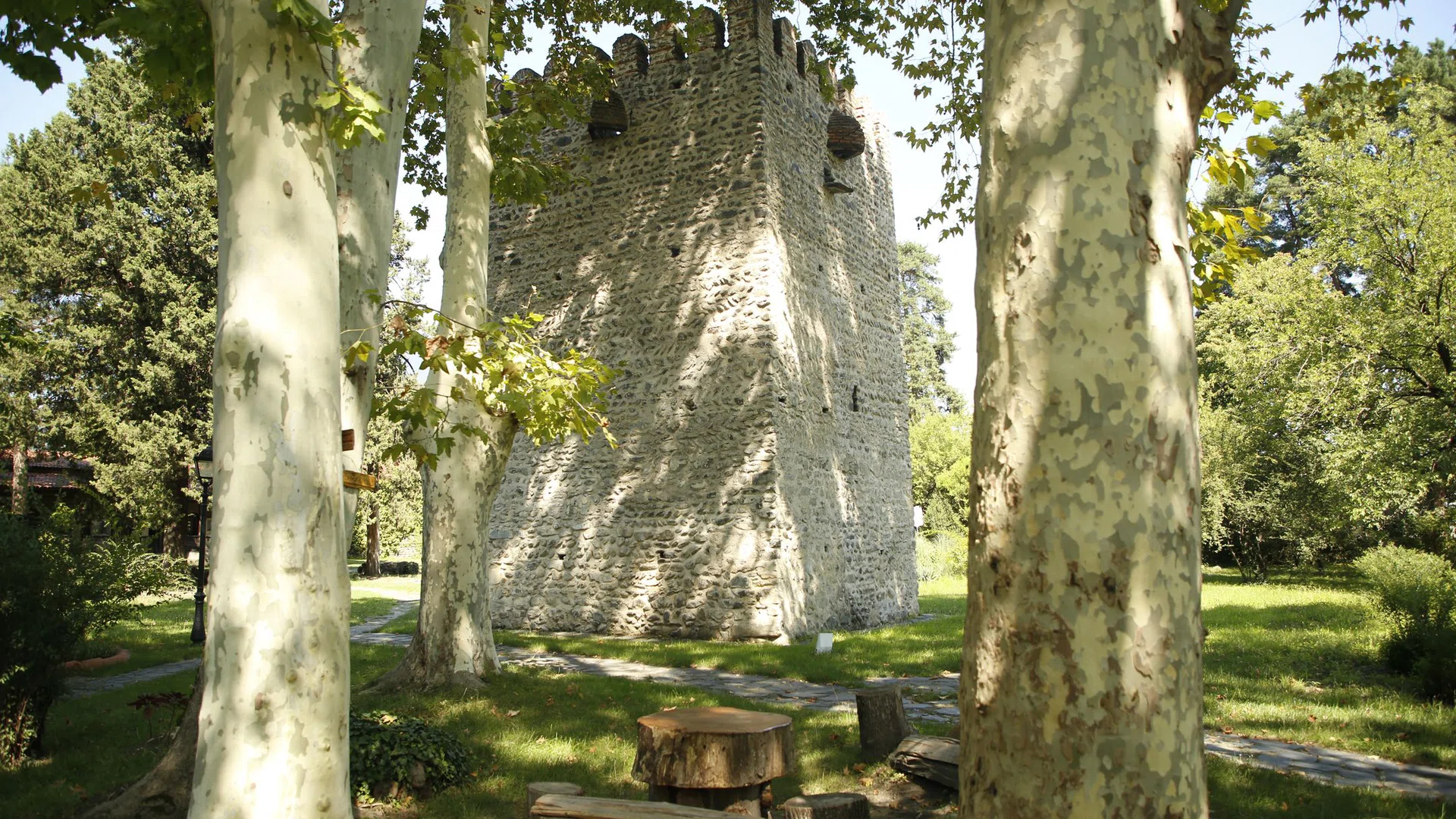
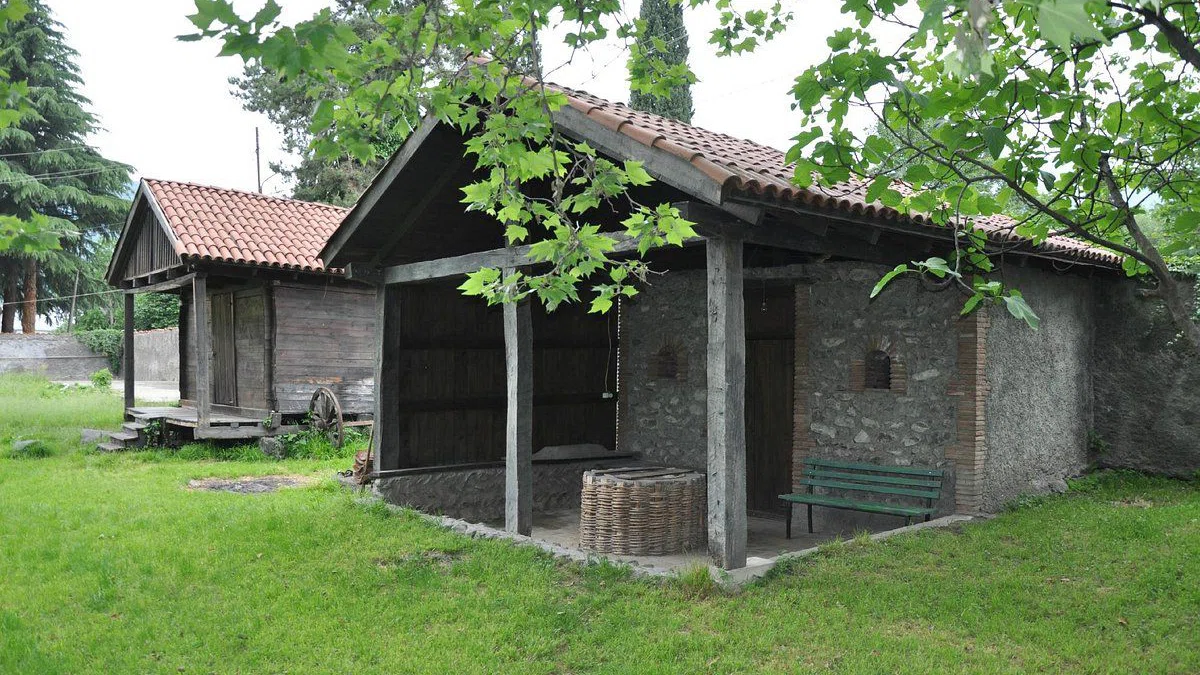
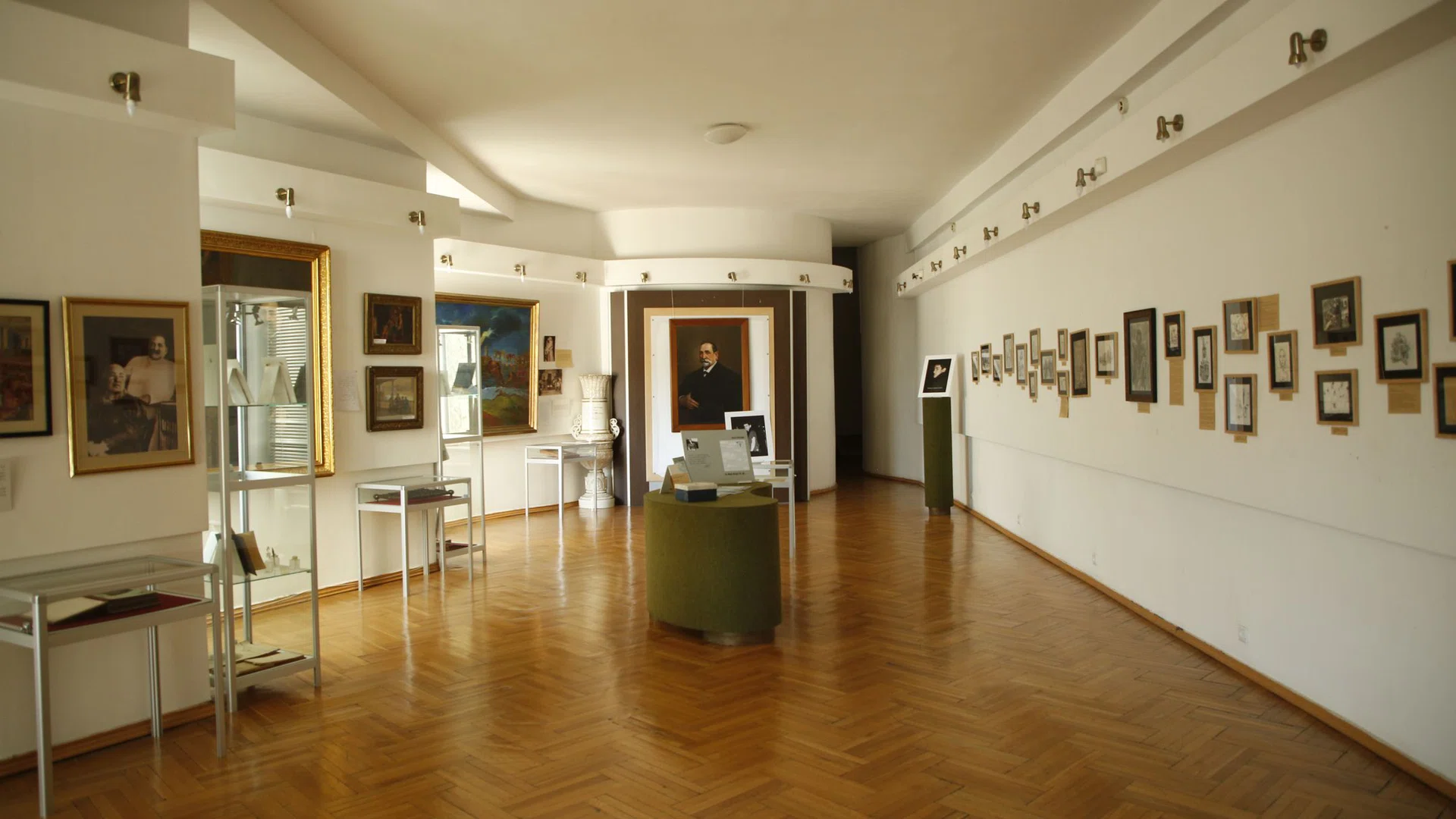
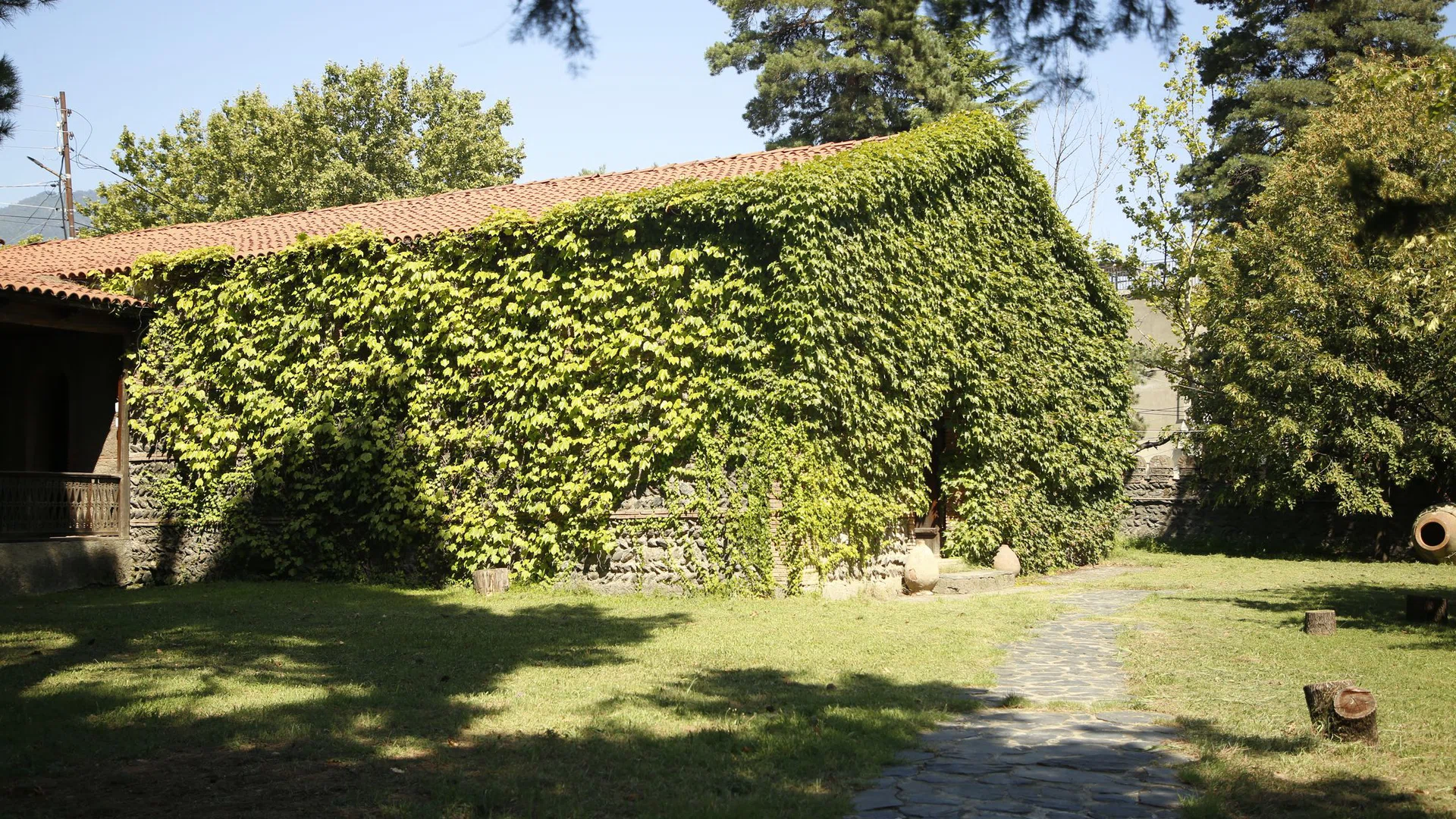
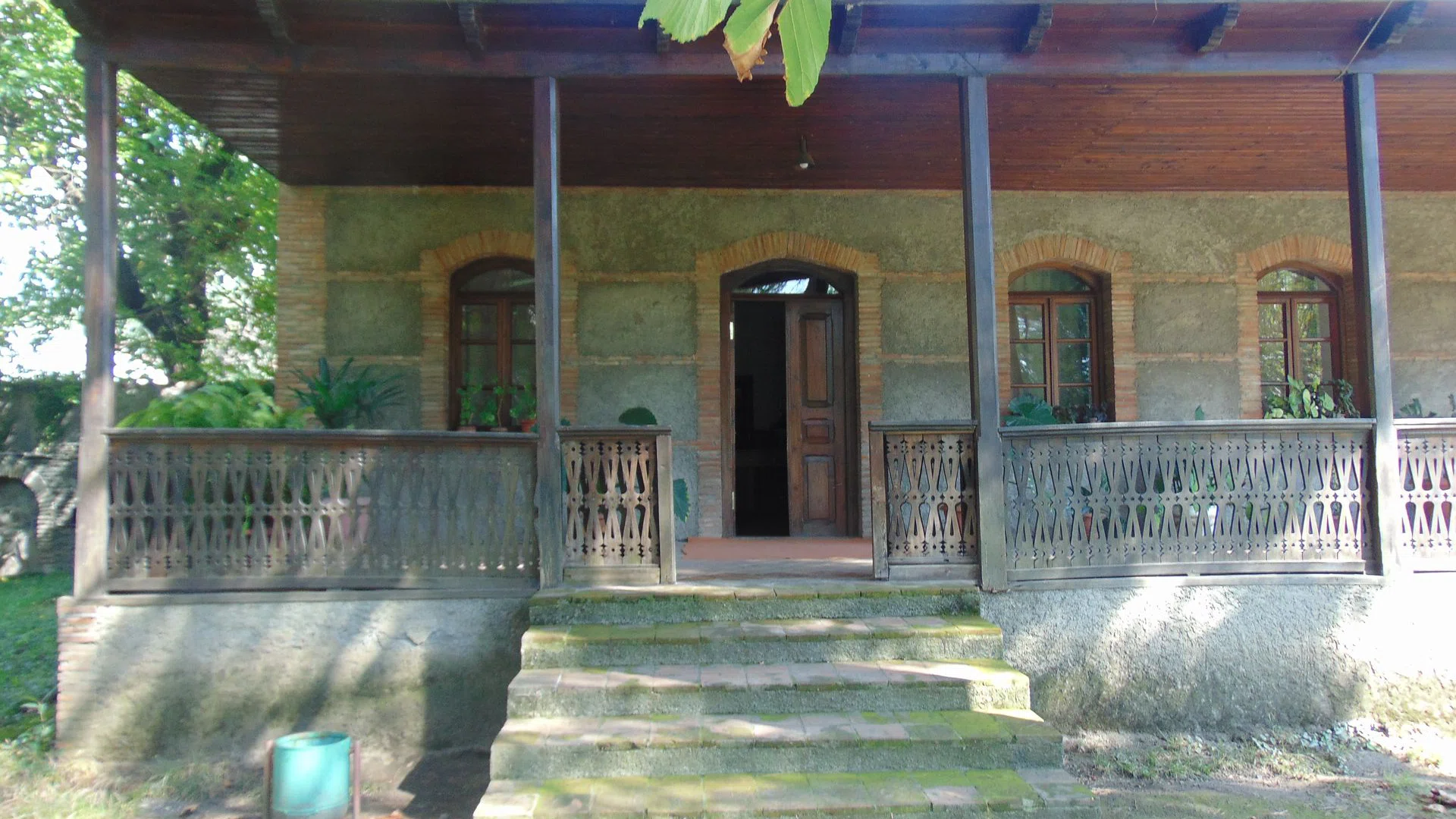
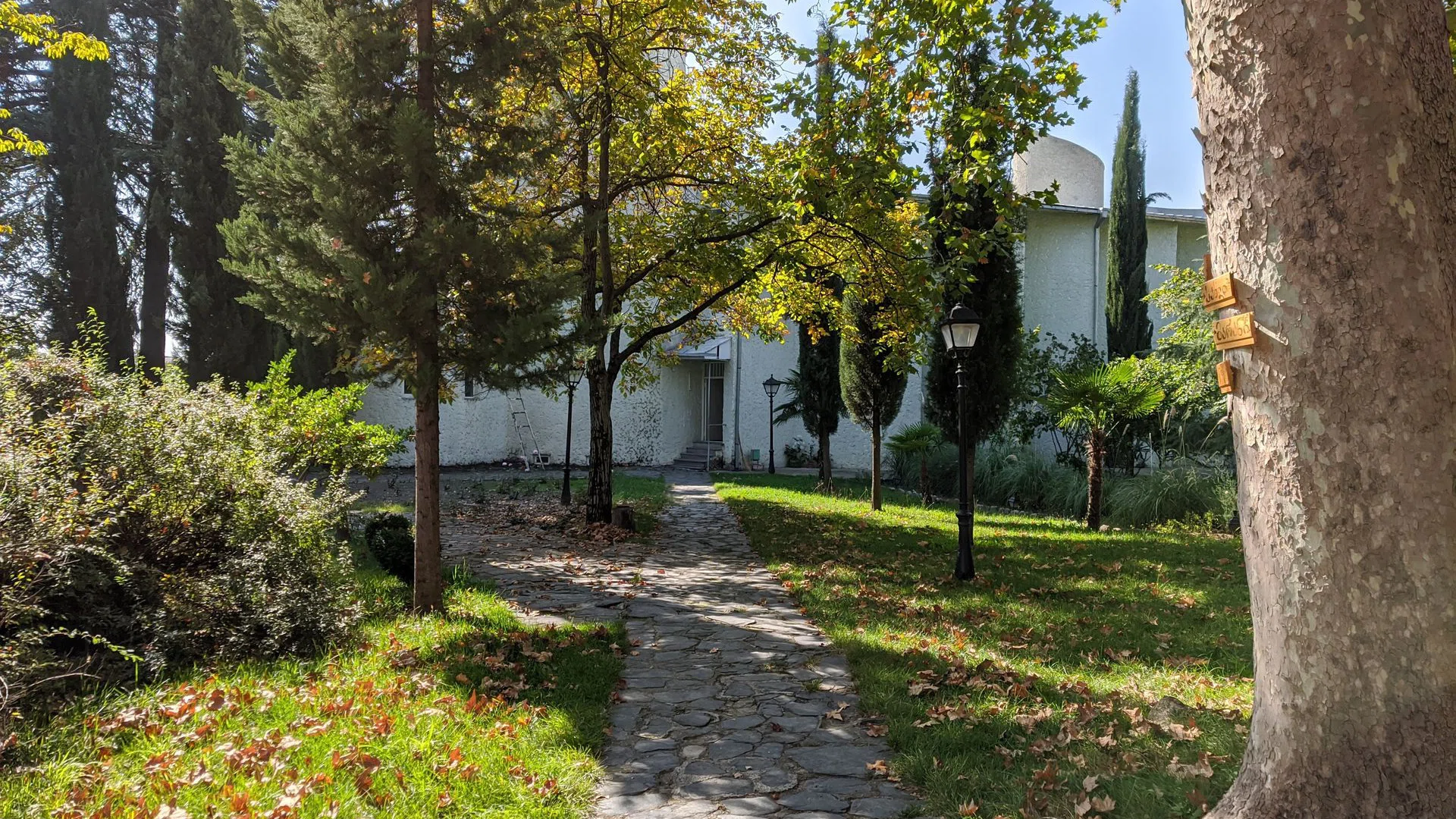
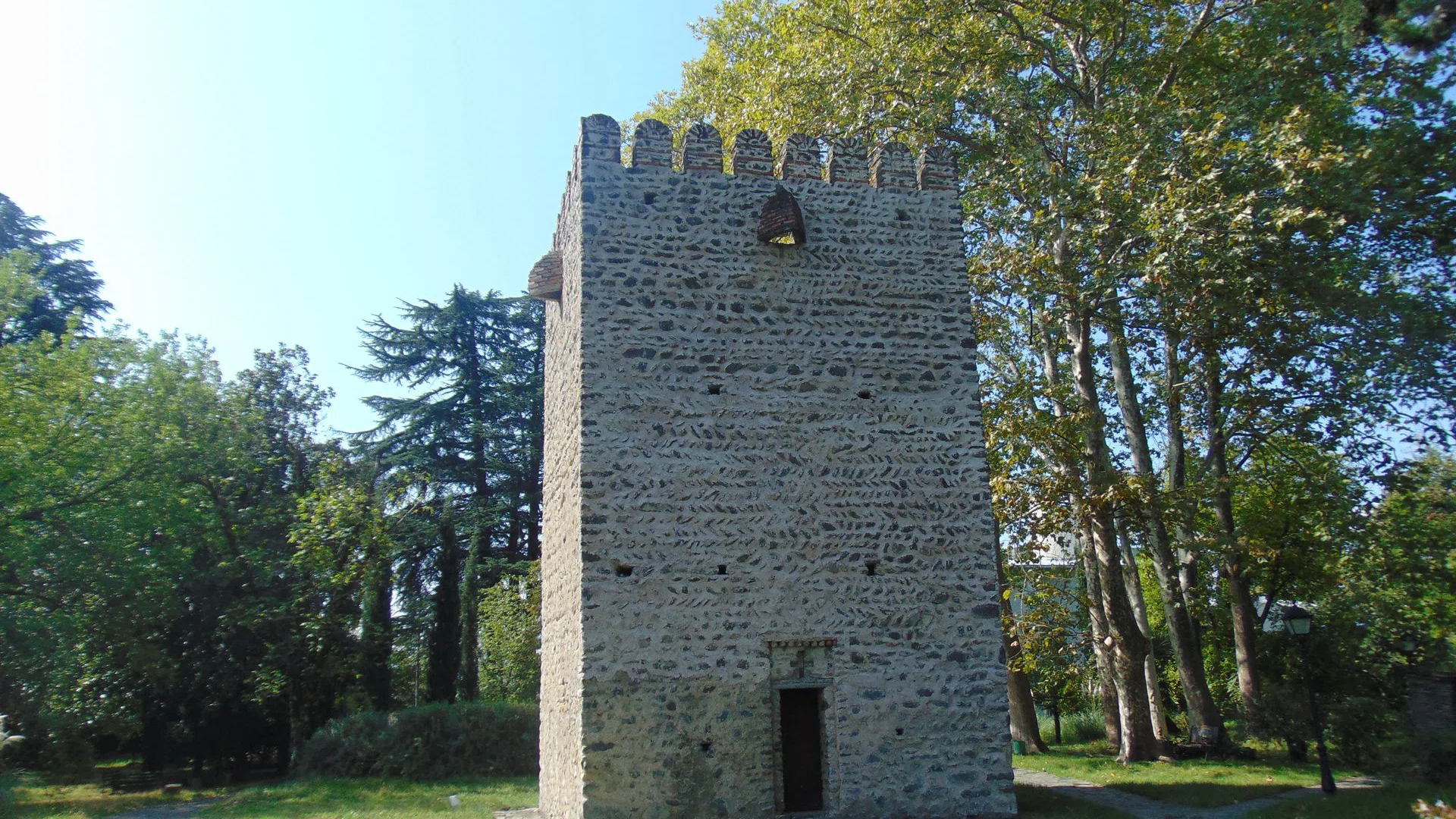
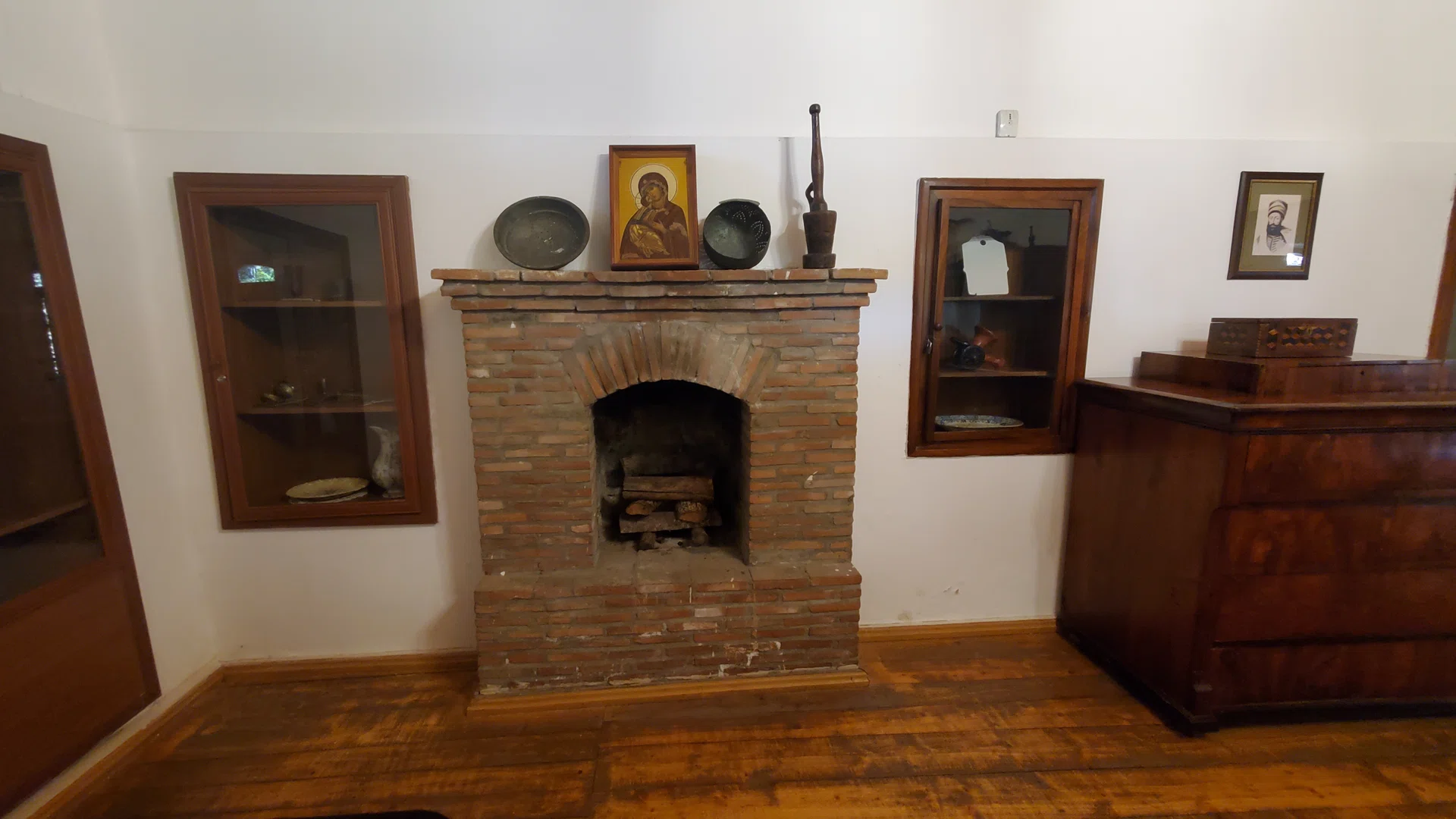
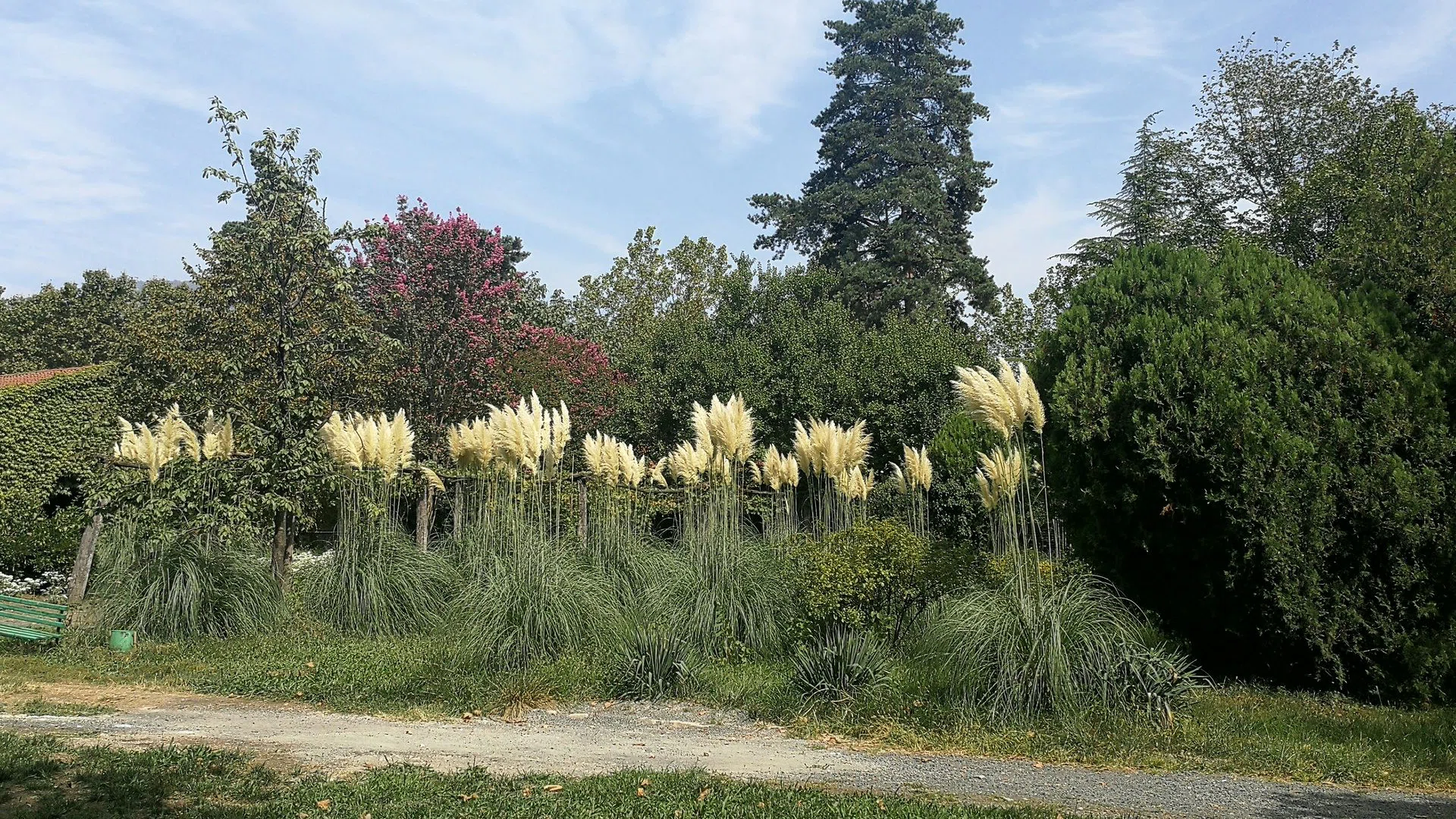
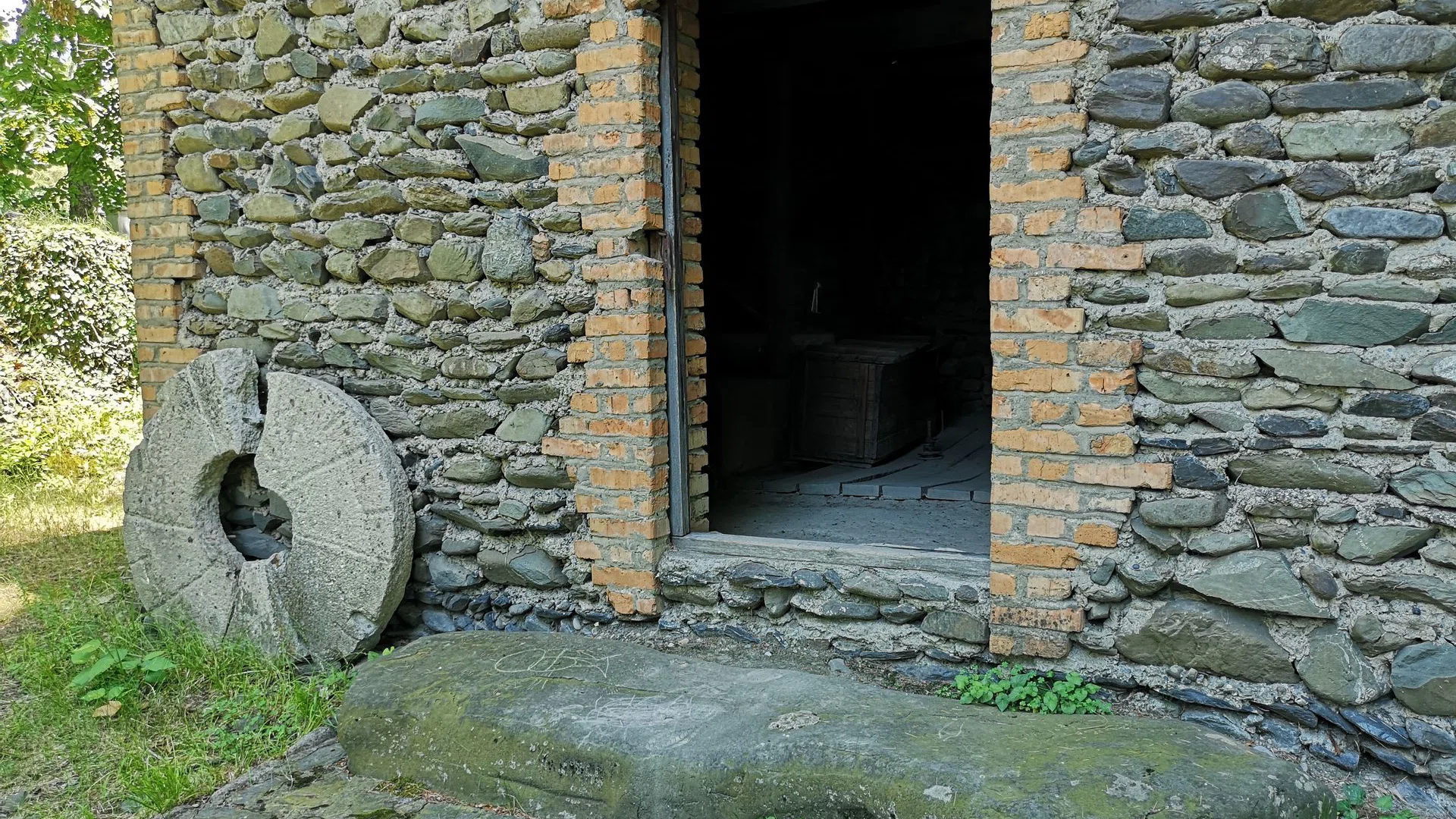
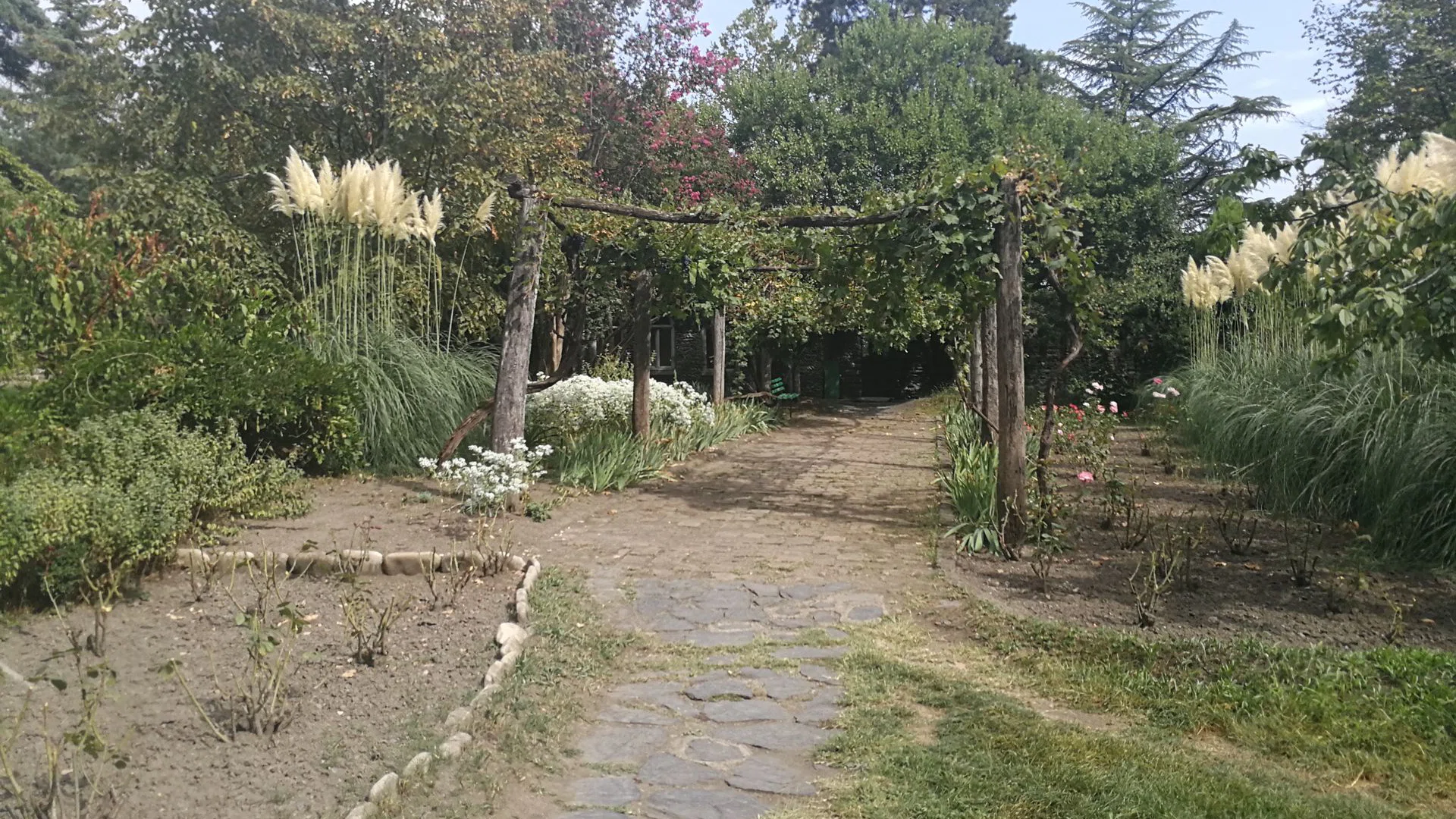
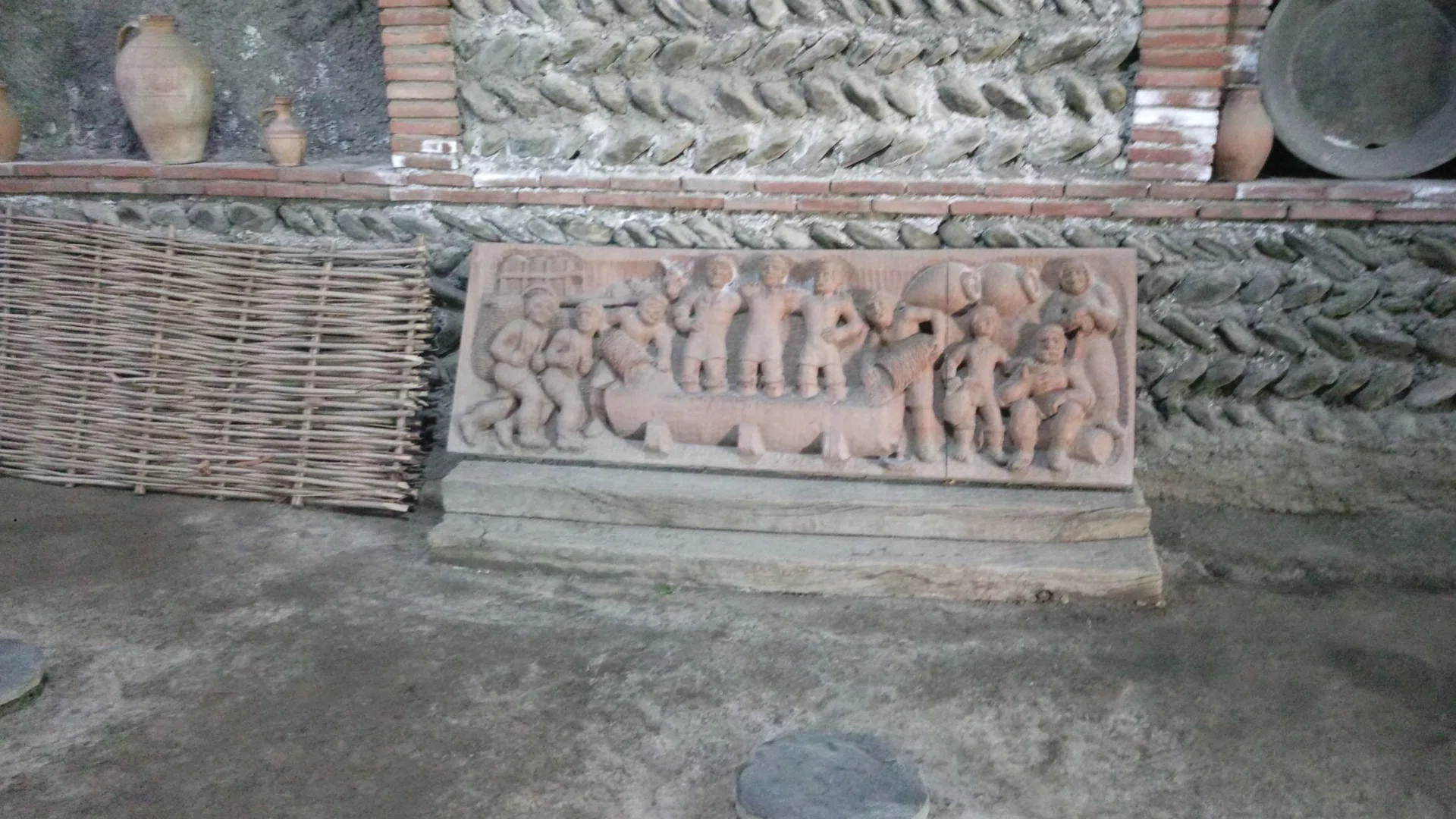
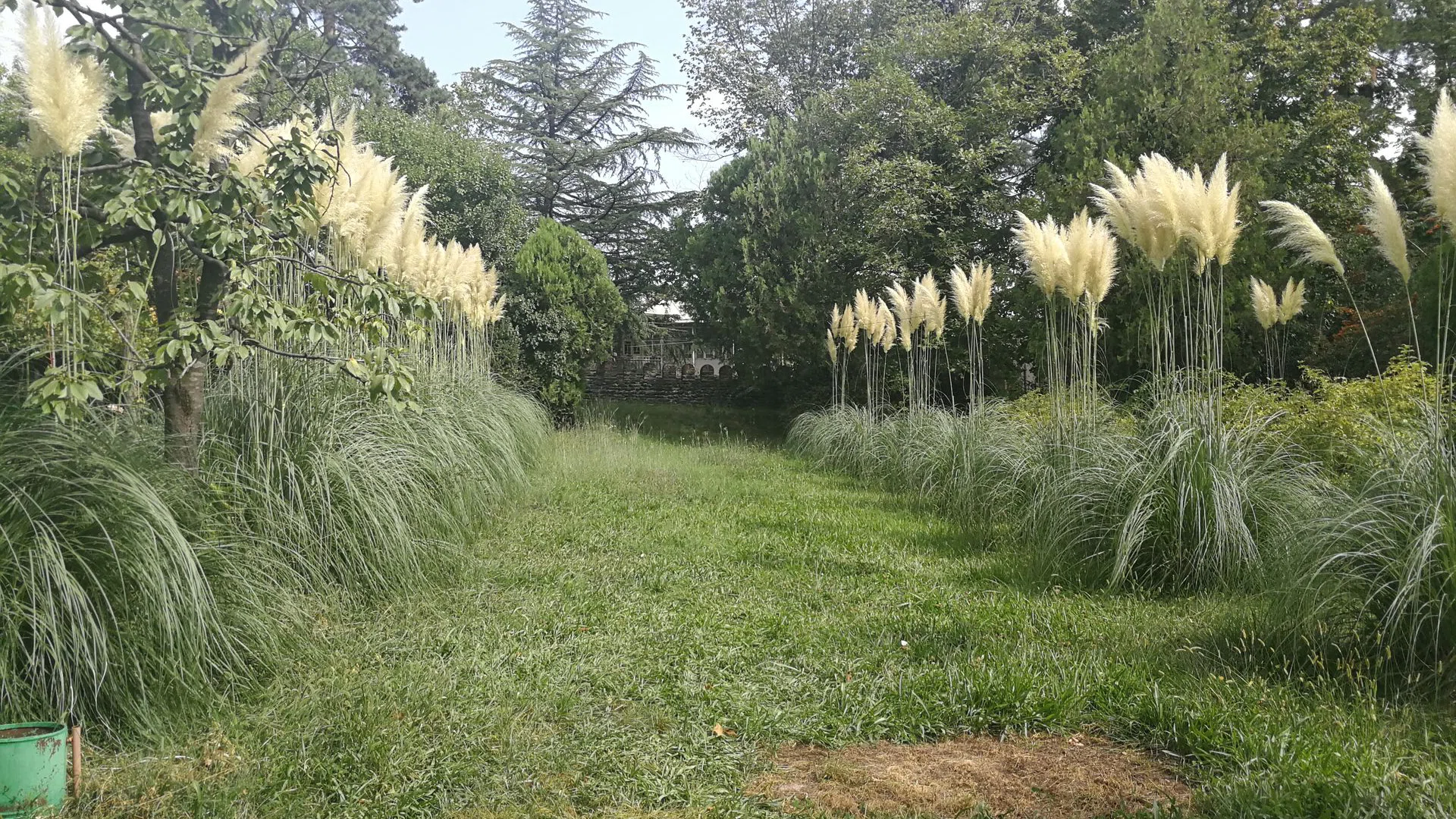
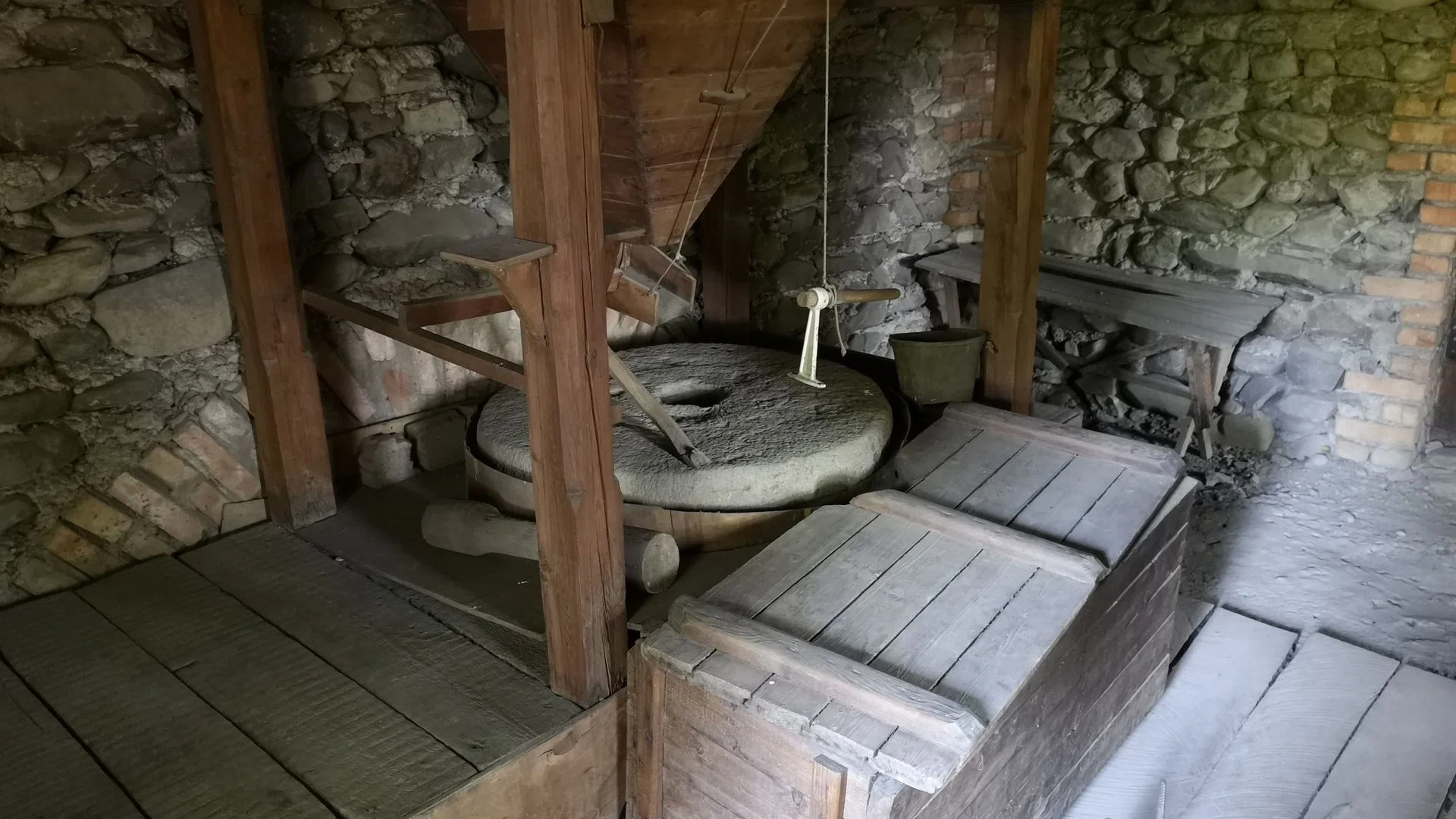
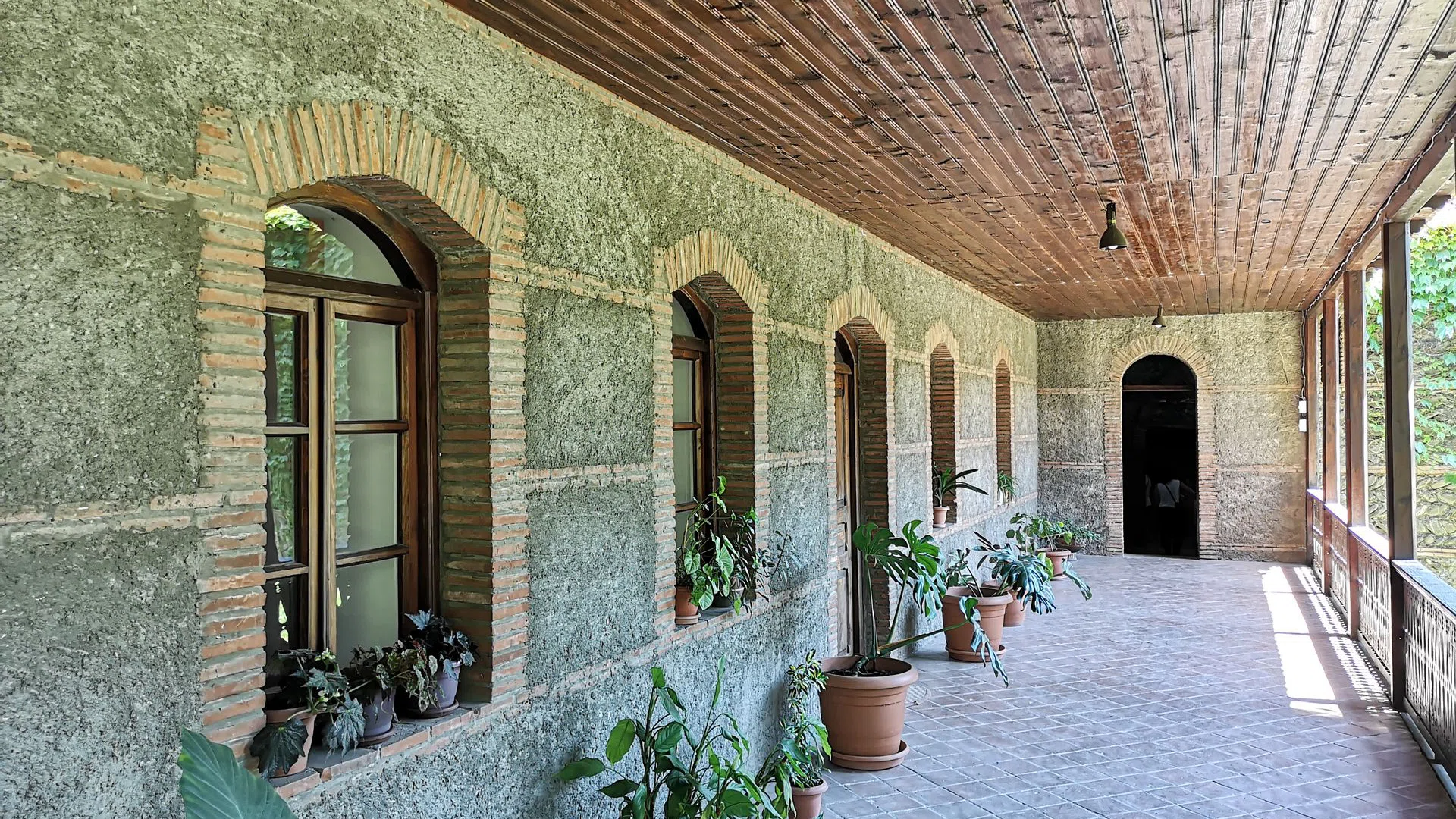
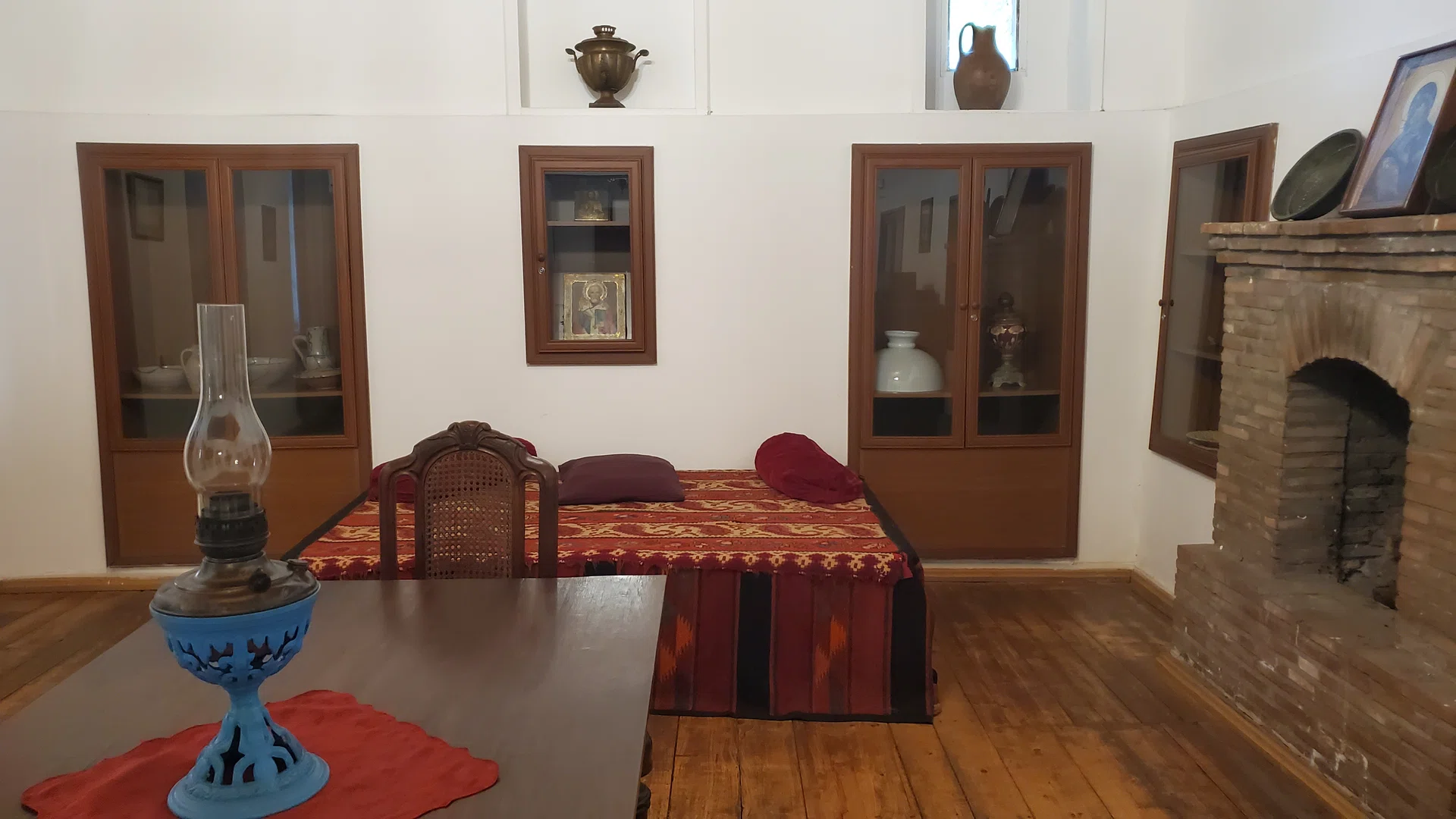
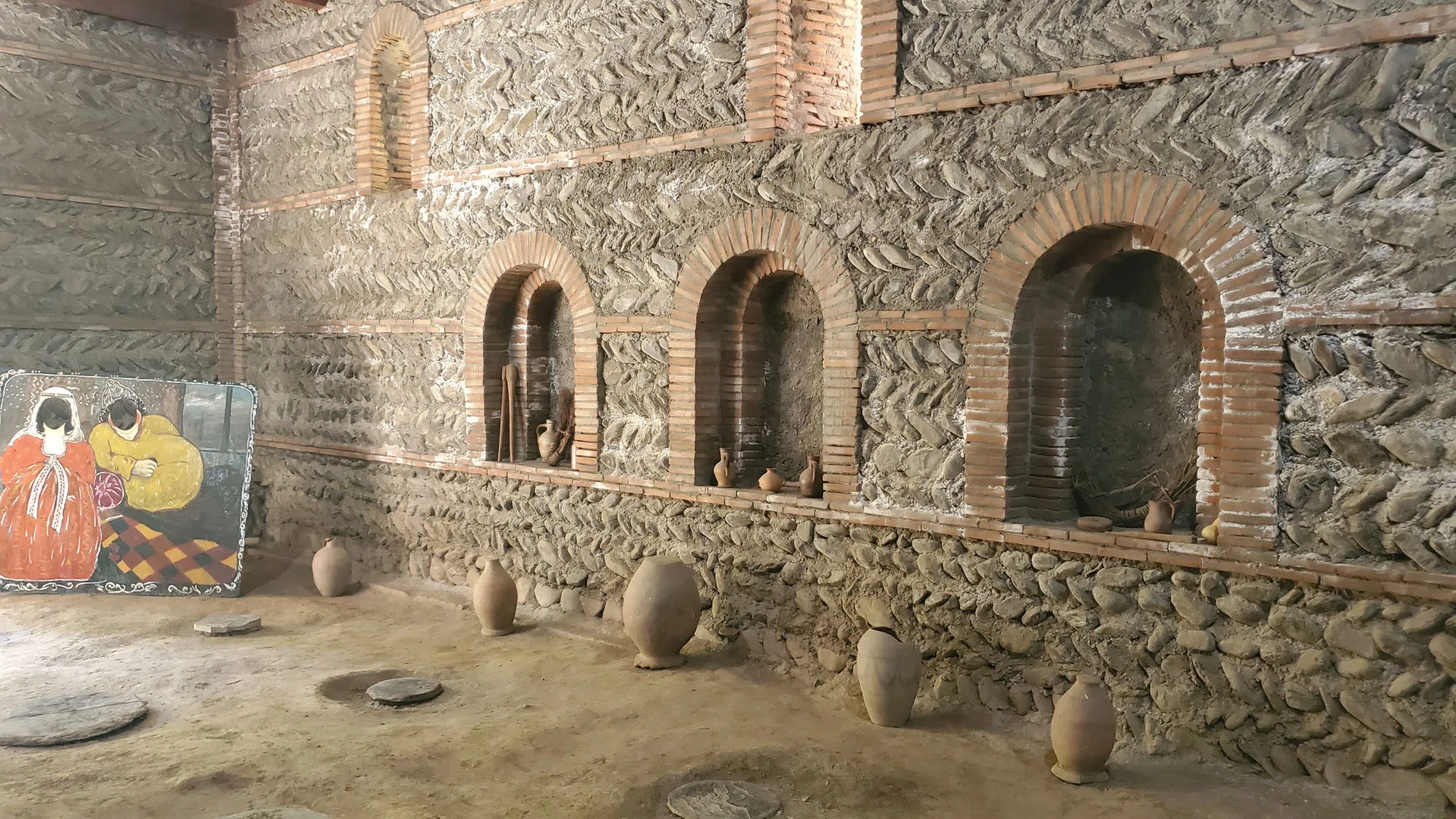
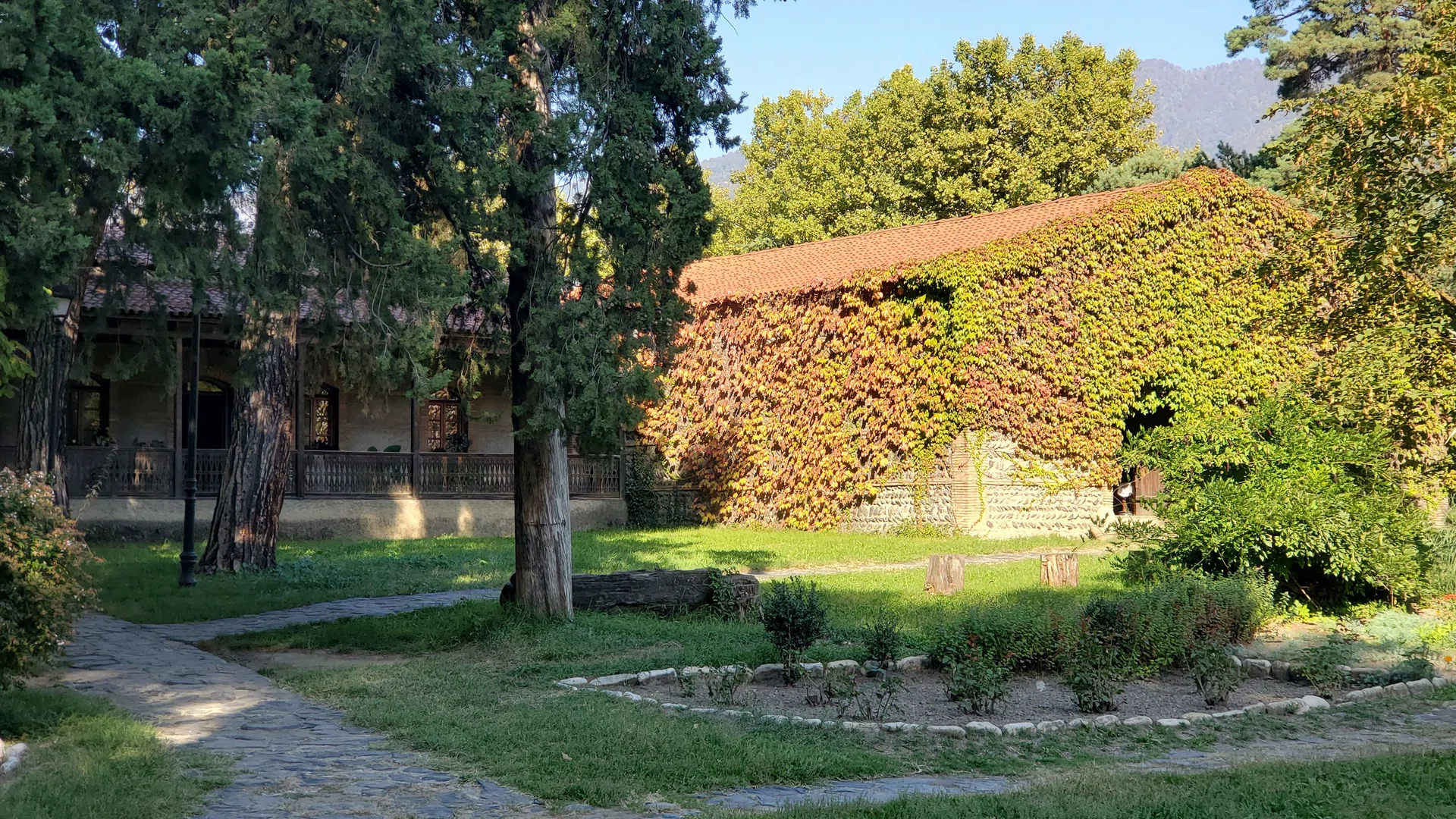
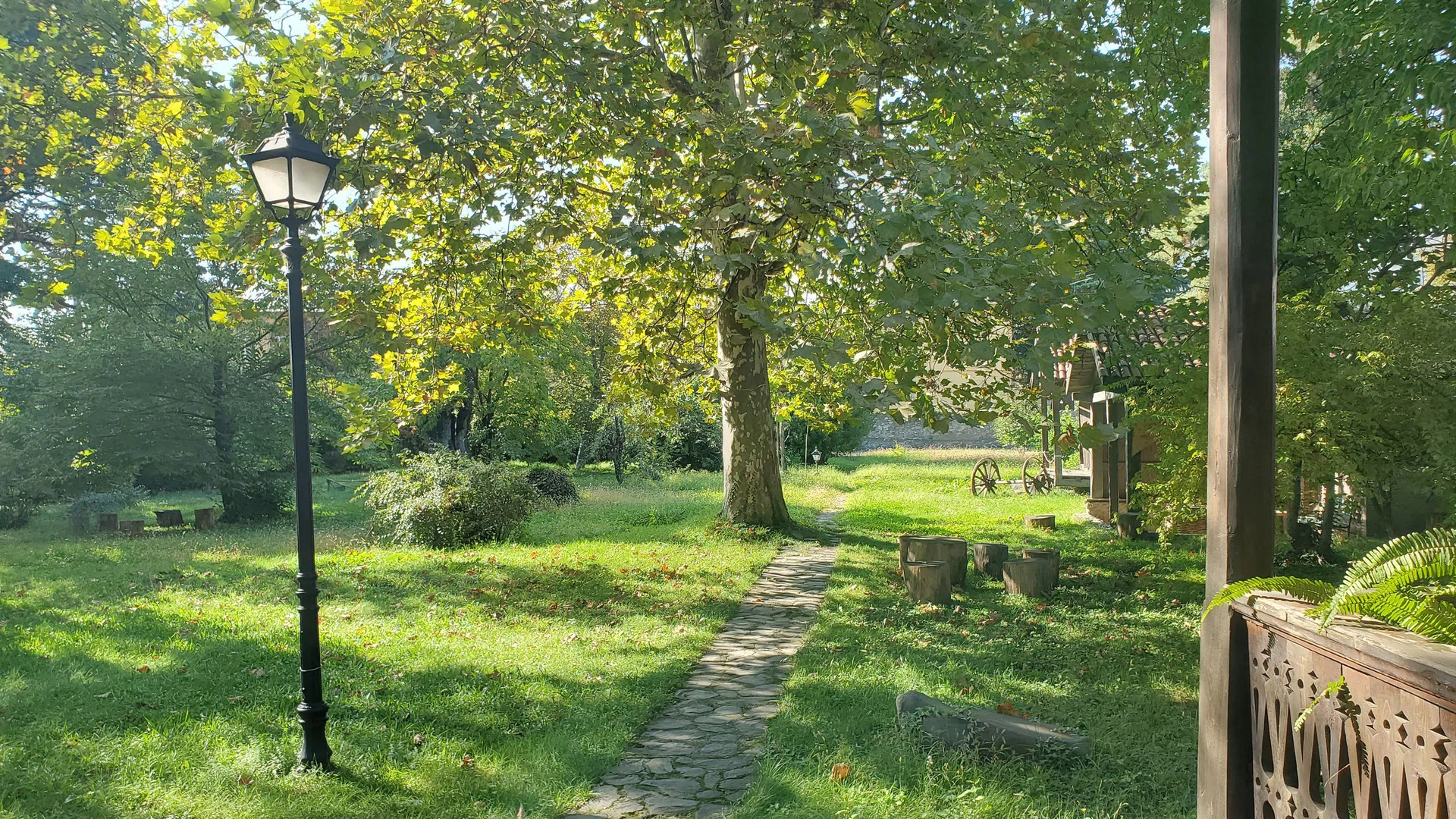
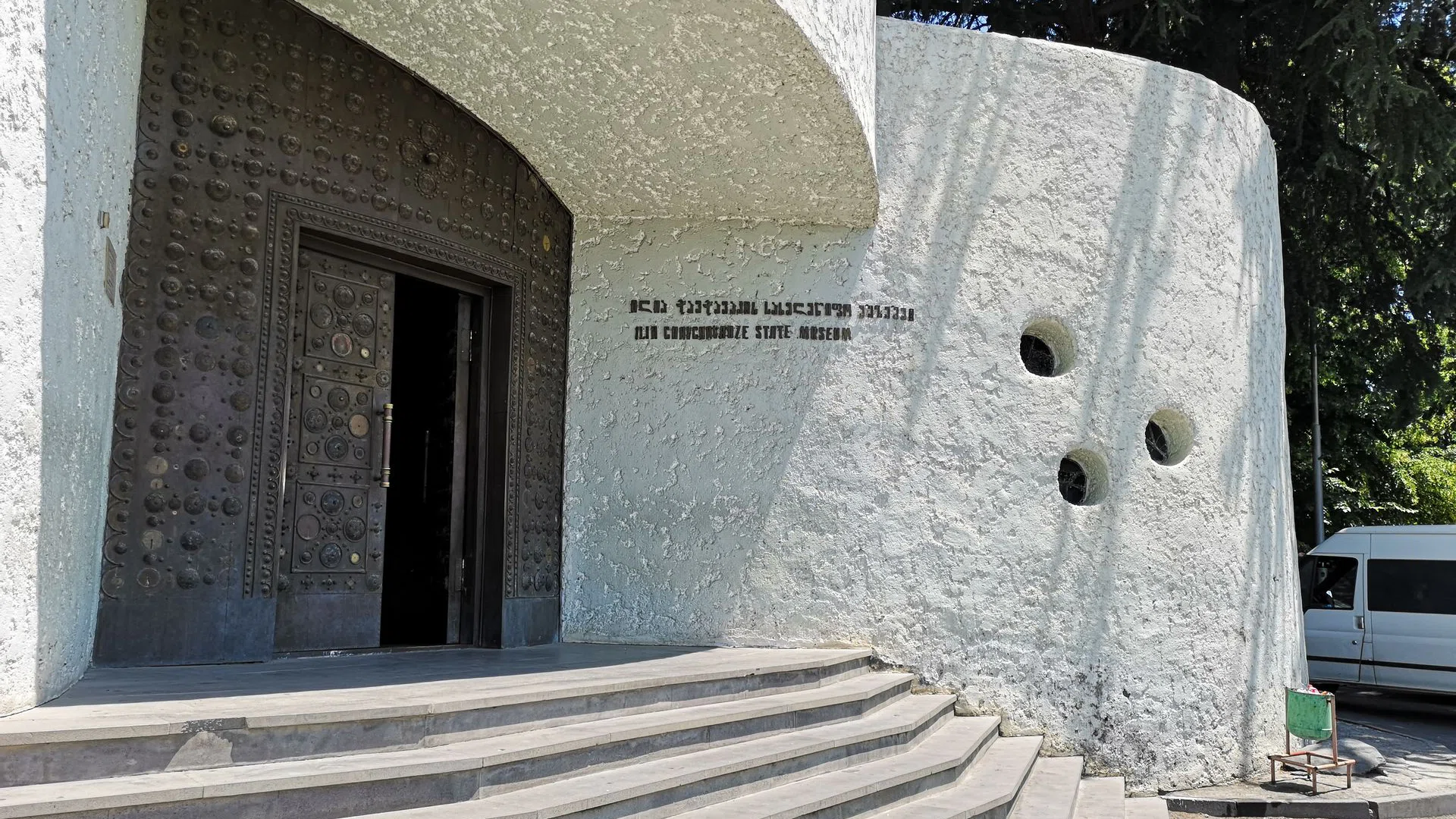
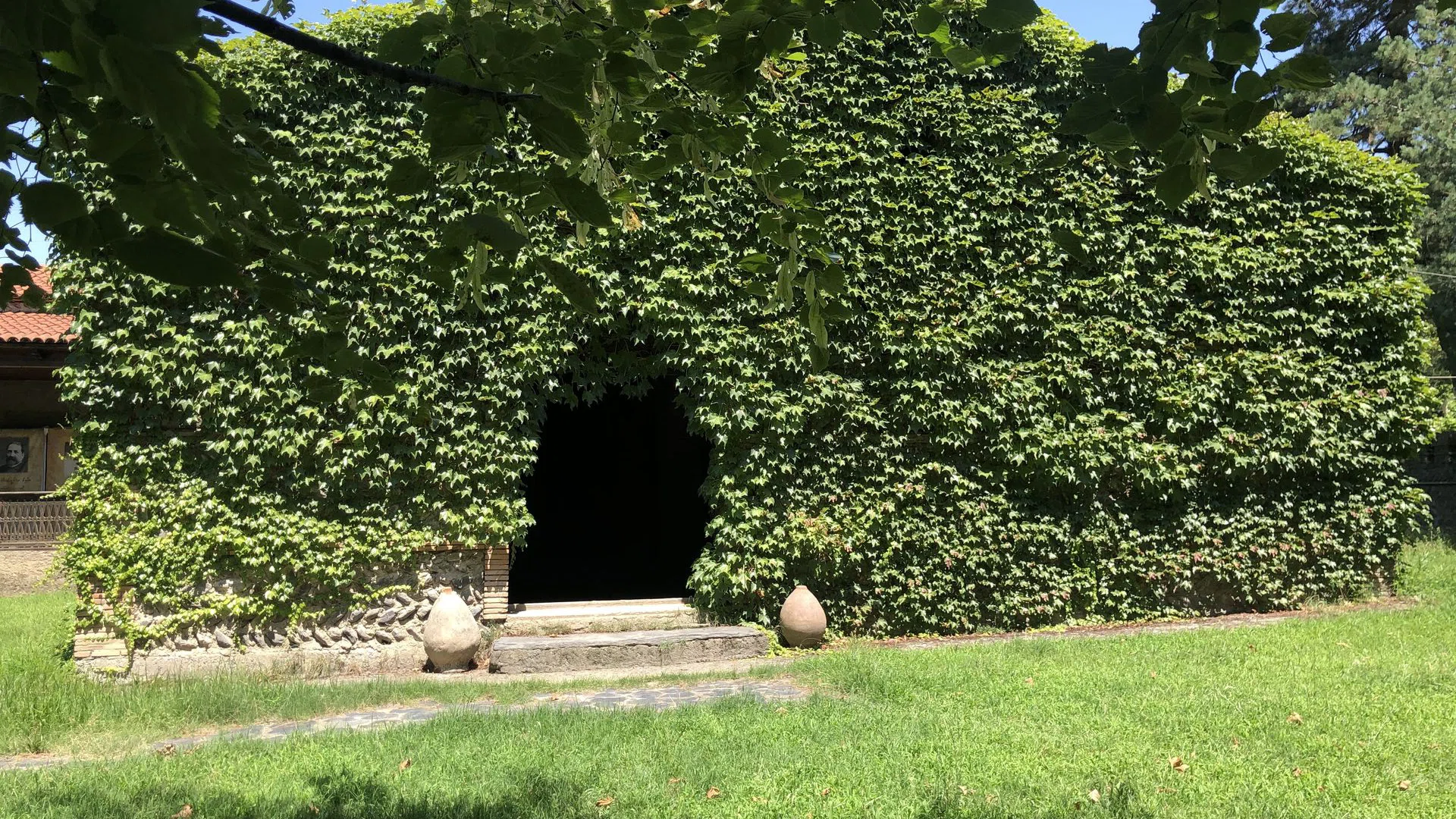
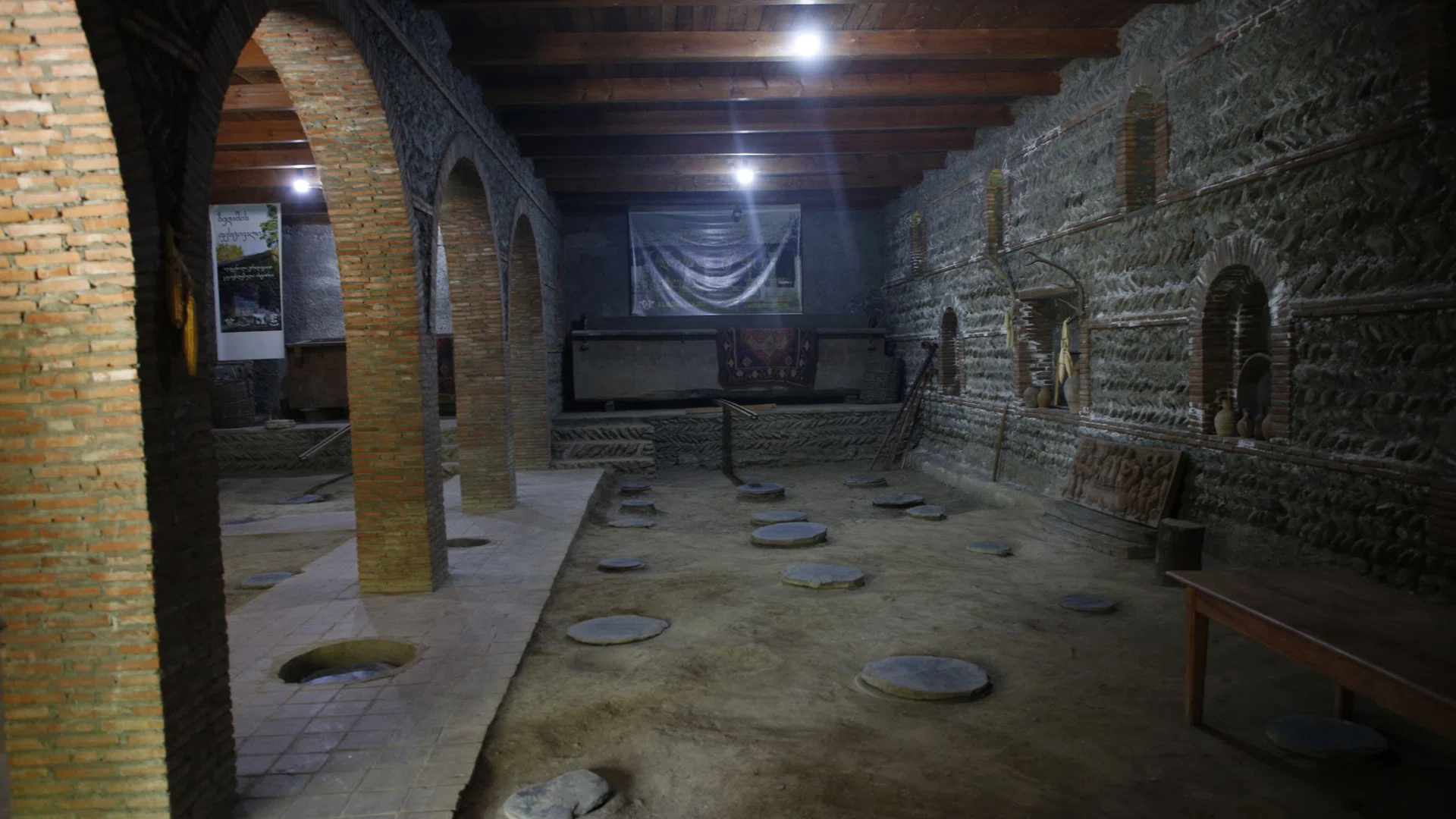
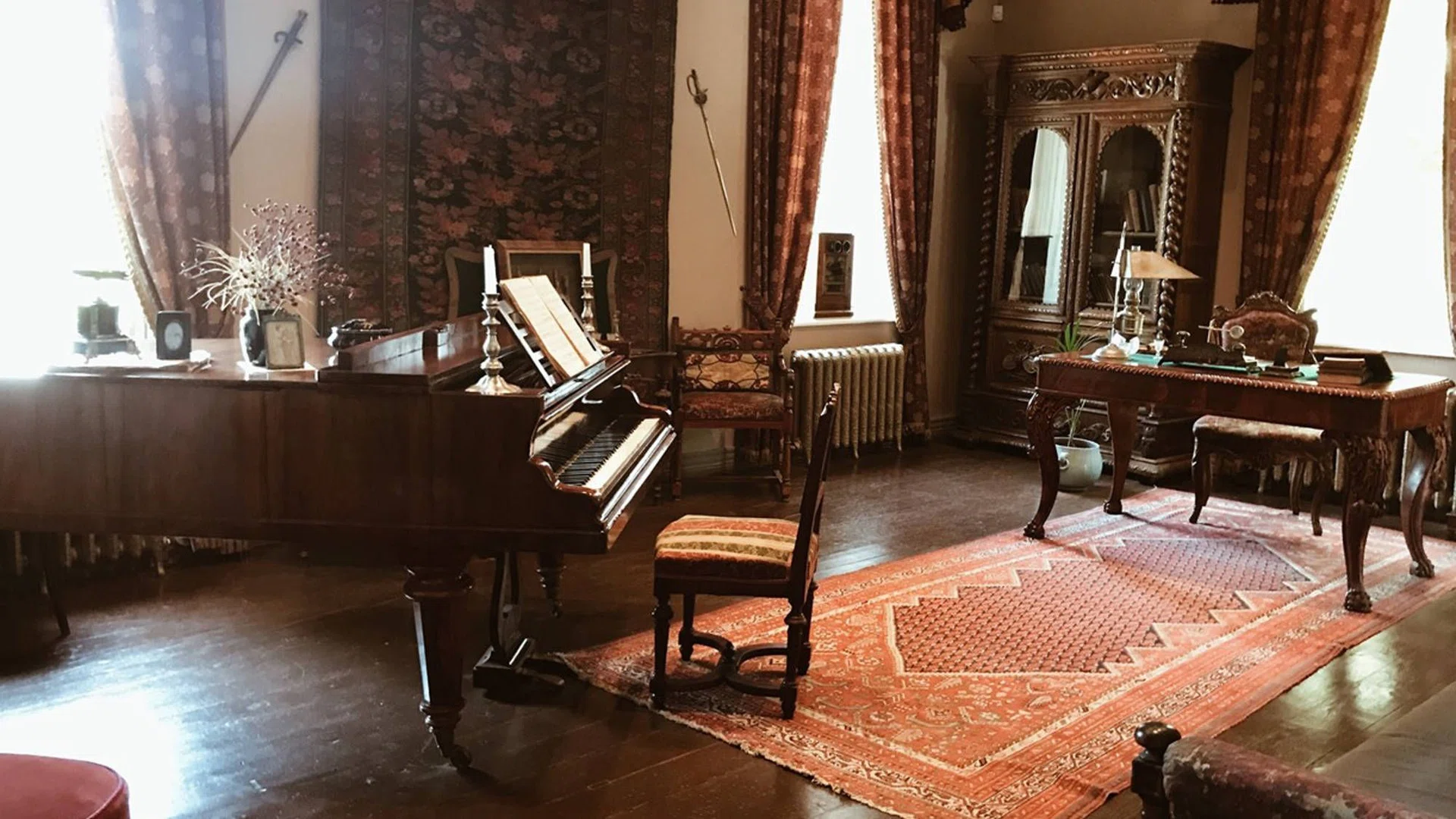
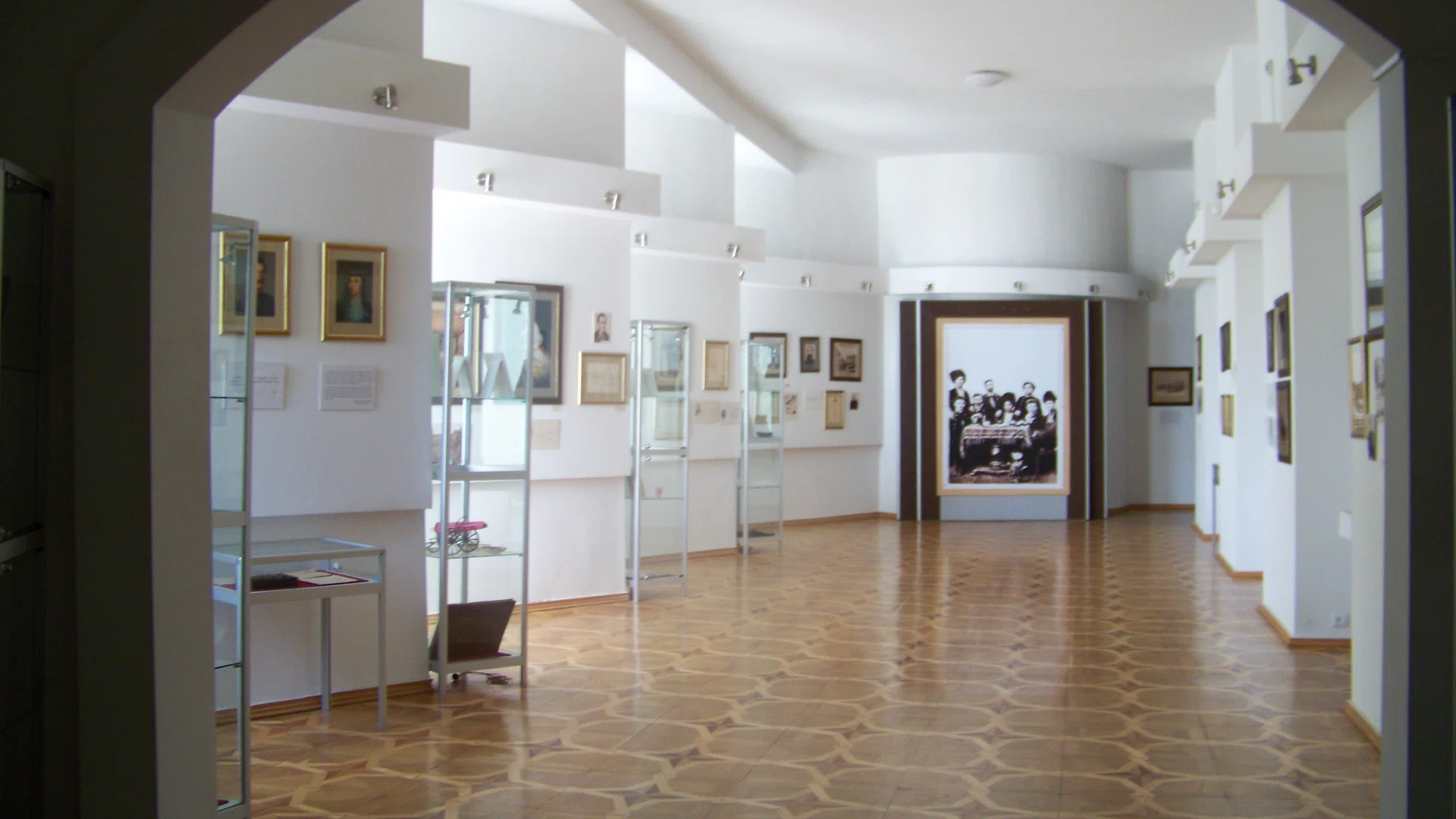
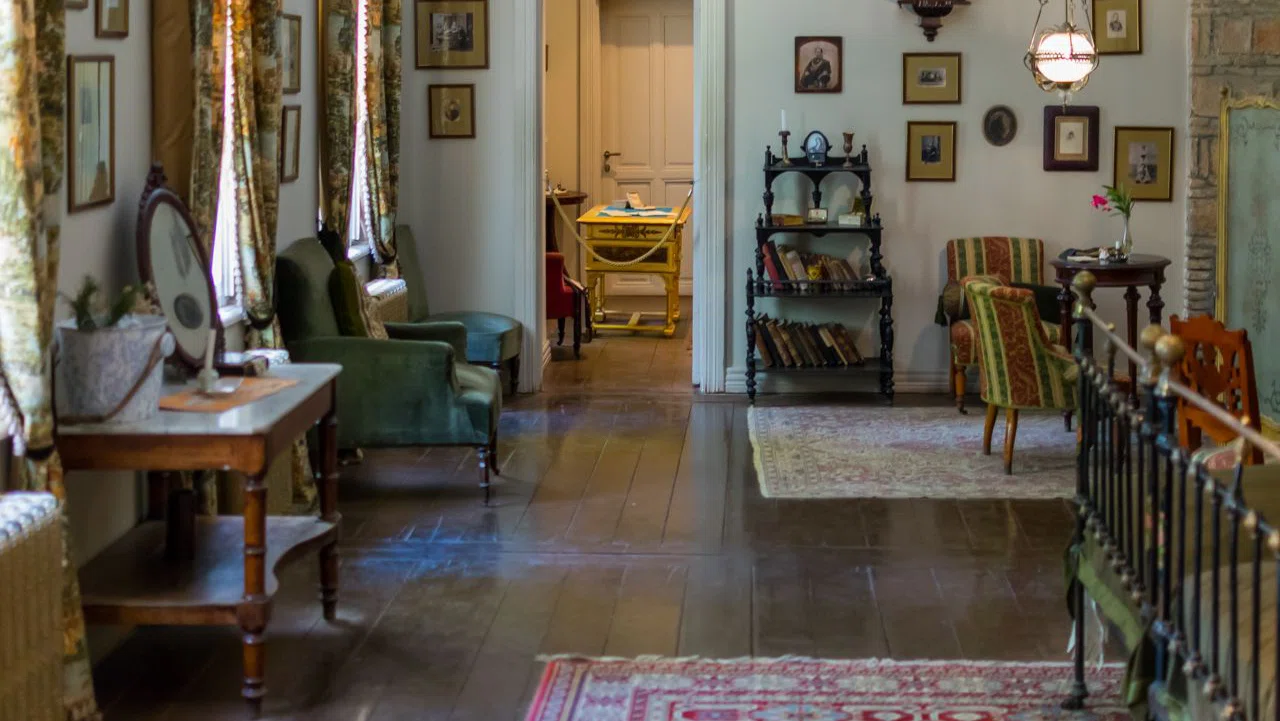
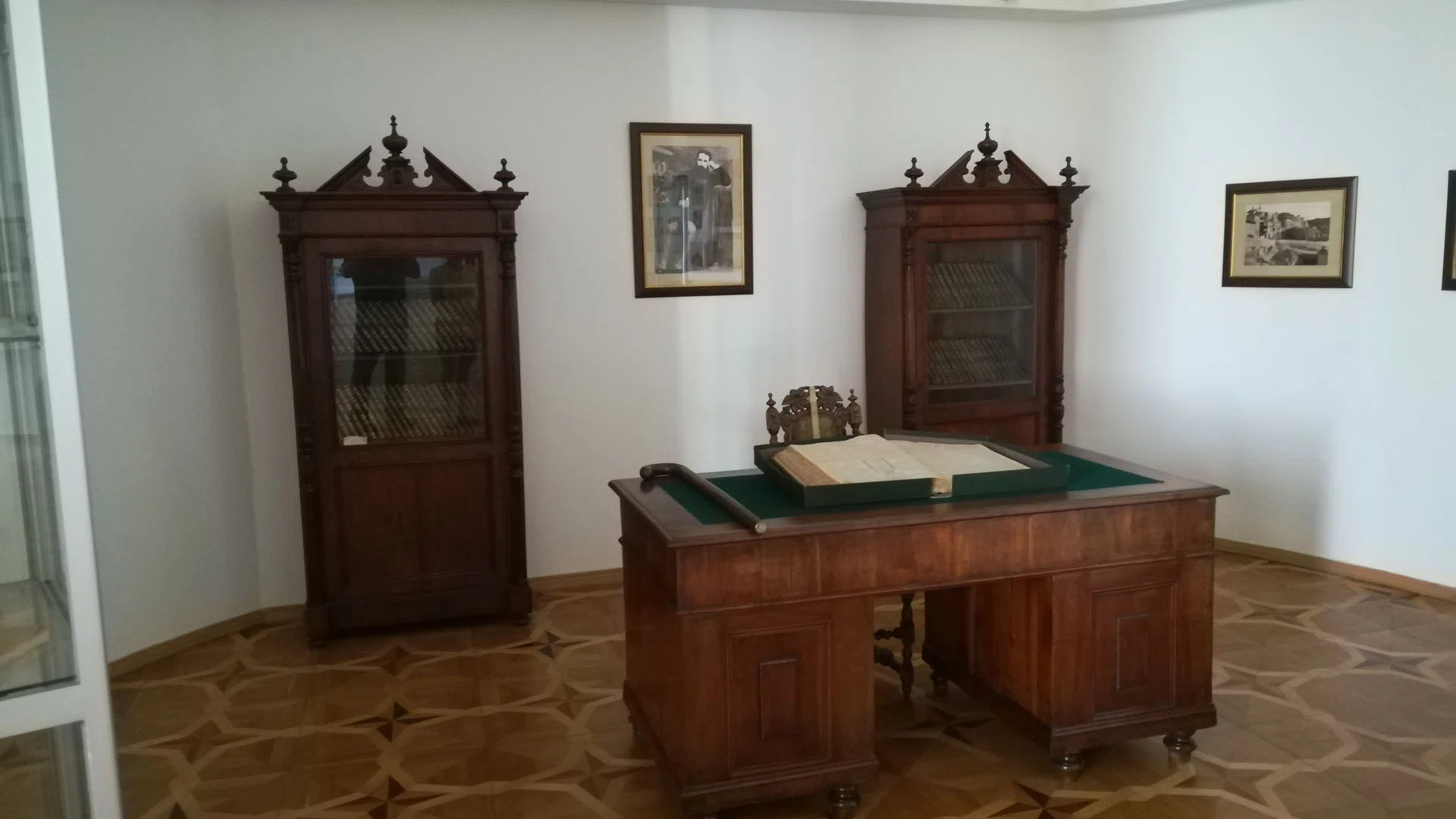
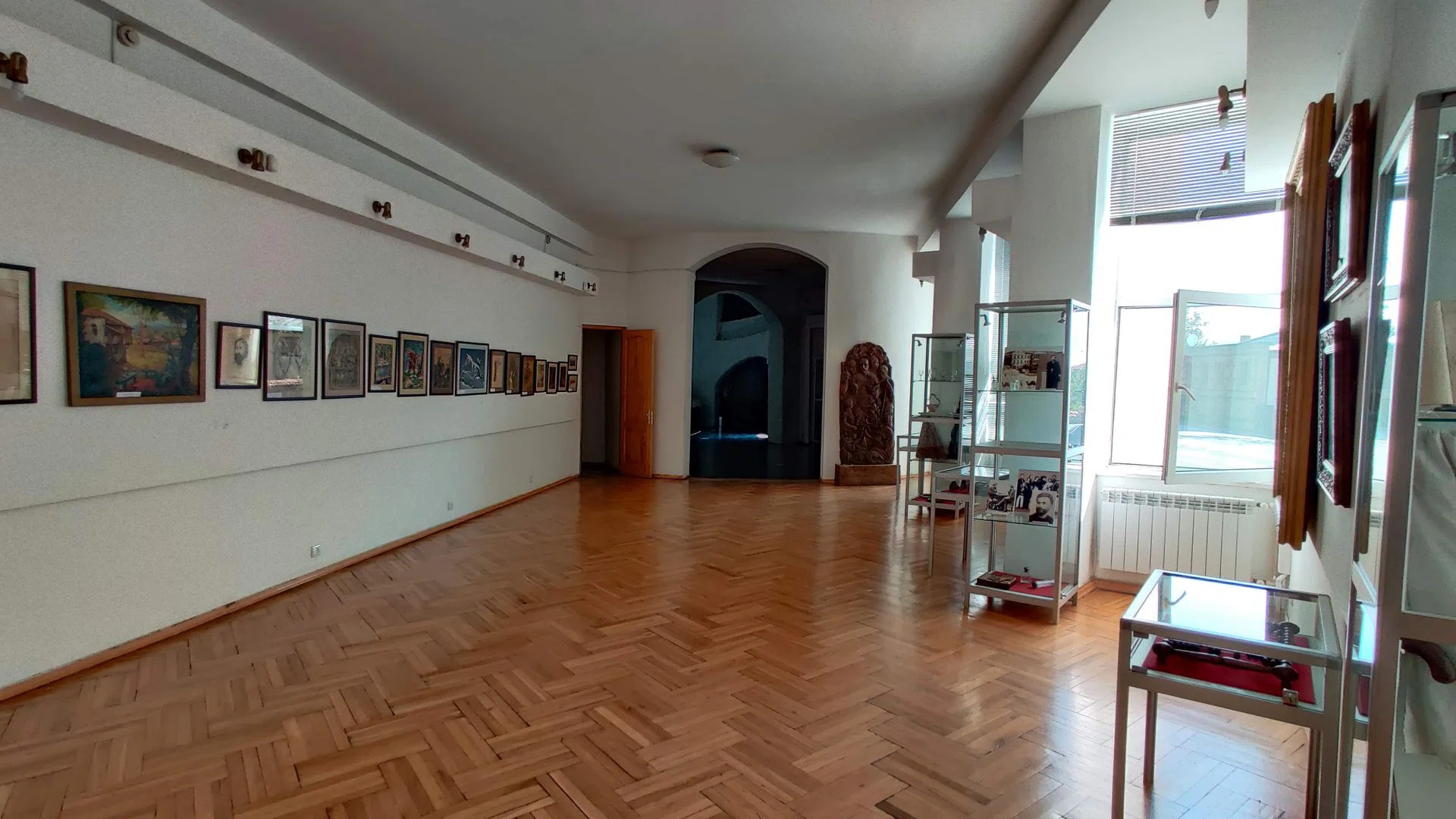
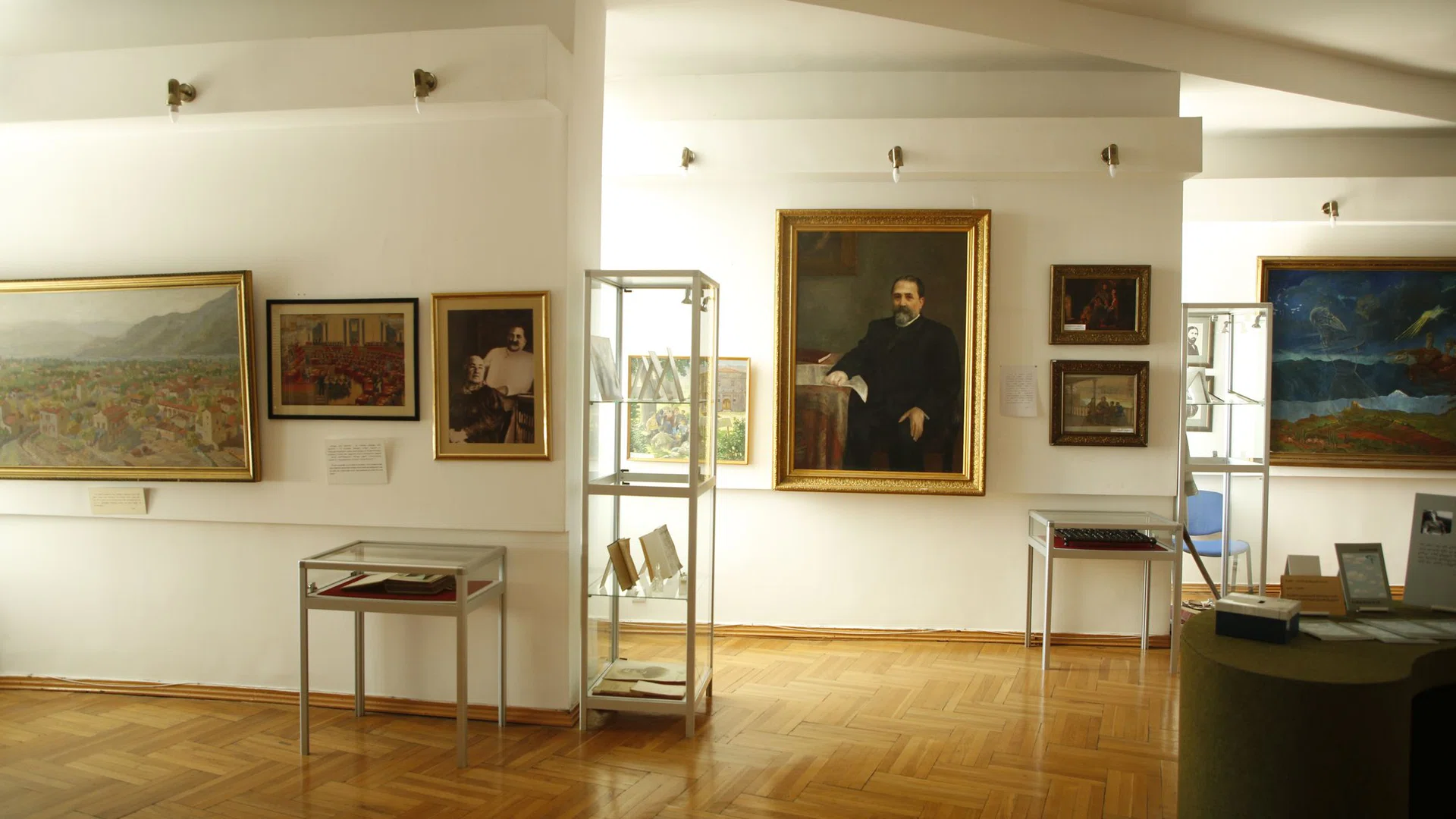
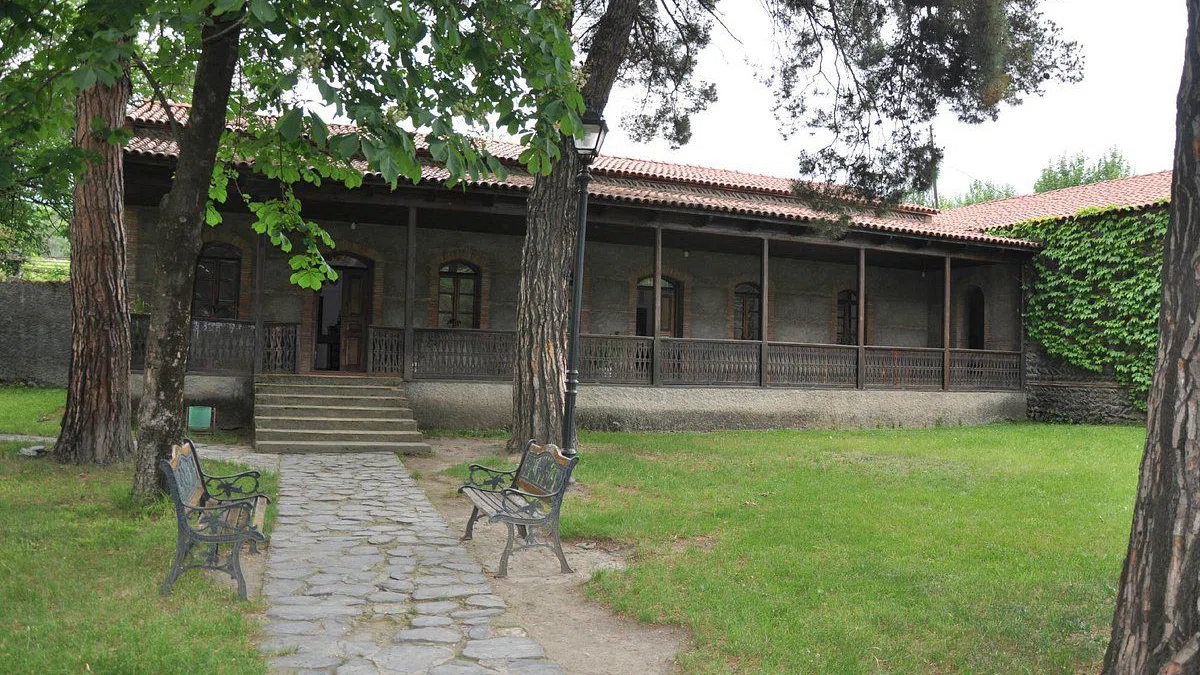
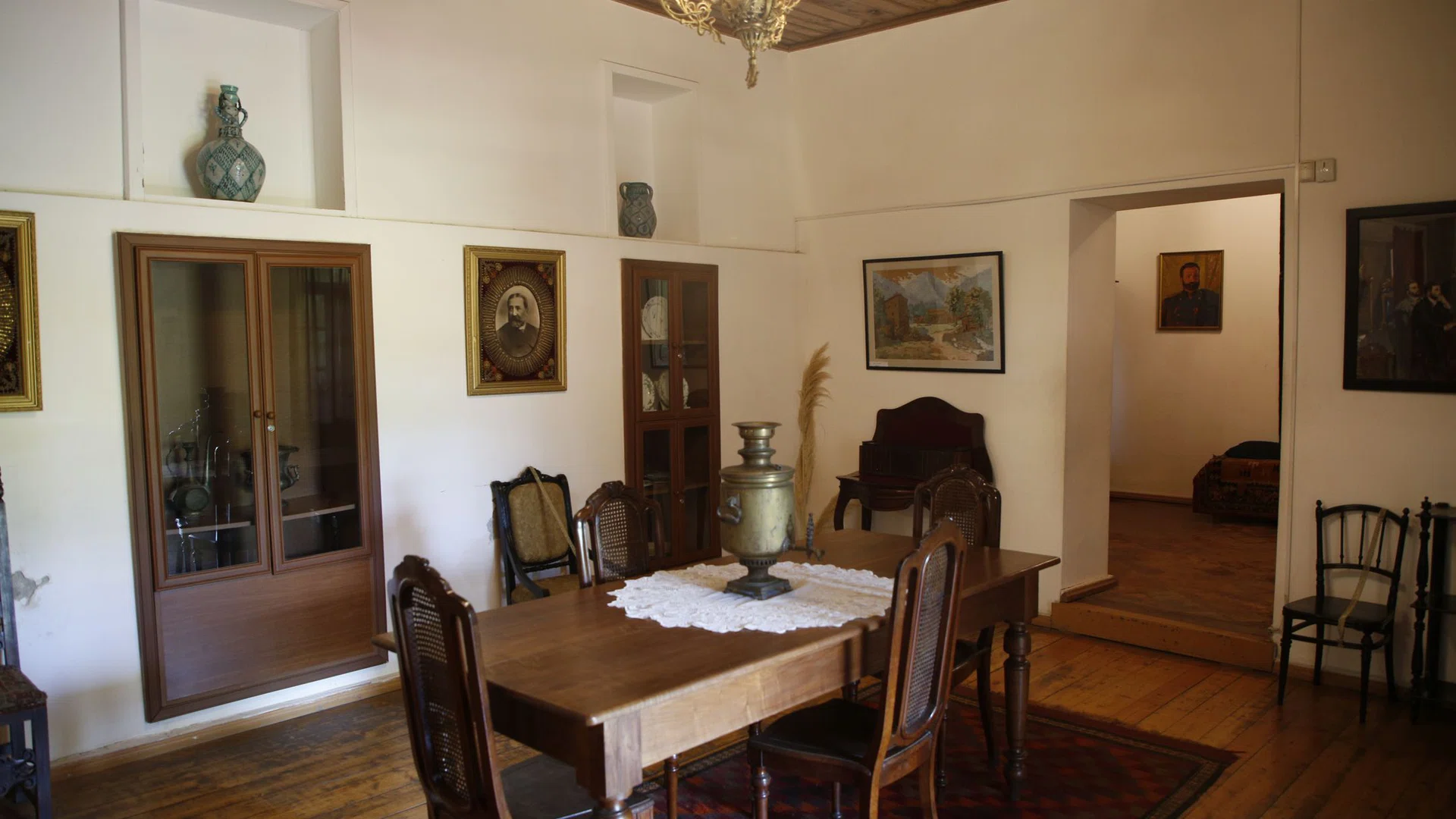
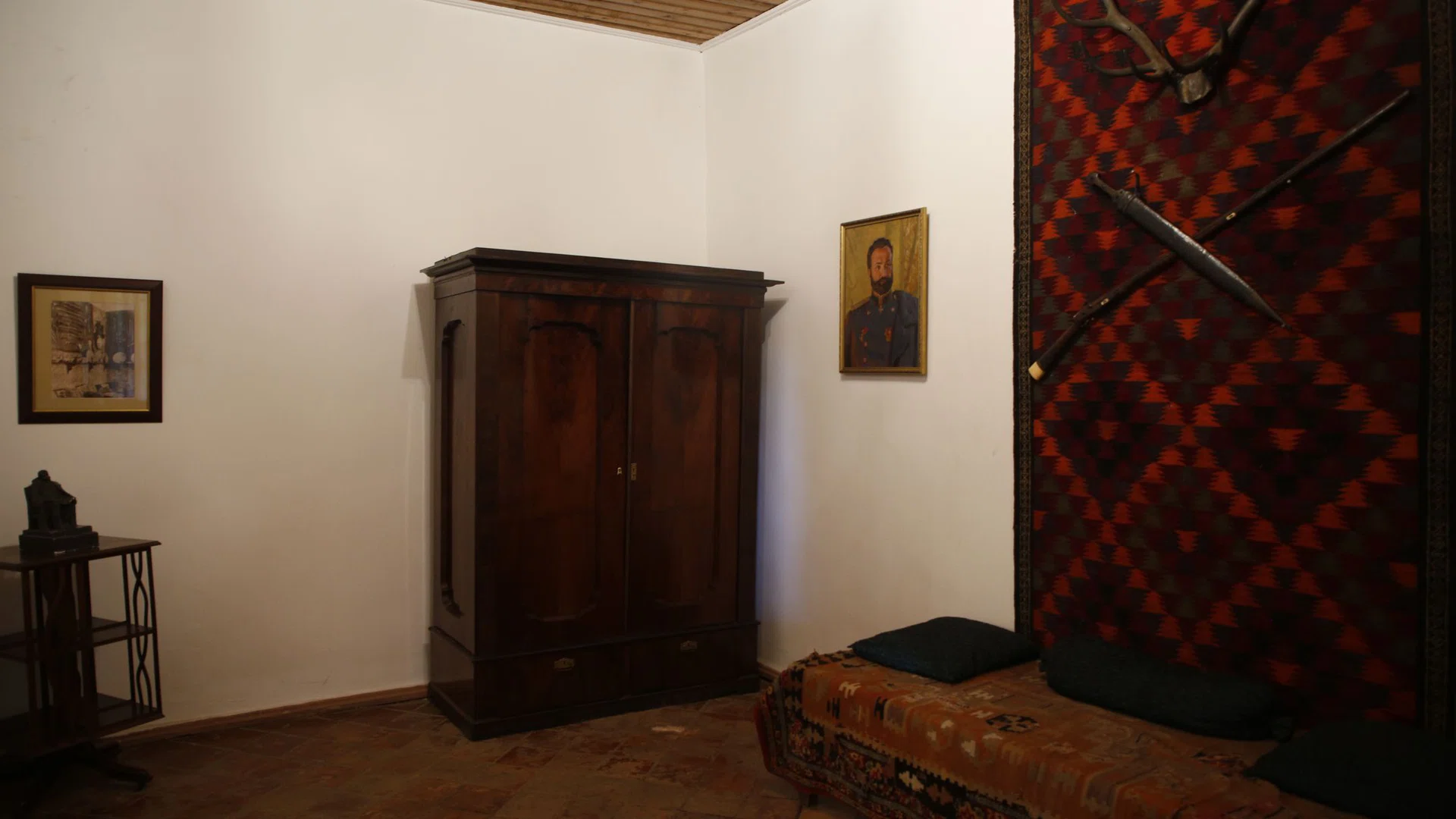
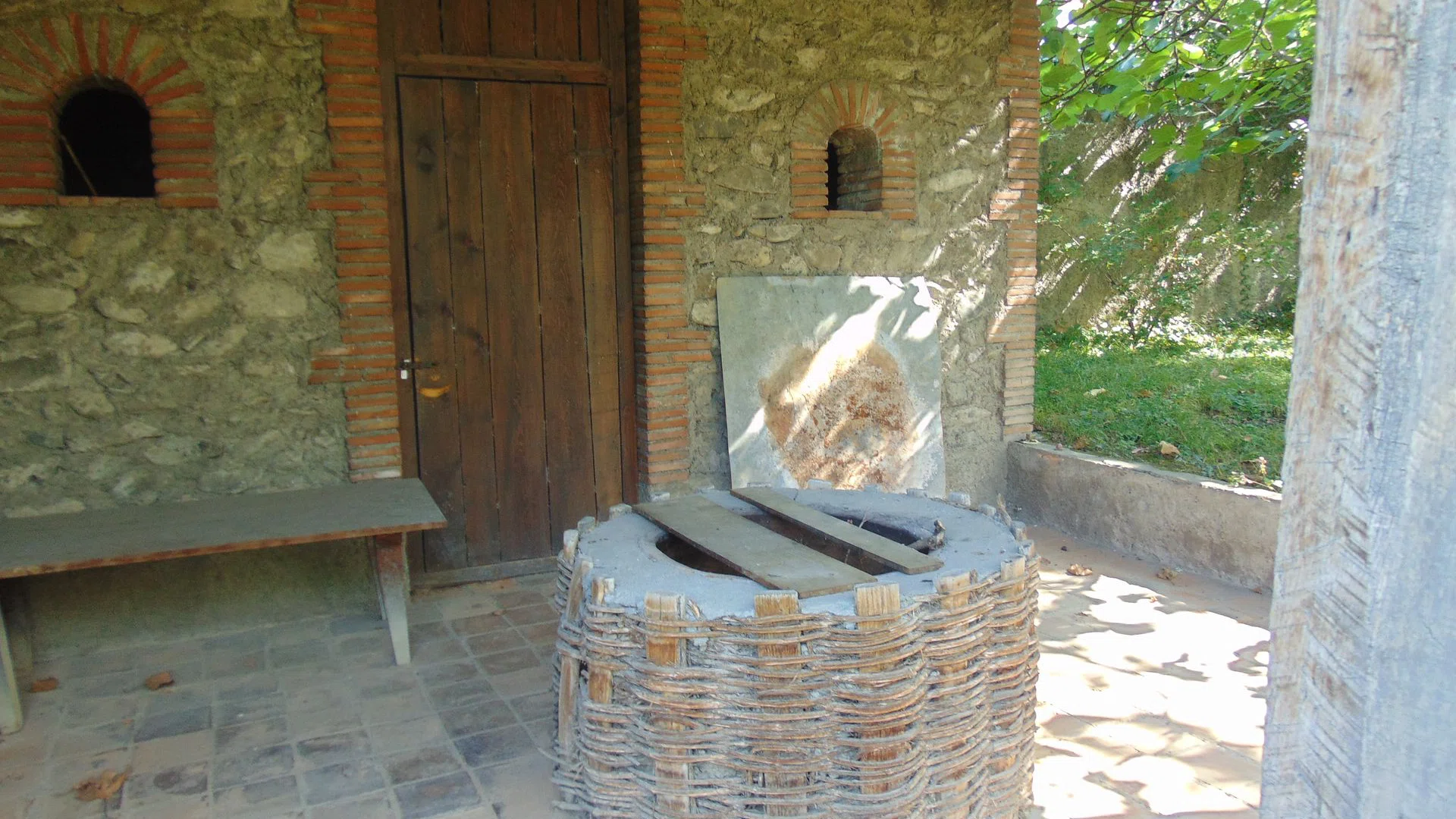
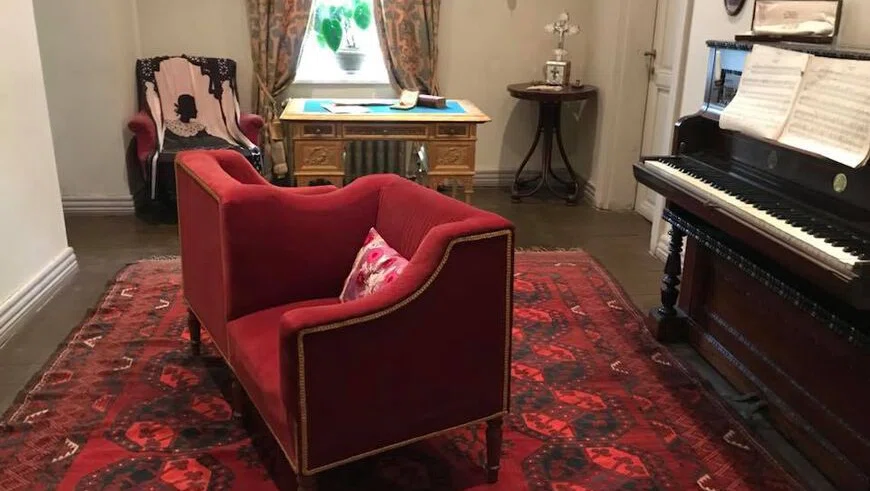
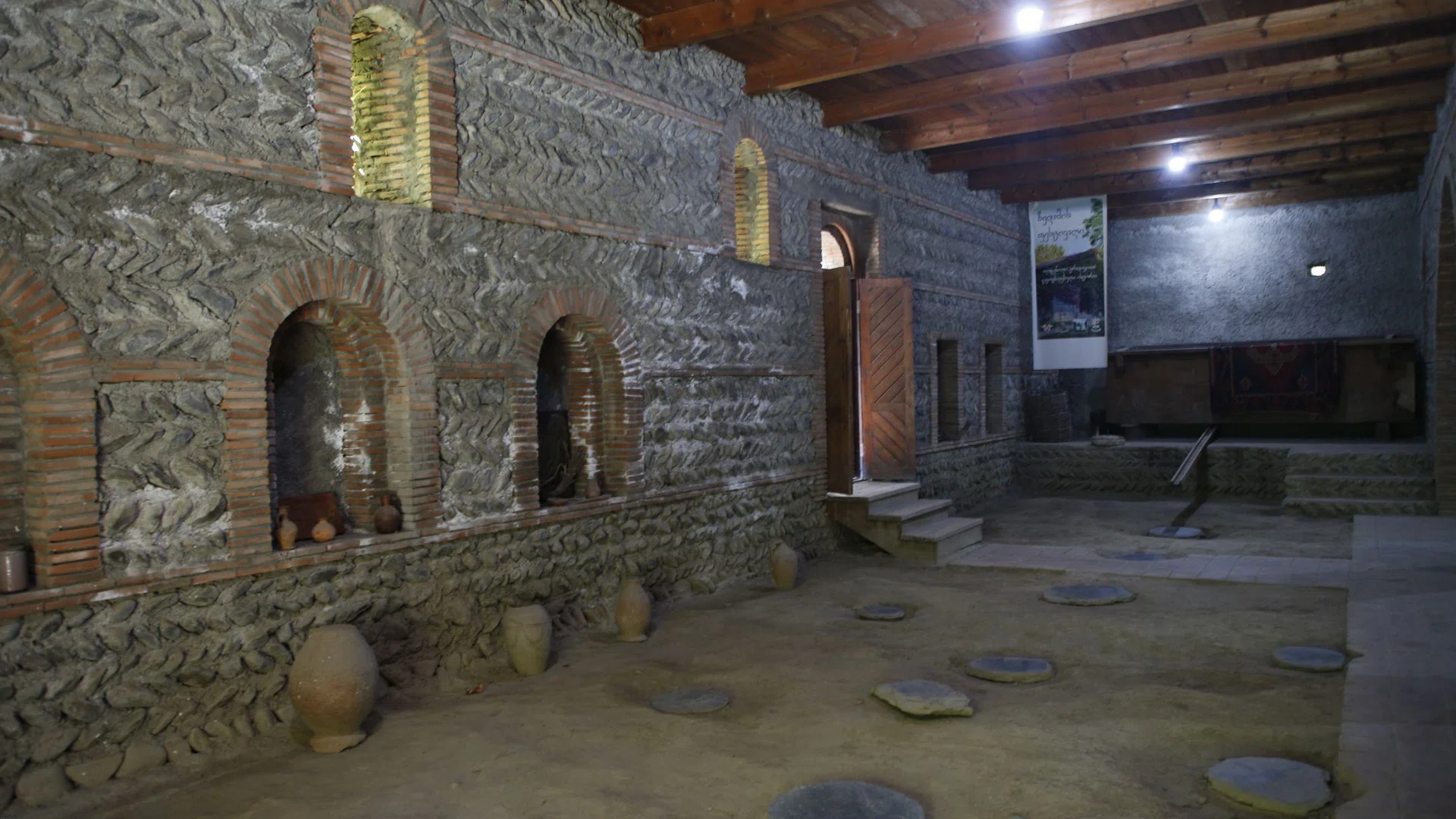
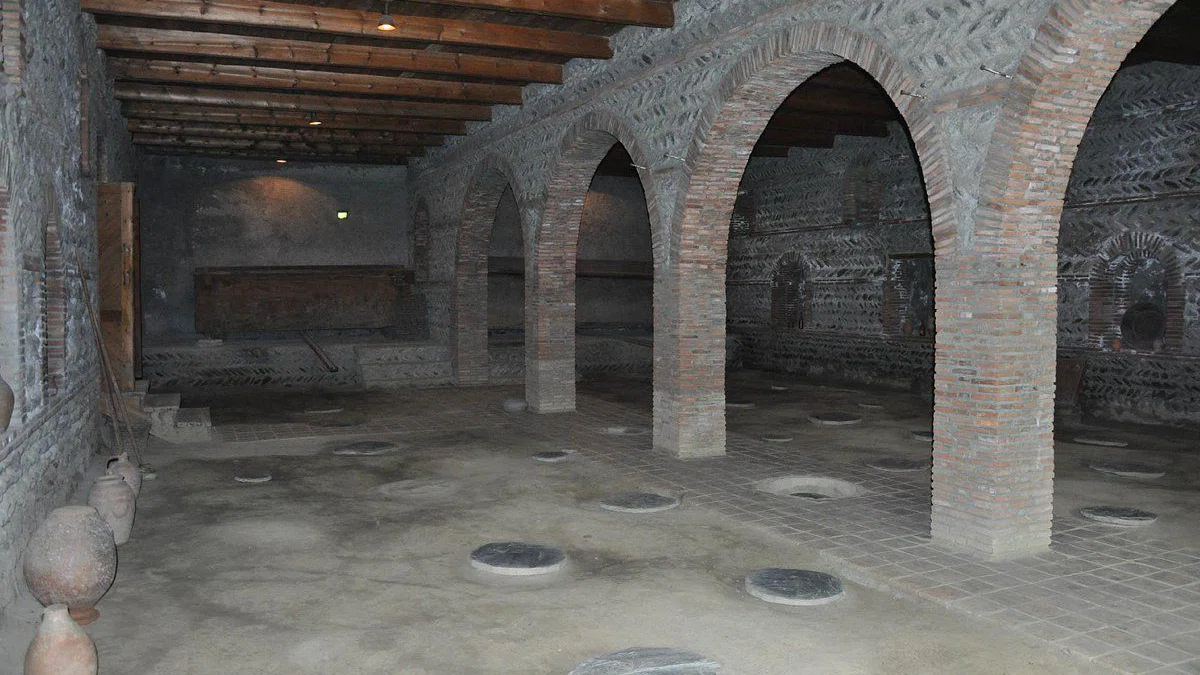
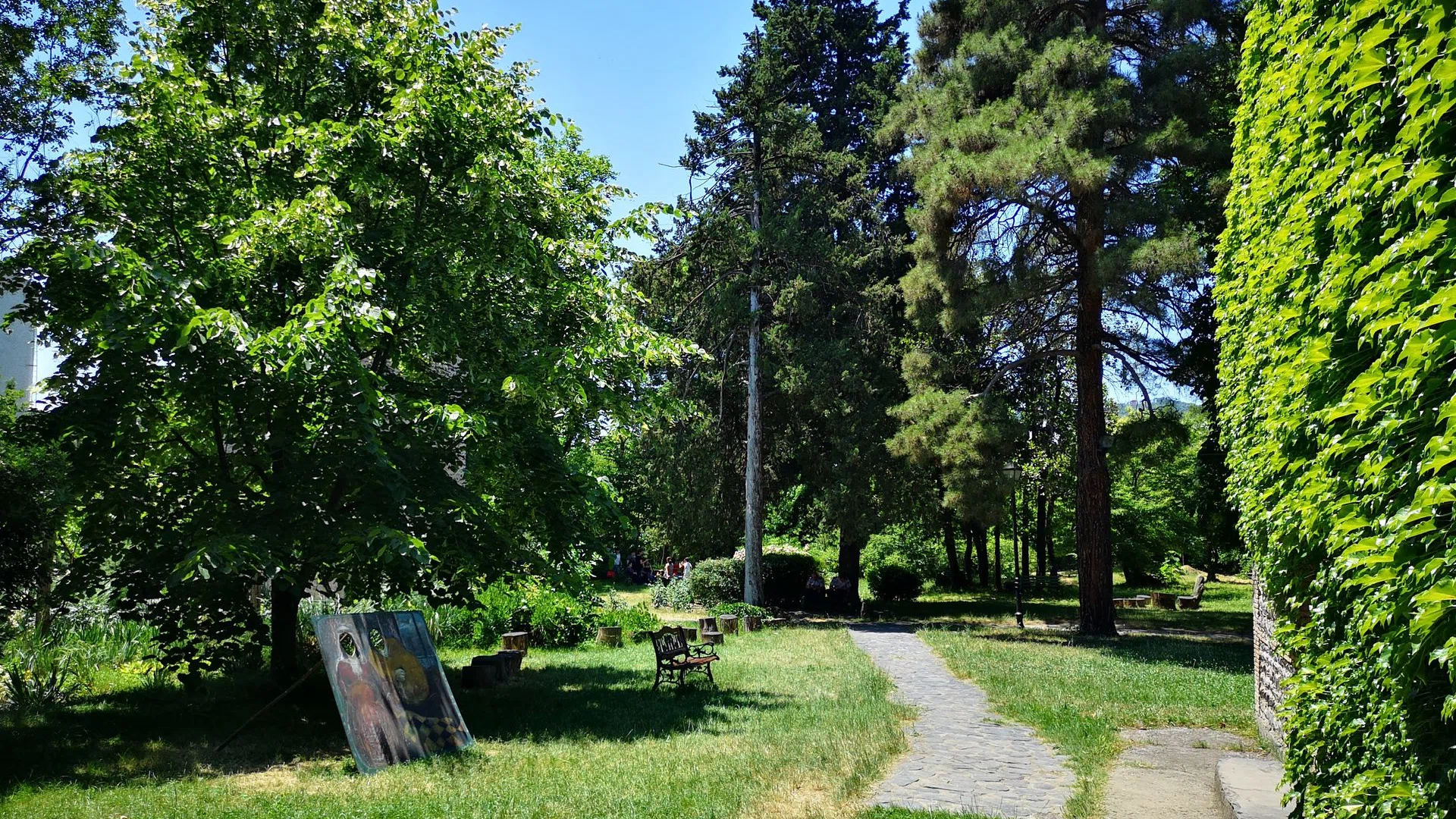
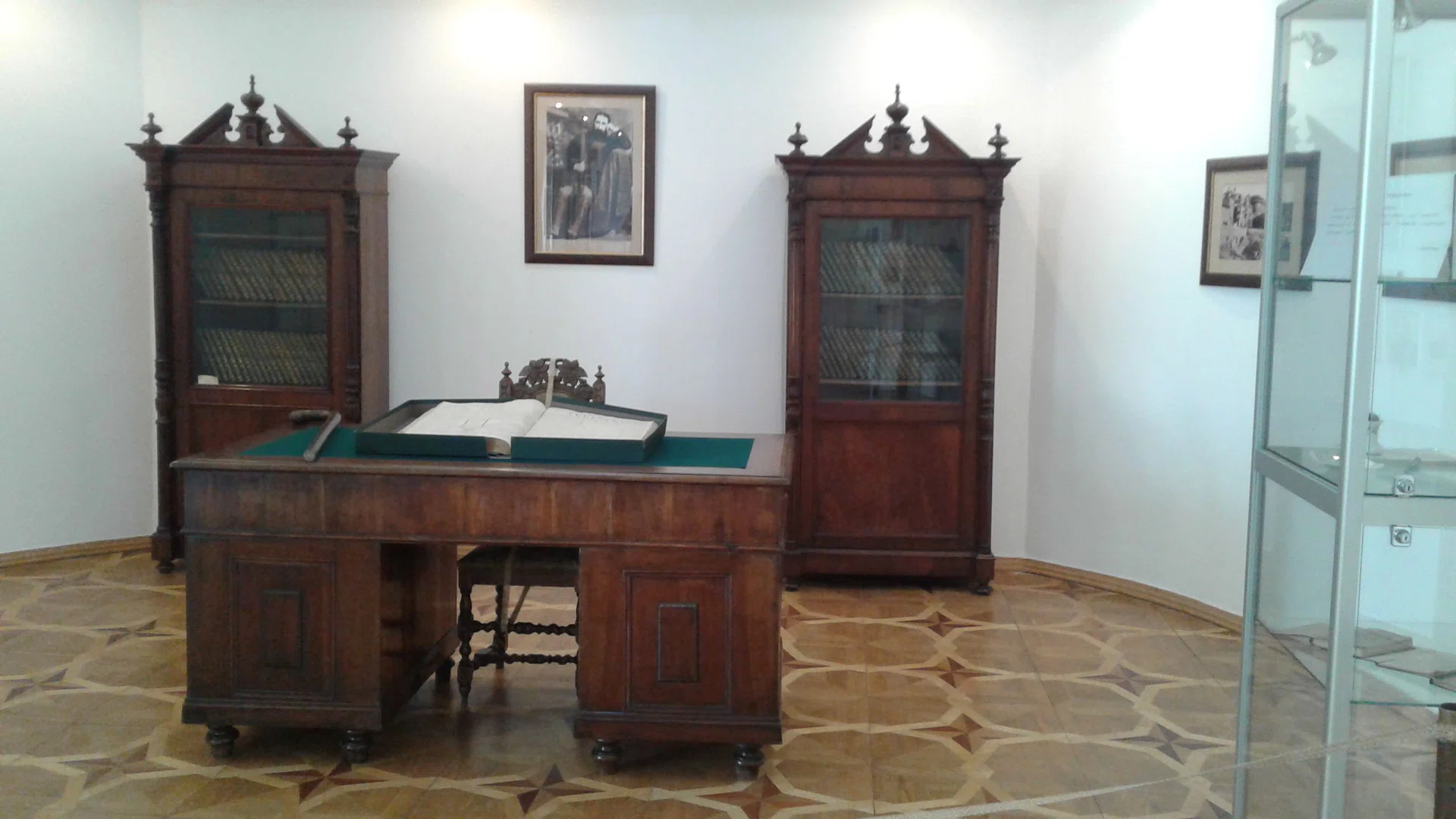
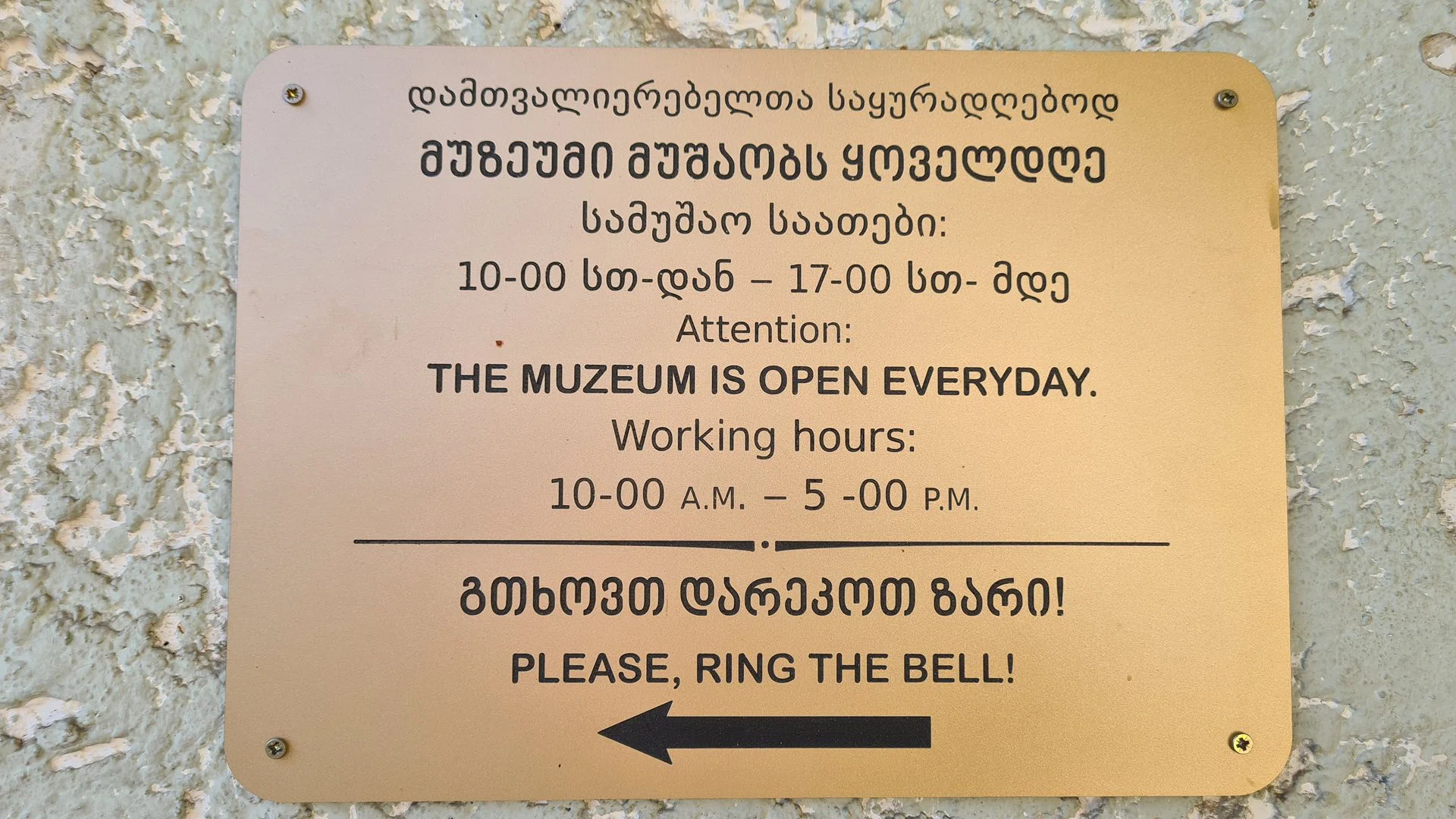
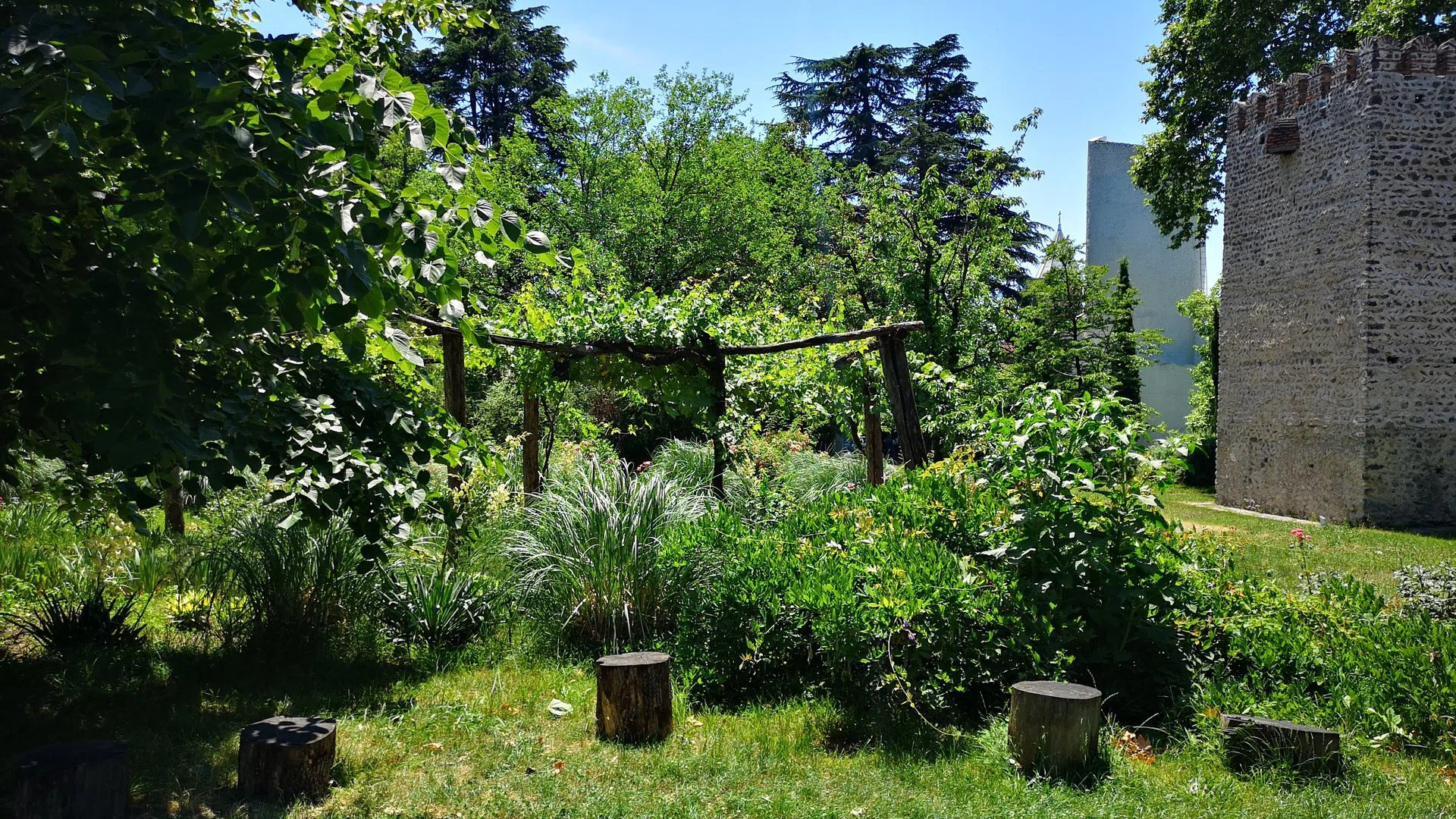
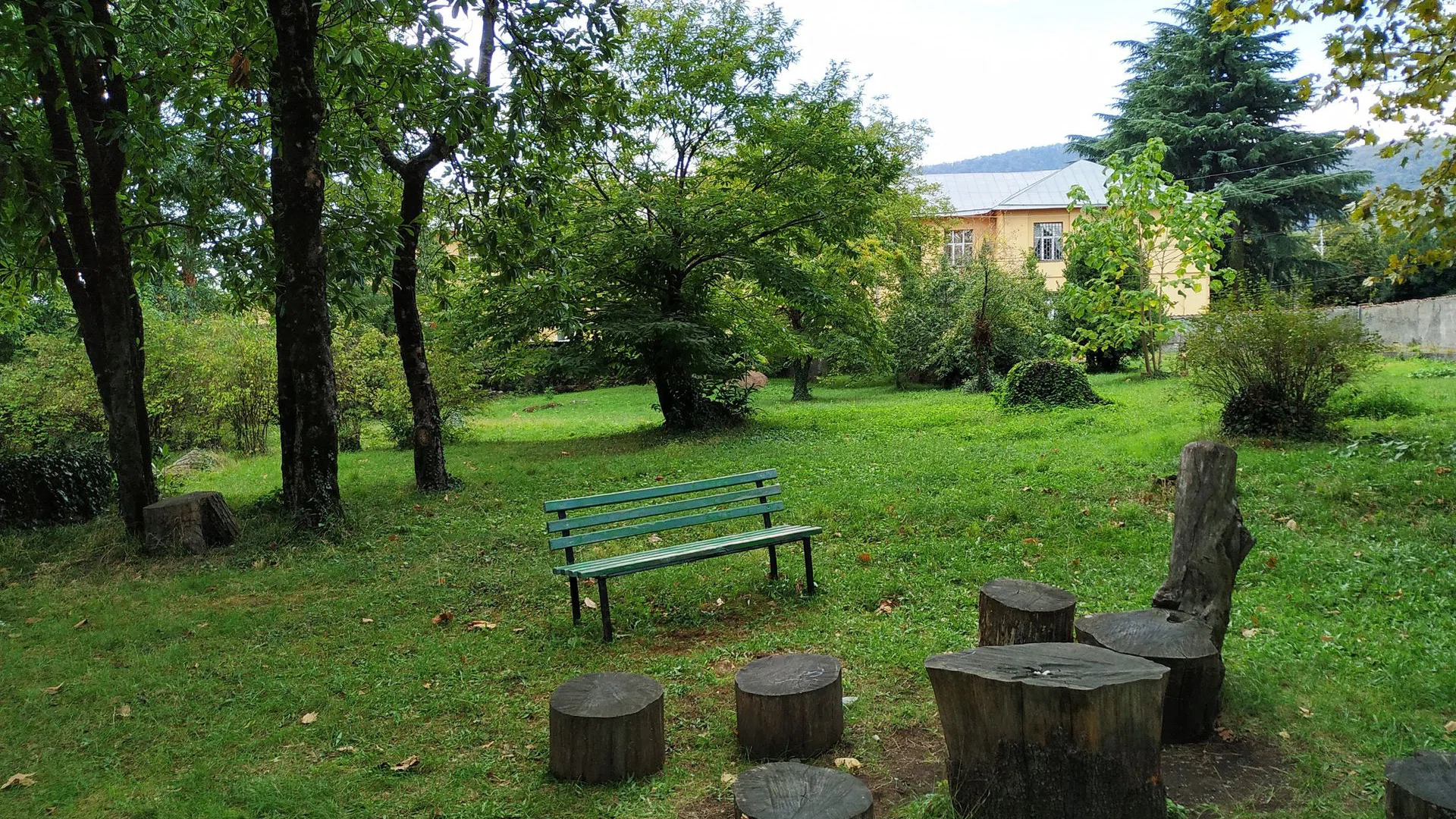
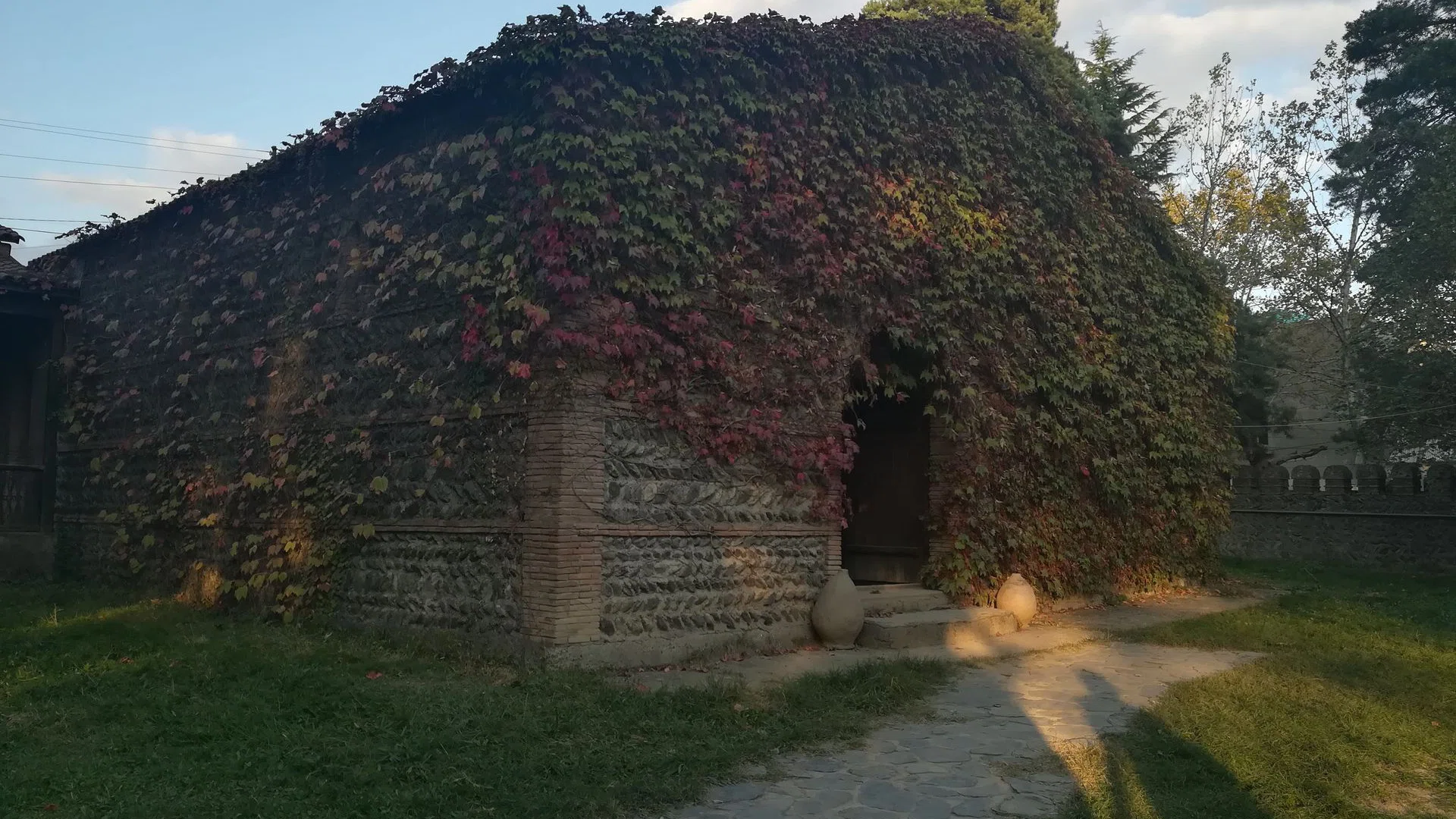
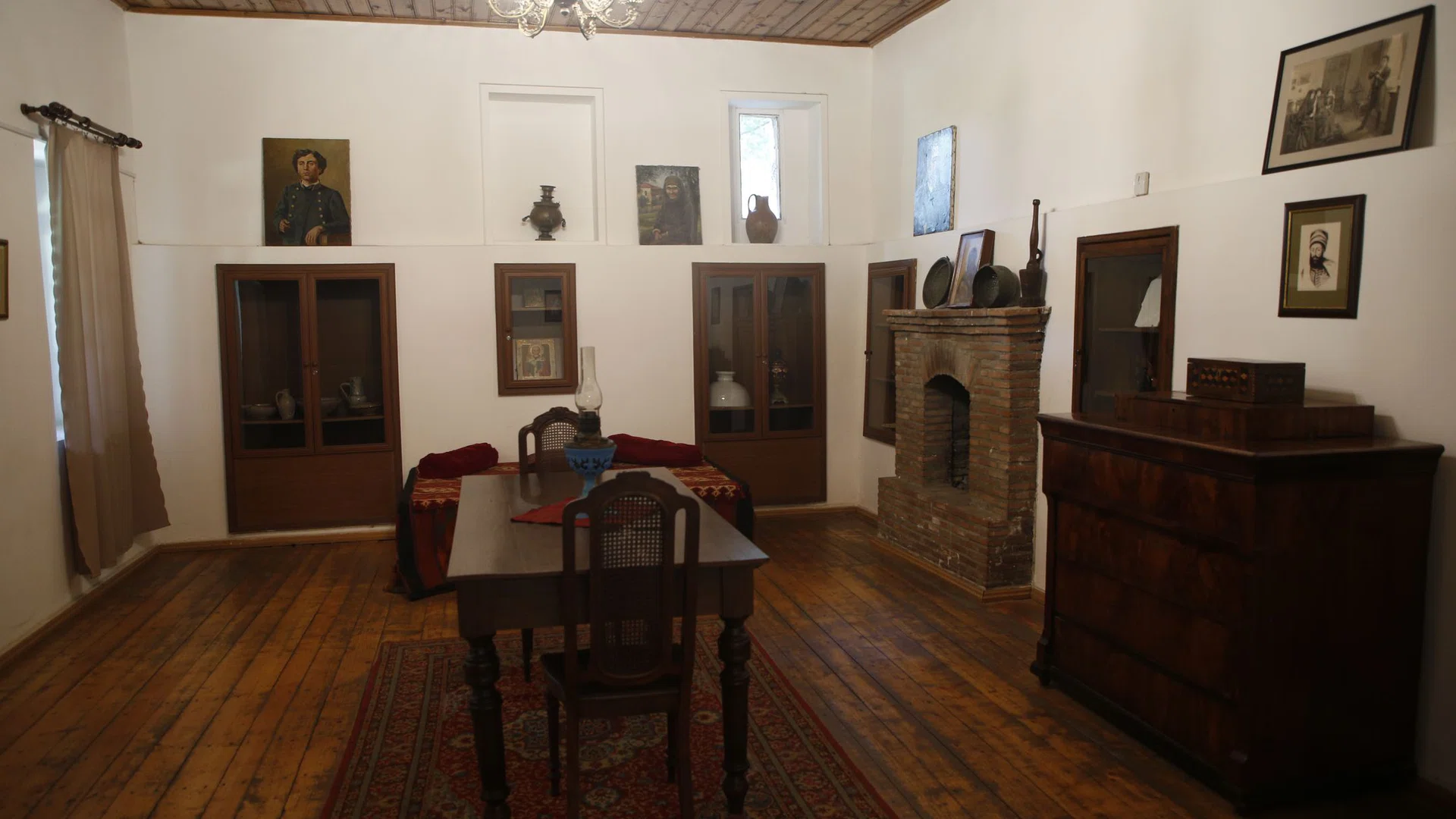
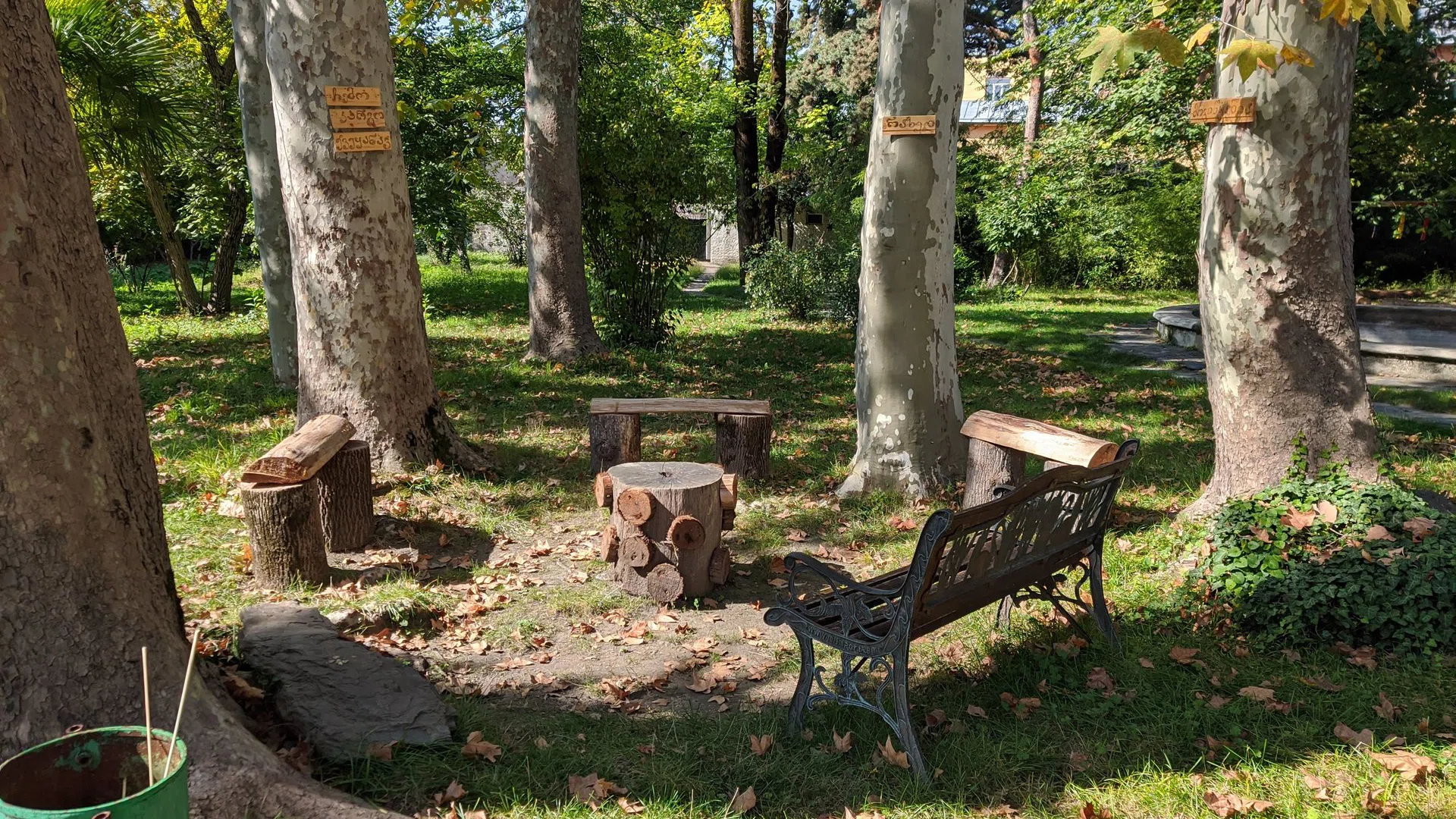
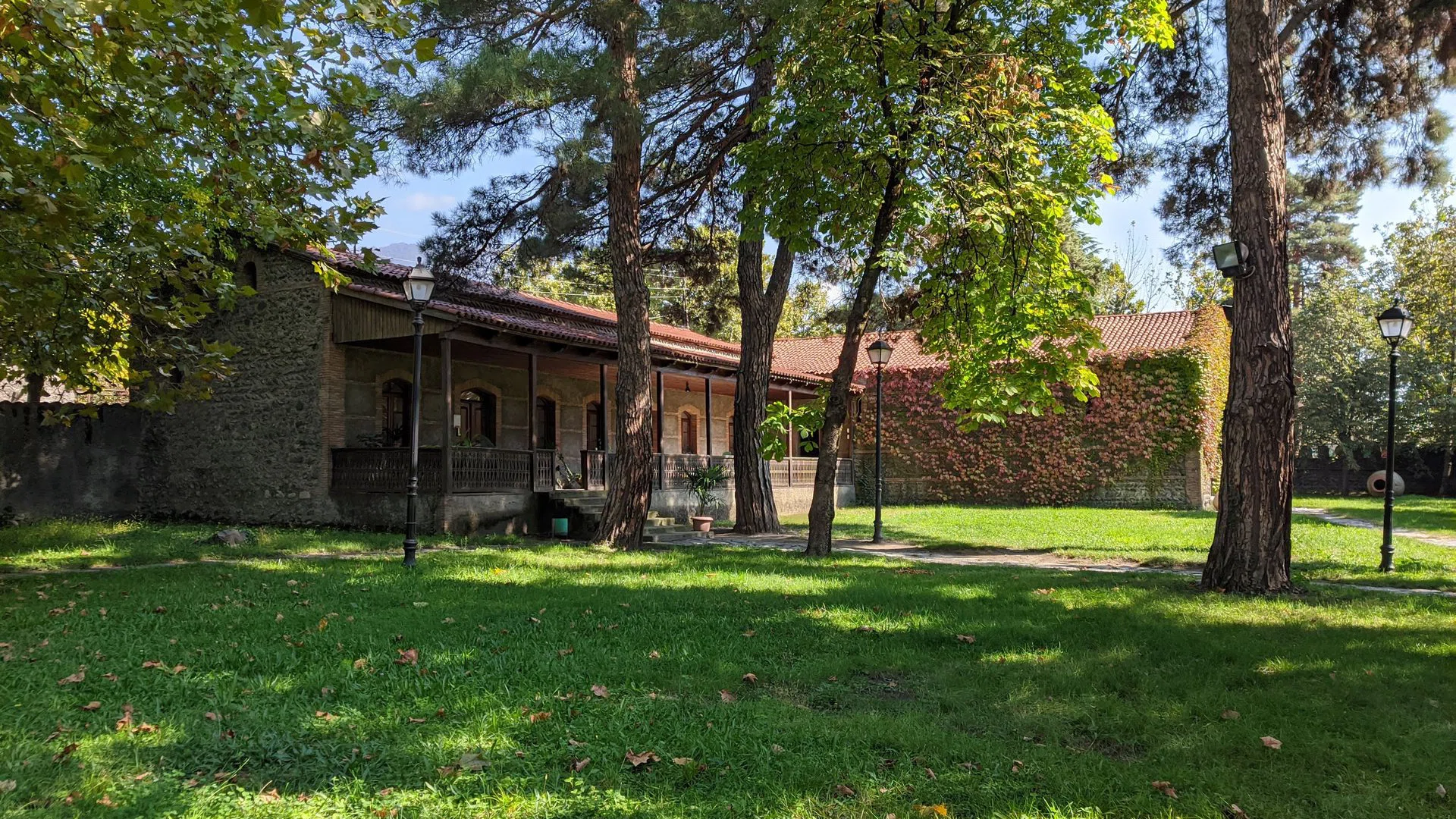
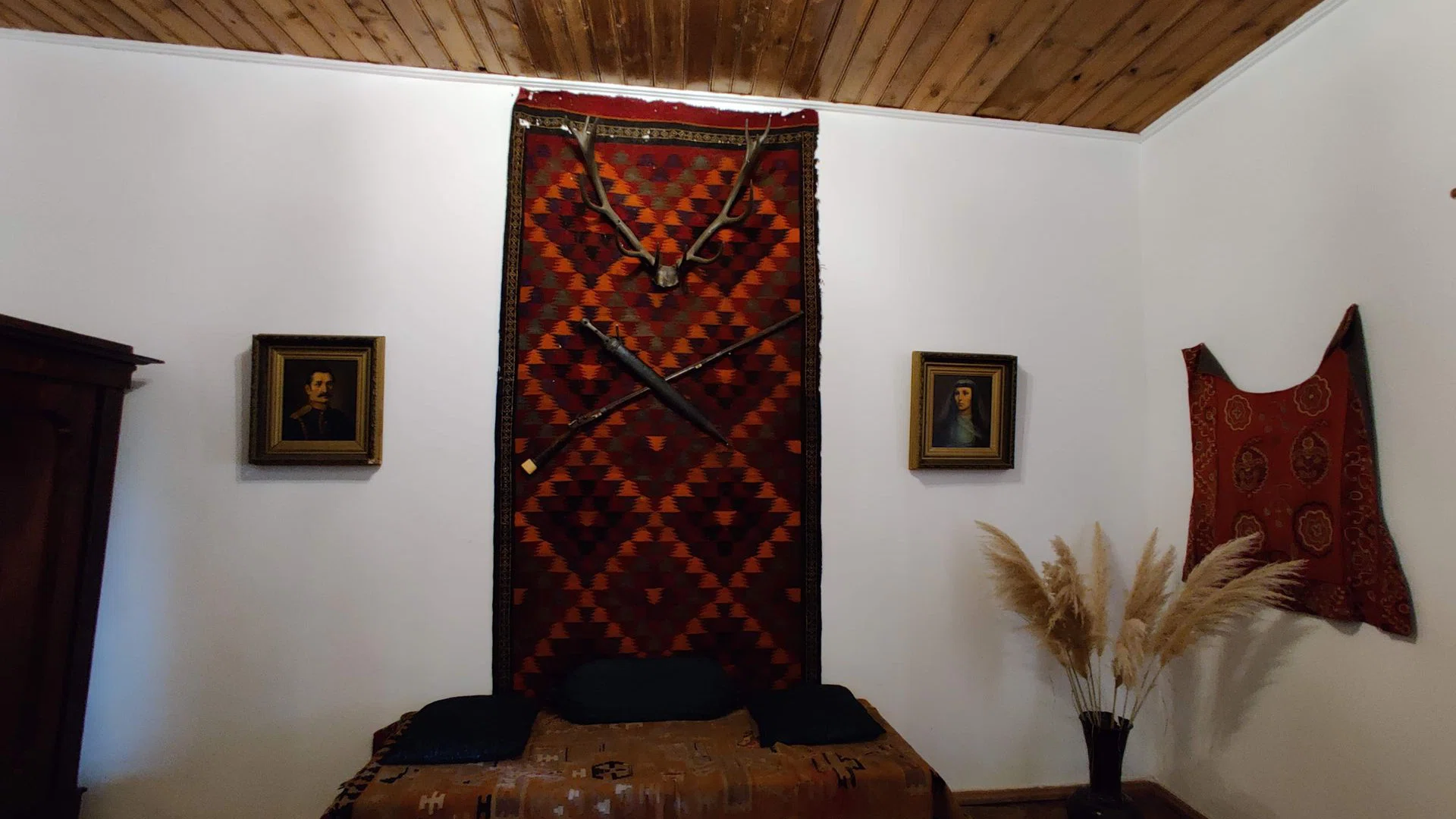
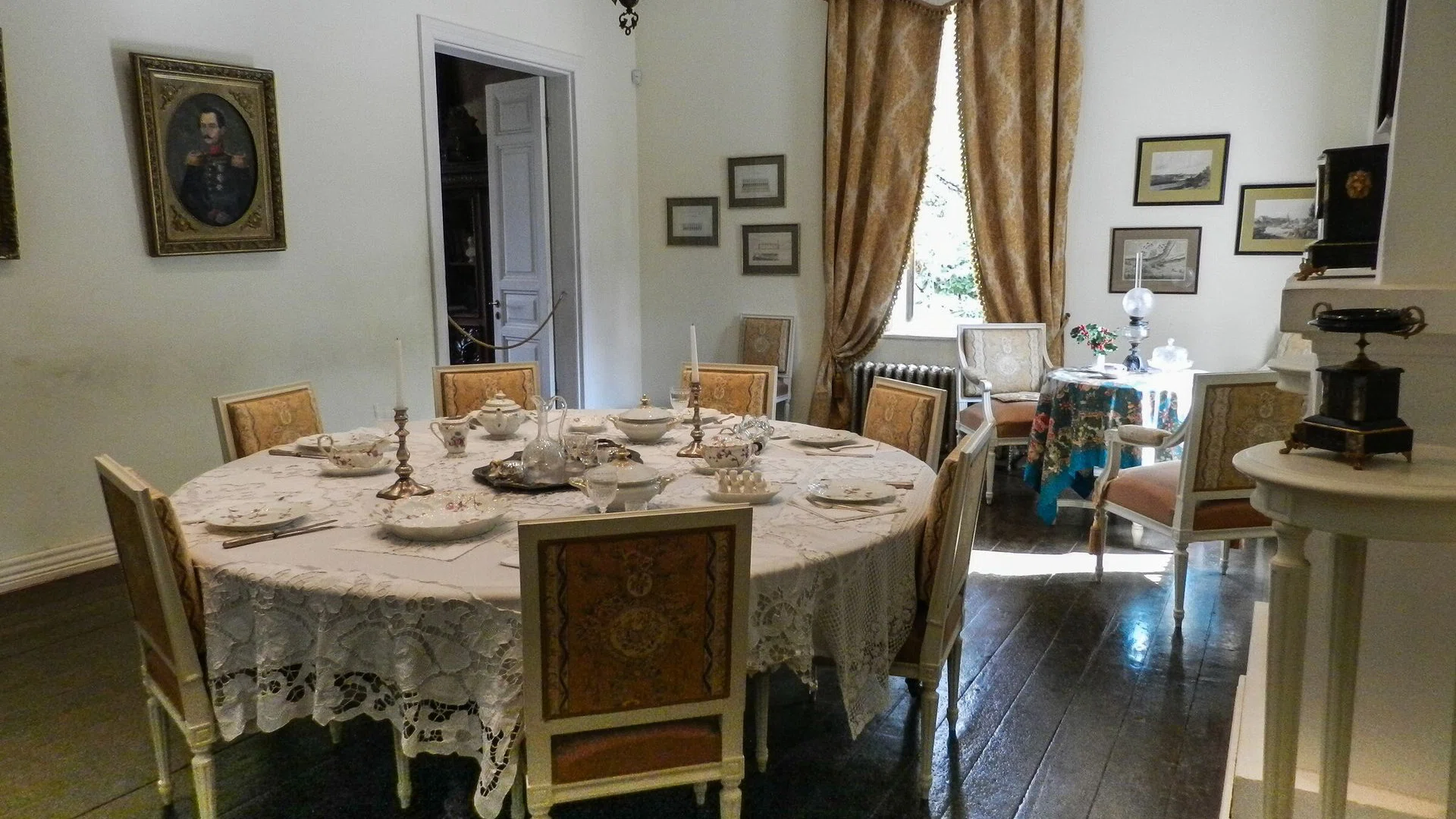
State Ilia Chavchavadze Museum is located in Kvareli and is a museum complex consisting of a tower, a residential building and an exhibition hall named after Ilia Chavchavadze, a Georgian writer and public figure. The museum displays many memorabilia of Ilia and his family, handwritten texts, magazines, newspapers, household items, weapons, furniture, paintings, photographs and archival documents.
Ilia Chavchavadze is an outstanding figure in the history of Georgia who had a huge impact on the development of the nation and the culture of the country. He was a politician, writer, public figure and philosopher, and his contribution to the history of Georgia is invaluable.
One of the most famous and significant contributions of Ilia Chavchavadze to the culture of Georgia is his literary work. He was one of the most popular writers of his time and created several important works, including "Gamarjoba Jananisakho" and "Akakh Indzarakishvili". He was also the editor and publisher of the newspaper Iveria, which became one of the most influential periodicals of its time.
However, in addition to his literary work, Ilia Chavchavadze was also an activist in politics and social activities. He was one of the main leaders of the national liberation movement in Georgia in the late 19th century and was killed as a result of political unrest in 1907.
Ilia Chavchavadze was a champion of freedom and independence in Georgia, and he played a key role in the creation of the Georgian National Liberation Party. This party was the first in the history of Georgia to insist on the country's complete independence from the Russian Empire. Chavchavadze was the main ideologist of this movement and actively worked to attract the population to its ideas.
Ilia Chavchavadze is also considered one of the founders of the Georgian intelligentsia. He was one of the first Georgian writers to use the Georgian language in his works, rather than the Russian language, which was widely spoken at the time. This was an important step in the development of Georgian literature and culture.
It is also important to note that Ilia Chavchavadze was an outstanding leader of the national liberation movement in Georgia. He actively fought for Georgia's independence from the Russian Empire and for the creation of a strong, democratic and enlightened statehood.
Chavchavadze was one of the main organizers of the Georgian national liberation movement in the second half of the 19th century. He founded the "Freedom Association", which became the main center of the national liberation movement in Georgia and played a key role in the struggle for the country's independence.
Ilia Chavchavadze was also a great Georgian poet and writer. His poetic works, including poems, verses and prose, have become the national heritage of Georgia. In them, he expressed his ideals of freedom, civic responsibility and national pride. Many of his works, including the poems "Ankara", "Ashigh-Karabakh Poems" and "Kakheti", are still considered classics of Georgian literature.
In his works, Chavchavadze also addressed the issues of social injustice and exploitation, which makes his work relevant today. His poetry and prose not only reflect the life and culture of Georgia in his era, but also contain important lessons for modern society.
Despite the fact that Ilia Chavchavadze was an active participant in the national liberation movement and its ideologist, he always put the interests of the people above his personal ambitions. He was a man of strong convictions and principles, which he defended until the end of his life. His life and work are an example for all those who believe in freedom, justice and national pride.
Today, Ilia Chavchavadze is one of the most respected and beloved writers of Georgia. His books continue to be published and reprinted, and his literary legacy continues to live and inspire a new generation of writers and poets.
Many memorial sites and monuments have been created in honor of Ilia Chavchavadze. One of the most famous is the Ilia Chavchavadze Monument, erected in Tbilisi in 1958. This monument is a symbol of Georgian literature and culture, and also reminds of the importance of Chavchavadze in the history of Georgia.
Also, many streets, schools, parks and other objects throughout Georgia were named in honor of Ilia Chavchavadze. In addition, there is an Ilia Chavchavadze Museum in Tbilisi, where visitors can get acquainted with the life and work of the writer.
Ilia Chavchavadze is also an object of research for many scholars and literary critics. Their works analyze his writing style, artistic concept and influence on Georgian literature and culture in general.
In addition, Ilia Chavchavadze is a subject of discussion in the socio-political context. His life and work reflect the fate of Georgia during the period of state dependence and the search for its own path of development. That is why Ilia Chavchavadze is often perceived not only as an outstanding writer, but also as a symbol of national unity and freedom.
In general, Ilia Chavchavadze is a bright representative of Georgian literature and culture, who left an indelible mark on the history of his country. His work continues to live and inspire a new generation of writers and readers.
In the museum, you can learn more about this remarkable Georgian writer and public figure, as well as about the life and culture of Georgia in the 19th century.
--------------------------
Don't forget to leave your comment under this article and ask any questions you may have. We will be happy to answer them!


28 comments
Log in to leave a comment