



Shorty, Tony and lavash: the secrets of Georgian bread and where to find the best taste
Bread is not just food in Georgia. It is a symbol of hospitality, traditions and national pride. Every morning, Georgian streets are filled with the aroma of freshly baked shoti or tonis puri, bread cooked in special tone ovens. Residents and visitors of the country enjoy these crispy, ruddy tortillas, which take pride of place on both the everyday and festive table.
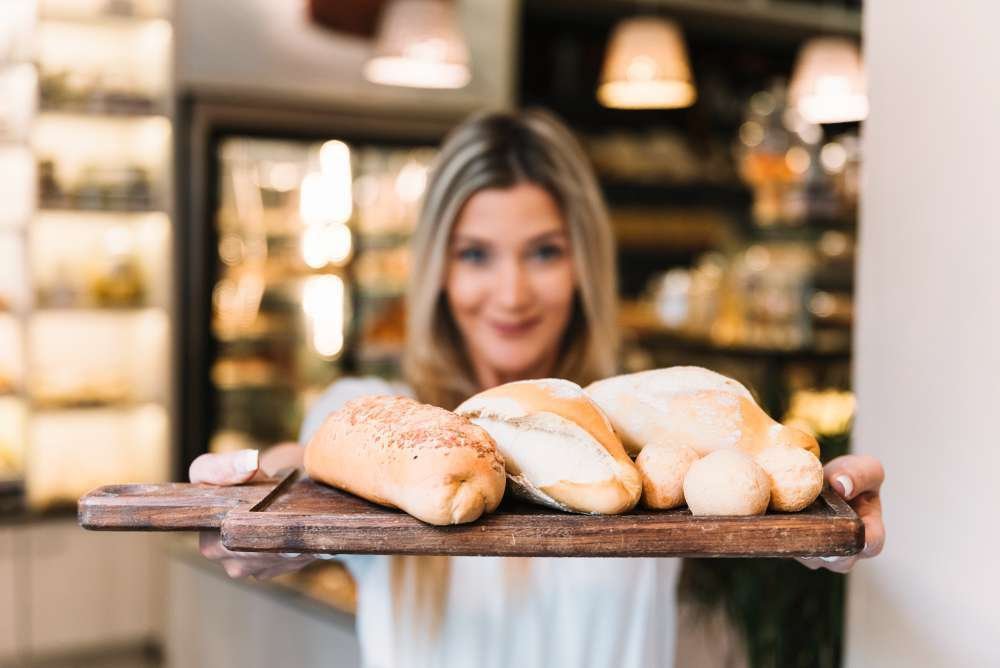
Georgia, one of the oldest baking cultures, preserves a rich history and unique traditions associated with baking bread. Georgian bread was baked in prehistoric times, and its importance in people's lives was enormous. And today, during any feast, bread is served first of all, which is not only a tribute to traditions, but also a sign of respect for the guest
The history and traditions of Georgian bread
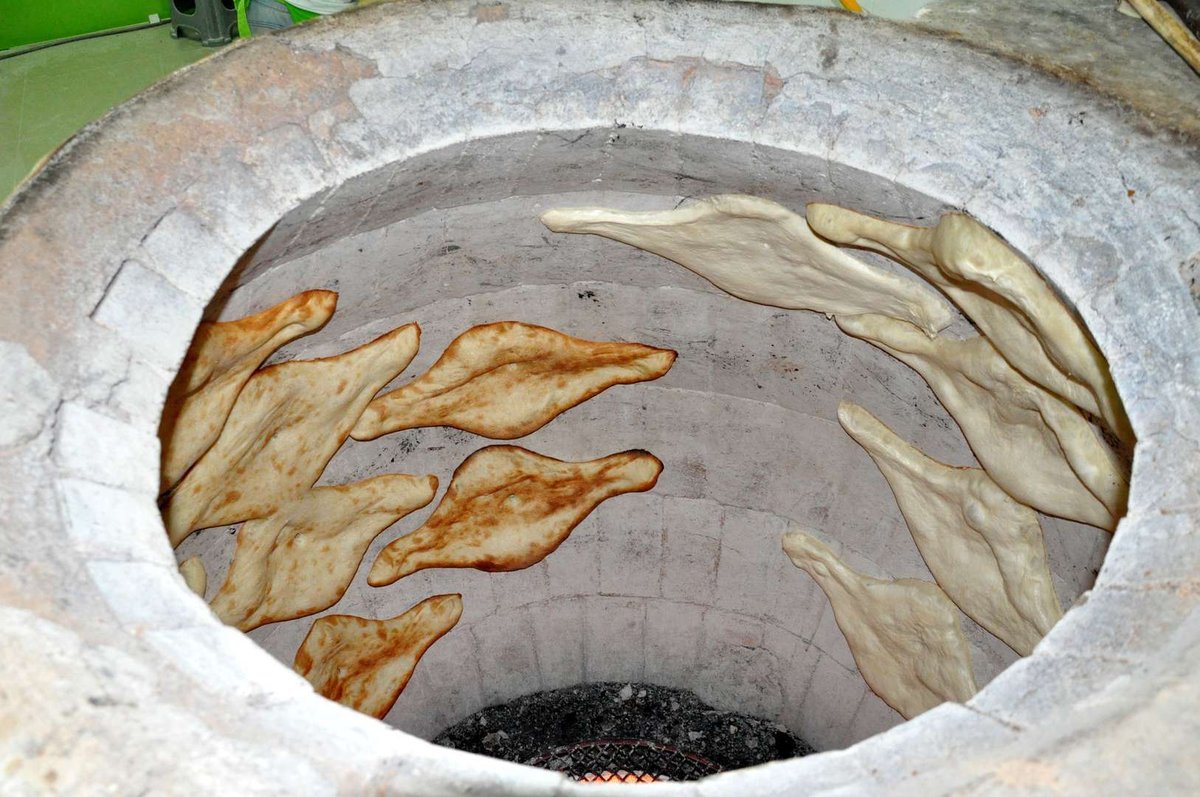
The history of bread goes back to ancient times. Tone furnaces, resembling ceramic hemispheres with a round opening, were used several millennia ago. These ovens were laid in the ground, and a fire was lit inside, creating conditions for slow baking of the dough. Georgians baked bread every week, turning this process into a real family ritual. Baking was always accompanied by singing, a feast with wine, fresh cheeses and hot tortillas.
The phrase "puris gatehwa" — "to break bread", which means an invitation to a meal, is important. This act is more than just breaking bread into pieces. It is a symbol of unity, peace and friendship, respected both among Georgians and their guests.
Other types of bread, such as shoti and pita bread, have their own unique stories. Shotis puri, resembling the shape of a saber, was used in military campaigns, it was convenient to take it with you on the road. And lavash baked on yeast dough used to have a ritual significance and was used in commemoration ceremonies.
Popular types of Georgian bread
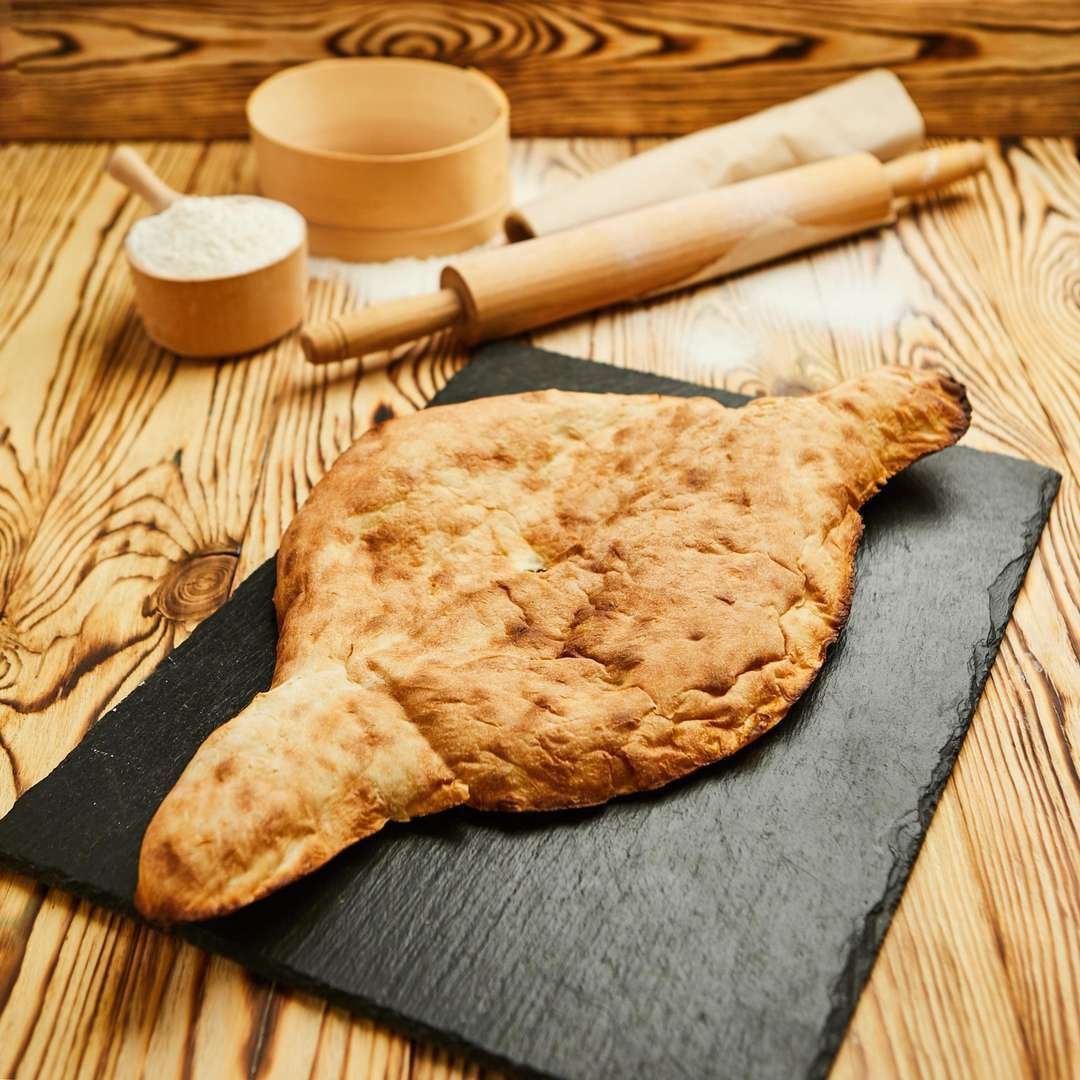
There are several dozen types of bread in Georgia, but the most popular are shotis puri, tonis puri and lavash. Shotis puri, with its elongated shape and pointed ends, is traditionally baked in tone ovens. There is usually a hole inside it to avoid the formation of air bubbles. This bread is ideal for long hikes or picnics — its taste and freshness are preserved for a long time.
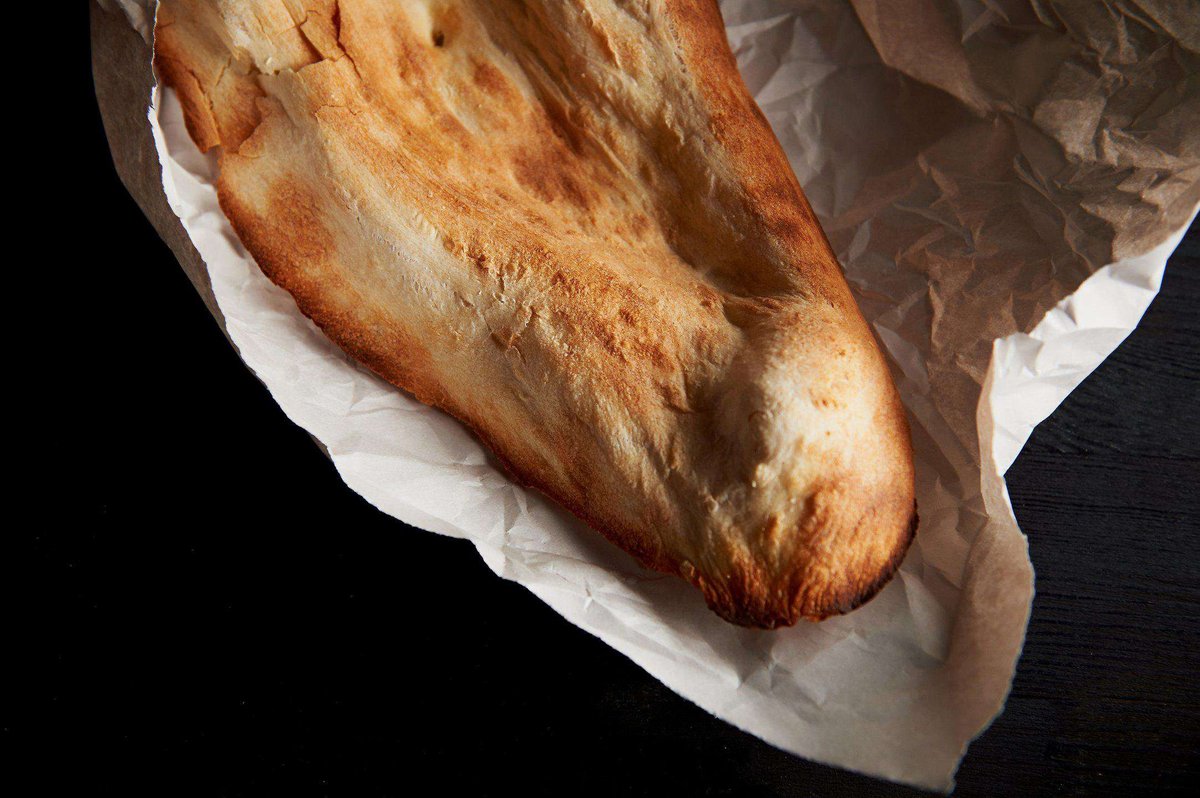
Tonis puri, which literally means "bread from the oven", is most often found in the daily menu of Georgians and is an important part of any feast. It is often served with cheese, herbs, and sometimes with honey or jam. And Georgian lavash is thicker and rounder, used not only as a snack, but also in rituals related to the commemoration of the dead.
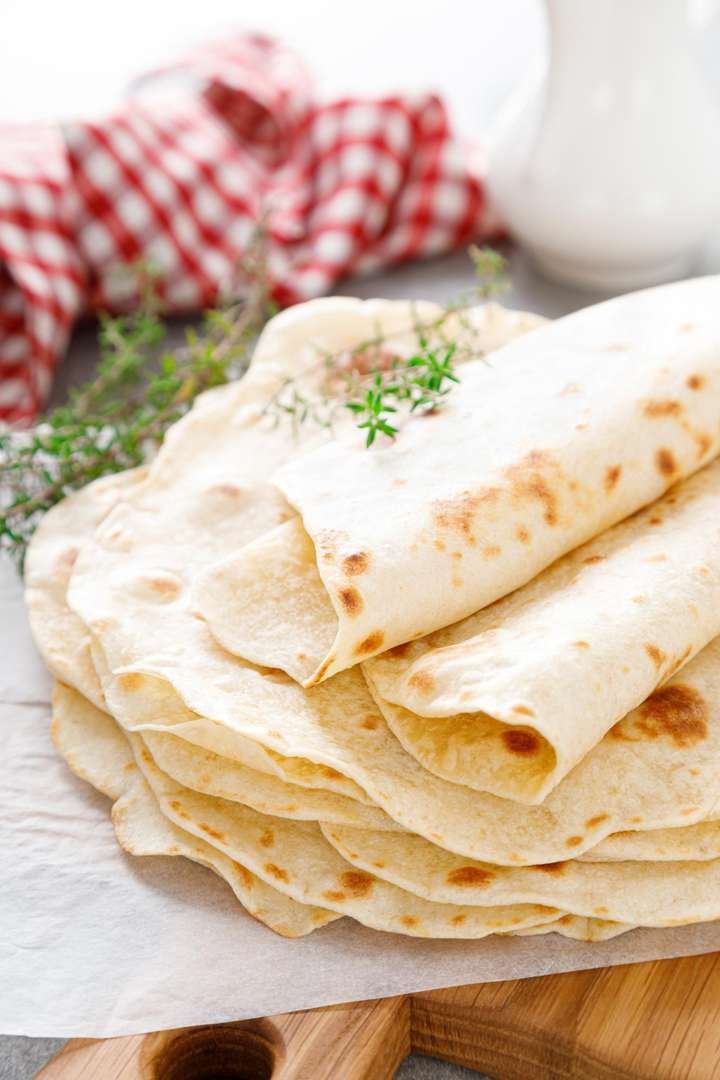
Each type of bread has its own unique taste and texture, which makes it unique and beloved among locals and visitors of the country.
Bakeries and secrets of craftsmanship
To enjoy real Georgian bread, head to one of the many bakeries scattered throughout the country. Bakeries called "tone" or "puri" are often hidden in basements and back streets, and they are difficult to find on the map. But it is precisely such places that give you the opportunity to taste bread made according to ancient recipes and traditions.
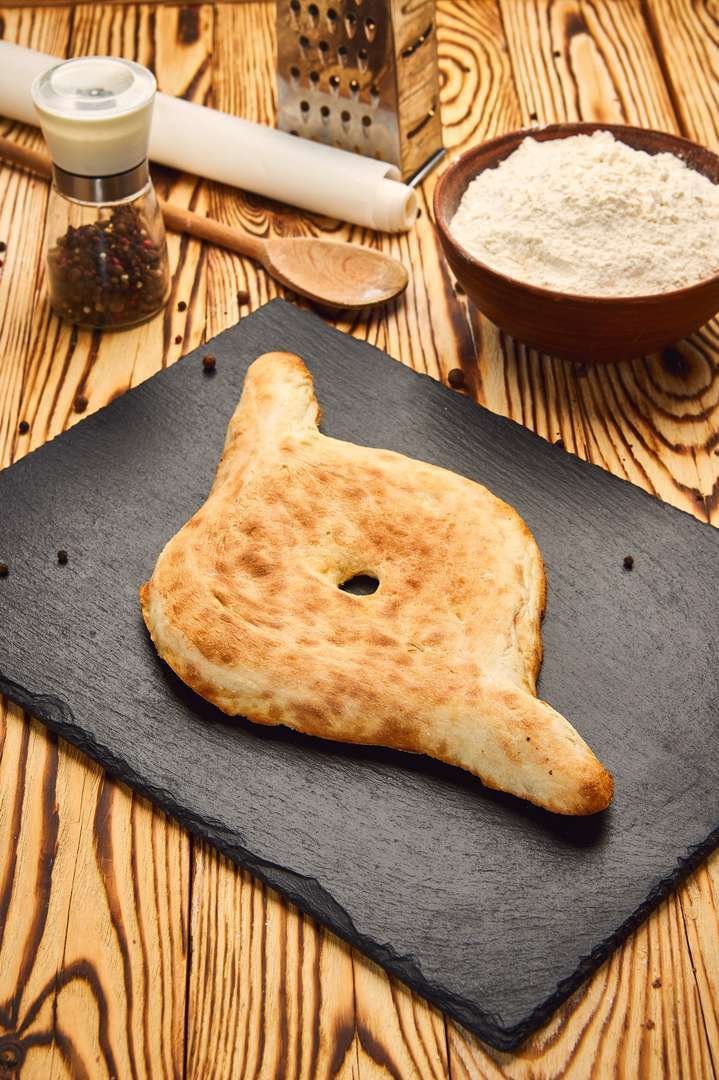
Bakers, who are called "puris mtskhobeli" or "habazi" here, prepare the dough by hand using only flour, water, salt and yeast. In the process of making bread, it is important to take into account every detail: from the temperature in the oven to the method of serving the dough. For example, bakers often moisten the walls of the oven with salt water so that the bread sticks better and turns out more fragrant.
The modern meaning of bread in Georgia
Today, Georgian bread can be found both in small bakeries and in high-end restaurants. In recent years, new standards have been introduced to preserve the quality and authenticity of the product. But one thing remains unchanged: Georgian bread is still a symbol of hospitality and taste. It is not surprising that Georgian bread has become a popular souvenir. Many tourists do not miss the chance to bring home a piece of sunny Georgia in the form of fresh, fragrant shoti or tonis puri.
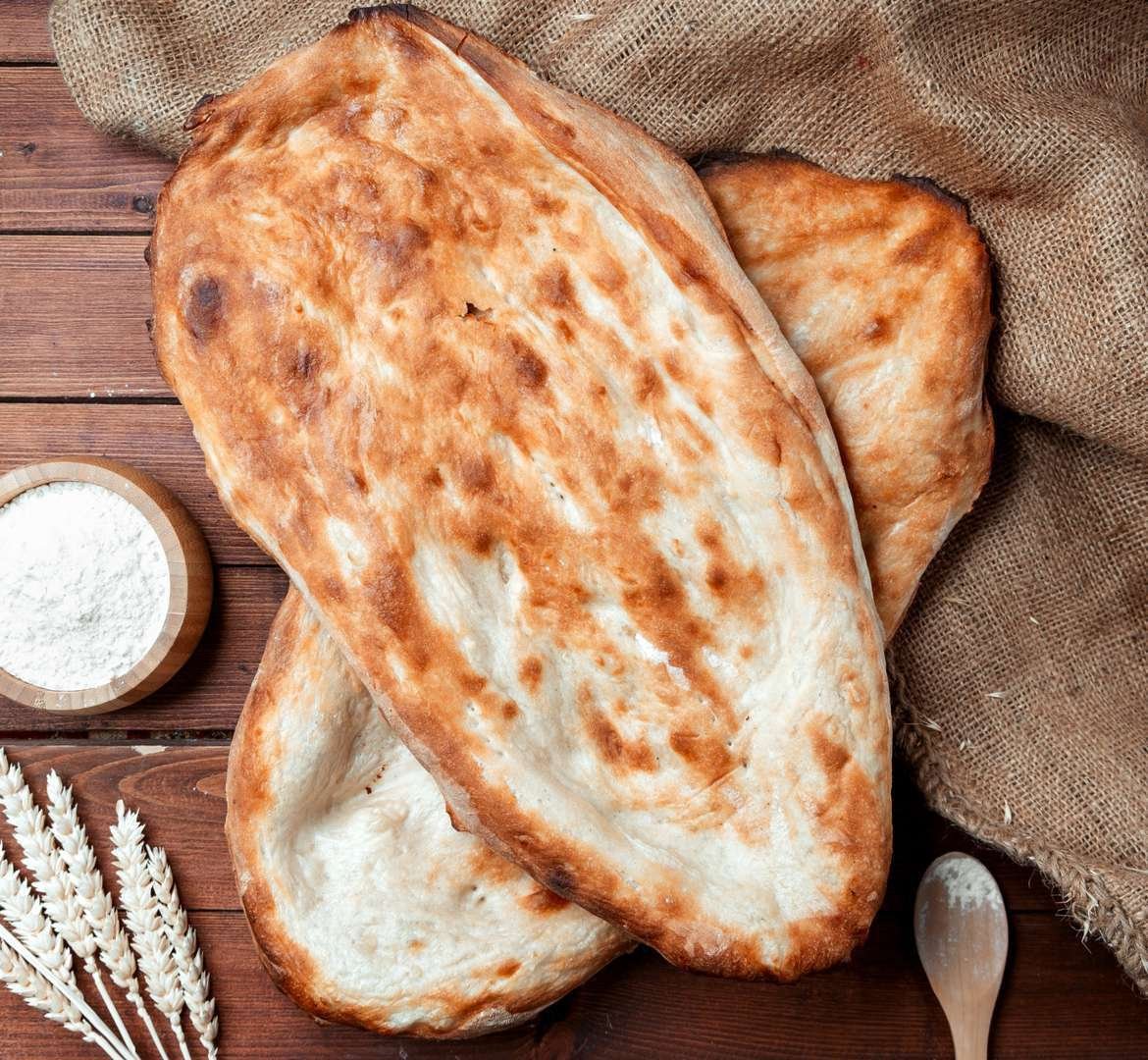
Georgian bread is more than food. It is a history, culture and a symbol of hospitality. Come to Georgia, try a piece of shotis puri or lavash, and you will feel the true taste of this ancient land. A taste that will stay with you forever. By the way, if you are already planning your visit to Georgia, pay attention to our Madloba catalog. Here you will find all the bakeries in Tbilisi, where you can taste the fragrant shoti and tonis puri, prepared according to traditional recipes. We have also collected the best bakeries in Batumi, offering unique bread with a local flavor. Do not forget to look into the bakeries of Kutaisi, where real Georgian bread is waiting for you, cooked with love. On the pages of the catalog you will find addresses, photos and reviews of those who have already appreciated the taste of real Georgian bread. Share your opinion to help others choose the most popular places!
Frequent questions about Georgian bread from tourists
Shoti puri is a traditional Georgian bread that is baked in a special clay oven called tone. Shoti has an elongated shape, reminiscent of a sabre, with pointed ends. Unlike other types of Georgian bread, such as tonis puri or lavash, shoti has a denser texture and a crispy crust. Its special feature is a characteristic hole in the center, which prevents the formation of air bubbles inside.
Shoti puri is baked in a tone oven, which is a clay hemisphere with a hole in the top. The oven is heated to a high temperature (around 300 degrees), and the bread is stuck to the smoke-filled inner walls of the oven. Bakers moisten the walls with salt water to help the bread stick better and to impart a special aroma and flavor. The baking time is about 10 minutes.
The hole in the middle of the shoti puri is necessary to prevent the formation of large air bubbles inside the bread. When baking, hot air expands and if the hole is not made, it can lift the bread, creating a void inside, which will damage its structure.
The basic ingredients for making shoti puri are simple: wheat flour, water, salt and yeast. Sometimes special starters may be added to give the bread a unique taste and aroma.
The most delicious Georgian bread can be tasted in traditional bakeries, often called "tone" or "puri". In Tbilisi and other cities in Georgia, such bakeries can be found on almost every corner, especially in old neighborhoods and markets. Madloba's catalog contains the best bakeries across the country, where visitors can read reviews and choose the perfect place for a tasting.
In Georgia, it is customary to break bread with your hands because it is believed that bread cut with a knife loses its taste. In addition, this is connected with traditional customs: breaking bread symbolizes unity and friendship.
Besides shoti puri, other popular breads in Georgia include tonis puri (oven bread), lavash, and mchadi (corn cakes). Tonis puri is baked in a tone oven like shoti, but is usually round in shape. Lavash is a thicker bread, also baked in a tone oven, and is round or oval in shape. Mchadi is made from corn flour in a frying pan.
The uniqueness of Georgian bread lies in its traditional method of baking in tone ovens, which preserves the aroma, texture and taste of the bread. In addition, the use of simple but high-quality ingredients, as well as special attention to detail, make Georgian bread an integral part of the country's culture and cuisine.
Georgian bread has many traditions and rituals. For example, in Georgian villages bread is baked once a week, and this process turns into a family event with a feast. There is also a tradition of breaking bread before the meal, which symbolizes peace and hospitality.
Shoti puri is best eaten fresh, as it does not retain its crisp crust for long. However, the bread can be stored for several days if properly wrapped in paper or cloth. In Georgia, the bread is often eaten with cheese, herbs, butter or honey, and is also used to remove finished shashlik from the skewers.
Shoti is a type of puri, or bread, baked in a tone oven. Shoti has a distinctive elongated shape and pointed ends, which distinguishes it from the more traditional round or oval tone puri.
In Georgian, "puri" (პური) means "bread". It is a general name for all types of bread baked in Georgia.
The sabre-like shape of the shoti was convenient for carrying during military campaigns. In addition, this shape helps to bake evenly in the tone oven and prevents the formation of air bubbles.
Lavash is also called "lavash" (lavashi) in Georgian. It is a type of bread that is baked in a tone oven and has a round or oval shape.
Dictionary of Georgian words and expressions about bread
- პური (puri) - bread.
In Georgian, the word "puri" means bread in general. It is the basis of Georgian cuisine and an integral part of every table. - ხაჭაპური (khachapuri) - “cottage cheese-bread”.
A popular dish among tourists and locals, the name literally translates as "curd bread" and is a flatbread with cheese filling, prepared in the manner of pizza. - პურის გატეხვა (puris gatehwa) - “to break bread.”
A traditional Georgian expression that means an invitation to a meal, similar to the Indian peace pipe. This gesture symbolizes hospitality and friendship. - პურის ჭამა (puris chama) - “to eat bread.”
In Georgian it means not only "to eat bread", but also "to take food" in a more general sense. - ბოღლიწო (boglitso) - bread soaked in wine.
This bread is used in funeral rites - it is broken over the deceased, thrown into wine and eaten at the wake. Boglitso also serves as an offering to shrines or souls of the dead. In some cases, it is used as a medicine for weakened children after an illness. - თონის პური (tonis puri) - bread from the oven.
Bread that is usually wrapped in paper immediately after baking so that it does not lose its taste. The oven for baking this bread is called "tone". - თონე (tone) - an oven for making bread.
A classic Georgian oven similar to a tandoor. It is a ceramic hemisphere with a round hole on top. The name "tone" comes from the Indian oven "tandoor". In other countries, similar ovens are called "tandir" in Azerbaijan, "tonir" in Armenia and "tandir" in Uzbekistan. - ფურნე (purne) - hearth oven.
In some mountainous regions of Georgia, this oven is used to bake bread. It was used before because of the characteristics of the local wheat, which contained less gluten, which is why the bread did not stick to the walls of the tone. Nowadays, such ovens are rare, but the tradition has been preserved in remote villages. - მჭადი (mchadi) - corn tortillas.
It is a cornmeal bread that is cooked in a frying pan or in the oven. Mchadi is often served as a side dish with meat or cheese, and is especially popular in western Georgia. - ნაზუქი (nazuki) - sweet bread.
Nazuki is a fragrant sweet bread that is usually made with sugar, butter, eggs and spices. It does not belong to the თონის პური (tonis puri) category, but is an important part of Georgian baking, especially during holidays..
This dictionary will help you better understand not only the variety of Georgian breads, but also the cultural meanings associated with them.
Video recipes of Georgian bread: we cook shoti puri and lavash together with the masters
Dive into the art of baking Georgian bread with the help of fascinating video recipes from popular video bloggers. In this section of the article, we have collected the best videos that show in detail the process of making shoti puri and lavash at home. Learn the secrets of the masters, watching each stage: from kneading the dough to baking in a traditional tone oven or at home. Repeat the recipes yourself and feel the aroma and taste of real Georgian bread without leaving your own kitchen.
Here are some travelers' reviews of Georgian bread
Review by Andrey K.:
"During my trip to Tbilisi, I accidentally came across a small bakery in a narrow street of the old town. The aroma of fresh bread literally pulled me inside. I decided to try shoti puri. When I broke off a piece, the crispy crust and soft, airy pulp inside simply amazed me. Never before have I eaten such delicious bread! It was not just food, but a real discovery. Now I understand why Georgians value their bread and the traditions associated with it so much."
Feedback from Natalia and Maxim:
"In Batumi, my friends and I decided to visit a local bakery, which we had heard a lot of good things about. The baker was very friendly and even showed us how tonis puri is baked in a tone oven. We were impressed by the process itself, but when we tried the hot bread, our delight increased several times. The bread was incredibly aromatic, with a slight salty note. We ate it just like that, without any additives, and could not stop. It was one of the most memorable moments of our trip."
Review by Artem from Kyiv:
"During our trip to Kutaisi, locals advised us to try mchadi - corn flatbreads. We found a small bakery where they were cooked on an open fire. The flatbreads were served with homemade cheese and fresh honey. It was an amazing combination of flavors! Mchadi turned out to be filling and aromatic, with a nice crispy crust. I was amazed at how diverse Georgian bread is and how many different flavors it can offer. Now I recommend all my friends to definitely try Georgian bread if they find themselves in this beautiful country."

0 comments
Log in to leave a comment