




Tbilisi in One Day: A Complete Guide to the Main Attractions of the Georgian Capital
Tbilisi is a city where the histories and destinies of different nations and cultures intertwine, where ancient traditions coexist with the modern rhythm of life, and every corner of the city keeps traces of centuries-old history. The capital of Georgia attracts tourists with the variety of places that can be discovered here: from ancient fortresses and churches to trendy cafes and art galleries. In Tbilisi, you will feel like you are on the pages of history, walking along the narrow streets of the Old Town, and then return to the present, where you will be greeted by modern buildings and lively streets full of life.
This article will help you make the most of your time in Tbilisi if you only have one day to spare. We will tell you about the main attractions of the city that are worth visiting, offer the best route for walking and share useful tips that will make your stay here comfortable and unforgettable and leave the warmest memories of Tbilisi in your heart!
History and name of the city
Tbilisi has a rich and eventful history, dating back more than one and a half thousand years. This city was founded in the 5th century by King Vakhtang Gorgasali, the ruler of Iberia. Legend has it that while hunting, the king discovered hot sulfur springs, which impressed him so much that he decided to found a city on this very spot.
Since then, Tbilisi has become the most important cultural and political center of the region and has experienced periods of prosperity and decline under the influence of various empires - Persians, Ottomans, Russians and many others. Each of these peoples left their mark on the architecture and culture of the city, which made Tbilisi a truly unique place.
The name "Tbilisi" comes from the Georgian word "tbili", which means "warm", and is directly related to the hot sulfur springs that were discovered on the territory of the modern city. These springs played an important role in the lives of the city's residents for centuries and have become a symbol of the Georgian capital. The sulfur baths built on these springs still remain a popular place of rest for both locals and tourists.
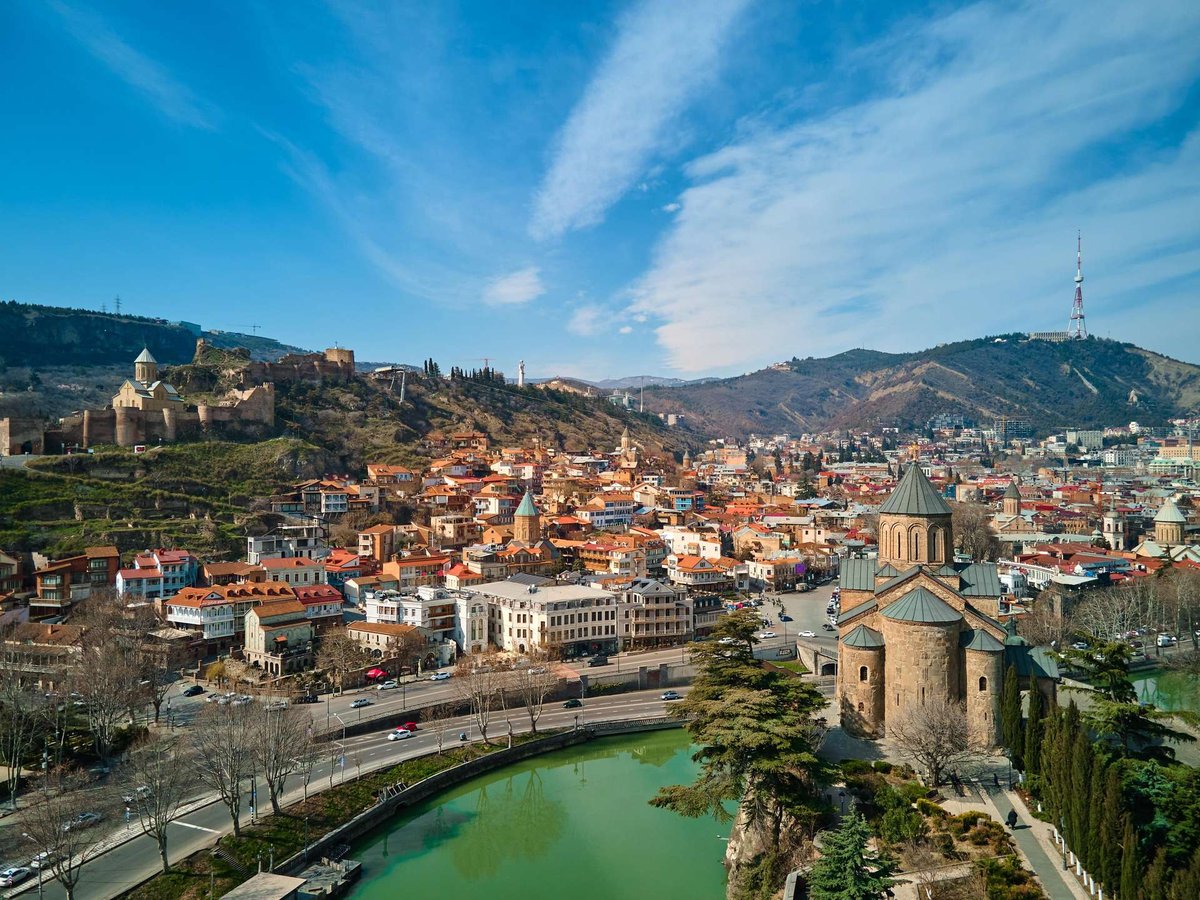
Weather in Tbilisi
Tbilisi is located in the subtropical continental climate zone, so the winters here are mild, and the summers are hot and dry.
Summer is the time when Tbilisi lives its most active life: cafes and restaurants offer wonderful relaxation on their open terraces, and parks and streets are filled with tourists and locals. The temperature in the city in the summer months often reaches +35°C and above, so sunglasses, a hat and sunscreen will be your best companions during this period.
In winter in Tbilisi, the average temperature rarely drops below zero, and snow is a rare occurrence. The city during this period is immersed in a calmer and cozier atmosphere, so this is a great time to visit museums, galleries and other indoor attractions.
Spring and autumn in Tbilisi are wonderful seasons for traveling, when the temperature is comfortable, nature blooms and the city appears in all its glory.
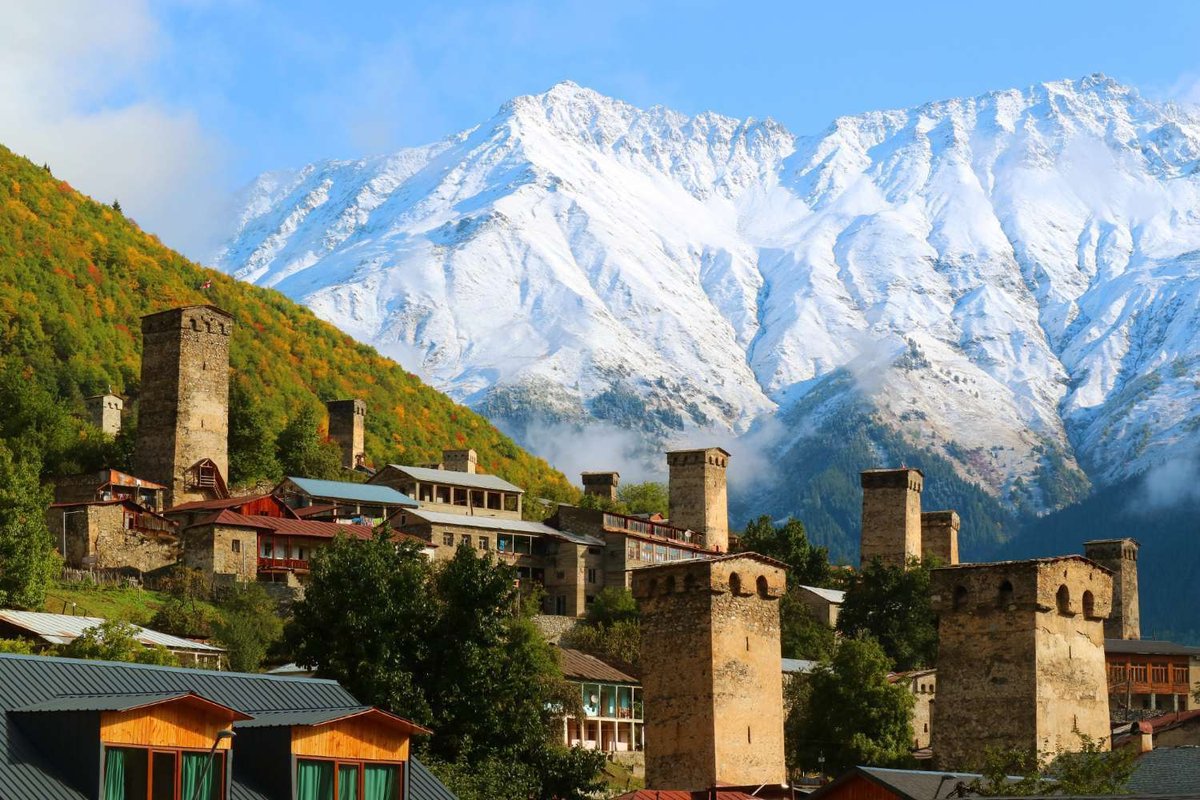
How to get to Tbilisi
Tbilisi is a transport hub accessible from all over the world thanks to Shota Rustaveli International Airport, which receives direct flights from major cities in Europe, Asia and the Middle East. Inside the airport, you will find modern amenities such as cafes, shops and currency exchange services, which will make your stay here comfortable and enjoyable.
From the airport, you can get to the city center by taxi in 20-30 minutes or in a little more time by bus, which runs regularly and offers a budget option, and for those who prefer organized transfers, private carriers and hotel shuttles are available.
In addition, there are alternative ways to get to Tbilisi: you can use the railway and bus routes from neighboring countries. For example, you can come to Tbilisi from Armenia and Azerbaijan by train, enjoying the picturesque views of the Caucasus along the way, and bus routes connect Tbilisi with major cities in Russia, Turkey and other neighboring countries. It is worth noting that for car travelers, the roads in Georgia are in good condition, and entry into Tbilisi is possible from various directions via modern highways.

How to get around Tbilisi
Tbilisi offers a variety of convenient ways to get around the city, suitable for any tourist. The main form of public transport is the metro, which includes two lines that cover the main areas of the city and intersect in the center. The metro operates from early morning until late evening, and traveling on it is a quick and economical way to get to most attractions.
In addition to the metro, it's worth considering the city's other services buses and minibuses that allow you to get to more remote areas. The bus network covers most of the city, and the routes pass through key tourist areas, making them a great option for getting around the Georgian capital.
The key to convenient travel is the Metromoney card. You can buy it directly at metro stations or at street kiosks. You can top it up there, as well as at numerous terminals throughout the city. The card is valid for the metro, buses, and trolleybuses, so you don't have to worry about different payment methods. One card covers all modes of transport.
Taxis are another popular way to get around Tbilisi, especially for those who prefer comfort. Taxis can be called through apps such as Bolt or Yandex.Taxi, which guarantee a fixed price and the convenience of paying by card.
💡Tip for making the route easier. To minimize climbs and stairs, especially if you're traveling with children or older adults, use a taxi as a"Plan B" between key points along the route. This will save energy and not sacrifice your experience.For families with children, it's especially convenient to take a taxi in the evening on the way back—the little ones will be tired after a busy day, and this will make the end of the walk more comfortable for everyone.
Those who like to explore the city on foot can discover the central areas of Tbilisi on a walk, as many attractions are within walking distance of each other. During the warmer months, you can also rent a bicycle or electric scooter, which will add a little activity to your trip and allow you to immerse yourself even more in the atmosphere of the city.

What to see in one day
If you only have one day to explore Tbilisi, we offer an itinerary for both solo travelers and other Tbilisi guests. It will allow you to see the city's main sights and soak up its spirit.
Morning (09:00–12:00)
Start your day on the austere and majestic Rustaveli Avenue: theaters, museums, and neat facades gently set the tone for your exploration of Tbilisi. Walk leisurely down to Freedom Square and turn onto Kote Abkhazi Street—here, the smells of freshly baked pastries and coffee quickly transform the city from "grand" to "home." Grab a table by the display case, grab a khachapuri from the oven, and continue your journey.
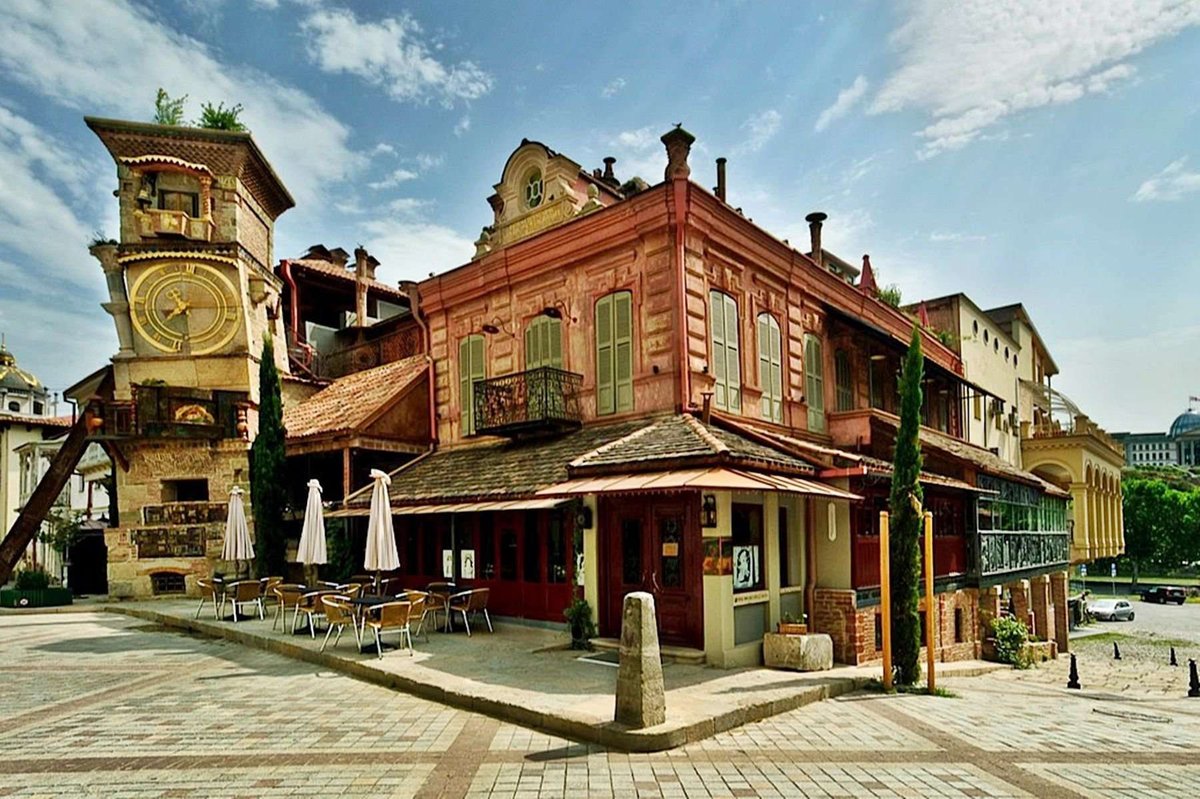
Next, go to the Gabriadze Tower — a picturesque, slightly crooked chapel-sculpture, perfect for the first photo of the day. If you're lucky, you'll catch a short puppet show by the clock (performed twice daily)—a few minutes, but it'll set the mood for the entire route. Take a sip of espresso at one of the nearby coffee shops and leisurely stroll toward the river: modern Tbilisi lies ahead.
Day (12:00–17:00)
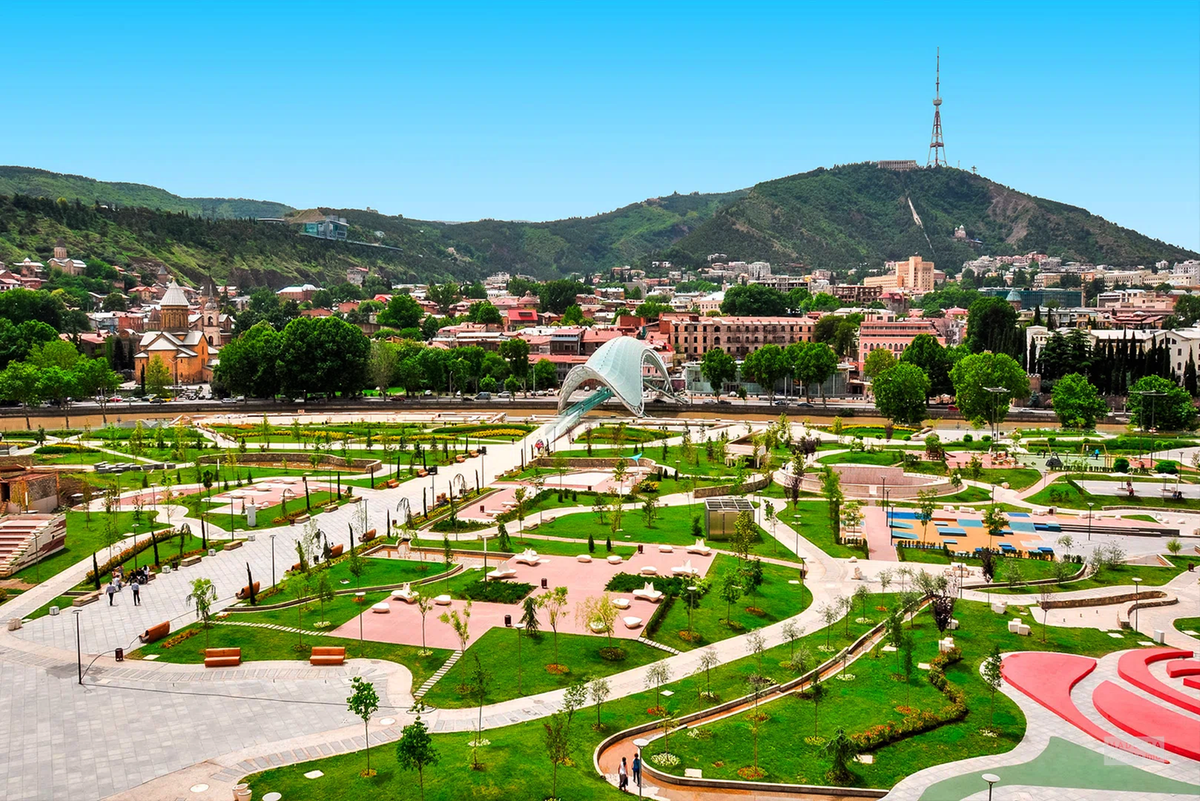
Cross the Bridge of Peace – a transparent arch over the Kura River connecting the Old Town with the New.On the opposite bank — is Rike Park. СA modern and vibrant green oasis in the heart of Tbilisi, located on the banks of the Kura River, near the Old Town. Designed in keeping with the latest landscape design trends, this park has become a favorite place for strolls and relaxation for both locals and tourists.
The park features modern sculptures and installations, lending it a special charm and making it attractive to art lovers. One of the park's main attractions is the musical fountain, which puts on a spectacular light show in the evenings, attracting visitors of all ages. There are also shaded benches, street musicians, convenient restrooms, and a green area before the climb. Here you can sit for a few minutes, check your route, and buy water.
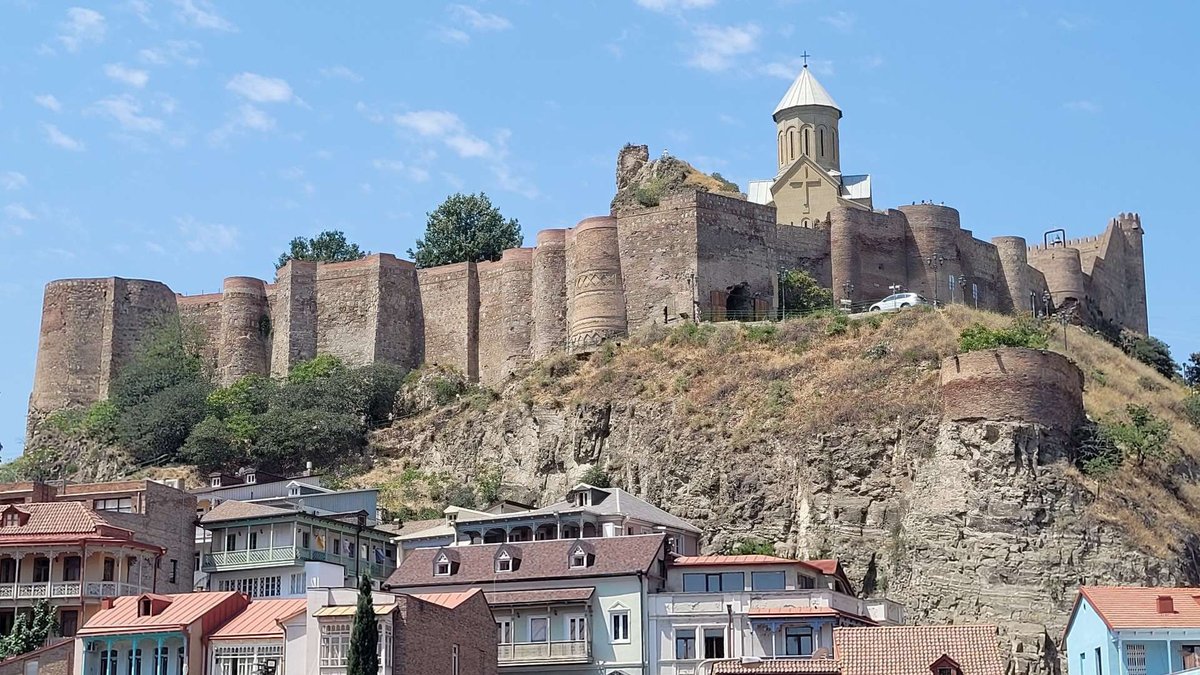
Then take the cable car up. 2-3 minutes and you're at the observation deck at the Narikala Fortress. A visit to Narikala not only offers a glimpse into the country's history but also offers stunning panoramic views of Tbilisi.
Please note that the cable car may stop briefly during windy conditions or during maintenance—this is normal. The Narikala Fortress is currently undergoing restoration, but the views from the platforms near the upper station are still among the best: the rooftops of Abanotubani, Metekhi, the Bridge of Peace, and the winding Kura River below.
💡The Narikala Fortress, one of Tbilisi's symbols, is currently undergoing restoration and is closed to tourists. The work is being carried out to preserve the monument's architectural value and ensure its safe future visitation. Access to the fortress is closed until the restoration is complete.
Plan B if the cable car is closed
If the cable car isn't running, walk up along the Narikala walls. A 15-25-minute walk along a rocky path (recommended shoes) will take you to the same viewpoints. An alternative is the Tbilisi Botanical Garden. The lower entrance is very close, and shady alleys, bridges, and viewpoints will replace the climb, after which you can easily return to Abanotubani and continue your route as planned. You can always take a taxi—it's a great way to change your pace if you're feeling low on energy.
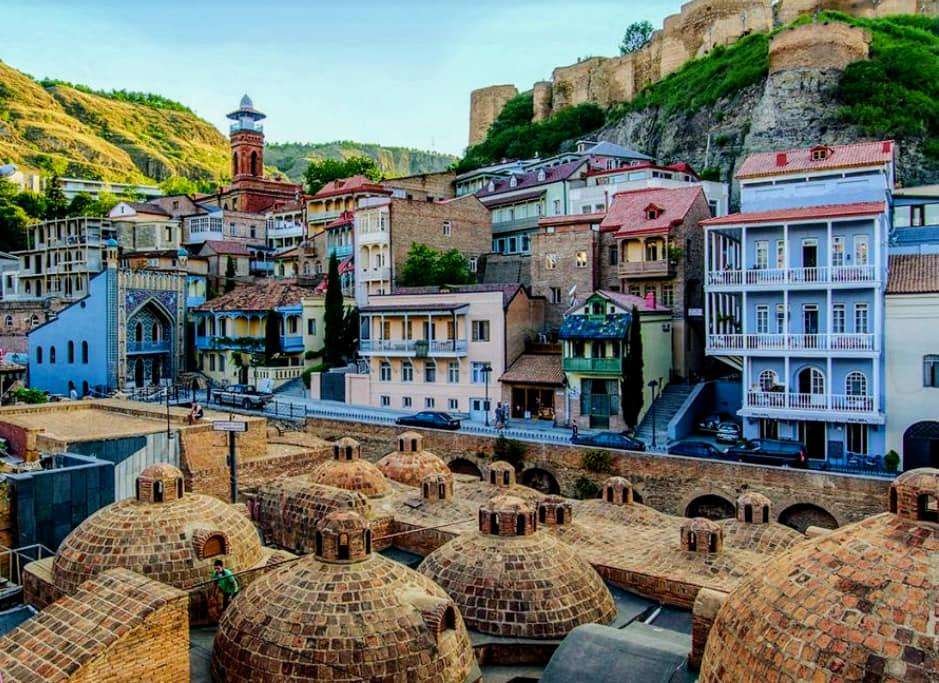
After visiting Narikala, head down to the sulfur baths in the Abanotubani area, which draw on natural hot sulfur springs and have attracted people with their healing properties for over a thousand years. You can choose from several types of baths, from public to private, and enjoy a soak in the warm mineral waters, which, according to legend, have a rejuvenating effect. After bathing, visitors are often offered a massage or peeling, making a visit to the sulfur baths a complete beauty and health ritual.
Then walk 10-15 minutes towards the Legvtakhevi gorge. This is one of the most amazing spots in the city center. Hidden among the rocky cliffs is the city waterfall. The stone canyon and the city waterfall offer a refreshing welcome and create a sharp contrast to the busy streets. It's a great place to relax, take photos, and experience Tbilisi's natural side. Be aware that there are steps near the waterfall.
Evening (17:00–22:00)
Return to the river and visit the Sioni Cathedral— silence, frescoes, candles. It's just a stone's throw from here to the Meydan: artisan shops, taverns, and open-air wine stalls. It's time for dinner—khinkali, khachapuri, satsivi, or shashlik, depending on your mood.
The ending is your choice.
Scenario 1: Baths. Book a private room for 60–90 minutes, drink water, and order a peeling—it's the perfect way to recover after a busy day.
Scenario 2: Shardeni. Go to Shardeni Street. — wine bars, desserts, and the lights of Old Tbilisi at night. If possible, choose a terrace with a view: the golden hour and first twilight in Tbilisi are a magical experience in themselves.
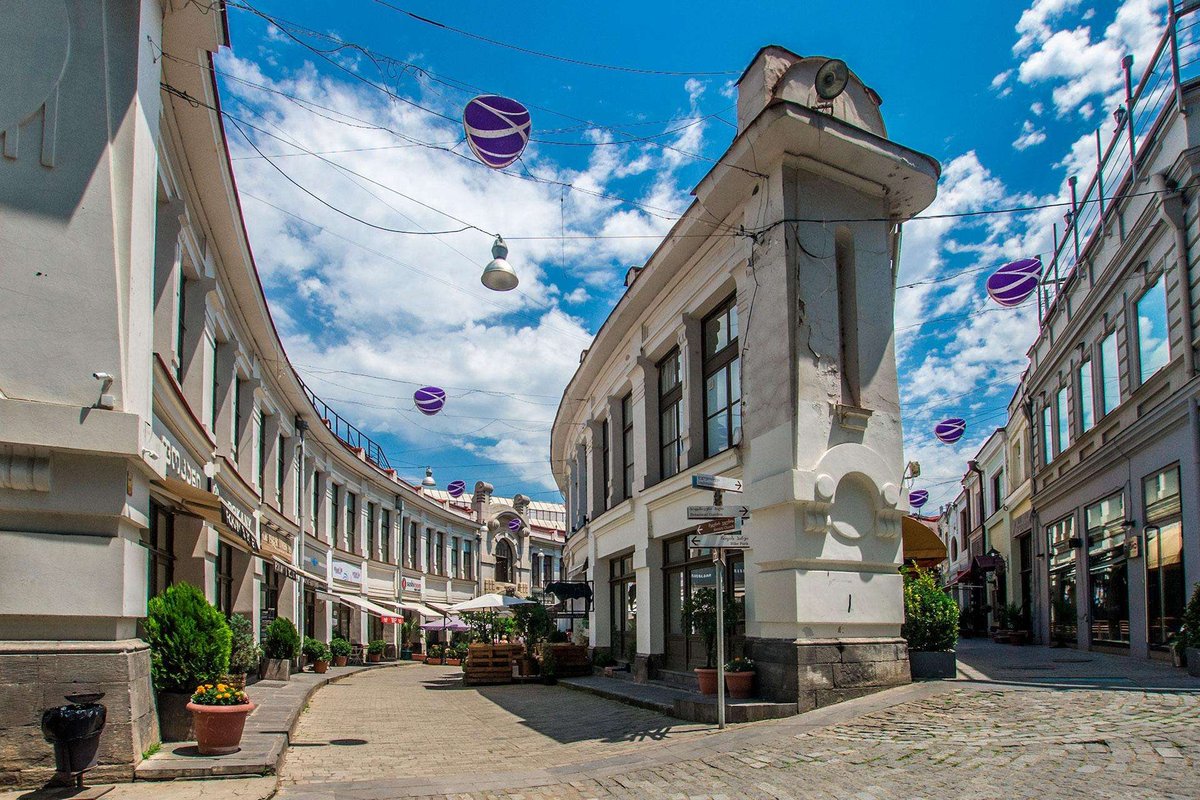
Shardeni Street, one of the busiest and most beautiful streets in the center of Tbilisi. It has become a symbol of modern urban life while retaining its historical charm. Located in the heart of the Old Town, it is named after the French missionary Jean Chardin, who lived in Tbilisi in the 17th century. Shardeni Street is a pedestrian area that attracts tourists and locals with its unique atmosphere. Here, you can enjoy a cup of coffee or a glass of famous Georgian wine in one of the many cafes, while watching the city go by, or visit art galleries, showcasing the work of local artists.
At night, the street transforms into the center of Tbilisi's nightlife: bars and clubs come alive and offer entertainment for every taste.
Georgia is renowned for its rich diversity of culinary delights, and in Tbilisi you'll have the opportunity to sample the best local dishes. From khinkali and khachapuri to satsivi fnd shashlik — each restaurant offers unique variations of these culinary masterpieces.
Seasonal route adjustments.
To make your walks as comfortable as possible, adjust your route to the weather.On hot days, it's best to start earlier, before the midday heat, choosing shady areas—for example,Rike Park. or the embankment—and reschedule your walk to Legvtakhevi later in the afternoon, when the stone has cooled and the waterfall offers a refreshing welcome.In the rain, focus on the atmospheric cafes with long breaks at Meydan, and use the sulfur baths as a "warm break" to ensure your day remains full and enjoyable.
After completing the entire "One Day in Tbilisi" itinerary, you can choose a more romantic, family-friendly, or more relaxed option. Each option gently adapts the route to your mood, company, and pace, while preserving the city's atmosphere.
💕 For a couple (romantic version)
This scenario is all about silence, beauty, and small breaks for two. Start early in the morning in Anchiskhati, have coffee near the Gabriadze Tower, enjoy the panoramas from Rike Park, and continue the day at the baths. In the evening, order dinner on the terrace with a view and finish with a stroll through the lights of Shardeni.
👨👩👧 With Kids (Family Edition)
Pace and simplicity are key here. Start at Rike Park, where there's a playground and a play area, then cross the Bridge of Peace and see the Gabriadze Tower. The cable car up and down is a short adventure, then ice cream at Meidan and an easy walk to Legvtakhevi Waterfall. Finish with an early dinner—that way, the kids won't get tired.
🌿 For seniors (gentle route)
A leisurely option: start at the Metekhi observation deck, then stroll toward Rike Park and cross the Bridge of Peace. The cable car offers a low-stress view of the city from above. Then take the easy trail to Legvtakhevi or simply the embankment, and finish the day with an early dinner and a quick visit to the banya.
Tips for tourists
Tbilisi is a city where every corner breathes history and culture, but to make your stay here as comfortable and enjoyable as possible, there are a few important things to consider.
- Safety: Tbilisi is a relatively safe city, but as with any major tourist destination, it's important to be mindful of your belongings, especially in crowded areas such as markets, squares, and public transportation. Don't leave valuables unattended and avoid carrying large amounts of cash. In the evening and in crowds, take basic precautions: keep your bag close to you and choose well-lit walking routes.
Remember the little things that make walking comfortable and safe: ☀️ Use sunscreen in the summer, and in rainy weather, wear 👟 shoes with grippy soles - stone pavements and wooden walkways become slippery. - Georgian language: Knowing a few basic phrases in Georgian can greatly improve your trip to Tbilisi. Although most young people in the capital of Georgia speak English, the older generation prefers to communicate in Georgian or Russian. A simple “gamarjoba” (hello) or “madloba” (thank you) will help you to win over locals and show your respect for their culture.
- Currency: The Georgian currency is the Lari (GEL), and although you can pay with a credit card in larger shops and restaurants, always carry cash as smaller cafes, markets and taxis may not accept cards. Exchange offices can be found in all tourist areas and the exchange rates are good, but you should avoid changing money with street money changers.
- Transport: Getting around the city also requires some preparation. The metro and buses are great ways to get around Tbilisi, but if you plan to use a taxi, it is best to agree on a price in advance or use a taxi app like Bolt or Yandex.Taxi to avoid misunderstandings. Taxi drivers generally do not speak English, so it is useful to have the address of your hotel or the names of attractions written in Georgian.
- Hospitality: The local culture of hospitality means that you may be invited to dinner or to try some homemade wine. Do not refuse - such offers are sincere and have good intentions.
- Traditions: It's important to remember that Tbilisi is a city with deeply rooted traditions, and respecting them will make your stay here more enjoyable. This is especially true for churches: dress modestly, covering your shoulders and knees, and take photographs without flash and with caution so as not to disturb worshipers. Following these simple rules will help you feel the spiritual atmosphere and avoid awkward situations.
Overall, respecting local customs and culture will make your visit to Georgia's capital even warmer and more unforgettable. It's these details that turn a trip into a vibrant and authentic experience.

Tbilisi is a city that captivates with its history, culture and unique atmosphere. Here, the past and the present coexist harmoniously, creating a unique space where everyone can find something for themselves. Whether you are interested in architecture, gastronomy, or just looking for a place for a quiet holiday, Tbilisi offers all this and more. Walking along its narrow streets, visiting ancient fortresses and modern parks, trying traditional dishes and enjoying panoramic views, you will definitely fall in love with this city. It will leave warm memories in your heart and a desire to return here again to discover new facets of this amazing place.
FAQ
The most convenient way to get around Tbilisi is by metro. It is fast, inexpensive and covers the main areas of the city.
The best time to visit Tbilisi is spring (March to May) and autumn (September to November), when the weather is most comfortable and there are not so many tourists.
Be sure to try khachapuri, khinkali, and Georgian wine—true culinary masterpieces of Georgia!
You can pay by card in large stores and restaurants, but it's better to have some cash on hand for small purchases at markets and taxis.
You can see the main sights in one day, but to fully immerse yourself in the city, it's worth staying here for a few days.
Absolutely! Tbilisi is known for its bars, clubs, and nightlife.
Avoid revealing clothing, especially when visiting churches. Dress modestly and respectfully for local traditions.
Don't refuse an invitation to dinner or to visit someone—it can be perceived as impolite. Georgians are very hospitable!
Reservations are recommended in the evenings and during busy times, but not usually required on weekdays during the day.
Yes, along Rika/Most/Meidan—no problem; near Legvtakhevi, there are steps closer to the waterfall—help your child or walk this section without a stroller.
Almost the entire route—yes. Metekhi → Rike → Peace Bridge and the embankment are smooth. Near Legvtakhevi, there are steps closer to the waterfall—you can skip the final section.

0 comments
Log in to leave a comment