




Georgia's Postal Codes: How to Bring Back the Warmth of Paper Letters
📬 How to find a postal code in Georgia by address?
Georgian Post offers a convenient online service that helps you easily find the correct postal code for a specific address—whether it’s a street, district, or settlement. This is especially useful for anyone arranging deliveries, sending letters, or simply wanting to make sure the details are correct.
👉 You can find the postal code here
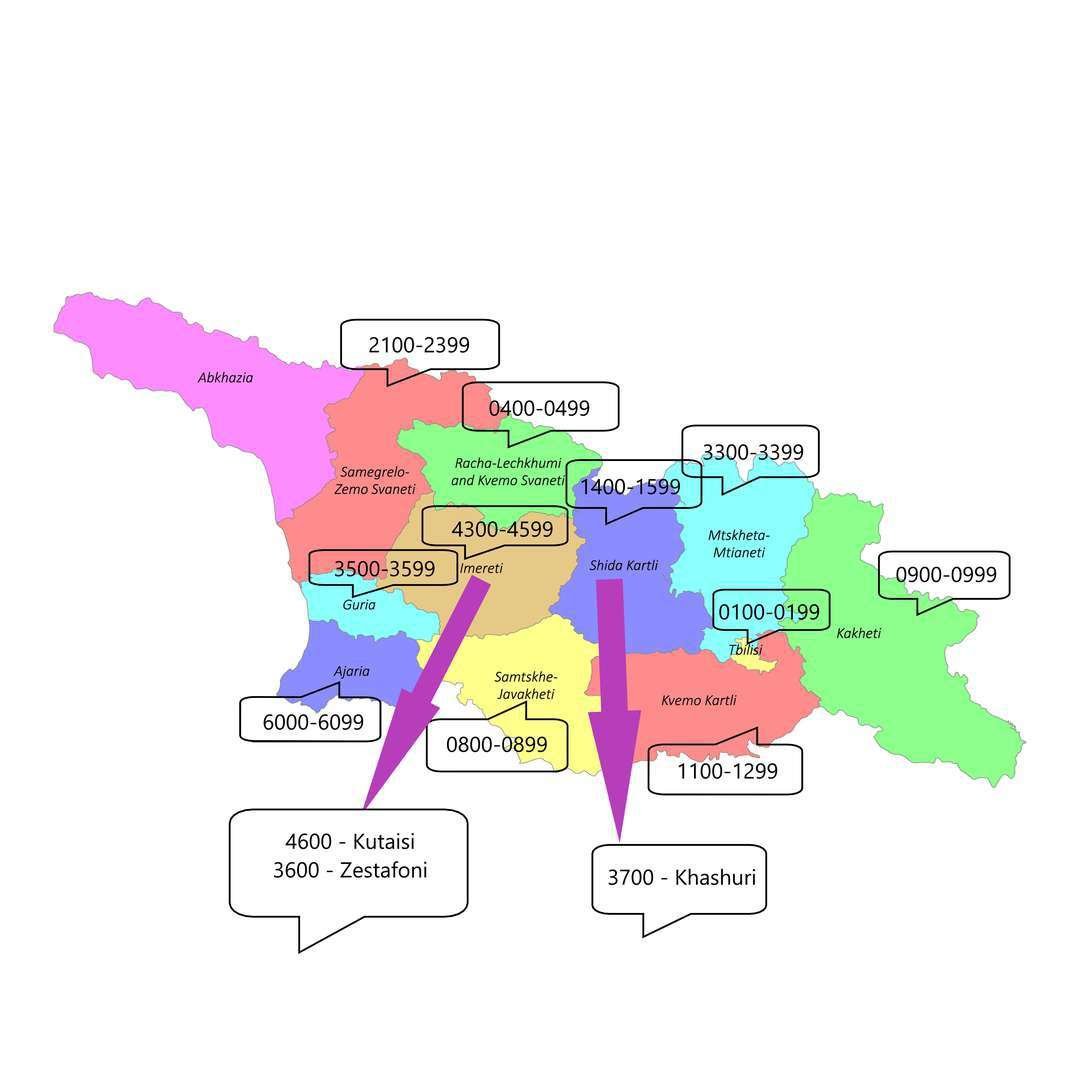
Which postal code should you use? Check the regional ranges across Georgia 📍
| Region | Postal Code Range | City Postal Codes |
|---|---|---|
| Tbilisi | 0100–0199 |
Central District: 0105 Vake: 0179 Gldani: 0190 |
| Adjara | 6000–6099 |
Batumi: 6010 Kobuleti: 6016 Khelvachauri: 6030 |
| Imereti | 4300–4599 |
Kutaisi: 4600 Tkibuli: 4300–4399 Zestafoni: 3600 Sachkhere: 4320 Terjola: 4340 Vani: 4350 Baghdati: 4500 Samtredia: 4400 Kharagauli: 4370 Khoni: 4380 Chiatura: 4330 |
| Kakheti | 0900–0999 |
Telavi: 0900 Sighnaghi: 0910 Gurjaani: 0930 Akhmeta: 0920 Dedoplistskaro: 0940 Kvareli: 0950 Lagodekhi: 0960 |
| Samegrelo and Zemo Svaneti | 2100–2399 |
Zugdidi: 2100 Mestia: 2200 Poti: 2101 Khobi: 2130 Abasha: 2120 Senaki: 2140 Chkhorotsku: 2150 Martvili: 2160 |
| Shida Kartli | 1400–1599 |
Gori: 1400 Khashuri: 3700 Kaspi: 1500 Kareli: 1510 |
| Samtskhe-Javakheti | 0800–0899 |
Akhaltsikhe: 0800 Borjomi: 0820 Akhalkalaki: 0830 Ninotsminda: 0840 Adigeni: 0810 Aspindza: 0850 |
| Kvemo Kartli | 1100–1299 |
Rustavi: 1100 Marneuli: 1200 Bolnisi: 1210 Gardabani: 1220 Tetritskaro: 1230 Dmanisi: 1240 Tsalka: 1250 |
| Guria | 3500–3599 |
Ozurgeti: 3500 Lanchkhuti: 3520 Chokhatauri: 3540 |
| Racha-Lechkhumi and Kvemo Svaneti | 0400–0499 |
Ambrolauri: 0400 Oni: 0410 Tsageri: 0430 Lentekhi: 0420 |
| Mtskheta-Mtianeti | 3300–3399 |
Mtskheta: 3300 Kazbegi (Stepantsminda): 3310 Dusheti: 3320 Tianeti: 3330 |
The twenty-first century is the age of messengers, email, and instant messages. We’re used to sending notes in seconds—with a single click of a mouse or a tap on a phone screen. Yet despite the rapid growth of technology, something magical still lives on in the tradition of paper mail. The scent of an envelope, neat lines on paper, the warmth of handwritten words—all of this evokes a special kind of emotion.
Maybe you haven’t written a letter in years or received a postcard from loved ones, but this tradition is still alive—especially in Georgia, where the postal system is not only a means of communication, but also part of the country’s history. And for your letter or parcel to reach the recipient, it’s important to know the correct postal code. Let’s take a look at how Georgia’s postal code system works—and maybe get inspired to send a real paper letter!
The age of technology and the tradition of letters
Today, technology has reached an unprecedented level. Emails, messengers, and video calls let us stay in touch with friends, family, and colleagues anywhere in the world instantly. All you need is a phone or a computer with internet access. Letters that once took weeks to arrive now come in seconds. But despite all these conveniences, paper mail keeps its own unique charm and appeal.

There’s something truly special about a paper letter—something no screen can convey. Every letter is the result of effort, time, and heartfelt intention. You choose an envelope, pick a postcard or paper, and write your message, putting emotion into every word. When the recipient opens the envelope, they feel that care and warmth. That’s what makes paper mail not just a way to communicate, but a real art of sharing emotions.
But why is it so important to remember the postal system in the modern world?
- First, it’s a link between generations. The post is part of our history—the way our ancestors communicated. By keeping its traditions alive, we preserve that connection and pass it on to future generations.
- Second, paper mail remains important in a practical sense, too. Many official documents, greetings, and even parcels are still sent through the postal system. And for everything to arrive on time and at the right address, you need the correct postal code.
- Third, the postal system connects cities, villages, and even the most remote corners of the country. Especially in a diverse country like Georgia, where from bustling Tbilisi to the mountain villages of Svaneti, the post is a bridge that brings people together.
By keeping the tradition of paper mail alive, we don’t just remember the past—we create unique moments for the future. After all, what could be better than receiving an unexpected letter or parcel that instantly warms the soul?
The history of Georgian post: from ancient times to today
Georgia’s postal system is not only a means of communication, but also a reflection of the country’s history. It has evolved from ancient couriers crossing mountain passes to modern postal technologies. In every era, the post played its own unique role—helping people stay connected despite distance and time.

A brief overview of the history of Georgia’s postal system.

Ancient times:
In the era of Colchis and Iberia, long before an organized postal service existed, messages were delivered by couriers. Georgia lay at the crossroads of the Great Silk Roads, which encouraged the exchange of information. Couriers traveled on foot or on horseback, carrying important messages between settlements.
The Middle Ages
From the 11th century, as the Georgian state grew stronger, the first organized postal routes began to appear. Stations were built along the roads where couriers could change horses or rest. The postal system was used not only for state purposes, but also for private correspondence.

Period of the Russian Empire:
In the 19th century, Georgia became part of the Russian Empire, which led to the development of postal infrastructure. New post offices were built, and messages between Tbilisi and other cities began to be delivered faster thanks to railway transport.
The Soviet period:
In the 20th century, Georgian post became part of the unified USSR system. During this time, a standardized postal code system was introduced, which greatly simplified the sorting of letters. The postal network reached even the most remote villages, ensuring communication over long distances.
Modern day:
Today, Georgia’s postal system uses modern technologies such as parcel tracking and online services. Nevertheless, the tradition of paper mail remains—especially for official documents and greetings.
How letter-sending traditions developed in different regions
Georgia is a country where each region has its own unique character—and that is reflected even in the traditions of sending letters.
- Tbilisi:
As the capital, Tbilisi has always been the center of postal activity. The largest post offices operated here, and the country’s first postal codes appeared in this city.

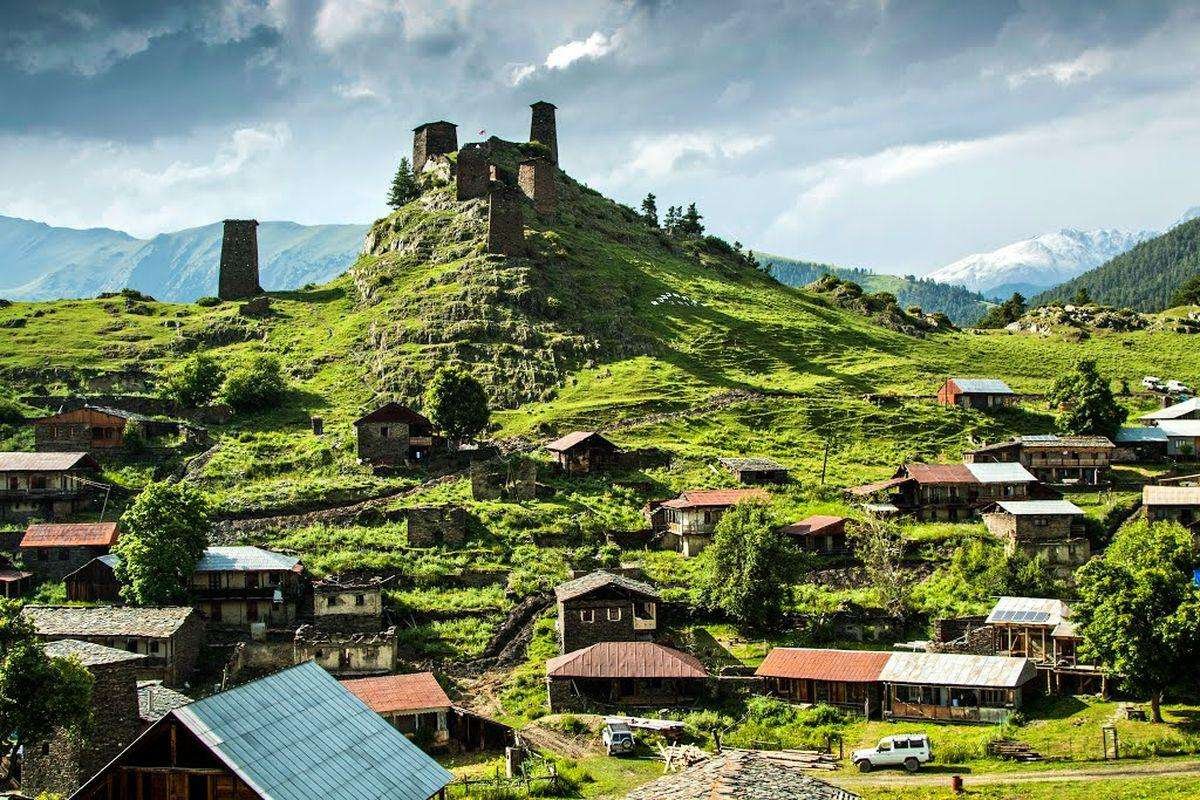
- Mountain regions (Svaneti, Tusheti):
In remote areas, mail delivery has always been challenging. In ancient times, letters were carried on horseback across dangerous mountain passes. Today, these traditions have been replaced by modern postal routes, but in some villages, old methods of delivery are still preserved.
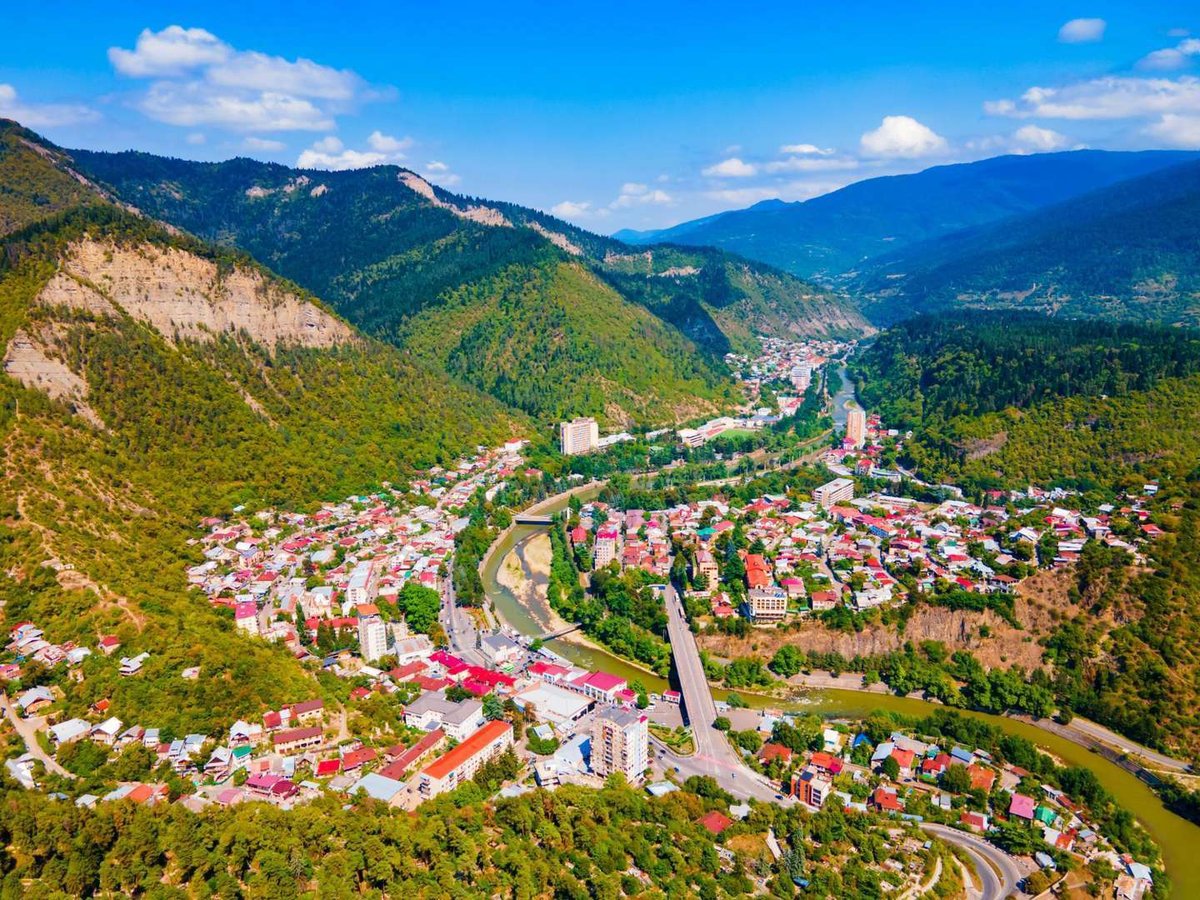
- Resort towns (Borjomi, Batumi):
In the 19th–20th centuries, resort cities became popular places for sending greeting postcards. The tradition of mailing postcards featuring views of these towns has survived to this day.
- Regions with diaspora communities:
In regions where Georgians emigrated or maintained close contact with relatives abroad, the postal service became a way to preserve cultural ties.
The role of postal codes in simplifying delivery
Postal codes are a tool without which it’s impossible to imagine modern mail.
- Introduction and standardization:
The first postal codes appeared in Georgia during the Soviet period, making it possible to automate mail sorting. Each digit in the code refers to a specific region, city, or even a district. - Faster delivery:
Postal codes help pinpoint the exact destination of a letter, reducing delivery time. This is especially important for hard-to-reach areas, where delivery can take longer. - Convenience for businesses and tourists:
For businesses, the correct postal code matters when sending documents and goods. Tourists sending postcards from Georgia can also be confident that their messages will arrive on time. - Modern technologies:
Today, postal codes are used not only for traditional mail, but also in e-commerce systems, ensuring accurate delivery of online orders.
Why is it important to know the postal code?
A postal code is just a few digits that we often treat as a formality. But behind this small detail lies a complex system that determines how accurate and fast delivery will be. The code helps postal services handle huge volumes of correspondence by simplifying sorting and routing.
This is especially true in a country as geographically diverse as Georgia, where the postal service connects bustling cities, cozy resort towns, and remote mountain villages. The importance of postal codes cannot be overstated. Even a small mistake in an address can lead to delays or a lost parcel.
Let’s take a closer look at why these digits matter so much—and how using them correctly helps us stay connected, no matter the distance.
Why is it important to know the postal code?
Examples of situations when a postal code is necessary
✔️ Sending letters and parcels
A postal code is a key part of the address when sending mail. Without it, a letter can get lost or be delivered to the wrong place.
It’s especially important to know the code when sending mail to remote or hard-to-reach regions such as mountainous Svaneti or Tusheti.
✔️ Placing orders in online stores
When shopping online—especially on international platforms—the correct postal code ensures your parcel arrives at the right destination.
In Georgia, this is particularly relevant for cities with similar names or for multiple districts that may have the same street name.
✔️ Receiving documents and official mail
Institutions such as banks and government agencies use postal codes to deliver important documents accurately—for example, contracts, notices, or certificates.
✔️ Staying in touch with relatives abroad
In regions with strong diaspora ties, the correct postal code helps letters and parcels from family and friends living abroad arrive faster.
How mistakes in the postal code can affect delivery
⚠️ Delivery delays
If the postal code is incorrect, the postal service may spend extra time finding the correct address. This is especially critical for urgent deliveries, such as legal documents or important parcels.
⚠️ Misdelivery
An incorrect postal code can cause a letter or parcel to end up in a completely different region or city. For example, mixing up Tbilisi postal codes (0100) with the Imereti region range (4300–4599) can lead to serious mistakes.
⚠️ Returned to sender
If the address cannot be identified due to an incorrect postal code, the letter or parcel may be returned to the sender—adding extra cost and time.
⚠️ Risk of lost mail
An incorrect postal code increases the chance that mail will be lost during sorting.
⚠️ Inconvenience for the recipient
The recipient may have to resolve the issue in person at a post office, which takes time and effort.
Knowing the postal code is not only a way to speed up delivery, but also a way to avoid unpleasant situations. A correctly written postal code is a guarantee that your letter or parcel will reach the recipient on time and without unnecessary complications.
Structure of postal codes in Georgia
A postal code is not just a set of numbers—it’s an essential tool that helps route letters and parcels to the exact destination. In a country where each region differs in terrain, climate, and infrastructure, this system is especially important.
With a postal code, postal services can quickly determine which city, district, or even which specific post office should receive the mail. This simplifies sorting and minimizes errors.
Let’s take a closer look at how postal codes work in Georgia and what the digits mean.

Postal codes in Georgia are four-digit numbers, and each part has its own meaning:
The first two digits indicate the region or a major city. For example:
01 — Tbilisi
60 — Adjara (Batumi and surrounding areas)
35 — Guria
The third digit defines a sub-district or a smaller settlement within the region.
The fourth digit helps narrow the address down to a specific post office.
This format allows postal services to sort mail quickly and deliver it to the correct destination.
The complete list of Georgia’s postal codes: from Tbilisi to mountain villages
Georgia is a country rich in natural and cultural diversity. From lively Tbilisi to quiet mountain villages in Svaneti, the postal service connects people across every corner of the country. For efficient delivery of letters and parcels, postal codes play a key role.
Georgia’s postal code system covers all regions, cities, and even the smallest villages. Knowing the postal code ranges and the exact numbers for major cities makes sending and receiving mail much easier. Let’s look at the complete list of codes by region and provide a convenient table for the main populated places.
A detailed breakdown by region with postal code ranges.
Postal code range: 0100–0199
- Central District: 0105
- Vake: 0179
- Gldani: 0190
Postal code range: 6000–6099
- Batumi: 6010
- Kobuleti: 6016
- Khelvachauri: 6030
Postal code range: 4300–4599
- Kutaisi: 4600
- Tkibuli: 4300–4399
- Zestafoni: 3600
- Sachkhere: 4320
- Terjola: 4340
- Vani: 4350
- Baghdati: 4500
- Samtredia: 4400
- Kharagauli: 4370
- Khoni: 4380
- Chiatura: 4330
Postal code range: 0900–0999
- Telavi: 0900
- Sighnaghi: 0910
- Gurjaani: 0930
- Akhmeta: 0920
- Dedoplistskaro: 0940
- Kvareli: 0950
- Lagodekhi: 0960
Postal code range: 2100–2399
- Zugdidi: 2100
- Mestia: 2200
- Poti: 2101
- Khobi: 2130
- Abasha: 2120
- Senaki: 2140
- Chkhorotsku: 2150
- Martvili: 2160
Postal code range: 1400–1599
- Gori: 1400
- Khashuri: 3700
- Kaspi: 1500
- Kareli: 1510
Postal code range: 0800–0899
- Akhaltsikhe: 0800
- Borjomi: 0820
- Akhalkalaki: 0830
- Ninotsminda: 0840
- Adigeni: 0810
- Aspindza: 0850
Postal code range: 1100–1299
- Rustavi: 1100
- Marneuli: 1200
- Bolnisi: 1210
- Gardabani: 1220
- Tetritskaro: 1230
- Dmanisi: 1240
- Tsalka: 1250
Postal code range: 3500–3599
- Ozurgeti: 3500
- Lanchkhuti: 3520
- Chokhatauri: 3540
Postal code range: 0400–0499
- Ambrolauri: 0400
- Oni: 0410
- Tsageri: 0430
- Lentekhi: 0420
Postal code range: 3300–3399
- Mtskheta: 3300
- Kazbegi (Stepantsminda): 3310
- Dusheti: 3320
- Tianeti: 3330
Interesting facts about Georgian post
Post as a mirror of history and culture
The postal service is not just a way to deliver mail—it’s also part of the history and traditions that shape Georgia’s unique character. Even today, in the age of digital technology, the postal system remains important, especially in remote areas and during holidays, when people send postcards and letters to each other. Unique stories connected to the post highlight the richness of the culture and the bond between generations.
The most remote or hard-to-reach delivery points
- Svaneti and Tusheti:
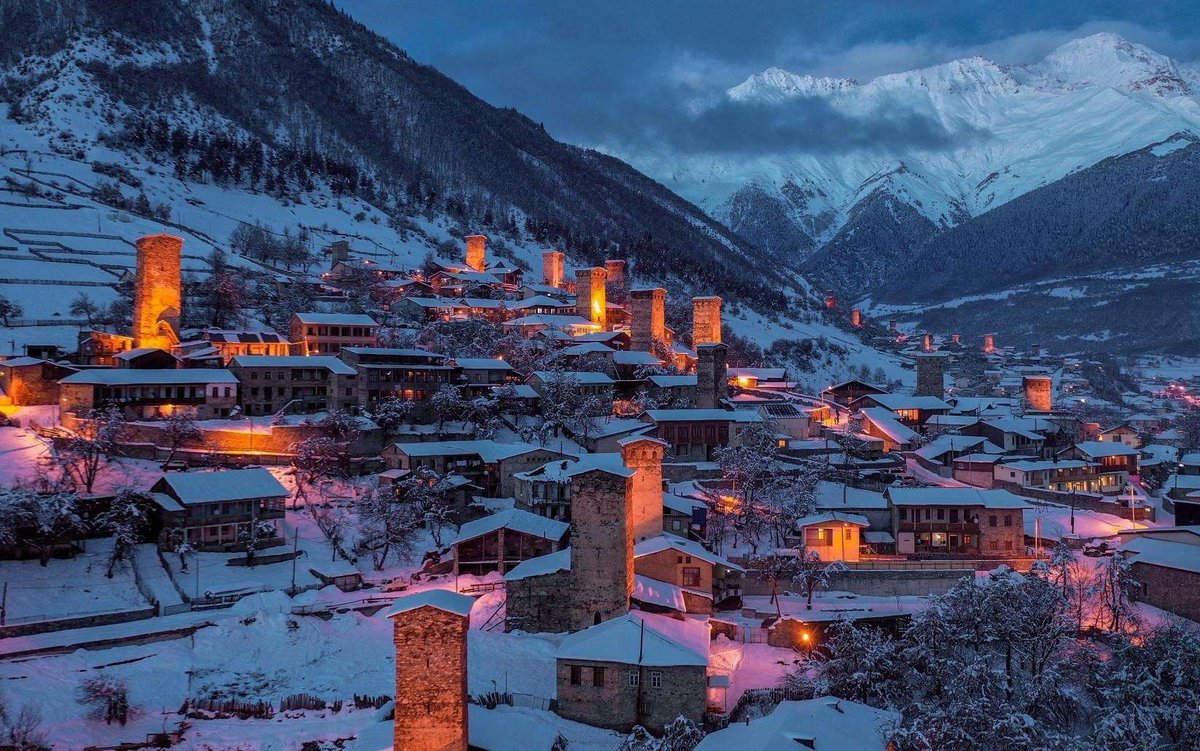
Mail is delivered to these mountain regions despite the challenging conditions.
In winter, roads can be blocked by snow, and delivery may be carried out only using special vehicles or on foot.
- Resort towns of Batumi and Borjomi:

In the past, mail delivery to these areas took longer due to their isolated location. Today, they are important tourist destinations with modern post offices.
- Mountain villages of Guria and Racha:
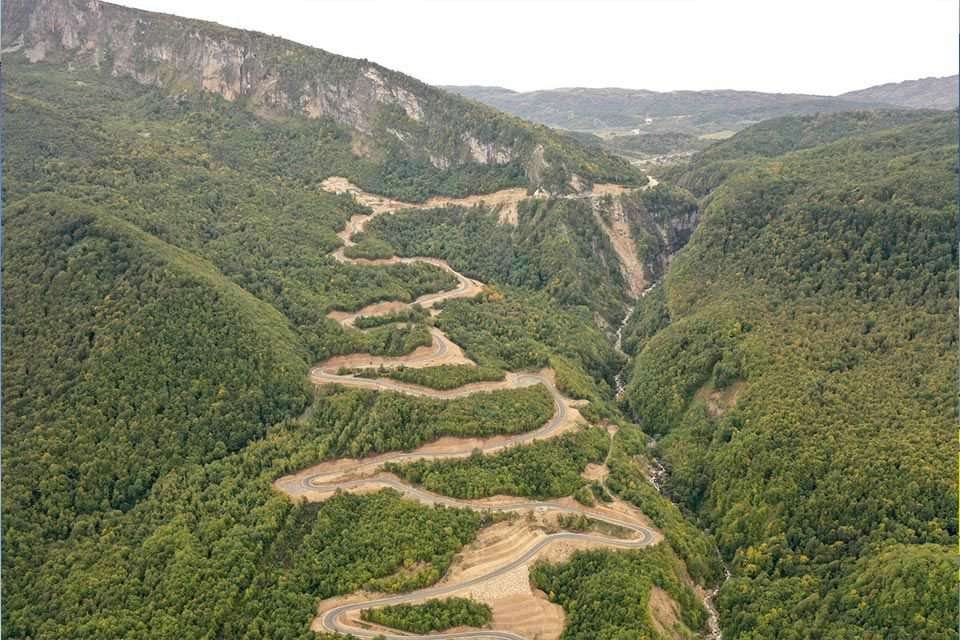
Many villages in these regions are far from major cities, but mail still reaches them thanks to the efforts of postal workers.
Letter-sending traditions during holidays
- Greeting cards for New Year and Christmas:

In Georgia, there is a tradition of sending cards with warm wishes to loved ones and friends.
Postcards often feature scenes of Georgian nature, vineyards, or cultural landmarks.
- Weddings and christenings:

In some regions, it is customary to send wedding or christening invitations by mail, especially if the recipients live far away.
- Traditional holidays, such as St. George’s Day:

On these days, it is customary to send greetings in the form of letters, especially in rural regions.
Unique post offices and their stories

- Historical post office in Tbilisi:
One of the oldest post offices is located in central Tbilisi and has preserved elements of 19th-century architecture.
In the past, it was a key place for sending international mail.
- Post office in Kazbegi:
A post office located at an altitude of over 2,000 meters serves mountain villages.
It is one of the highest-altitude postal points in Georgia.
- Mobile post offices:
In hard-to-reach places such as Tusheti, mobile postal points are used. These are small vehicles or temporary facilities that help maintain connections with the rest of the world.
Georgia’s postal system is not just infrastructure—it is also part of the culture. Thanks to its work, even the most remote corners of the country remain connected, and the tradition of sending letters continues to live in people’s hearts.
How to find a postal code?
A simple solution for accurate delivery
A postal code is the key to successful and timely delivery of letters, parcels, and documents. Whether you’re sending a greeting card or ordering delivery from an online store, the correct code helps avoid mistakes and delays. Today, finding the right postal code is easy thanks to modern tools and simple ways to уточнения address details.

Online resources for finding postal codes
- Official postal service websites:
Many postal companies provide tools to look up postal codes. You can enter the name of a region, city, or street to find the correct information.
- Maps and navigation services:
Digital maps used in everyday life often include postal codes as part of address details. Simply enter the address you need in the search bar, and the service will show the postal code.
- Local directories:
Reference platforms focused on local addresses often contain postal code data for both large cities and small settlements.
- Mobile apps:
Many delivery or logistics apps have built-in tools for postal code lookup. This is convenient for shipping parcels or confirming address details.
How to find a postal code by address: step-by-step
Step 1: Specify the address
- Prepare the exact address, including the region, settlement, street name, and house number.
Step 2: Use an available resource
- Choose the tool that’s most convenient: an official website, a map, or a directory.
- Enter the address into the search field.
Step 3: Verify the result
- Make sure the postal code you found matches the address you entered.
Step 4: Save the postal code
- Keep it for future use—especially if you send mail to this address often.
Tip: Be careful with postal codes
A correctly written postal code means not only accurate delivery, but also peace of mind that your mail will reach the right recipient. Always double-check the information, especially when sending parcels to remote areas or small settlements.
Postal codes are a simple but important solution that makes communication easier and delivery more reliable.
An inspiring tradition: write a letter today
The warmth of a paper letter
In today’s world, where every message is sent instantly, a paper letter has become a rarity. And that is exactly where its magic lies. A sheet of paper chosen with care, handwritten lines that reflect your emotions, and the wait for the letter to reach its recipient—all of this creates a feeling of sincerity and warmth. Writing a letter is not just sending words—it’s creating memories that last.
Let’s remember this touching tradition and get inspired to write a letter to our loved ones today.

Reviving the tradition of letters
- A paper letter is a way to show care and love—something that’s often missing in the fast-paced world of messengers.
- It creates a special atmosphere: from choosing the envelope to waiting for the moment the letter is finally read.
- For children and younger generations, it can be a real discovery—a chance to experience the unique charm of paper mail.
How to write and send a letter in Georgia
Prepare everything you need:
- Choose paper or a postcard that matches your mood. It can be a simple notebook sheet or a special piece of beautiful stationery.
- Find a suitable envelope. In Georgia, you can buy traditional envelopes with images of local landscapes.
Write your letter:
- Start with a greeting and warm words.
- Share what’s new in your life, talk about your plans, or simply express your feelings.
- End with good wishes and sign your name.
Write the address:
- On the envelope, write the recipient’s full address, including the postal code, so the letter arrives correctly.
- Add a return address so the recipient can reply.
Send the letter:
- Find the nearest post office—there are branches in all cities and major villages across Georgia.
- Pay for the service and уточнения how long delivery will take.
Go home and enjoy the wait:
- Enjoy the anticipation, imagining how your handwritten card will bring a smile to the recipient’s face.
Turn the letter into an event
- Invite children to join the process—let them draw a picture or write a few lines.
- Choose postcards featuring Georgian landscapes or cultural landmarks to make the letter even more special.
A paper letter is a journey into the past that creates a sincere connection in the present. Try writing your own letter today and feel the joy this tradition brings.
In conclusion: connecting generations through paper mail
Post as a bridge between eras
In a world where technology dominates, traditions become especially valuable. They remind us of our roots—of how people communicated and stayed connected long before the internet. The postal service is one of those traditions, bringing generations together and helping people stay close despite distance.
Paper letters are not just a means of communication, but a symbol of sincerity and care. By remembering the role of the post, we not only appreciate the past—we’re also inspired to keep its meaning alive today.

The role of postal service in maintaining connections between people
Family bonds:
- In an era when many families live in different countries, the postal service helped people stay connected with their loved ones.
- Each letter became a bridge linking generations—from grandparents to grandchildren sharing their achievements.
Friendships:
- Before social media, friends stayed in touch through letters, sharing stories, worries, and joys.
- These letters often became true treasures, carefully kept for years.
Creative communication:
- Writers, artists, and musicians used the postal service to exchange ideas and works.
- This tradition preserved many masterpieces that we read and study today.
Traditions in the modern world: why they matter
Preserving culture:
- Paper mail is part of cultural heritage, showing how people communicated in the past.
- Using mail during holidays or important moments helps keep these unique traditions alive.
A personal touch:
- Unlike digital messages, a handwritten letter carries warmth and personal attention. It’s a reminder that emotions matter more than speed.
Connecting eras:
- Using postal services today is a way to link the past and the future—showing younger generations why it’s important to preserve traditions.
Traditions that bring us together
The postal service is more than just a delivery system. It’s a symbol of connection, care, and respect—something that crosses kilometers and years. Even in the age of technology, paper letters remain an important part of culture that unites generations.
Try writing a letter or sending a postcard, and you’ll see how this simple tradition can bring a smile and warmth to the recipient’s heart. Traditions stay alive as long as we support them. Let’s preserve and pass them on—creating unique memories for future generations.


0 comments
Log in to leave a comment