


National Holidays in Georgia in 2026 - All public and national holidays of the New Year
Dates of official and religious holidays in Georgia ⬇️
New Year's Day - January 1, Thu
Bedoba - January 2, Fri
Christmas - January 7, Wed
Old New Year's Day - January 14, Wed
Epiphany - January 19, Mon
St. Nino's Day - January 27, Tue
Lamproba - expected in the second half of February 2026
Berikaoba - expected in February, 1-2 weeks before the beginning of Lent
Mother's Day - March 3, Tue
International Women's Day - March 8, Sun
Navruz (Navruz) - March 21, Sat
National Unity Day - April 9, Thu
Good Friday - April 10, Fri
Holy Saturday - April 11, Sat
Orthodox Easter - April 12, Sun
Easter Monday - April 13, Mon
Kutaisoba / Gviriloba - May 2, Sat
Batumoba - May 3-4, Sun-Mon
Victory Day - May 9, Sat
St. Andrew's Day - May 12, Tue
Tamaraoba - May 14, Thu
Konstantineoba - May 15, Fri
Ninooba / St. Nina's Day - May 19, Tue
Independence Day - May 26, Tue
Ninooba - June 1, Mon
Zavulon and Sosana - June 2, Tue
Shalva of Akhaltsikhe Day - June 30, Tue
Petre-Pavloba - July 4, Sat
Vlakernoba - July 15, Wed
Gergetoba - Day of Spiritual Love - July 16, Thu
Kvirikoba - July 28, Mon
Didgoroba - August 12, Wed
Mariamoba - Assumption Day of the Blessed Virgin Mary - August 28, Fri
Nativity of the Blessed Virgin Mary - September 21, Monday
Rtveli (Grape Harvest Festival) - throughout the month
Alaverdoba - September 28, Monday
Tbilisoba - October 3-4, Sat-Sun
Svetitskhovloba - October 14, Wed
Entry of the Blessed Virgin Mary into the Temple - November 21, Sat
Giorgoba (St. George's Day) - November 23, Mon
Barbaroba (Saint Barbara's Day) - December 4, Fri
St. Andrew the First-Called Day - December 13, Sun
Nikolozoba (Saint Nicholas' Day) - December 19, Sat
Giorgoba (Winter, Saint George's Day) - December 23, Wed
New Year's Eve - December 31, Thu
All Holidays in Georgia in 2026: Public Holidays, Non-Working and Days Off
The Madloba guide catalog invites you to explore the holiday calendar of Georgia in 2026. National Georgian holidays are celebrated with lively festivities and joyful gatherings that are famous all over the world. That is why many travelers eagerly look forward to folk celebrations and festivities that bring a great mood not only to local residents but also to tourists.
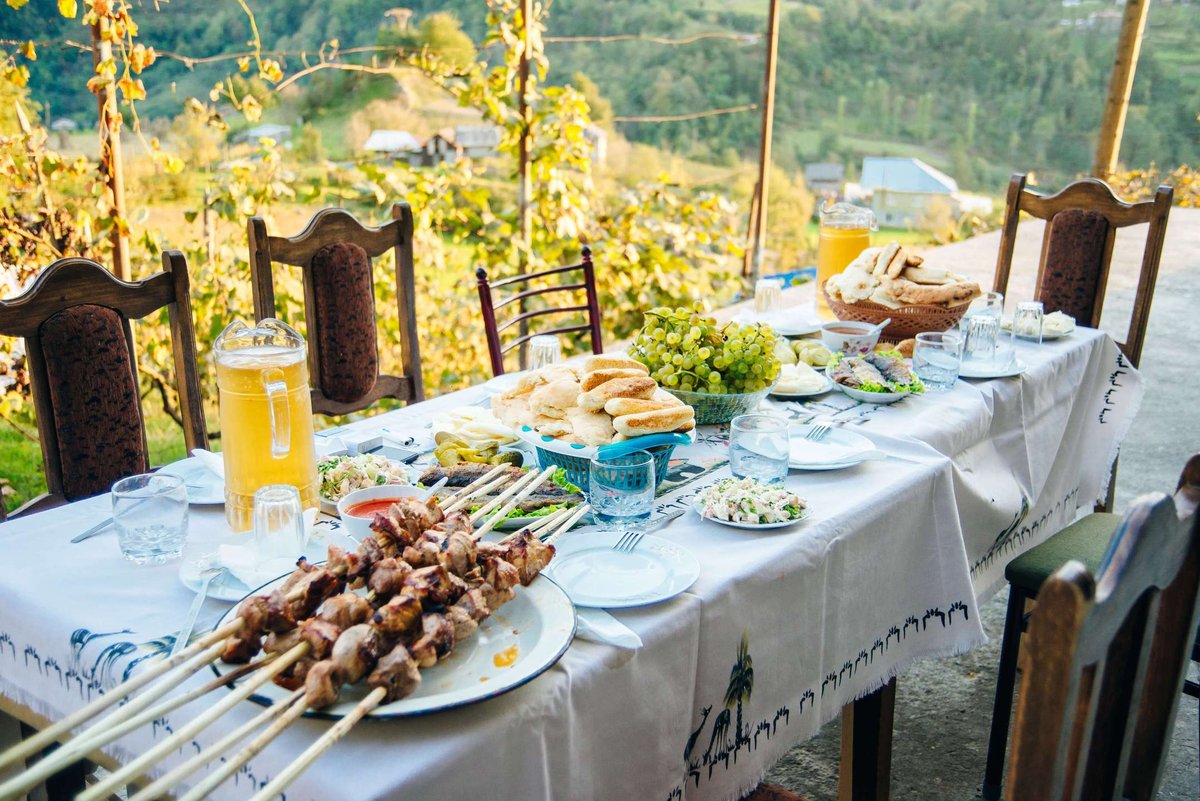
The people of Georgia truly know how to celebrate with generous feasts, exquisite drinks, and traditional dishes, so every traveler will benefit from attending celebrations in Georgian cities. It is no surprise that in 2026 Georgia celebrates more than 30 official holidays, descriptions of which you can find below. Among the major holidays in Georgia are those well known to residents of Russia and other countries, such as New Year’s Day, Epiphany, Easter, and Victory Day.
As Georgians are deeply religious and treat Christian traditions with special reverence, more than half of the holidays are church-related. However, each of them has its own unique features and unusual rituals, which will also be of great interest to tourists and guests of the country.
Traditional New Year with a Georgian Atmosphere
Celebrating the New Year in Georgia marks the beginning of a series of national holidays, and although it is celebrated all over the world, in this remarkable country it takes on distinctive national characteristics.
One of the main aspects of celebrating the New Year in Georgia is the preparation of traditional Georgian dishes that decorate the festive table.
Local residents often prepare the following dishes:
- satsivi;
- boiled or baked pork (buzhenina);
- khachapuri;
- meat and vegetable dishes;
- sweets and appetizers.
Of course, a festive feast is not complete without Eastern sweets such as churchkhela, and homemade cheese and other appetizers are also served. There is a belief that the more sweet treats on the table, the sweeter and more pleasant the coming year will be.
The central decoration of the New Year’s table is a roasted pig, without which locals cannot imagine the celebration. In addition, honey-coated walnut kozinaki must be present on the table, symbolizing a sweet Georgian life.
Traditional New Year Attributes in Georgia
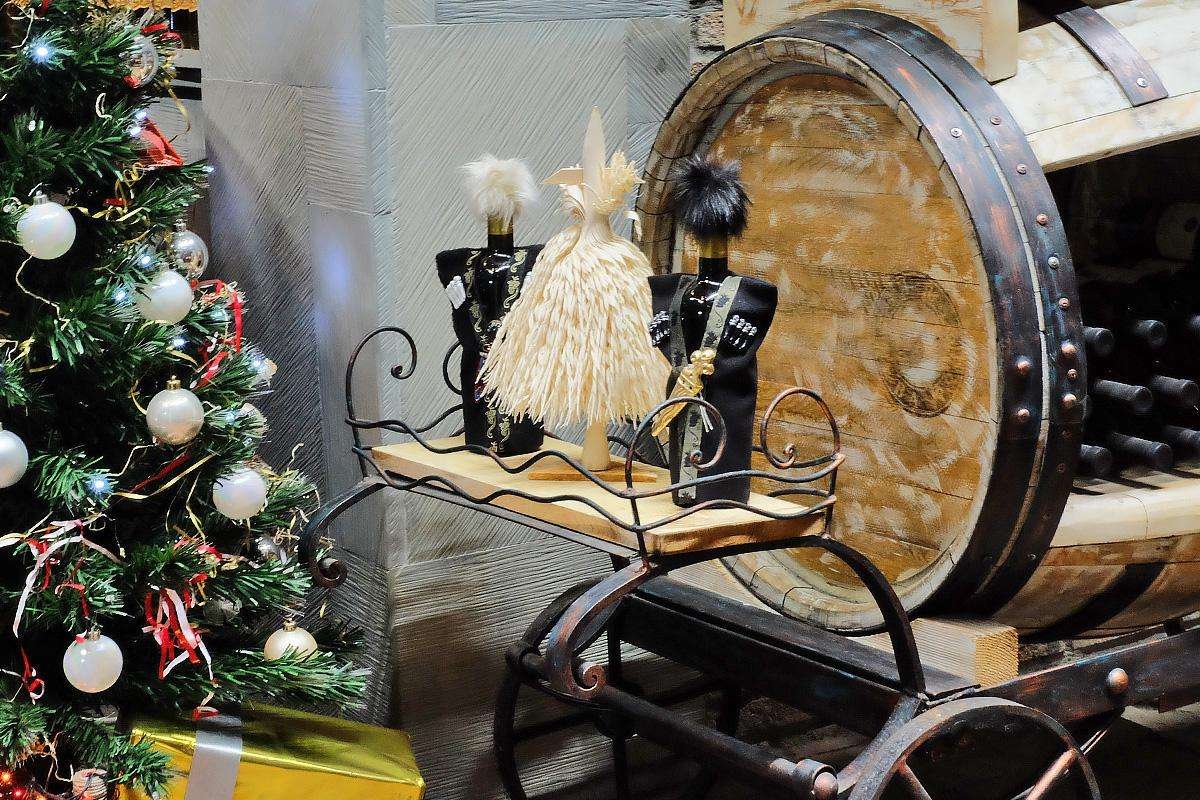
In addition to the New Year’s tree, local residents decorate chichilaki. Chichilaki is a handmade small tree that resembles a Christmas tree, but instead of toys and bright ornaments it is decorated with dried fruits. After the celebration, the chichilaki is burned, symbolically bidding farewell to all misfortunes and troubles and welcoming the New Year with joy and happiness.
It is impossible to imagine the New Year in Georgia without dances, songs, and exquisite wine flowing freely. If you have ever heard Georgian polyphonic singing, you will understand that taking part in such a celebration is a true delight. The festivities usually end with traditional national dances that captivate from the very first glance.
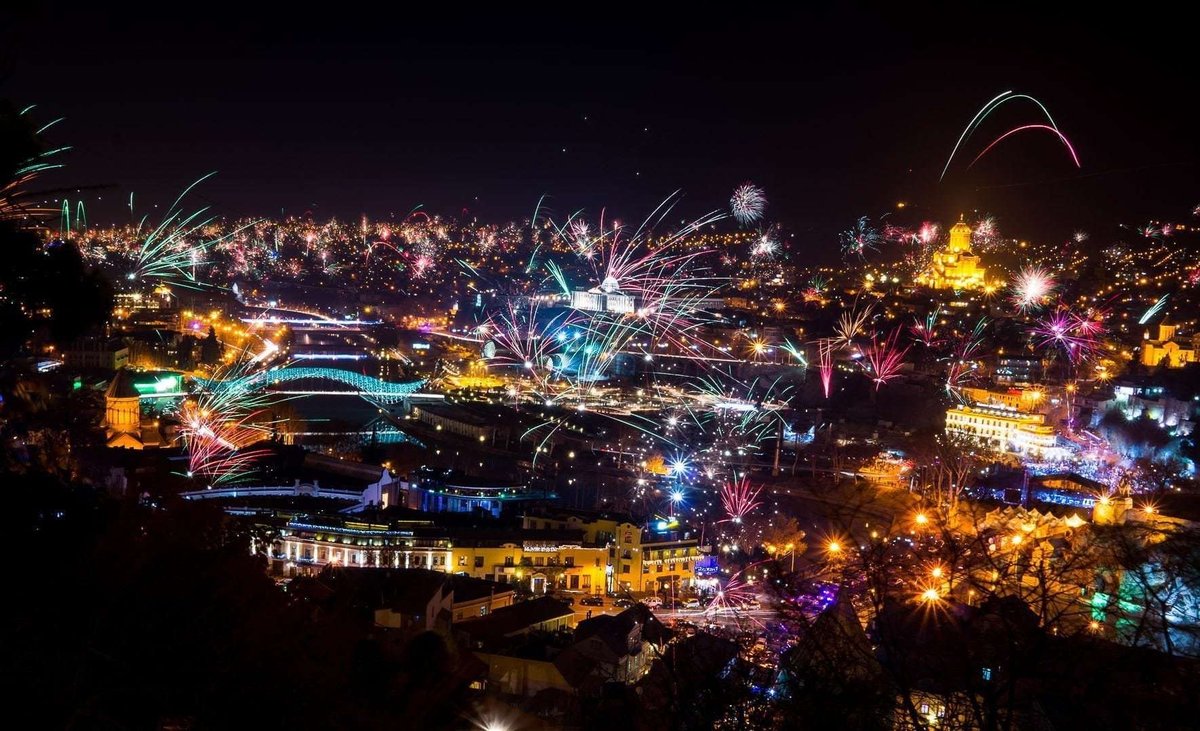
Of course, New Year celebrations in Georgia are not complete without fireworks and salutes, which have been launched here for many years. There is a special belief associated with this tradition: each firework blast is said to destroy an evil spirit, which is why locals try to set off as many bright and colorful fireworks as possible.
The National Holiday Bedoba
The official holiday of Bedoba is revered by every resident of Georgia, as it has long been believed that the way you spend January 2 determines how the entire year will unfold. For this reason, it is forbidden to feel sad, argue with family and friends, or hold grudges on this day. Instead, people are encouraged to rejoice, have fun, and help their loved ones. The name Bedoba comes from the Georgian word “bedi”, which translates as “fate”.
It is believed that harmony in the home and a good mood attract joy and happiness for the whole year. Based on this belief, a traditional custom was formed, according to which the first person to cross the threshold of the house will bring either luck and prosperity or, on the contrary, misfortune and sorrow.
That is why locals treat the choice of guests on Bedoba with special care. Such a guest is called “mekvle” in Georgian. Only kind, decent, and fortunate friends or relatives are invited, and in return they can expect exceptional hospitality from the hosts. If you are chosen as a mekvle, you are expected to bring a gift to the house, such as a basket with wine, Eastern sweets, or fruits.
The Bread of Fate — the Main Culinary Tradition
One of the central traditions of Bedoba is baking the “bread of fate.” This ritual has ancient roots and is still preserved in some regions of Georgia.
In different parts of the country, the “bread of fate” has its own distinctive features:
- In the eastern regions, it takes the form of sweet nazuki flatbreads prepared with aromatic spices.
- In southern regions, such as Samtskhe–Javakheti, people bake somini — a round bread decorated with characteristic patterns.
- Often, a coin is baked into the bread. It is believed that the person who finds it will surely have good luck in the coming year.
The tradition holds special significance in Samtskhe–Javakheti, where the custom of baking the bread of fate has been preserved for centuries. Sometimes families bake the bread in the shape of a little human figure called “basila,” which is associated with the celebration of Saint Basil the Great’s Day (January 1).
What Is Important to Remember on This Day
- It is important to maintain a positive attitude and avoid any conflicts.
- Giving or borrowing money is not allowed.
- Families prepare festive dishes, organize feasts, and exchange gifts.
Bedoba remains not just a holiday, but a symbol of kindness, harmony, and optimism that Georgians pass down from generation to generation, faithfully following their rich traditions.
Christian Christmas — an Important Church Holiday in Georgia
Christmas in Georgia is known for its special reverence and traditions that are observed by all local residents. For example, on Christmas night a candle is lit in every Georgian home and placed near a window so that it is visible to everyone passing by. This ritual serves as a reminder of the biblical events when Joseph and Mary were searching for a place for the birth of their son.
Every resident of Georgia eagerly awaits the arrival of Christmas, as it is believed that all cherished wishes and long-held plans come true on this day. On Christmas, Georgian housewives prepare a special dish called kvertsi. This traditional baked good is closely associated with the holiday and emphasizes the uniqueness of Georgian cuisine and the spirit of Christmas.
It is best to celebrate Christmas in the Georgian capital, Tbilisi, as a special festive service is held at the Holy Trinity Cathedral, led by the Catholicos-Patriarch. After the church service, which takes place in all churches across Georgia, the festive procession called “Alilo” begins.
“Alilo” is not just a procession, but a true celebration for all generations. Participants of the procession, often dressed in traditional costumes, sing Christmas hymns and spread the joyful news of the birth of Christ. During this time, beautiful spiritual chants can be heard throughout the streets of Georgia. Some local residents, after the procession, visit shelters and orphanages to distribute special gifts to those who truly need help. This noble gesture has become an important part of the celebration, showing how Georgians care for their neighbors.
The Festive Atmosphere of Tbilisi
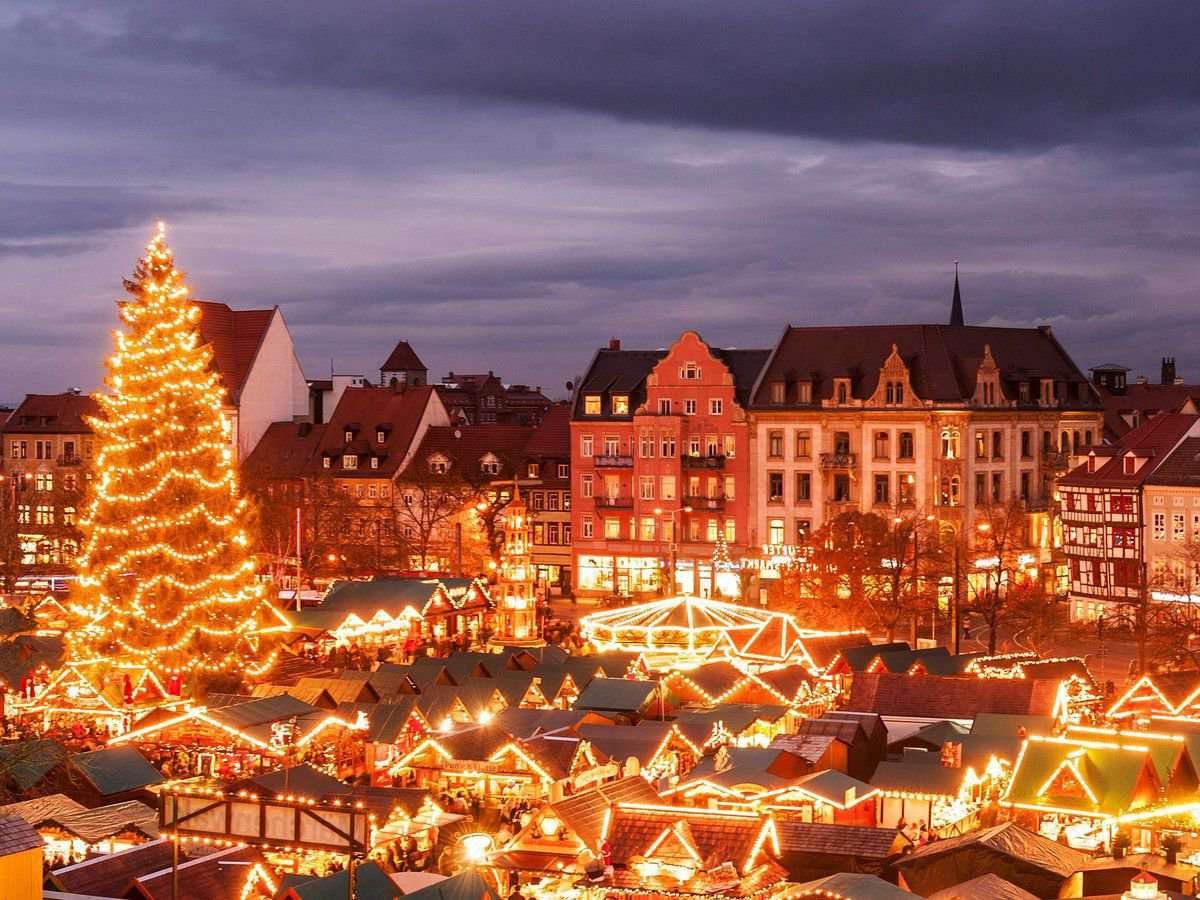
During the Christmas season, Tbilisi is transformed. The streets are decorated with lights, festive markets open, and the country’s main Christmas tree shines on the central square. This is a time when ancient traditions intertwine with modern culture, creating a truly unique holiday atmosphere.
Christmas in Georgia is not only a religious celebration, but also a symbol of care, unity, and warmth that brings families together and inspires people to perform kind and charitable deeds.
The Baptism of Christ — Natlisgheba
In Georgian tradition, the Baptism of Christ is called “Natlisgheba,” which translates as “receiving the light.” This great feast is celebrated on January 19 and is accompanied by special rituals that carry deep spiritual meaning for believers.
Main Rituals and Traditions
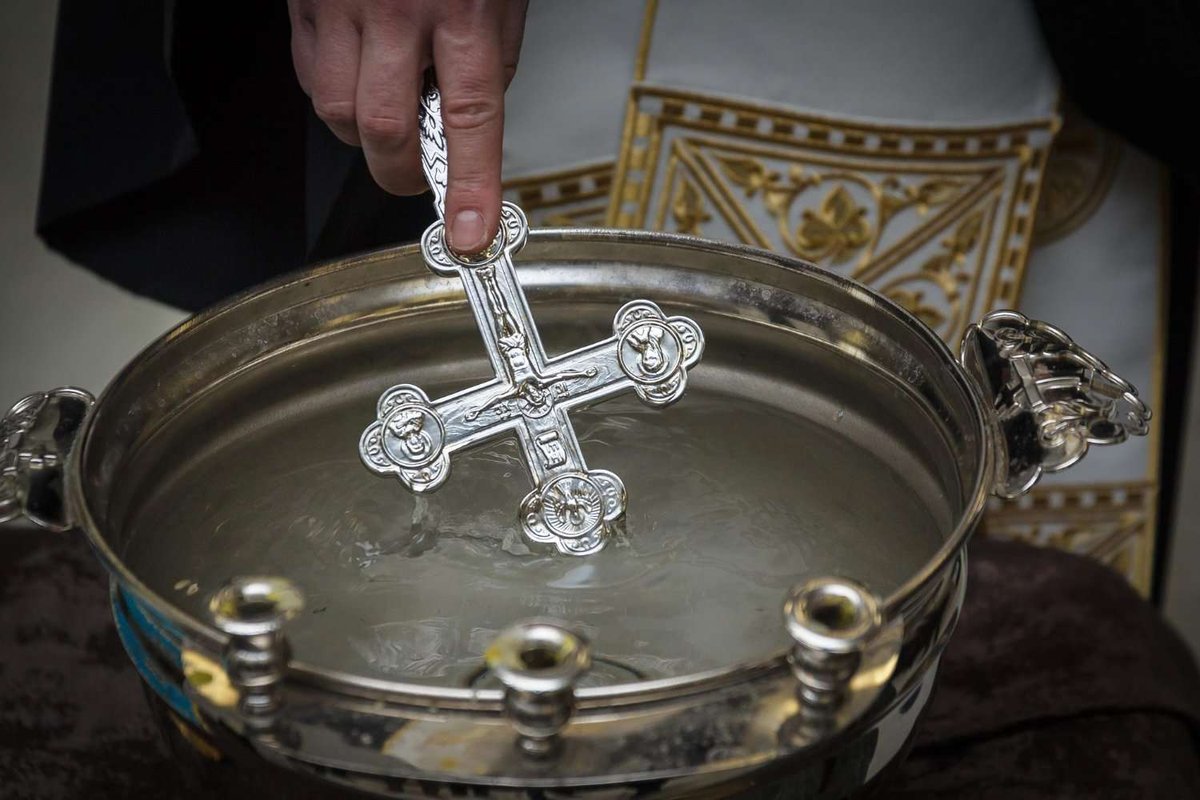
On the eve of Epiphany, a Great Blessing of Water is held in all churches across Georgia. Believers collect holy water to use throughout the year to bless their homes and seek help in difficult times. It is believed to possess healing properties and to provide spiritual support during life’s hardships.
A traditional custom on Epiphany in Georgia is to visit godparents, congratulate them, and show respect. This day is also considered especially important for the sacrament of baptizing children. At the Holy Trinity Cathedral (Tsminda Sameba) in Tbilisi, the ceremony is led by the Catholicos-Patriarch of All Georgia. For many families, baptizing their children specifically on January 19 is considered a great honor.
Catholicos-Patriarch Ilia II plays a significant role in strengthening this tradition: to date, he has more than 40,000 godchildren throughout Georgia. This fact highlights the importance of Natlisgheba as a celebration of spiritual unity and continuity of traditions.
A special celebration of Epiphany takes place in Adjara, where many believers perform a night immersion in the waters of the Black Sea. On the seashore, bonfires are lit that night to keep warm and to create an atmosphere of light, comfort, and spiritual reflection.
The holiday is traditionally welcomed within the family circle; however, on January 19, it is customary to visit friends and relatives. According to tradition, guests bring khachapuri and a rooster, sometimes decorated with a red ribbon. Even if you are far from religion, it is worth going out to the waterfront at night. The sight is truly breathtaking: bonfires burn along the entire coastline, creating a magical and unforgettable atmosphere.
The Spiritual Significance of the Holiday
On Natlisgheba, believers recall the biblical event when Jesus came to the River Jordan to be baptized by John the Baptist. At that moment, the Holy Trinity was revealed to the world: God the Son, God the Father, and God the Holy Spirit. This event symbolizes purification, light, and the renewal of the soul.
This day unites Georgians, reminding them of the importance of faith, traditions, and unity. Festive church services are held in temples throughout the country, gathering thousands of believers in prayer and joy.
The Spring Festival Lamproba
In honor of the great Georgian warriors and their patron, Saint George, one of the main holidays of Svaneti — Lamproba — is celebrated two weeks before the Easter festivities. This holiday symbolizes respect for ancestors and the connection between generations, uniting traditions and rituals that have been passed down from century to century.
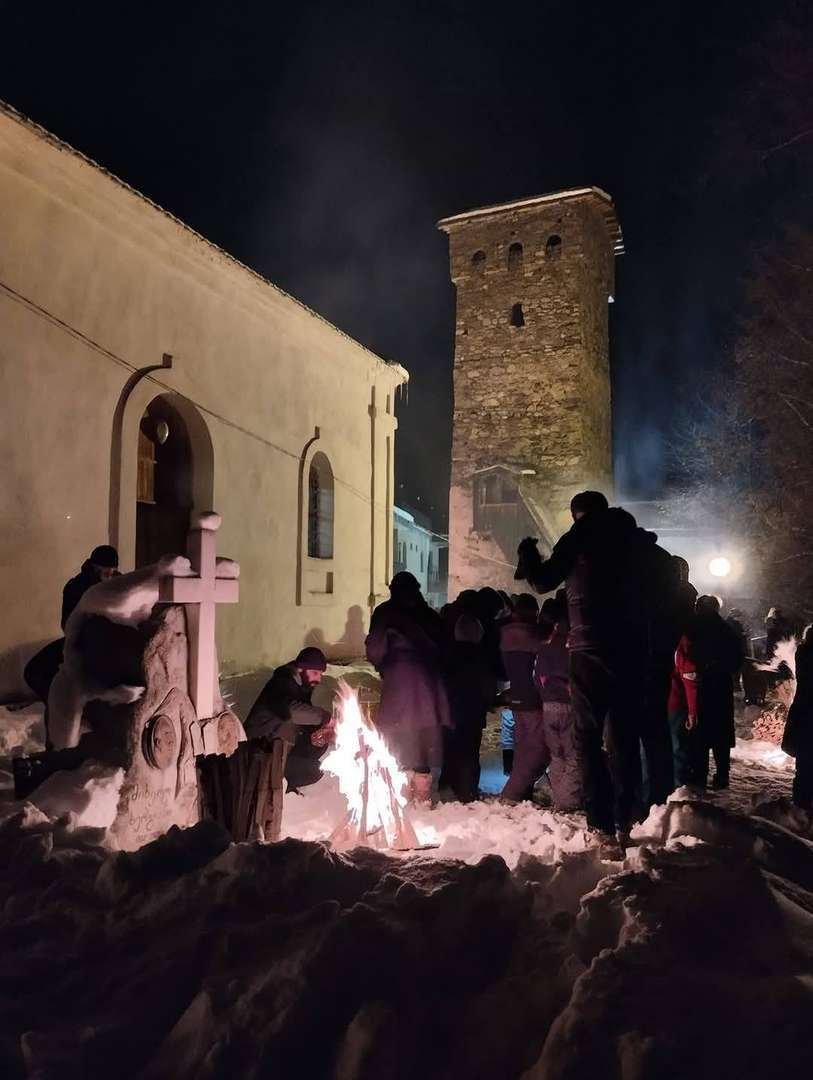
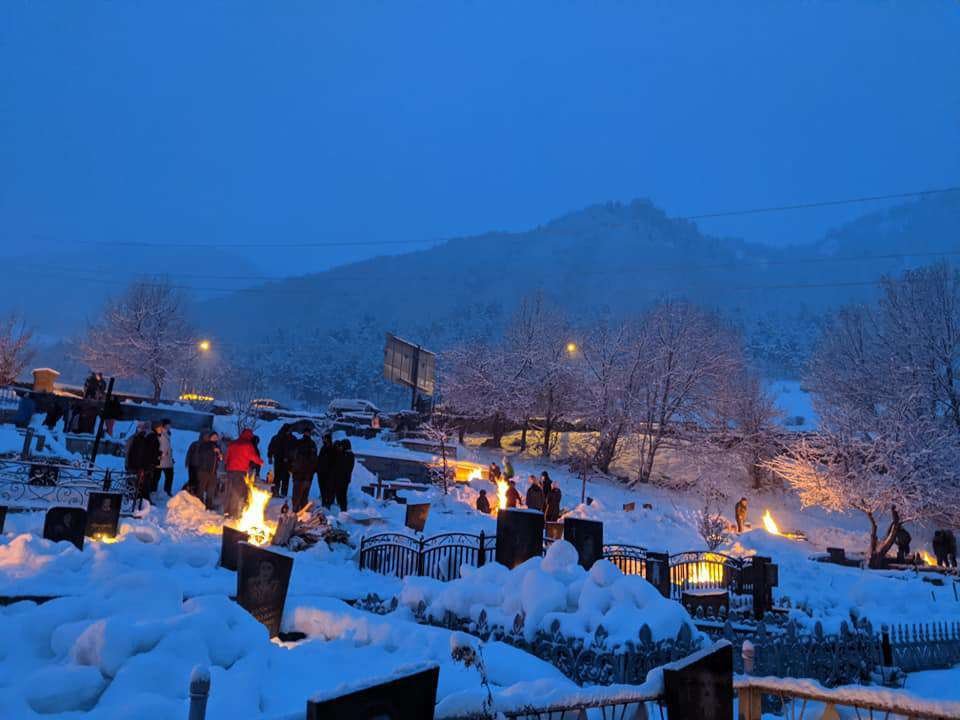
On this day, memorial bonfires are lit, torchlight processions take place, and Georgians commemorate their ancestors at the festive table. According to tradition, each household lights as many torches as there are men in the family. If there is an expectant mother in the household, an additional torch is also lit, as a boy may be born.
Special Traditions of Lamproba
The celebration begins with a procession in which residents carry burning torches, symbolizing the memory of fallen heroes. The procession moves toward churches or temples, where the brought torches are assembled into a large memorial bonfire that becomes the focal point of the celebration.
After the procession, a communal feast begins. Tables are set up in the courtyard of the church, and under the flickering light of the bonfire, traditional toasts and prayers are heard. This is a time when families remember their ancestors, share memories, and tell stories about those who have passed away, preserving their legacy in living memory.
Lamproba is not only a day of remembrance, but also an opportunity to strengthen family and community bonds. The sound of Georgian songs and the glow of the bonfires create an atmosphere filled with respect for traditions and reverence for ancestors.
Berikaoba: The Georgian Carnival of Spring
Georgia is famous for its vibrant and distinctive celebrations, and one of the most unique among them is Berikaoba — an ancient carnival symbolizing the end of winter and the welcoming of spring. This festival combines theatrical performances, masquerades, and folk festivities, reflecting the rich cultural
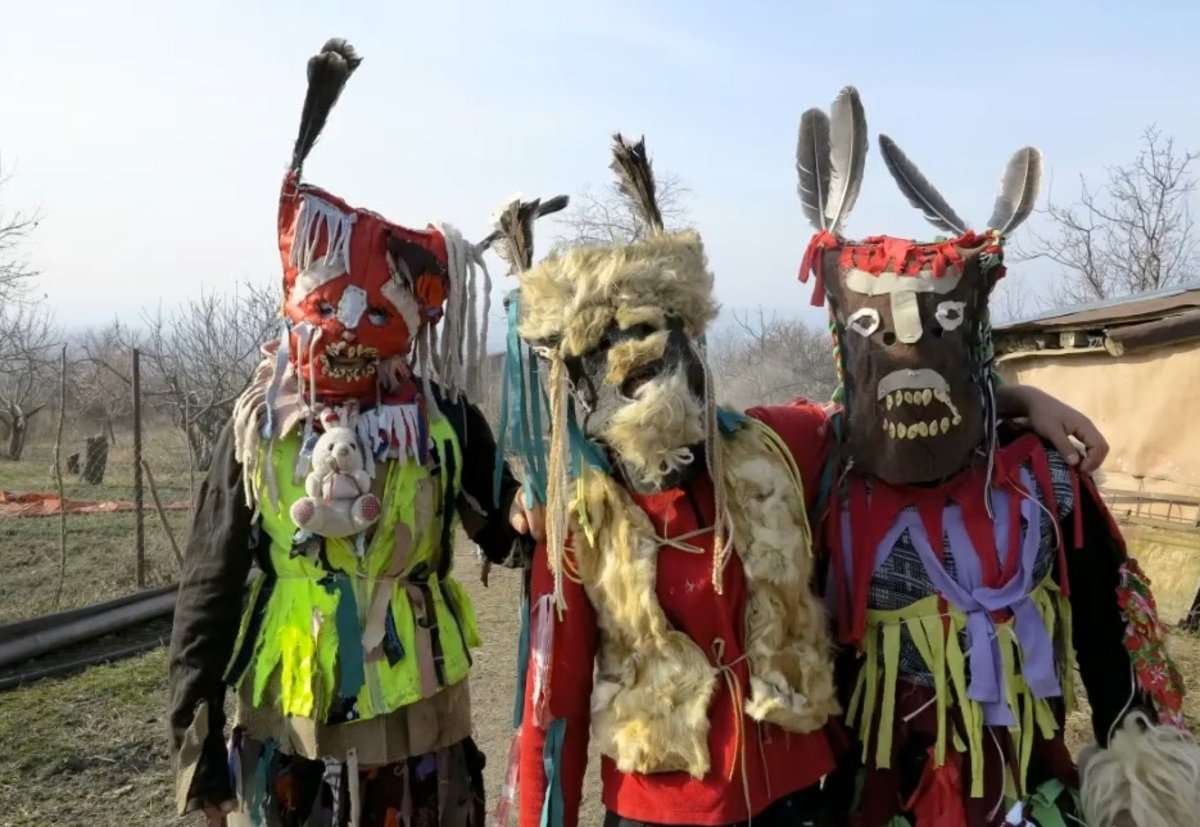
The history of Berikaoba spans more than 3,000 years and is connected to pagan rituals dedicated to the gods of fertility. The name “Berikaoba” comes from the word “beriki,” which refers to folk actors who took part in street theatrical performances. Originally, the festival was held in early spring, when nature awakened from its winter sleep, and was intended to attract good fortune and a bountiful harvest. Men wore masks and costumes portraying various characters and animals, such as a bear 🐻, a goat 🐐, or a wild boar 🐗, symbolizing the forces of nature and fertility.
Today, Berikaoba is celebrated during Maslenitsa week, which precedes the Great Lent. The streets of cities and villages are filled with costumed participants performing improvised scenes that mock social vices or praise traditional values. The performances feature characters such as the bride and groom, a doctor, a judge, as well as animals. An integral part of the celebration is folk dances and songs, creating an atmosphere of joyful festivity shared by all.
🍽️ Traditional Treats
During Berikaoba, tables are filled with a variety of Georgian dishes that symbolize abundance and hospitality. Among them are:
- Nazuki: sweet bread with spices.
- Kada: a layered pastry filled with nuts and sugar.
- Mchadi: corn flatbreads, often served with cheese.
- Gebzhalia: a cheese dish with mint and matsoni.
These treats are an integral part of the festive table and reflect the richness of Georgian culinary tradition.
Berikaoba is a celebration that brings people together, preserving and passing down Georgia’s cultural heritage from generation to generation. It continues to amaze and inspire, remaining a living symbol of spring renewal and joy.
Georgian Mother’s Day
The series of women’s holidays in Georgia begins with Mother’s Day, which is celebrated on March 3, followed by International Women’s Day on March 8. The holiday dedicated to mothers dates back to 1991, and over the years it has become an integral part of everyday life for local residents.
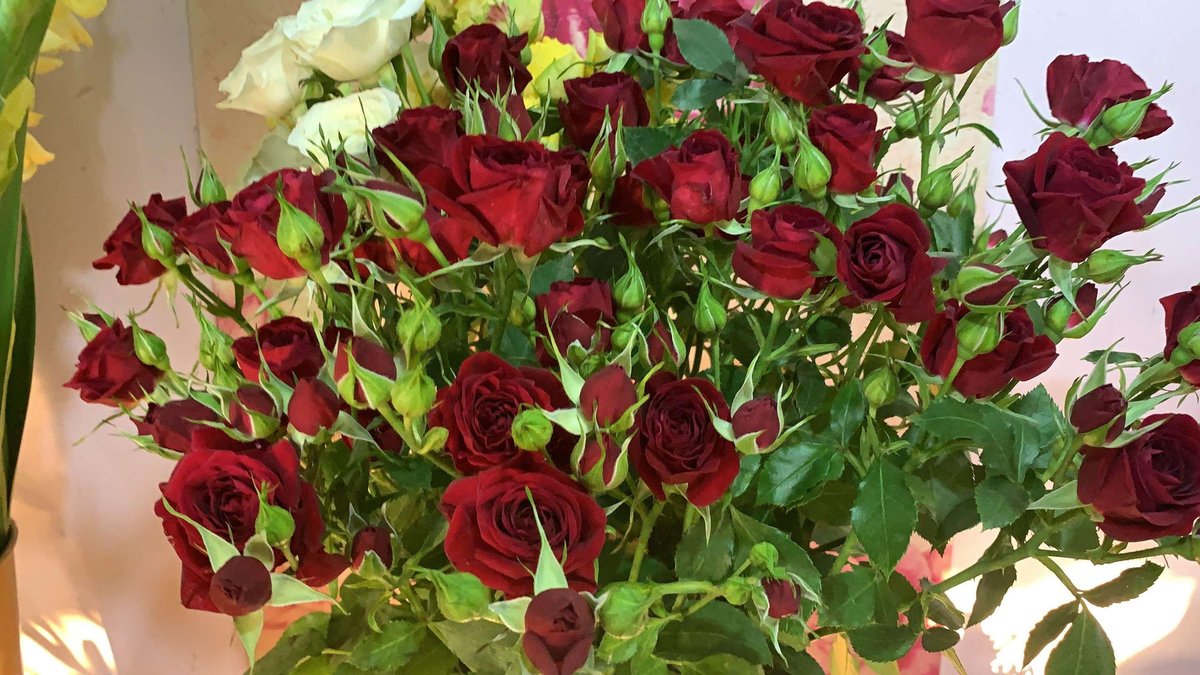
On Mother’s Day, flowers, luxurious bouquets, and various gift sets are sold on the streets of every Georgian city and even in small villages. On this day, locals make sure to congratulate their mothers, grandmothers, and wives. In Georgia, mothers are treated with deep respect — their role is considered sacred. There is even a monumental statue in Tbilisi symbolizing Mother, Homeland, and Georgia.
The festive mood on March 3 can be seen on the faces of everyone you meet. On this day, all cities across Georgia host celebrations, cheerful shows and concerts, as well as charity evenings and events.

The Emotional and Charming International Women’s Day
Georgian men are famous worldwide for their gallantry, and on Women’s Day local men treat women with special care, tenderness, and attention. That is why many women dream of celebrating March 8 in Georgia.
On this festive day, every woman receives flowers, countless compliments, and gifts from her admirers. The celebration of International Women’s Day takes place around the Georgian table, accompanied by national dances and songs that glorify feminine beauty and charm. Beautiful speeches, magnificent Georgian polyphonic singing, and exquisite wine all come together to create a true fairy tale.
The Spring Festival of Nowruz
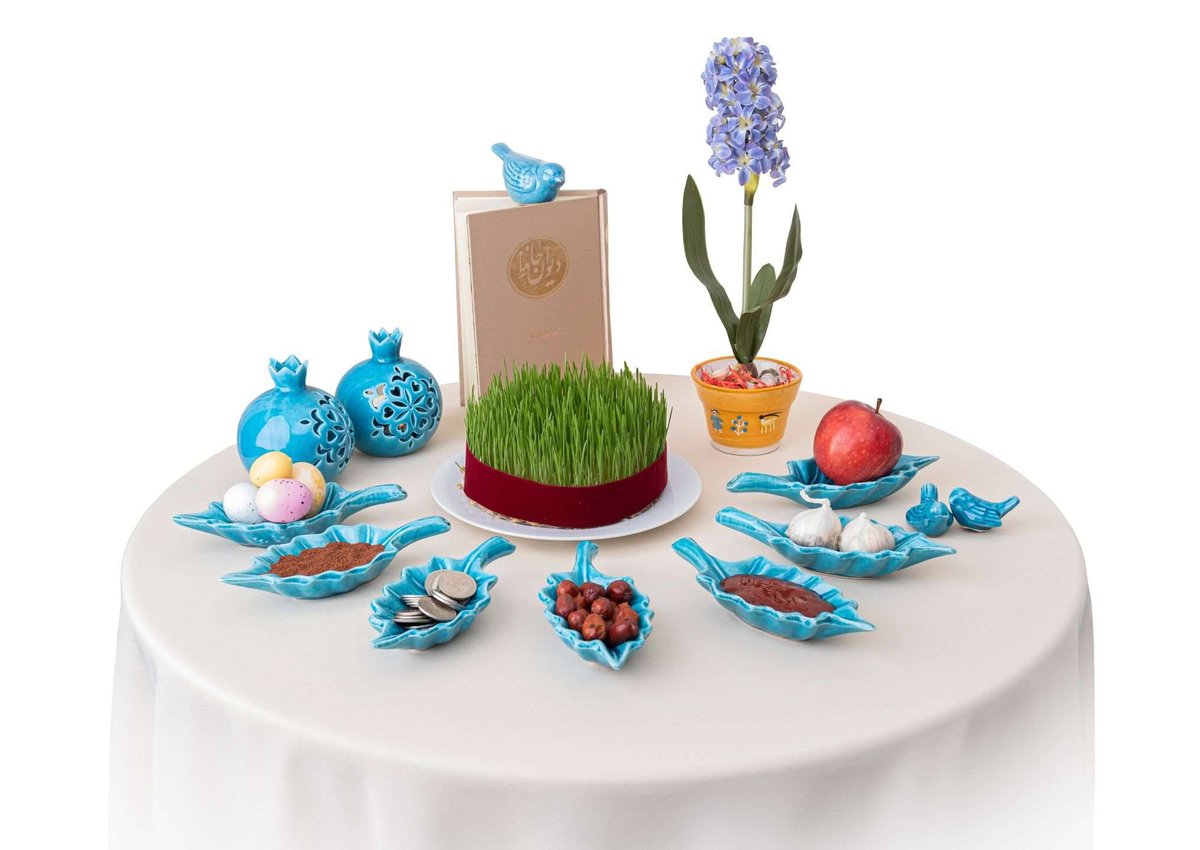
On the day of the spring equinox, according to ancient customs, the festival of Nowruz is celebrated, which means “the first day of spring.” It is linked to the solar calendar, which was followed by the people of ancient Iran who worshipped the cult of the Sun. According to sacred traditions, people are obliged to welcome the day of the rebirth of life.
Nowruz is mainly considered a Muslim holiday, but the people of Georgia also gladly celebrate this symbolic day. Preparations begin about a month in advance: debts are repaid, homes are cleaned, and thoughts are purified.
On the day of the celebration itself, it is traditional to jump over bonfires and streams, splash each other with water, and prepare seven-grain porridge along with other national dishes. The main ingredient — wheat — must be grown by one’s own hands in order to attract prosperity and well-being into the home.
Commemorative Date — National Unity Day of Georgia
This day marks the final establishment of Georgia’s independence and freedom. The tragic events of April 9, 1989, will forever remain in the memory of the Georgian people, as about 30 citizens lost their lives and more than 250 people were seriously injured as a result of a peaceful public rally and uprising.
On National Unity Day, people throughout Georgia remember these events and honor those who bravely fought for their homeland and its freedom. Civil memorial services are held in churches across the country. In addition, local residents lay flowers and light candles at monuments dedicated to all those who perished on that tragic day. Although the date carries a painful history, Georgians remember their ancestors with pride, dignity, and heartfelt respect.
Easter Holidays in Georgia Begin with Good Friday
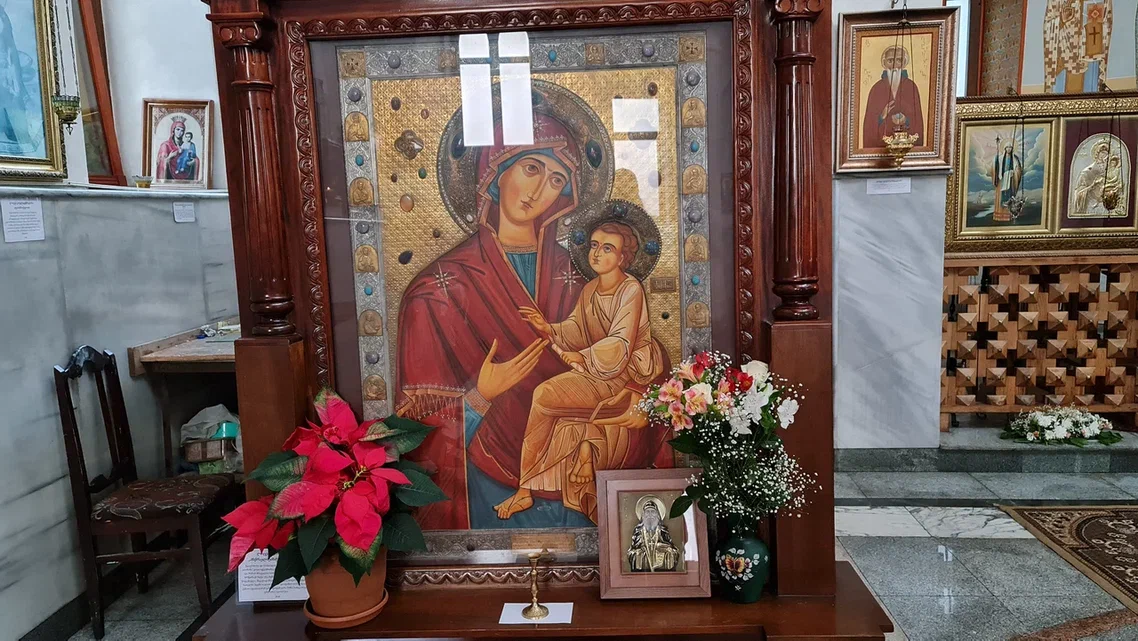
This is the first of the four days of Easter holidays celebrated in Georgia with special reverence. Good Friday is the strictest day of Great Lent preceding Easter. For Orthodox believers in Georgia, this day symbolizes great sorrow, representing the suffering of Jesus Christ during His earthly life, as it was on this day that Jesus was put on trial and later crucified.
Church services are held in all churches across Georgia, usually beginning closer to 2:00 p.m. These services are dedicated to the Passion of Christ. After the service, toward the evening, the Shroud bearing the image of Christ’s body taken down from the Cross is solemnly brought out. All believers venerate it, after which the Shroud remains in the center of the Orthodox church for three days.
On Good Friday, all believers observe strict rules and prohibitions. For example, it is forbidden to:
- do household chores;
- work in the garden or fields;
- attend entertainment events such as shows and concerts;
- eating is not recommended — only drinking water is permitted.
The End of Great Lent — Holy Saturday
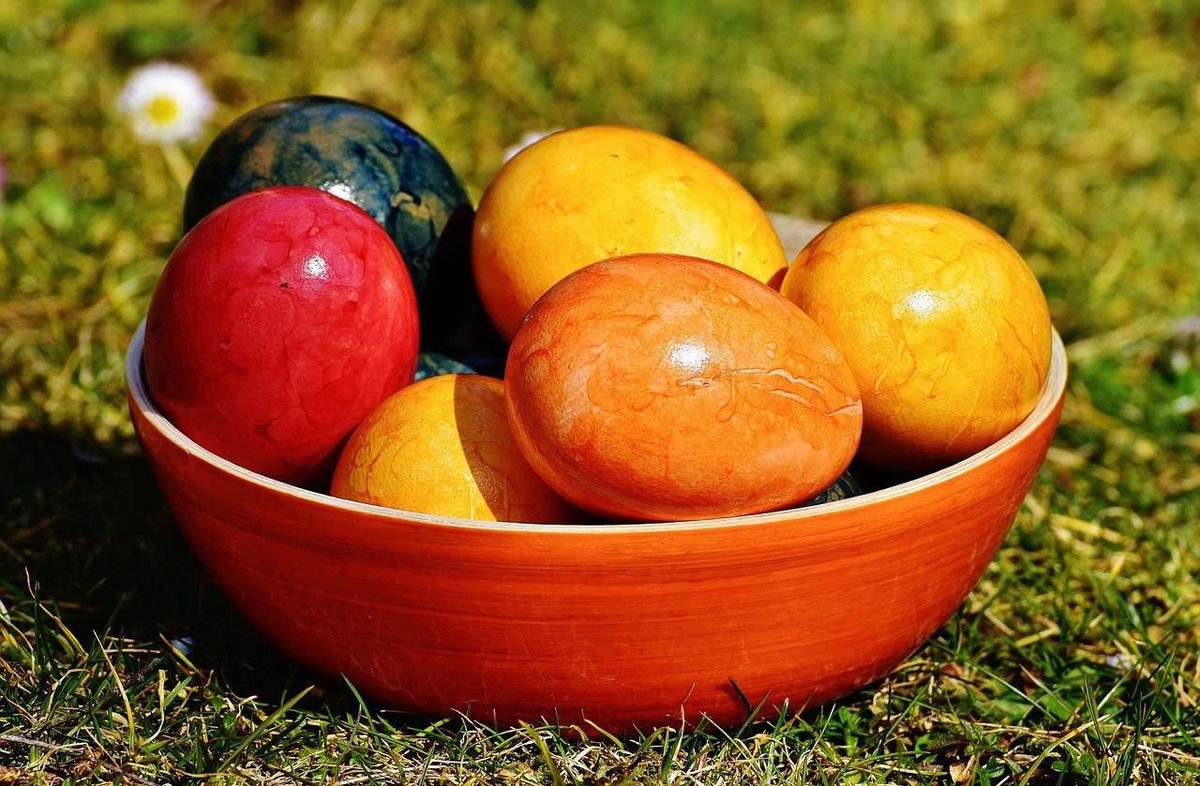
This day marks the end of Great Lent and the final preparations for celebrating Easter. On Holy Saturday, it is customary to begin Easter preparations. Local residents dye eggs and prepare the main symbols of the holiday: Easter bread (kulich) and paskha. In Georgia, Easter eggs are dyed exclusively red, using onion skins, and artificial dyes are traditionally not used. Georgian Easter breads are not decorated; instead, they are blessed in Orthodox churches.
First and foremost, church services are held throughout Georgia, usually beginning closer to the evening and taking place in all churches. These services carry both a sorrowful and a joyful character, reflecting mourning and anticipation of the coming Easter.
On the evening of Holy Saturday, the Holy Liturgy is celebrated in Orthodox churches, after which the proclamation of the Bright Resurrection of Christ is made. On this day, believers observe a strict fast, and after 6:00 p.m., eating is forbidden. At night, a procession (litany) takes place, parishioners congratulate one another and sing “Christ Is Risen” in the Georgian tradition.
Georgian Day of Love
This day is usually not a public holiday.
It began to be celebrated in Georgia relatively recently — at the end of the twentieth century — on the initiative of the well-known public figure Besik Chubinidze, as a form of “import substitution” for the European Saint Valentine’s Day. However, Georgians have since happily embraced and celebrate both holidays — after all, there can never be too much love.
On the Georgian Day of Love, people give gifts, flowers, sweets, and other pleasant tokens to their loved ones. Quite often, men choose this very day to propose marriage to their beloved.
Church Easter — the Main Christian Holiday for Georgians
The people of Georgia treat Easter with special reverence and anticipation, as it is one of their most beloved holidays. In Georgian, Easter is called “Aghdgoma,” the Easter greeting is “Kriste Aghsdga!”, and the traditional response is “Cheshmaritad Aghsdga!” (“Truly He is Risen!”).
On this day in Georgia, traditional festivities include archery competitions and the ancient game “lelo burti.” During the celebration, locals divide into teams and throw a 16-kilogram ball, a game that closely resembles modern rugby. After the games, families gather around the festive table to celebrate Easter, while the culmination of the holiday is the night service in Orthodox churches and the procession of the Cross.
On Easter morning, Georgians observe a beloved custom — egg tapping. Each family member chooses the strongest painted egg by tapping it against others, creating a playful competition among relatives. The person whose egg remains unbroken the longest is considered the winner.
Grateful Easter Monday — the End of the Easter Holidays
This is the final day of Easter celebrations, traditionally dedicated to remembering departed relatives and loved ones. Local residents visit cemeteries and bring traditional Easter food to the graves. Many light candles at the tombstones of their relatives and roll painted eggs across the graves.
Although Easter Monday has a solemn and somewhat somber character, those who observe it strive to fill the atmosphere with gratitude and remembrance of their ancestors. By visiting cemeteries, Georgians symbolically convey to their departed loved ones that Christ is Risen, which is why you will not see sorrowful expressions on their faces.
It is also customary on this day to drink a glass of wine at the graves of loved ones or even hold a small feast. In this way, Georgians express the hope that their relatives will not be alone in the afterlife and that they, too, will continue to be visited by family and loved ones.
The Samegrelo Festival Tsatskhuroba
After Easter, the people of Samegrelo celebrate Bright Week. A special service is held at the Archangel Church in the village of Tsatskhuru for childless couples who dream of having a child. Such couples receive Communion, take part in the ritual, and pray for divine mercy and healing.
Other parishioners and believers also come to express gratitude and bring offerings to the church. On this day, every household in the village prepares a special table with traditional national dishes and warmly welcomes everyone who enters the courtyard. There is a belief that the family who feeds the greatest number of guests will receive special grace for the entire year.
This unusual yet ancient Georgian church festival attracts more and more tourists and visitors from all over the world each year — people who hope to find the blessing of children and family happiness.
Kutaisoba (Gviriloba) — the Day of the City of Kutaisi
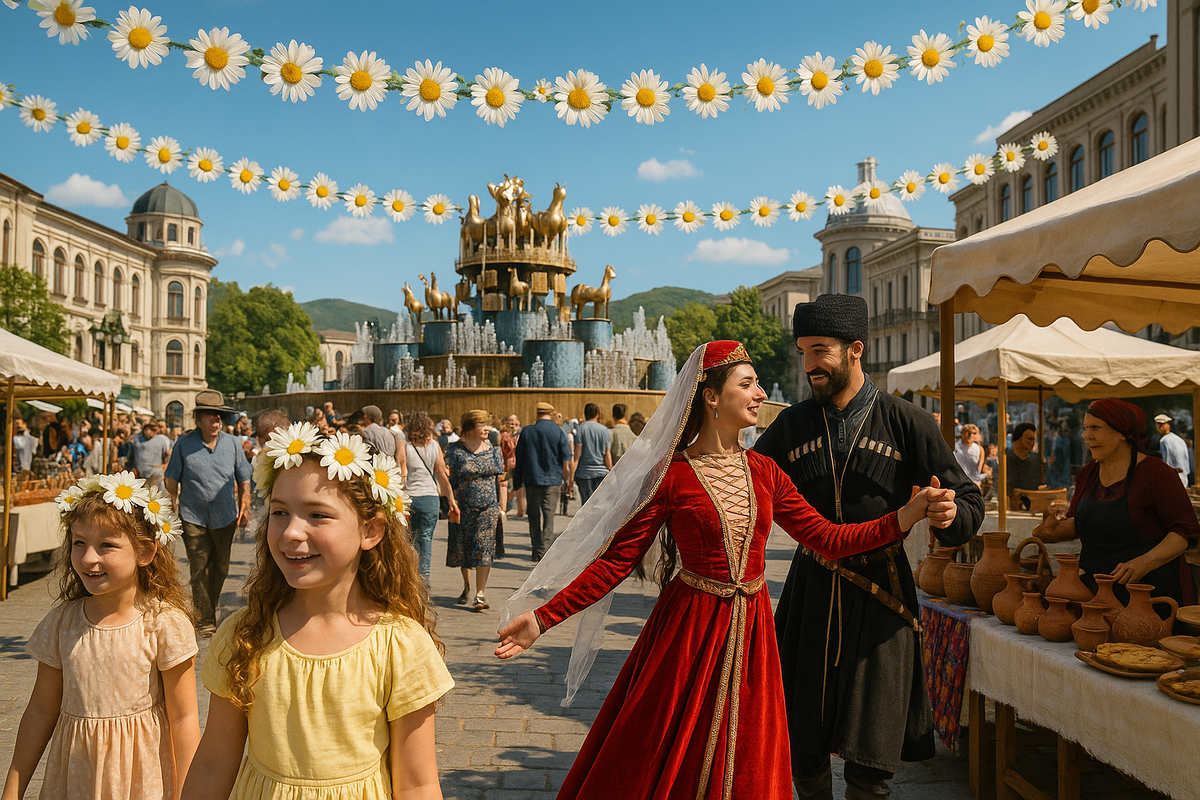
Kutaisoba (Gviriloba) is the City Day of Kutaisi, celebrated annually in early May. The holiday symbolizes spring, renewal, and kindness, and its main symbol is the daisy. On this day, the city hosts street fairs, concerts, folk dances, and theatrical parades. The city center is decorated with flowers, while charity events and family activities take place. Kutaisoba is a heartfelt celebration that unites residents and guests of Kutaisi in an atmosphere of joy and tradition.
Batumoba — Batumi City Day
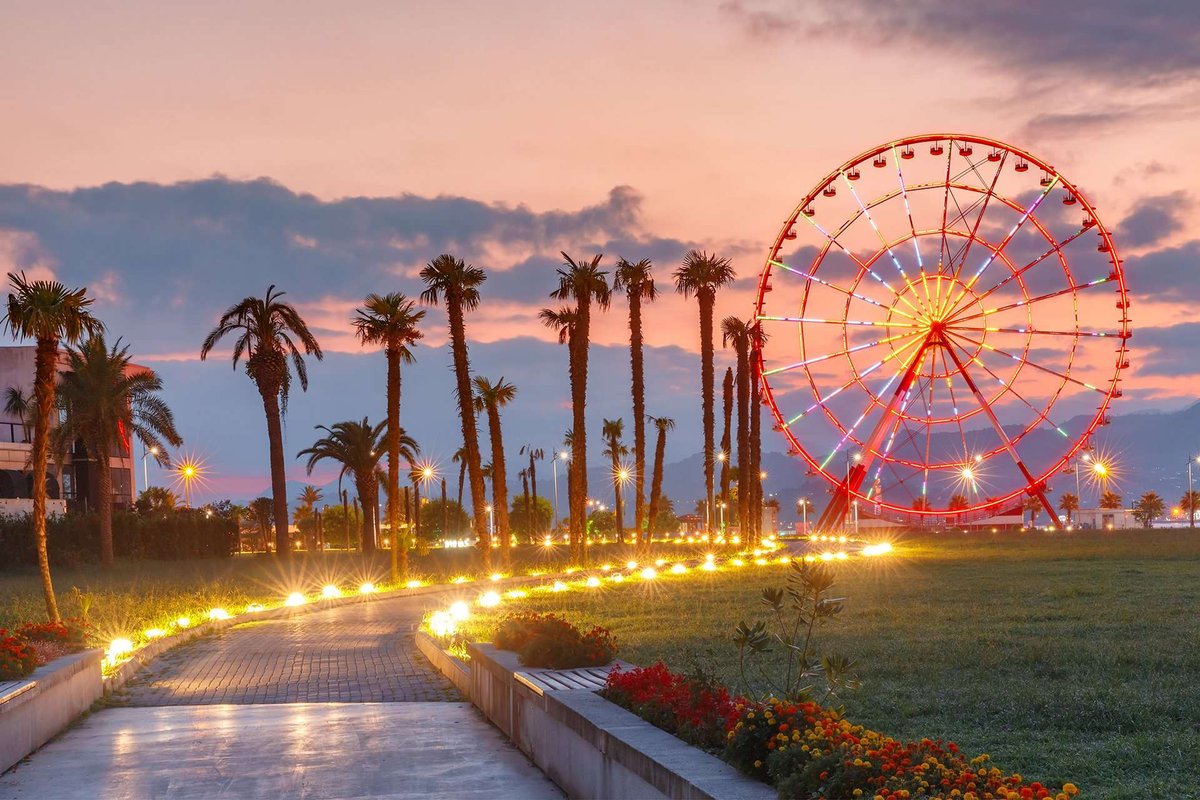
Every spring, in early May, Batumi turns into a true festive fairy tale. Batumoba is not just the city’s birthday, but a full-scale festival of soul, music, and Georgian hospitality. Europe Square, the Old Town, and the Seaside Boulevard become stages for concerts, dances, theatrical performances, and street fairs.
Thousands of people — both locals and tourists — take to the streets to celebrate together, sing, dance, and enjoy life. Here you can taste national dishes, listen to Georgian choirs, take photos near festive installations, and feel how Batumi lives and sings.
✨ Batumoba is a celebration worth experiencing at least once. It offers not only vivid impressions but also memories you will want to return to again and again.
The Great Victory Day over Fascism
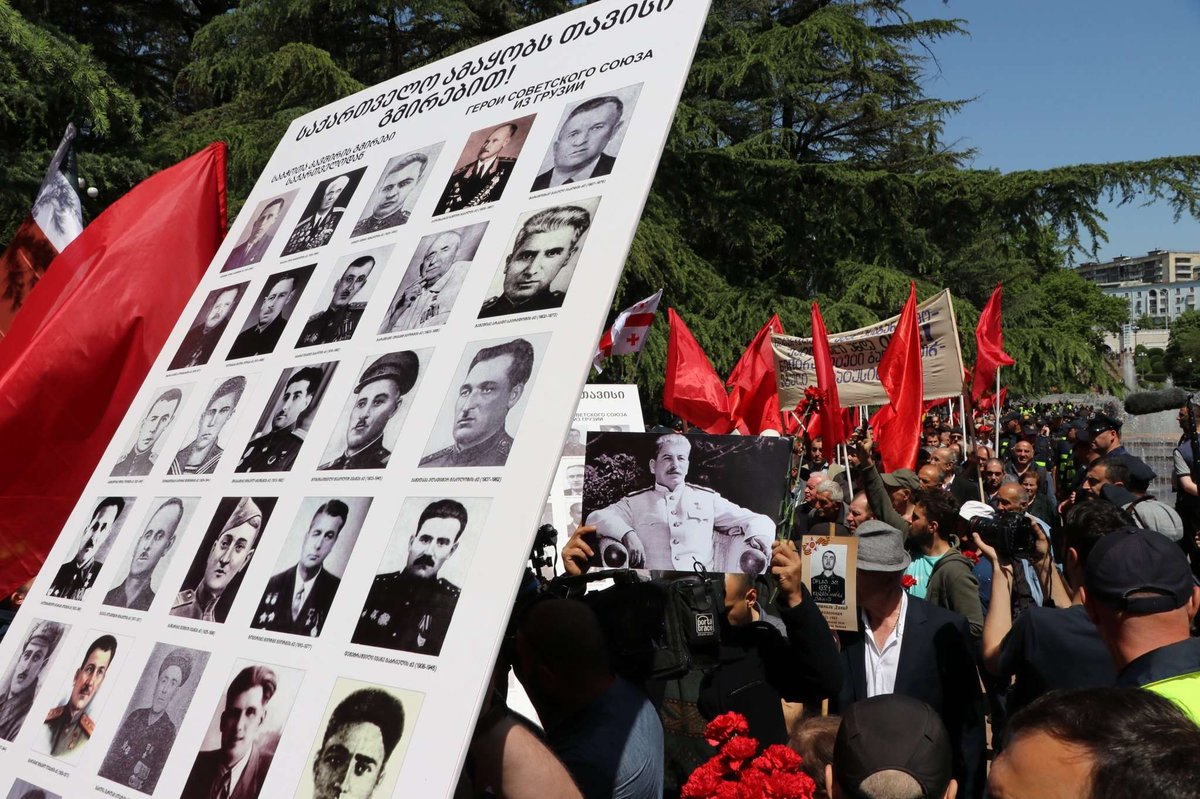
This significant day is celebrated as a great victory over fascist ideology. In Tbilisi, May 9 is solemnly marked in Vake Park. Once there, you can witness a vivid reenactment of the events of spring 1945, when couples danced joyfully in flower-filled squares to the sounds of a brass band near the Tomb of the Unknown Soldier.
On this day in Georgia, veterans and children of the war are honored with numerous bouquets of flowers and treated with deep respect and gratitude. The holiday dedicated to the end of a long and terrible war unfolds in an atmosphere that is both festive and mournful. Veterans are honored with banquets, heartfelt words of gratitude, and wishes of health and happiness.
The Day of Saint Andrew the First-Called
According to a decree of the Holy Synod of the Georgian Orthodox Church, on May 12 Saint Andrew the First-Called arrived in Georgia to preach Christianity.
On the day dedicated to this holy apostle, Orthodox Christians gather for services at the Blue Monastery (“Lurdji Monastery”). The church was built in the 12th century and today bears his name. Saint Andrew the First-Called is deeply revered and loved by the local population, as he was the first to preach Christianity on the territory of present-day Georgia.
During his lifetime, the Apostle Andrew performed many miraculous deeds. Through his prayers, people suffering from severe illnesses were healed. Even today, many believers turn to Saint Andrew the First-Called for help in difficult life situations.
Saint Andrew the First-Called is considered the patron saint of marriage and family values. Prayers addressed to him are believed to help lovers get married and build harmonious family relationships.
The Day of Remembrance of Queen Tamar — Tamaroba
The traditional Georgian holiday honoring the Blessed Queen Tamar is celebrated with special grandeur throughout the country. The most solemn events take place in Tbilisi and Akhaltsikhe. On this day, prayer services and church liturgies are held, and special prayers are offered.
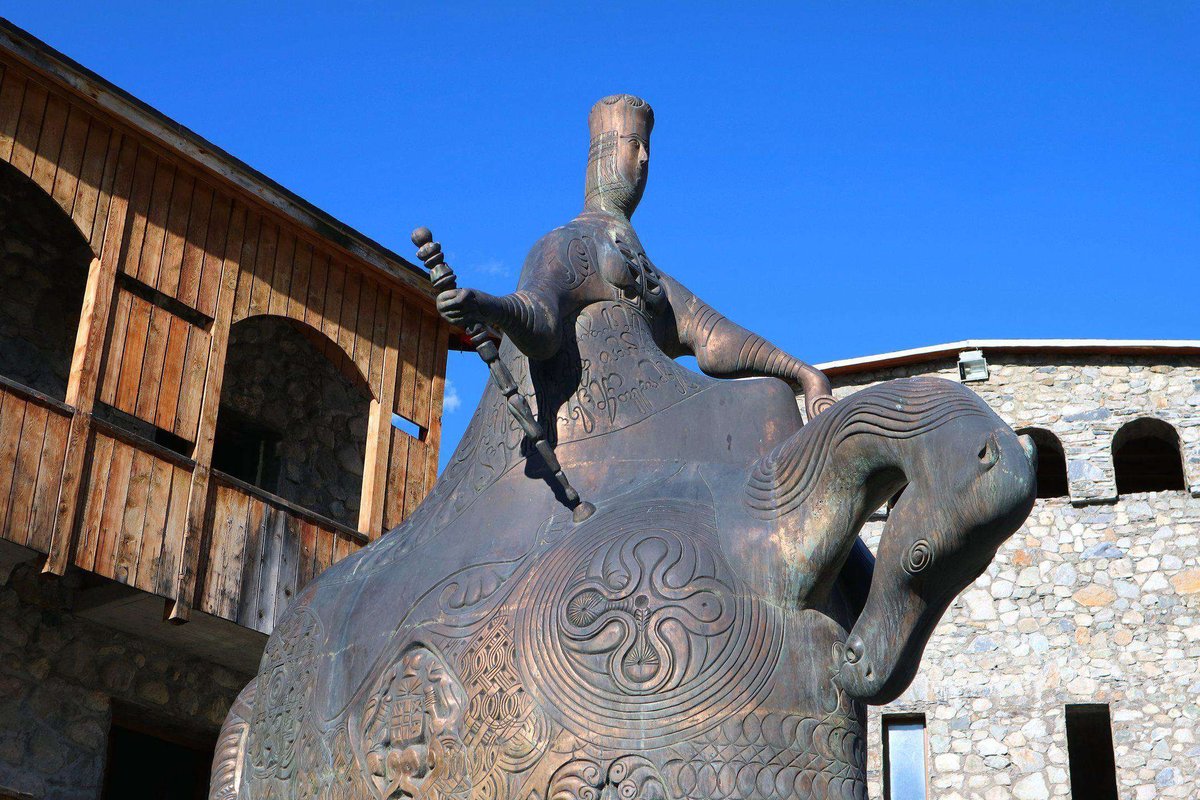
For more than a hundred years, since the restoration of the autocephaly of the Georgian Church, a Day of Remembrance of Saint Queen Tamar — Tamaroba — has been established. In the southern part of the country, near the cave city of Vardzia, where a monument to Queen Tamar stands, residents from all over Georgia gather to honor her memory.
The Birthday of Konstantine Gamsakhurdia — Konstantineoba
Every year on May 15, all of Georgia celebrates a remarkable holiday — the birthday of the great writer Konstantine Gamsakhurdia. The main festive events take place in his hometown, Abasha. A museum dedicated to the life and work of Konstantine Simonovich is located there, where everyone can learn more about his legacy.
A festive feast, traditional horse races known as “Marula,” and captivating stories about one of the most influential Georgian cultural figures await everyone who visits Abasha on this day.
Independence and Freedom Day of Georgia from the Russian Empire
The official state holiday symbolizing Georgia’s freedom is celebrated on May 26. This is a great day for all Georgians, as it was on May 26, 1918, that Georgia became an independent country following the collapse of the Russian Empire. However, this period lasted only three years, after which the state became part of the USSR for a long time. Only on March 31, 1991, did Georgia finally regain its status as an independent state.
Independence Day in Georgia is celebrated on a grand scale, with military personnel and equipment prepared especially for the occasion. The celebration begins with a parade on Rustaveli Avenue in Tbilisi. Thousands of servicemen from various branches of the armed forces march along the capital’s main avenue, followed by columns of military equipment. At the same time, several aircraft draw spectacular patterns in the sky above the parade.
After the parade, children and young people actively take part in the festivities, performing in a celebratory concert. Sports events and competitive games are also held on this day. Toward the evening, an impressive show concert takes place in the historic center of Tbilisi, traditionally ending with a festive fireworks display.
On Independence Day, the “Vardobiste” Flower Festival is held in Vake Park. Visitors can admire a wide variety of flowers and plants arranged into a vibrant, colorful display symbolizing Georgia’s victory and independence.
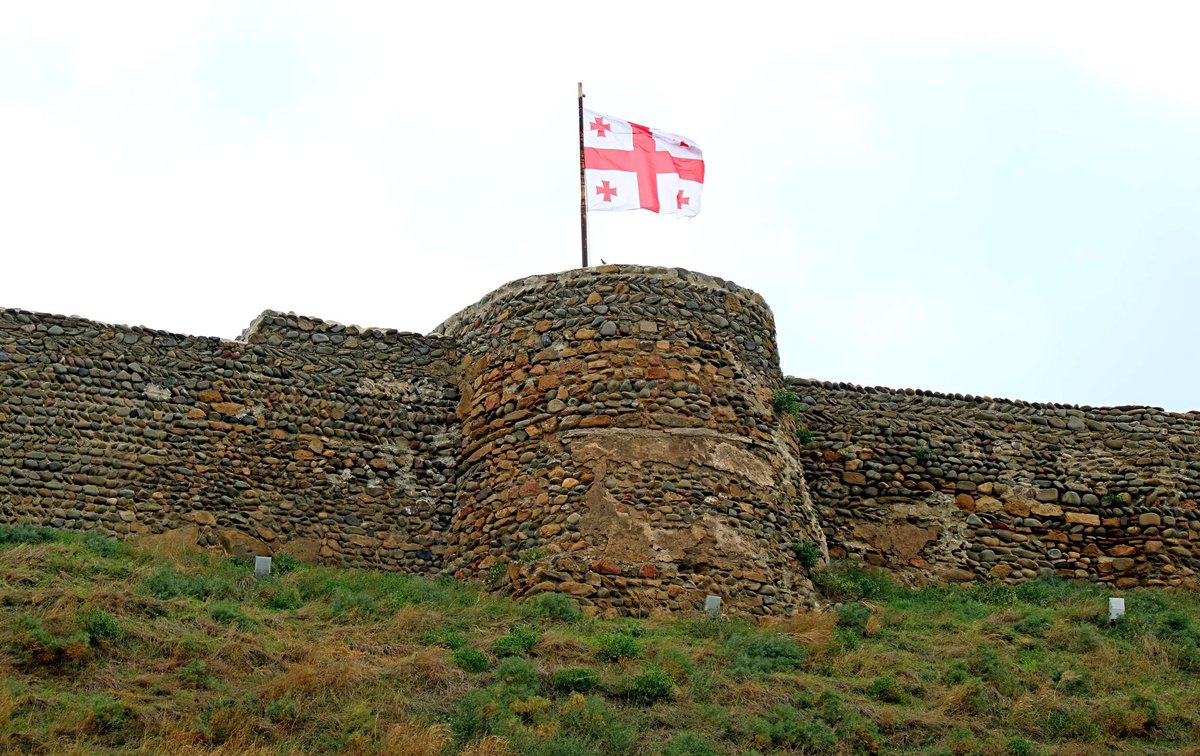
Georgia is a deeply religious country that reverently honors its ancestors. Saint Nino, two thousand years ago, became the first enlightener and baptizer of the country after the appearance of the Holy Virgin Mary to her in a dream.
This is a highly significant national holiday, celebrated on a grand scale with prayers read in all churches and temples throughout Georgia. The main pilgrimage takes place in Kakheti, where Saint Nino’s relics are kept at the Bodbe Monastery.
In Tbilisi, on this day, residents gather for Kvirikoba and hold a solemn church service. The Sioni Cathedral also plays a special role, as it preserves the cross used by Saint Nino to baptize the Georgian people. This cross, made of grapevine branches, has been preserved to this day and dates back to 319 AD.
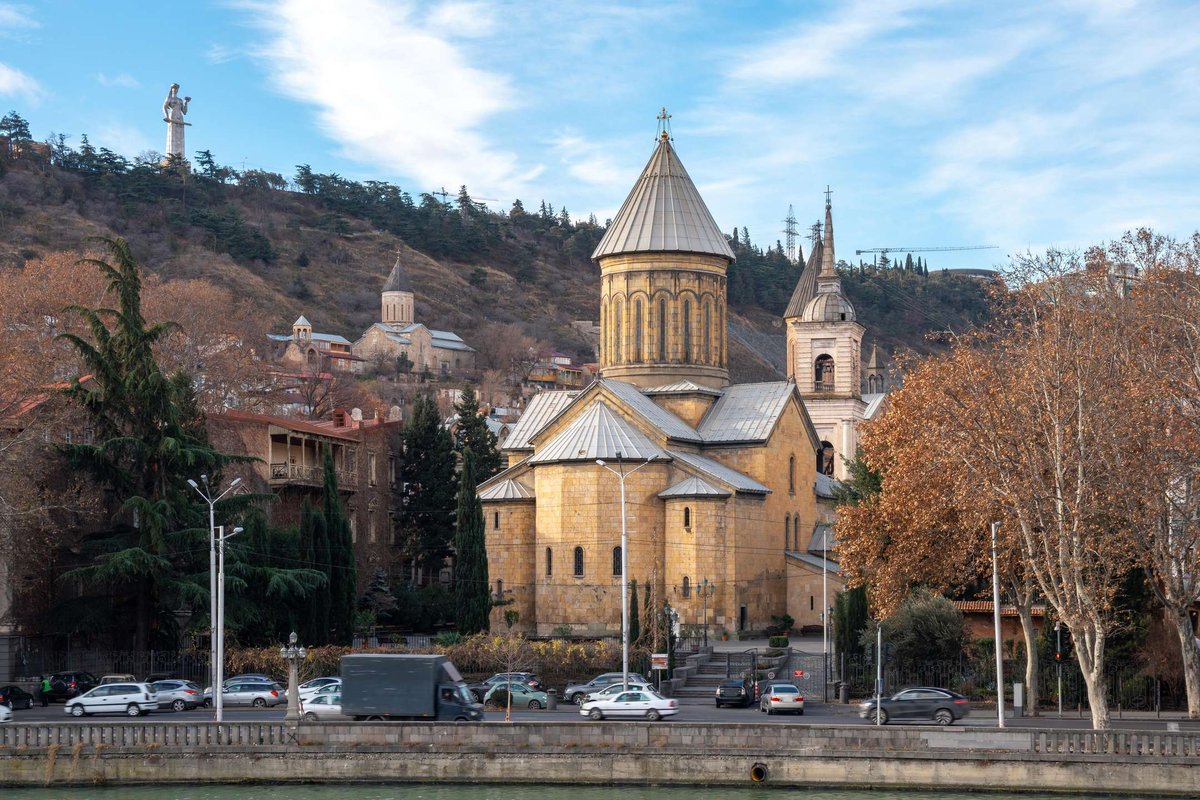
Gergetoba — the Day of Spiritual Love in Georgia
Gergetoba is celebrated with special solemnity, as it is one of the most ancient Georgian church holidays. The main motto of the festival is “God is Love.” On this day, all Christian believers in Georgia share spiritual love with one another.
This day should not be confused with the European Valentine’s Day, as Gergetoba is not about physical love, but about love for God and the Universe.
The holiday was revived at the end of the 20th century by His Holiness Catholicos-Patriarch Ilia II, who introduced the tradition of holding solemn prayer services and special liturgies on this day.
Kvirikoba — the Sacred Festival of Free Svaneti
Orthodox Christians of Georgia, and especially the people of Svaneti, place great importance at the end of July on celebrating the Day of Saints Kvirike and Ivlite. This day is known as Kvirikoba, named after these saints. Locals also call it Lagurka.
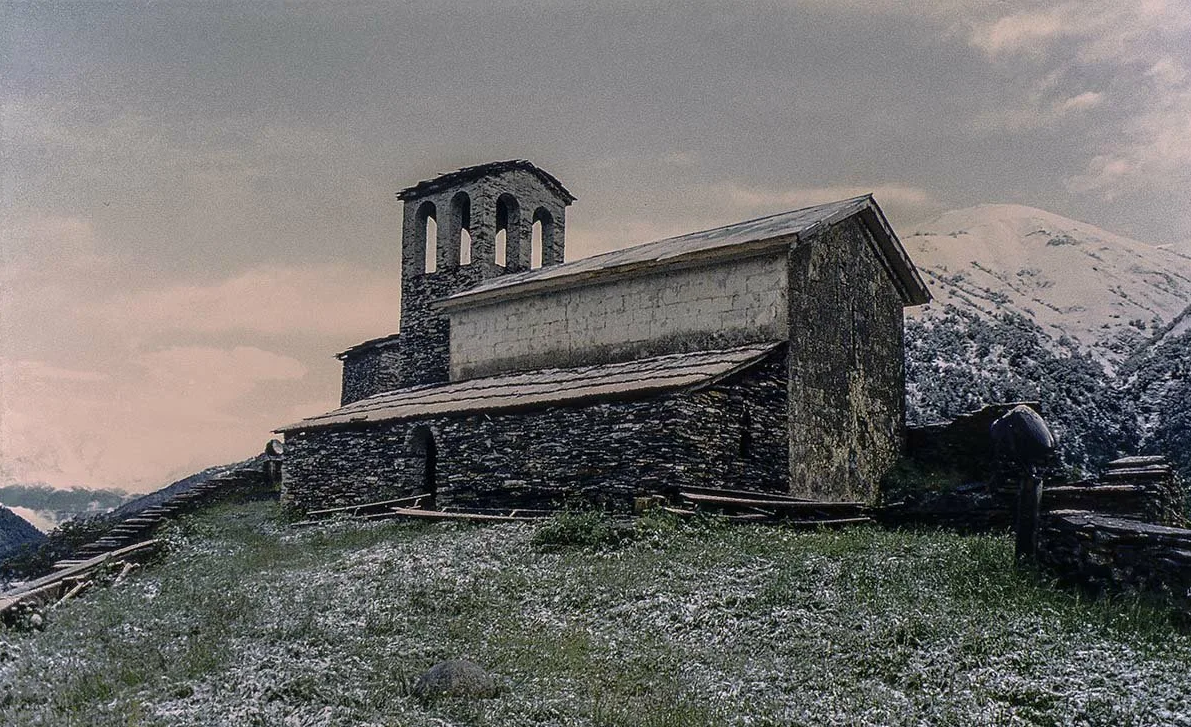
People from different regions gather in the high mountains to bake ritual bread, perform sacrificial rites, and attend church services. All events take place in the remote mountain village of Kala, which is difficult to find even on maps. It is best to travel there accompanied by locals who know the road well and can explain the traditions and customs of this special day.
This is one of the few days of the year when the Lagurka Church in Svaneti is open to everyone, allowing pilgrims to venerate the Byzantine Shaliani icon. This act is considered an essential part of the ritual for receiving divine blessing.
Orthodox Holiday — Saint Mary’s Day (Mariamoba)
Mariamoba is understood by locals as a solemn celebration dedicated to Saint Mary, whose name in Georgian is pronounced Mariam. Saint Mary is revered by Christian believers as the protector of all Georgia before Jesus Christ. The holiday is dedicated to the Dormition (Assumption) of the Mother of God, and it also marks the end of a two-week fast.
On Saint Mary’s Day, Orthodox believers attend a solemn liturgy held throughout the country on August 28. After the church service, families traditionally celebrate Mariamoba in a close family circle.
Saint Mary’s Day has a long history in Georgia, as it was officially established in 582 by the Byzantine Emperor Maurice. However, historians note that the Dormition of the Theotokos was celebrated by Orthodox Christians much earlier. It is believed that this feast was observed already during the earliest period of Christianity’s spread in Georgia.
The Rtveli Wine Festival — Tasting the Finest Georgian Wine
Wine is one of Georgia’s greatest treasures, and its production is treated with special reverence and care, strictly observing ancient traditions passed down from generation to generation for more than 4,000 years.
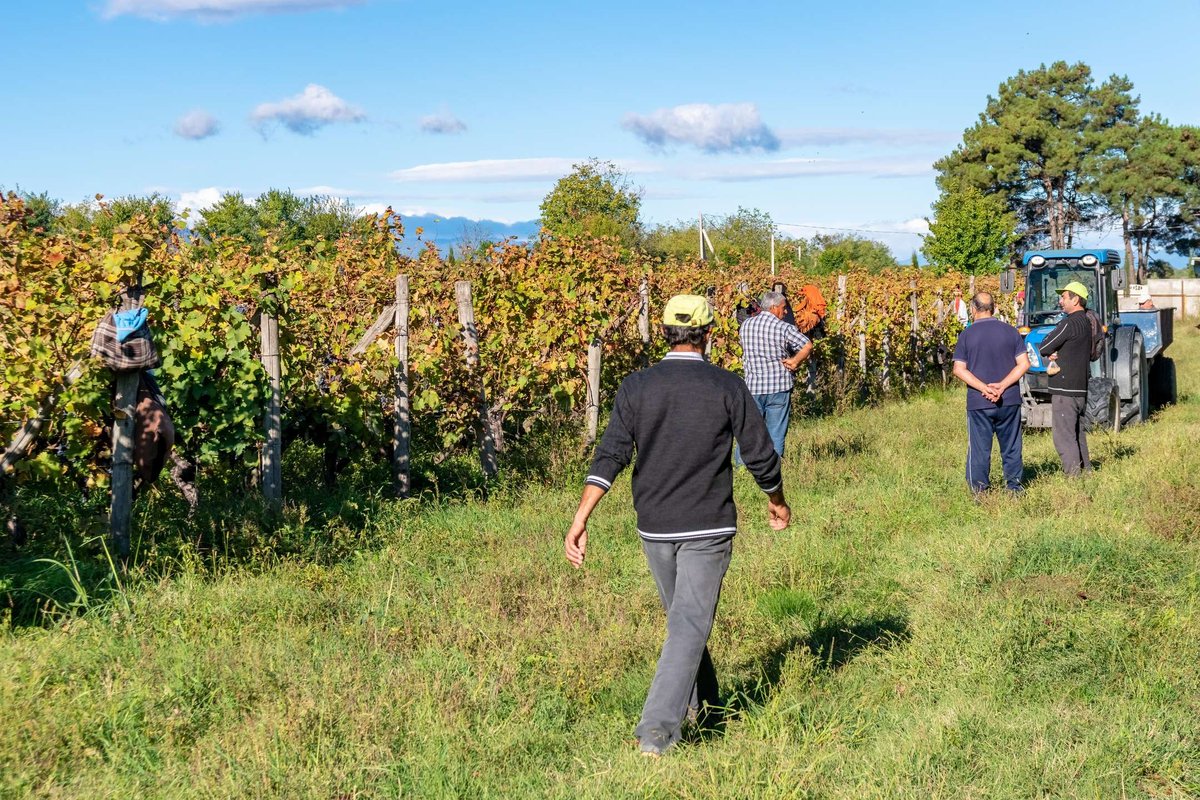
In honor of this remarkable drink, Georgia hosts a two-week Rtveli wine festival, where everyone can taste a wide variety of Georgian wines. This period is also dedicated to the harvest season, traditionally associated with grape picking.
On these days, Georgians gather from all corners of the world to take part in grand national festivities. Visitors can witness the grape harvest firsthand and observe the initial stages of winemaking practiced by different Georgian winemakers. Each year, more and more tourists come to the wine festival for tastings, as it is one of the country’s most important national celebrations, marked by a particularly festive atmosphere.
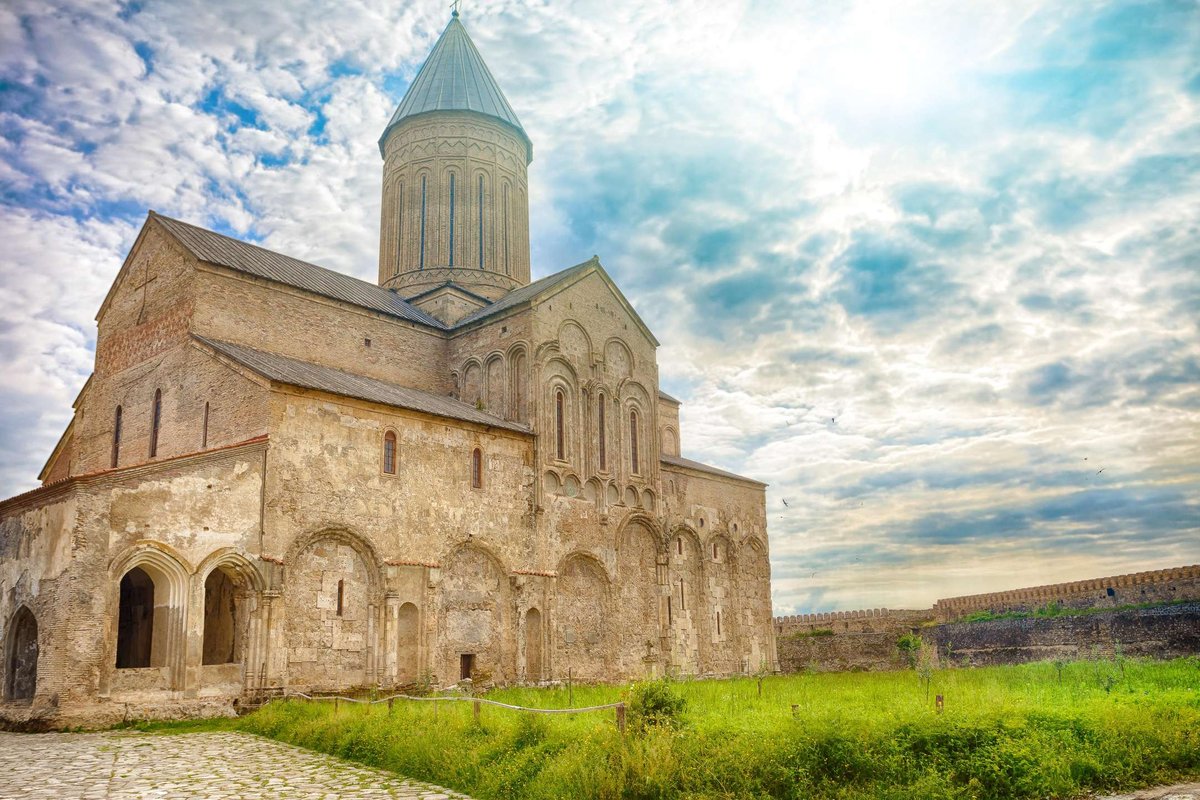
Major Church Holiday — Alaverdoba
One of the largest Orthodox celebrations, which in the past lasted for three weeks, is now observed on September 28–29 at the Alaverdi Cathedral in the Akhmeta Municipality of Georgia. The founder of the movement, Joseph of Alaverdi, in whose honor the cathedral was established, was a preacher who significantly strengthened Christianity in the region of Kakheti.
On the night from September 28 to 29, believers from all corners of the Caucasus would gather for church services and sacred rituals. These included offerings, ritual processions around the cathedral, lighting candles, and reading prayers. The celebration traditionally concluded with hundreds of horsemen circling the cathedral while singing the song “Dalaia” in honor of the warriors who had fallen while liberating the monastery from the Turkmen.
An essential part of Alaverdoba is the traditional fair held at the foot of the cathedral. The entire area fills with merchants, taverns, and craftsmen offering their goods to pilgrims and visitors. Since ancient times, such fairs have been believed to foster unity and closer ties among the diverse peoples living in Georgia.
Tbilisi City Day — Tbilisoba
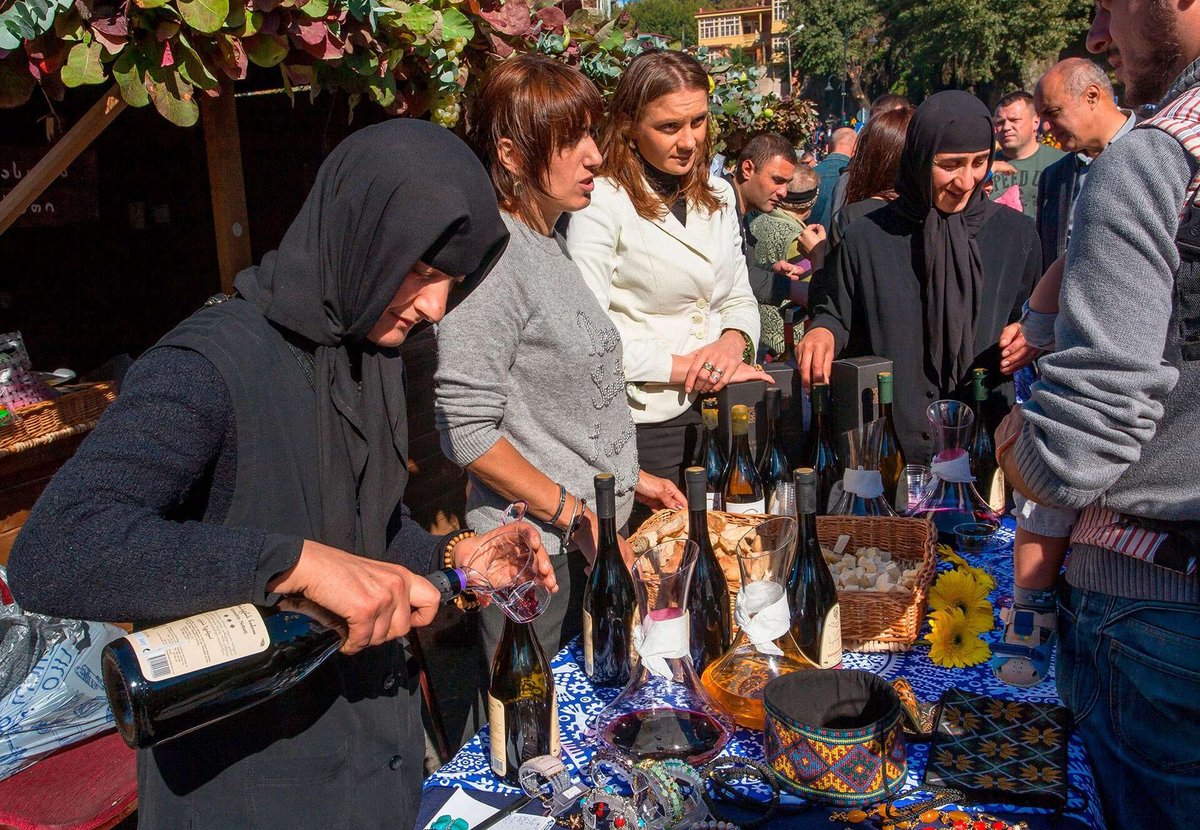
One of the most beloved holidays for Tbilisi residents is, of course, the city’s birthday. In Georgia, almost every celebration is tied to a specific event, and Tbilisoba is no exception. This day symbolizes the end of the harvest season and is celebrated on a truly grand scale.
Huge crowds do not intimidate anyone — on the contrary, they attract and delight all visitors. Everyone is welcome here: guests are fed, offered drinks, and entertained with genuine Georgian hospitality.
What Happens on This Day
Festive events usually begin no earlier than noon — after all, Georgians are not early birds! In the Old Town, a wide variety of entertainment activities are organized for tourists, tables are set everywhere, and wine and chacha flow freely. Fairs, festivals, and performances take place throughout the city.
In the Leghvtakhevi Gorge and on the Metekhi Bridge, locals gather around improvised tables, dance joyfully, sing songs, and generously treat everyone around them to barbecue, sweets, and alcoholic drinks.
Closer to the evening, a grand concert featuring famous performers and well-known Georgian figures begins in Rike Park. The day concludes with a spectacular fireworks show in honor of the celebration.
National Christian Holiday — Mtskhetoba–Svetitskhovloba in Georgia
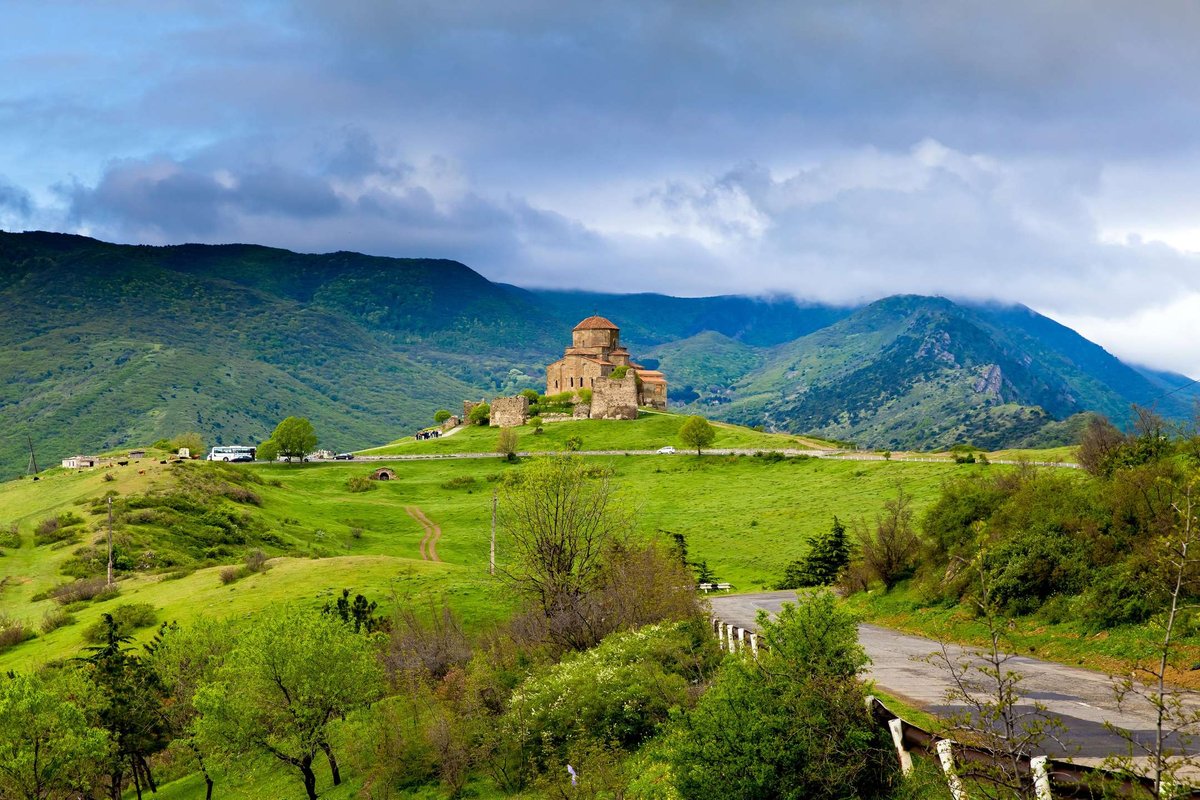
This holiday is celebrated by all Orthodox Christians in the ancient city of Mtskheta, where the magnificent Svetitskhoveli Cathedral is located. On this day, a solemn church service is held there, led by the Catholicos-Patriarch of All Georgia.
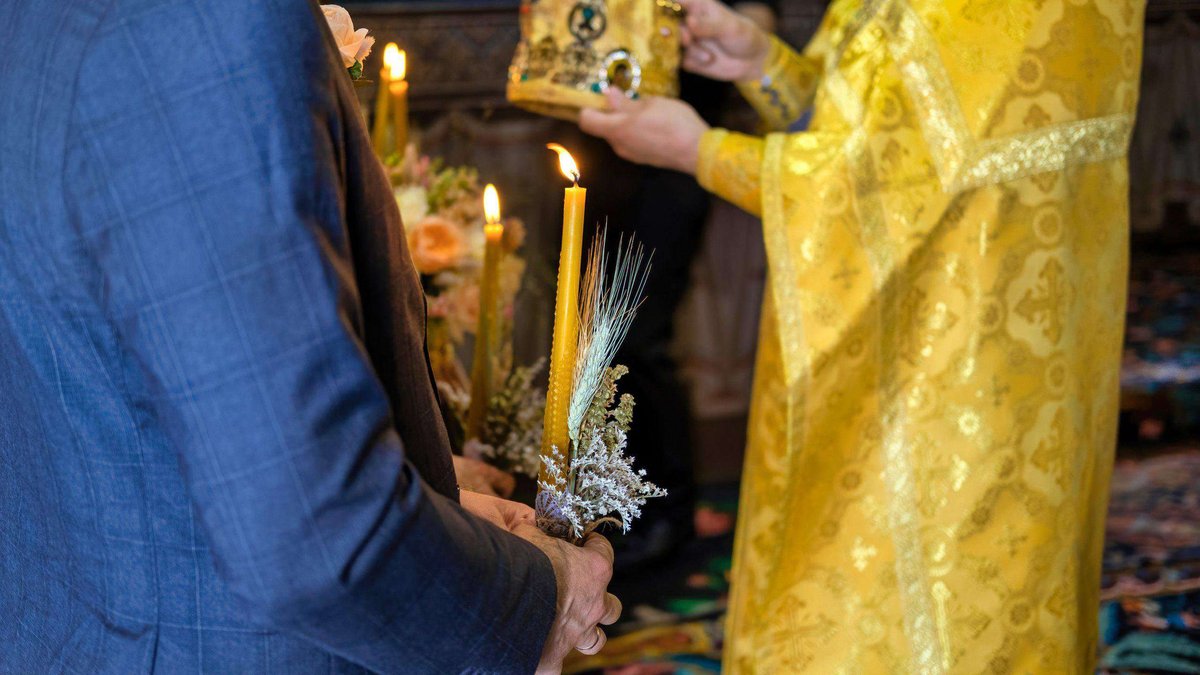
It is truly a remarkable celebration: the majestic cathedral, the golden vestments of the clergy, and the sacred mystery of religious rites create a unique atmosphere. After the service in the cathedral ends, baptisms take place at the confluence of the Aragvi and Kura rivers. Many families travel to Mtskheta specifically for this sacred event. In addition, both tourists and locals usually visit other landmarks of Mtskheta on this day, such as ancient churches and the Jvari Monastery.
The foundation of this holiday lies in an ancient legend that tells how the robe (chiton) of Jesus Christ was brought to Georgia by two priests from the place of His crucifixion. After the robe was buried, a remarkable cedar tree grew at that spot, possessing extraordinary healing powers. This tree later became known as the Life-Giving Pillar.
At the beginning of the 4th century, the first Georgian king ordered a church to be built at the burial site of the holy robe. The cedar was cut down, but the builders were unable to destroy its trunk. Saint Nino prayed for forgiveness from Christ, after which the cedar miraculously moved, and a beautiful church rose on that place. The columns of this church were made from the very same cedar. Many years later, in the 11th century, the wooden church was replaced by the Svetitskhoveli Cathedral.
Christian Feast of the Martyrs — Motsametoba (Ortsipoba)
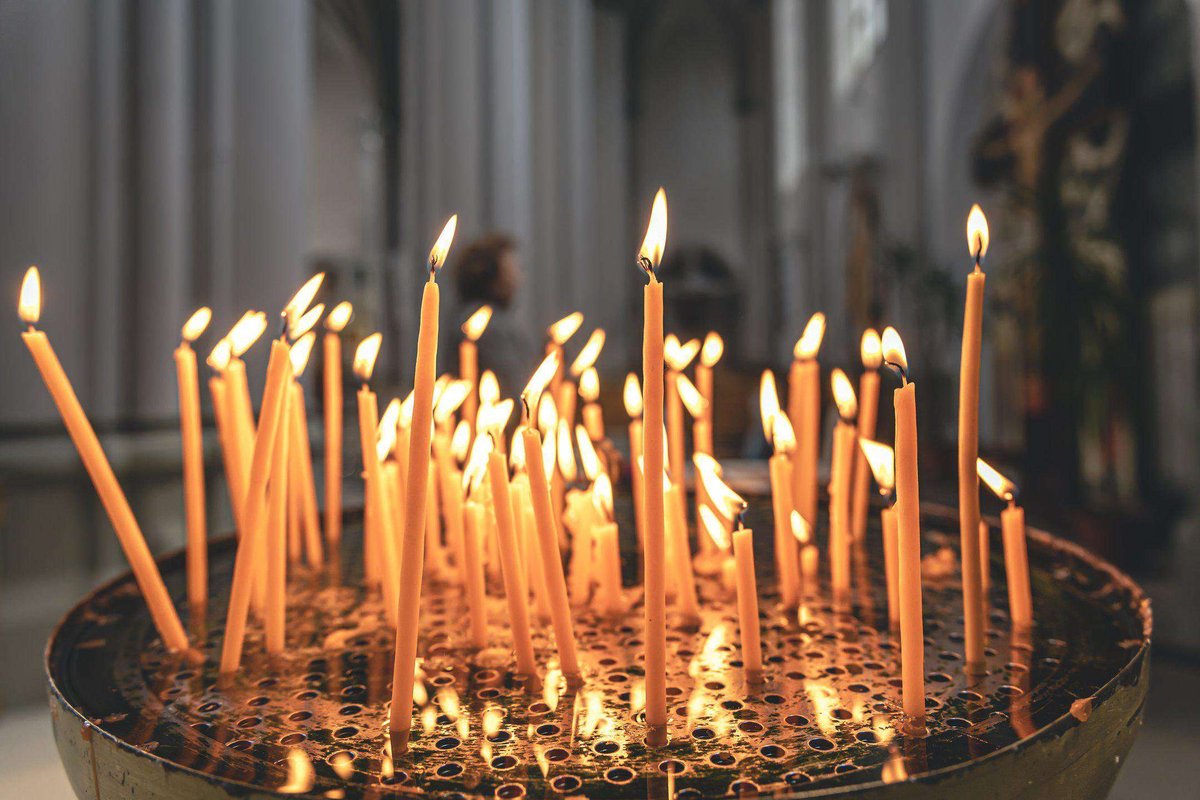
This national church holiday in honor of the martyr princes David and Constantine is traditionally celebrated at the Motsameta Monastery, located near Kutaisi. On this day, believers attend church services, light candles, and pray for all fallen warriors.
According to legend, the commander brothers did not renounce their faith and did not betray their homeland, despite enduring severe torture while in Arab captivity. They were forced to convert to Islam through starvation, beatings, and humiliation. Eventually, the princes were killed by being drowned in a river. Their bodies were buried in the Tskaltitela Church, where King Bagrat later founded the Motsameta Monastery in their honor after witnessing a radiant glow emanating from the relics of the martyred brothers.
These events took place about a thousand years ago. Over time, the monastery fell into neglect, but in the 21st century it underwent large-scale restoration. Today, it is one of Georgia’s most significant religious and tourist landmarks.
The Solemn and Majestic Day of Saint George — Giorgoba
The image of Saint George the Victorious is familiar to every child from an early age. He is traditionally depicted on horseback, striking an evil serpent with a spear. Saint George is one of the most revered and beloved saints in Orthodox families in Georgia. According to religious belief, Saint Nino, known as the main preacher of Christianity in Georgia, bequeathed to all Georgians to protect the memory of her dearly beloved brother and to honor him.
Saint George is venerated by the Georgian people as a Great Martyr, as he defended Orthodox Christians from oppression and persecution and endured severe torture for his faith. In the eyes of Georgians, he stands as one of the most important protectors and patrons. The history of Saint George dates back to the formative era of Christianity in Georgia, and his martyrdom is commemorated on November 23.
Saint George’s Day is celebrated widely and solemnly throughout Georgia. The holiday begins with prayers to Saint George for the well-being and health of loved ones. On this day, church bells ring in Orthodox temples across the country.
After the festive service at the Holy Trinity Cathedral in Tbilisi, residents traditionally celebrate the holiday in a family circle, surrounded by relatives and close friends. In every city of Georgia, large festive tables are set with delicious food, friends and relatives are invited, and families sing traditional songs and dance together.
Day of Remembrance of Saint Andrew the First-Called
This is the second day of the year when not only Georgians, but all Slavic peoples celebrate the Day of Saint Andrew the First-Called. This saint was one of the first to spread Orthodoxy along the Black Sea coast.
According to ancient traditions, this day symbolizes the meeting of winter, purification, and receiving blessings for a happy family life. Girls engage in fortune-telling, men compete in strength and agility, and afterward everyone gathers for large festive feasts with dancing and singing.
Church services are обязательно held in churches and temples, where prayers are offered, especially for people engaged in dangerous professions. Saint Andrew is considered the patron saint of sailors, military personnel, and travelers.
When Is the Best Time for Tourists to Visit Georgia
Tourists are especially encouraged to visit Georgia during the Rtveli Wine Festival, which takes place in early autumn. This day marks the harvest season and grape picking, when entire families gather and spend time together. Rtveli is also accompanied by street concerts and entertainment shows.
It is also highly recommended to attend Tbilisoba — in October, Georgia is still warm, and the celebration leaves an abundance of positive emotions and a joyful mood for the entire year ahead. On this day, visitors can truly experience Georgian hospitality, make new friends, immerse themselves in national traditions and customs, and most importantly — taste authentic Georgian cuisine and wine.
National Holidays When Banks, Shops, and Government Offices Are Closed
- January 1 — New Year
- January 2 — Bedoba
- January 7 — Christmas
- January 19 — Epiphany
- March 3 — Mother’s Day
- March 8 — International Women’s Day
- April 9 — Day of National Unity
- April 10, 2026* — Good Friday
- April 11, 2026* — Holy Saturday
- April 12, 2026* — Easter (Resurrection of Christ)
- April 13, 2026* — Easter Monday
- May 9 — Victory Day
- May 12 — Day of Saint Andrew the First-Called
- May 12 — Day of Georgia — the Lot of the Holy Virgin Mary
- May 26 — Independence Day
- August 28 — Mariamoba (Dormition of the Mother of God)
- October 14 — Svetitskhovloba, Feast of the Holy Robe in Mtskheta
- November 23 — Saint George’s Day
I would like to wish every traveler to visit Georgia at least once during one of its national celebrations. It is truly a unique opportunity to enjoy polyphonic singing and traditional dances, witness the Georgian feast in all its glory, and feel the incredible festive atmosphere.
If you have already visited Georgia during national holidays, be sure to share your impressions in the comments.
* The date changes every year.

0 comments
Log in to leave a comment